Learn how groundhog burrows can affect lawns, gardens, sheds, decks, patios, and foundations, plus when professional removal is needed.
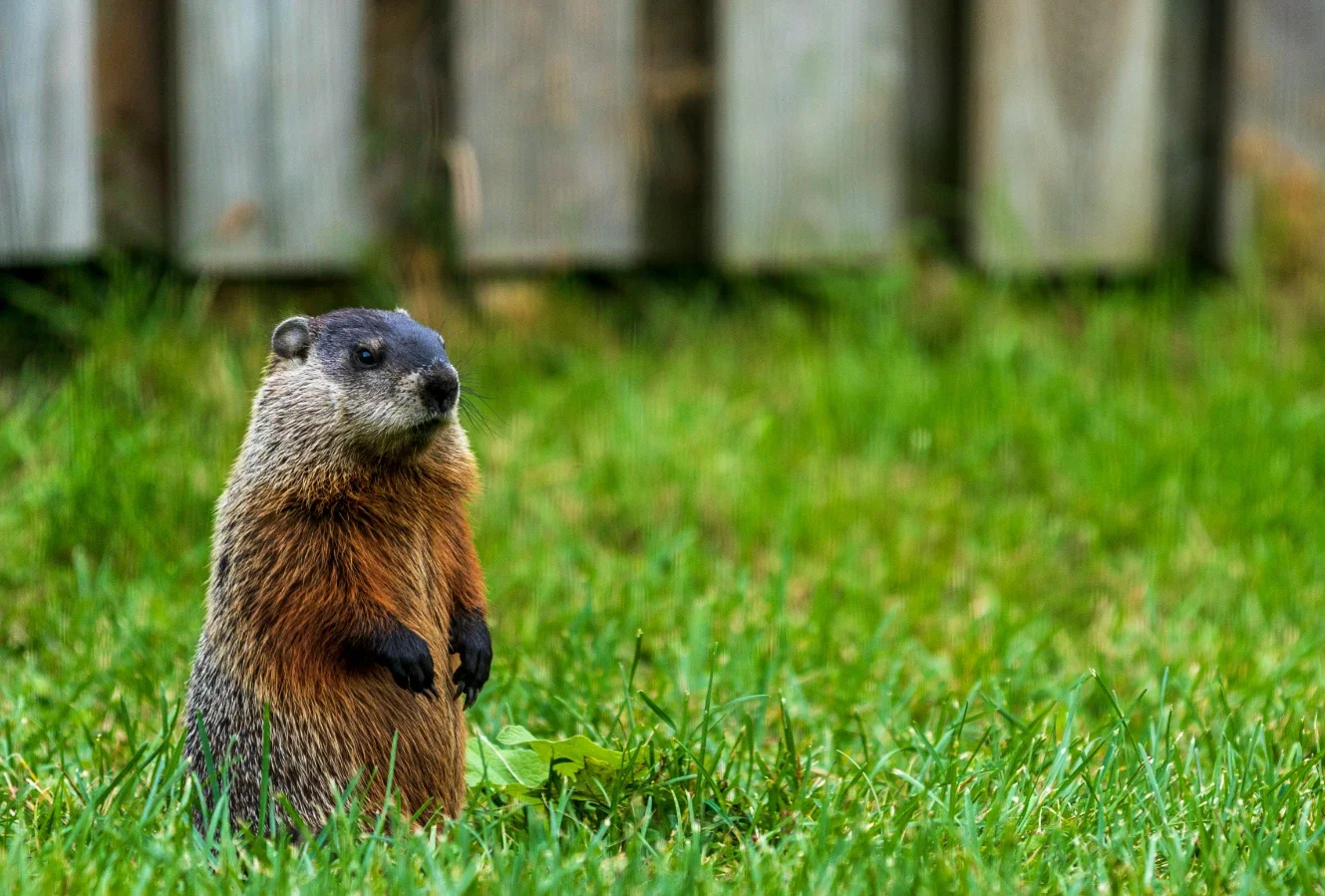
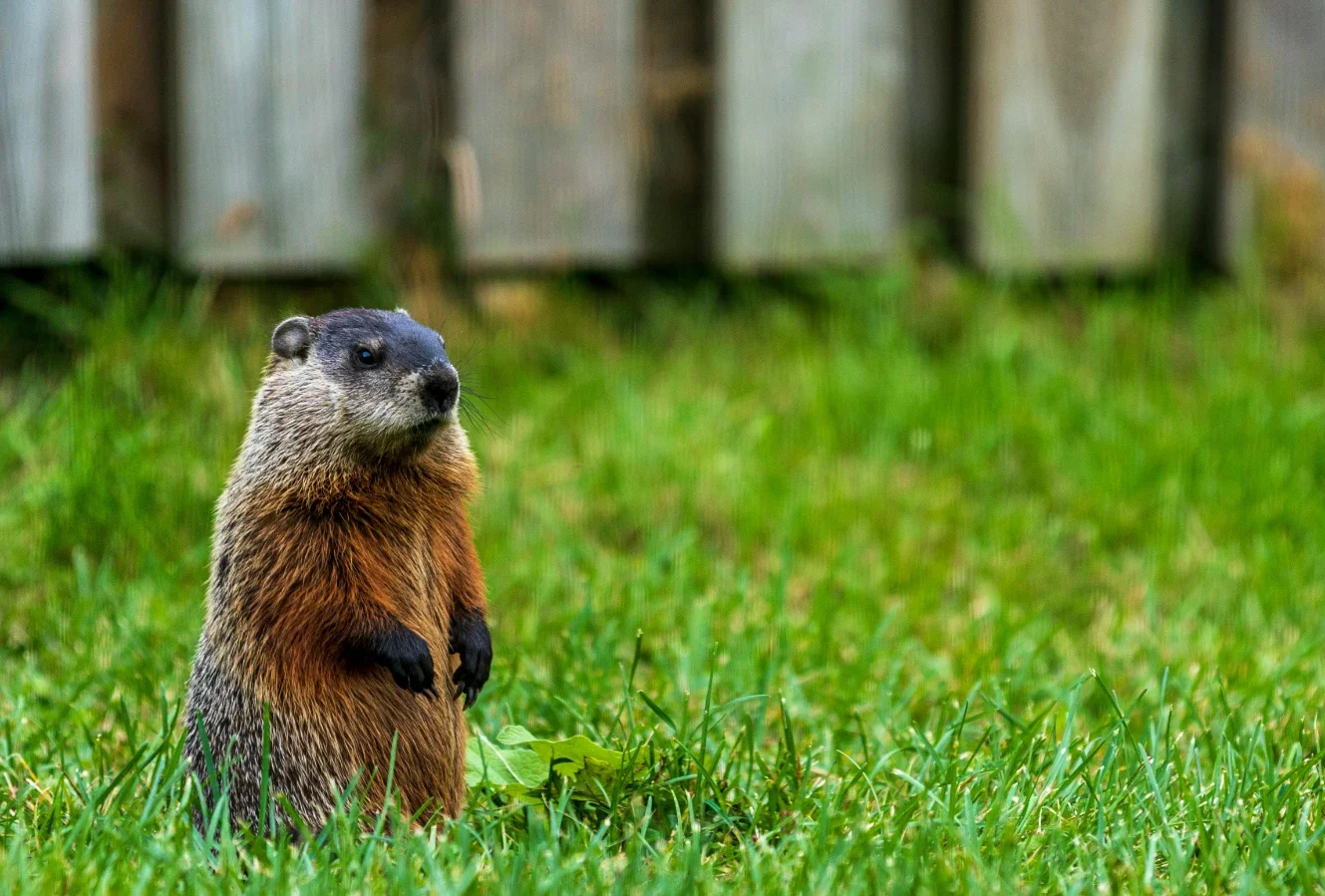
Groundhogs may seem harmless when seen crossing a lawn or feeding near a garden. Also known as woodchucks, these animals are common in Pennsylvania and can be found around fields, fence rows, stone walls, roadsides, wooded edges, and residential properties. Their burrows are often located near gardens, trees, buildings, and foundations, which is where they can become a serious concern for homeowners.
A single groundhog burrow may not look alarming at first. It may appear as one opening in the soil, a mound of dirt near a shed, or a tunnel beside a deck. However, groundhog activity can become more problematic when burrows expand, soil is displaced, gardens are damaged, or tunnels appear close to structural areas.
Understanding how groundhogs behave, where they dig, and what signs to watch for can help homeowners respond before the damage becomes more difficult to manage.
Why Groundhogs Become a Problem Around Homes
Groundhogs are burrowing animals. They dig underground tunnel systems for shelter, protection, hibernation, and raising young.
Residential properties can provide many of the conditions they prefer:
Soft soil
Garden plants
Dense vegetation
Brush piles
Sheds and decks
Stone walls
Fence lines
Quiet yard edges
Crawl-space or foundation-adjacent areas
Groundhogs are especially attracted to yards with reliable food sources. Vegetable gardens, ornamental plants, clover, grasses, and tender shoots can all draw them closer to the home.
The problem is not only what they eat. It is also where they dig.
A burrow near the far edge of a large field may cause little concern. A burrow under a porch, deck, patio, shed, walkway, or foundation area creates a different situation because it can disturb soil that supports or surrounds important structures.
What Groundhog Burrows Look Like
A groundhog burrow often has a larger main entrance with excavated soil nearby. There may also be secondary entrances that are less obvious.
Common signs include:
A round or oval hole in the ground
Freshly disturbed soil
Soil piled near the entrance
Worn paths through grass
Chewed plants near the opening
Burrow openings near fences, sheds, decks, or tree bases
Multiple holes connected by hidden tunnels
The main entrance is often more visible, while escape holes may be hidden by vegetation or positioned under structures.
Homeowners should avoid reaching into a burrow or attempting to collapse it without confirming whether the animal is still inside. Disturbing an occupied burrow can create additional problems and may cause the animal to dig elsewhere on the property.
How Burrows Can Affect Lawns
Lawn damage is often the first sign homeowners notice.
Groundhogs can displace soil while digging, leaving mounds, holes, and uneven ground. These areas may interfere with mowing, create tripping hazards, and make the yard look neglected.
Lawn-related issues may include:
Sunken areas
Soil piles
Bare patches
Damaged roots
Uneven mowing areas
Holes hidden by grass
Tunnels near landscaping beds
A hole in an open lawn may seem less urgent than one near the house, but it still deserves attention. Burrows can expand, and additional entrances may appear over time.
Repeated groundhog activity may also attract attention from other animals that investigate or reuse openings.
Garden Damage Can Be Significant
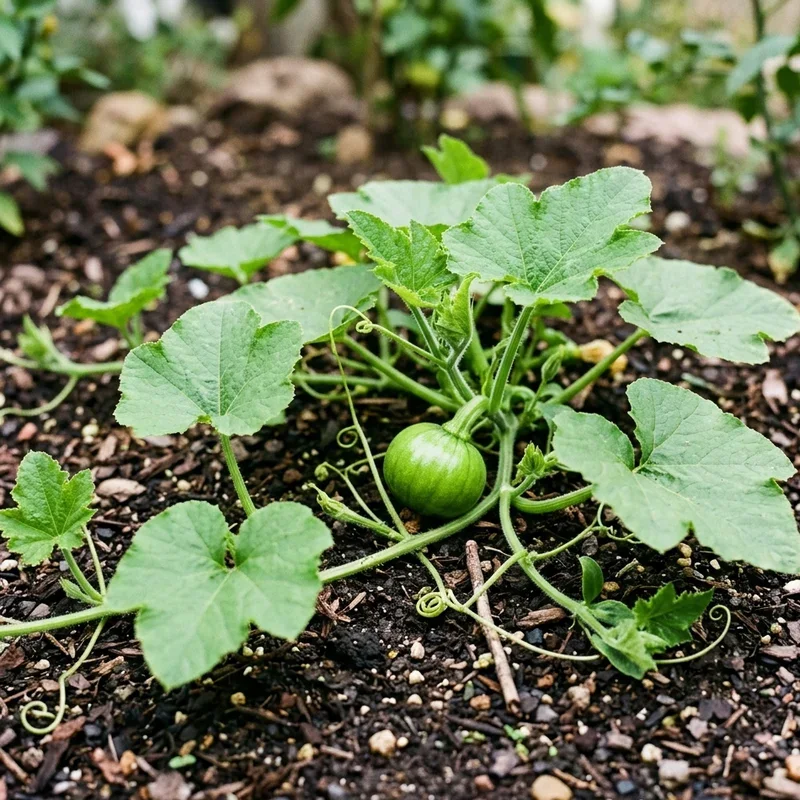
Groundhogs are known for feeding on many garden plants. Penn State Extension identifies woodchucks as animals that can cause extensive crop damage, including damage to plants such as beans, squash, tomatoes, peas, soybeans, and alfalfa.
In residential gardens, homeowners may notice:
Chewed vegetable plants
Missing leaves
Damaged stems
Trampled beds
Bite marks on low-growing plants
Activity near fence lines
Paths leading from a burrow to the garden
Groundhogs may feed heavily and return repeatedly once they identify a reliable food source.
A garden fence may help, but it must be designed with digging in mind. A simple above-ground barrier may not stop a determined burrowing animal. Fencing may need to extend below ground or be angled outward near the base to reduce digging underneath.
Why Burrows Near Foundations Need Attention
Groundhog burrows near a foundation are one of the main reasons homeowners request professional help.
The concern is soil disturbance. Groundhogs dig tunnels that can remove or shift soil near structural areas. A burrow close to a foundation, porch, patio, retaining wall, or slab may create voids or unstable areas.
Possible warning signs include:
Burrow openings beside the foundation
Soil disappearing beneath a slab or step
Cracks near a patio or walkway
Soil mounds against the house
Tunnels under a porch or deck
Settling near stairs or hardscaping
Repeated animal activity near the same structure
Not every burrow causes structural damage. However, burrows close to important support areas should not be ignored.
Homeowners should avoid filling the opening without removing or excluding the animal first. If the groundhog remains active, it may reopen the tunnel, create a new exit, or dig in another vulnerable area.
Sheds, Decks, and Porches Are Common Problem Areas
Groundhogs often dig beneath structures that provide overhead cover.
Common locations include:
Storage sheds
Decks
Porches
Raised patios
Outdoor stairs
Detached garages
Crawl-space edges
Wood piles
Fence lines
These areas give groundhogs shelter while keeping the burrow entrance less exposed.
A deck or shed may hide the true size of the burrow system. Homeowners may see only one opening but not the tunnels beneath the structure.
Professional inspection is useful when the burrow is difficult to access or when the animal may have created several connected entrances.
Groundhog Activity Can Affect Walkways and Hardscaping
Soil movement beneath hard surfaces can create visible changes over time.
Potential concerns include:
Uneven walkways
Soil erosion near steps
Cracks in small slabs
Voids beneath patios
Damage near retaining walls
Washed-out soil around tunnel entrances
These issues may also be caused by drainage, tree roots, poor installation, freeze-thaw movement, or natural settling. Groundhog activity should be considered when holes or soil piles appear near the same area.
If hardscaping damage is already visible, the burrow should be inspected before repairs are made. Otherwise, the surface may be repaired while the underlying animal activity continues.
Warning Signs Homeowners Should Watch For
Groundhogs are often visible during the day, especially when feeding. However, the burrow system may be discovered before the animal is seen.
Signs may include:
Large holes in the yard
Freshly dug soil
Chewed garden plants
Worn paths through grass
Soil mounds near structures
Burrows under decks or sheds
Repeated animal sightings
Damage near fence lines
Openings near foundations
Plants clipped close to the ground
The pattern matters. One damaged plant may not prove groundhog activity, but a burrow, soil mound, and repeated garden feeding create a stronger case.
Photographs can help track whether the burrow is active and whether the damage is spreading.
Seasonal Groundhog Activity
Groundhog activity is often most noticeable during the warmer months.
They feed actively during spring, summer, and fall. They also prepare burrows for shelter and hibernation. Penn State notes that groundhogs are true hibernators and commonly use burrows located near fields, roadsides, stone walls, building foundations, and tree bases.
This seasonal pattern matters because removal, exclusion, and burrow repair should be handled carefully. If young animals are present, timing and method become especially important.
Homeowners should avoid sealing burrows or installing barriers without understanding whether the burrow is occupied.
Why DIY Groundhog Removal Can Be Difficult
Groundhog problems may appear simple, but several factors make do-it-yourself control difficult.
First, the visible opening may not be the only entrance. Groundhogs often create more than one exit.
Second, the animal may be using the burrow regularly, seasonally, or as part of a larger territory.
Third, trapping and relocation rules vary by state and local area. Homeowners should avoid assuming that every removal method is legal or appropriate.
Fourth, the burrow may be located under a structure where access is limited.
Finally, filling a hole does not necessarily solve the problem. If the animal is still active, it may dig the entrance open again or create a new burrow nearby.
How to Reduce Attractants Around the Property
Prevention begins with making the property less inviting.
Homeowners can reduce groundhog pressure by addressing food, cover, and access.
Protect Garden Areas
Garden fencing should be designed to prevent climbing and digging. The base of the fence is especially important because groundhogs can burrow under weak barriers.
Remove Excess Vegetation
Tall grass, brush piles, and dense vegetation can provide cover. Keeping yard edges maintained makes burrows easier to see.
Manage Fallen Produce
Vegetables, fruit, or other food waste should not be left to accumulate.
Secure Outdoor Storage
Open sheds, crawl spaces, and areas beneath decks should be inspected for access.
Reduce Shelter Near Structures
Wood piles, debris, and unused materials should be moved away from foundations, decks, and sheds where practical.
These steps may not remove an established groundhog by themselves, but they can reduce the conditions that encourage activity.
Why Exclusion Matters After Removal
Removal is only part of the solution. Once a groundhog is gone, the property still needs to be protected against re-entry.
Exclusion may involve:
Closing access beneath decks
Installing buried barriers
Repairing gaps under sheds
Protecting crawl-space openings
Reinforcing vulnerable fence lines
Monitoring former burrow entrances
Filling abandoned tunnels properly after activity ends
The timing matters. Exclusion should not trap animals inside an active burrow.
A proper plan should confirm that the burrow is inactive before permanent closure or repair work begins.
When Professional Groundhog Removal Is Needed
Professional help is especially important when a burrow is located near a home, foundation, deck, porch, shed, patio, retaining wall, or garden.
Homeowners should consider help when:
A burrow is close to the foundation
Soil is disturbed near a deck or shed
Garden damage is recurring
Multiple burrow entrances are visible
The animal returns after DIY efforts
The burrow is hard to access
Young groundhogs may be present
Local removal rules are unclear
The homeowner is unsure whether the burrow is active
In these cases, professional groundhog removal can help identify the active burrow, remove the animal humanely, and recommend exclusion steps to reduce repeat activity.
What a Professional Groundhog Service May Include
A complete groundhog service should begin with inspection.
The process may include:
Identifying active burrows
Determining how the animal is using the property
Checking nearby structures for risk areas
Choosing an appropriate removal method
Following applicable wildlife rules
Addressing burrow access
Recommending exclusion or repair
Monitoring for renewed activity
The goal is not only to remove the current animal. It is also to reduce the likelihood that another groundhog uses the same sheltered area.
Safety and Property Considerations
Groundhogs should not be cornered, handled, or forced from a burrow by untrained individuals.
Homeowners should also be careful around burrow openings because the soil may be unstable. Holes hidden by grass can create a trip hazard.
If a burrow is near a structure and there are signs of settling, cracking, or significant erosion, a qualified contractor or structural professional may need to evaluate the physical damage after wildlife activity has been addressed.
Groundhog removal and structural repair are separate issues. The animal problem should be resolved before permanent repairs are completed.
Long-Term Prevention After Removal
After groundhog activity is resolved, homeowners should continue monitoring the property.
A simple checklist includes:
Inspect former burrow locations
Watch for new soil mounds
Repair damaged fencing
Keep vegetation maintained
Protect vegetable gardens
Close access beneath sheds and decks
Remove unnecessary debris
Check foundations and hardscaping
Record recurring activity
Groundhogs may return to favorable areas if food, shelter, and access remain available.
Protect the Property Before the Damage Spreads
Groundhog activity should not be ignored when burrows appear near structures, gardens, or high-use yard areas.
A single burrow can damage landscaping, disturb soil, create lawn hazards, and raise concerns around decks, sheds, porches, patios, and foundations. Early action is usually easier than waiting until multiple tunnels or recurring damage develop.
Patriot Pest Solutions provides groundhog removal services for homeowners in Montgomery County, Chester County, Berks County, Delaware County, Bucks County, Philadelphia, and nearby Pennsylvania areas. Its groundhog page describes humane trapping, exclusion, and service for burrows found under decks, porches, sheds, and foundations.
By combining removal, exclusion, garden protection, and ongoing monitoring, homeowners can reduce groundhog damage and keep vulnerable areas of the property better protected.