Modern Ways to Maintain a Healthy, Low-Maintenance Lawn
Discover practical ways to maintain a healthy, attractive lawn with less effort, from smarter watering and mowing to soil care and seasonal maintenance.
A healthy lawn does not have to demand every free hour of your week. With thoughtful planning, suitable grass varieties, efficient watering, and consistent maintenance, you can create an outdoor space that stays attractive without becoming a constant chore. Resources such as LawnRobotHQ can also help homeowners explore modern lawn care equipment, including robot mowers, as one practical option for reducing routine mowing work.
Start With Healthy Soil
The condition of your soil has a direct effect on how well grass grows. Compacted or nutrient-poor soil can make it difficult for roots to access water, air, and essential nutrients.
Consider testing your soil before making major changes. A soil test can provide information about its pH and nutrient levels, helping you determine whether amendments are actually necessary.
Aeration can also benefit lawns growing in compacted soil. Removing small plugs from the ground creates spaces that allow air and water to move more effectively toward the roots.
Choose Grass That Fits Your Yard
Low-maintenance lawn care starts with choosing grass that is appropriate for the local climate and growing conditions.
Consider how much sunlight the yard receives, how frequently the area is used, and how much natural rainfall is available. Some grass varieties perform well in sunny areas, while others tolerate partial shade more effectively.
Using the right grass can reduce the need for excessive watering, fertilization, and other interventions later.
Water More Efficiently
Overwatering can be just as problematic as underwatering. Excess moisture can contribute to shallow roots, fungal problems, and unnecessary water consumption.
Water deeply and according to the needs of your grass and local conditions rather than following a rigid daily schedule. Early morning is often a practical time because cooler temperatures can reduce evaporation.
Pay attention to rainfall as well. If your lawn has already received sufficient moisture, supplemental irrigation may not be necessary.
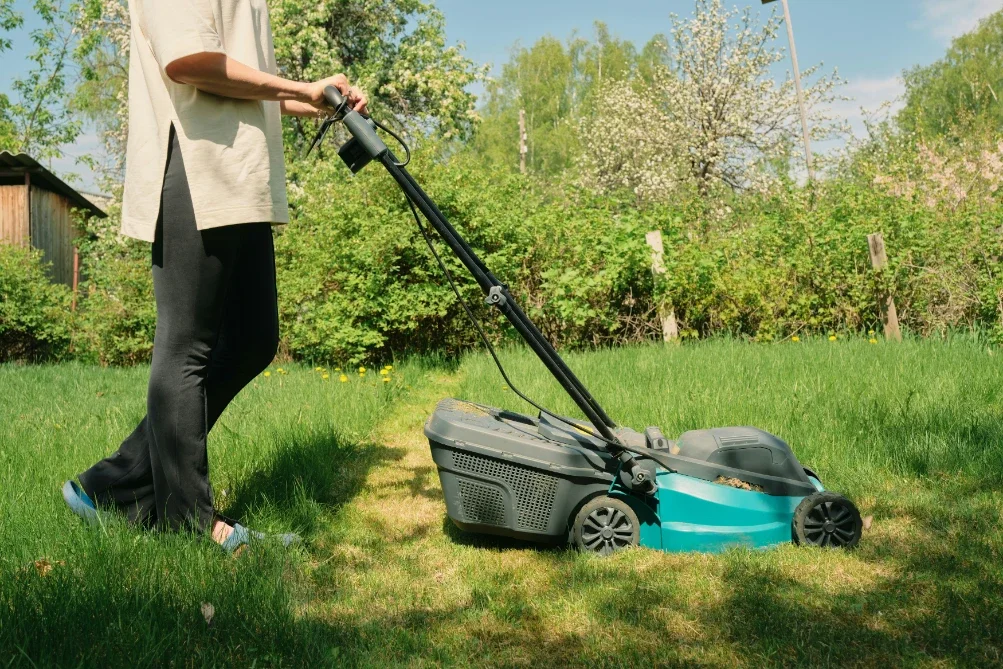
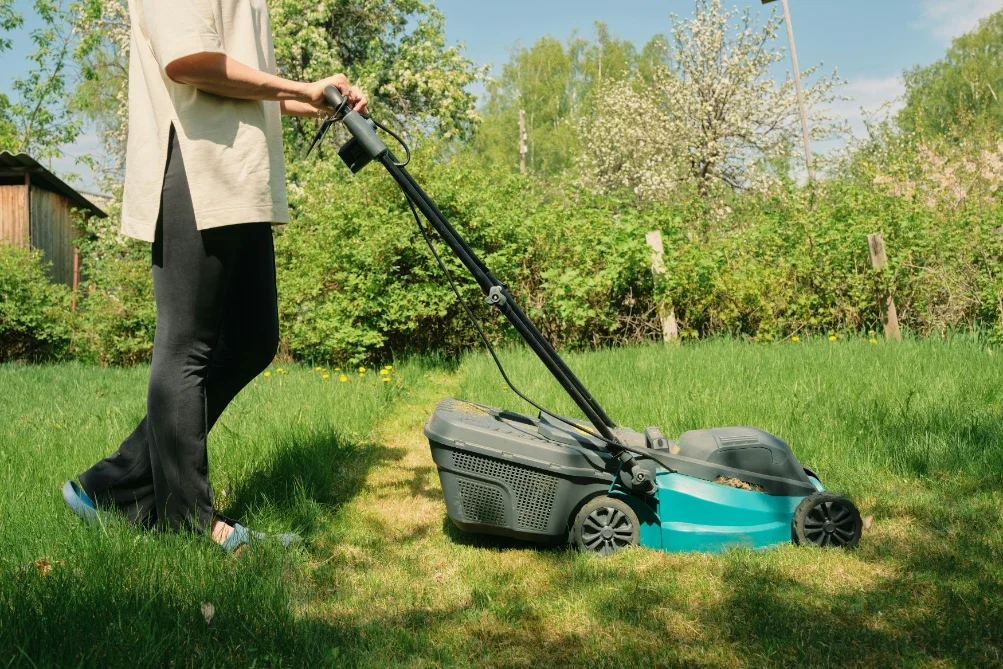
Mow at the Right Height
Mowing too short can stress grass and expose the soil to greater heat and moisture loss.
Instead, maintain a mowing height appropriate for your grass type. Removing only a portion of the blade during each mowing session can help maintain healthier plants.
Keep mower blades sharp as well. Dull blades can tear grass rather than making clean cuts, which can leave the lawn looking uneven.
Consider More Frequent, Lighter Mowing
A lawn that is maintained consistently is often easier to manage than one that is allowed to become significantly overgrown.
Frequent mowing removes smaller amounts of grass and can help maintain a uniform appearance. This is one reason robot mowers have become an interesting option for homeowners seeking a more automated approach.
These machines are designed to make repeated mowing passes with relatively little direct involvement from the homeowner. They can be particularly useful for people who prefer to spend less time on routine lawn maintenance.
However, a robot mower is not a substitute for complete lawn care. Edging, seasonal cleanup, fertilization, aeration, and irrigation still require attention.
Improve Lawn Edges
Clean edges can make a lawn appear more organized even when the landscaping itself is simple.
Use edging tools along sidewalks, driveways, garden beds, and other boundaries. Keeping grass from spreading into planting areas also reduces the amount of trimming required later.
Defined edges can make the entire yard look more intentional without requiring additional decorative features.
Use Mulch Around Garden Beds
Mulch can reduce weeds, conserve soil moisture, and create a cleaner transition between lawns and planted areas.
Organic mulch can also contribute to soil health as it gradually breaks down. Keep mulch away from the direct base of trees and shrubs to reduce the risk of moisture-related problems.
A consistent layer is generally more useful than applying excessive amounts.
Fertilize Based on Need
More fertilizer does not automatically produce a healthier lawn.
Applying too much can encourage excessive growth, increase mowing requirements, and contribute to nutrient runoff. Instead, base fertilizer applications on grass type, soil conditions, season, and actual nutrient requirements.
A soil test can be particularly helpful when deciding whether additional nutrients are necessary.
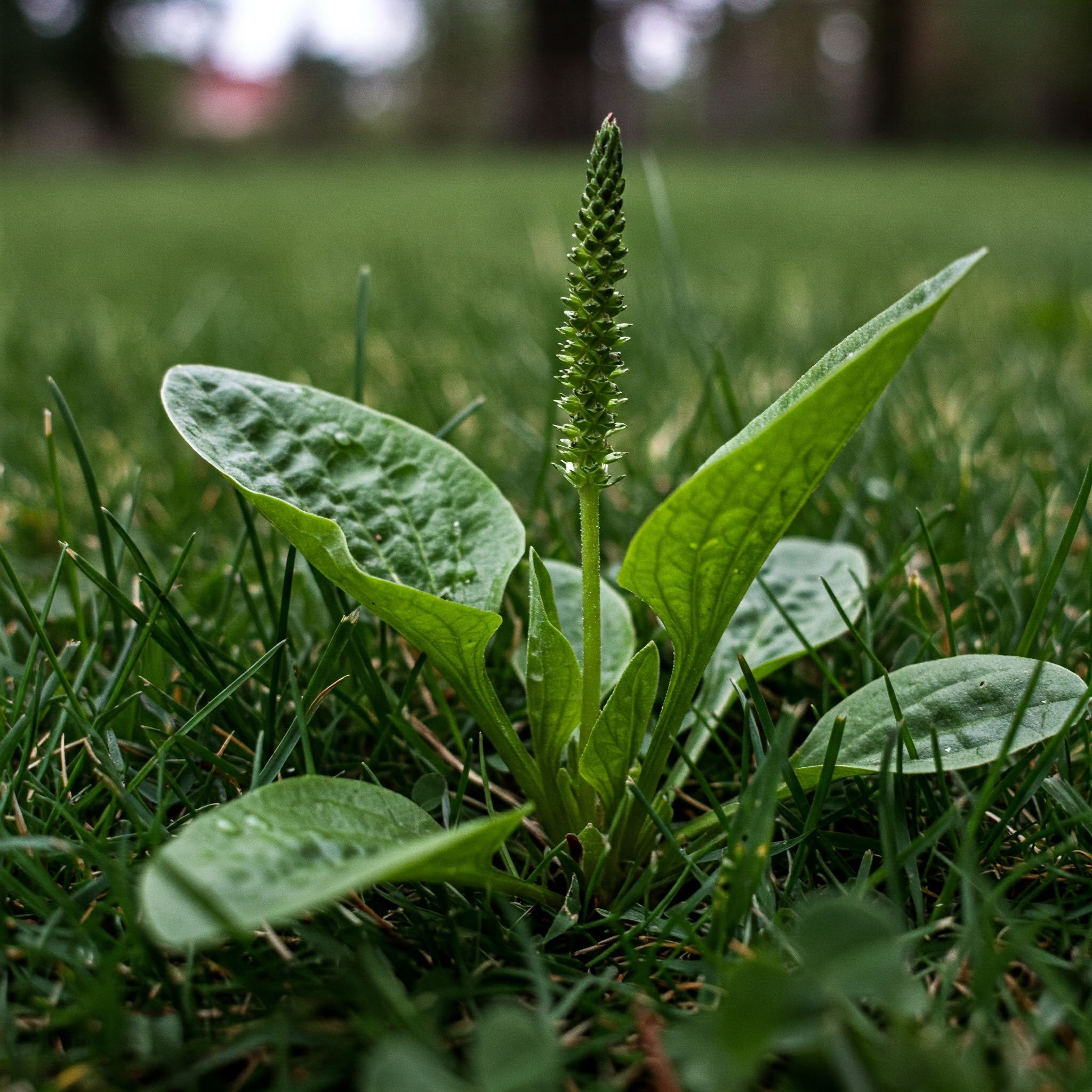
Manage Weeds Early
Small weed problems are generally easier to manage than widespread infestations.
Regular mowing, healthy soil, appropriate watering, and dense grass growth can naturally limit opportunities for weeds to establish themselves.
When weeds do appear, identify them before choosing a treatment. Different species respond differently to control methods, and unnecessary chemical applications can create additional environmental concerns.
Keep Leaves and Debris Under Control
Leaves, branches, and other debris can block sunlight and air circulation when left on the lawn for extended periods.
During autumn, regular removal helps prevent thick layers of leaves from remaining on grass through wet weather. Grass clippings can often remain on the lawn when they are short enough to break down naturally, returning some nutrients to the soil.
Create a Seasonal Maintenance Routine
A simple seasonal checklist can make lawn care more manageable.
Spring: Inspect for winter damage, remove debris, address compacted areas, and prepare irrigation systems.
Summer: Monitor moisture, adjust watering according to weather, and maintain appropriate mowing height.
Fall: Remove excessive leaves, repair damaged areas, and prepare plants and equipment for colder conditions.
Winter: Minimize unnecessary traffic on dormant grass and inspect equipment so it is ready for the next growing season.
Final Thoughts
A low-maintenance lawn is not necessarily one that receives no attention. Instead, it is a landscape designed around efficient habits and appropriate choices.
Healthy soil, suitable grass, efficient watering, proper mowing, clean edges, and timely seasonal care can significantly reduce unnecessary work. Automation can also help with repetitive tasks, making tools such as robot mowers a useful addition for homeowners who want to spend less time behind a mower and more time enjoying their outdoor space.