Where to Plant Pumpkins in Your Garden Properly
Learn where to plant pumpkins in your garden properly with tips on sunlight, soil, spacing, and location for a bumper harvest.
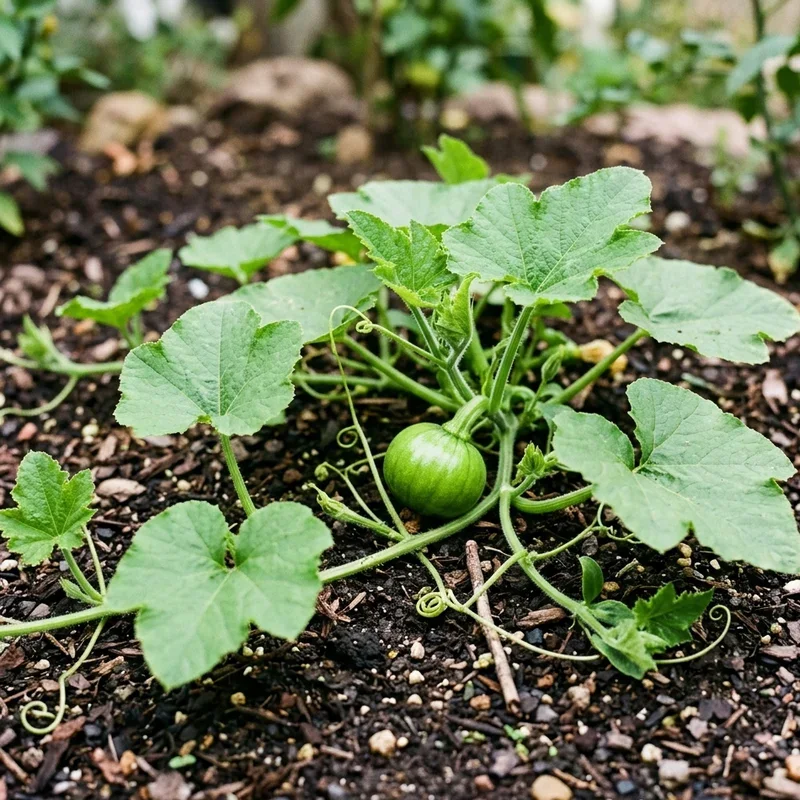
There's something deeply satisfying about growing your own pumpkins. Maybe it's the way those big, golden orbs sit heavy on the vine like nature's own trophy, or maybe it's knowing that your Thanksgiving pie started right there in your backyard. Whatever the reason, pumpkins have a special place in the hearts of home gardeners everywhere. But here's the thing that trips up a lot of first-timers and even some experienced growers. It's not just about dropping a seed in the dirt and hoping for the best. Where you plant those pumpkins matters enormously. Get the location right, and you're looking at fat, gorgeous fruits come autumn. Get it wrong, and you'll end up with leggy vines, stunted growth, and a whole lot of disappointment.
That's exactly why understanding where to plant pumpkins in your garden properly can make or break your entire harvest. Pumpkins are hungry, sun-loving, space-hogging plants that have very specific opinions about where they want to grow. They're not shy about letting you know when they're unhappy, either. Yellowing leaves, poor fruit set, and rotting on the vine are all signs that something about the location wasn't quite right.
But don't let that scare you off. Once you know what pumpkins need and how to scout the perfect spot in your garden, the whole process becomes surprisingly straightforward. This guide is going to walk you through everything from sunlight requirements and soil conditions to spacing strategies and creative solutions for small gardens. By the time you're done reading, you'll know exactly where to put those pumpkin seeds for the best possible results.
Let's dig in.
Why Location Matters More Than You Think
Before we start scouting spots in your garden, let's talk about why location is such a big deal for pumpkins specifically. After all, plenty of vegetables will grow just about anywhere you stick them. Pumpkins aren't that easygoing.
Pumpkins belong to the cucurbit family, which also includes squash, cucumbers, and melons. These plants evolved in warm, sunny environments with rich, well-drained soil. They've got sprawling growth habits, massive leaf canopies, and root systems that reach deep and wide. Everything about their biology is designed for open, fertile ground with plenty of room to stretch out.
When you cram pumpkins into a shady corner or plant them in compacted clay soil, you're fighting against millions of years of evolutionary programming. The plants might survive, but they certainly won't thrive. You'll see weak vines, small or misshapen fruits, increased disease pressure, and lower yields overall. Pumpkins are generous producers when their needs are met, but they're also surprisingly sensitive to subpar conditions.
The right location addresses four critical factors all at once. Sunlight exposure, soil quality, drainage, and space. Nail all four, and your pumpkins will practically grow themselves. Miss even one, and you'll be playing catch-up all season long. It's like building a house. The foundation has to be solid, or nothing you put on top of it will hold together properly.
Sunlight: The Non-Negotiable Starting Point
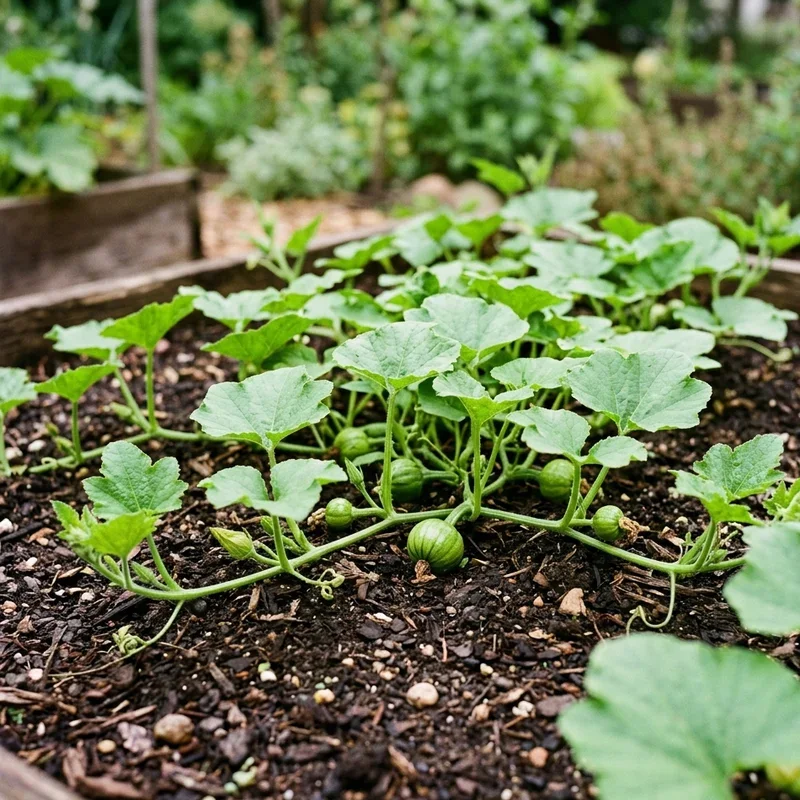
If there's one rule that trumps everything else when deciding where to plant pumpkins in your garden properly, it's this. Follow the sun. Pumpkins are absolute sun worshippers. They need a minimum of six to eight hours of direct sunlight every single day, and honestly, the more the better. Ten hours of full sun would make your pumpkins downright giddy if plants could feel joy.
Walk around your garden at different times during the day and pay attention to where the light falls. Morning sun is particularly valuable because it dries the dew off the leaves quickly, which helps prevent fungal diseases like powdery mildew and downy mildew. Those diseases are the bane of every pumpkin grower's existence, and a sunny, well-ventilated spot goes a long way toward keeping them at bay.
Watch out for sneaky shade sources that you might not notice at first glance. A tree that seems harmless in the morning might cast a long shadow across your garden by mid-afternoon. The garage, a fence, a neighboring building, all of these can steal precious sunlight hours from your pumpkin patch without you even realizing it.
South-facing areas of the garden tend to get the most consistent sun exposure throughout the day, at least in the Northern Hemisphere. If you've got a south-facing slope, even better. The angle catches more sunlight and warms the soil faster in spring, which gives your pumpkins a head start on the growing season.
One trick that experienced gardeners use is to map their garden's sun exposure over an entire day before planting season. Set a timer on your phone and check the target area every couple of hours from sunrise to sunset. Note where the shadows fall and how they shift. It takes a little patience, but that information is worth its weight in gold when it comes to placing sun-hungry crops like pumpkins.
Soil Conditions That Make Pumpkins Sing
Pumpkins have big appetites. These plants produce enormous fruits in a relatively short time, and that rapid growth demands nutrient-rich, well-draining soil with plenty of organic matter. Think of it this way. You wouldn't try to run a marathon on an empty stomach, and you can't expect pumpkins to pump out ten-pound fruits from depleted, compacted dirt.
The ideal soil pH for pumpkins falls between 6.0 and 6.8, which is slightly acidic to neutral. If you've never tested your soil, this is the year to start. Home testing kits are cheap and available at any garden center, or you can send a sample to your local cooperative extension office for a more detailed analysis. Knowing your soil pH takes the guesswork out of amending and lets you target exactly what your ground needs.
Loamy soil is the gold standard for pumpkins. It holds moisture well without getting waterlogged, provides good aeration for root growth, and typically contains a healthy balance of nutrients. If your garden soil is heavy clay, you'll want to work in generous amounts of compost, aged manure, and coarse sand to improve drainage and texture. Sandy soil drains too fast and doesn't hold nutrients well, so mixing in compost and organic matter helps it retain moisture and fertility.
Speaking of compost, pumpkins absolutely love the stuff. Work a thick layer of well-rotted compost into your planting area at least two weeks before you put seeds in the ground. Some growers go a step further and create dedicated pumpkin hills or mounds. These are raised piles of enriched soil about twelve inches high and three feet across, spaced several feet apart. The mound shape improves drainage, warms the soil faster, and concentrates nutrients right where the roots need them most.
If you're really serious about big pumpkins, consider side-dressing with a balanced fertilizer or additional compost midway through the growing season. Those vines are pumping out fruit at a furious pace by midsummer, and a nutritional boost can make a noticeable difference in size and quality.
Where to Plant Pumpkins in Your Garden Properly: Spacing and Layout
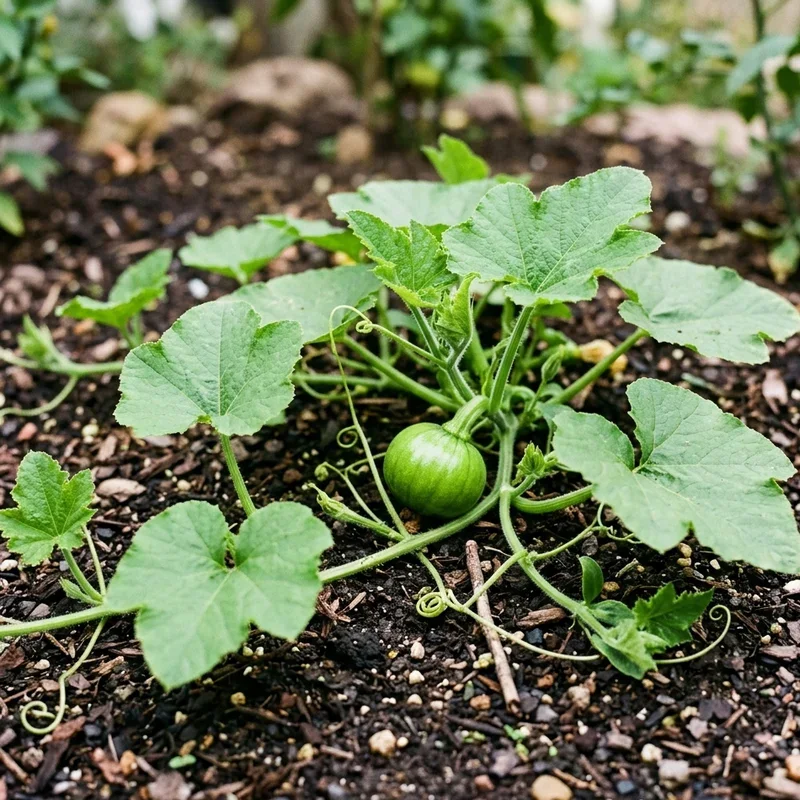
Here's where a lot of home gardeners run into trouble. Pumpkins need space. Not just a little space. A lot of space. Those cute little seedlings will transform into sprawling vine monsters that can easily cover a hundred square feet or more per plant. If you're used to growing compact vegetables like peppers and lettuce, the scale of a pumpkin patch can catch you completely off guard.
For standard-sized pumpkin varieties, plan on spacing plants about four to six feet apart within the row, with rows set eight to twelve feet apart. That might sound like overkill, but trust the math. A single pumpkin vine can run twenty or thirty feet in every direction, and those vines need room to spread without tangling up with each other or smothering neighboring crops.
Miniature and bush varieties are more forgiving on space. These compact cultivars were bred specifically for smaller gardens and can get by with three to four feet between plants. They won't produce the massive jack-o-lantern types, but they're perfect for pies, decoration, and the pure satisfaction of growing something with your own two hands.
When planning your layout, think about traffic flow too. You'll need to access the patch for watering, feeding, pest inspection, and eventually harvesting. Leaving walking paths between rows saves you from having to trample over vines every time you need to check on things. Crushed vines mean reduced fruit production, so a little planning up front prevents a lot of accidental damage later.
One layout trick that works beautifully is planting pumpkins along the edge of your garden rather than in the center. Let the vines trail outward into the lawn or along a fence line. This way, the pumpkins get all the space they crave without hogging prime garden real estate from your other vegetables. It's a win-win arrangement that makes efficient use of every square foot.
The Drainage Factor You Can't Afford to Ignore
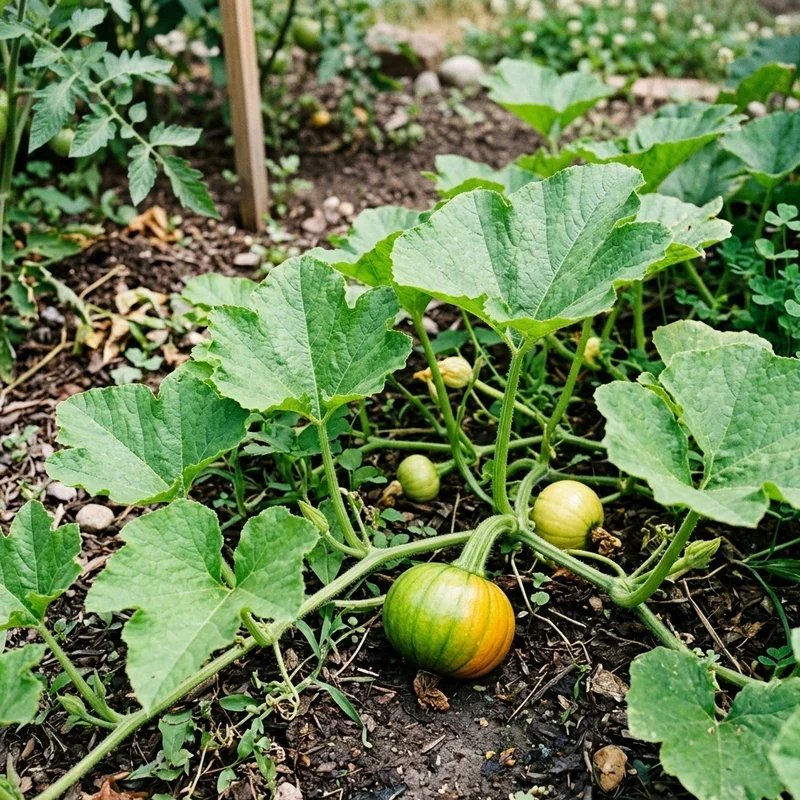
Pumpkins love water. They need consistent, deep watering throughout the growing season, especially during fruit development. But here's the catch. They absolutely hate sitting in soggy, waterlogged soil. It's a fine line, and getting the drainage right at your planting location is crucial.
Poor drainage leads to root rot, crown rot, and a host of fungal problems that can wipe out a healthy-looking plant in a matter of days. If you've ever watched a pumpkin vine go from vigorous to wilted and brown seemingly overnight, there's a good chance that waterlogged soil was the culprit.
Before committing to a planting spot, do a simple drainage test. Dig a hole about twelve inches deep, fill it with water, and see how long it takes to drain. If the water disappears within an hour, your drainage is solid. If it's still sitting there after several hours, that spot is going to cause problems for pumpkins.
Avoid low-lying areas of the garden where water naturally collects after rain. Slopes and slightly elevated areas are better choices because gravity pulls excess water away from the root zone. Those raised mounds we talked about earlier are also an excellent solution for gardens with mediocre drainage. By planting on a hill of amended soil, you elevate the roots above the surrounding ground level and give water a clear path to flow away.
If your entire garden has drainage issues, consider installing raised beds or creating a dedicated pumpkin area with improved soil. It's extra work up front, but it saves you from fighting a losing battle against soggy conditions all season long.
Smart Companion Planting for Your Pumpkin Patch
Now that you've got the basics of where to plant pumpkins in your garden properly, let's talk about what to plant alongside them. Companion planting is one of those old-school gardening strategies that actually has real science behind it. Certain plants grow better together, and pumpkins have some fantastic partners.
The classic combination is the "Three Sisters" method, which Native American communities have used for centuries. Corn, beans, and squash are planted together in a mutually beneficial arrangement. The corn provides a natural trellis for the beans to climb. The beans fix nitrogen in the soil, feeding the corn and squash. And the broad, prickly leaves of the squash shade the ground, suppressing weeds and retaining moisture. Pumpkins fit perfectly into the squash role, and the whole system works like a well-oiled machine.
Marigolds are another excellent companion for pumpkins. Their strong scent repels a variety of insect pests, including aphids and cucumber beetles, which are common pumpkin predators. Planting a border of marigolds around your pumpkin patch adds a pop of color while providing a natural pest deterrent.
Sunflowers are good neighbors too. They attract pollinators that your pumpkin flowers desperately need for fruit set. More bees visiting your garden means more pollinated flowers, which means more pumpkins on the vine. It's simple math with delicious results.
On the flip side, there are some plants you definitely want to keep away from your pumpkins. Other cucurbits like squash, cucumbers, and melons compete for the same nutrients and can cross-pollinate in ways that produce funky-looking fruits. Potatoes and pumpkins also make poor neighbors because they're both susceptible to similar diseases and pests.
Creative Solutions for Small Gardens
Got a postage-stamp yard? Don't count yourself out of the pumpkin growing game just yet. While pumpkins are notoriously space-hungry, there are several creative strategies that let even apartment dwellers with a balcony get in on the action.
First, choose compact varieties specifically bred for small spaces. Cultivars like "Small Sugar," "Baby Boo," and "Jack Be Little" produce adorable little pumpkins on more manageable vines. Some bush varieties barely spread at all and can grow happily in a large container.
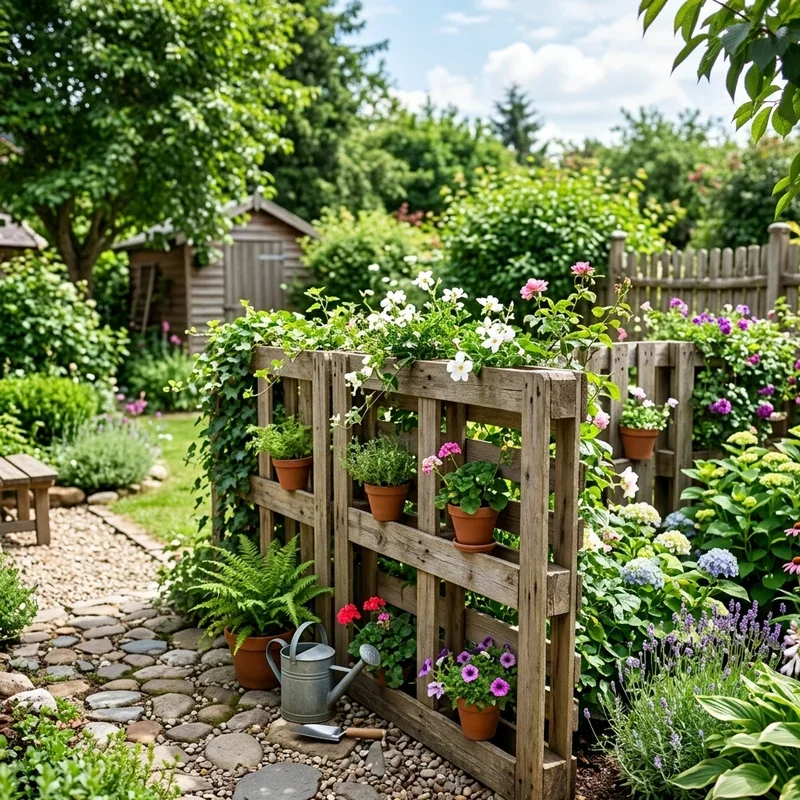
Vertical growing is another option that's gaining popularity among urban gardeners. With a sturdy trellis, fence, or arbor, you can train smaller pumpkin vines to grow upward instead of outward. You'll need to support the developing fruits with slings made from old t-shirts or mesh bags to prevent them from snapping off the vine, but the technique works surprisingly well. Just keep in mind that this approach is only practical for smaller pumpkin varieties. Trying to trellis a thirty-pound Atlantic Giant is a recipe for disaster and probably a funny story.
Container gardening is viable too, as long as you go big with the container. A half-whiskey barrel or a twenty-gallon grow bag provides enough root space for a compact pumpkin variety. Use high-quality potting mix enriched with compost, and plan on watering more frequently since containers dry out faster than in-ground gardens. Place your container in the sunniest spot you've got, and let the vines trail over the sides and along the ground or a nearby railing.
If you've got access to a community garden plot, that's another fantastic option. Many community gardens have extra space along borders or fences where pumpkin vines can roam without bothering anyone else's plot. It's worth asking.
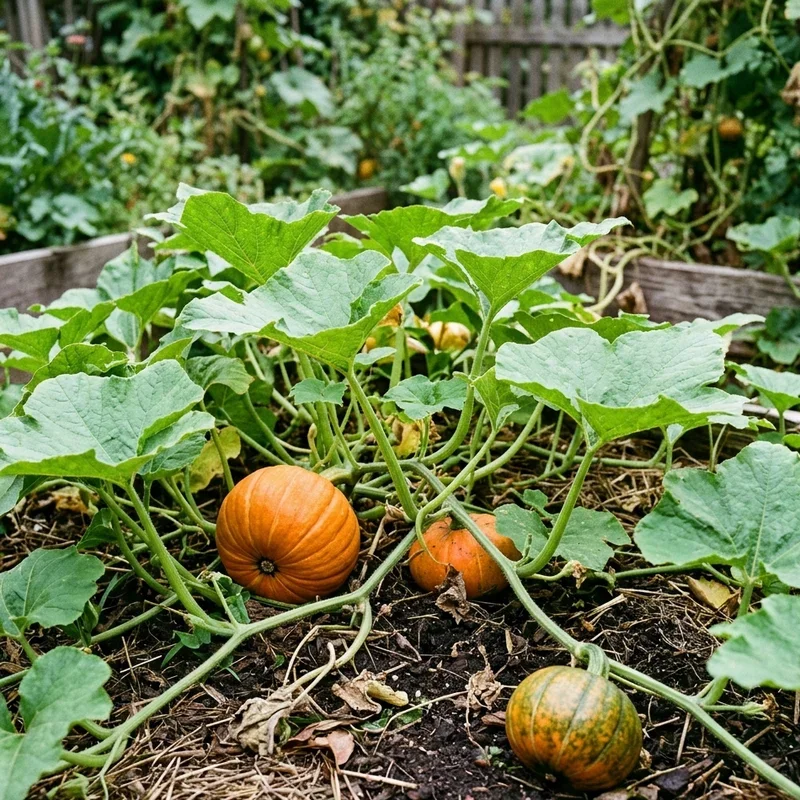
Protecting Your Pumpkin Patch From Common Threats
Finding the perfect spot is only half the battle. Once your pumpkins are in the ground, you'll need to keep an eye out for the usual suspects that can derail a promising crop.
Powdery mildew is probably the most common headache for pumpkin growers. It shows up as a white, powdery coating on the leaves and spreads fast in humid conditions. Choosing a planting location with good air circulation helps enormously. Avoid crowding plants and pick spots where a gentle breeze can flow through the foliage.
Squash bugs and vine borers are two insect pests that can cause serious damage. Squash bugs cluster on the undersides of leaves and suck the life out of the plant. Vine borers are sneaky little grubs that tunnel into the stem and eat it from the inside out. Regularly inspecting your plants and catching these pests early is the best defense. Handpicking squash bugs and destroying their eggs before they hatch is tedious but effective.
Deer and groundhogs love pumpkin plants and will happily munch through your patch if given the chance. Fencing is the most reliable deterrent. A simple chicken wire fence around the pumpkin area usually does the trick for smaller critters, while deer require something taller. Motion-activated sprinklers can also startle browsing animals away from your garden.
Fruit rot is another concern, especially as pumpkins mature and sit on damp ground. Placing a piece of cardboard, straw, or a small wooden board underneath each developing pumpkin keeps it off the wet soil and reduces the risk of bottom rot. This small extra step can save a pumpkin that's been growing for months.
Conclusion
Knowing where to plant pumpkins in your garden properly is the single most important decision you'll make for your fall harvest. By choosing a sunny, well-drained spot with rich soil and plenty of room to spread, you're setting your pumpkins up for success from day one. Whether you're growing giant jack-o-lanterns or tiny decorative varieties, the fundamentals stay the same. Give them sun, give them space, feed the soil generously, and let those incredible vines do what they do best. Your autumn table will thank you for the effort.
Read next: 15 Landscaping Ideas Around Tree Roots That Work
Frequently Asked Questions
Q1. How much sun do pumpkins need each day to grow well?
Pumpkins need at least six to eight hours of direct, full sunlight every single day.
Q2. Can I grow pumpkins in containers on a small patio?
Yes, compact pumpkin varieties grow well in large containers with quality soil and full sun.
Q3. What type of soil is best for growing pumpkins?
Rich, loamy soil with a pH between 6.0 and 6.8 and good drainage works best.
Q4. How far apart should pumpkin plants be spaced in a garden?
Standard pumpkins need four to six feet apart with eight to twelve feet between rows.
Q5. When is the best time to plant pumpkin seeds outdoors?
Plant pumpkin seeds outdoors after the last frost when soil temperature reaches sixty-five degrees Fahrenheit.