Signs Squirrels Are Living in Your Attic and Why Exclusion Matters
Learn the common signs of attic squirrels, how they enter homes, the damage they may cause, and why removal must include professional exclusion.
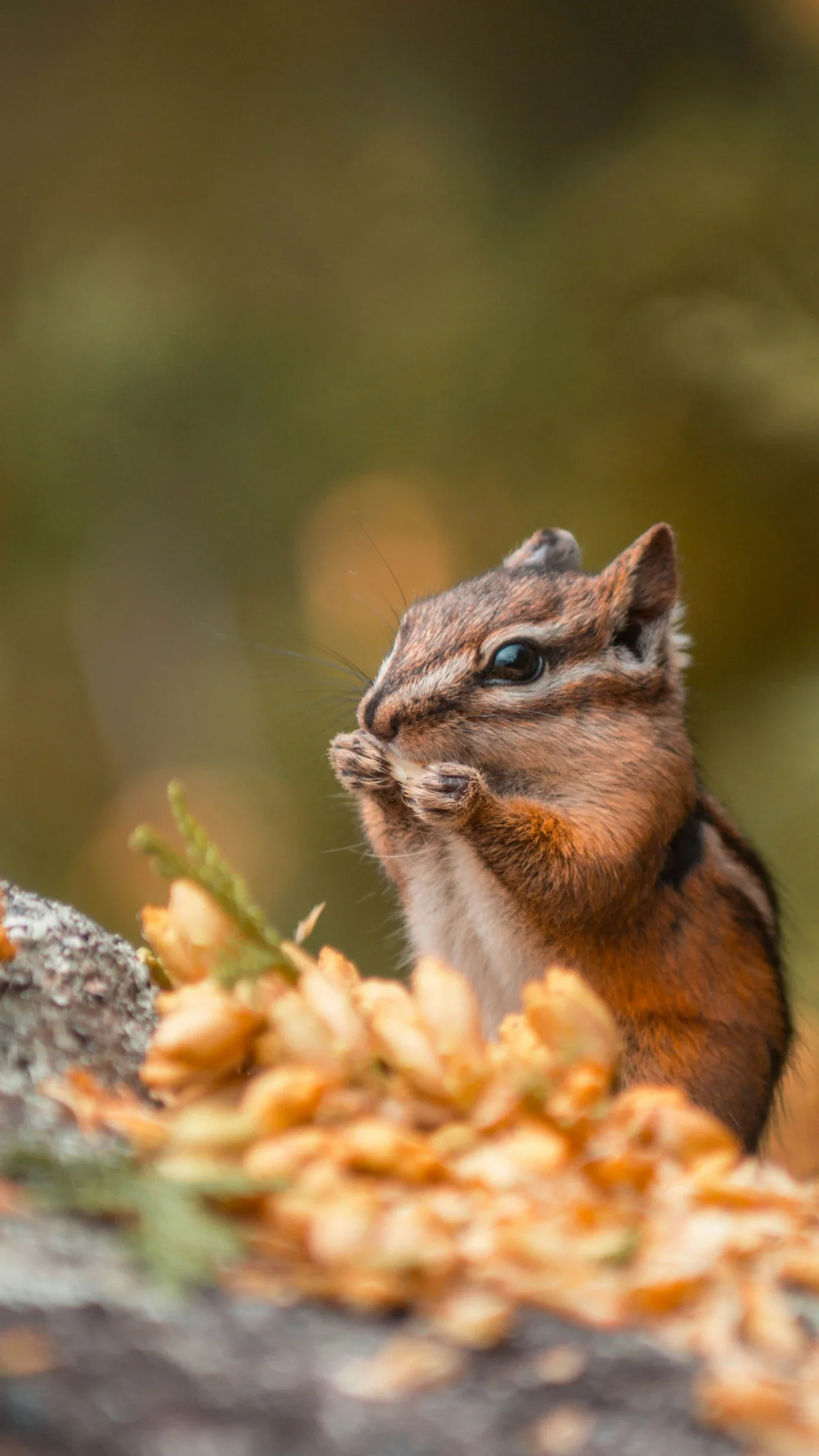
Squirrels are a familiar sight in trees, parks, and residential yards. Most of the time, their presence outdoors is not a serious concern. Problems begin when they discover an opening that leads into an attic, roof cavity, chimney, soffit, or another protected part of a home.
An attic can provide many of the conditions squirrels seek: shelter from weather, protection from predators, warmth, and material that can be used for nesting. Once inside, they may damage insulation, wood, vents, and other parts of the building.
The first signs are not always obvious. A homeowner may initially hear occasional movement above the ceiling or notice a damaged vent without realizing that an animal has entered.
Recognizing the warning signs early makes it easier to identify the entry point, remove the animal appropriately, and prevent the same problem from returning.
Why Squirrels Enter Attics
Squirrels normally live outdoors, but residential structures can provide attractive alternatives to natural nesting sites.
An attic may offer:
Protection from rain and wind
A relatively stable temperature
Soft insulation suitable for nesting
Limited human activity
Elevated protection from ground predators
Access through roof or soffit damage
The animal may discover an existing opening or enlarge a weak area by gnawing. Once one squirrel establishes a route, the same opening may be used repeatedly.
Activity may also become more noticeable when squirrels are preparing nesting areas. Tree squirrels can have young during more than one period of the year, which makes careful timing important when removing them from a structure.
1. Scratching or Running Sounds Above the Ceiling
One of the most common signs of attic wildlife is unexplained movement above a ceiling.
Homeowners may hear:
Scratching
Scurrying
Rolling or dragging sounds
Light thumping
Gnawing
Movement near the roofline
The time of day can provide a useful clue. Gray squirrels are generally active during daylight hours, while flying squirrels are more likely to be active at night. However, sounds alone cannot confirm the species because mice, rats, birds, bats, and raccoons may create similar noises.
The University of Georgia Cooperative Extension notes that daytime attic sounds may suggest gray squirrels, while activity at night could be associated with flying squirrels, mice, bats, or other nocturnal wildlife.
Homeowners should record when and where the sounds occur. This information can help a wildlife-control professional narrow down the likely animal and entry area.
2. Gnawing Around Roof and Attic Openings
Squirrels have continuously growing front teeth and regularly gnaw on hard materials. Around a home, they may chew weakened wood, vents, fascia boards, roof edges, or materials surrounding an existing gap.
Possible exterior evidence includes:
Enlarged holes in soffits
Damaged wooden trim
Tooth marks around vents
Torn or displaced screens
Openings near roof intersections
Damage around fascia boards
Loose materials near eaves
Chewed areas around attic access points
An opening does not have to begin large enough for an animal to enter. A squirrel may enlarge a small damaged area until it creates sufficient access.
Interior gnawing may appear on wooden framing, stored belongings, boxes, or other materials inside the attic.
Because other rodents also gnaw, the marks should be evaluated together with tracks, sounds, nesting materials, and exterior activity.
3. Disturbed or Compressed Insulation
Attic insulation can provide squirrels with a protected nesting area.
Homeowners or inspectors may find:
Tunnels through loose insulation
Flattened sections
Piles of displaced insulation
Leaves or outdoor material mixed into the insulation
Shredded paper or fabric
Concentrated nesting material
Areas contaminated by droppings or urine
Disturbed insulation does not always prove that squirrels are present. Rodents and other wildlife may create similar evidence.
The pattern and location can still help identify where the animal is moving and whether it has established a nesting area.
Heavily compressed, damaged, or contaminated insulation may no longer perform as intended. After the wildlife problem is resolved, the affected material should be assessed to determine whether cleaning, deodorizing, repair, or replacement is necessary.
4. Squirrels Repeatedly Visiting the Same Roof Area
Squirrels commonly travel through trees, fences, utility lines, and roof surfaces. Seeing one cross a roof occasionally is not proof of an infestation.
Repeated behavior is more meaningful.
Homeowners should watch for squirrels that:
Approach the same roof corner
Disappear beneath an eave
Enter a damaged vent
Climb repeatedly toward the same soffit
Carry nesting material onto the roof
Move between a nearby branch and one specific opening
Observing the property from the ground during active daylight periods can help identify a possible route.
Wildlife cameras may also help document activity when the opening is difficult to see. They should be positioned without requiring unsafe climbing or roof access.
Homeowners should not approach, corner, or attempt to handle the animal.
5. Droppings or Unusual Odors
Wildlife living in an attic may leave droppings, urine, nesting material, food debris, and other contamination.
A persistent odor may become noticeable near:
Attic access points
Upper-floor ceilings
Wall cavities
Roof penetrations
Heating or ventilation components
Areas where nesting activity is concentrated
Droppings alone may not be enough to identify the species. Their size, shape, quantity, and location should be evaluated together with other evidence.
Homeowners should avoid sweeping or vacuuming dry rodent waste, which can cause contaminated particles to become airborne. CDC guidance recommends wetting rodent urine and droppings thoroughly with an appropriate disinfectant before removal and using protective gloves during cleanup.
Substantial contamination, inaccessible areas, or damaged insulation may require professional cleanup.
6. Damage to Stored Items
Attics often contain boxes, seasonal decorations, clothing, paper, and other materials that can be damaged or used for nesting.
Possible signs include:
Chewed cardboard
Shredded paper
Damaged fabric
Opened storage boxes
Displaced belongings
Food debris or nutshells
Nesting material collected in corners
Closed plastic storage containers can protect belongings more effectively than cardboard, but storage changes will not resolve an active wildlife entry point.
The attic should first be inspected to determine how the animal is entering and whether it remains inside.
7. New Damage Around Vents and Soffits
Attic vents and soffits are common areas of vulnerability because they connect exterior surfaces with protected roof spaces.
Problems may develop when:
Vent covers become loose
Screens rust or tear
Wood deteriorates
Construction gaps remain unfinished
Storms displace materials
Previous repairs fail
Squirrels enlarge an existing weak point
From the ground, homeowners may notice bent screens, dark gaps, loose trim, or material hanging from the roof edge.
Repairs should preserve the ventilation and drainage functions of the building. A vent should not simply be blocked without understanding how it is intended to work.
Metal flashing, properly fitted screening, hardware cloth, or replacement building materials may be needed, depending on the opening.
8. Increased Squirrel Activity Near Feeders or Roof Access
Bird feeders, accessible garbage, pet food, nut-producing trees, and other food sources may encourage squirrels to spend more time near a home.
Food sources do not automatically cause attic entry, but frequent activity gives squirrels more opportunities to discover structural openings.
Homeowners can reduce unnecessary attraction by:
Positioning bird feeders away from the house
Cleaning fallen seed
Securing outdoor food
Keeping garbage containers closed
Removing accessible pet food
Trimming branches that touch the roof
Reducing clutter beside exterior walls
Branches do not need to touch the home for squirrels to reach it, but direct contact can make access easier.
Tree work should be performed safely. Large branches, branches near power lines, and difficult elevated work should be handled by qualified professionals.
Why Squirrels Should Not Be Sealed Inside
Once an opening is found, the first reaction may be to close it immediately. That can create a more serious problem if an animal remains inside.
A trapped squirrel may:
Search for another exit
Move into wall cavities
Cause additional interior damage
Enter occupied areas
Become separated from dependent young
Die inside an inaccessible space
Before sealing the primary entry point, it is important to determine whether the attic is still occupied.
The species, number of animals, nesting status, and layout of the building can all affect the appropriate removal method.
Penn State Extension identifies exclusion, including blocking building entrances, as one of the most effective ways to control squirrel damage. However, exclusion must be coordinated with proper removal so animals are not trapped inside.
Why Identification Matters
Different wildlife species require different management strategies.
Daytime attic movement may suggest tree squirrels, while nighttime activity could involve flying squirrels, mice, rats, bats, or raccoons. An opening suitable for one species may also be used by another.
Accurate identification affects:
The location of likely entry points
The timing of activity
The removal approach
The type of exclusion material
The need to check for young
Cleanup and repair requirements
Applicable wildlife regulations
Treating every attic sound as a squirrel problem can lead to ineffective repairs or leave the actual animal inside.
A thorough inspection should consider tracks, droppings, gnaw marks, nesting material, entry damage, and observed activity.
Potential Damage Caused by Attic Squirrels
The extent of damage varies. Some problems are discovered quickly, while others remain hidden until an attic inspection or home repair reveals them.
Possible damage includes:
Insulation Damage
Squirrels may tunnel through, compress, displace, or contaminate insulation.
Wood and Building Materials
Gnawing may affect fascia, soffits, framing, trim, and materials around entry points.
Vents and Screens
Animals may enlarge openings or displace protective covers.
Stored Belongings
Cardboard, paper, fabric, and other stored materials may be shredded or contaminated.
Wiring Concerns
Gnaw marks found near electrical wiring should be taken seriously and evaluated by an appropriate qualified professional.
Odor and Contamination
Nesting areas can accumulate urine, droppings, food remains, and damaged materials.
Removing the animal is therefore only one stage of the process. Entry-point repairs, inspection of affected materials, and cleanup may also be needed.
What Professional Squirrel Removal Usually Involves
A complete wildlife-control process generally begins with an inspection rather than immediate treatment.
The main stages may include:
1. Identifying the Animal
Evidence and activity patterns are used to determine whether squirrels or another species are present.
2. Locating Active and Potential Entry Points
The roofline, soffits, vents, fascia, chimneys, siding transitions, and utility openings may all require inspection.
3. Determining Whether Young Are Present
Nesting activity can affect the timing and method of removal.
4. Removing the Resident Animals
The appropriate method depends on the species, property, season, and applicable regulations.
5. Excluding Future Entry
Openings are repaired or protected with durable materials appropriate for the structure.
6. Evaluating Damage and Contamination
Insulation, wiring, wood, stored materials, and affected surfaces may need additional attention.
7. Monitoring the Repairs
The property should be checked for renewed activity after exclusion work is completed.
Homeowners who hear repeated attic movement or observe roof-entry behavior should consider arranging professional squirrel control before the animal causes additional damage or establishes a larger nesting area.
Safe Steps Homeowners Can Take
Homeowners can collect useful information without entering confined spaces or climbing onto the roof.
Safe preliminary steps include:
Record the time when sounds occur.
Observe roof activity from the ground.
Photograph visible exterior damage.
Check accessible rooms for staining or odors.
Note whether branches touch the roof.
Secure outdoor food and garbage.
Keep pets away from suspected entry areas.
Avoid handling droppings or nesting material.
Do not close an active opening without confirming the attic is empty.
Attics can contain exposed wiring, unstable flooring, sharp materials, insulation, and contaminated waste. Roof work also presents a serious fall risk.
Where access is difficult or wildlife remains active, professional inspection is the safer approach.
Preventing Future Squirrel Entry
Long-term prevention requires more than removing the current animal.
A property should be reviewed for the conditions that made entry possible.
A prevention checklist may include:
Repair damaged soffits and fascia.
Secure attic and roof vents.
Replace deteriorated screening.
Inspect roof intersections.
Seal suitable construction gaps.
Maintain chimneys and protective caps.
Trim branches contacting the roof.
Store food and seed securely.
Clean up fallen birdseed.
Monitor previous entry points.
Inspect the roofline after storms or repairs.
Exclusion should use materials strong enough to resist wildlife pressure and appropriate for the building component being repaired.
Expanding foam alone may not be suitable for openings that animals can easily reach or enlarge. Structural damage should be repaired rather than simply covered.
When to Request Professional Help
Professional assistance is appropriate when:
Squirrels repeatedly enter the roof
Scratching continues for several days
The entry point cannot be found
Young animals may be present
The attic is difficult to access
Wiring or insulation appears damaged
Droppings or contamination are widespread
Several possible openings exist
Previous repairs have failed
The animal enters occupied rooms
The homeowner cannot safely inspect the area
Qualified squirrel pest control services can coordinate identification, removal, exclusion, repairs, and evaluation of damaged attic materials.
Removal and Exclusion Must Work Together
Squirrel activity in an attic should not be treated as only an animal-removal problem.
Removing a squirrel without repairing its entry point leaves the home vulnerable to another squirrel or a different wildlife species. Sealing the opening without confirming that the animals are gone can trap them inside.
The most effective approach combines accurate identification, appropriate removal, durable exclusion, cleanup, and continued monitoring.
Bug Busters provides squirrel and wildlife-control services in its Georgia and Tennessee service areas. Its squirrel-control process includes property inspection, identification of entry points, removal, exclusion work, odor management, and evaluation of insulation damaged by nesting activity.
By responding to early warning signs and correcting the access route, homeowners can protect the attic and reduce the likelihood of repeated wildlife problems.