What Homeowners Notice After Living Through a Few Heavy Storms Source
Learn what homeowners notice after experiencing several heavy storms, from hidden damage and drainage issues to needed repairs and preventive upgrades.

Living through a few heavy storms changes how homeowners think about their house in a very practical way. The first big storm often brings worry. The second brings comparison. After a few more, patterns start to feel familiar. You begin to notice which parts of the house stay quiet and which ones react every time the weather turns rough. Experience replaces guesswork, and reactions become calmer and more observant.
Lately, storms have felt heavier, longer, and less predictable, which has made this kind of lived awareness even more important. Homeowners who have seen their property tested multiple times often stop focusing on single events and start paying attention to repeated behavior. This long view helps separate minor annoyances from issues that deserve real attention.
Roof Signals
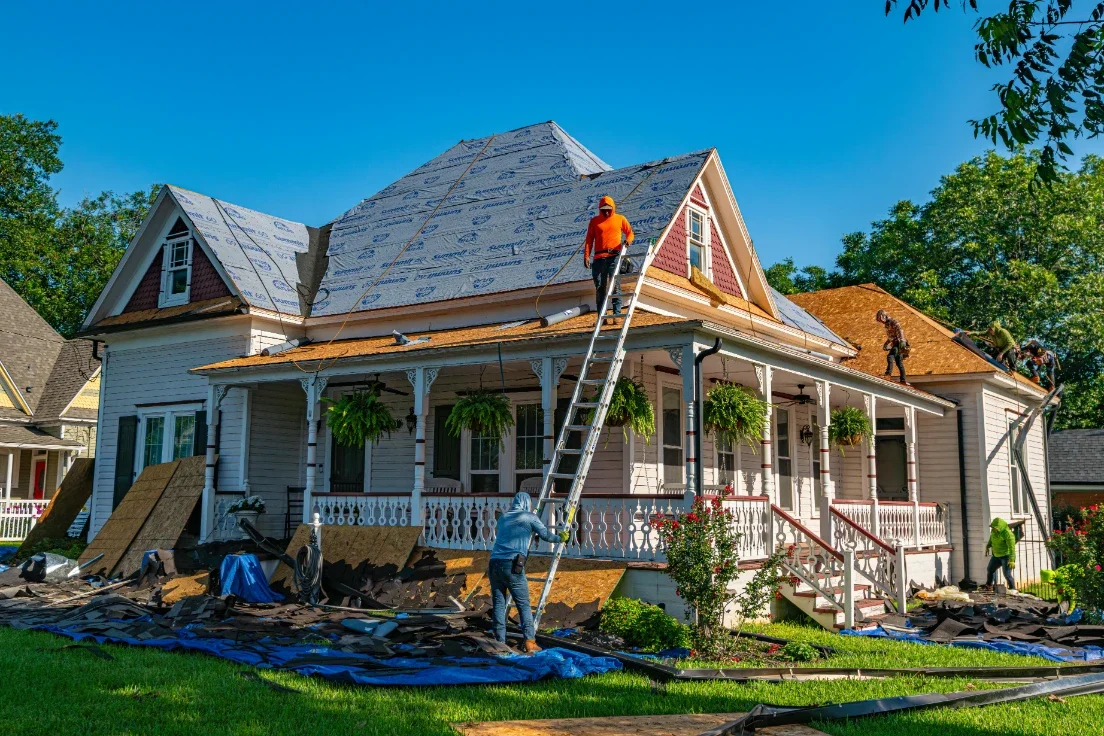
After several heavy storms, the roof tends to tell a clear story. Shingles may not fail all at once, but small changes start to stand out. You might notice granules in gutters, darker patches that linger longer than expected, or areas that look slightly uneven after strong winds. Such signs often feel subtle at first, especially if no water is dripping inside.
When the same signals appear storm after storm, homeowners start connecting the dots. At that point, roof replacement becomes part of the conversation, not as a reaction to a single problem but as a response to repeated stress. Thinking about replacement feels more measured because it is based on observation over time rather than urgency.
Water Weak Spots
Heavy rain quickly reveals which areas of a home struggle with water. Certain corners, seams, or exterior transitions seem to get tested every time the clouds open up. After living through a few storms, you stop being surprised by where moisture shows up and start expecting it.
This awareness helps homeowners focus attention where it matters. Instead of scanning the entire house after each storm, eyes go straight to the known trouble spots. Repeated exposure teaches which areas need monitoring and which ones consistently hold up well.
Drainage Limits
Drainage systems often perform fine during lighter rain, but heavy storms expose their limits. Gutters overflow in the same sections, downspouts back up, or water moves faster than expected across certain paths. After a few storms, these limits become obvious.
Seeing the same drainage struggles repeat helps homeowners understand capacity rather than assuming something is broken. It becomes clear whether the system needs adjustment or whether conditions are simply pushing it beyond what it can handle comfortably.
Ground Pooling
Standing water outside the home rarely appears randomly. After multiple storms, pooling tends to happen in the same low spots, near the same edges, or along the same walkways. Once you have seen it a few times, those patterns become predictable.
This consistency helps homeowners respond thoughtfully. Instead of worrying every time water appears, they begin understanding how long it takes to drain and which areas dry out naturally.
Indoor Comfort
Storms also affect how a home feels inside, even after the rain stops. Humidity may linger longer, certain rooms may feel cooler or heavier, and airflow can feel different for a day or two. These shifts often go unnoticed after one storm but stand out after several.
Over time, homeowners recognize how weather influences indoor comfort beyond temperature alone. Awareness helps explain why the house feels different after storms and encourages realistic expectations during rough weather rather than constant adjustment.
Stress Areas
Repeated storms tend to put pressure on the same parts of a home. Fascia boards, siding edges, flashing points, and roof intersections often show strain before other areas do. After living through multiple heavy weather events, homeowners begin to recognize which spots always seem to react first. These areas might not fail outright, but they reveal wear through subtle movement, noise, or visible changes that return with each storm.
That repetition builds awareness. Instead of feeling alarmed, homeowners grow familiar with where stress concentrates. This familiarity allows for thoughtful observation rather than rushed decisions.
Landscape Shifts
Heavy rain does more than test the structure of a home. It also reshapes the surrounding landscape. Soil settles, mulch moves, and slopes change slightly with each major storm. These shifts often feel minor in the moment, but after several storms, patterns become clear. Certain areas erode faster, while others collect runoff again and again.
Watching the landscape respond to weather helps homeowners understand how water interacts with their property as a whole.
Post-Storm Odors
Smells after storms often tell a story that is easy to ignore at first. A damp scent in a hallway, a musty note near storage areas, or an earthy smell indoors may fade quickly. After a few storms, though, these odors may start appearing in the same places. That repetition signals something deeper than temporary dampness.
Homeowners who notice recurring odors begin connecting them to moisture patterns and airflow. These smells often surface where air circulation struggles or where moisture lingers unseen.
Short-Term vs Long-Term
Not every storm-related issue deserves immediate action. Some effects resolve on their own once the weather clears. Puddles dry up, surfaces return to normal, and indoor air settles. After multiple storms, homeowners learn which changes fade quickly and which ones stick around.
Understanding the difference between temporary and ongoing issues brings confidence. Homeowners stop reacting to every new sign and start watching for repetition. This perspective helps prioritize attention and resources, focusing on patterns rather than isolated events.
Repair Impact
Living through storms after repairs provides real feedback. Patches, reinforcements, and upgrades either hold steady or reveal limitations when tested again. Over time, homeowners see which repairs reduce stress on the home and which ones simply delay the same issues.
This lived experience shapes future decisions. Repairs are judged by performance rather than promises. Homeowners feel more confident choosing solutions that improve resilience because they have seen how the house responds during real weather events.
Future Readiness
After a few heavy storms, expectations change. Homeowners become realistic about what the house can handle and where extra attention may be needed. The weather feels less unpredictable because patterns have already revealed themselves. Preparation becomes grounded instead of anxious.
This awareness supports thoughtful planning. Future storm seasons feel manageable because the home’s behavior is understood. Living through repeated storms turns uncertainty into knowledge, helping homeowners approach each season with clarity rather than concern.
Heavy storms leave behind lessons that only time can teach. Each event adds context, showing how the home responds under pressure and where it needs support. Over time, homeowners move from reaction to understanding. That understanding builds confidence. Patterns replace surprises, and decisions feel informed rather than rushed.