How to Plant Zoysia Grass Step by Step Guide
Learn how to plant Zoysia grass with this practical step-by-step guide covering soil prep, seeding, sodding, plugging, and aftercare tips.
There's something downright satisfying about walking barefoot across a thick, soft lawn that feels more like a living rug than ordinary grass. That's exactly what Zoysia delivers when you give it half a chance. Sure, it's got a reputation for being slow to establish, but oh boy, once it settles in, you're looking at years of dense, drought-tolerant beauty. Whether you're starting from scratch or replacing a tired old lawn, this How to Plant Zoysia Grass Step by Step Guide walks you through every stage without the fluff. Roll up your sleeves, grab a coffee, and let's dig into the dirt together.
Why Zoysia Grass Deserves a Spot in Your Yard
Before grabbing a shovel, it helps to understand why folks rave about this stuff. Zoysia thrives in heat, shrugs off drought like it's no big deal, and chokes out weeds once it gets going. The blades grow tightly together, creating that velvety appearance everyone wants. It also handles foot traffic better than most warm-season grasses, making it perfect for backyard barbecues and rowdy kids. Plus, it sips water rather than guzzling it. The catch? Patience. Zoysia takes its sweet time establishing, but the long-term payoff genuinely outshines quicker alternatives.
Picking the Right Variety for Your Yard
Not all Zoysia is created equal, and choosing the wrong type can lead to disappointment down the road. Zoysia japonica handles cold better and has coarser blades, making it a solid pick for transitional zones. Zoysia matrella, on the flip side, gives you that fine-textured, manicured look but prefers warmer climates. Then there's Emerald Zoysia, a hybrid that combines the best of both worlds. Talk to a local nursery before buying because regional conditions matter way more than fancy names on a label. Your neighbor's success doesn't guarantee yours.
Timing Your Planting for Maximum Success
Honestly, timing might just be the single biggest factor people overlook. Zoysia loves warmth, so planting during late spring through early summer gives you the best shot. Soil temperatures should sit consistently above 65 degrees Fahrenheit, ideally pushing into the 70s. Planting too early means cold soil slows germination, while waiting too late doesn't give roots enough runway before fall arrives. If you're sodding or plugging, a slightly wider window works, but seeds especially need that warm-season magic. Don't rush it just because the calendar says May. Trust the soil thermometer.
How to Plant Zoysia Grass Step by Step Guide: Preparing the Soil
Soil prep separates the wishful thinkers from folks who actually grow great lawns. Start by clearing the area completely, removing weeds, debris, and any old grass remnants. Test your soil pH because Zoysia prefers a range between 6.0 and 6.5. If readings come back off, lime or sulfur can nudge things in the right direction. Next, till the top four to six inches of soil to break up compaction. Mix in compost or aged manure to boost organic content. Smooth and level the surface using a rake, eliminating low spots where water might pool later.
Choosing Between Seed, Sod, Plugs, or Sprigs
Each planting method has its quirks, and your choice depends on budget, patience, and the size of your yard. Here's a quick rundown to help you decide:
Seed: Affordable and great for large areas, but expect slow germination and weed competition.
Sod: Instant lawn, no waiting around, but it's the priciest option by a wide margin.
Plugs: Small chunks of established grass that fill in over time, balancing cost and speed.
Sprigs: Stolons or rhizomes spread across the soil, often used commercially for big projects.
Most homeowners land on plugs or sod because seed germination rates with Zoysia can be frustratingly inconsistent. Pick the method that matches your timeline and wallet.
Step by Step Process for Planting Zoysia Seeds
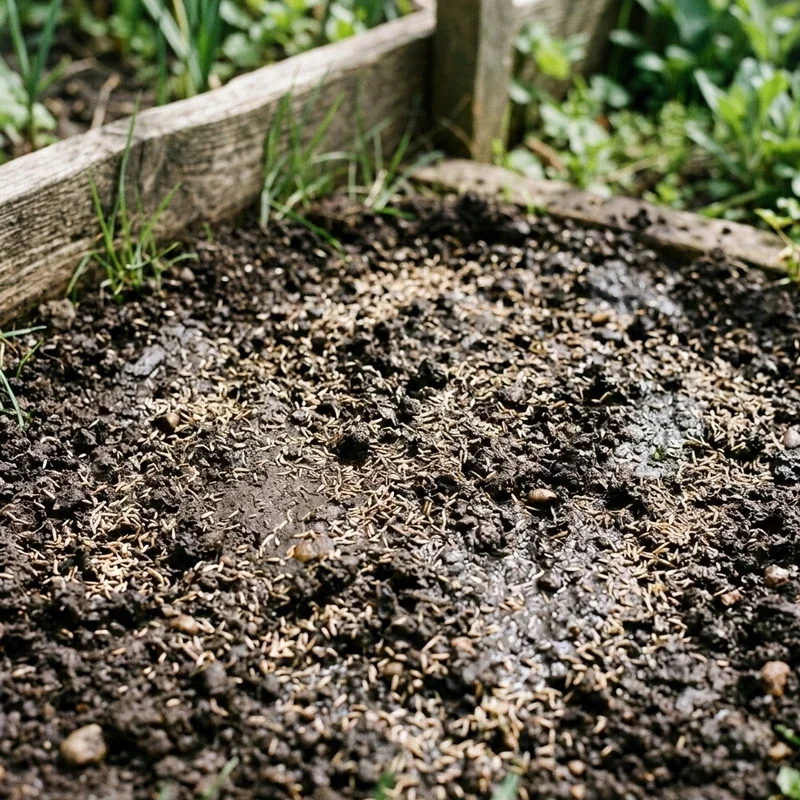
If you've decided to go the seed route, here's how to do it properly. First, distribute seeds evenly using a broadcast spreader, aiming for around one to two pounds per thousand square feet. After spreading, lightly rake the area to barely cover the seeds. Don't bury them deep because Zoysia needs light to germinate well. Roll the area with a lawn roller to ensure good seed-to-soil contact. Water gently using a fine mist, keeping the top half-inch of soil moist for the first two to three weeks. Patience becomes your best friend during this stretch.
Laying Sod the Right Way
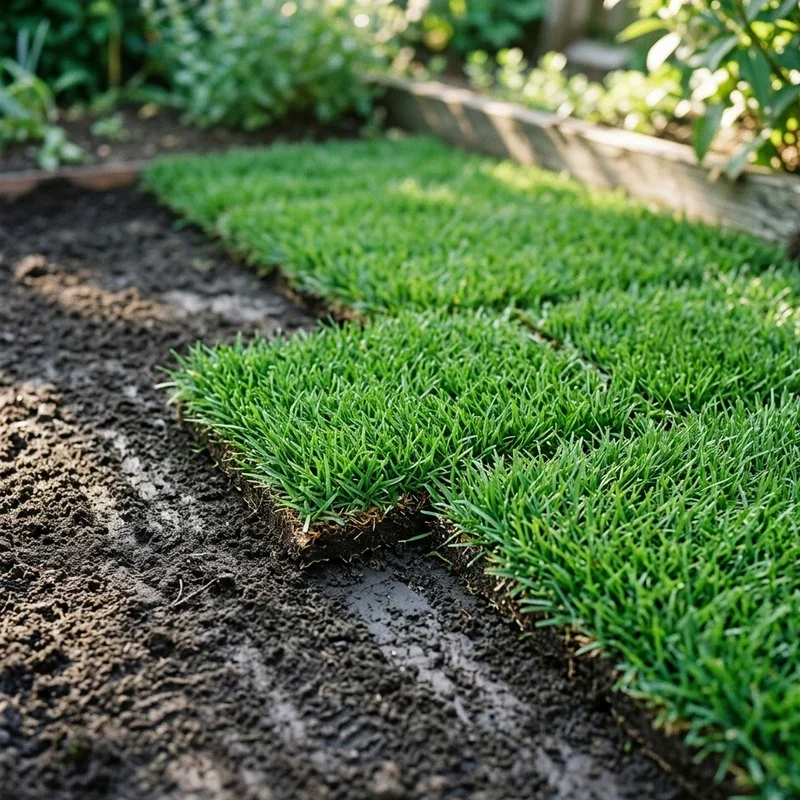
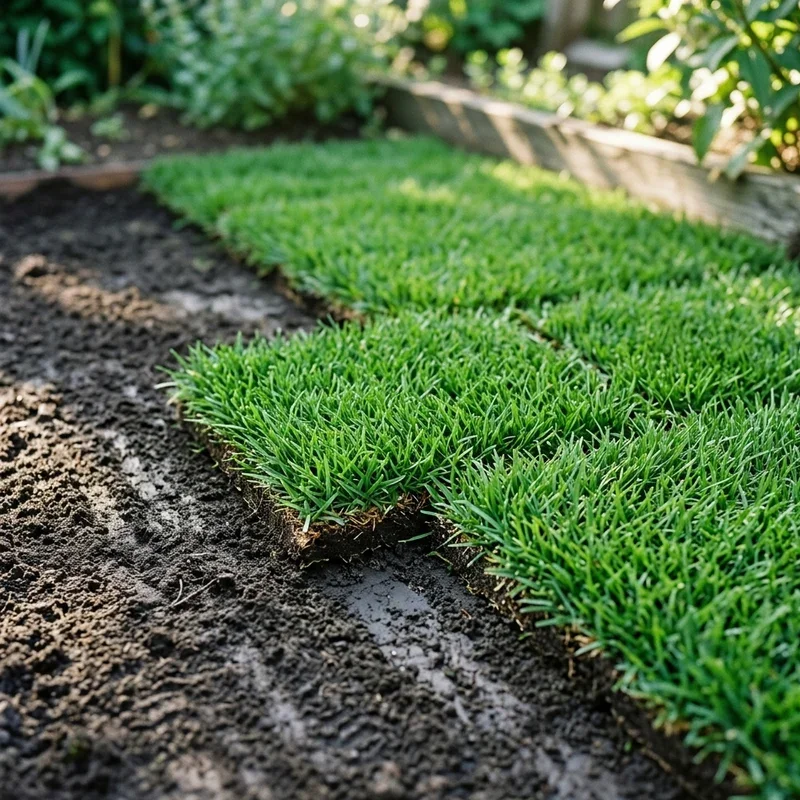
Sodding feels like cheating in the best possible way. You basically unroll a finished lawn. Start by watering the prepared soil lightly the day before installation. Lay the first strip along a straight edge, like a driveway or walkway, then stagger subsequent rows like bricks to avoid visible seams. Press the edges tightly together, leaving zero gaps. After laying everything down, roll the entire area to firm up contact between sod and soil. Water thoroughly within thirty minutes, soaking deeply enough that moisture reaches the roots. For the next two weeks, water daily until the sod knits in.
How to Plant Zoysia Grass Step by Step Guide Using Plugs
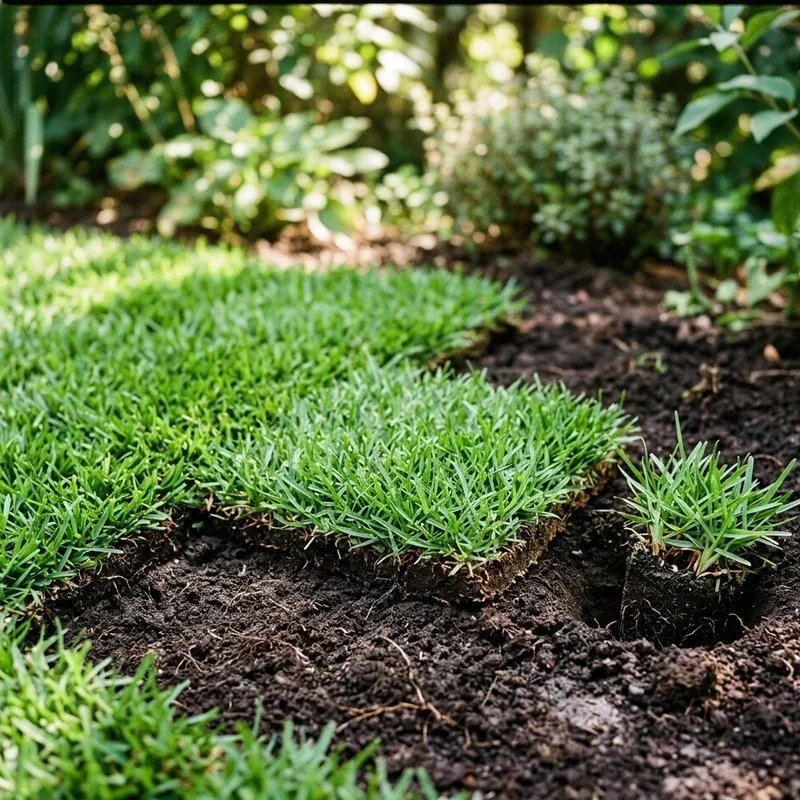
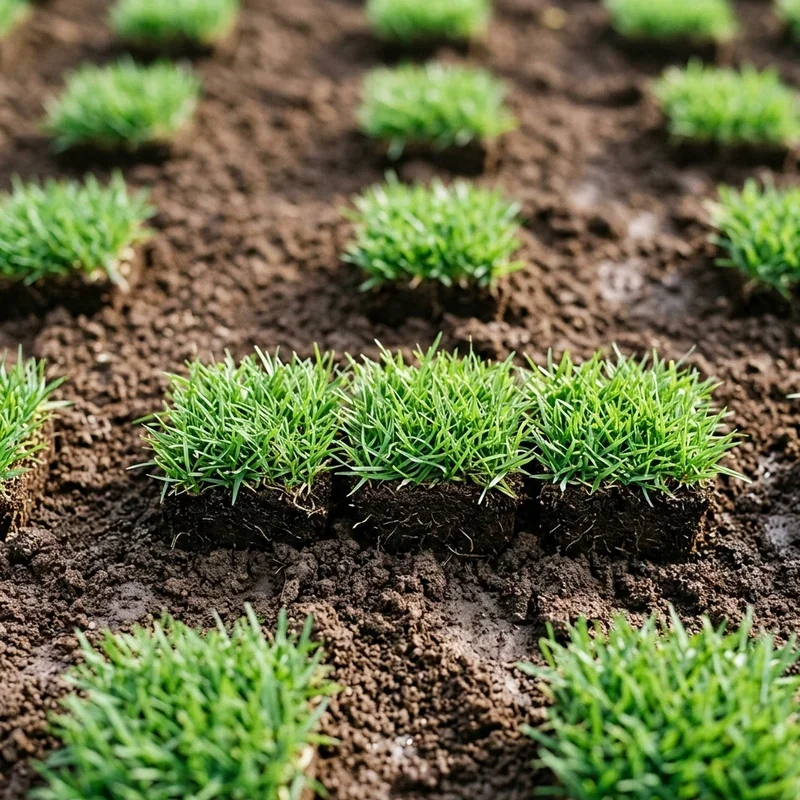
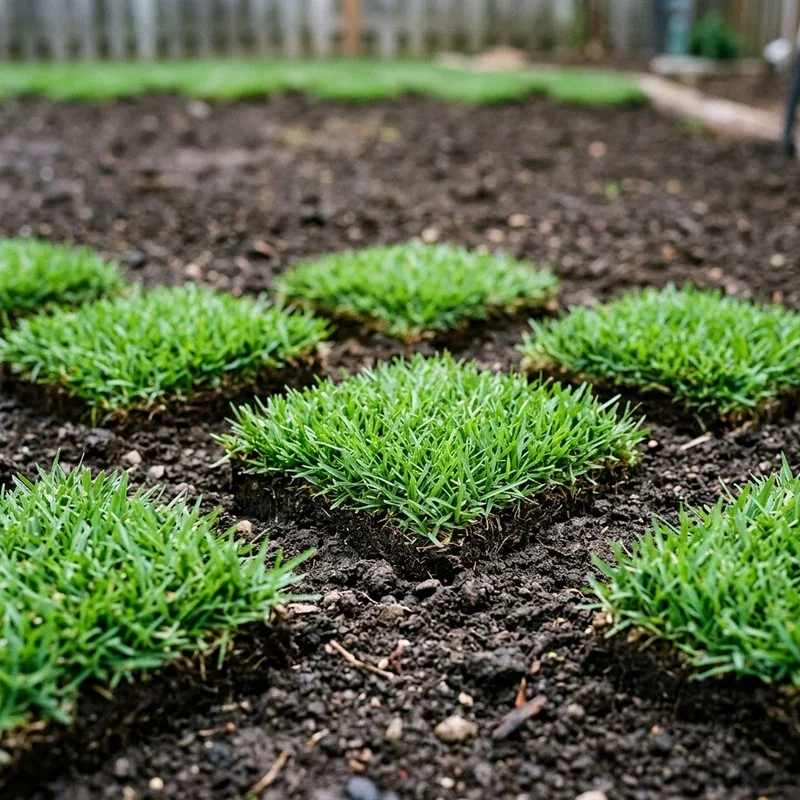
Plugging takes patience, no doubt about it. Each plug is a tiny piece of established Zoysia, and they spread outward over time to fill the bare spaces in between. Space plugs about six to twelve inches apart, depending on how quickly you want full coverage. Use a plugging tool or a small trowel to dig holes matching the plug size. Place each plug firmly into its hole, ensuring the top sits flush with surrounding soil. Water immediately after planting and keep the area consistently moist for several weeks. Closer spacing means faster fill-in.
Watering Wisdom During Establishment
Watering during the establishment phase makes or breaks your lawn. Newly planted Zoysia has shallow roots that dry out fast, so frequent light watering wins over occasional deep soakings. For seeds, mist two to three times daily until germination kicks in. Sod and plugs need daily deep watering for the first ten to fourteen days. Once roots establish, gradually reduce frequency while increasing depth, encouraging roots to dive deeper. Mature Zoysia thrives on about one inch of water weekly, including rainfall. Overwatering invites fungal problems, which nobody wants dealing with later.
Fertilizing Without Overdoing It
Fertilizing Zoysia requires restraint, believe it or not. Wait roughly four to six weeks after planting before applying any fertilizer to seeded areas. For sod and plugs, you can fertilize about two weeks after installation. Use a balanced starter fertilizer initially, something like a 10-10-10 blend, then switch to higher nitrogen formulas once the lawn establishes. Apply roughly one pound of nitrogen per thousand square feet during the growing season, splitting applications across summer months. Skipping fertilizer entirely leaves your lawn weak, but going overboard burns roots and encourages thatch buildup.
Mowing Practices That Encourage Density
Mowing might seem simple, yet it dramatically affects lawn quality. Wait until your Zoysia reaches about three inches tall before the first cut, then mow it down to roughly two inches. Sharp blades matter enormously because dull blades shred grass tips, leaving them brown and ragged. Never remove more than one-third of the blade height in a single mowing session. During peak summer, you might need to mow weekly, while spring and fall typically require less frequent cutting. Bagging clippings isn't necessary as long as you're mowing regularly and clippings can decompose naturally.
Weed Control During Those First Months
Weeds love disturbed soil, and your fresh planting site is basically a dinner invitation. Pre-emergent herbicides can help, but timing gets tricky with newly planted Zoysia. Generally, avoid pre-emergents until your lawn has gone through one full mowing cycle. Hand-pulling weeds remains the safest option during early establishment. Once Zoysia matures, its dense growth habit naturally suppresses most weeds without much chemical help. Spot-treat persistent invaders with selective herbicides labeled safe for Zoysia. Patience pays off because a thick, healthy lawn becomes its own best defense against weeds.
Common Mistakes to Sidestep
Plenty of well-intentioned homeowners trip up at predictable points. Here are some pitfalls worth avoiding:
Planting too early when soil temperatures haven't warmed up enough.
Skimping on soil preparation, thinking grass will figure things out somehow.
Watering too aggressively, which causes shallow roots and fungal issues.
Mowing too short during establishment, which weakens new growth severely.
Expecting overnight results when Zoysia genuinely needs time to flourish.
Avoiding these blunders puts you ahead of most folks attempting their first Zoysia lawn. Recognizing potential problems early saves countless headaches later.
Long Term Care That Keeps Things Beautiful
Once your Zoysia establishes, ongoing care becomes refreshingly low-maintenance. Aerate annually to relieve compaction and improve water penetration. Dethatch every couple of years if buildup exceeds half an inch. During winter dormancy in cooler regions, expect the lawn to turn brown, which is perfectly normal and not a sign of death. Spring green-up arrives once consistent warmth returns. Avoid heavy traffic during dormancy because dormant grass can't repair itself. Treating your Zoysia like the long-term investment it is rewards you with a lawn that just keeps getting better year after year.
Conclusion
Growing Zoysia isn't a sprint, it's more of a rewarding marathon that pays off beautifully. From timing your planting correctly to nailing soil prep and watering schedules, every step you take during the early days shapes the lawn you'll enjoy for years. Whether you choose seeds, sod, or plugs, sticking with the process makes all the difference. Use this How to Plant Zoysia Grass Step by Step Guide as your trusty companion, stay patient, and soon enough you'll be admiring a thick, gorgeous lawn that turns heads.
Read next: Can You Plant Grass Seed on Wet Soil? What to Know
Frequently Asked Questions
1. How long does Zoysia grass take to fully establish itself?
Typically Zoysia takes one to two full growing seasons to reach complete coverage and density.
2. Can I plant Zoysia grass during the fall season?
Fall planting isn't recommended because cooler temperatures slow establishment and increase winter damage risk significantly.
3. Does Zoysia grass require full sun to thrive properly?
Zoysia prefers full sun but tolerates light shade, though dense shade weakens growth noticeably.
4. How often should I water newly planted Zoysia plugs?
Water plugs daily for two weeks, then gradually reduce frequency as roots establish properly.
5. Will Zoysia grass spread on its own naturally?
Yes, Zoysia spreads through stolons and rhizomes, gradually filling bare areas without replanting needed.