Can You Plant Grass Seed on Wet Soil? What to Know
Discover can you plant grass seed on wet soil and what to know for successful germination. Learn proper timing, techniques, and moisture management.
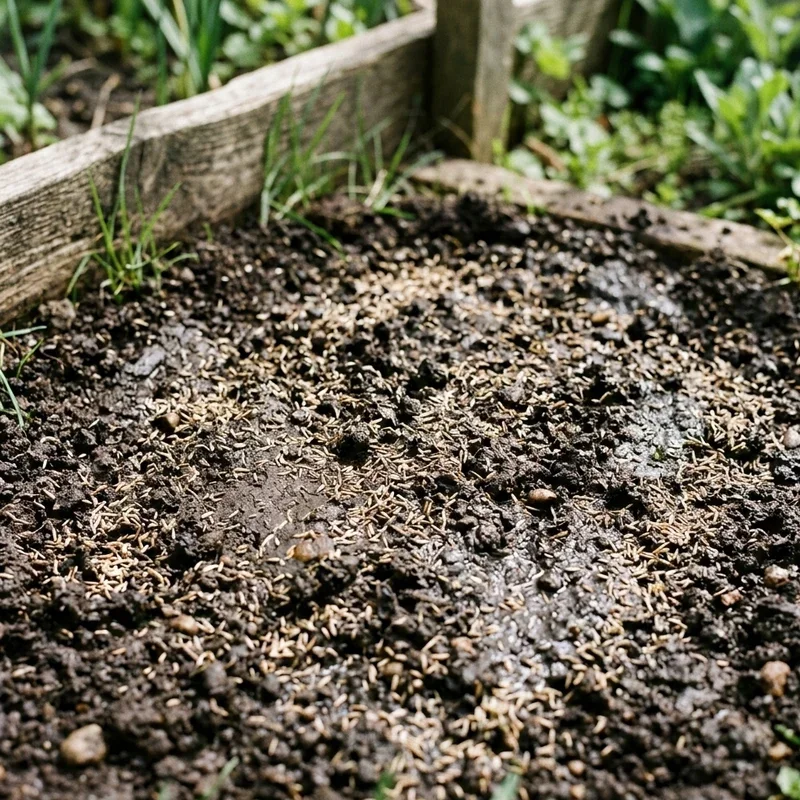
You've finally carved out the weekend for that lawn project you've been putting off for months. The grass seed is ready, the spreader is cleaned, and you're raring to go. Then you look outside and notice the ground is still soggy from yesterday's rain. Now you're standing there wondering whether to forge ahead or wait another week.
This scenario plays out in backyards across the country every spring and fall. The question of whether wet soil helps or hurts grass seed germination causes genuine confusion among homeowners, and honestly, the answer isn't as straightforward as you might hope.
On one hand, grass seed absolutely needs moisture to germinate. Without adequate water, those little seeds will just sit there doing nothing, mocking your landscaping ambitions. On the other hand, there's definitely such a thing as too much of a good thing when it comes to soil moisture.
Understanding can you plant grass seed on wet soil and what to know about proper conditions helps you make smart decisions that lead to lush, healthy lawns rather than patchy disasters. The difference between moist soil and wet soil might seem like splitting hairs, but it's actually crucial to your success.
This comprehensive guide explores the relationship between soil moisture and grass seed, explains how to recognize ideal planting conditions, and provides practical tips for dealing with various soil situations. Whether you're starting a lawn from scratch or overseeding thin areas, this knowledge will serve you well.
Let's dig into the dirt on this topic and figure out how to give your grass seed the best possible start.
Understanding Soil Moisture Levels
Not all wetness is created equal when it comes to planting grass.
Moist Versus Wet Versus Saturated
These terms get thrown around interchangeably, but they describe very different conditions that affect your seeding success dramatically.
Moist soil feels damp when you touch it. You can squeeze a handful and it holds together momentarily before crumbling. Water isn't dripping out, and the soil maintains a workable, slightly crumbly texture.
Wet soil feels obviously damp and might leave your hand somewhat muddy. A squeezed handful holds its shape and might release a few drops of water. This level is getting problematic for seeding.
Saturated soil is thoroughly waterlogged. Squeeze it and water streams out. Puddles might be visible on the surface, and walking on it leaves deep footprints. This condition is definitely not suitable for planting.
The Goldilocks Zone
Just like that famous fairy tale, grass seed needs conditions that are just right.
Seeds require moisture to trigger germination, the biological process where the embryo inside the seed awakens and begins growing. Dry soil prevents this process entirely, leaving seeds dormant indefinitely.
However, seeds also need oxygen to germinate properly. Waterlogged soil has no air pockets because water fills all the spaces between soil particles. Without oxygen, seeds can't respire and may actually rot instead of sprouting.
The ideal condition falls somewhere in between. Soil that's moist enough to supply the seed's water needs but not so wet that it excludes necessary oxygen creates the perfect germination environment.
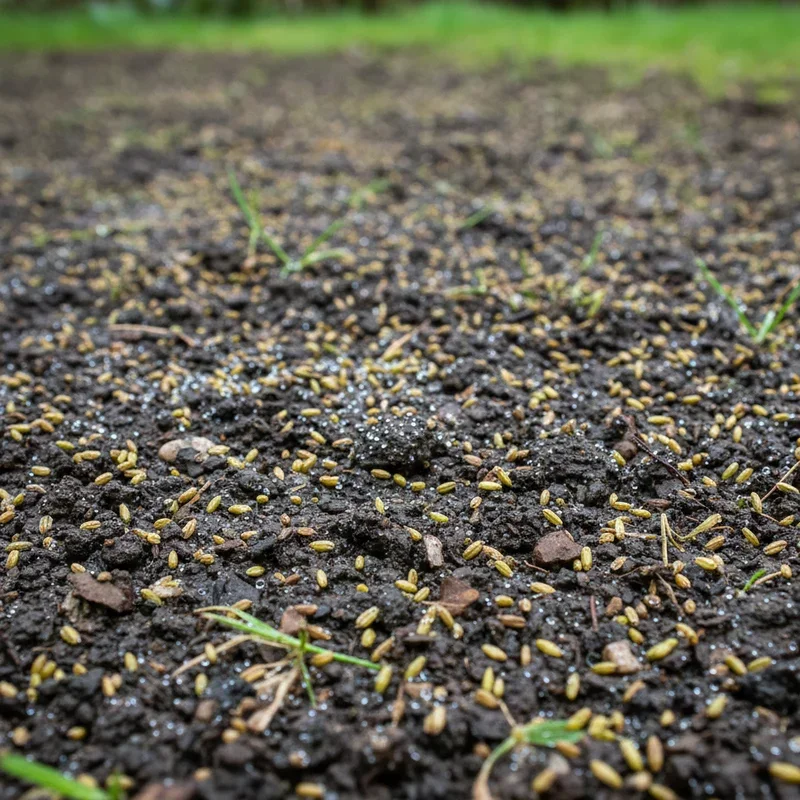
Can You Plant Grass Seed on Wet Soil? What to Know About Problems
Planting in overly wet conditions creates several issues worth understanding.
Seed Movement and Distribution
Wet soil causes seeds to move from where you placed them.
When you apply seed to soggy ground, water running across the surface carries seeds along with it. This redistributes your carefully spread seed, creating bare spots in some areas and overcrowded patches in others.
Heavy rain after seeding on wet soil compounds this problem. What started as an even application becomes a scattered mess that results in patchy germination.
Compaction Issues
Working wet soil creates compaction that persists long after things dry out.
Walking on saturated ground, running equipment across it, or even raking it smooth compresses soil particles together. This destroys the pore structure seeds need for root penetration and oxygen access.
Compacted areas germinate poorly and often become problem spots in your lawn for years afterward. The damage isn't easily reversed without significant soil amendment.
Fungal Disease Promotion
Excess moisture creates ideal conditions for damping off and other fungal diseases.
Damping off kills seedlings before or shortly after emergence, causing them to collapse at soil level. The fungi responsible thrive in cool, wet conditions exactly like those created by saturated soil.
Seeds that manage to germinate in overly wet conditions face significant disease pressure that reduces overall survival rates dramatically.
Delayed Germination
Counterintuitively, very wet soil can actually slow germination rather than speeding it up.
Cold, wet soil inhibits the biological processes seeds need to sprout. Seeds sitting in waterlogged conditions may remain dormant until things improve, delaying your results by weeks.
Meanwhile, those waiting seeds become vulnerable to rot, predation by birds and insects, and other problems that reduce the viable seed population.
Ideal Conditions for Grass Seed
Knowing what to aim for helps you recognize when conditions are right.
Optimal Soil Moisture
The perfect soil moisture for seeding allows you to walk across the ground without leaving deep impressions or accumulating mud on your shoes.
Take the squeeze test. Grab a handful of soil from a few inches deep. It should feel noticeably damp, form a loose ball when squeezed, then crumble apart easily when released.
If water drips from the squeezed soil, it's too wet. If the soil won't form a ball at all and just falls apart, it's too dry.
Temperature Considerations
Soil temperature matters as much as moisture for germination success.
Cool-season grasses like Kentucky bluegrass, fescue, and ryegrass germinate best when soil temperatures reach fifty to sixty-five degrees Fahrenheit.
Warm-season grasses including Bermuda, zoysia, and St. Augustine prefer soil temperatures between sixty-five and seventy-five degrees.
Wet soil tends to stay cooler than drier soil because water holds temperature. Saturated ground in spring or fall may be several degrees cooler than similar dry soil.
Drainage Requirements
Well-draining soil allows excess moisture to move away while retaining adequate dampness for germination.
Clay-heavy soils hold water longer and are more prone to becoming saturated. These soils require more patience before planting after rain events.
Sandy soils drain quickly but may also dry out too fast, requiring more frequent irrigation after seeding.
Amending poor-draining soil with organic matter improves structure and helps create conditions suitable for seeding.
Can You Plant Grass Seed on Wet Soil? What to Know About Timing
Strategic timing makes all the difference in your seeding success.
After Rain Events
How long to wait after rain depends on your soil type and how much rain fell.
Light rain that doesn't saturate the ground might actually create ideal moist conditions. Heavy rain that leaves standing water requires several days of drying before seeding makes sense.
Sandy soils typically become workable within a day or two after rain. Clay soils might need four to seven days to reach appropriate moisture levels.
Check soil conditions before seeding rather than relying on arbitrary waiting periods. Conditions vary based on numerous factors beyond just rainfall timing.
Seasonal Considerations
Different seasons present different moisture challenges.
Spring often brings wet conditions from snowmelt and seasonal rains. While temperatures warm, consistently soggy soil may delay your planting window.
Early fall typically offers ideal conditions with decreasing rainfall, moderate temperatures, and soil that stays appropriately moist without becoming saturated.
Late fall seeding before winter, sometimes called dormant seeding, intentionally plants into cold, potentially wet conditions for spring germination. This strategy works differently than normal seeding.
Weather Forecast Planning
Always check the forecast before seeding your lawn.
If heavy rain is predicted within twenty-four to forty-eight hours of seeding, consider waiting. Fresh seed can wash away before it has any chance to settle into the soil.
Light, consistent rainfall after seeding actually helps by keeping seeds moist without oversaturating. Gentle showers are your friend during the germination period.
Plan your seeding to maximize ideal weather windows when possible.
Techniques for Various Soil Conditions
Sometimes you need to work with less than perfect situations.
Improving Drainage Before Seeding
If your soil consistently stays too wet, address the underlying problem before seeding.
Core aeration creates channels for water to drain away from the surface. This reduces pudding and helps oxygen reach the root zone.
Adding organic matter like compost improves soil structure over time. Work amendments into the top few inches when preparing seedbeds.
Installing French drains or other drainage solutions may be necessary for severely waterlogged areas.
Working With Barely Acceptable Conditions
Sometimes you need to plant despite marginally wet soil.
Avoid unnecessary foot traffic across the seeding area. Plan your spreading pattern to minimize walking on the soil.
Use hand broadcasting rather than heavy wheeled spreaders that compact wet ground. Lighter equipment causes less damage.
Consider reducing seeding rates slightly since better seed-to-soil contact in moist conditions often improves germination percentages.
Creating Proper Conditions Artificially
When soil is too dry, adding water makes more sense than waiting for rain.
Irrigate the area several days before seeding to bring moisture levels up. Allow the surface to dry slightly while the subsurface retains adequate moisture.
This approach gives you control over timing rather than being at the mercy of weather patterns.
Post-Seeding Moisture Management
What happens after planting matters as much as initial conditions.
Watering New Seed
Grass seed needs consistent moisture during the germination period.
Water lightly but frequently, typically two to three times daily for short durations. The goal is keeping the top inch of soil consistently moist without creating puddles or runoff.
As seedlings emerge and establish, gradually transition to less frequent but deeper watering. This encourages roots to grow downward rather than staying at the surface.
Dealing With Unexpected Rain
Heavy rain after seeding requires attention and possibly intervention.
Check for seed washout and redistribution. If seeds have moved significantly, you may need to reseed affected areas.
Avoid walking on waterlogged seedbed areas even to inspect them. Wait until conditions improve before assessing damage.
Excessive moisture after seeding increases disease risk. Watch for signs of damping off and consider fungicide application if problems appear.
Mulching Benefits
Light mulching helps regulate moisture levels after seeding.
Straw mulch protects seeds from washing away during rain while reducing evaporation during dry periods. This creates more stable conditions for germination.
Apply mulch thinly enough to see soil through it. Too much mulch blocks light and creates overly damp conditions.
Penn mulch and similar seed-starter products combine mulch benefits with starter fertilizer.
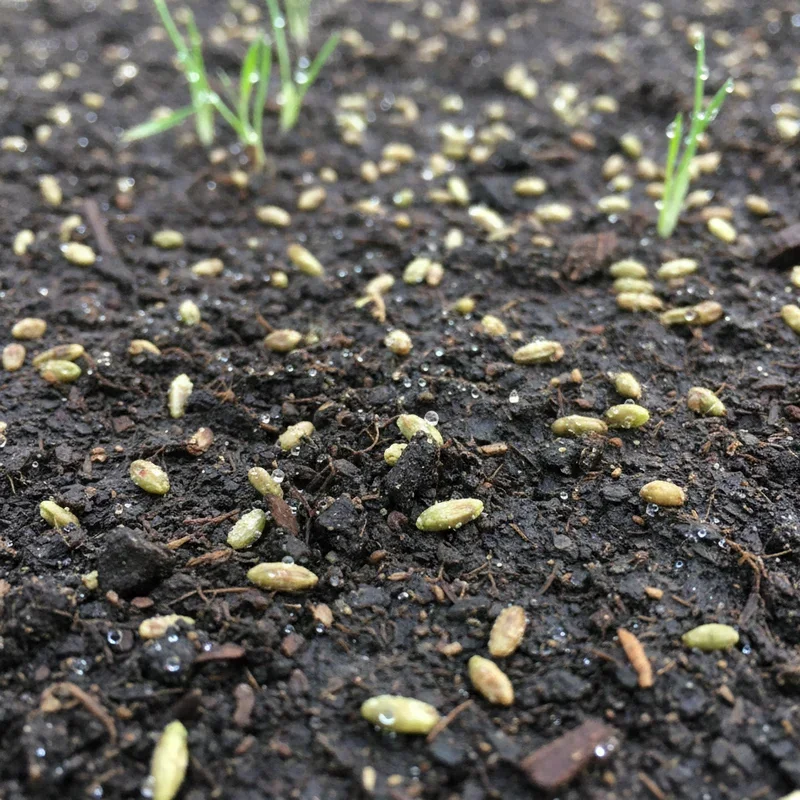
Common Mistakes to Avoid
Learn from others' errors to improve your own success.
Seeding into Standing Water
Never plant grass seed where puddles are visible.
This seems obvious, but impatience leads many homeowners to seed areas that clearly need more drying time. Seeds in standing water almost always fail.
Wait until all puddles have drained and the surface has dried somewhat before proceeding.
Compacting Wet Seedbeds
Avoid any unnecessary pressure on wet soil being prepared for seeding.
Heavy rolling, excessive raking, and repeated foot traffic all damage soil structure when moisture levels are high.
Do as little work as possible once soil is seeded. Let rain and natural settling handle soil-to-seed contact rather than mechanical compaction.
Ignoring Drainage Problems
Wet soil that never seems to dry indicates underlying issues that seeding won't solve.
Repeatedly seeding poorly-draining areas wastes money and time. Address drainage problems first, then seed once conditions can be maintained properly.
Sometimes professional evaluation is necessary to identify and resolve chronic moisture issues.
Conclusion
Understanding can you plant grass seed on wet soil and what to know about proper moisture conditions helps you make smarter seeding decisions that lead to successful establishment. While grass seed needs moisture for germination, saturated conditions cause more problems than they solve including seed displacement, compaction, and disease promotion. Aim for moist but workable soil, time your seeding around weather patterns, and manage post-seeding irrigation carefully. With patience and attention to conditions, you'll establish the lush lawn you're working toward.
Read next: 15 Ornamental Grasses for a Stunning Landscape
Frequently Asked Questions
1.How long should I wait after heavy rain before planting grass seed?
Wait two to seven days depending on soil type, checking that conditions are moist but workable.
2.Will grass seed rot if planted in wet soil?
Yes, seeds in saturated soil often rot instead of germinating due to lack of oxygen availability.
3.Can I plant grass seed right before rain is forecast?
Light rain within days is fine, but heavy rain immediately after seeding can wash seeds away.
4.What's the best way to test if soil is too wet for seeding?
Squeeze a soil handful, and if water drips out or it stays clumped, it's too wet.
5.Should I water grass seed after planting in moist soil?
Yes, continue light watering to maintain consistent moisture throughout the germination period for best results.