How to Grow an Avocado Tree From a Pit Step by Step
Learn How to Grow an Avocado Tree From a Pit Step by Step with easy tips, simple tools, and patience for a thriving green houseplant.
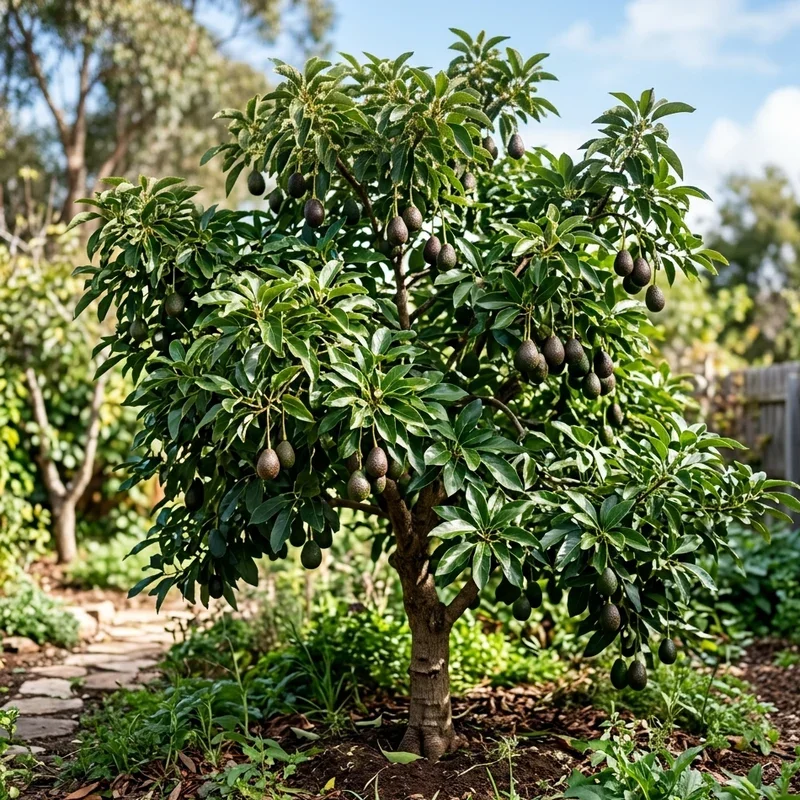
Ever stared at that big brown pit sitting in the middle of your avocado toast and wondered if it could actually become something? Well, guess what, it absolutely can. Growing your own avocado tree from a leftover pit is one of those small kitchen miracles that feels way more rewarding than it should. You don't need a fancy greenhouse, expensive gear, or a green thumb passed down through generations. All you really need is a pit, a glass of water, some toothpicks, and a willingness to wait. Stick around, because this guide breaks it all down in plain English.
Why Growing an Avocado From a Pit Is Worth It
Let's be honest, buying a small houseplant from the nursery is quick and easy, but there's something magical about watching a seed you rescued from the compost bin turn into a leafy little tree. It's like adopting a pet, except it photosynthesizes and won't chew your shoes. Beyond the fun factor, avocado plants are gorgeous indoor companions with glossy leaves that liven up any sunny corner. They're also fantastic conversation starters. Friends walk in, spot your leafy giant, and suddenly you're the plant whisperer of the group. Plus, it's practically free.
What You'll Need Before You Start
Before diving into the nitty gritty, gather your supplies so you're not scrambling mid project. Here's a quick rundown of what helps make this whole experiment a breeze.
One ripe avocado pit, cleaned gently without scrubbing off the brown skin
Three or four sturdy toothpicks
A clear glass or jar filled with room temperature water
A sunny windowsill, preferably facing south or east
A small pot with drainage holes for later
Good quality potting soil, loose and well draining
Patience, and honestly, lots of it
Don't overthink the supplies. You probably have most of this stuff lying around the house already, and if not, a quick trip to any local shop will sort you out in no time.
How to Grow an Avocado Tree From a Pit Step by Step: Preparing the Seed
First things first, eat the avocado. Tough job, I know, but someone's gotta do it. Once you've scooped out that creamy goodness, grab the pit and rinse it under lukewarm water. Be gentle here, because you don't want to peel off the thin brown skin covering the seed. That layer matters more than you'd think. Pat it dry with a soft towel and take a good look at it. Notice how one end is slightly pointier and the other is flatter? That's important. The pointy end faces up toward the sky, while the flat bottom sits in water.
Suspending the Pit in Water the Right Way
Now comes the classic toothpick trick, the part that makes everyone's kitchen window look like a mini science fair project. Push three or four toothpicks into the sides of the pit at a slight downward angle, spacing them evenly around the middle. They should stick out far enough to rest on the rim of your glass. Fill the glass with water so that the bottom inch of the pit stays submerged. Pop it on a warm windowsill where sunlight streams in but doesn't roast it alive. Check the water level every few days and top it off whenever it dips too low.
What to Expect in the First Few Weeks
Alright, here's where patience becomes your best friend. Honestly, nothing dramatic happens right away. For the first two to four weeks, your pit just sits there looking smug and doing absolutely nothing visible. Behind the scenes though, magic is brewing. Eventually the outer brown skin will start to dry out and crack, sometimes splitting clean down the middle. Soon after, a little taproot emerges from the bottom, wiggling its way into the water like it's reaching for something exciting. A tiny stem pokes out from the top shortly after, and your heart does a little happy dance.
Caring for the Sprouting Pit
Once roots and a stem appear, your job shifts slightly. Change the water every week or so to keep things fresh and prevent funky bacteria from taking over. Nobody likes slimy water, least of all a baby plant trying to grow up strong. Keep the glass in bright, indirect sunlight and avoid cold drafts near windows during chilly nights. When the stem hits around six inches tall, trim it back to about three inches. Sounds harsh, but this little haircut encourages fuller, bushier growth later on. Trust the process, your future tree will thank you.
How to Grow an Avocado Tree From a Pit Step by Step: Moving to Soil
When the stem regrows back up to six inches and sports a nice cluster of leaves, it's time for the big move into soil. Pick a pot roughly eight to ten inches wide with drainage holes at the bottom, because soggy roots are basically the kiss of death. Fill the pot with loose, well draining potting mix, leaving a small hole in the center. Gently lift the pit from the water, cradling the delicate roots like you're handling a baby bird. Place it so the top half of the pit stays above the soil line, then water lightly.
Finding the Perfect Spot Indoors
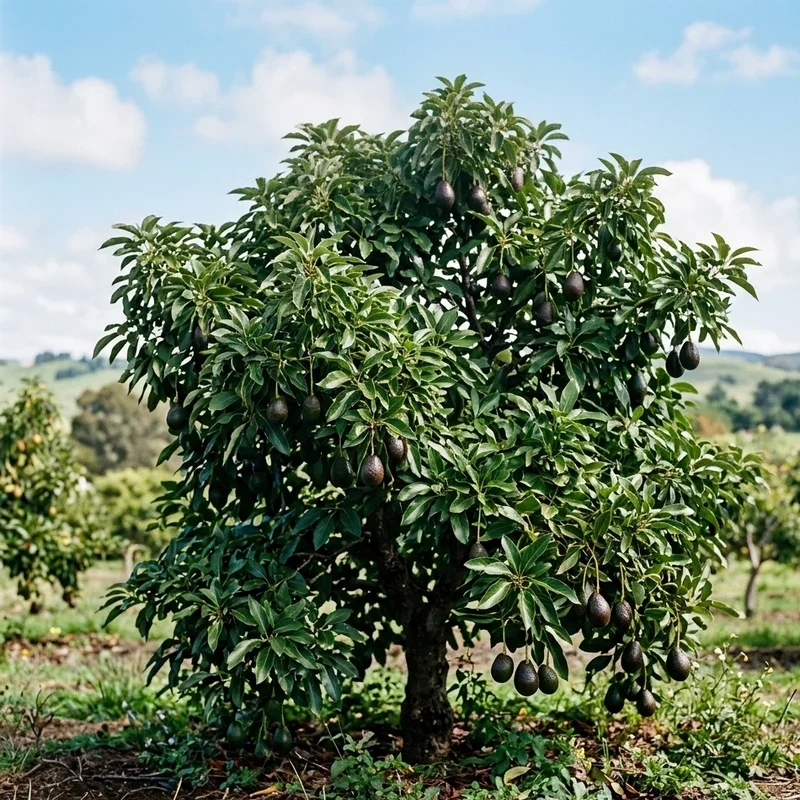
Avocado plants are straight up sun worshippers. They love bright light and plenty of it, so parking your pot near a south facing window is usually the sweet spot. If natural light feels scarce in your space, a basic grow lamp works wonders too. Avoid placing it next to air vents, radiators, or drafty doors because temperature swings stress them out fast. Aim for a steady indoor temperature between sixty and eighty five degrees Fahrenheit, which is basically normal room conditions for most folks. Rotate the pot every week so all sides of the plant get equal sun exposure and grow evenly.
Watering and Feeding Your Young Plant
Watering an avocado plant is kind of a Goldilocks situation, not too much, not too little, just right. Stick your finger about an inch into the soil, and if it feels dry, give it a good soak until water drains out the bottom. If it still feels damp, hold off another day or two. Yellowing leaves usually scream overwatering, while crispy brown tips suggest the opposite. Once a month during spring and summer, feed it a diluted balanced houseplant fertilizer to keep things growing strong. Skip the fertilizer in winter when the plant takes a natural rest.
Pruning and Shaping for Bushier Growth
Here's a tip nobody tells you upfront, avocado plants grow tall and leggy really fast if left unchecked. They'll shoot straight up like a beanpole and look awkward within months. To avoid that gangly teenager phase, pinch off the top set of leaves whenever the plant adds another six inches of height. This forces side branches to develop, giving you a fuller, more attractive shape. Regular pruning also strengthens the main trunk, making your tree sturdier over time. Don't be shy with the scissors, pruning feels scary at first but your plant bounces back quickly and looks ten times better.
Common Problems and How to Handle Them
Every plant parent runs into bumps along the road, and avocados are no exception. Brown leaf tips often point to dry air or salty tap water, so try misting the leaves or switching to filtered water. Drooping stems usually mean the plant needs a drink or more sunlight. Tiny webs on the underside of leaves signal spider mites, which you can wipe off with a damp cloth or treat with neem oil. Fungal issues pop up when soil stays waterlogged, so always double check those drainage holes. Most problems are totally fixable once you spot them early, so don't panic at the first yellow leaf.
Will Your Avocado Tree Actually Produce Fruit?
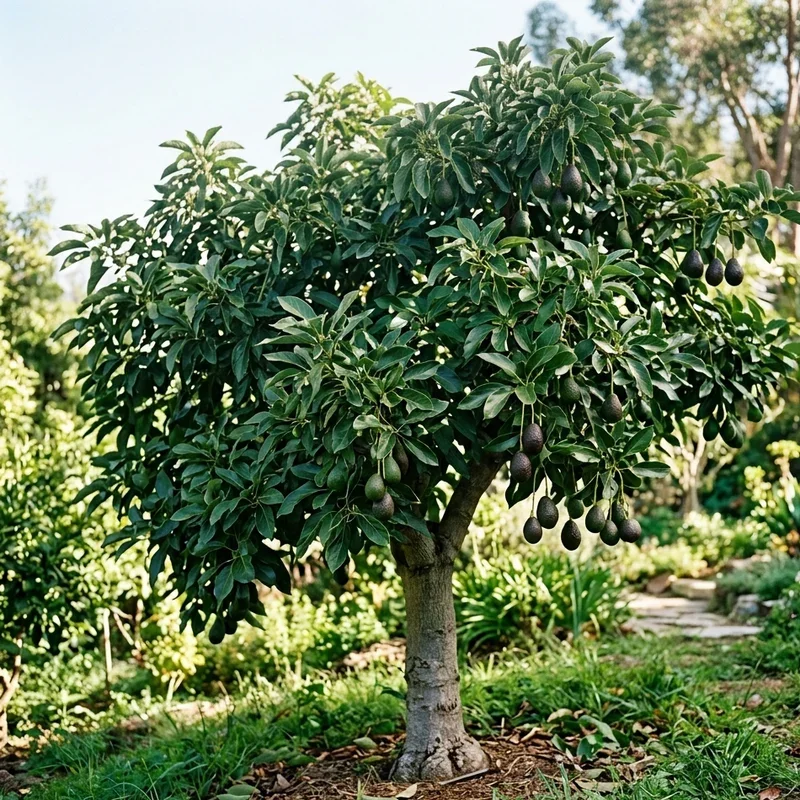
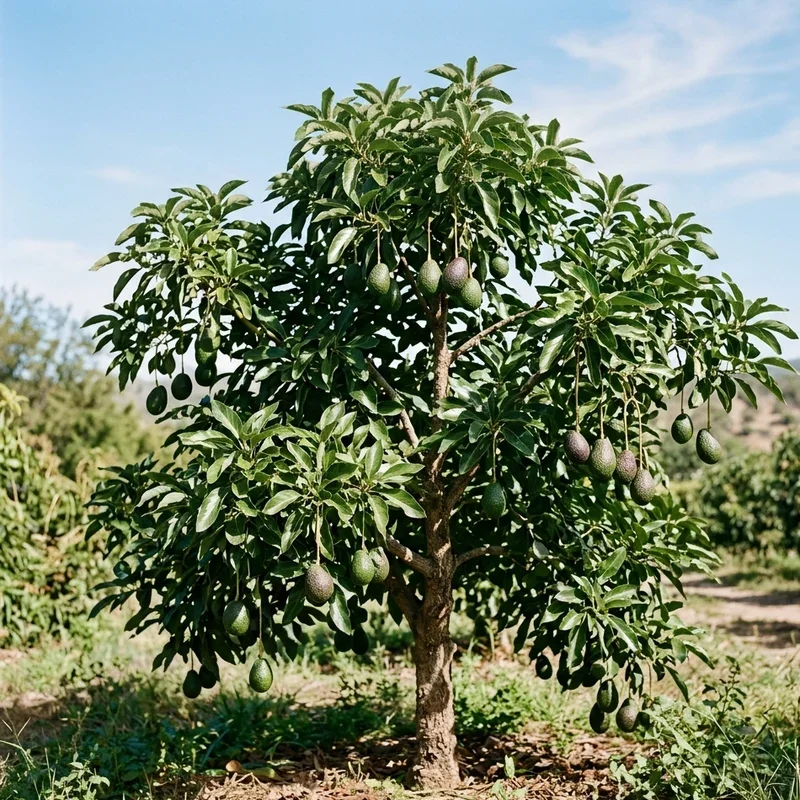
Here's the honest truth, indoor avocado trees grown from pits rarely produce fruit, and when they do, it can take anywhere from five to fifteen years. Store bought avocados come from grafted trees specifically bred for fruit production, while a random pit is a genetic lottery ticket. But don't let that discourage you. Even without fruit, these plants make stunning houseplants with lush, tropical looking foliage. If fruit is your end goal, consider grafting a branch from a mature fruiting tree onto your homegrown one later. Otherwise, just enjoy the ride and appreciate the greenery.
How to Grow an Avocado Tree From a Pit Step by Step: Long Term Care Tips
Keeping your avocado happy for the long haul boils down to consistency. Repot it every two to three years into a slightly larger container as the roots outgrow their home. Wipe the leaves occasionally with a damp cloth to keep dust from blocking sunlight. During warmer months, move your plant outside to a shaded patio for a summer vacation, just bring it back in before temperatures drop below fifty degrees. Keep an eye out for new growth patterns, and adjust care as needed. Over time, you'll learn your plant's personality and know exactly what it wants.
Fun Ways to Make It a Family Project
Growing an avocado from a pit is such a cool activity to do with kids or even roommates who've never touched a plant before. It teaches patience, responsibility, and a little bit of science all rolled into one. Let little ones name the plant, decorate the glass, or track its growth with weekly photos. Some families turn it into a friendly competition, starting several pits at once to see whose sprouts first. It's wholesome entertainment that costs almost nothing and creates memories that stick around long after the plant outgrows its first pot.
Conclusion
Growing an avocado tree from a pit is a rewarding little adventure that blends kitchen scraps with serious plant pride. From suspending that pit over a glass of water to watching it unfurl into a leafy green beauty, every stage feels like a small win. Sure, it takes time and a bit of trial and error, but that's half the fun. Whether you end up with fruit or just a gorgeous houseplant, you've created something living from nothing. Grab a pit, give it a go, and enjoy the process.
Read next: How to Grow an Apple Tree from Seed in Your Garden
Frequently Asked Questions
1.How long does it take for an avocado pit to sprout?
A: Sprouting typically takes between two and eight weeks, depending on warmth, light, and pit freshness.
2.Can I grow an avocado tree without using toothpicks?
A: Yes, you can use a propagation glass or simply plant the pit directly into soil.
3.Why isn't my avocado pit sprouting after weeks of waiting?
A: Old pits, cold temperatures, or insufficient light often delay or prevent sprouting entirely sometimes.
4.Should I peel the brown skin off the avocado pit?
A: No, leave the thin brown skin intact because it protects the seed during germination.
5.When is the best time to transplant my avocado sprout?
A: Transplant once the stem reaches six inches tall and healthy leaves have fully developed.