Learn how farm rotary cutters help manage rough vegetation, field edges, garden borders, access routes, and mixed-use rural property spaces.
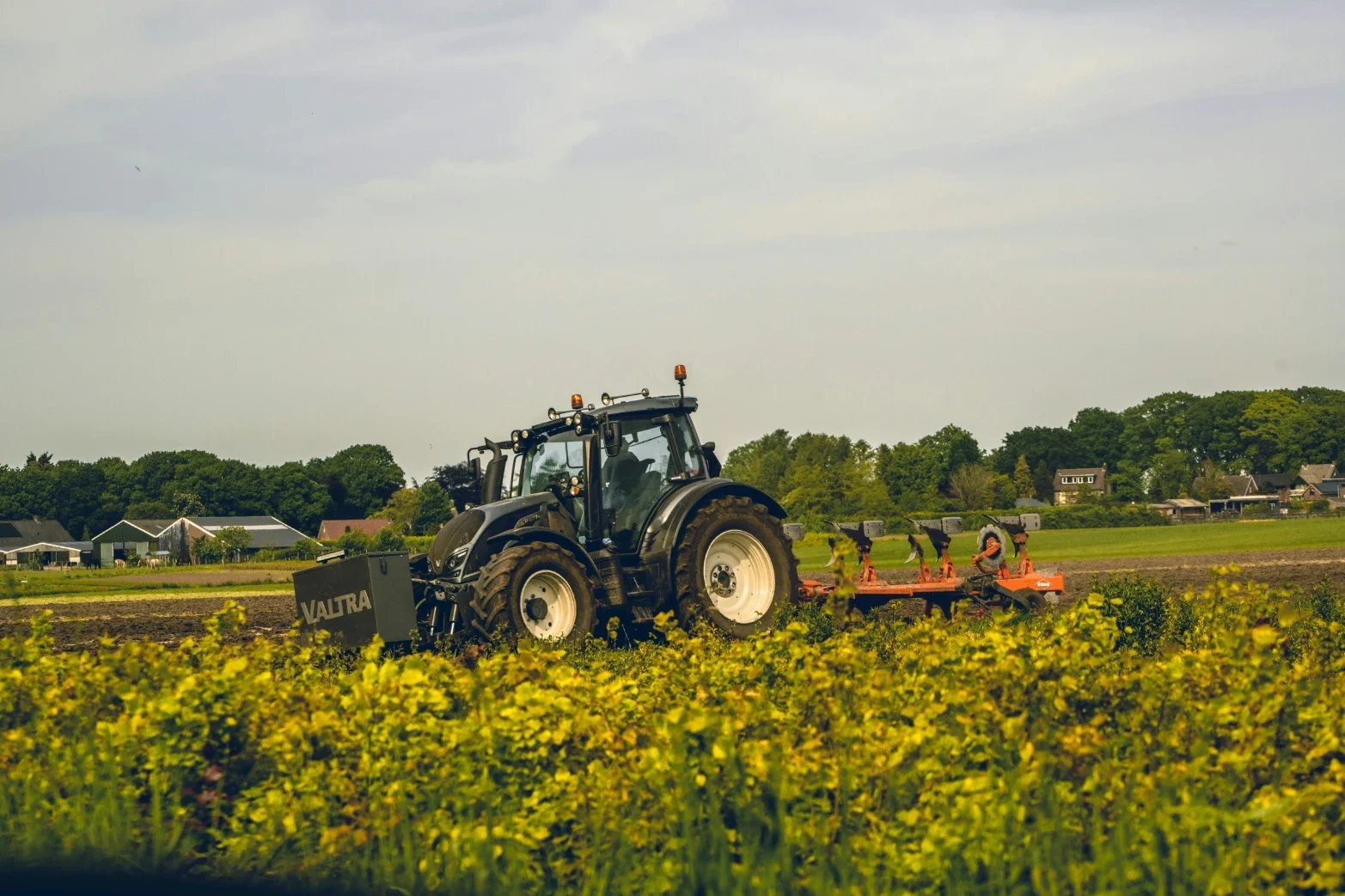
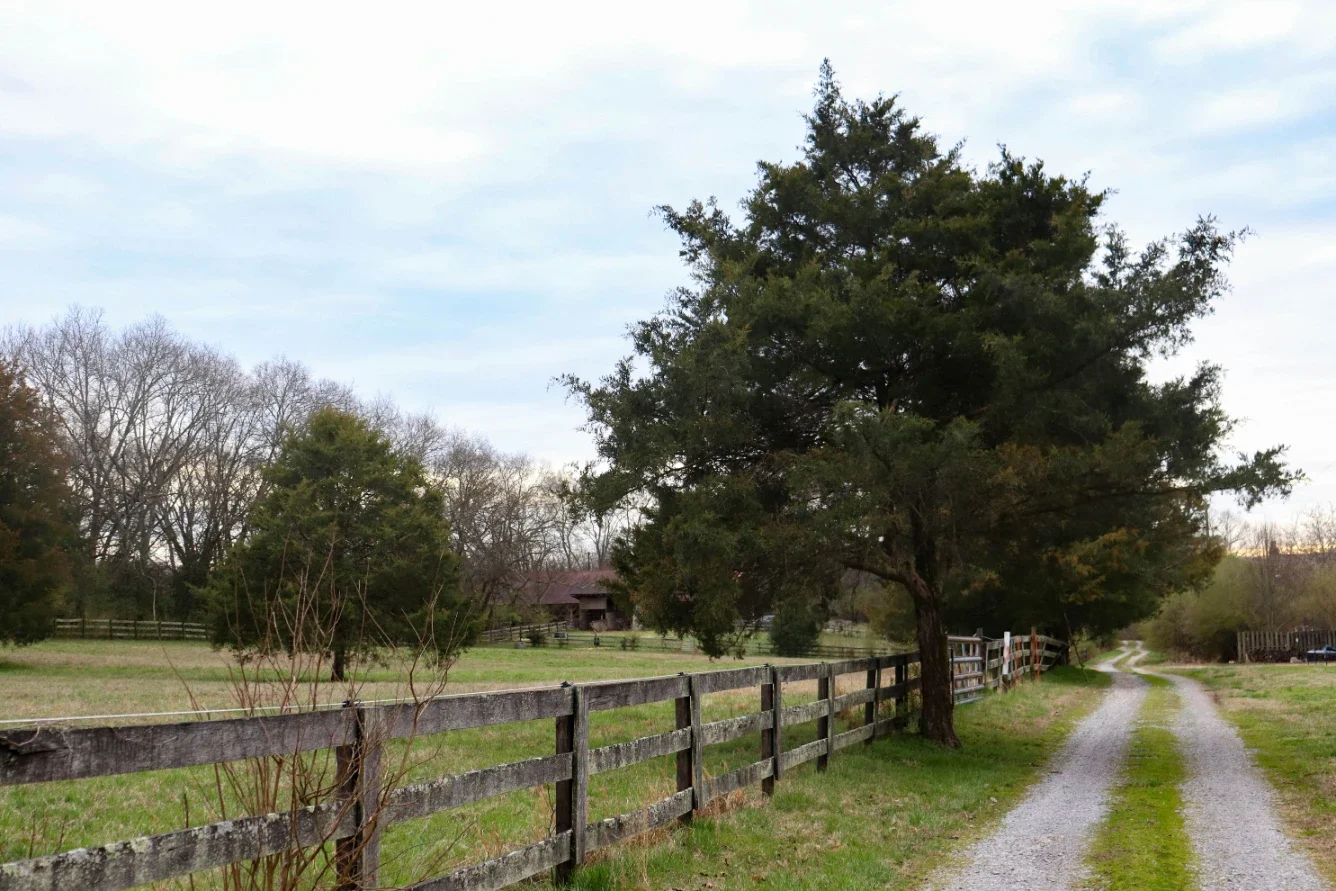
A farm landscape is rarely made up of one type of ground. It may include open fields, driveways, barn lanes, garden beds, tree lines, fence rows, pasture edges, flower borders, roadside strips, and areas that are only used during certain seasons. Each part of that land has its own maintenance needs. Some spaces require careful planting and light hand work, while others demand stronger equipment that can handle tall grass, brush, and rough vegetation without hesitation.
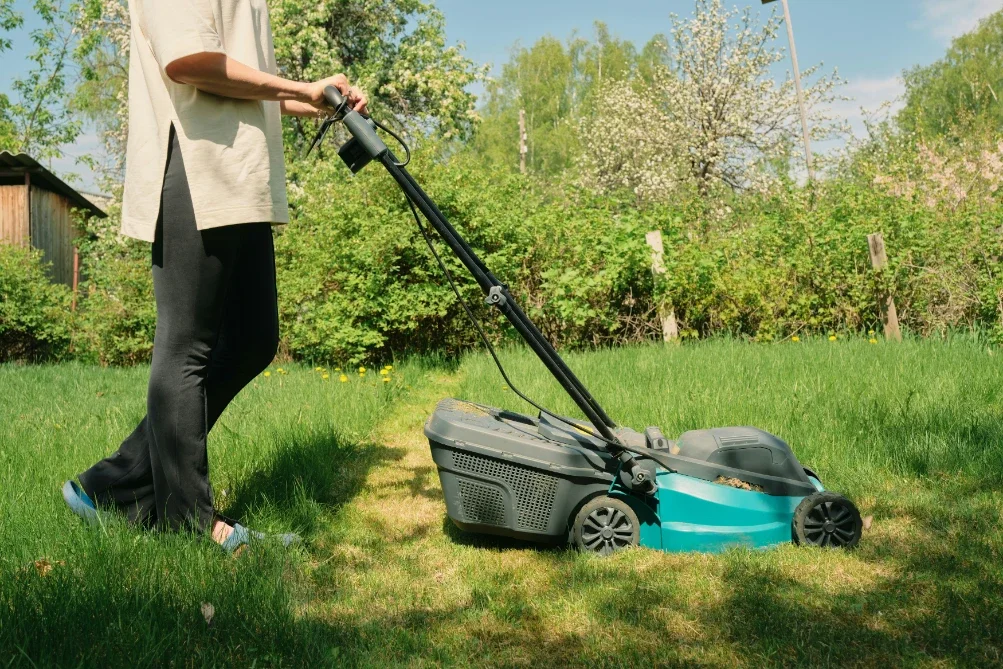
This is where rotary cutters become important in rural property care. They are not designed for delicate lawn finishing. Their purpose is more practical: keeping heavy growth under control, opening access routes, reducing overgrown margins, and helping landowners maintain areas that standard mowers are not built to handle. When used thoughtfully, a rotary cutter supports both the working side of a farm and the more visual spaces around homes, gardens, and entrances.
Why Rough-Cut Equipment Matters on Working Land
Tall grass and brush can change the way a property functions. A fence line that was easy to inspect in spring may become difficult to reach by midsummer. A lane to a shed may narrow as weeds push inward. Field borders can blur, hiding rocks, dips, debris, or drainage problems. These are not just appearance issues. They can affect safety, access, and the speed of daily farm work.
Rotary cutters help prevent those small problems from becoming larger ones. By clearing heavier vegetation on a regular schedule, landowners can keep sightlines open, protect working routes, and make the property easier to manage. A cleanly maintained edge can feel like a small thing, but on a busy farm, small clearances often save real time.
Choosing Equipment for Farm Edges and Mixed-Use Spaces
The right cutting equipment should be chosen according to the land, not just the machine category. A farm with rough pasture borders, brushy corners, and access roads will need a different setup than a small residential property with only maintained turf. Tractor compatibility, cutting width, terrain, vegetation type, service needs, and frequency of use should all shape the decision before purchase.
For landowners who manage field margins, barn approaches, rural driveways, garden boundaries, and rough outdoor zones, farm rotary cutters can provide the strength needed to control overgrowth while keeping important areas accessible, visible, and ready for seasonal work. The goal is not to cut every acre into a polished lawn, but to keep the right areas open enough to support daily movement, inspections, planting, and property upkeep.
How Garden Areas Influence Cutting Strategy
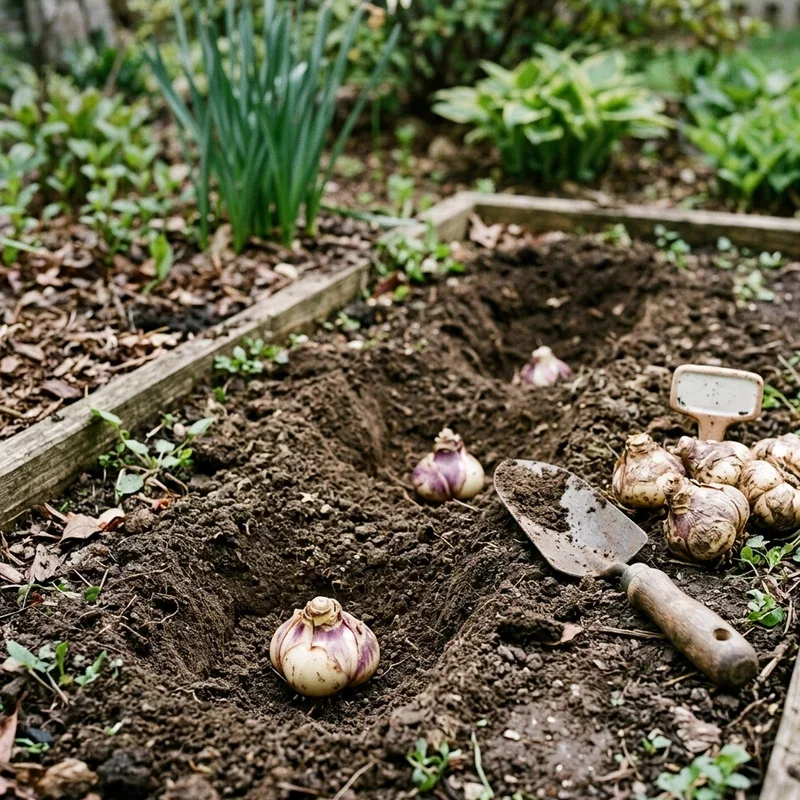
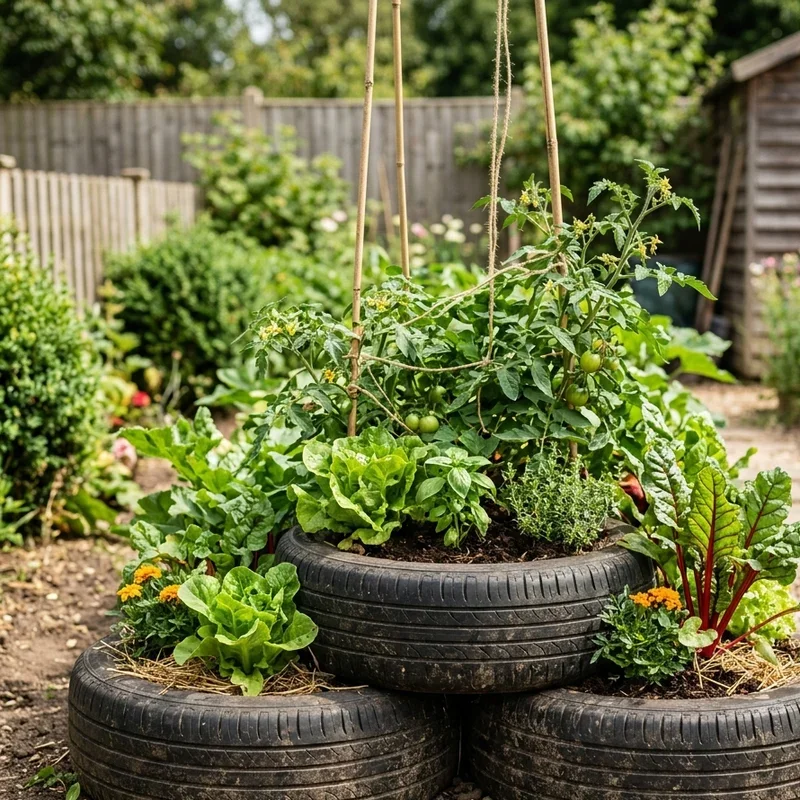
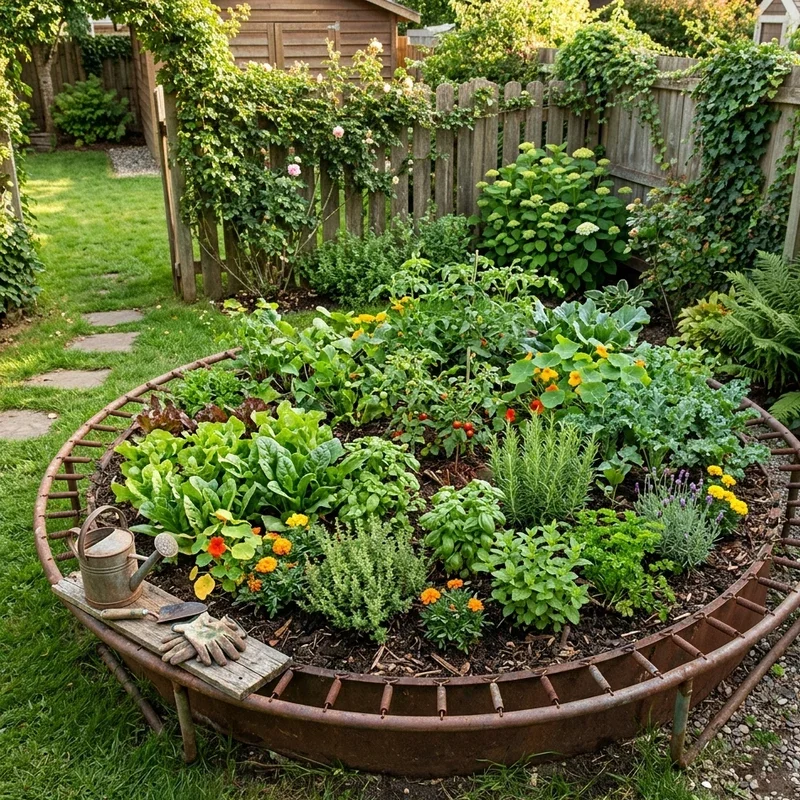
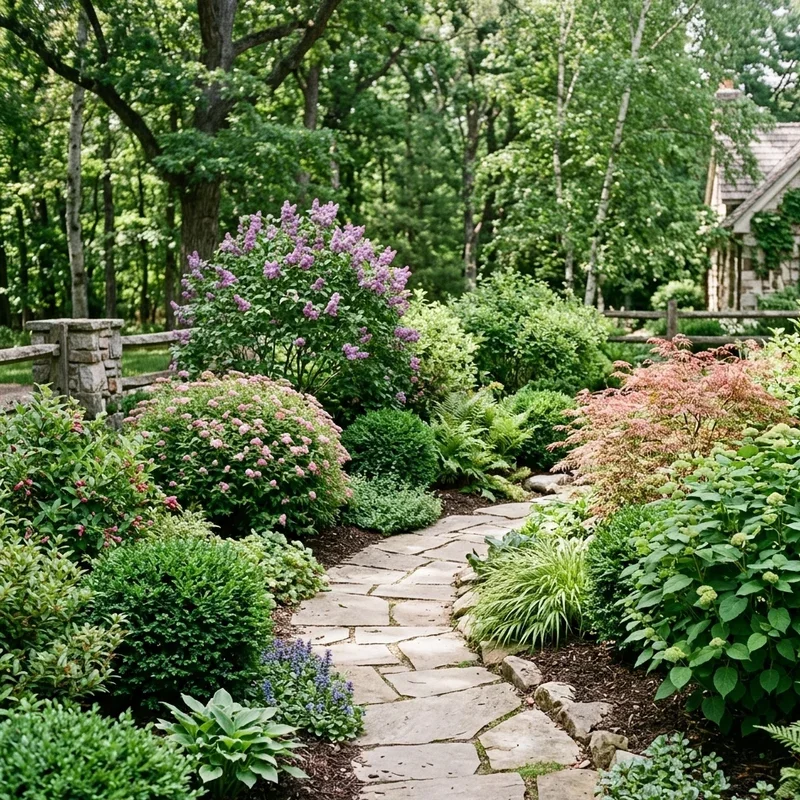
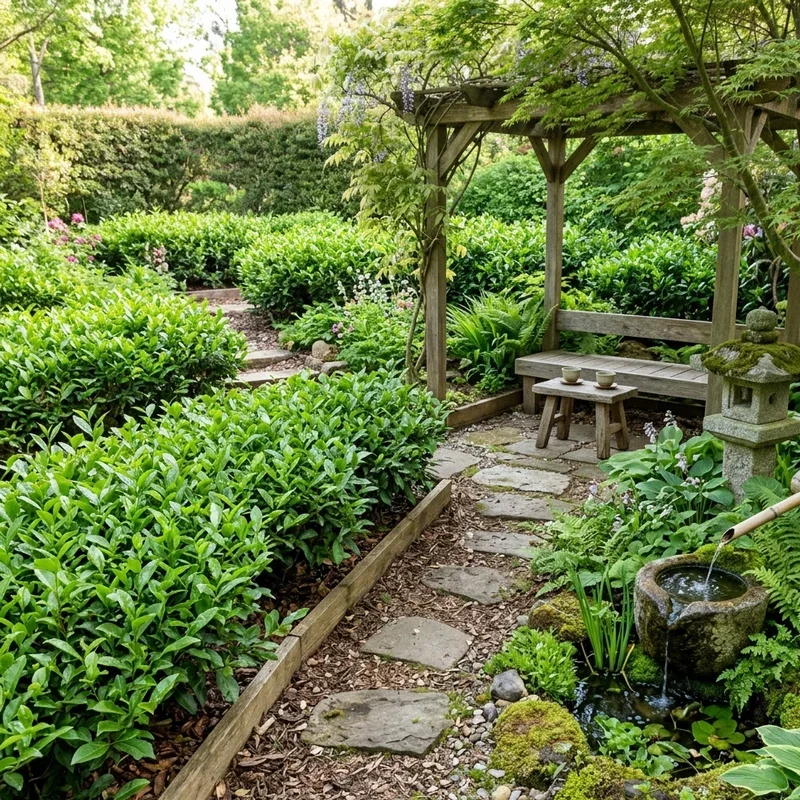
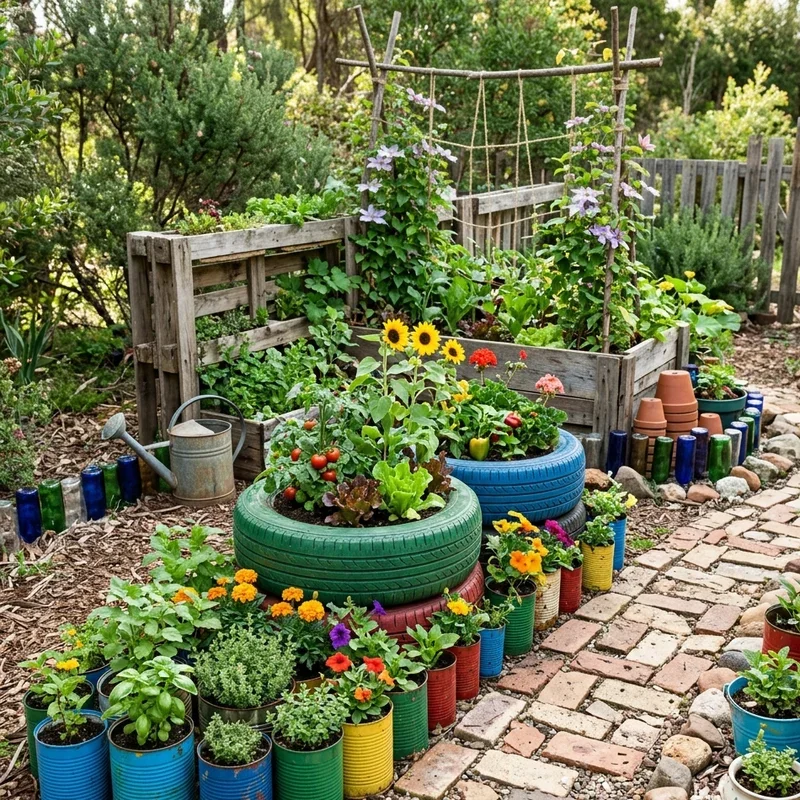
Gardens add structure and beauty to rural properties, but they also create edges. Flower beds, vegetable rows, orchard borders, and ornamental planting areas all need a maintenance buffer around them. Without regular cutting, turf and weeds can creep into planted spaces, compete for moisture, and make garden access more difficult. With the right maintenance plan, these areas stay defined without losing their natural character.
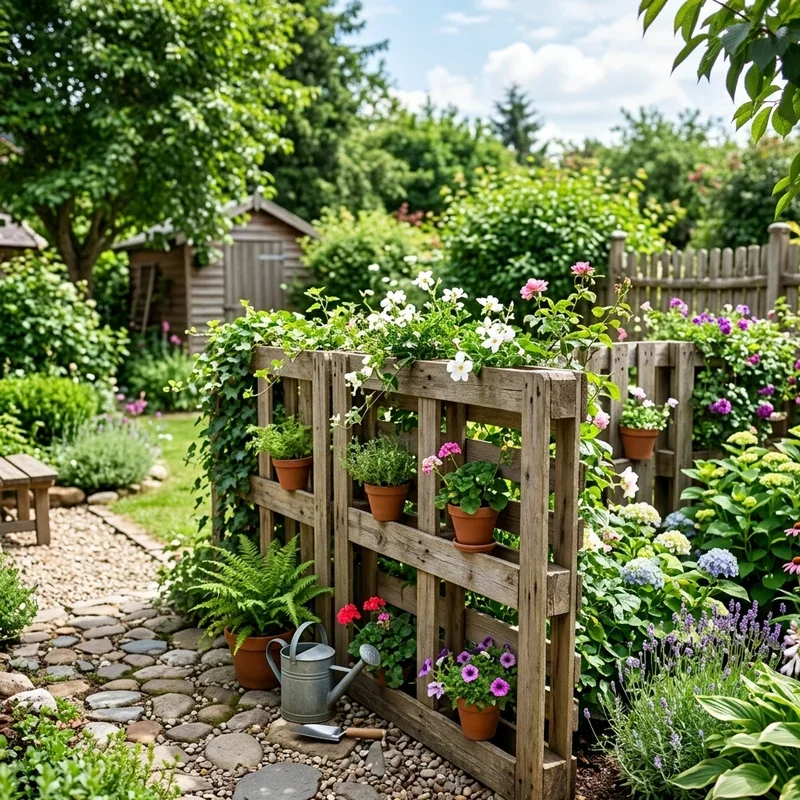
Farmhouse-style gardens often work best when they feel relaxed but still intentional. Beds can look generous and layered, but the surrounding ground should remain manageable. Ideas around farmhouse flower bed planning show how planting choices, shapes, and borders can give outdoor spaces warmth while still needing practical maintenance around the edges.
The Border Between Wild and Managed Land
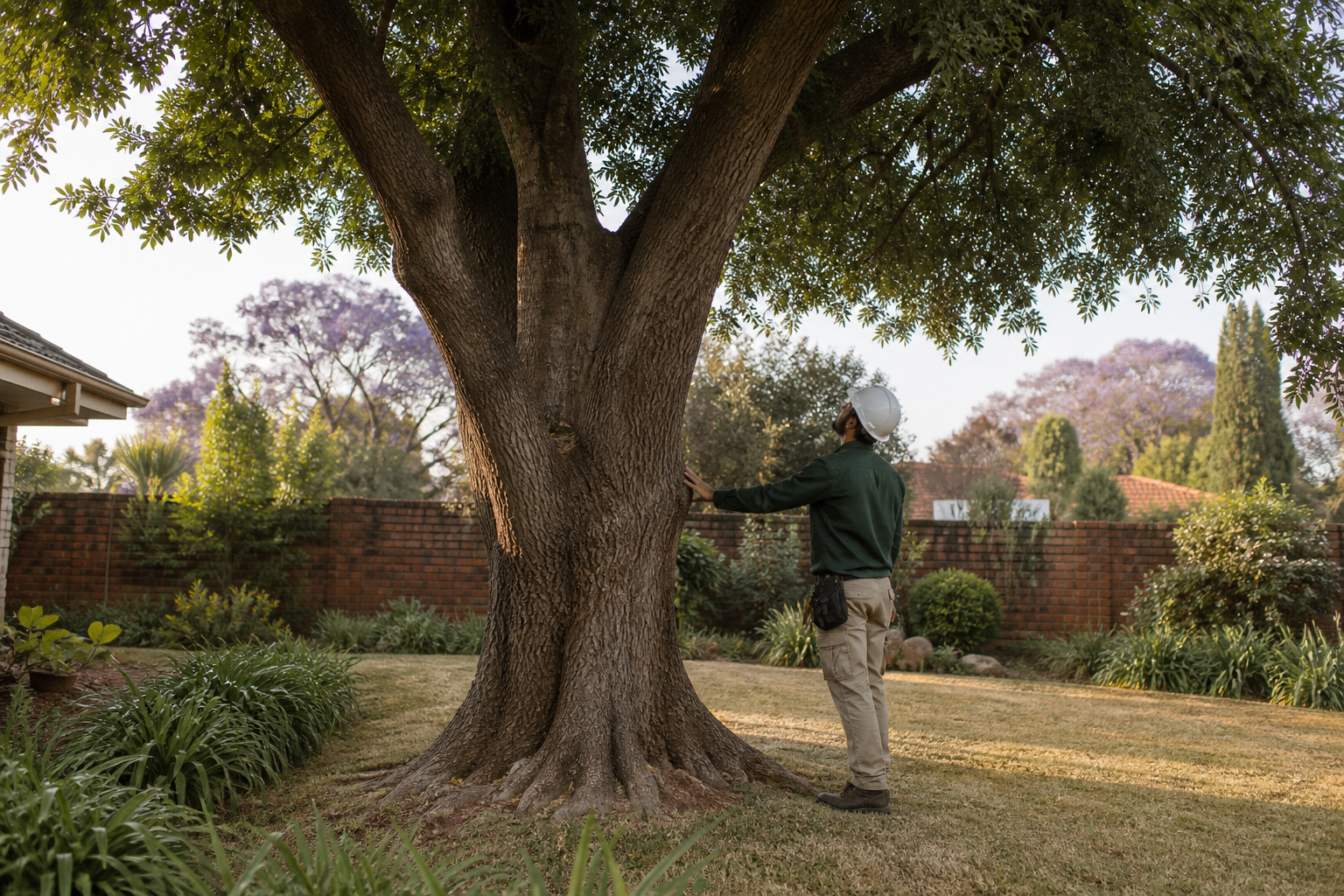
A rural property does not need every corner clipped short. In fact, some areas may benefit from remaining more natural. Pollinator strips, tree lines, and low-traffic borders can support birds, insects, and soil stability. The challenge is knowing where natural growth should be allowed and where it should be controlled.
Rotary cutting is useful because it gives owners a way to manage that boundary. It can keep access points clear while leaving selected areas for habitat or planting. This creates a property that feels cared for without flattening its rural character into a plain sheet of grass.
Productive Gardens Need Open Access
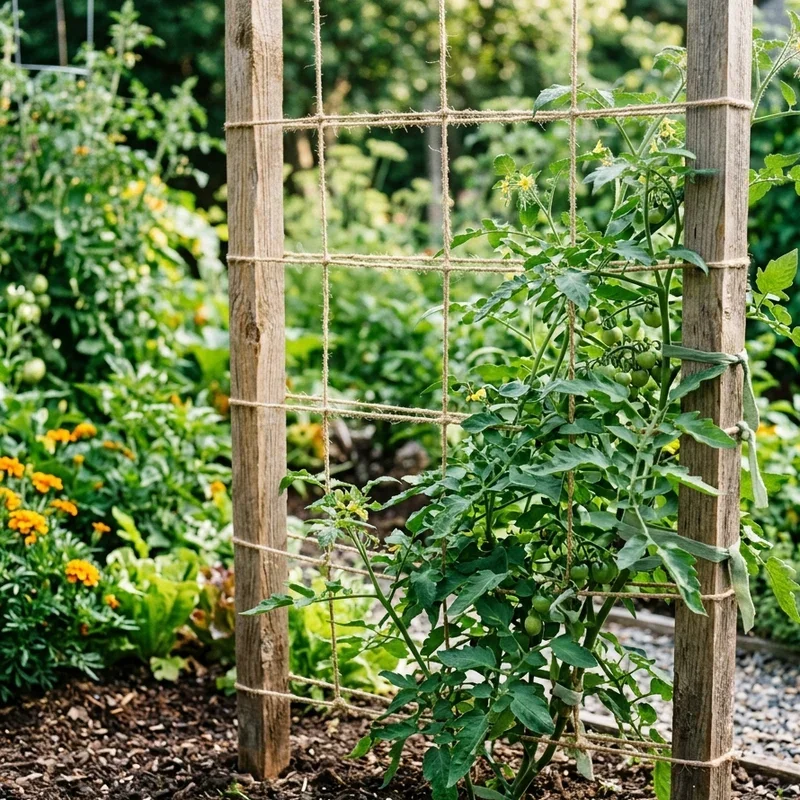
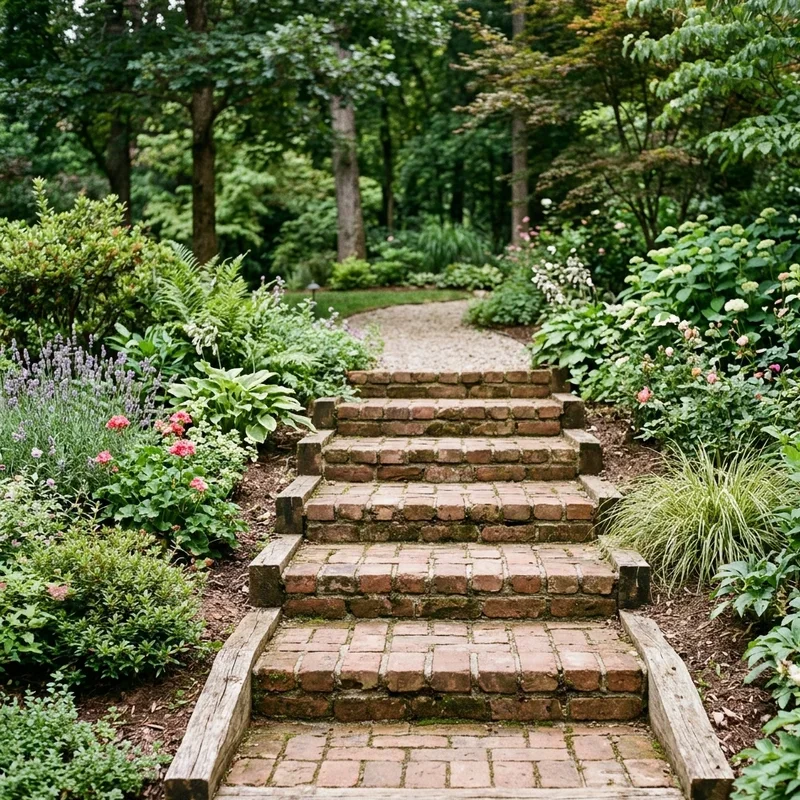
Vegetable gardens and working plots depend on easy movement. Tools, compost, mulch, water lines, harvest containers, and equipment all need clear paths. If grass or brush grows too close, simple tasks become more tiring than they should be. On farms where gardens sit near barns, sheds, or homes, rough cutting around access zones helps keep the whole system moving.
Good garden planning also considers what grows near each crop. Companion planting can influence pest pressure, shade, spacing, and productivity. Guidance on companion plants for peppers shows how smart plant relationships can support healthier garden beds. The same thinking applies outside the bed: surrounding grass, weeds, and access paths should be managed so they support the growing area instead of competing with it.
Safety Comes Before Speed
Rotary cutters are powerful machines, and rough ground deserves respect. Tall vegetation can hide rocks, branches, wire, holes, and uneven soil. Before cutting a neglected area, operators should inspect what they can, work at a sensible pace, and avoid forcing the machine through unknown conditions too quickly. A clean result is valuable, but controlled operation matters more.
The cutter should also be matched properly to the tractor. A setup that is too large can reduce control, while one that is too small may require too many passes. Stability, horsepower, terrain, and attachment compatibility all affect how safely and efficiently the work can be done. The best equipment choice gives the operator confidence rather than turning every pass into a wrestling match with the weeds.
Maintenance Protects the Machine and the Land
Rough cutting exposes equipment to dust, vibration, sap, clippings, hidden debris, and changing terrain. Regular maintenance is the price of dependable performance. Blades, gearboxes, driveline parts, shields, pins, and fasteners should be checked according to use and conditions. A neglected cutter can leave rougher results, create safety concerns, and shorten equipment life.
Landowners should also think about timing. Cutting too late can make vegetation tougher and harder to manage. Cutting too aggressively in sensitive areas can disturb beneficial growth. A steady schedule gives better control and helps owners maintain a healthier balance between working land, garden spaces, and natural borders.
Brand Section: H&R Agri-Power
H&R Agri-Power supports buyers who need equipment decisions to match real land conditions. Rural properties often include rough edges, maintained grounds, garden zones, driveways, fields, barns, and seasonal work areas. Choosing the right machine requires more than recognizing a product type. It requires understanding the property’s workload, terrain, tractor setup, maintenance expectations, and long-term use.
That kind of guidance is valuable because cutting equipment becomes part of a larger property system. Buyers need confidence that the machine can handle the work, that service support is available, and that the equipment fits how the land is actually managed. For farms, acreage homes, and garden-heavy rural properties, strong equipment support can help keep outdoor maintenance practical season after season.
Conclusion
Rotary cutters play a quiet but important role in rural land care. They help keep rough vegetation under control, protect access, improve visibility, define garden borders, and make field edges easier to manage. They are not meant to replace every mower or every hand tool, but they serve a purpose that lighter equipment cannot always handle.
The smartest approach is to treat cutting as part of the whole property plan. Productive gardens need open paths. Farm buildings need clear approaches. Field edges need visibility. Natural areas need thoughtful boundaries. When the right equipment is matched to these needs, the land becomes easier to work, easier to enjoy, and easier to keep ready for the next season.