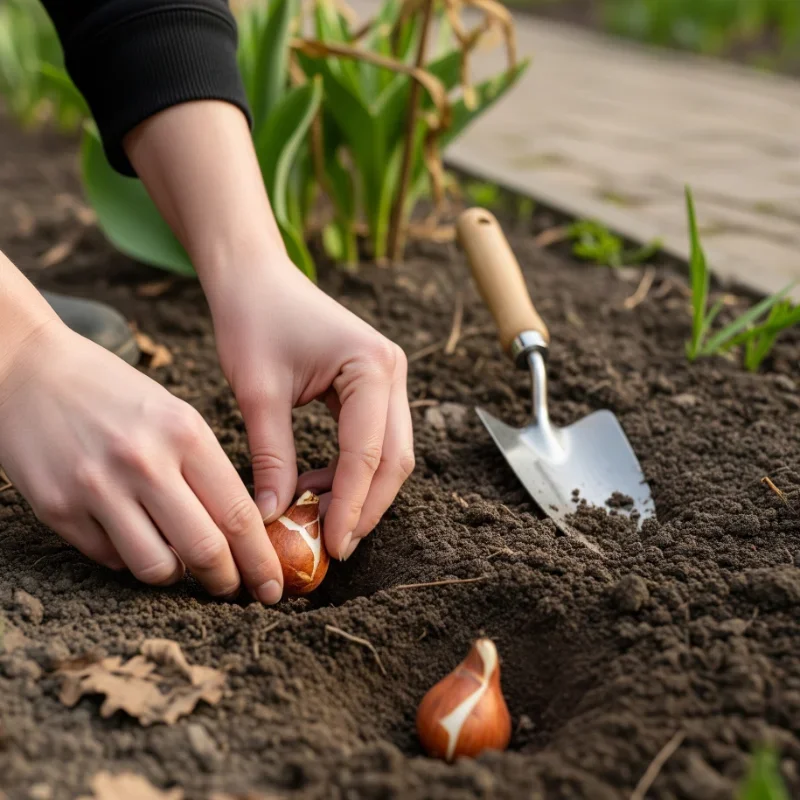
How Deep Do You Plant Tulips for Best Growth
Wondering how deep to plant tulips? Get the inside scoop on depth, spacing, and soil tips for stunning spring blooms year after year.
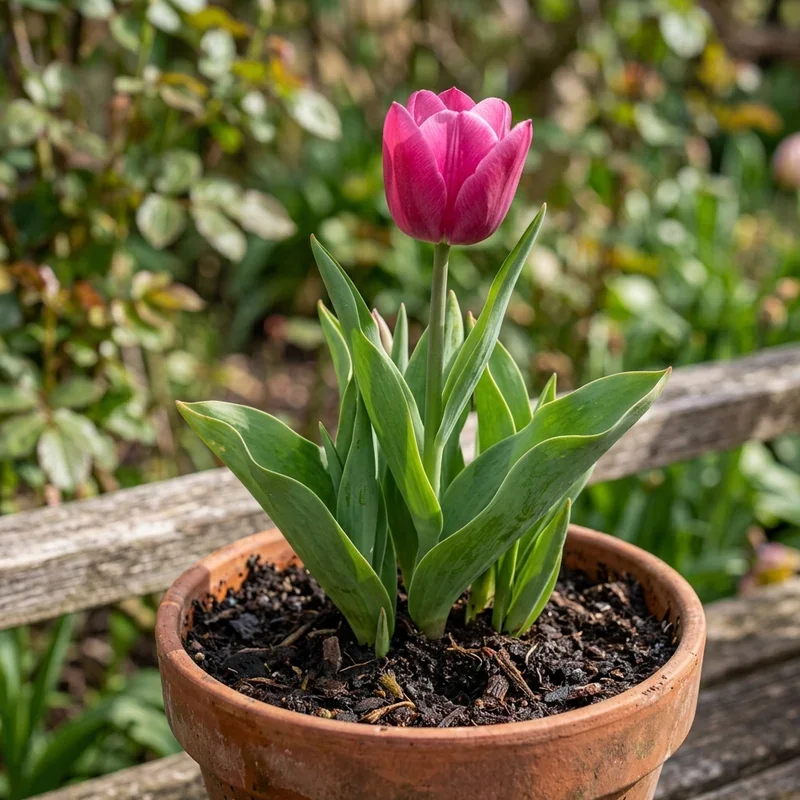
So you've got a bag of tulip bulbs sitting on your kitchen counter, and now you're scratching your head wondering what on earth to do with them. Trust me, you're not alone. Planting tulips seems simple enough, but get the depth wrong and you'll be staring at a sad patch of dirt come springtime. These gorgeous spring stunners have specific needs, and depth is honestly one of the biggest factors that separates gardening wins from total flops. Let's dig into everything you need to know about giving your bulbs their best shot at blooming beautifully.
Why Planting Depth Matters More Than You Think
Here's the thing about tulip bulbs: they're kind of like Goldilocks. Too shallow, and they freeze or get nibbled by hungry critters. Too deep, and they'll struggle to push through the soil when spring rolls around. Finding that sweet spot isn't rocket science, but it does take a bit of know-how.
When bulbs sit at the right depth, they get just enough insulation from winter's bite while still being close enough to the surface to emerge when the weather warms up. Plus, proper depth helps them establish strong root systems, which basically means healthier plants and bigger, brighter blooms. Ever noticed how some gardens have tulips that seem to multiply year after year while others barely manage one lackluster season? Yep, depth plays a massive role in that.
How Deep Do You Plant Tulips for Best Growth: The Golden Rule
Alright, let's cut to the chase. The general rule of thumb for tulip bulbs is to plant them about three times as deep as the bulb is tall. For most standard tulip bulbs, that works out to roughly 6 to 8 inches deep, measured from the base of the bulb to the soil surface. Easy peasy, right?
But hold up, there's a bit more nuance to it. Larger bulbs obviously need more depth, while smaller species tulips can get away with being closer to the surface. If you're planting in an area with particularly cold winters, lean toward the deeper end of that range. In milder climates, you can plant a tad shallower without worrying about frost damage.
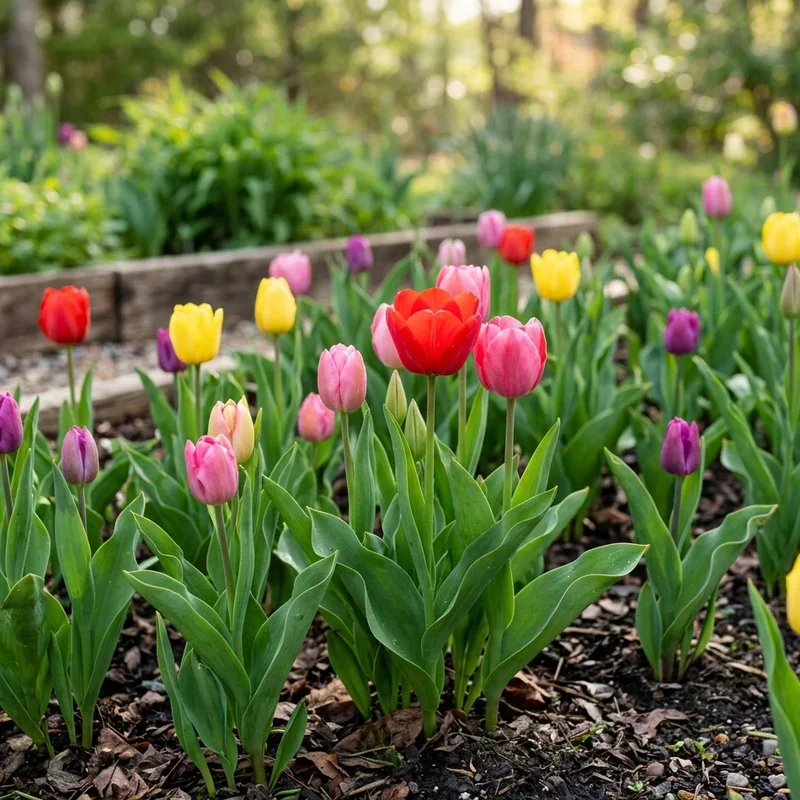
Getting Your Soil Ready Before You Dig
Before you even think about depth, your soil needs to be in fighting shape. Tulips absolutely hate wet feet, so drainage is non-negotiable. Heavy clay soil is basically a death sentence for these bulbs because water pools around them and causes rot.
Here's what you'll want to do to prep your planting area:
Work the soil to a depth of about 12 inches to loosen it up
Mix in some compost or well-rotted organic matter for nutrients
Add sand or grit if your soil drains poorly
Test the pH; tulips prefer slightly acidic to neutral soil, around 6.0 to 7.0
Remove any rocks, weeds, or debris that might block root growth
Taking the time to do this groundwork makes all the difference. I know, I know, it feels tedious when you just want to get those bulbs in the ground, but your future self will thank you.
Timing Is Everything With Tulip Planting
You can plant at the perfect depth all day long, but if your timing's off, you're still gonna have problems. Tulips need a cold dormancy period to bloom properly, which is why fall planting is the way to go. Aim for a window about 6 to 8 weeks before the ground freezes in your area.
In most of the northern United States, that means October or early November. For folks in warmer southern regions, you might need to wait until November or even December, and in some cases, you'll need to pre-chill your bulbs in the fridge for about 12 to 16 weeks before planting. It's a bit of a hassle, but hey, spring tulips in Florida? Totally worth it.
Spacing: Don't Cram Them in Like Sardines
While we're talking about planting specifics, let's chat about spacing for a hot second. Bulbs need room to breathe, grow, and spread. Crowd them too much and they'll compete for water and nutrients, leaving you with weaker plants overall.
A good guideline is to space bulbs about 4 to 6 inches apart. For a fuller, more impactful display, you can go with the closer 4 inch spacing, but don't push it any tighter than that. If you're creating drifts or naturalized areas, slightly wider spacing works great and gives a more organic look.
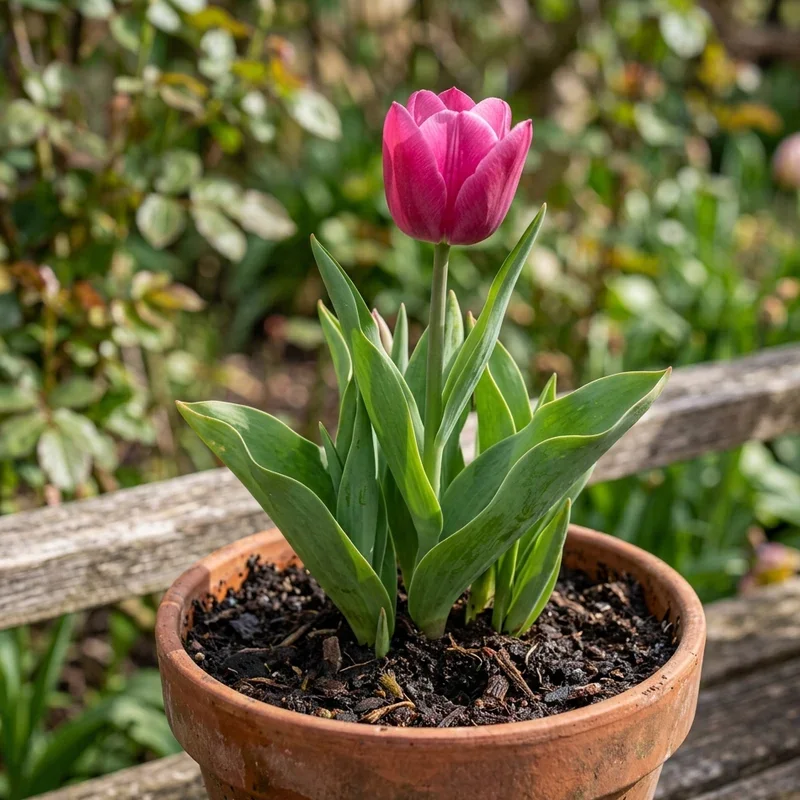
How Deep Do You Plant Tulips for Best Growth in Containers?
Container gardening throws a little wrench into the standard rules, but it's absolutely doable. When you're planting tulips in pots, you've got a bit more flexibility with depth since you're not dealing with the same ground-freezing concerns.
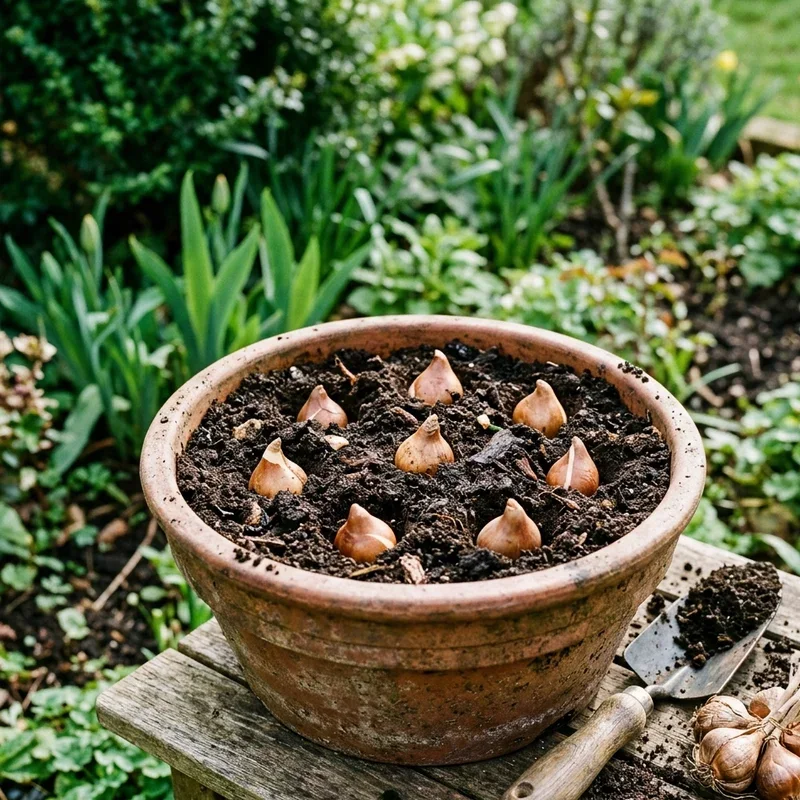
For containers, aim to plant bulbs about 4 to 6 inches deep, and use a pot that's at least 12 inches deep to accommodate root growth. Layer your bulbs if you want a wow factor; this technique, sometimes called the lasagna method, involves planting different bulb types at varying depths for staggered blooms. Drainage holes are an absolute must, no exceptions. Oh, and don't forget containers lose heat faster than garden soil, so you might need to insulate them or move them to a sheltered spot during deep freezes.
Regional Considerations That Change the Game
Not all gardens are created equal, and where you live has a huge impact on how you approach tulip planting. Gardeners in USDA zones 3 through 7 have it pretty easy since their natural winter chill does the work for them. Those in zones 8 and above need to get creative with pre-chilling bulbs and treating them more like annuals.
In super cold zones like 3 and 4, you'll want to plant on the deeper side, closer to 8 inches, and add a nice thick layer of mulch after the ground freezes. This extra insulation prevents the freeze-thaw cycle from heaving bulbs out of the ground. Meanwhile, gardeners in milder zones can stick with the 6 inch depth and skip the heavy mulch.
Common Mistakes That Sabotage Your Tulips
Listen, we've all messed up a gardening project or two. Learning from common blunders can save you a ton of frustration:
Planting bulbs upside down: The pointy end goes UP, the flat end with roots goes DOWN
Ignoring drainage: Waterlogged bulbs equal rotten bulbs
Skipping the depth check: Eyeballing it leads to inconsistent results
Planting too early or too late: Both extremes cause problems
Forgetting to water after planting: Initial watering helps settle soil and kickstarts root growth
Leaving bulbs exposed: Always cover completely with soil
Avoiding these pitfalls is half the battle. The other half? Just being consistent with your technique and paying attention to what your garden is telling you.
Protecting Your Bulbs From Hungry Wildlife
Critters absolutely love tulip bulbs, and planting depth plays into pest prevention too. Squirrels, chipmunks, voles, and deer can all wreak havoc on your planting efforts. Deeper planting provides some natural protection since rodents are less likely to dig that far down.
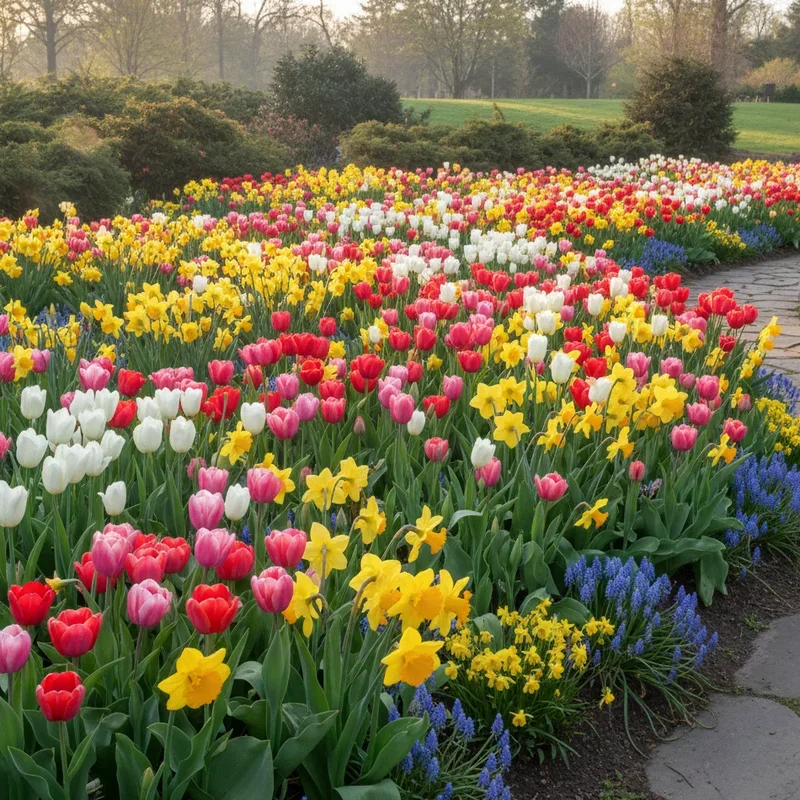
If you've got a serious pest problem, consider laying chicken wire over your planted area, adding crushed gravel around the bulbs, or using bulb cages. Some gardeners swear by planting daffodils alongside tulips since critters tend to avoid them. Whatever you do, don't leave tulip debris or papery skins lying around after planting; that's like ringing a dinner bell for curious animals.
Watering and Mulching After You Plant
Once your bulbs are tucked into the ground at just the right depth, give them a good drink of water. This helps settle the soil around the bulbs and eliminates air pockets that can dry out roots. After that initial watering, you typically won't need to water again until growth emerges in spring, unless you're experiencing a really dry fall.
Mulch is your friend here too. A 2 to 3 inch layer of shredded leaves, bark, or straw provides insulation and helps regulate soil temperature. Just wait until after the ground has had a chance to cool down before piling it on, otherwise you might trap heat and confuse the bulbs into sprouting prematurely.
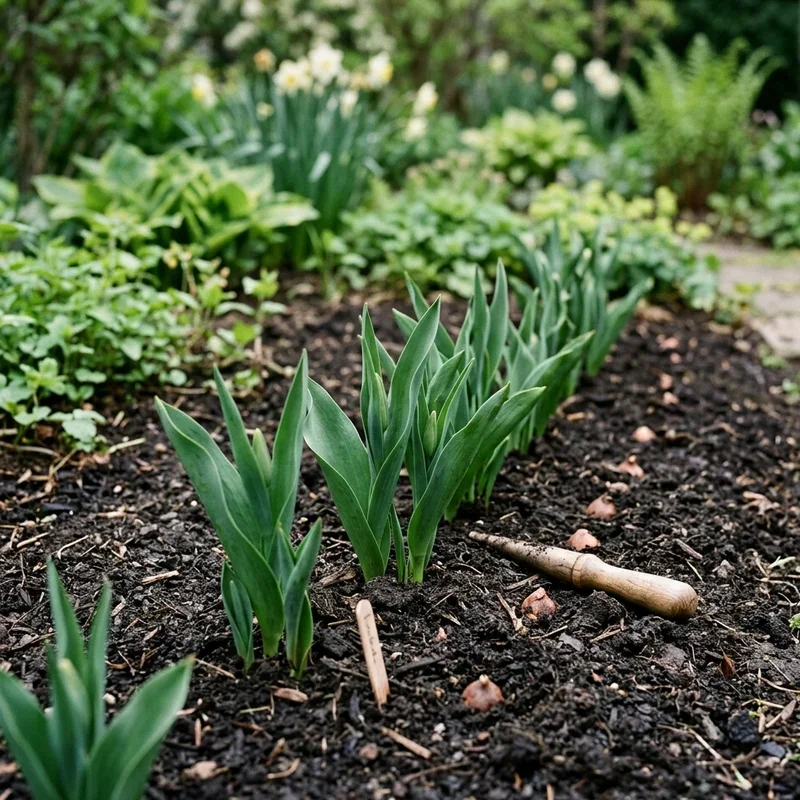
Caring for Tulips After They Bloom
Planting is just the beginning of the journey, friends. What you do after those gorgeous blooms fade determines whether you'll have tulips again next year. Once the flowers wilt, snip off the spent blooms so the plant doesn't waste energy making seeds.
Here's the crucial part: leave the foliage alone until it yellows and dies back naturally. I know the leaves look ratty and messy, but they're busy photosynthesizing and storing energy in the bulb for next year's show. Chopping them down too early is basically starving your bulbs. Feeding with a bulb fertilizer in eary spring and again after blooming gives them extra oomph for the following season.
Conclusion
Getting tulip depth right really isn't as complicated as it might seem at first glance. Stick to that three-times-the-bulb-height rule, prep your soil properly, and plant at the right time for your region. Pay attention to spacing, protect against critters, and give your bulbs a good watering after planting. With these basics down, you'll set yourself up for a breathtaking spring display that keeps delivering year after year. Now grab those bulbs and get digging. Happy planting!
Read next: 15 Tulip Flower Bed Ideas to Brighten Your Garden
Frequently Asked Questions
1. Can I plant tulip bulbs in spring instead of fall?
A: Spring planting rarely works since tulips need cold dormancy to bloom properly the following season.
2. What happens if I plant tulip bulbs too shallow?
A: Shallow bulbs risk freezing, getting eaten, or producing weak, short-lived blooms with smaller flowers.
3. Do tulips come back every year naturally?
A: Some do, but many modern hybrids are treated as annuals and decline after year two.
4. Should I fertilize tulip bulbs at planting time?
A: Yes, mixing bulb fertilizer into the planting hole gives them nutrients for strong root development.
5. How long does it take tulips to bloom after planting?
A: Tulips planted in fall typically bloom between March and May, depending on your climate zone.