Can You Plant Tulips in the Spring? What to Expect
Can you plant tulips in the spring? Learn what to expect, tips for success, and how to get blooms from late-planted bulbs!
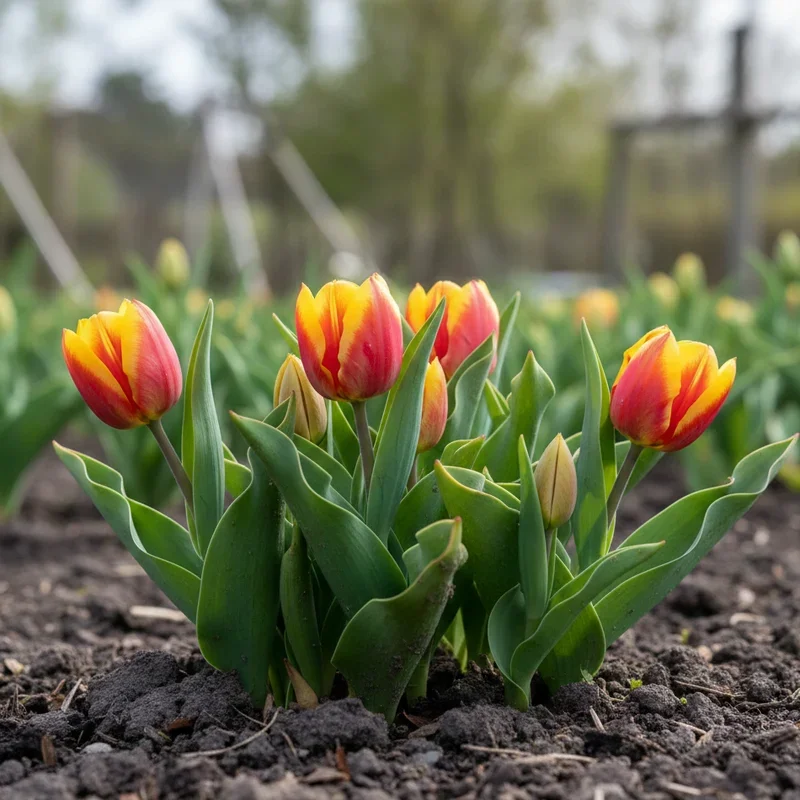
Spring has arrived, the garden centers are bursting with colorful bulbs, and you're standing there wondering if you missed the boat on tulips. Maybe you forgot to plant last fall, or perhaps you just moved into a new home and inherited a bare garden. Whatever the reason, you're asking yourself one burning question: can you plant tulips in the spring?
Well, here's the deal. The short answer is yes, you technically can plant tulips in spring. But before you get too excited and start tossing bulbs into the ground willy-nilly, there's quite a bit you should know about what to expect from this unconventional approach.
Tulips are traditionally fall-planted bulbs for good reason. They need a cold period to trigger their internal alarm clocks and tell them it's time to bloom. Skipping this crucial step changes the game entirely. That doesn't mean spring planting is impossible though. It just means you'll need to adjust your expectations and maybe employ a few tricks to give those bulbs their best shot.
In this comprehensive guide about whether can you plant tulips in the spring and what to expect, we'll explore everything from the science behind tulip dormancy to practical tips for coaxing blooms from late-planted bulbs. We'll cover the honest truth about results, alternative approaches, and how to set yourself up for success. Ready to dig in? Let's get growing!
Understanding Why Tulips Typically Need Fall Planting
To really grasp what you're up against with spring planting, it helps to understand what makes tulips tick. These gorgeous flowers aren't just being difficult. There's real science behind their seasonal preferences.
The Cold Period Requirement
Tulips originate from mountainous regions of Central Asia where winters are cold and springs bring gradual warming. Over thousands of years, they evolved to require a period of cold temperatures before they'll bloom. This process is called vernalization, and it's absolutely essential for flower development.
During this chilly period, chemical changes occur inside the bulb. Starches convert to sugars, growth hormones activate, and the embryonic flower inside the bulb matures. Without roughly 12 to 16 weeks of temperatures between 35 and 45 degrees Fahrenheit, tulips simply won't know it's time to put on their spring show.
When you plant in fall, Mother Nature handles this cooling period naturally. The bulbs sit snug in the cold ground all winter, receiving exactly what they need. Come spring, warming soil temperatures signal that it's showtime, and up come those beautiful blooms.
What Happens Without Proper Chilling
Here's where things get tricky for spring planters. Without adequate cold exposure, tulip bulbs become confused. They might produce foliage but no flowers. They could send up stunted, weak growth. Or in some cases, they might not emerge at all and simply rot in the warming soil.
Think of it like trying to wake someone up who hasn't had enough sleep. They might stumble around groggily, but they're not going to perform at their best. Tulips without proper chilling are essentially in the same boat.
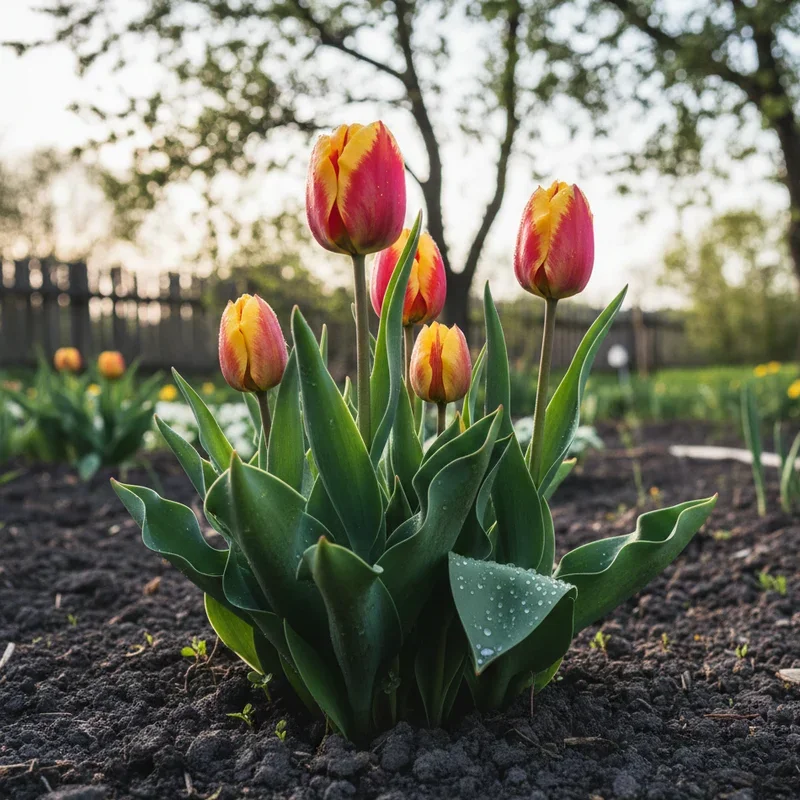
Can You Plant Tulips in the Spring? What to Expect Realistically
Alright, let's address the elephant in the room. If you're determined to plant tulips in spring, what results can you honestly anticipate? Managing expectations is half the battle here.
Scenario One: Pre-Chilled Bulbs
Your best bet for spring tulip success is using pre-chilled bulbs. Many garden centers sell bulbs that have already spent time in cold storage, essentially simulating winter conditions. These bulbs have received their necessary vernalization and are primed to grow.
With pre-chilled bulbs planted in early spring, you've got a reasonable chance of seeing flowers. They may bloom later than fall-planted tulips and could be somewhat shorter, but blooms are definitely possible. This is your golden ticket if you're set on spring planting.
Scenario Two: Non-Chilled Bulbs Planted Directly
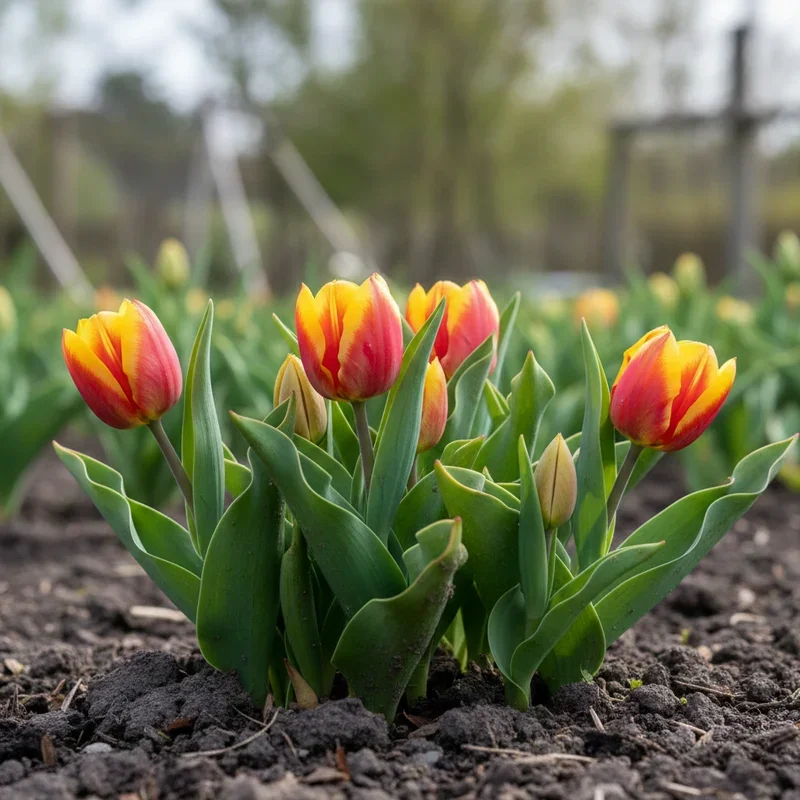
Planting regular, non-chilled bulbs straight into spring soil is frankly a gamble. You'll probably see green foliage emerge because leaves don't require vernalization. However, flowers are unlikely to develop that same season.
The bulbs might sit underground storing energy, essentially treating this year as a preparation period. With luck, they could bloom the following spring after experiencing a natural winter. But there's no guarantee they'll survive the summer heat and make it to next year.
Scenario Three: Last-Minute Refrigerator Chilling
If you've got some advance notice, you can create your own pre-chilling situation. Sticking tulip bulbs in your refrigerator for 10 to 14 weeks before planting mimics winter conditions. Just keep them away from fruits, especially apples, since the ethylene gas can damage developing flowers.
This approach requires planning though. If it's already mid-spring and you haven't started chilling, you're too late for this method to help you this season.
Tips for Maximizing Success with Spring-Planted Tulips
Okay, so you're going for it despite the challenges. Good for you! Fortune favors the bold, as they say. Here's how to give your spring-planted tulips the best fighting chance.
Choose the Right Bulbs
Not all tulip varieties respond equally to less-than-ideal conditions. Some are more forgiving than others when it comes to abbreviated or missing chill periods.
Species tulips and botanical varieties tend to be tougher and more adaptable than fancy hybrid types. Look for varieties like Tulipa tarda, Tulipa clusiana, or Tulipa humilis. These closer-to-wild types often tolerate unconventional treatment better than their highly bred cousins.
When shopping for bulbs in spring, examine them carefully. Firm, heavy bulbs with no soft spots or mold are essential. Avoid any that feel light, papery, or show signs of disease. Quality matters even more when you're already working against the odds.
Location, Location, Location
Where you plant makes a difference in overall success. Choose a spot with excellent drainage since tulip bulbs sitting in wet soil will rot faster than you can say "what happened to my flowers?" Raised beds work wonderfully for this reason.
Full sun is ideal, though light afternoon shade can actually help in warmer climates by keeping soil temperatures from spiking too quickly. Avoid planting near heat-reflecting walls or pavement that could cook your bulbs prematurely.
Planting Depth and Technique
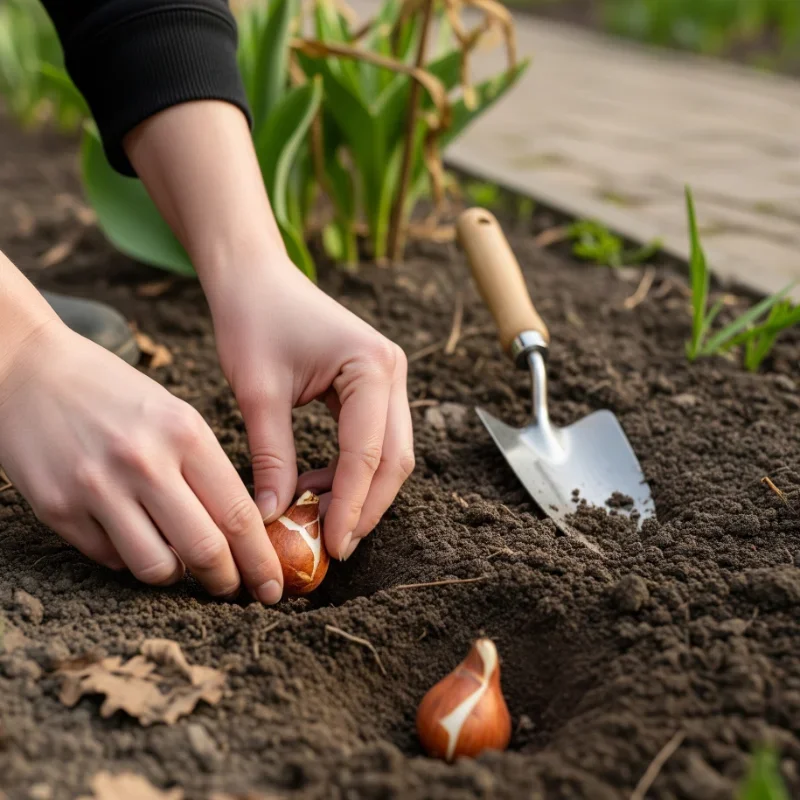
Plant your bulbs at the proper depth, roughly three times the height of the bulb itself. For most tulips, that means about 6 to 8 inches deep. This depth helps insulate them from temperature swings and keeps them cooler longer into spring.
Space bulbs about 4 to 6 inches apart to prevent overcrowding. Plant with the pointed end facing up and give them a good watering after planting to settle the soil and encourage root development.
Aftercare Considerations
Keep the soil consistently moist but never waterlogged during the establishment period. A layer of mulch helps maintain cool soil temperatures and retains moisture. Just don't pile it directly against emerging shoots.
Resist the temptation to fertilize heavily. Tulip bulbs contain most of the nutrients they need for initial growth. Excessive nitrogen can actually cause problems. A light application of balanced bulb fertilizer at planting time is sufficient.

Alternative Approaches When Spring Planting Seems Risky
If you're feeling uncertain about taking the plunge with ground planting, there are other ways to enjoy tulips this spring without the gamble.
Potted Pre-Grown Tulips
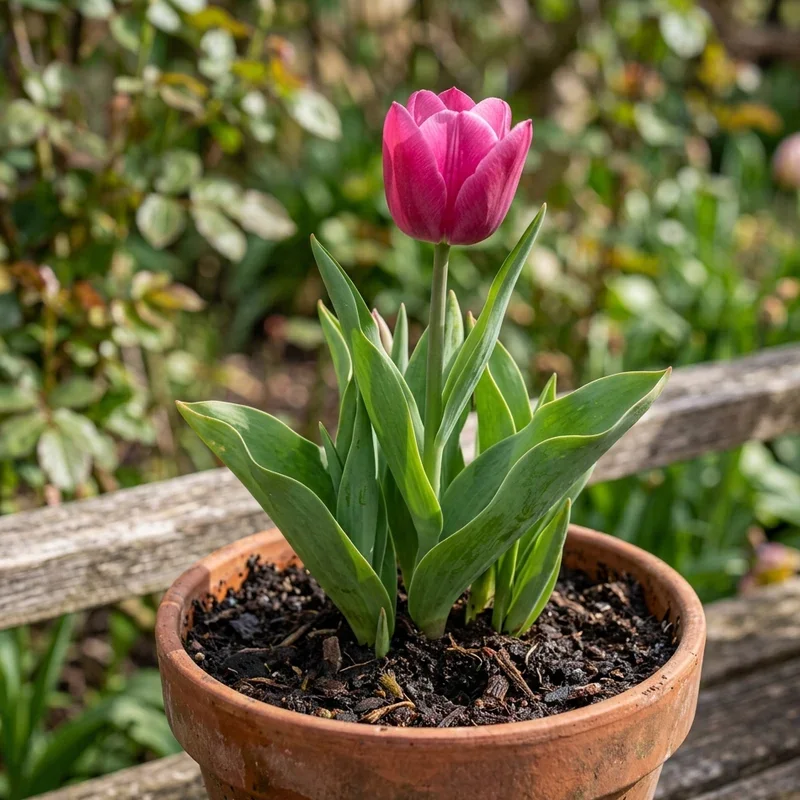
Garden centers and florists sell potted tulips that are already blooming or about to bloom. These plants were professionally grown with proper chilling and timing. You get instant gratification without any guesswork.
After they finish flowering, you can transplant these into your garden. Let the foliage die back naturally, and the bulbs will store energy for potential future blooms. It's essentially a shortcut that skips all the uncertainty of spring bulb planting.
Forcing Tulips Indoors
Forcing is the process of tricking bulbs into blooming out of season by controlling their environment. While typically done in winter for early spring blooms, understanding this technique helps explain the chilling requirements.
For next year, consider buying bulbs in fall, refrigerating them for the required period, then planting in pots indoors in late winter. You'll have gorgeous tulips blooming inside while it's still cold outside.
Planning Ahead for Fall
Sometimes the best solution to "can you plant tulips in the spring and what to expect" is simply accepting that fall planting produces superior results. Use this spring to prepare your garden beds, amend the soil, and plan your tulip display for next year.
Order bulbs in late summer when selection is best, and plant them in October or November when soil temperatures drop below 55 degrees. Your patience will be rewarded with strong, abundant blooms the following spring.
What to Do If Your Spring-Planted Tulips Don't Bloom
Let's say you planted tulips this spring and got leaves but no flowers. Don't despair! All is not necessarily lost.
Leave the Foliage Alone
Those green leaves are working hard, photosynthesizing and sending energy back down to the bulb for storage. Even without flowers, this process strengthens the bulb for potential future blooming.
Resist any urge to cut back the foliage until it has yellowed and died naturally. This usually takes about six weeks after flowering would have occurred. Cutting too early robs the bulb of crucial energy reserves.
Provide Proper Summer Care
As foliage dies back, reduce watering. Tulip bulbs prefer dry conditions during their summer dormancy. Overly wet soil during this period can cause rot.
Consider whether your planting location offers adequate drainage for summer survival. In areas with wet summers, you might want to dig bulbs up after foliage dies, store them in a cool dry place, and replant in fall.
Cross Your Fingers for Next Year
With any luck, your spring-planted bulbs will emerge and bloom the following spring after experiencing a natural winter. They might produce smaller flowers than usual, but hey, blooms are blooms!
Keep in mind that even under ideal circumstances, most tulips aren't great perennializers. They often decline after a few years regardless of planting timing. Treating tulips as annuals and planting fresh bulbs each fall typically yields the most consistent results.
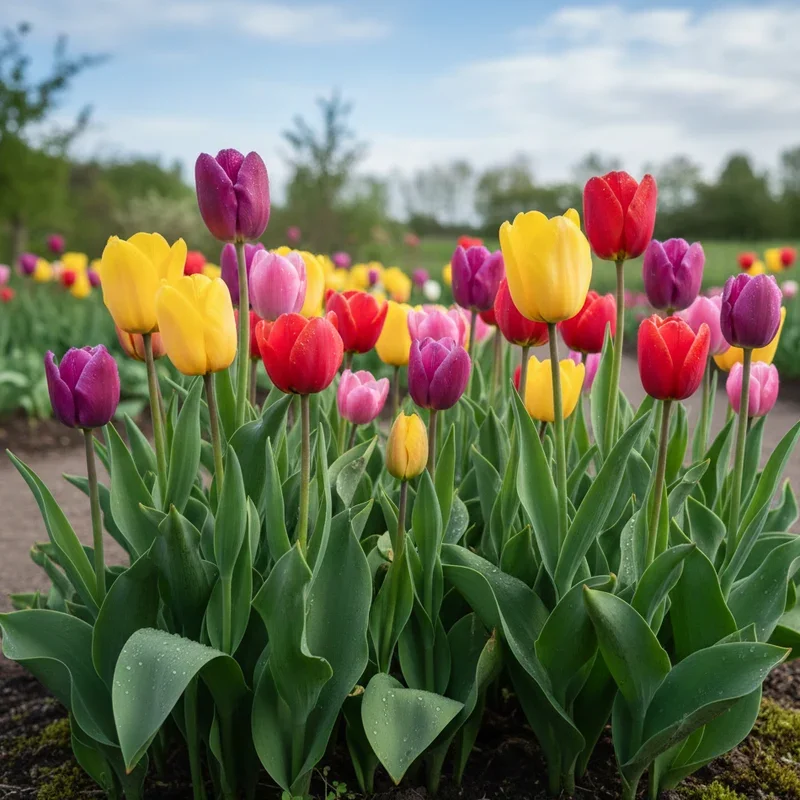
The Honest Truth About Spring Tulip Planting
We've covered a lot of ground here, so let's sum things up honestly. Can you plant tulips in the spring? Absolutely. Should you expect the same results as fall planting? Definitely not.
Spring-planted tulips face an uphill battle. Without proper vernalization, they're working against their natural programming. Success is possible, especially with pre-chilled bulbs, but it requires adjusted expectations and careful technique.
If gorgeous, reliable tulip displays are your goal, fall planting remains the gold standard. But if circumstances put bulbs in your hands during spring and you're willing to experiment, go ahead and give it a shot. Gardening is all about learning, adapting, and sometimes being pleasantly surprised.
Conclusion
Planting tulips in spring is certainly possible, though it comes with challenges that fall planting avoids. Pre-chilled bulbs offer your best chance for same-season blooms, while non-chilled bulbs may need a full year underground before flowering. By selecting hardy varieties, choosing well-drained locations, and managing your expectations, you can still enjoy tulips even when planting outside the traditional window. Whether you see flowers this year or next, the experience teaches valuable lessons about these beloved spring beauties.
Read next: 15 Tulip and Daffodil Garden Ideas to Brighten Your Yard
Frequently Asked Questions
1. Will tulips bloom the same year if planted in spring?
Pre-chilled bulbs may bloom the same spring, but non-chilled bulbs typically wait until next year.
2. How long should tulip bulbs be refrigerated before spring planting?
Tulip bulbs need 10 to 14 weeks of refrigeration at 35 to 45 degrees for proper chilling.
3. Can I plant tulip bulbs I received as a gift in spring?
Yes, plant them immediately and hope for foliage this year with possible blooms next spring.
4. What happens if I plant tulips too late in spring?
Late planting reduces success rates since warm soil temperatures can cause bulbs to rot quickly.
5. Should I fertilize spring-planted tulips differently than fall-planted ones?
No, use the same light balanced fertilizer application since tulip bulbs contain stored nutrients already.