Why Garden Lovers Are Quietly Investing in Kyoto Real Estate
Discover why garden lovers are investing in Kyoto real estate for its peaceful landscapes, traditional design, natural beauty, and strong lifestyle appeal.
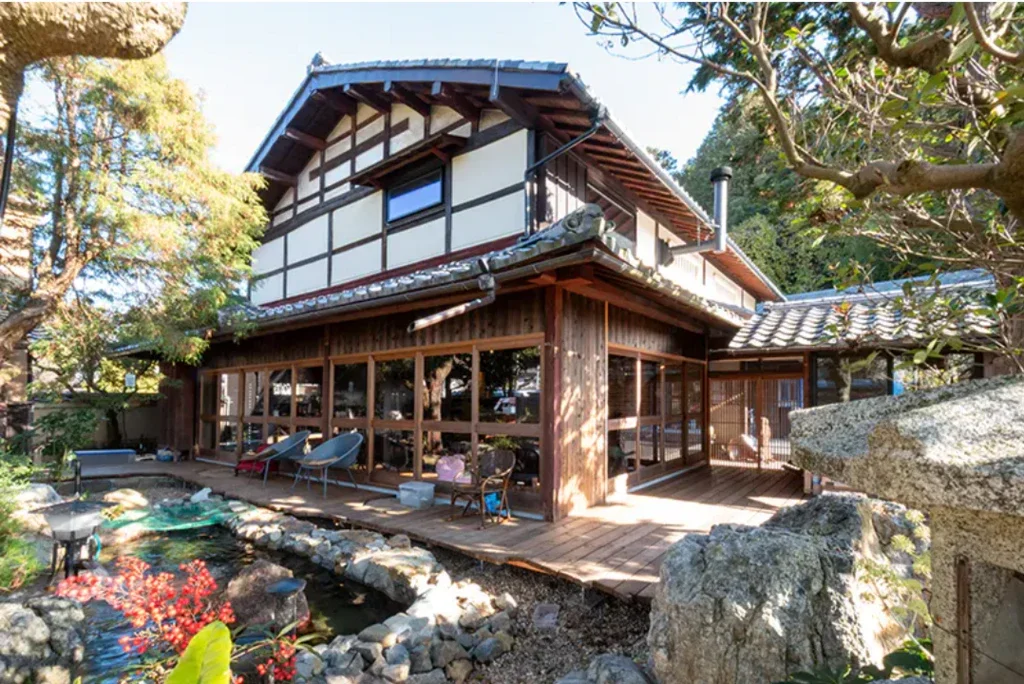
If you've ever wandered through a moss-covered karesansui garden in Kyoto—pausing to watch raked gravel ripple around carefully placed stones—you already understand why people fall in love with this city. But increasingly, a growing number of garden enthusiasts from around the world aren't just visiting Kyoto. They're putting down roots.
Kyoto real estate has become one of the most talked-about property markets in Asia, and for good reason. The ancient capital offers something truly rare: a living, breathing garden culture embedded into the very architecture of the city itself.
A City Built Around Its Gardens
Kyoto is home to some of the most celebrated gardens on earth. From the golden reflections of Kinkaku-ji's pond garden to the sweeping dry landscapes of Ryoan-ji, gardening here isn't a hobby—it's a centuries-old philosophy. Residential properties across Kyoto often include. People have nurtured tsubo-niwa (courtyard gardens), roji (tea garden pathways), and mature plantings of Japanese maple, pine, and bamboo for generations.
For a garden lover, buying property in Kyoto isn't just a real estate decision. It's an invitation into a tradition.
The Rise of Machiya Renovations
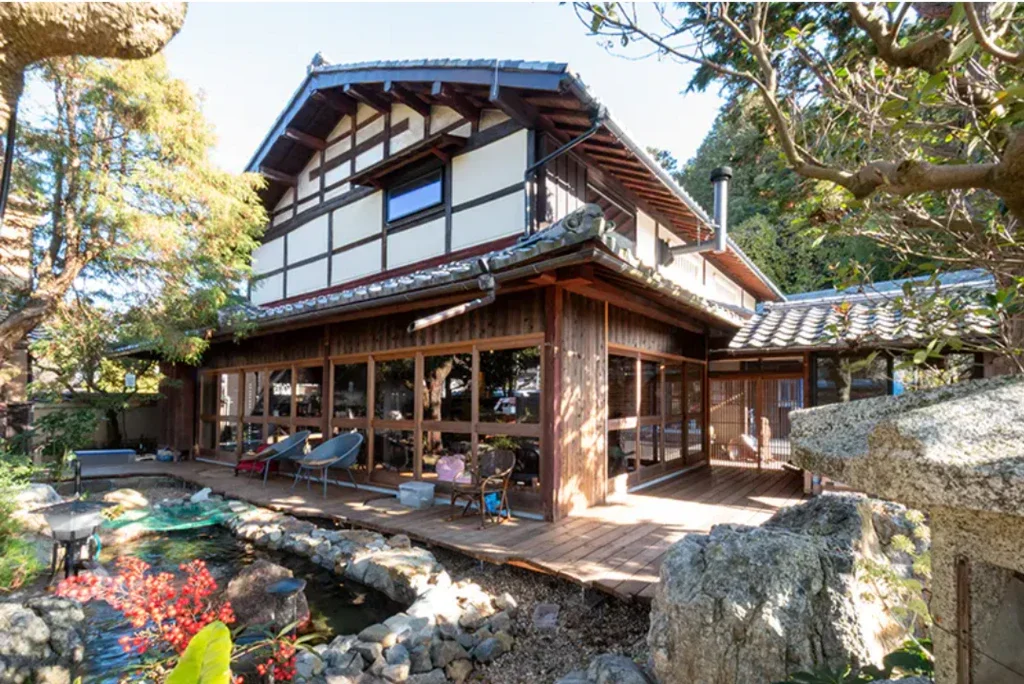
One of the most exciting trends in the Kyoto property market right now is the revival of machiya—traditional wooden townhouses that date back to the Edo and Meiji periods. These long, narrow homes were built with a characteristic inner garden called an oku-niwa, designed to bring light and nature into the deepest part of the house.
Many machiya fell into disrepair as younger generations moved to modern apartments, but today they're being lovingly restored by buyers who recognize their extraordinary character. An oku-niwa in a restored machiya is essentially a private sanctuary: mossy stepping stones, a stone lantern, perhaps a small tsukubai water basin—all tucked behind sliding shoji screens just meters from one of Kyoto's bustling historic streets.
Restoration costs vary, but the result is a property that functions both as a stunning home and a living garden exhibit.
Neighborhoods Worth Watching
Not all of Kyoto offers the same green experience. A few neighborhoods stand out for buyers with a horticultural bent:
Higashiyama sits against the forested eastern hills and is riddled with stone-paved lanes lined with mossy walls and flowering trees. Properties here tend to be premium, but the natural backdrop is unmatched.
Fushimi and Nishikyo-ku offer larger plots further from the tourist core—ideal if you want space to develop an extensive private garden of your own.
Kita-ku (North Kyoto) borders Kitayama, a mountainous area historically associated with refined aesthetic culture. The air is cooler, the vegetation lush, and properties here often come with substantial outdoor space.
Practical Considerations for Foreign Buyers
Japan has no restrictions on foreign ownership of real estate—one of the few countries in Asia to allow full freehold ownership by non-residents. This has made Kyoto particularly attractive to international buyers.
That said, there are a few things to keep in mind:
Aging structures: Many desirable traditional properties require careful structural assessment. Japanese wooden buildings can be beautiful but demand specialist maintenance, especially after the seismic upgrades required by modern building codes.
Property taxes: Japan's annual property taxes are relatively modest compared to those in many Western countries, which helps with long-term holding costs.
Garden upkeep: A traditional Japanese garden is not low-maintenance. Hiring a skilled niwashi (garden craftworker) is part of the ongoing commitment—but for true garden lovers, this is the point.
Short-term rental regulations: Kyoto has specific rules around minpaku (short-term rentals), so check current regulations carefully if you plan to rent the property when not in use.
More Than a Property
There's a Japanese concept called shakkei, meaning "borrowed scenery"—the art of incorporating a distant landscape into your garden's composition. Living in Kyoto, you borrow from thousands of years of garden wisdom. The mountains, the temple rooftops, and the seasonal rhythms of cherry blossom and autumn foliage all become part of your daily view.
For those who believe a garden is not decoration but a way of life, Kyoto offers something no other city on earth can.
Whether you're looking for a restored machiya with an inner courtyard garden, a villa backing onto a forested hillside, or a modern home in a quiet neighborhood with room to plant your own vision, the Kyoto property market has more to offer than most buyers expect.