Why Is My Money Tree Drooping? How to Fix It
Discover why is my money tree drooping and how to fix it with expert tips. Learn causes, solutions, and prevention for healthy plants.
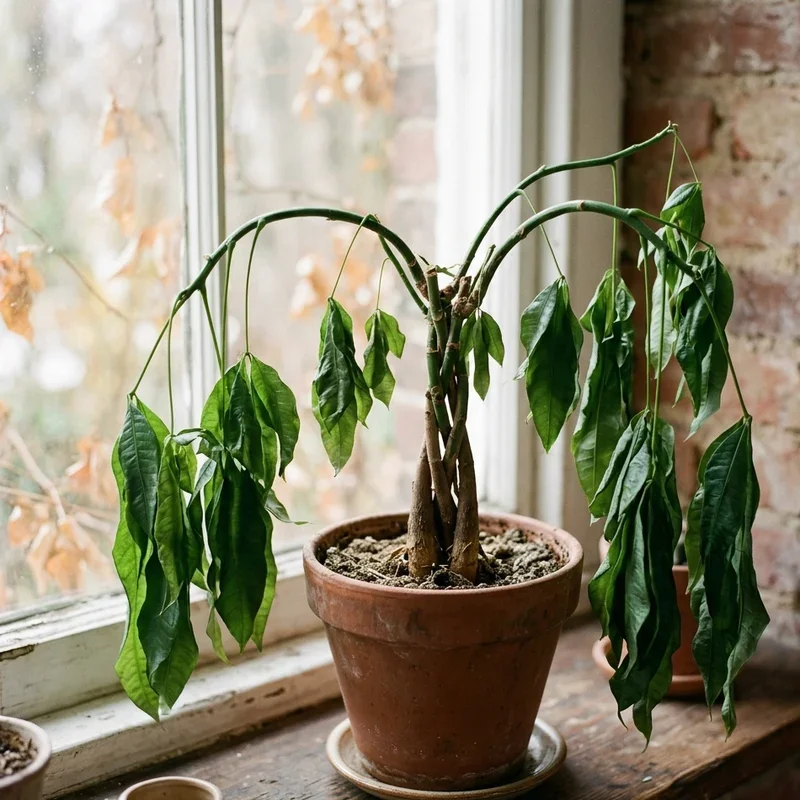
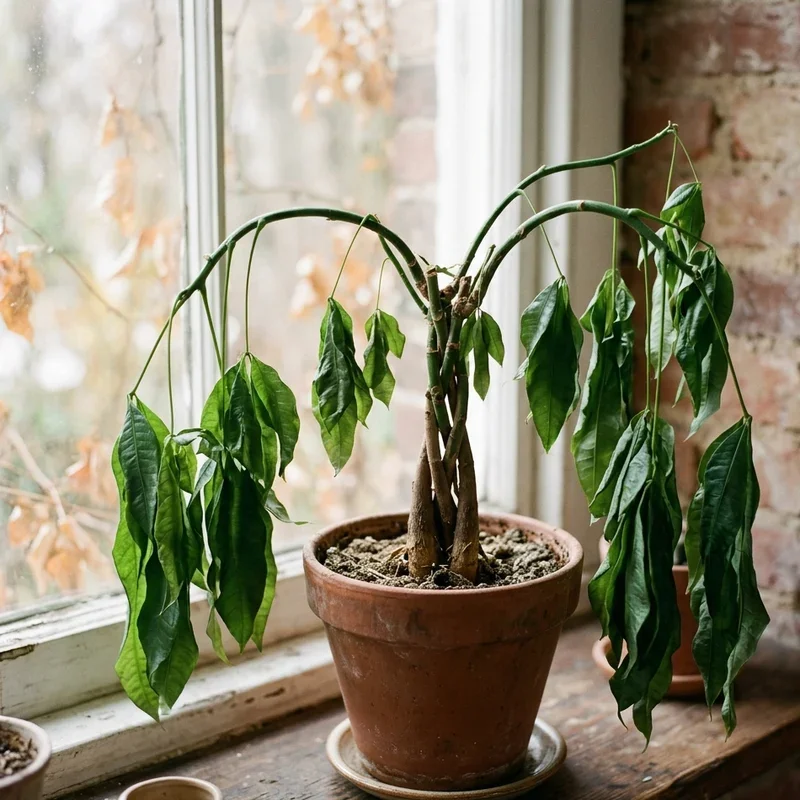
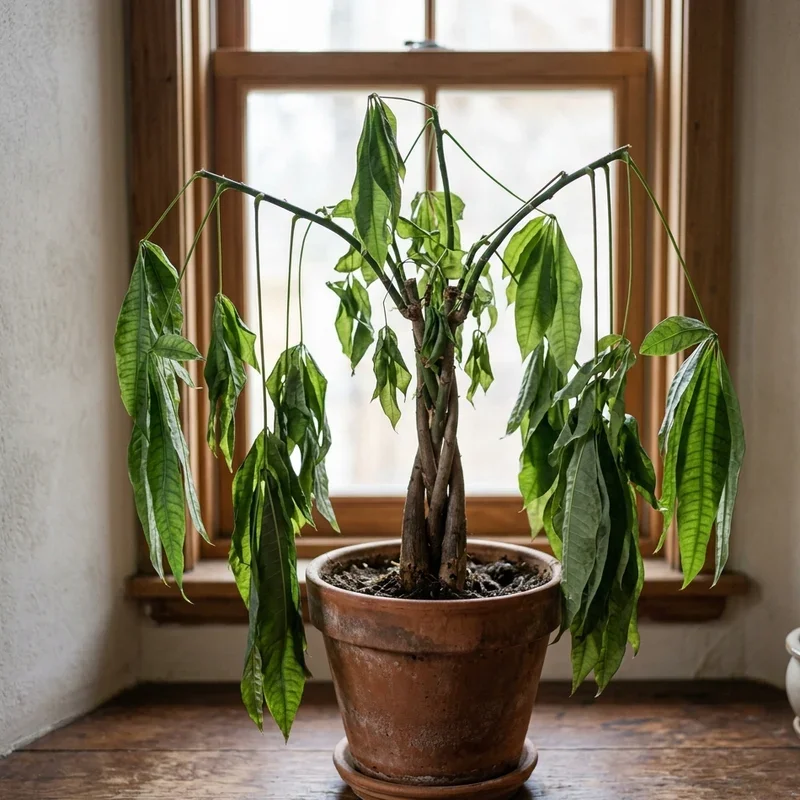
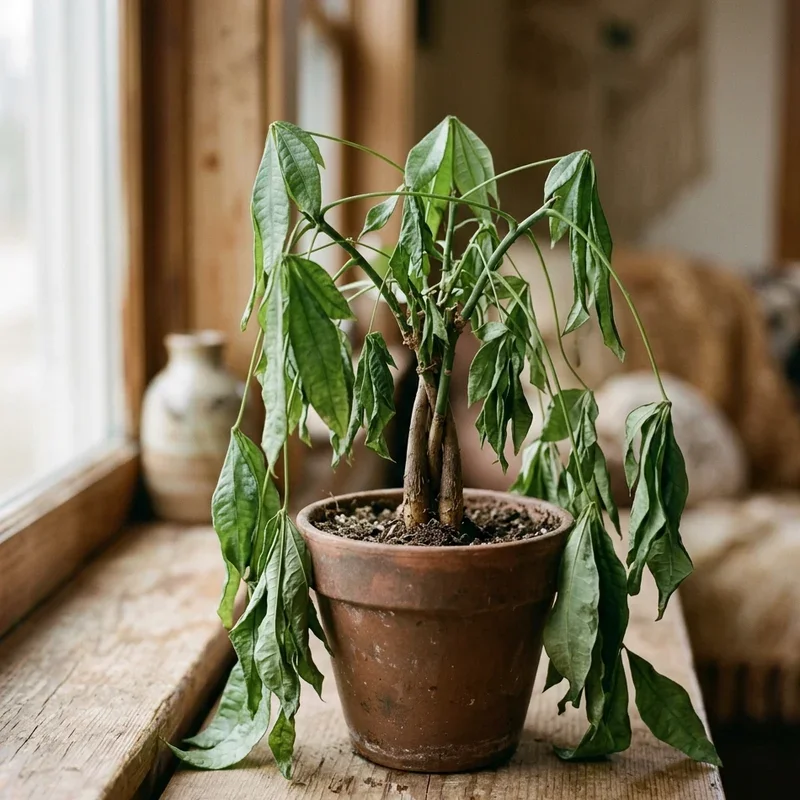
There's nothing quite as disheartening as watching your beloved money tree start to slump like it's carrying the weight of the world on its leaves. One day everything looks fine, and the next those once-perky branches are hanging down like they've given up on life entirely.
Money trees, with their braided trunks and gorgeous glossy leaves, make stunning houseplants that supposedly bring good fortune. But when those leaves start drooping, it feels more like bad luck has moved in instead.
Here's the good news though. A drooping money tree is almost always sending you a message, and once you crack the code, fixing the problem usually isn't rocket science. These resilient plants want to thrive, and they just need you to understand what's gone wrong.
Understanding why is my money tree drooping and how to fix it empowers you to become a better plant parent overall. Whether you're dealing with a slight sag or a full-on flop, this comprehensive guide covers every possible cause and walks you through solutions that actually work.
Let's figure out what's troubling your green friend and get those leaves reaching for the sky again.
Overwatering: The Most Common Culprit
When it comes to droopy money trees, too much love in the form of water tops the list of usual suspects.
How Overwatering Causes Drooping
Money trees store water in their trunks, which means they're built to handle some drought but not soggy conditions. When roots sit in constantly wet soil, they can't access the oxygen they need to function properly. The roots essentially start suffocating, becoming unable to transport water and nutrients to the leaves above. Ironically, overwatered plants often look exactly like underwatered ones because damaged roots can't do their job. The leaves droop, turn yellow, and the whole plant looks desperately thirsty despite swimming in moisture.
Signs of Overwatering
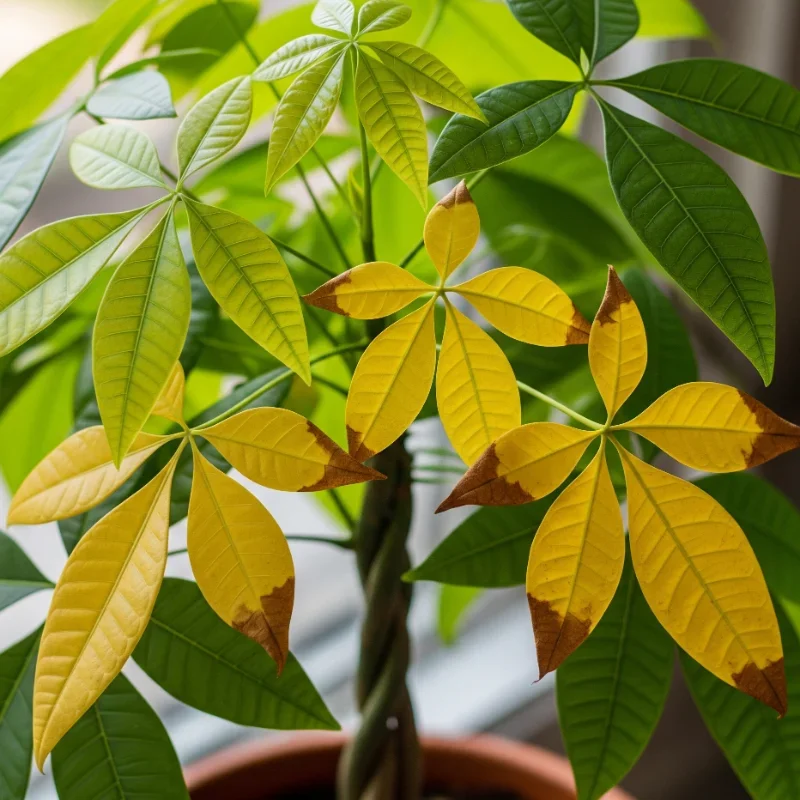
Checking the soil tells you everything you need to know about your watering habits. If the soil feels soggy, smells musty, or has a swampy quality to it, you've been too generous with the watering can. Yellow leaves, especially those at the bottom of the plant, often accompany overwatering issues. The trunk might feel soft or squishy rather than firm and woody. In severe cases, you might notice black, mushy roots if you check beneath the soil surface. These signs point clearly toward too much moisture.
The Fix for Overwatered Money Trees
Stop watering immediately and let that soil dry out completely before adding any more moisture. Move the plant to a brighter spot where evaporation happens faster. Consider repotting into fresh, dry soil if the current soil seems hopelessly waterlogged. Check for root rot by gently removing the plant and examining the roots. Healthy roots appear white or tan, while rotted roots look black and feel mushy. Trim any damaged roots with clean scissors and repot in well-draining soil.
Why Is My Money Tree Drooping? How to Fix It When Underwatering Is the Issue
The opposite extreme causes similar symptoms, making diagnosis tricky for new plant parents.
Recognizing Underwatering
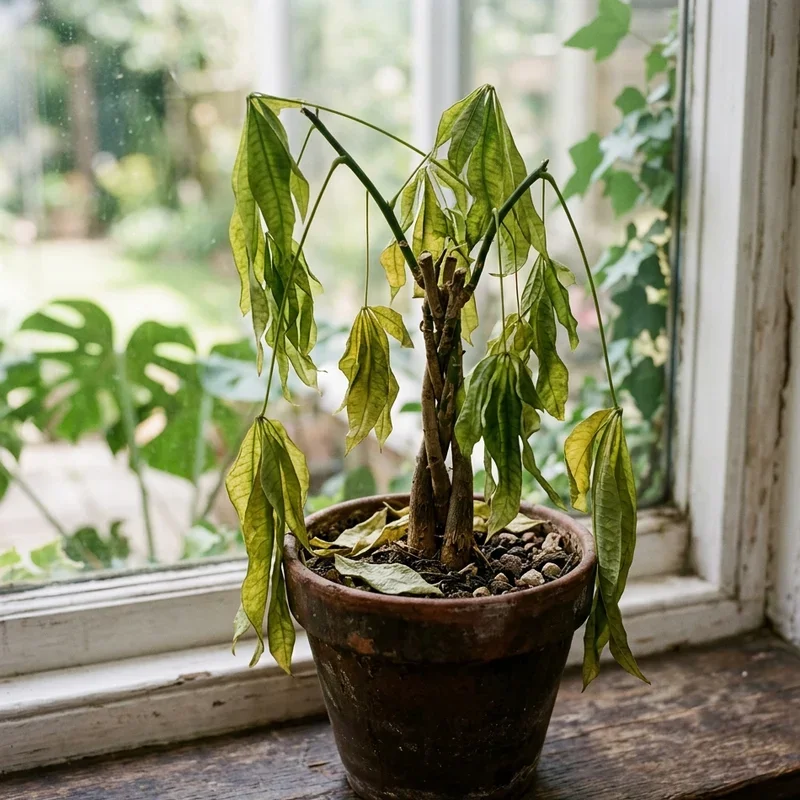
Soil that pulls away from the pot edges indicates severe dryness that needs immediate attention. The leaves feel crispy or papery rather than plump and supple when touched. Leaf edges might turn brown and curl inward, conserving what little moisture remains inside. The potting mix feels bone dry several inches down when you stick your finger in. Your money tree essentially goes into survival mode, drooping to reduce water loss through its leaves.
Proper Watering Technique
Water thoroughly until liquid drains from the bottom drainage holes, ensuring the entire root system receives moisture. Allow the top two inches of soil to dry completely before watering again. Establish a consistent schedule based on your specific environment rather than arbitrary calendar dates. During summer, you'll likely water more frequently than winter when growth slows considerably. Feel the soil before watering rather than simply following a rigid schedule that ignores actual conditions.
Light Problems and Their Effects
Both too much and too little light can leave your money tree looking less than stellar.
Insufficient Light Issues
Money trees tolerate lower light than many houseplants but still need adequate brightness to thrive properly. When light levels drop too low, the plant can't photosynthesize efficiently enough to maintain its structure. Leaves may become pale, growth slows dramatically, and the whole plant develops a weak, droopy appearance. Leggy stems stretching toward light sources indicate your money tree is searching desperately for more brightness. Moving to a brighter location often produces remarkable improvement within just a few weeks.
Too Much Direct Sunlight
Conversely, harsh direct sunlight scorches money tree leaves and causes stress-related drooping. These plants evolved in tropical forest environments with filtered, dappled light rather than intense direct rays. Sunburned leaves develop brown or yellow patches, become crispy, and droop from cellular damage. The ideal spot provides bright, indirect light or gentle morning sun with afternoon shade protection.
Temperature and Humidity Factors
Environmental conditions play a significant role in money tree health and vigor.
Temperature Stress
Money trees prefer consistent temperatures between sixty and seventy-five degrees Fahrenheit for optimal growth. Sudden temperature swings stress the plant and can cause drooping even when other care seems perfect. Cold drafts from windows, exterior doors, or air conditioning vents shock tropical plants accustomed to warmth. Placing your money tree near heating vents creates the opposite problem, with dry hot air causing rapid moisture loss. Find a location with stable temperatures away from environmental extremes.
Humidity Requirements
Native to Central and South American swamps, money trees appreciate humidity levels higher than most homes naturally provide. When air becomes too dry, leaves droop, edges turn brown, and the plant struggles to maintain its lush appearance. This problem intensifies during winter when heating systems remove moisture from indoor air. Grouping plants together, using humidity trays, or running a humidifier nearby helps create more favorable conditions.
Why Is My Money Tree Drooping? How to Fix It Through Proper Potting
Sometimes the issue lurks below the soil surface in your potting situation.
Root Bound Problems
When roots completely fill the container with nowhere left to grow, the plant becomes root bound. These cramped roots circle endlessly, unable to absorb sufficient water or nutrients regardless of your care efforts. Signs include roots growing through drainage holes, water running straight through without absorbing, and stunted growth despite optimal conditions. A root bound money tree often droops because the root system simply can't keep up with the plant's needs.
Repotting Solutions
Choose a pot one to two inches larger than the current container, providing room for growth without excessive soil. Use well-draining potting mix, ideally one designed for tropical plants or mixed with perlite for better drainage. Gently loosen circling roots before placing in the new pot to encourage outward growth. Water thoroughly after repotting and place in moderate light while the plant adjusts. Expect some temporary drooping as roots establish themselves in their new home.
Drainage Essentials
Adequate drainage prevents water from accumulating around roots where it causes rot and related problems. Always use pots with drainage holes in the bottom, no exceptions whatsoever. Decorative pot covers without drainage should hold an inner pot with proper holes. Adding gravel to pot bottoms without drainage holes doesn't actually solve drainage problems despite popular belief. Proper drainage combined with appropriate watering frequency creates the foundation for healthy money tree growth.
Pest Infestations
Uninvited guests can drain your money tree's vitality and cause visible drooping symptoms.
Common Money Tree Pests
Spider mites, mealybugs, scale insects, and fungus gnats all target money trees with unfortunate regularity. Spider mites create fine webbing between leaves and cause stippled, discolored foliage that eventually droops. Mealybugs appear as white cottony masses in leaf joints and along stems, sucking sap. Scale insects look like small brown bumps attached to stems and leaves. These pests weaken plants by stealing nutrients and moisture, causing progressive drooping as infestations worsen over time.
Treatment Options
Isolate affected plants immediately to prevent pests from spreading to nearby greenery. Wash leaves thoroughly with water to dislodge visible pests and their eggs. Apply insecticidal soap or neem oil according to product directions, repeating treatment weekly until pests disappear. For severe infestations, systemic insecticides may become necessary as a last resort option. Check your money tree regularly for early signs of pest activity, catching problems before they become serious.
Nutritional Deficiencies
Like all living things, money trees need proper nutrition to maintain their health and structure.
Signs of Nutrient Problems
Yellowing leaves, particularly with green veins remaining visible, often indicate nutritional deficiencies affecting plant function. Stunted growth, weak stems, and overall lackluster appearance suggest your money tree isn't getting what it needs. Drooping can result when the plant lacks sufficient nutrients to maintain proper cellular pressure and structure. These symptoms develop gradually, making them easy to overlook until problems become significant.
Fertilizing Properly
Feed your money tree with balanced liquid fertilizer diluted to half strength during the growing season. Apply monthly from spring through early fall when the plant is actively growing. Reduce or eliminate fertilizing during winter when growth naturally slows considerably. Overfertilizing causes more problems than underfertilizing, including root burn and nutrient toxicity. Start conservatively with fertilizer, increasing only if the plant shows continued deficiency signs.
Seasonal Changes
Natural seasonal rhythms affect your money tree's appearance and behavior throughout the year.
Winter Dormancy
During shorter days and lower light levels, money trees naturally slow their growth and may appear somewhat droopy. Reduced photosynthesis means less energy available for maintaining lush, upright foliage at peak levels. This seasonal drooping doesn't necessarily indicate problems if other care factors remain appropriate. Reduce watering frequency during winter to match slower growth and lower evaporation rates.
Adjusting Care Seasonally
Your money tree's needs change throughout the year based on light, temperature, and growth patterns. Summer might require more frequent watering and regular feeding, while winter calls for restraint. Pay attention to how your specific plant responds in your specific environment rather than following generic advice blindly. Seasonal adjustments to care routines help your money tree thrive year-round rather than just surviving.
Recovery Timeline Expectations
Understanding realistic recovery timeframes prevents frustration during the healing process.
Patience Is Essential
Once you've addressed the underlying cause, give your money tree time to bounce back fully. New leaves typically take several weeks to develop and unfurl completely. Existing damaged leaves may not recover but new healthy growth indicates success. Dramatic overnight transformation isn't realistic for any stressed plant recovering from problems. Consistent proper care over weeks and months produces gradual but definite improvement.
Signs of Improvement
Watch for new growth emerging at stem tips as the first positive indicator. Remaining leaves should feel firmer and appear more vibrant as recovery progresses. The overall posture of the plant improves gradually, with less pronounced drooping. Root growth beneath the soil supports visible above-ground improvement. Celebrate small victories along the recovery journey.
Prevention Strategies
Preventing problems beats solving them every single time in plant care.
Establishing Good Habits
Check soil moisture before every watering rather than following arbitrary schedules blindly. Inspect your money tree regularly for early signs of pests, disease, or environmental stress. Maintain consistent environmental conditions rather than subjecting your plant to frequent changes. Clean leaves occasionally to remove dust that interferes with photosynthesis and gas exchange.
Creating Optimal Conditions
Position your money tree in bright, indirect light away from temperature extremes and drafts. Use well-draining soil in pots with adequate drainage holes. Maintain reasonable humidity levels, especially during dry winter months. Feed appropriately during the growing season without overdoing fertilizer applications.
Conclusion
Understanding why is my money tree drooping and how to fix it transforms frustrating plant problems into manageable challenges with clear solutions. Most drooping results from watering issues, either too much or too little, making soil moisture your first checkpoint. Light levels, temperature stability, humidity, proper potting, pests, and nutrition all contribute to overall plant health and vigor. With patient attention to these factors and consistent proper care, your money tree will recover its upright posture and continue bringing beauty to your home for years.
Read next: Money Tree Leaves Turning Yellow? Causes & Fixes
Frequently Asked Questions
1.How often should I water my money tree to prevent drooping?
Water when the top two inches of soil feel dry, typically every one to two weeks.
2.Can a severely droopy money tree be saved?
Yes, most droopy money trees recover with proper diagnosis and consistent corrective care over several weeks.
3.Should I mist my money tree to increase humidity?
Misting provides temporary humidity but pebble trays or humidifiers offer more effective long-term solutions.
4.Why are my money tree leaves turning yellow and drooping?
Yellow drooping leaves typically indicate overwatering, though nutrient deficiencies can cause similar symptoms occasionally.
5.How much light does a money tree need to stay healthy?
Bright indirect light works best, avoiding harsh direct sun that can scorch leaves and cause drooping.