15 Non-Plant Garden Ideas to Style Outdoor Spaces
Discover 15 stunning non-plant garden ideas that transform outdoor spaces without watering or weeding. Low-maintenance beauty awaits!
Not everyone possesses the green thumb that thriving gardens traditionally demand, yet everyone deserves beautiful outdoor spaces that provide relaxation and aesthetic pleasure. The secret lies in recognizing that gardens encompass far more than plants alone: hardscaping, water features, art installations, and decorative elements all contribute to outdoor environments worth enjoying without requiring botanical expertise. Perhaps your climate proves too harsh for conventional gardening, your schedule too demanding for regular maintenance, or your allergies too severe for proximity to pollen-producing plants. Whatever your reasons for seeking plant-free alternatives, countless options exist for creating stunning outdoor spaces that neighbors admire and guests compliment without requiring a single seed, bulb, or cutting. These non-plant approaches often prove more durable than living landscapes that drought, pests, and neglect can devastate within single seasons. Ready to discover fifteen ideas that prove beautiful gardens don't require growing anything at all?
1. Decorative Gravel Patterns
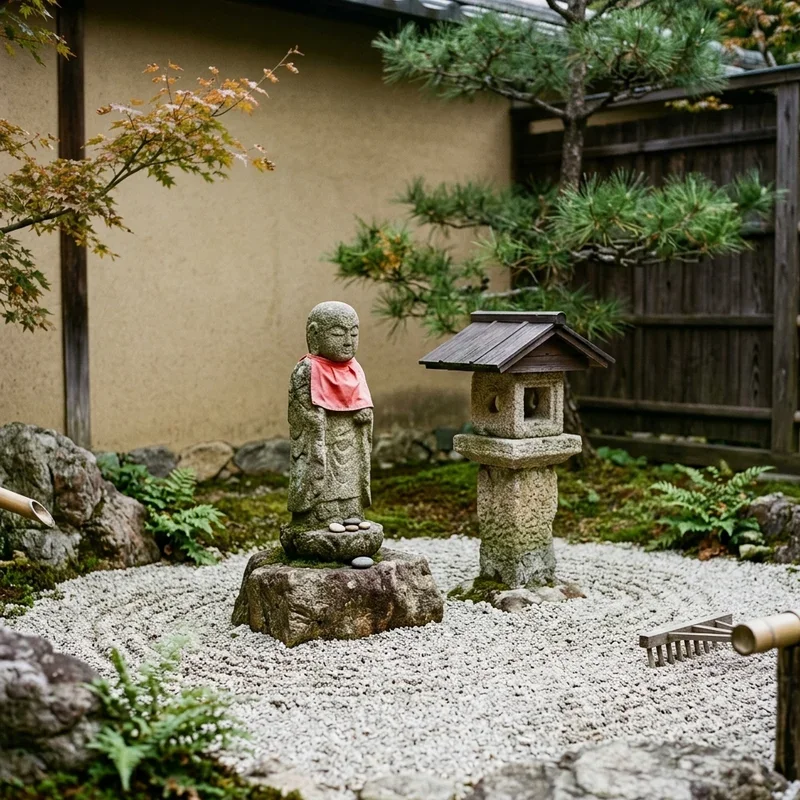
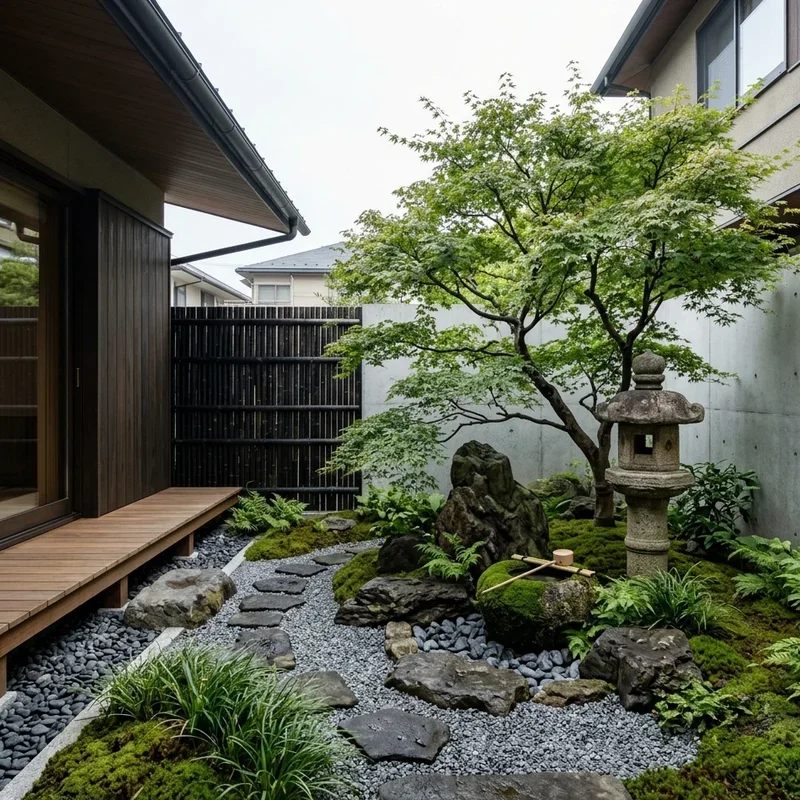
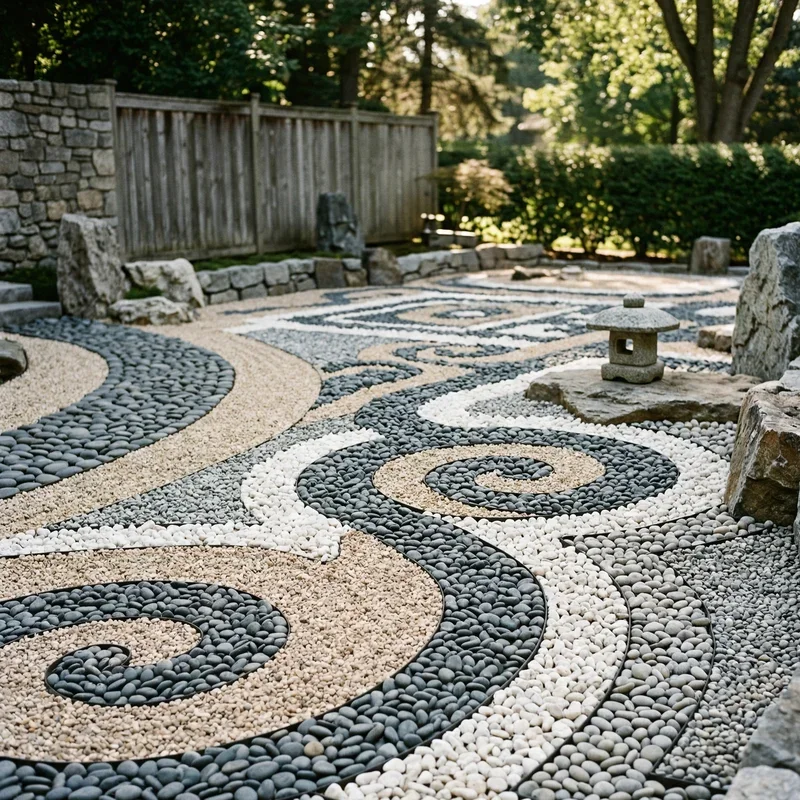
Transform bare ground into visual art through decorative gravel arrangements that create patterns, define spaces, and eliminate maintenance demands that living ground covers require. Choose from countless gravel types: crushed granite, river rock, pea gravel, and colored glass aggregate each offer distinct textures and colors for different design visions. Rake patterns into gravel surfaces following Japanese dry garden traditions, or maintain smooth surfaces that provide clean backdrops for other garden elements. Edge gravel areas using metal, stone, or wood borders that prevent spreading into surrounding spaces while defining pattern boundaries crisply. Layer landscape fabric beneath gravel that suppresses weeds attempting to colonize your low-maintenance landscape despite your plant-free intentions. The crunch of footsteps across gravel adds auditory dimension that silent surfaces cannot provide during garden strolls. Your gravel garden provides texture and pattern without any of the watering, fertilizing, or pruning that plants demand seasonally.
2. Water Feature Installation
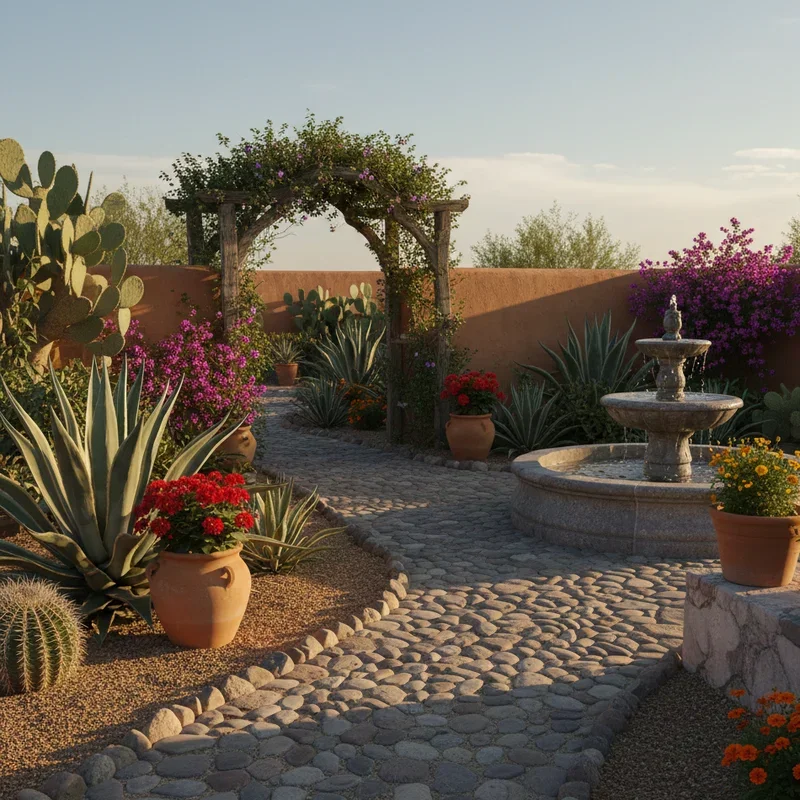
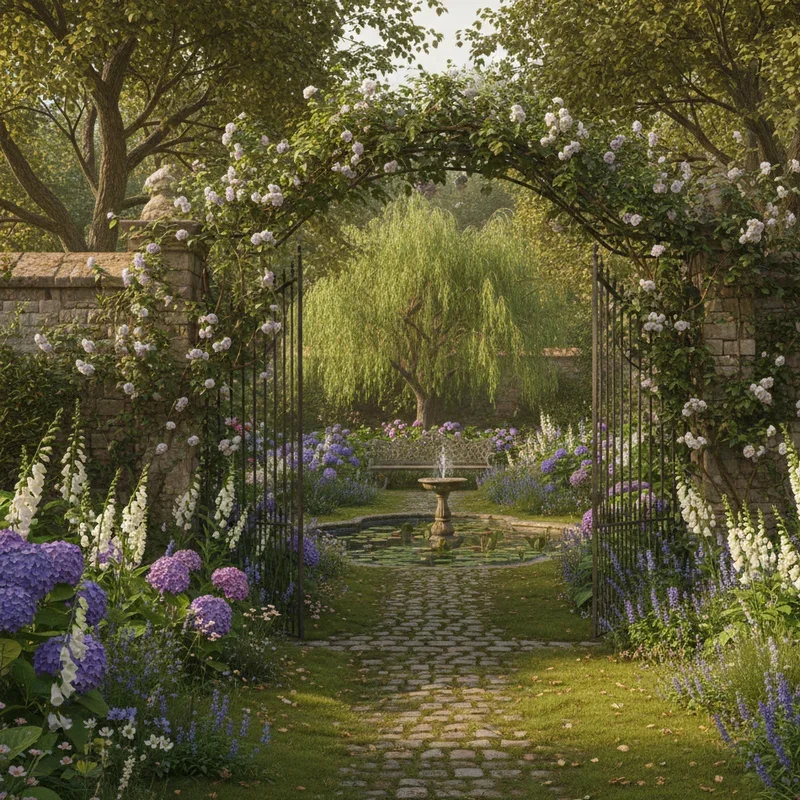
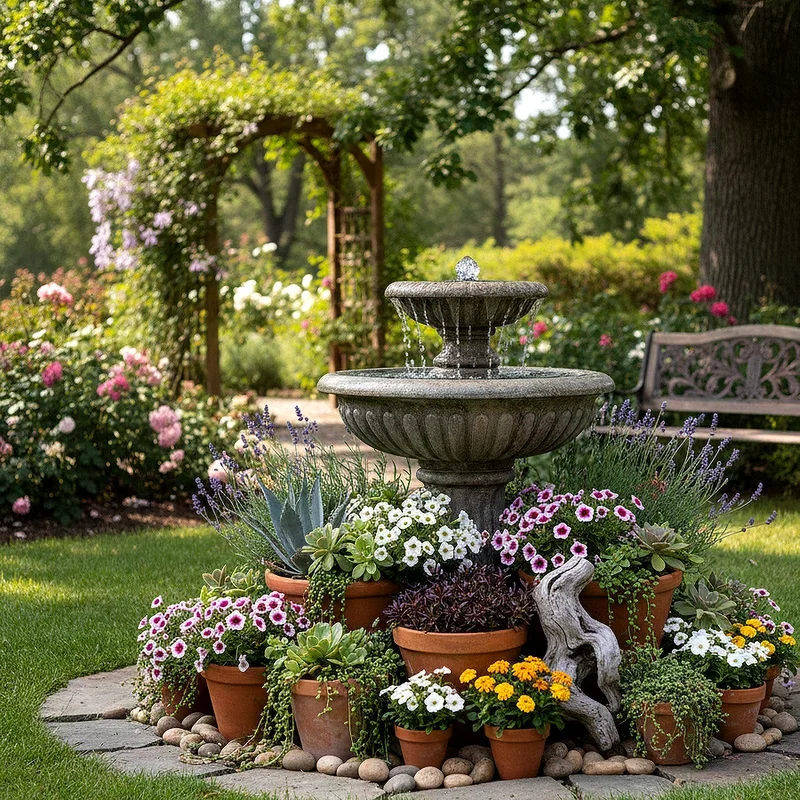
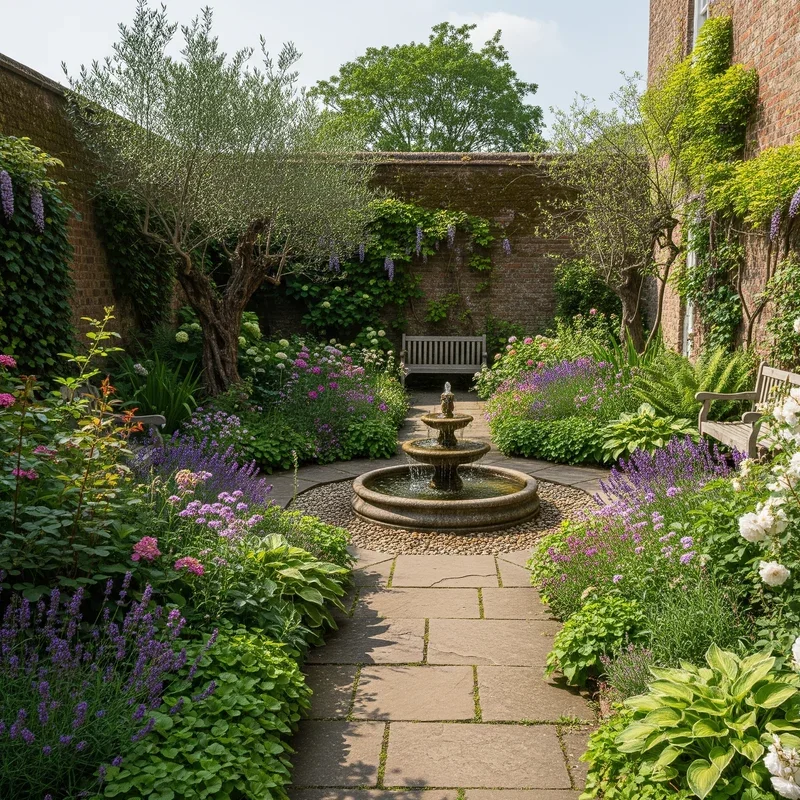
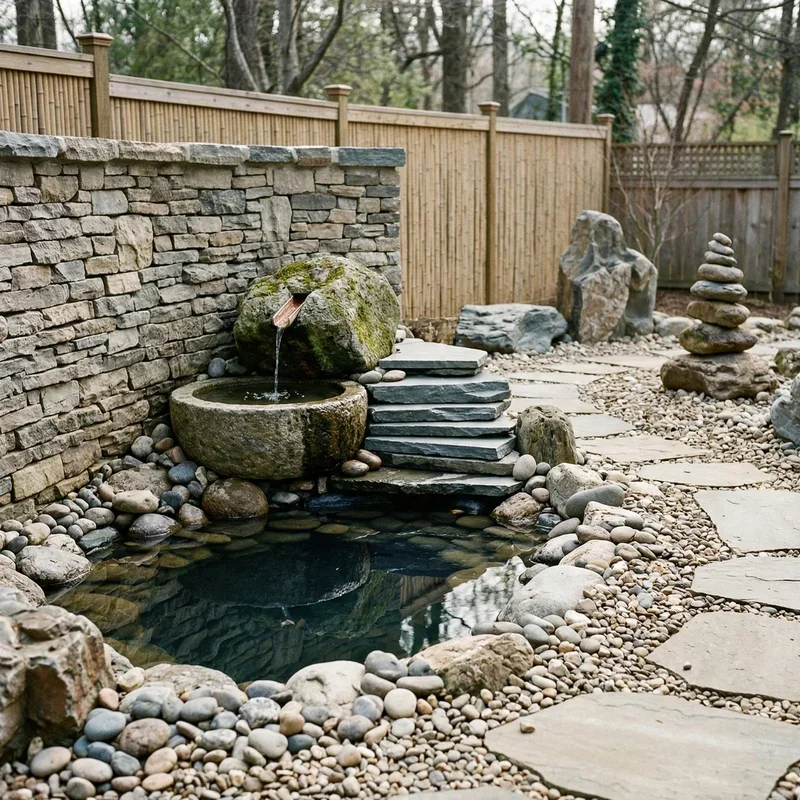
Add movement and sound through water features that become garden focal points while creating peaceful atmospheres conducive to relaxation and meditation outdoors. Fountains range from modest tabletop bubblers to elaborate tiered structures that command attention across entire property lines impressively. The sound of flowing water masks urban noise while attracting birds that appreciate accessible drinking and bathing opportunities your feature provides. Recirculating pump systems minimize water consumption by cycling the same water continuously rather than requiring constant fresh supply. Position features where sunlight catches water droplets, creating sparkle and rainbow effects that still water cannot produce regardless of container beauty. Consider lighting water features for evening drama that extends enjoyment beyond daylight hours throughout warmer months. Your water feature provides dynamic visual interest and soothing sounds without requiring any horticultural knowledge whatsoever.
3. Outdoor Sculpture Garden
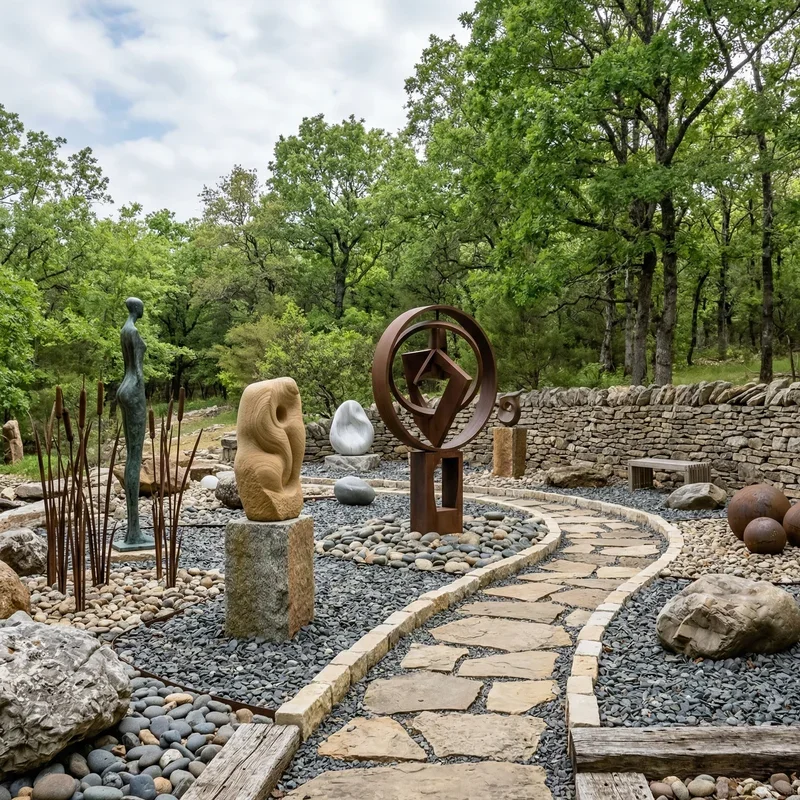
Curate art collections for outdoor display that transform gardens into galleries where creativity meets nature through deliberate sculptural placement. Commission local artists, purchase established works, or create your own sculptures that express personal aesthetic values through three-dimensional outdoor art. Scale sculptures appropriately for garden dimensions: intimate spaces suit smaller pieces while expansive grounds accommodate monumental works that command attention across distances. Consider materials that weather gracefully outdoors: bronze, steel, stone, and treated wood all survive elements that lesser materials cannot withstand through seasons. Position sculptures as focal points terminating sight lines, or scatter them throughout spaces for discovery experiences during garden wandering. Rotate collections seasonally if storage permits, keeping outdoor galleries fresh through changing displays that prevent visual fatigue. Your sculpture garden proves that artistry creates beauty independent from botanical elements that traditional gardens rely upon exclusively.
4. Fire Pit Gathering Space
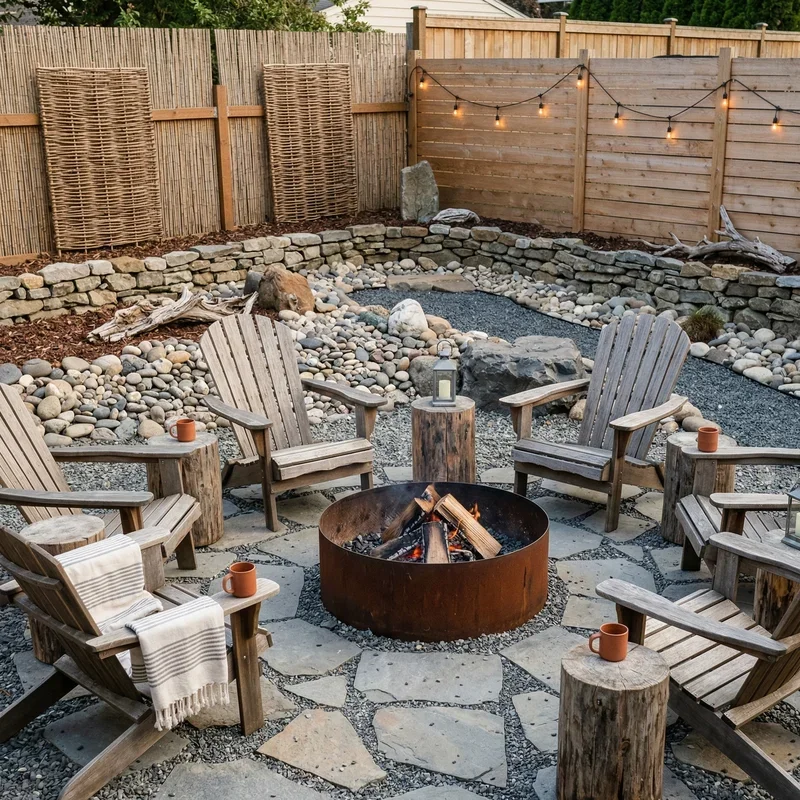
Create magnetic gathering spots by installing fire pits that draw family and guests together for conversation, relaxation, and entertainment throughout cooler evenings. Choose from wood-burning, gas, or propane options that suit your fuel preferences, local regulations, and desired ambiance characteristics differently. Surround fire pits with comfortable seating arranged for conversation that flames encourage naturally when groups gather around warmth sources. The primal appeal of fire creates atmosphere that no other garden element replicates, connecting modern gatherings to ancient human traditions meaningfully. Add accessories like spark screens, cooking grates, and roasting forks that expand functionality beyond mere warmth provision. Position fire features away from overhanging branches and combustible structures that safety concerns require avoiding throughout fire pit use. Your fire pit becomes the destination within gardens where memorable evenings unfold around dancing flames.
5. Stone Pathway Design
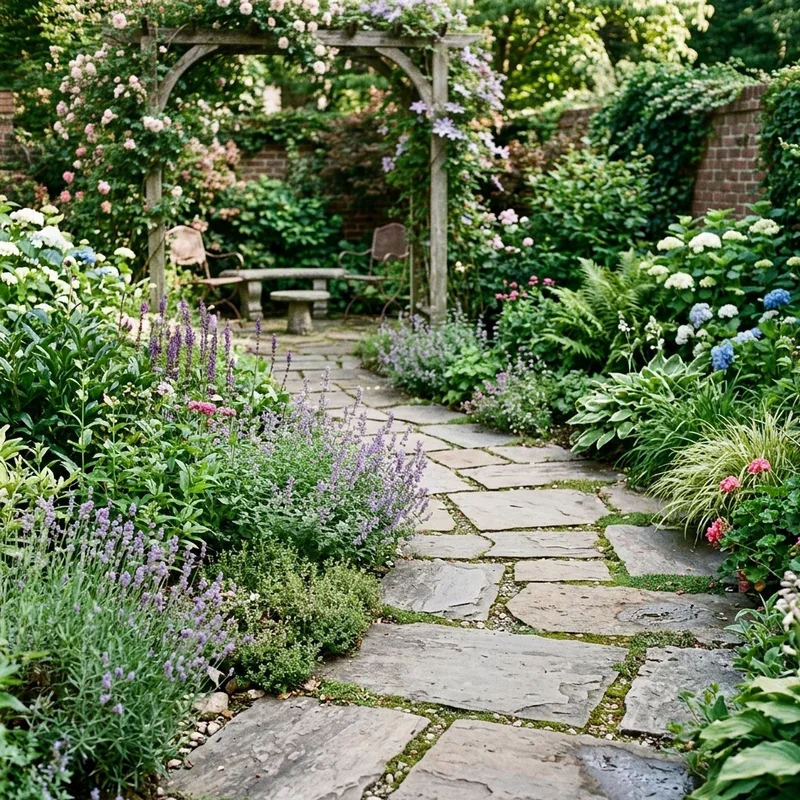
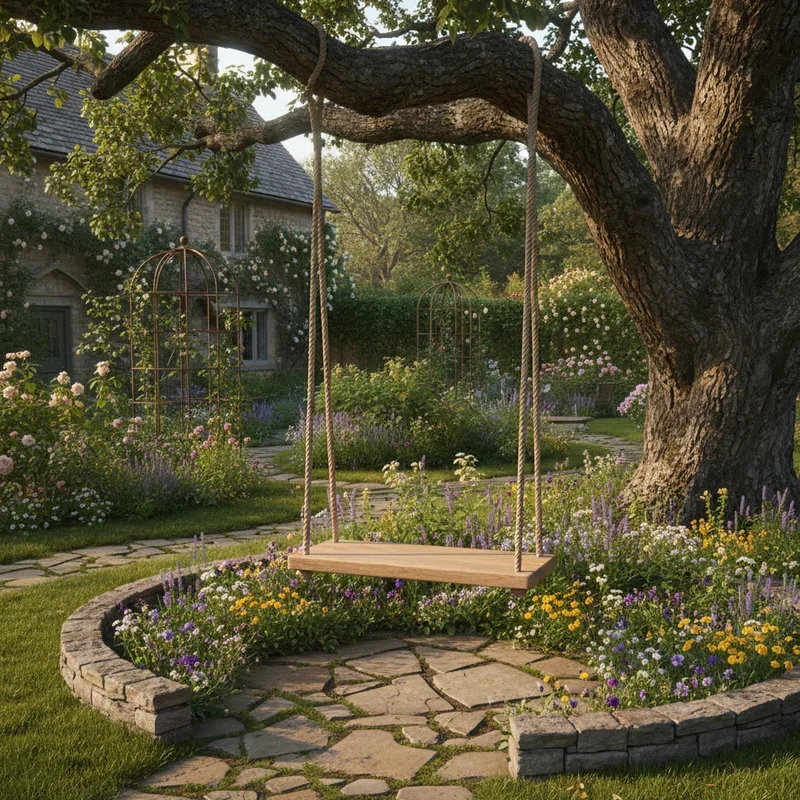
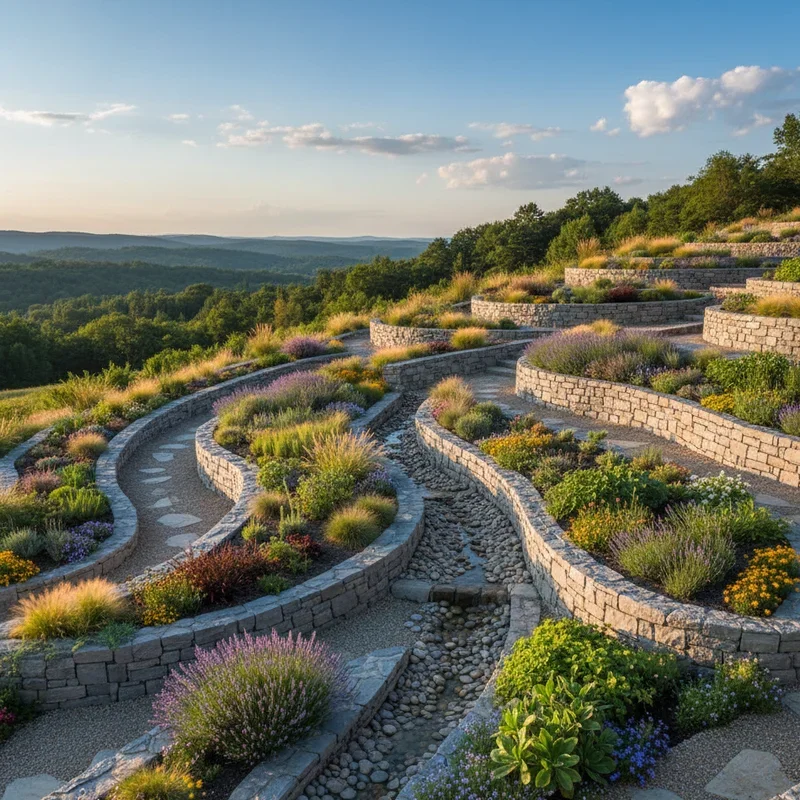
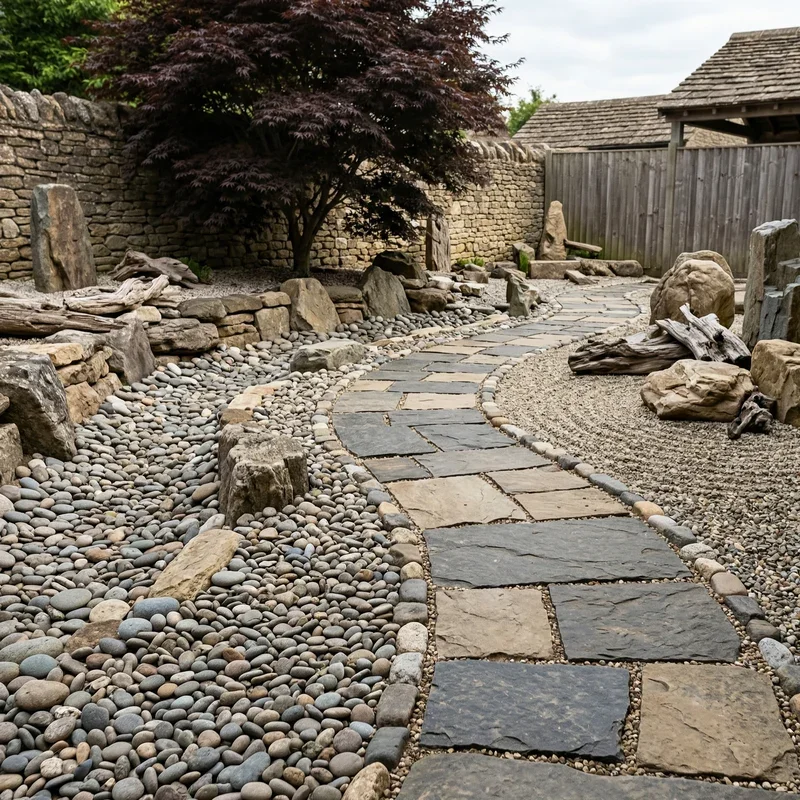
Guide movement through gardens using stone pathways that create visual structure while providing practical access across outdoor spaces without muddy alternatives. Flagstone, slate, bluestone, and limestone each offer distinct colorations and textures that complement different architectural and landscape styles appropriately. Lay stones in mortar for permanent installations, or set them in gravel or sand for flexible arrangements that future modifications might require. Vary pathway widths to create rhythm: wide sections encourage lingering while narrow passages quicken pace through transitional zones purposefully. Edge pathways with contrasting materials that define borders while preventing path materials from migrating into surrounding areas over time. Consider stepping stone arrangements across gravel or groundcover areas where full pathways might overwhelm scale or budget constraints. Your stone paths provide both function and beauty through materials requiring no care beyond occasional sweeping maintenance.
6. Garden Mirror Illusions
Expand visual space through strategically placed mirrors that reflect light while creating illusion of depth beyond actual garden boundaries. Outdoor-rated mirrors resist moisture damage that interior mirrors would suffer in garden humidity and precipitation exposure. Position mirrors to reflect attractive views, effectively doubling visual impact of your most successful design elements through reflection. The illusion of extended space proves particularly valuable in small gardens where physical expansion remains impossible due to property boundaries. Frame mirrors architecturally using salvaged windows, decorative metalwork, or constructed surrounds that integrate mirrors into garden design cohesively. Angle mirrors carefully to avoid reflecting unattractive views or creating bird strike hazards through confusing reflections that flying wildlife might mistake for passages. Your garden mirrors multiply beauty while creating intrigue that solid surfaces cannot provide through visual trickery.
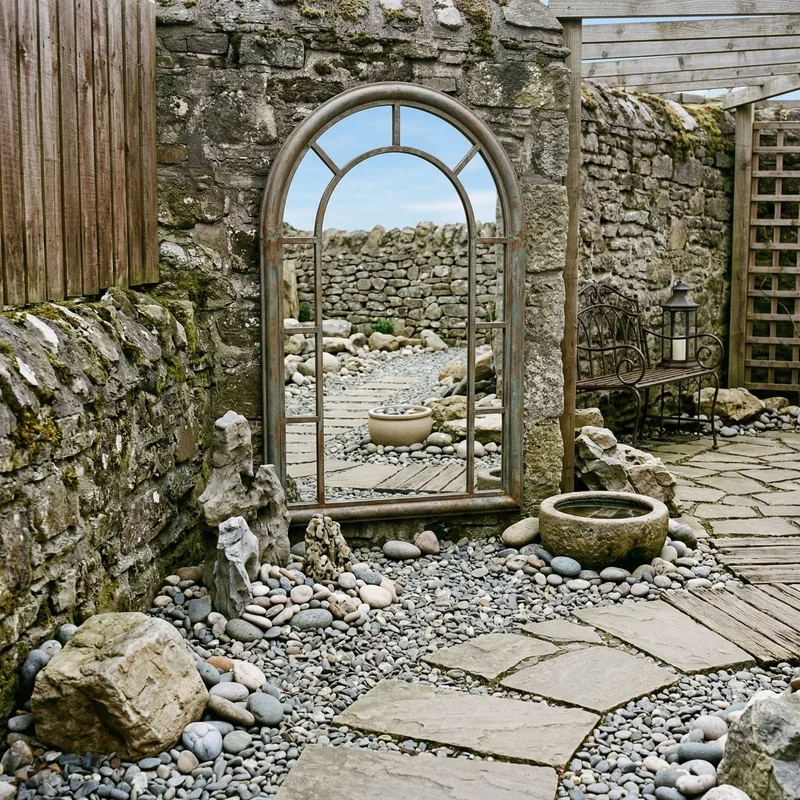
7. Zen Rock Garden
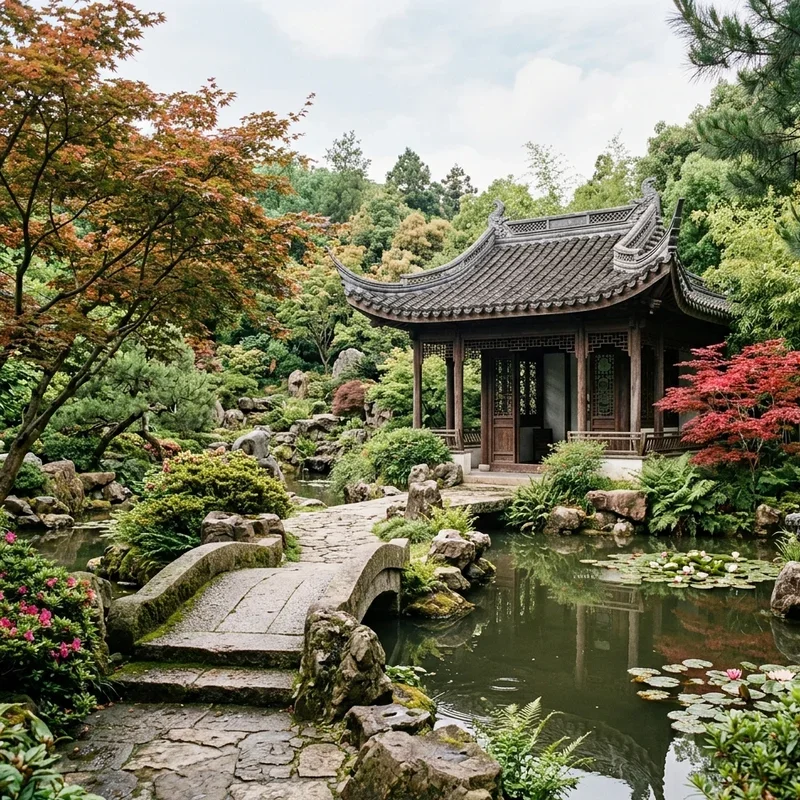
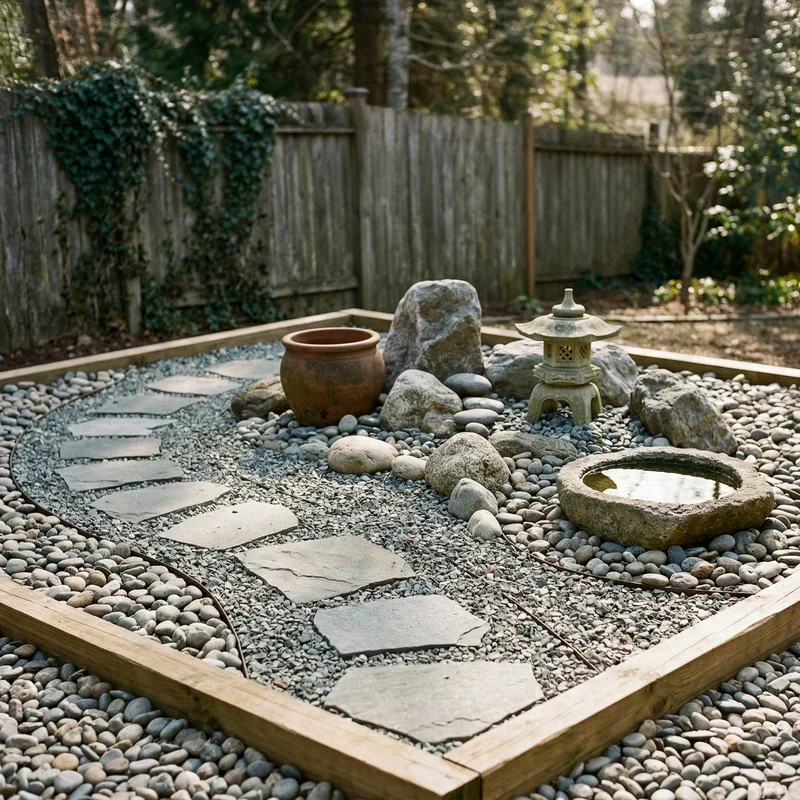
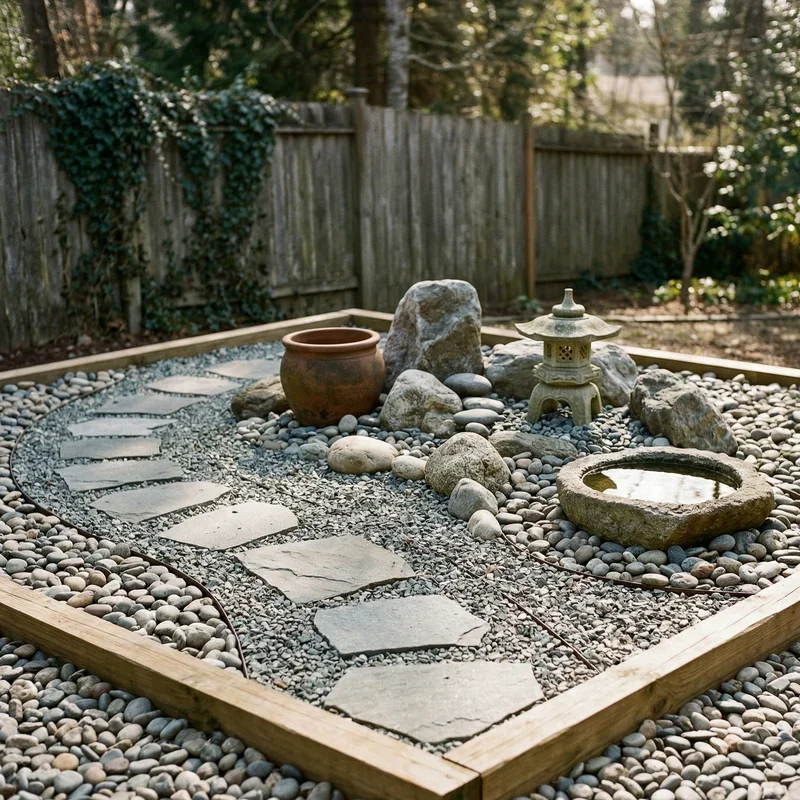
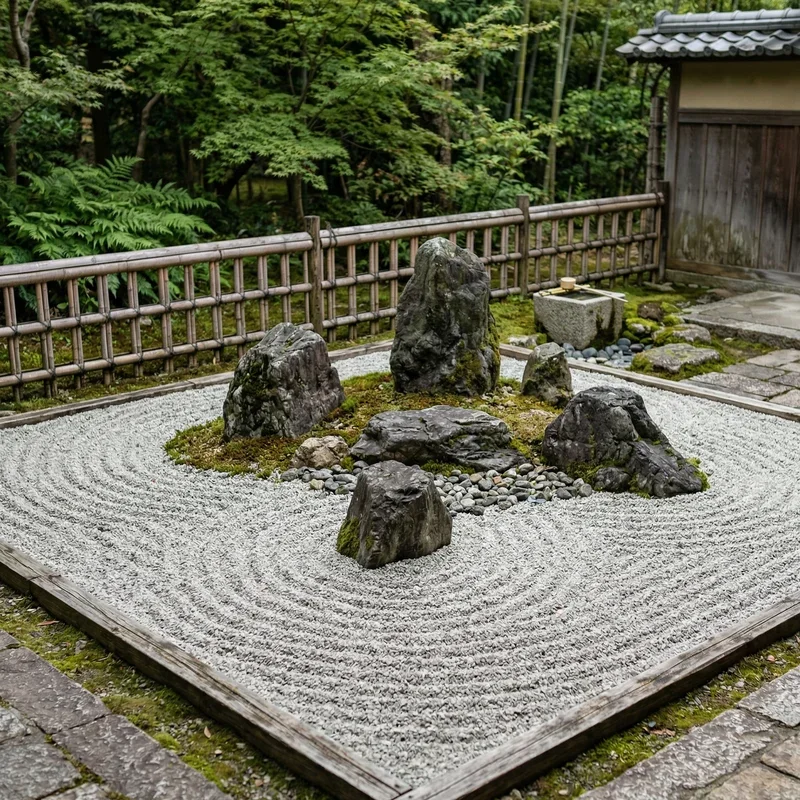
Embrace minimalist meditation garden traditions through rock and sand arrangements that encourage contemplation while requiring essentially zero maintenance beyond occasional raking. Large stones represent islands, mountains, or other natural features that imagination interprets within carefully maintained sand or gravel fields surrounding them. Rake patterns into sand surfaces daily as meditative practice, or less frequently for purely decorative installations that contemplation doesn't drive specifically. The simplicity of zen gardens belies their profound impact on observers who find peace in uncluttered spaces that busy planted gardens cannot provide similarly. Border zen areas clearly to prevent disruption from foot traffic or pet activity that would disturb carefully maintained surfaces frustratingly. Add bridges, lanterns, or benches that extend Japanese garden vocabulary beyond rocks and raked surfaces alone. Your zen garden provides sanctuary for minds overwhelmed by visual complexity that modern life generates constantly elsewhere.
8. Outdoor Lighting Display
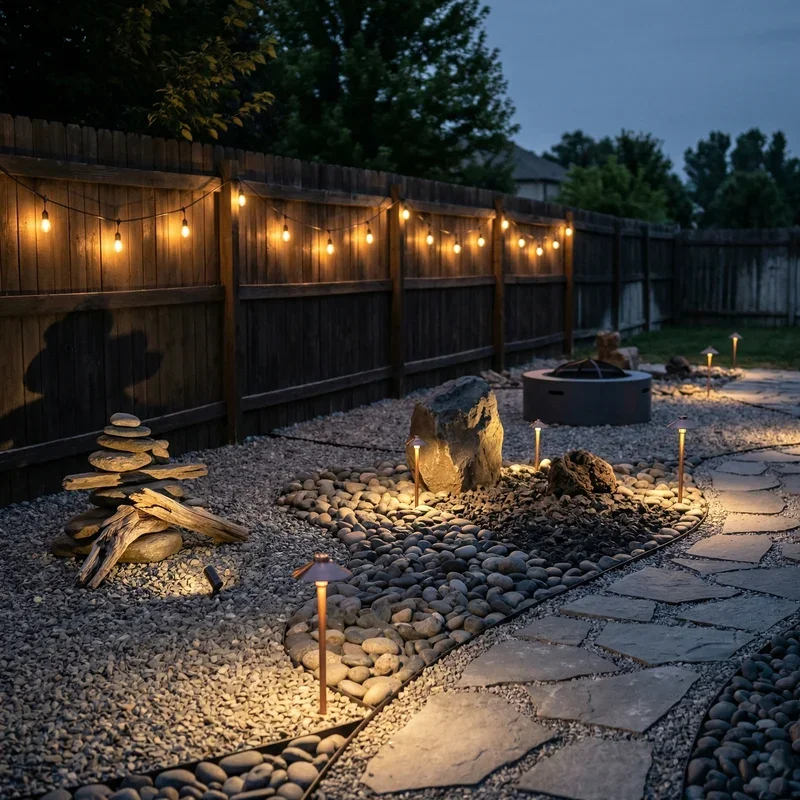
Illuminate gardens after dark through lighting designs that transform daytime spaces into entirely different nighttime experiences worth enjoying separately. Layer lighting using uplights, downlights, path lights, and accent fixtures that work together creating depth and drama across three-dimensional garden spaces. Solar-powered options eliminate wiring concerns while providing sustainable operation that environmentally conscious gardeners appreciate despite higher upfront costs. Highlight structural elements, specimen objects, and textural surfaces that darkness would otherwise hide from evening enjoyment opportunities. Consider color-changing options for festive occasions when white light feels too ordinary for celebratory garden gatherings. Timer and sensor controls automate lighting operation, ensuring gardens illuminate appropriately without requiring manual activation during each evening's arrival. Your lighting design extends garden enjoyment hours while creating magical atmospheres that daylight cannot replicate regardless of design quality.
9. Vintage Container Collection
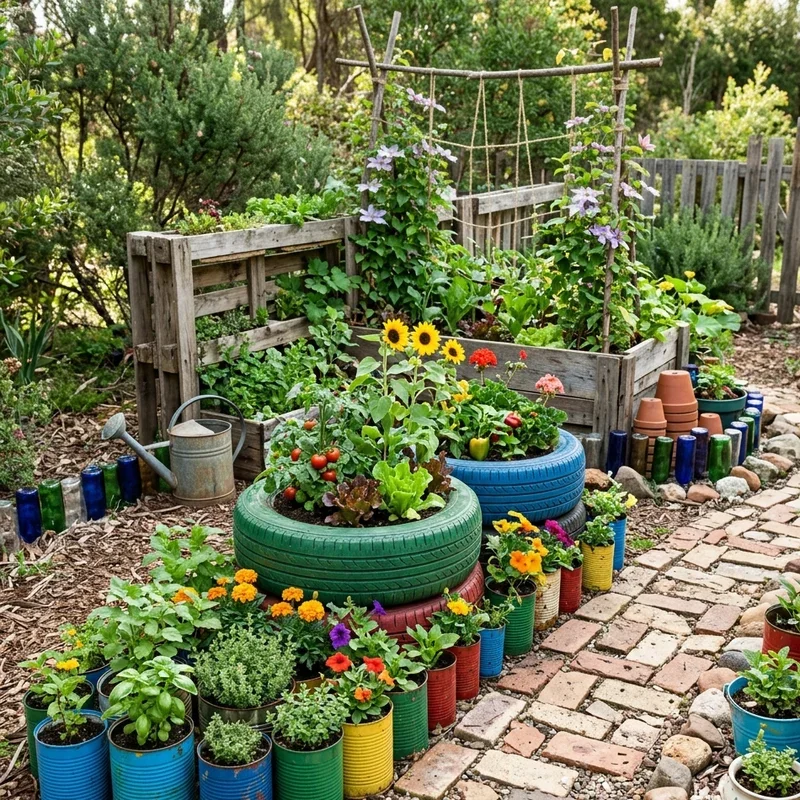
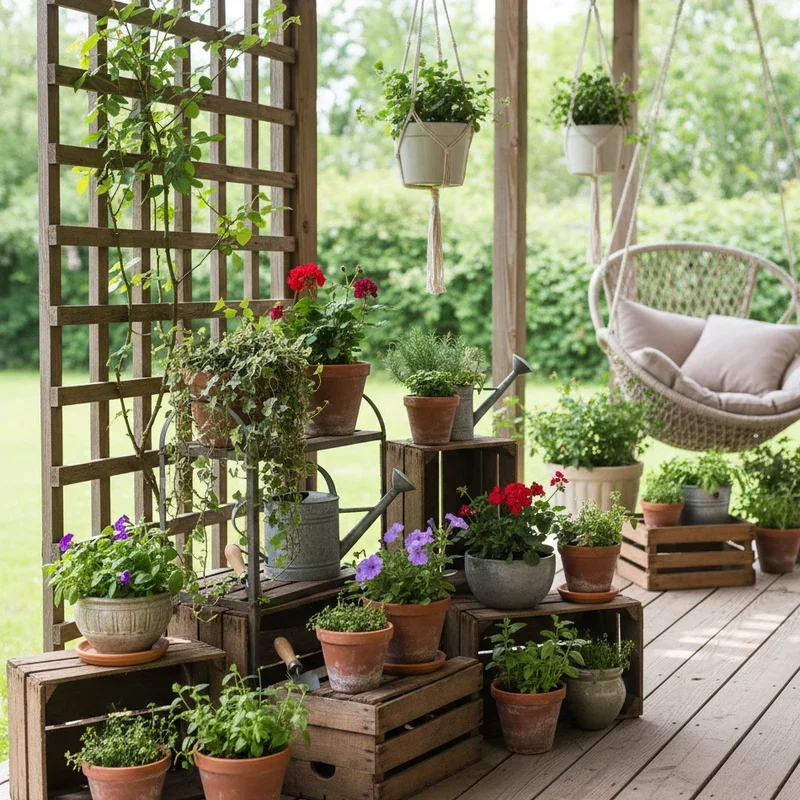
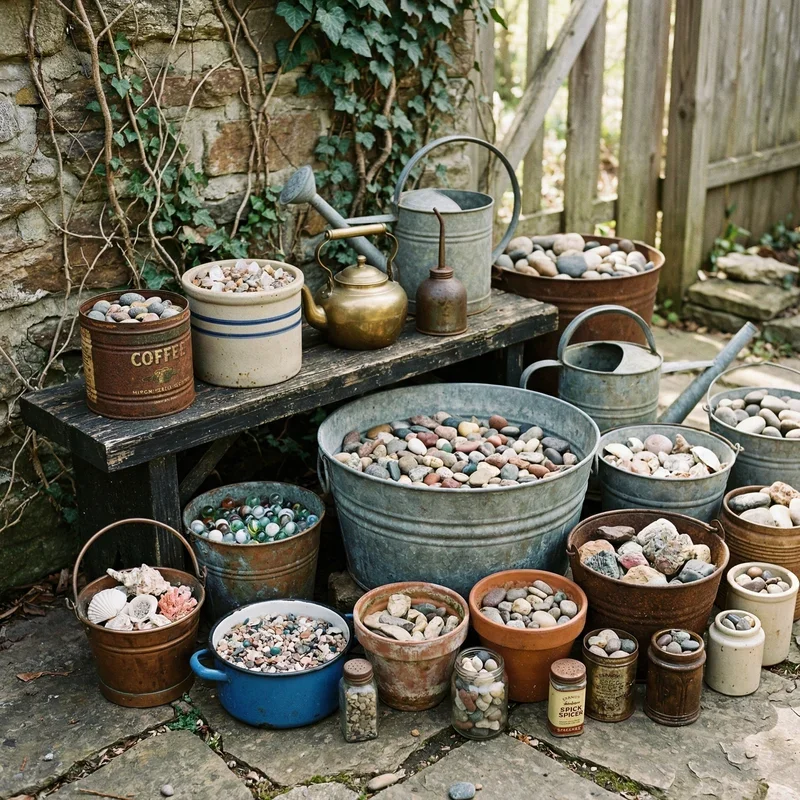
Curate collections of decorative containers that provide visual interest through form, patina, and arrangement without requiring any living contents whatsoever. Vintage watering cans, galvanized tubs, terracotta pots, and ceramic urns all contribute character that mass-produced alternatives lack despite similar shapes. Arrange containers in groupings that vary height, scale, and material for visual complexity that single-specimen displays cannot achieve similarly. The empty vessel concept embraces negative space that Asian aesthetic traditions appreciate for its contemplative quality and restraint. Source containers from antique shops, estate sales, and flea markets where unique pieces await discovery by collectors with appreciative eyes. Weather and age only improve most vintage containers, adding patina that new items require decades to develop naturally. Your container collection transforms vessels into sculptures that require no soil, water, or sunlight for continuous garden contribution.
10. Metal Art Installations
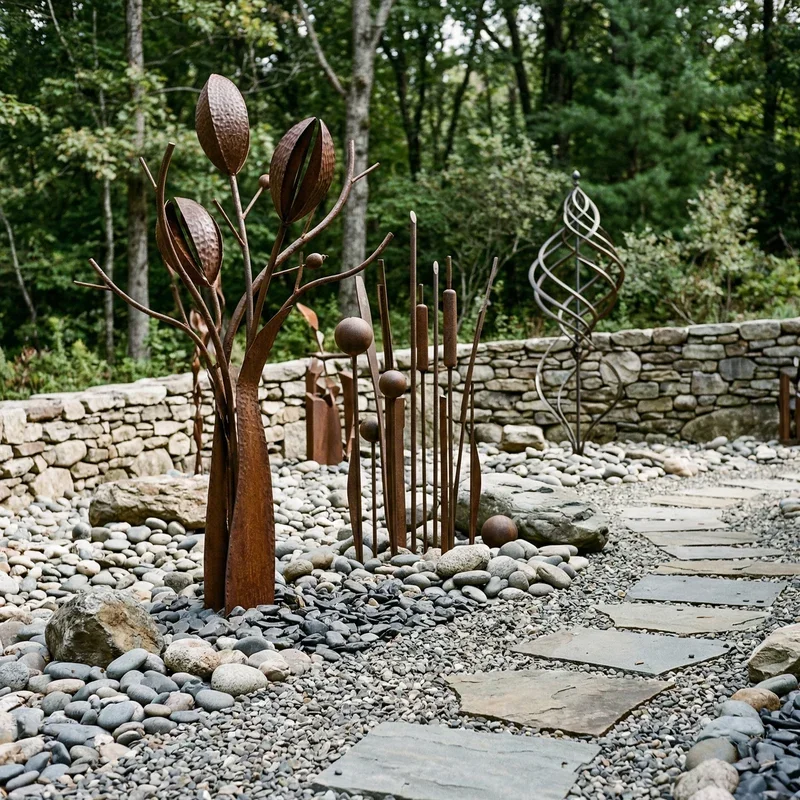
Introduce industrial artistry through metal sculptures, screens, and decorative elements that weather beautifully while providing structural presence that living materials cannot match. Corten steel develops rich orange rust patina that many contemporary gardens celebrate rather than prevent through protective coating application. Metal screens provide privacy, wind protection, and visual interest through laser-cut patterns that cast dramatic shadows when properly positioned relative to sunlight. Commission custom pieces from metal artisans, or repurpose industrial salvage that creative vision transforms into garden-worthy installations unexpectedly. The permanence of metal installations provides year-round structure that deciduous plants lose during dormant seasons when leaves disappear temporarily. Combine metal with other materials like wood, stone, or glass for textural variety that single-material gardens lack despite design excellence. Your metal art anchors gardens with industrial strength while adding contemporary character that plants alone cannot provide.
11. Mosaic Tile Accents
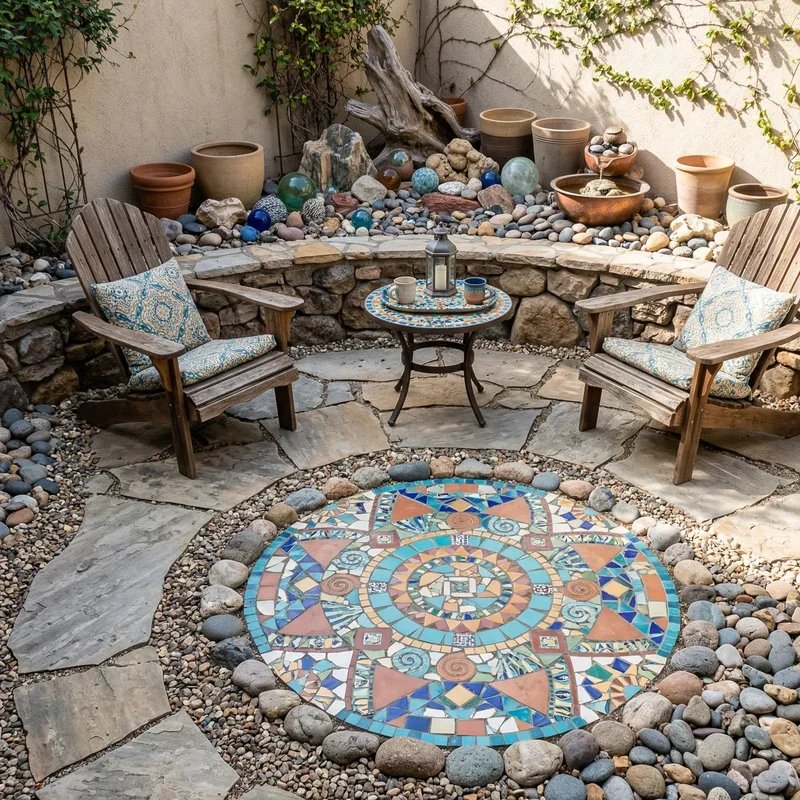
Add color and pattern through mosaic installations that brighten gardens while demonstrating artistic skill through labor-intensive but rewarding craft projects. Create mosaic stepping stones, wall panels, tabletops, or pot embellishments that introduce color without requiring any botanical knowledge whatsoever. The durability of tile and glass mosaic materials ensures installations survive weather that painted surfaces would succumb to over seasonal cycles. Source materials from broken pottery, glass, tile samples, and specialty suppliers who stock tesserae specifically for mosaic crafting purposes. Begin with smaller projects that build skills before attempting ambitious installations that inexperience might compromise through technical failures. Seal completed mosaics with appropriate outdoor grout and sealers that protect artwork from moisture infiltration that freeze-thaw cycles might otherwise damage. Your mosaic accents prove that colorful garden features emerge from creativity rather than cultivation exclusively.
12. Garden Furniture Arrangements
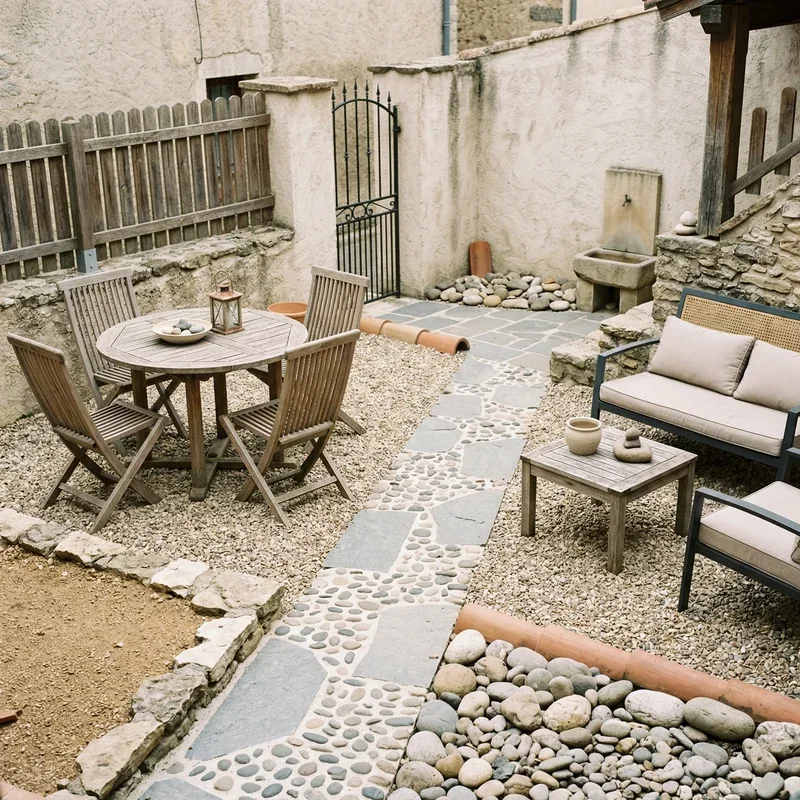
Create outdoor living rooms through furniture arrangements that establish gathering spaces where relaxation and socializing occur without requiring surrounding plant life. Select materials that weather gracefully: teak, aluminum, all-weather wicker, and recycled plastic all withstand outdoor exposure that indoor furniture cannot tolerate. Arrange seating conversationally around focal points like fire pits, water features, or views that furniture positioning should emphasize rather than ignore. Add tables, ottomans, and accessories that complete outdoor rooms with functionality matching indoor living spaces comfortably. The permanence of quality outdoor furniture provides year-round structure that container gardens and annual plantings cannot maintain through winter dormancy. Position furniture on hardscaped surfaces like patios or decks where stable footing prevents sinking that lawn placement might cause over time. Your furniture arrangements prove that comfortable outdoor living spaces require seating rather than surrounding shrubbery for successful establishment.
13. Wind Chime Garden
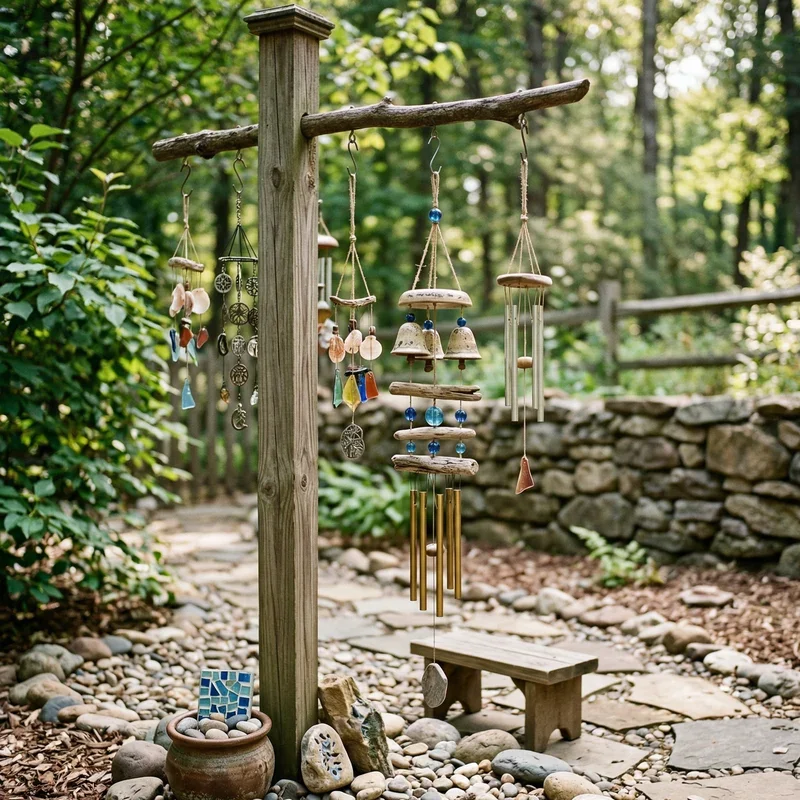
Create musical landscapes through wind chime installations that transform breezes into melodies that plants cannot produce regardless of species or placement. Hang chimes from branches, pergolas, shepherd's hooks, or dedicated posts that position them where wind access ensures regular musical activation. Select chimes tuned to pleasing intervals, or embrace random tonal combinations that eclectic collections generate through uncoordinated wind activation. The variety of chime materials creates different tonal qualities: bamboo produces hollow tones, metal creates sustained rings, and glass offers delicate tinkling sounds. Distribute chimes throughout garden spaces so breezes from various directions find instruments to play during changing wind patterns. Consider noise-sensitive neighbors when positioning chimes, avoiding placement that might transform musical pleasure into neighborly annoyance problematically. Your chime garden adds acoustic dimension that visual beauty alone cannot provide through wind-powered musical performances.
14. Colored Glass Features
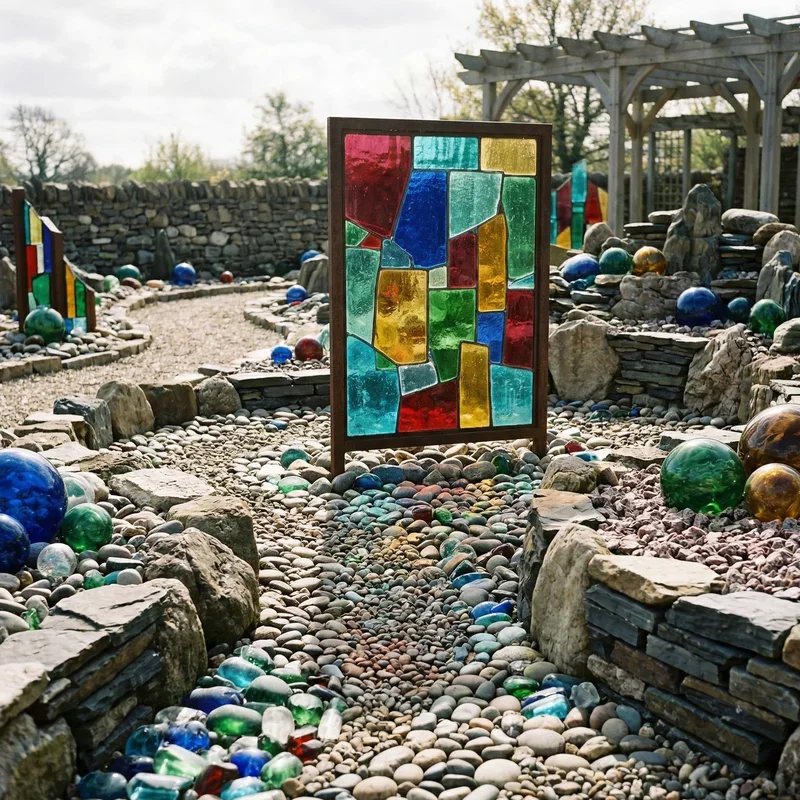
Introduce vibrant color through glass elements that catch light while adding jewel-toned brilliance that plant materials rarely achieve so intensely. Glass bottle trees, window installations, and decorative spheres all contribute color without requiring any horticultural attention whatsoever throughout seasons. The translucent quality of glass creates different effects as sunlight positions change throughout days and seasons progressively. Source colored glass from craft suppliers, bottle recycling, or antique hunting that locates vintage glass with superior color saturation. Position glass where sunlight illuminates it, casting colored shadows that transform throughout daylight hours continuously. Secure glass installations against wind that might topple or shatter pieces positioned precariously without adequate stabilization provisions. Your glass garden brings stained glass window beauty outdoors where sunlight activates color magic that artificial lighting cannot replicate.
15. Driftwood Art Display
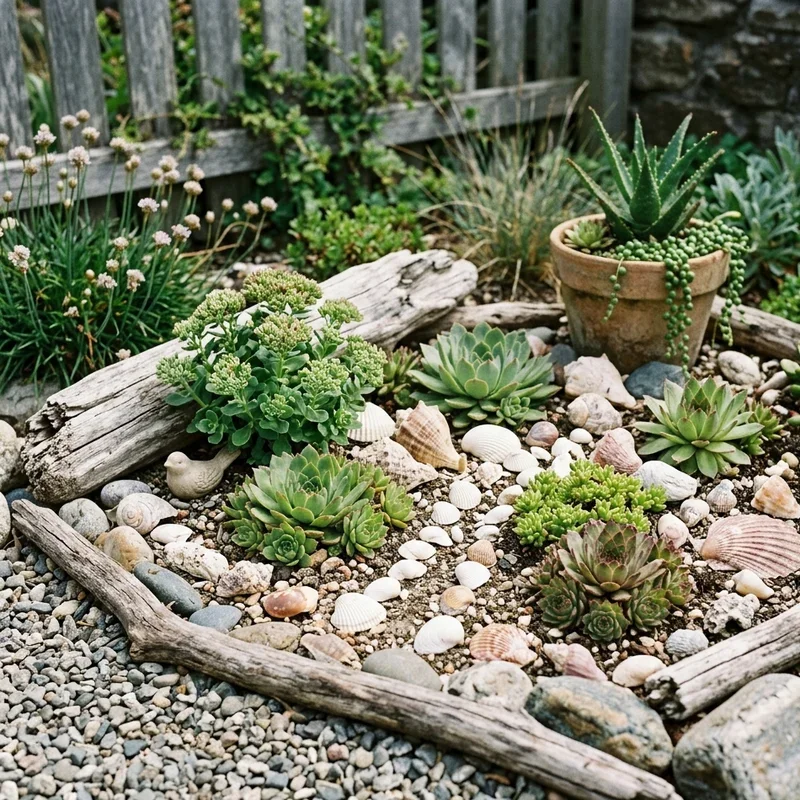
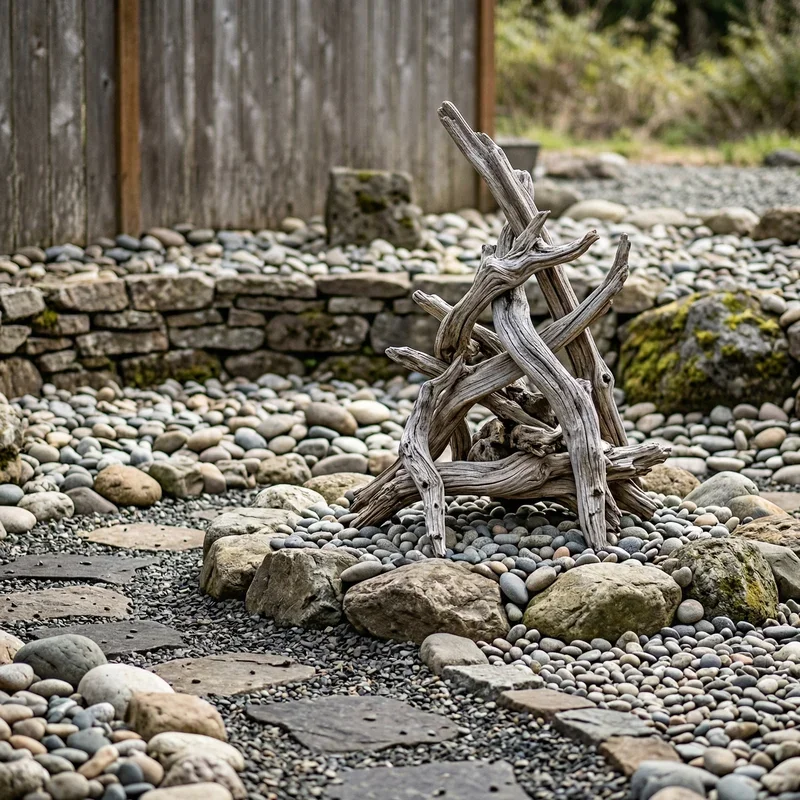
Arrange natural sculptural forms through driftwood displays that bring coastal character to gardens regardless of actual proximity to shorelines. Collect driftwood from beaches where regulations permit, or purchase from coastal suppliers who harvest legally and sustainably for craft purposes. The organic shapes that water and weather create exceed anything human carving typically achieves through natural processes that decades of exposure develop. Arrange driftwood vertically as sculptural totems, horizontally as natural fencing, or as collected groupings that gallery-style presentation creates impressively. The silvered wood tones complement virtually any color scheme while providing neutral backdrops for more vibrant garden elements if desired. Secure larger pieces using stakes or buried anchors that wind cannot topple during storms that exposed garden positions invite throughout seasons. Your driftwood display brings nature's artistry into gardens through materials requiring no maintenance beyond occasional repositioning after weather events.
Conclusion
Non-plant gardens prove that beautiful outdoor spaces emerge from creativity and design rather than horticultural expertise that not everyone possesses or desires developing. These fifteen ideas demonstrate remarkable variety within plant-free landscaping, from zen rock arrangements to musical wind chime installations that engage multiple senses. The maintenance freedom that non-plant features provide appeals to busy lifestyles, challenging climates, and physical limitations that traditional gardening might not accommodate successfully. Consider combining multiple ideas for layered designs that feel complete without requiring a single living specimen throughout garden spaces. The permanence that many non-plant elements provide ensures year-round beauty that deciduous gardens cannot maintain during dormant winter months. Your plant-free garden celebrates design vision over growing conditions while proving that outdoor beauty takes many forms beyond conventional botanical approaches.
Read next: 15 Small Garden Ideas to Maximize Your Green Area
Frequently Asked Questions
Q1: Will non-plant gardens look artificial or uninviting compared to traditional gardens?
A: Thoughtfully designed non-plant gardens feel equally natural and welcoming through proper material and element selection.
Q2: How do non-plant gardens handle drainage and water management?
A: Gravel, permeable pavers, and proper grading ensure drainage that prevents pooling water problems effectively.
Q3: Can I combine non-plant elements with some plants for hybrid garden designs?
A: Absolutely, many stunning gardens blend non-plant features with minimal, low-maintenance plantings successfully together.
Q4: What maintenance do non-plant gardens actually require over time?
A: Occasional cleaning, repositioning, and seasonal adjustments keep non-plant gardens looking their best with minimal effort.
Q5: Are non-plant gardens more expensive to establish than traditional planted landscapes?
A: Initial costs vary, but long-term savings from eliminated plant replacement and care often offset higher upfront investments.