15 Witchy Garden Ideas to Create a Magical Outdoor Space
Discover 15 enchanting witchy garden ideas that transform outdoor spaces into magical sanctuaries. Create your mystical haven today!
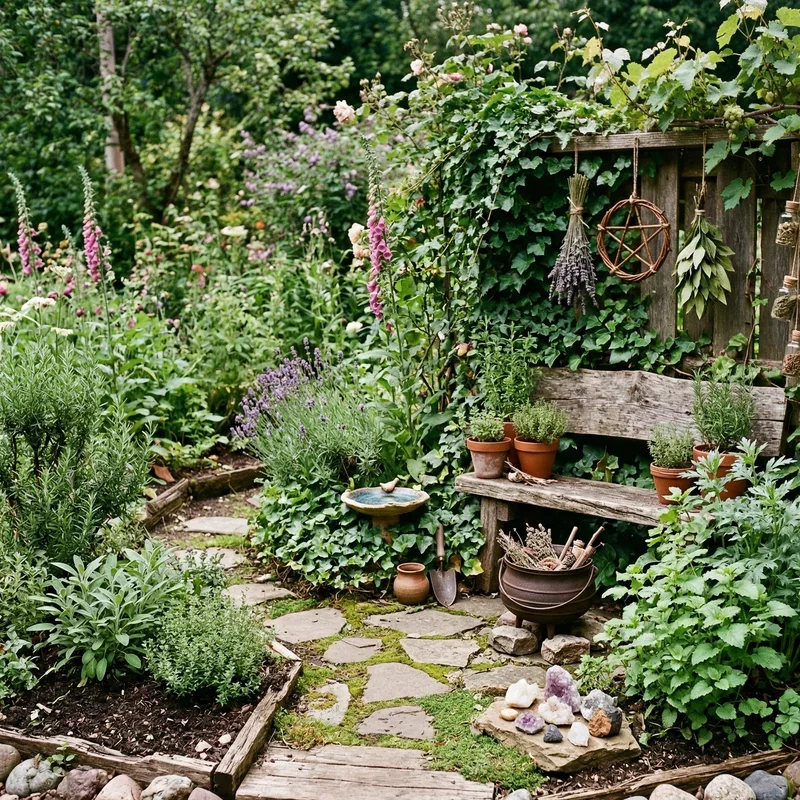
Something primal stirs when we imagine gardens where moonlight filters through twisted branches, herbs grow specifically for their mystical properties, and every stone and statue carries deeper meaning beyond mere decoration. Witchy gardens have captivated imaginations for centuries, blending practical cultivation with spiritual intention that transforms ordinary backyards into sacred outdoor sanctuaries. Whether you identify as a practicing witch, a cottage core enthusiast, or simply someone enchanted by gothic romanticism, these gardens offer escape from mundane suburban sameness into something altogether more mysterious and meaningful. The beauty of witchy garden design lies in its personal interpretation: your magical space reflects your unique spiritual path, aesthetic preferences, and connection to nature's deeper rhythms. No two witch gardens look identical because each gardener brings different intentions, interests, and inspirations to their outdoor sanctuary creation. Ready to transform your ordinary yard into an extraordinary space where magic feels genuinely possible?
1. Moonlight Garden Design
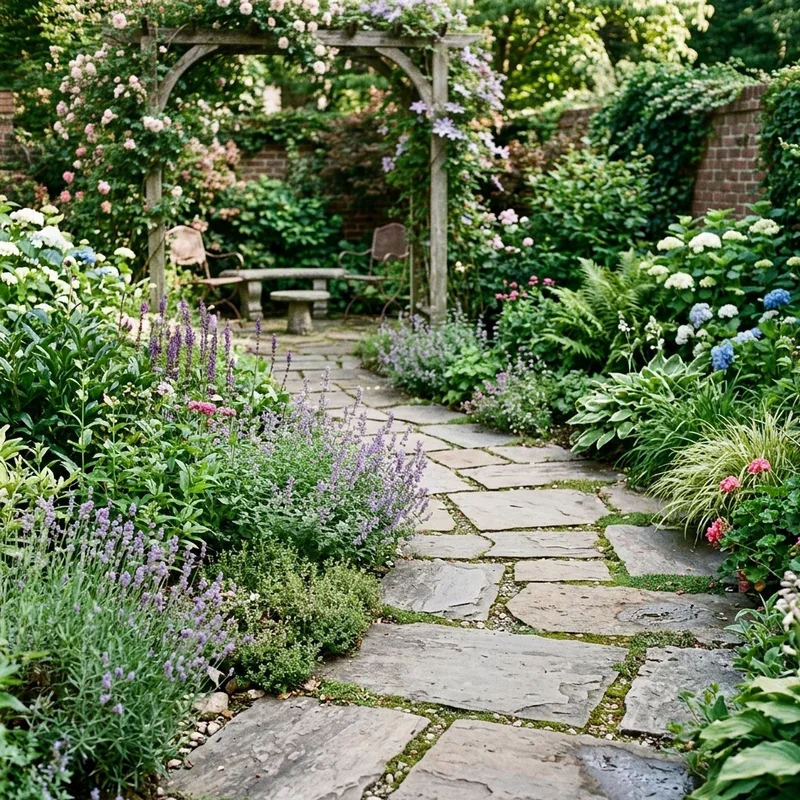
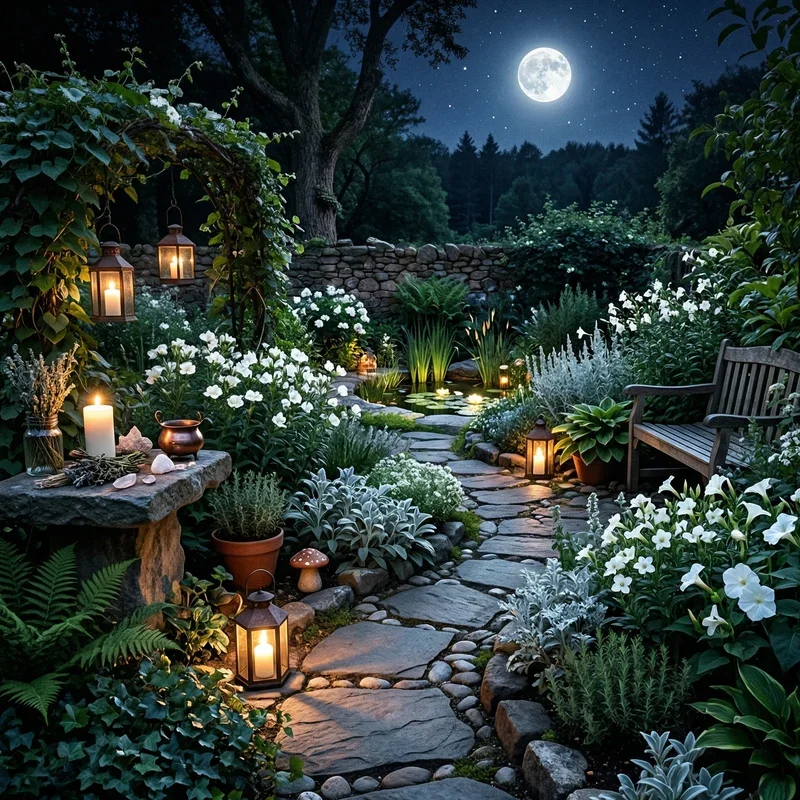
Create gardens that awaken after sunset by planting white and silver flowers that glow ethereally under moonlight and starshine throughout evening hours. Moon gardens feature pale blooms that reflect even minimal light, transforming dark gardens into luminous spaces that day-focused plantings cannot achieve. Choose night-blooming varieties like moonflower, evening primrose, and night-blooming jasmine that release intoxicating fragrances specifically during nocturnal hours. Add silvery foliage plants like dusty miller, lamb's ear, and artemisia that shimmer when touched by moonbeams filtering through darkness. Position white stones and pale gravel along pathways that guide nighttime wandering safely through your luminous landscape installation. The moon garden concept honors lunar cycles that many spiritual practices follow, creating physical spaces reflecting celestial rhythms naturally. Your moonlight garden becomes sanctuary for midnight meditations, evening rituals, and quiet communion with the night.
2. Herb Spiral for Spellwork
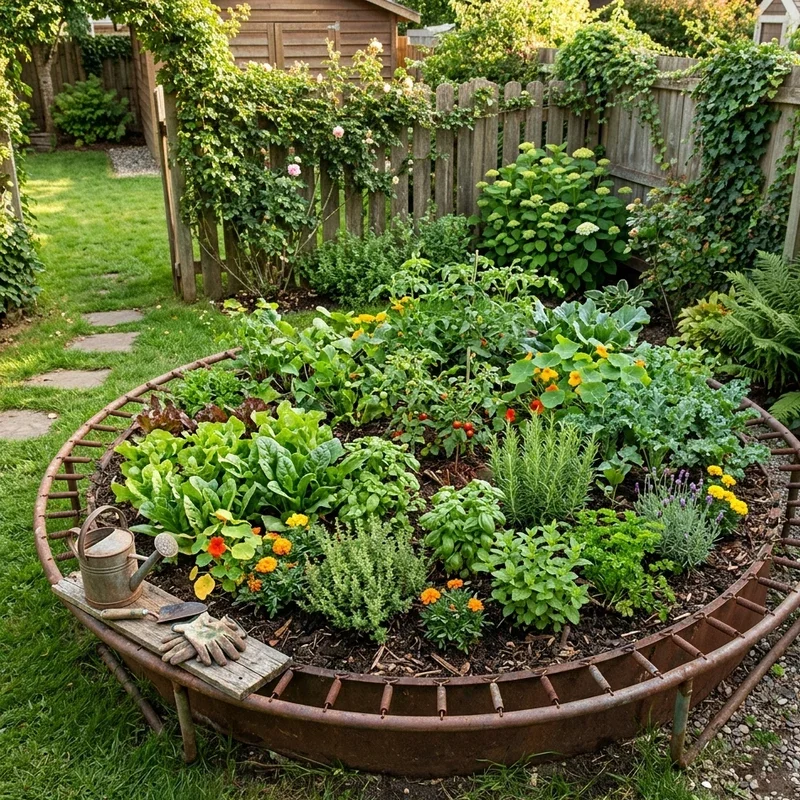
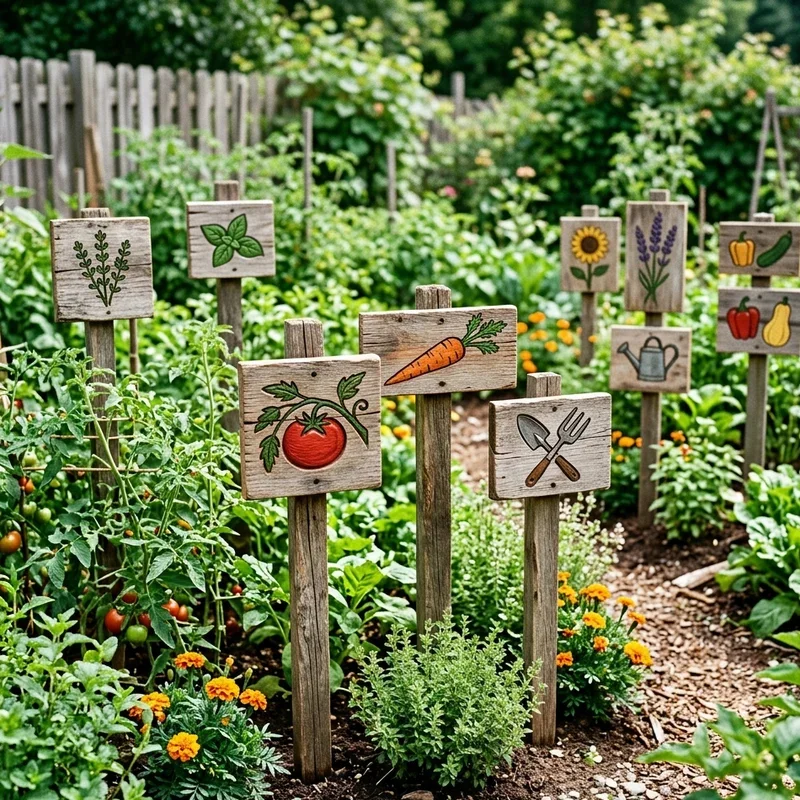
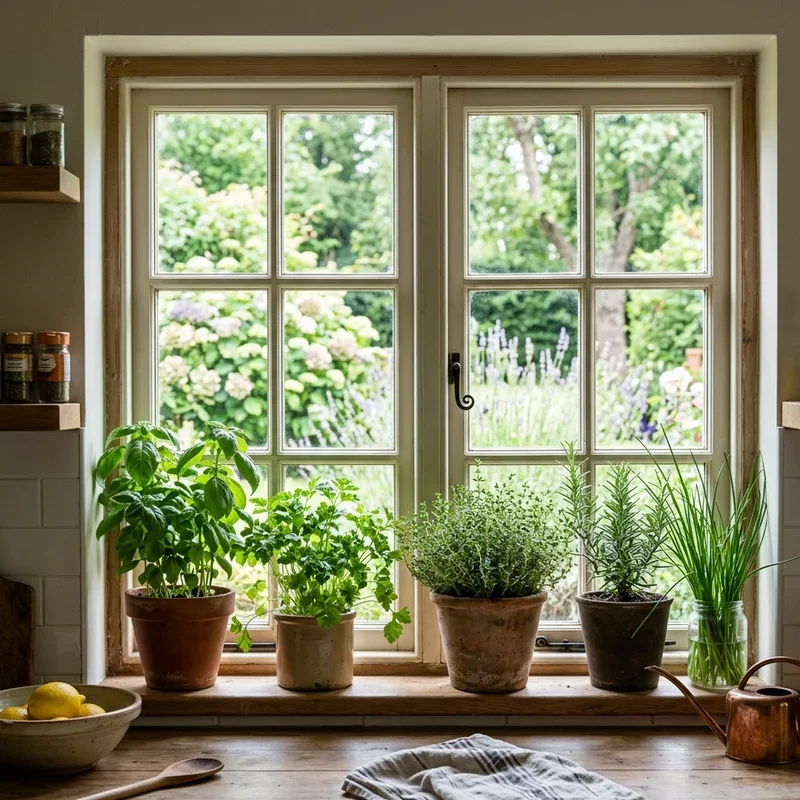
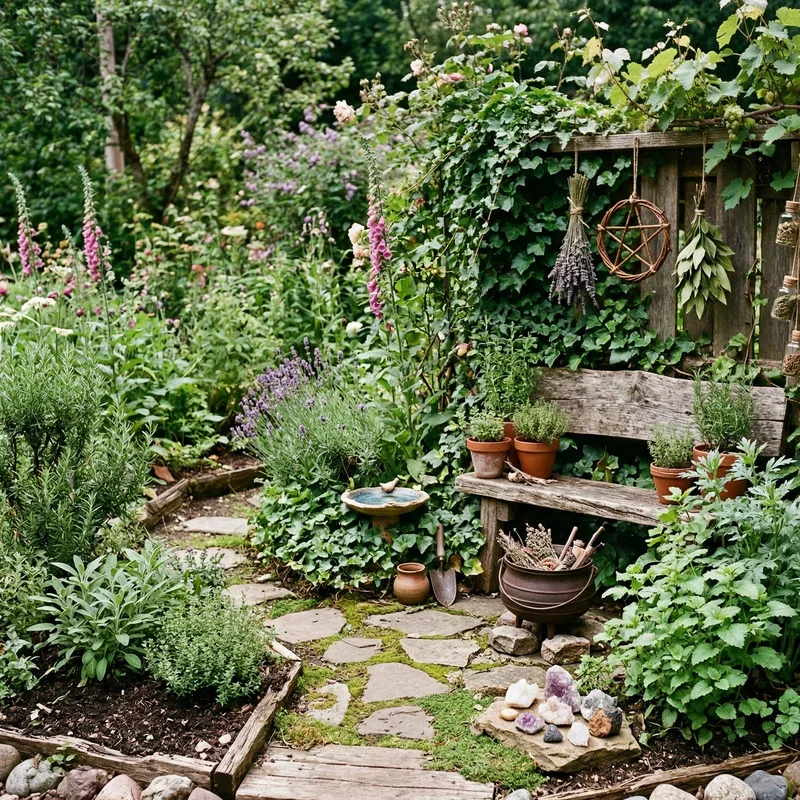
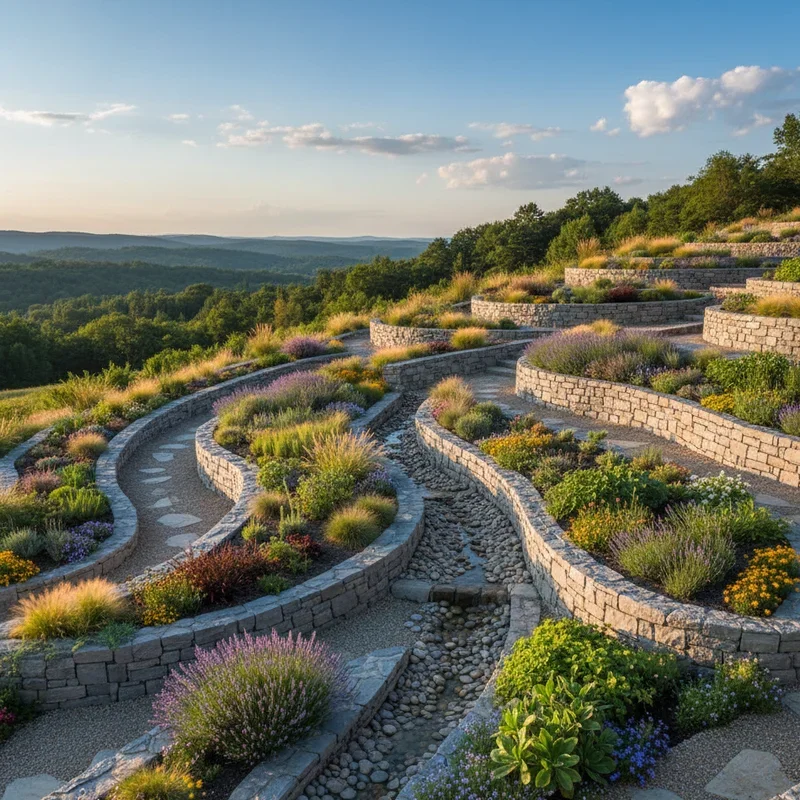
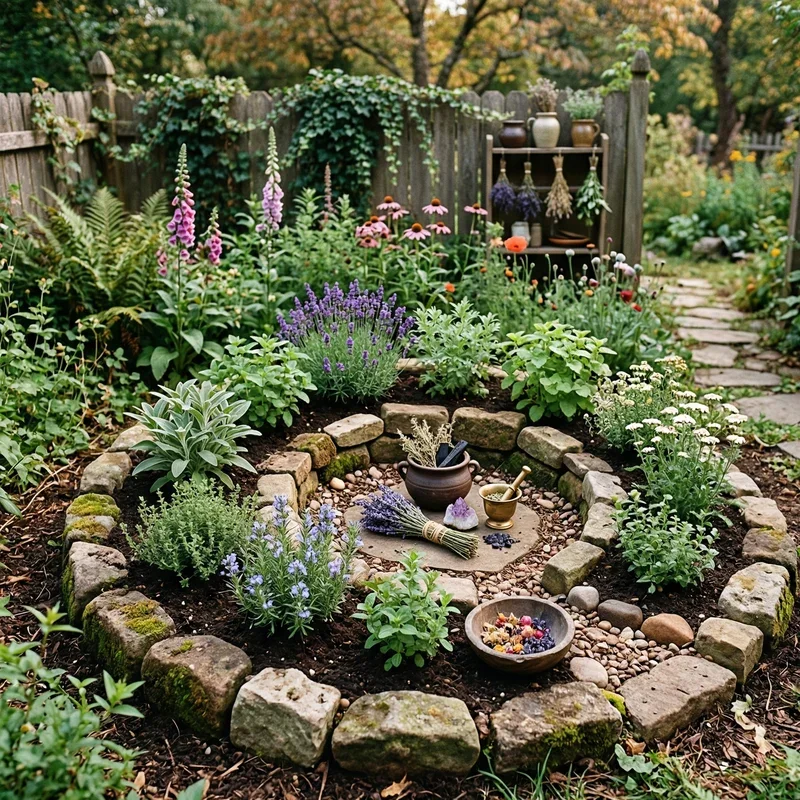
Build spiral-shaped raised beds that maximize growing space while creating visually striking focal points housing magical herbs for culinary and ritual purposes. The spiral shape carries ancient sacred geometry significance while practically providing various microclimates that different herbs require for optimal growth. Plant lavender for peace, rosemary for remembrance, sage for purification, and mugwort for dreams within your spiral's ascending tiers. The compact design suits small spaces while containing extensive herb collections that flat beds would spread across much larger areas. Build spirals using stacked stones, bricks, or logs that add textural interest while retaining soil within the winding raised structure. Position your spiral where it receives full sun that most culinary and magical herbs require for robust growth throughout seasons. Your herb spiral becomes practical apothecary and beautiful garden feature that serves both kitchen and spiritual needs simultaneously.
3. Crystal Grid Placement
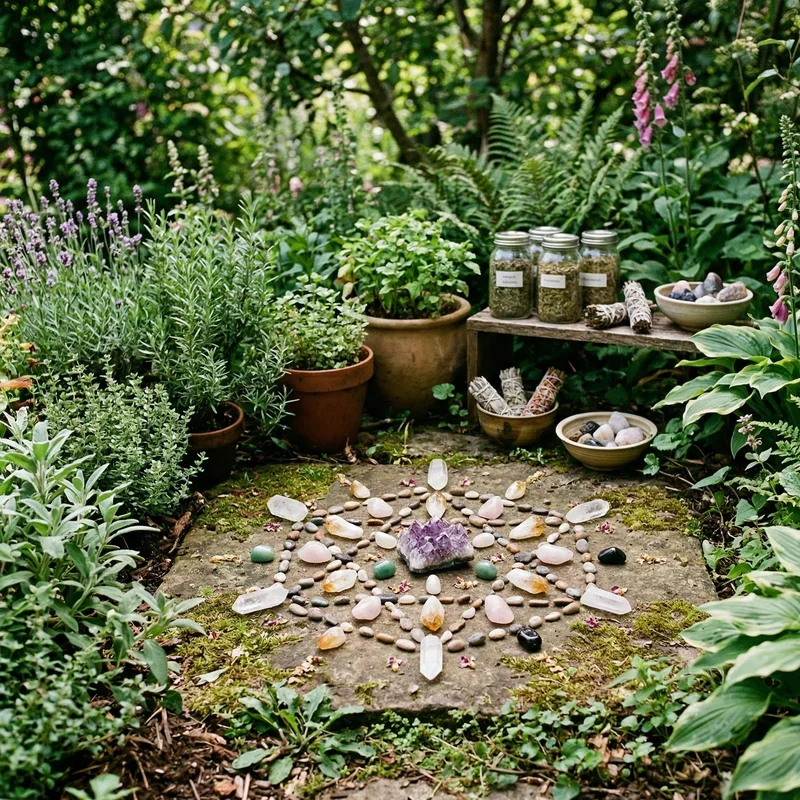
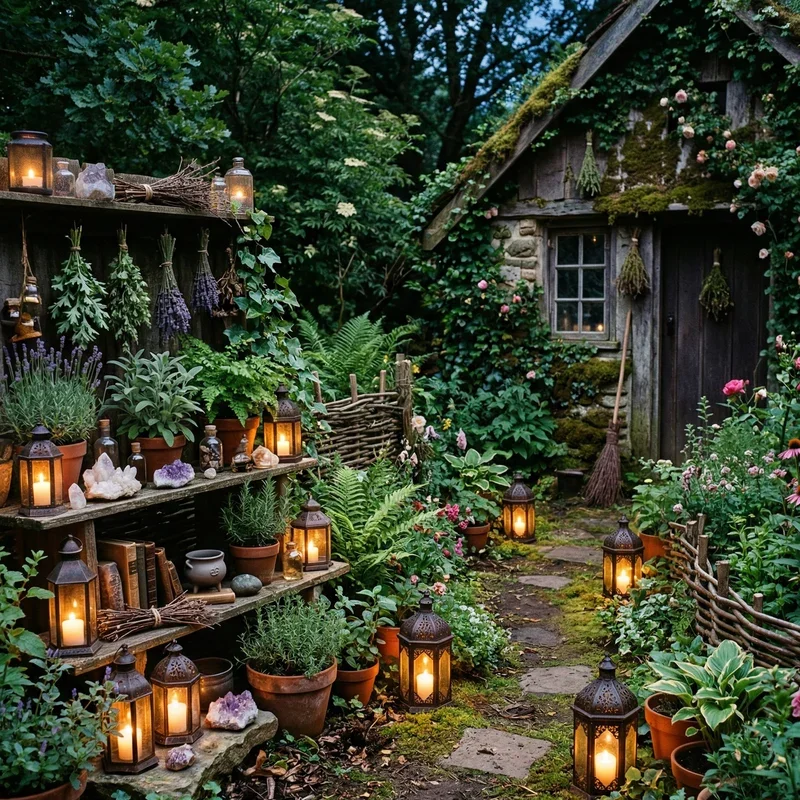
Incorporate crystals throughout garden spaces where they charge under sunlight and moonlight while contributing energetic properties to surrounding plantings and meditation areas. Bury grounding stones like black tourmaline at garden corners for protection, or position clear quartz points where they amplify intentions throughout growing spaces. Large crystal specimens become focal points that draw eyes while smaller tumbled stones nestle among plants where their energies support specific growing intentions. Consider crystal properties when placing them: rose quartz near flowers you grow for love, citrine in vegetable gardens for abundance, amethyst in meditation corners for spiritual connection. Weather exposure actually benefits many crystals that cleansing rain and charging sunlight naturally purify through elemental contact outdoors. Create intentional grid patterns that connect crystals across your garden, establishing energetic networks that link separate planting areas spiritually. Your crystal-enhanced garden merges mineral and botanical energies into spaces that feel palpably charged with magical potential.
4. Gothic Statue Collection
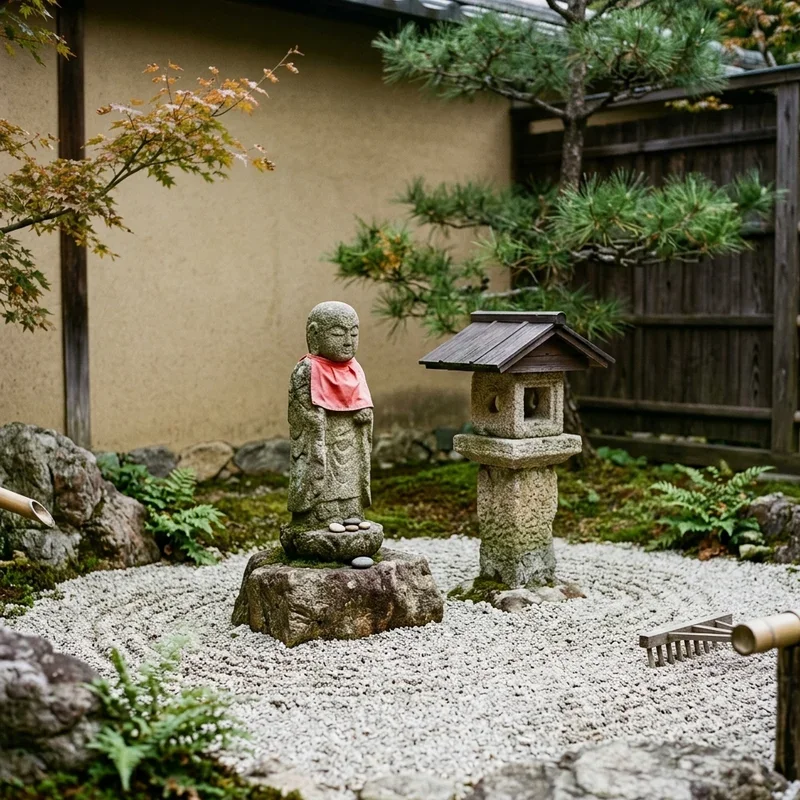
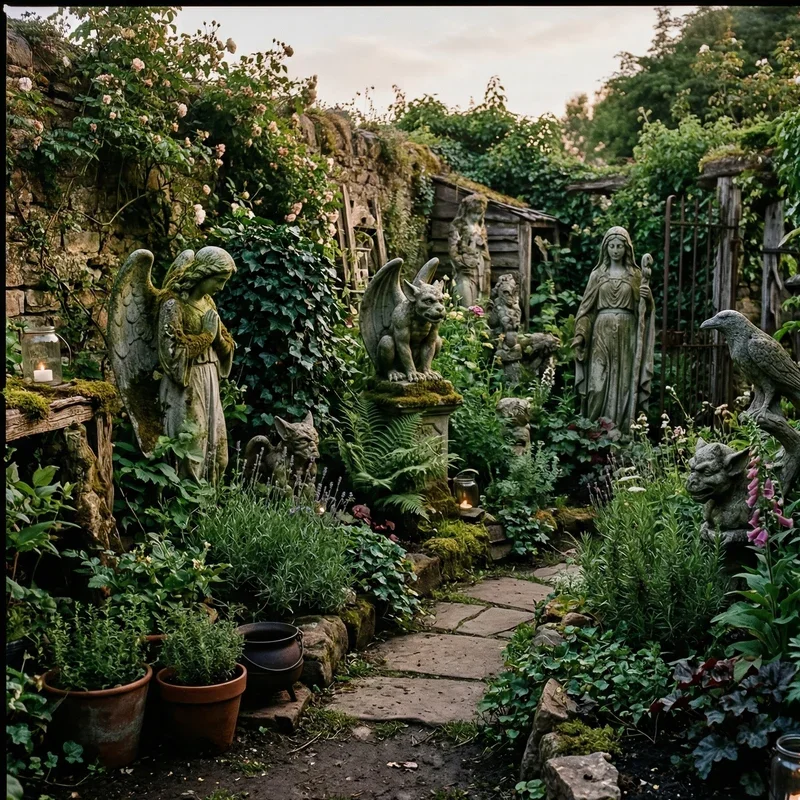
Populate gardens with statuary that evokes mystery and magic through gargoyles, goddess figures, green men, and other mythological characters traditionally associated with enchanted spaces. Position statues as focal points terminating sight lines, or scatter them throughout for discovery experiences that wandering reveals gradually. Weather-aged statues develop patina that new pieces lack, creating authentic ancient atmosphere that pristine garden art cannot provide immediately. Choose figures reflecting your spiritual path: Celtic goddesses, classical mythology, nature spirits, or protective gargoyles each communicate different spiritual vocabularies through their presence. Scale statues appropriately for garden dimensions: massive pieces overwhelm small spaces while modest figures disappear within expansive landscapes inappropriately. The watching presence of statues creates inhabited feeling that empty gardens lack despite their botanical beauty and careful cultivation. Your statue collection populates gardens with spiritual guardians whose presence enhances magical atmosphere throughout every season.
5. Winding Pathway Labyrinth
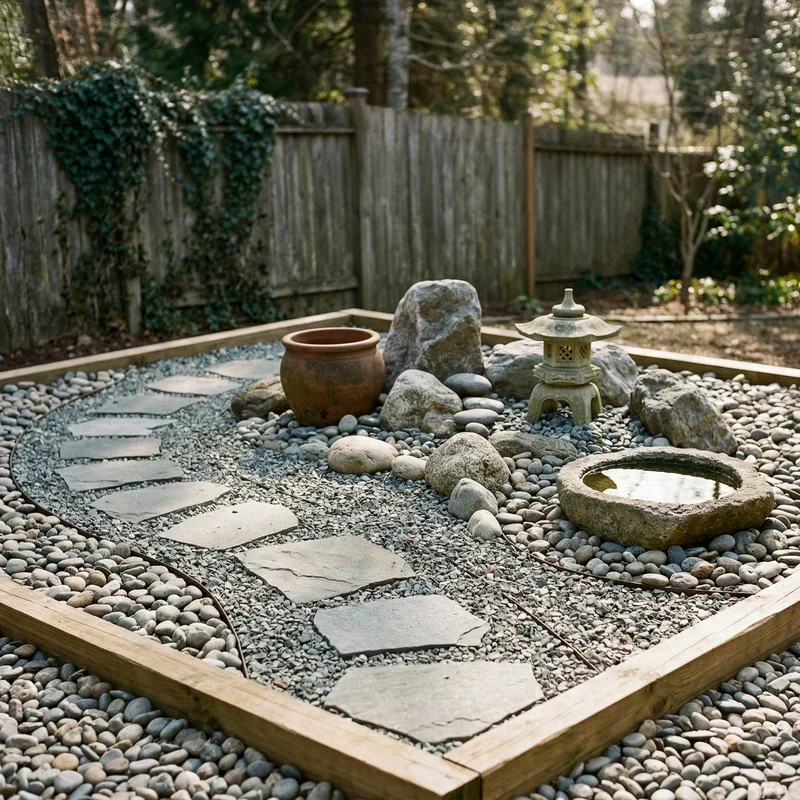
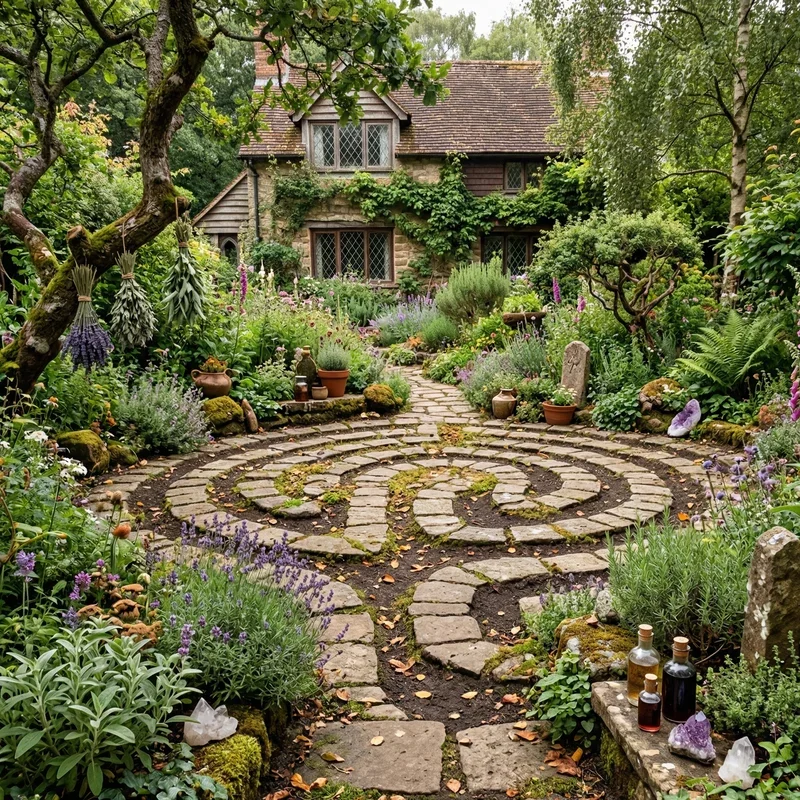
Create walking labyrinths that facilitate moving meditation while adding sacred geometry to garden layouts that straight paths cannot provide spiritually. Unlike mazes designed to confuse, labyrinths feature single paths that wind toward centers then return, providing contemplative walking experiences rather than puzzling challenges. Build labyrinths using stones, bricks, plants, or simply mown grass patterns that define pathway boundaries through material or height contrast. The walking meditation that labyrinths facilitate connects physical movement with spiritual contemplation that stationary meditation practices cannot replicate identically. Size labyrinths appropriately for available space: small finger labyrinths serve where walking versions cannot fit, while expansive grounds accommodate full classical designs. Position labyrinths where quiet use remains possible, away from distracting activities that meditative walking requires avoiding for effectiveness. Your garden labyrinth becomes pilgrimage destination within your own property where spiritual walking transforms ordinary steps into sacred journey.
6. Cauldron Planter Feature
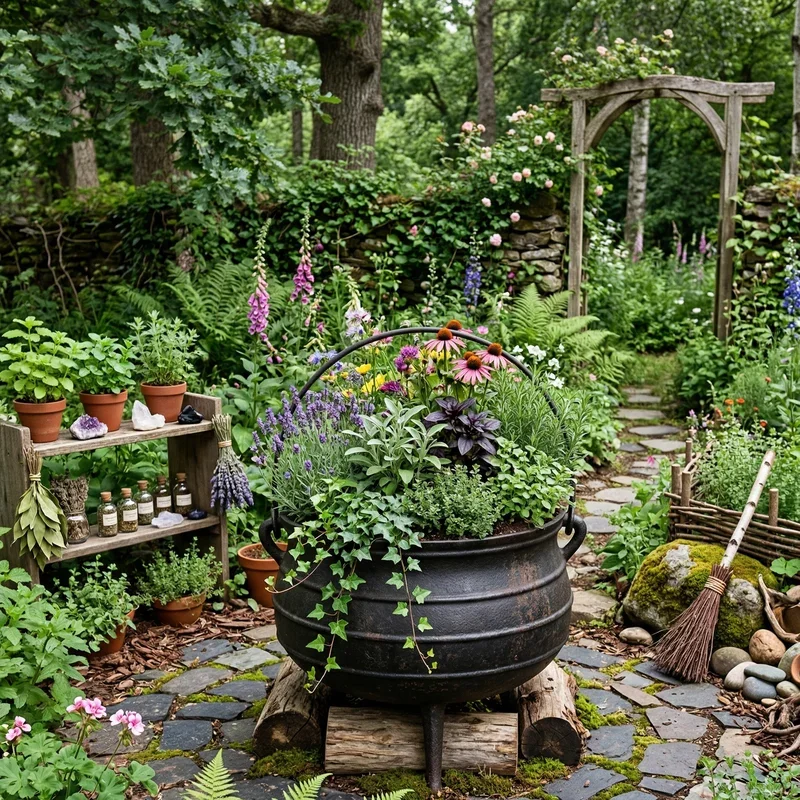
Repurpose cast iron cauldrons as dramatic planters that reference witchcraft iconography while serving practical container gardening purposes beautifully throughout seasons. Traditional three-legged cauldrons provide excellent drainage through their open bottoms while their dark surfaces absorb heat that warmth-loving plants appreciate. Plant overflowing arrangements that suggest bubbling potions: trailing vines, mysterious dark foliage, and unusual blooms create appropriately magical presentations within these iconic vessels. Position cauldrons as focal points where their symbolic weight commands attention appropriate to their cultural associations. Various sizes serve different purposes: small cauldrons accent entries while large specimens anchor garden beds as statement pieces worth highlighting. The cast iron material weathers beautifully outdoors, developing rust patina that enhances rather than diminishes their witchy aesthetic appeal. Your cauldron planters combine practical cultivation with unmistakable witchcraft symbolism that signals garden intentions immediately to visitors.
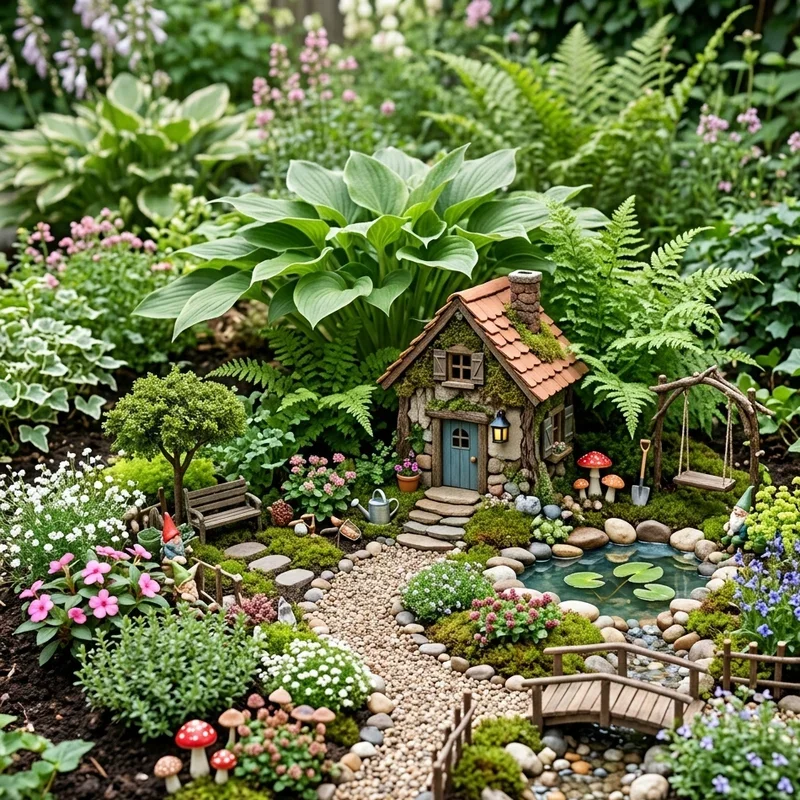
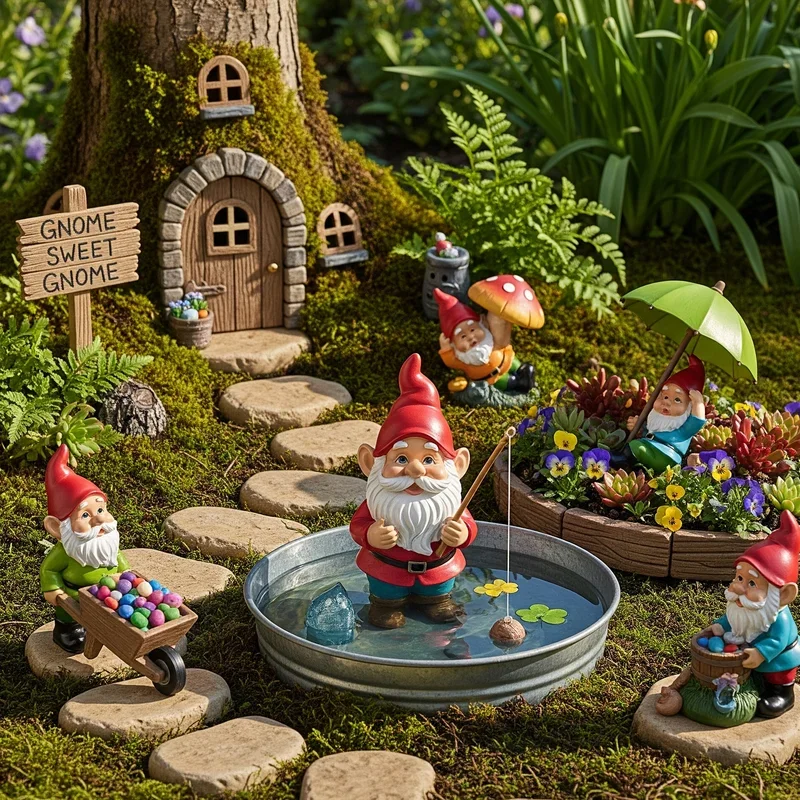
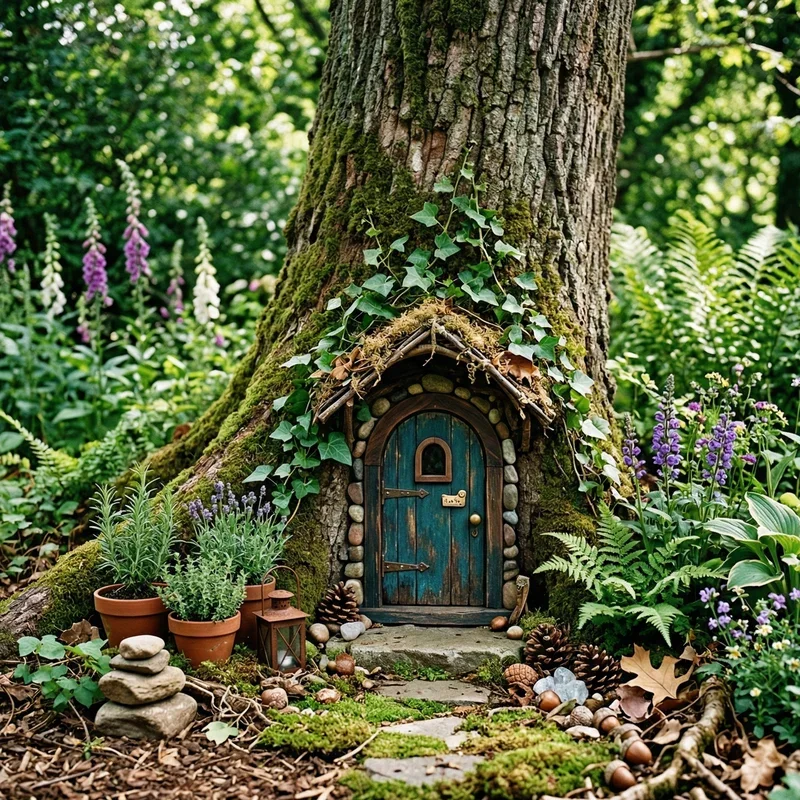
7. Fairy Door Installation
Add whimsy through miniature doors installed against trees, walls, or structures that suggest magical beings inhabit your garden alongside visible plants and creatures. These tiny portals spark imagination while honoring folkloric traditions that recognize nature spirits dwelling within gardens that welcome their presence appropriately. Position fairy doors at tree bases where gnarled roots create natural settings, or against garden walls where miniature entryways seem plausibly purposeful. Surround doors with small-scale accessories: tiny furniture, dishes, stepping stones, and lanterns that suggest complete miniature worlds existing beyond visible portals. Create seasonal displays that change fairy door surroundings throughout the year, celebrating holidays and seasons through miniature decoration evolution. The childlike magic that fairy doors evoke appeals across ages, creating garden features that adults appreciate as much as children do. Your fairy installations honor the invisible realm while adding enchanting details that reward close observation throughout garden wandering.
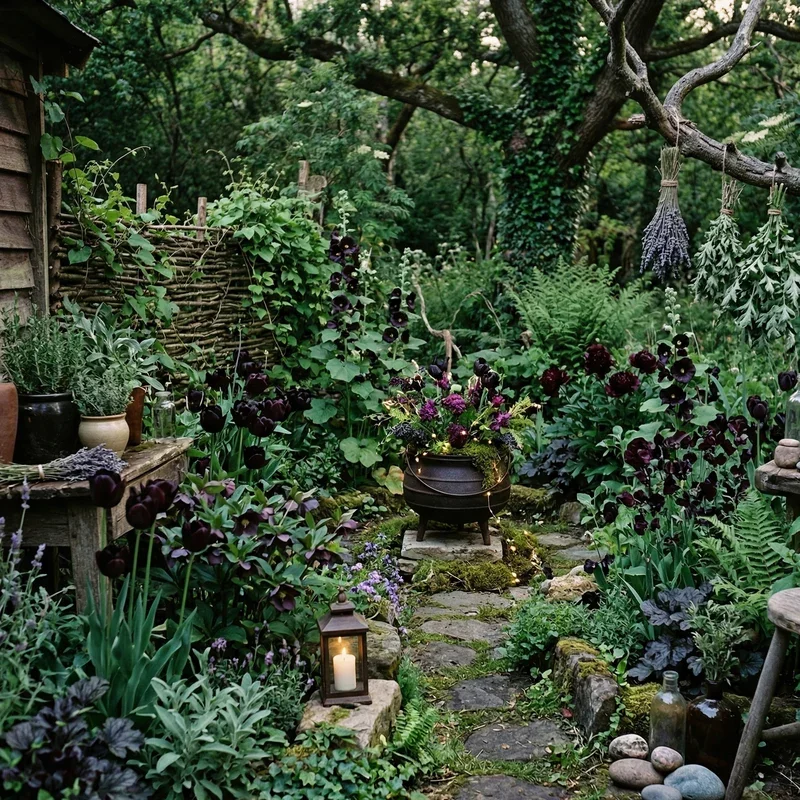
8. Black Flower Garden
Plant dramatically dark blooms that create gothic atmosphere while providing visual contrast that typical colorful gardens cannot achieve through conventional selections. Black tulips, dark purple hellebores, chocolate cosmos, and black hollyhocks all contribute near-black blooms that dramatic garden schemes require for authentic gothic presence. Combine dark flowers with silver or pale foliage that heightens contrast, making black blooms appear even darker through strategic color juxtaposition. The rarity of truly dark flowers makes them conversation pieces that garden visitors notice immediately upon encountering them. Consider bloom succession when planning dark gardens, ensuring dramatic color remains present throughout growing seasons rather than concentrating briefly. The symbolic associations of black flowers with mystery, sophistication, and the unknown enhance witchy garden atmospheres that cheerful colors might undermine unintentionally. Your black garden celebrates the darkness that conventional gardening often avoids, embracing shadowy beauty that gothic souls appreciate deeply.
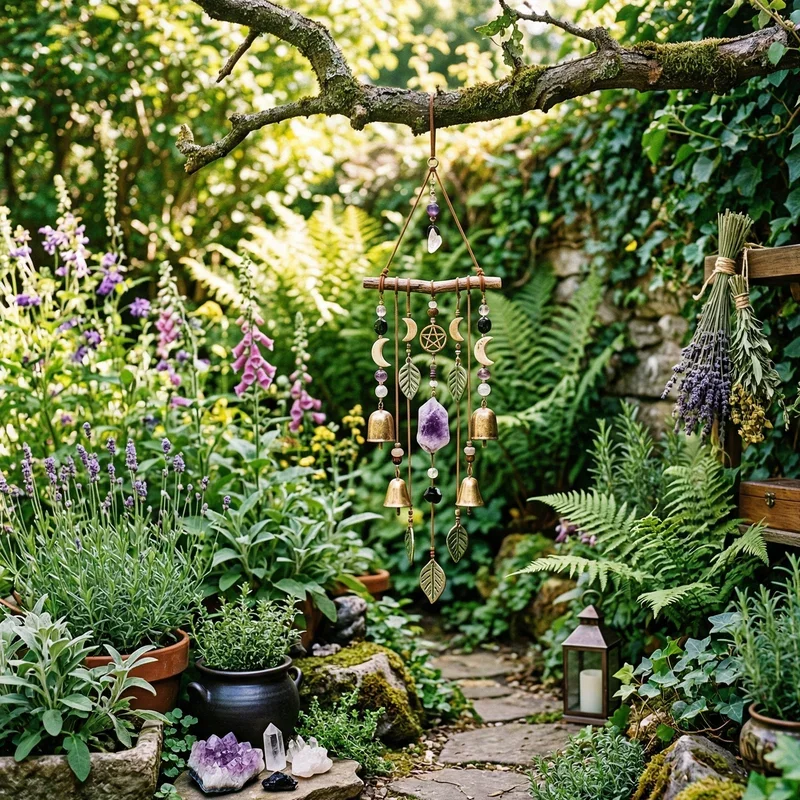
9. Wind Chime Enchantment
Hang wind chimes throughout gardens where breezes create music that transforms silent landscapes into constantly singing spaces alive with ambient sound. Choose chimes producing tones that resonate with your intentions: deep bells for grounding, high tinkling for fairy energy, or specific musical notes for particular purposes. The movement of chimes catches attention visually while their sounds provide auditory dimension that static garden elements cannot contribute alone. Position chimes where wind access ensures regular activation rather than sheltered locations where air movement proves insufficient for sound production. Consider material symbolism when selecting chimes: metal for strength, bamboo for flexibility, glass for clarity that different materials communicate through both sound and substance. The random nature of wind-activated chimes creates ever-changing musical compositions that never repeat identically, ensuring perpetual novelty throughout every garden visit. Your chime collection transforms breezes into musicians performing exclusively within your enchanted outdoor space.
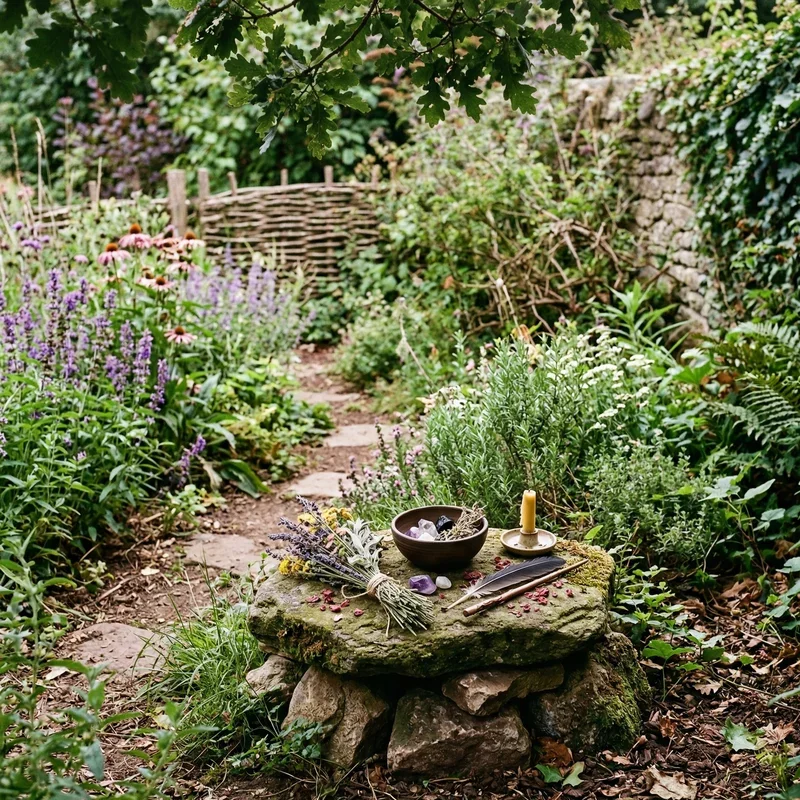
10. Altar Stone Creation
Establish permanent outdoor altars using large flat stones that provide surfaces for ritual work, offerings, and seasonal celebrations conducted within your witchy garden sanctuary. Select stones with natural flat surfaces, or arrange smaller stones creating stable platforms appropriate for intended ritual purposes. Position altars where privacy permits personal practice without observation concerns that public visibility might create uncomfortably. Decorate altar surfaces seasonally, changing arrangements that honor wheel-of-the-year celebrations or personal observances throughout months. The permanence of stone altars creates dedicated sacred space that temporary indoor altars cannot match for gravitas and groundedness. Leave offerings that wildlife will appreciate and remove: birdseed, fruit, and flowers honor nature while avoiding pollution that inappropriate offerings might create. Your garden altar becomes the spiritual heart of your outdoor sanctuary where intentions manifest and connections deepen through regular devotional practice.
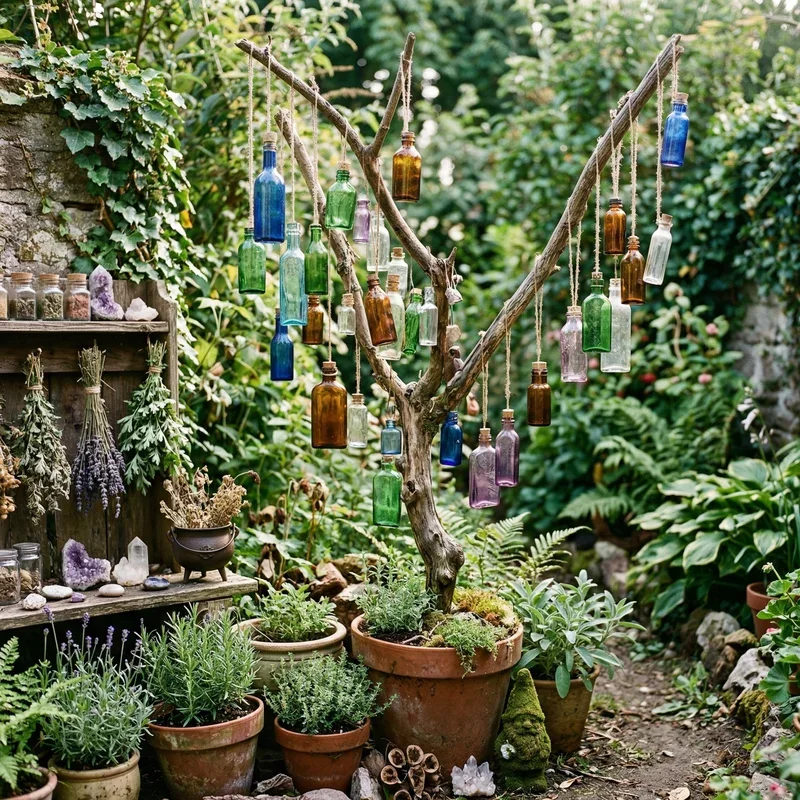
11. Hanging Bottle Tree
Create traditional Southern bottle trees by placing colored glass bottles onto bare branches, creating folk art installations that catch light while supposedly trapping malevolent spirits within glass prisons. The African American folk tradition brought from African spiritual practices claims that spirits become entrapped within bottles at night, then destroyed by morning sunlight. Position trees where sunlight penetrates bottles, casting colored light across surrounding spaces that plain branches cannot produce magically. Blue bottles remain most traditional, though multicolored collections create rainbow effects that purist traditions might not recognize but modern gardens embrace enthusiastically. Dead trees serve perfectly, their bare branches providing bottle attachment points that living foliage would obscure from visibility. The musical tinkling of bottles in wind adds audio dimension beyond visual interest, creating installations engaging multiple senses simultaneously. Your bottle tree honors folk traditions while protecting garden spaces through colorful spirit traps that practical skeptics simply appreciate as beautiful garden art.
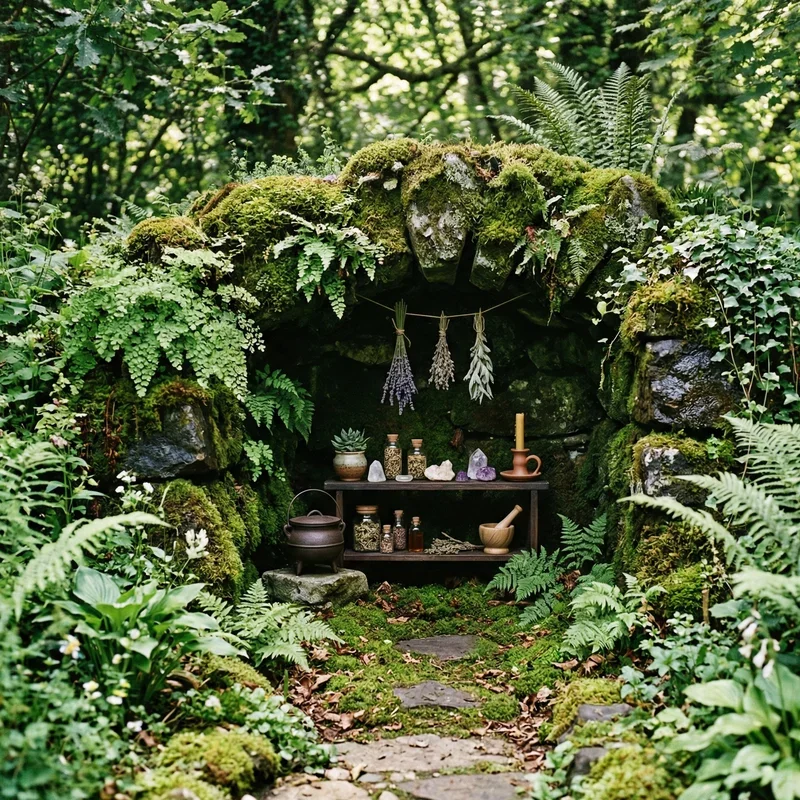
12. Moss and Fern Grotto
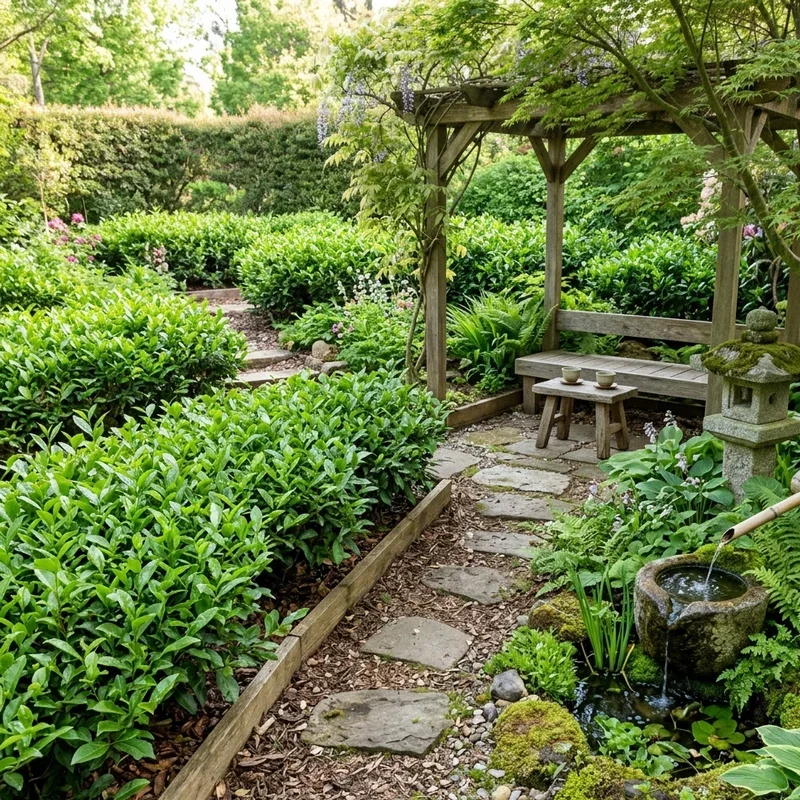
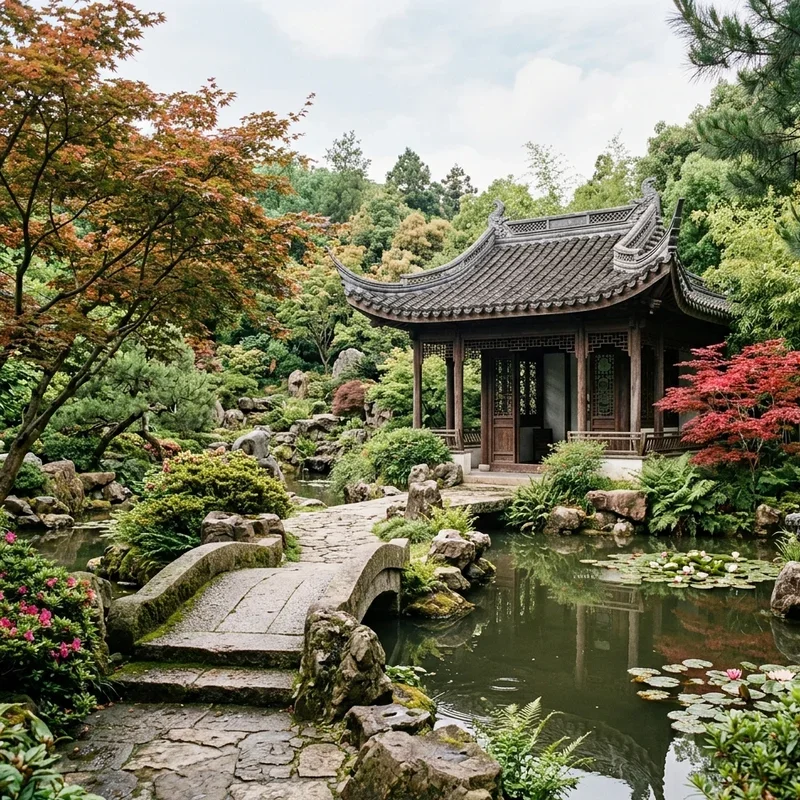
Cultivate shaded garden corners into prehistoric-feeling grottos where moss-covered stones and primordial ferns create ancient atmosphere that modern plantings cannot achieve similarly. The damp, shadowy conditions that moss and ferns require suit garden areas where sun-loving plants struggle anyway, transforming problematic shade into atmospheric assets. Layer different fern varieties for textural complexity: delicate maidenhair, bold sword ferns, and unusual Japanese painted ferns each contribute distinct characters within grotto compositions. Encourage moss growth on stones by providing consistent moisture and shade that moss colonization requires for successful establishment. Add water features that contribute humidity supporting moisture-loving plants while creating sound that enhances the primeval atmosphere intentionally. The cool, damp quality of shaded grottos provides respite during hot weather, making these spaces practical retreats alongside their aesthetic contributions. Your moss grotto evokes forests from fantasy novels where ancient magic still pulses through every verdant stone.
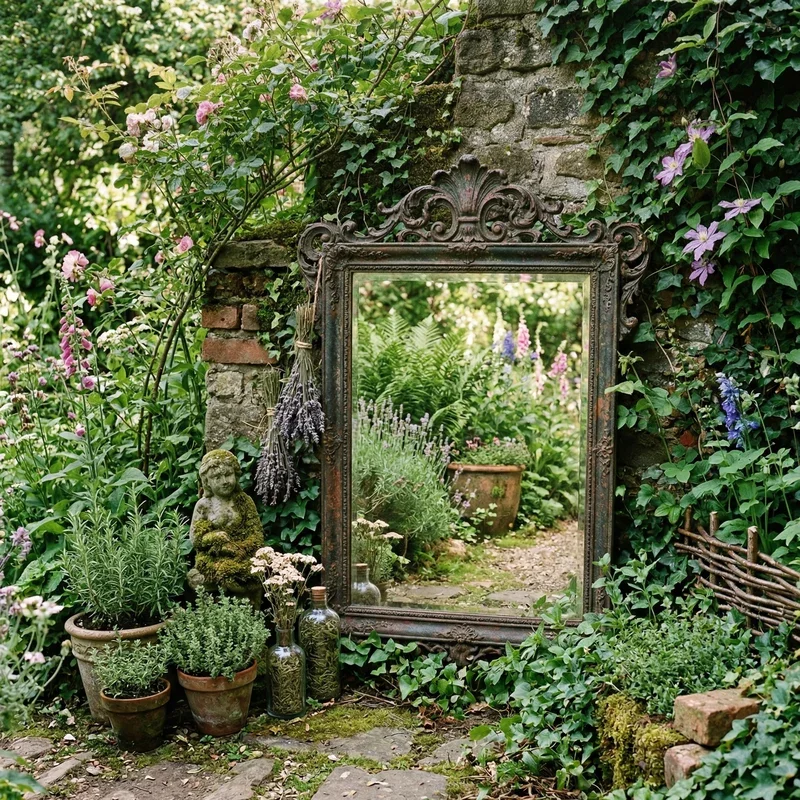
13. Vintage Mirror Placement
Install weathered mirrors throughout gardens where they reflect plants, sky, and light while creating illusions of depth that expand perceived garden boundaries magically. The reflective quality of mirrors adds dimension that solid surfaces cannot provide while doubling visual impact of your most beautiful plantings effectively. Position mirrors to reflect attractive views, effectively multiplying garden beauty through strategic placement that careful consideration guides appropriately. Weather-aged frames complement witchy aesthetics better than pristine new mirrors that antique finishes suit more appropriately decoratively. The superstitious associations mirrors carry enhance mystical atmosphere, connecting your garden to folklore traditions involving reflective surfaces and spiritual realms. Angle mirrors carefully to avoid creating bird strike hazards through reflections that wildlife might mistake for actual passages tragically. Your garden mirrors create portal effects that suggest passages between worlds while practically expanding visual space within physical boundaries.
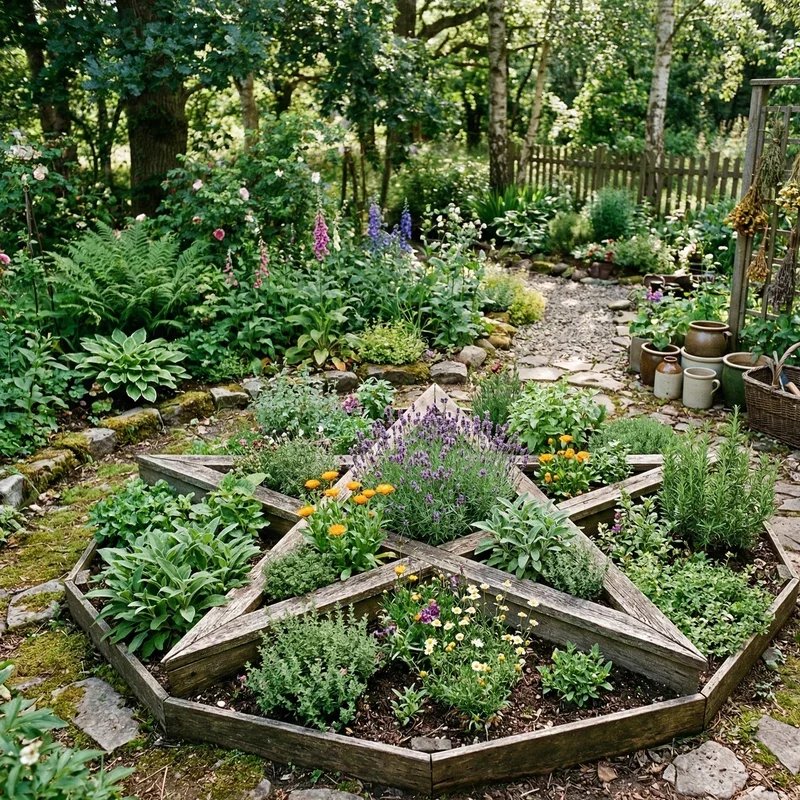
14. Pentacle Garden Bed
Design garden beds in pentacle shapes that honor this ancient protective symbol while creating unique planting spaces that conventional rectangular beds cannot replicate formally. The five-pointed star contains symbolic significance across multiple spiritual traditions, representing elements, protection, and sacred geometry that intentional gardeners appreciate deeply. Outline pentacle shapes using stones, bricks, or plants that define the five points and connecting lines establishing the star pattern clearly. Plant different elements within each point: fire-associated red flowers, water-loving blue blooms, earth-toned foliage, airy grasses, and spirit-representing white flowers create meaningful planting schemes. Scale pentacles appropriately for viewing perspective: ground-level designs require standing back while raised bed pentacles read clearly from normal observation positions. The maintenance of clearly defined shapes requires regular attention that casual gardeners might find demanding beyond their commitment levels. Your pentacle bed manifests sacred geometry through living plants that grow intention into physical reality throughout each season.
15. Candle Lantern Lighting
Illuminate evening gardens using lanterns that cast flickering candlelight creating atmospheric conditions that electric lighting cannot replicate for magical ambiance. Position lanterns along pathways, around seating areas, and near focal points where evening use benefits from illumination beyond purely safety considerations. Choose lantern styles complementing your garden aesthetic: gothic wrought iron, Moroccan pierced metal, or simple glass vessels each contribute different atmospheric qualities through their designs. Use flameless LED candles where fire safety concerns exist, preserving flickering ambiance while eliminating hazards that unattended flames might create dangerously. The ritual of lighting candles at dusk creates daily practice that connects you to garden spaces through repeated ceremonial actions. Hurricane glass protects flames from breezes that would otherwise extinguish unshielded candles frustratingly during attempted evening garden enjoyment. Your lantern collection transforms twilight gardens into enchanted spaces where candle flames dance like earth-bound stars.
Conclusion
Witchy gardens transform ordinary outdoor spaces into magical sanctuaries where intention, aesthetics, and spiritual practice merge into landscapes worth cherishing deeply. These fifteen ideas demonstrate remarkable variety within witchy garden design, from moonlight plantings to sacred geometry beds that manifest different aspects of magical practice. The personal nature of witchy gardening means your space reflects your unique spiritual path rather than copying standardized designs that others might create. Consider combining multiple ideas that resonate with your practice, building layered gardens that address various aspects of your magical life comprehensively. The ongoing relationship between gardener and garden deepens through seasons of tending, harvesting, and honoring spaces that grow more powerful through accumulated intention. Your witchy garden becomes living temple where magic feels not just possible but palpably present throughout every visit.
Read next: 15 Romantic Shabby Chic Garden Ideas for Dreamy Yards
Frequently Asked Questions
Q1: Do I need to practice witchcraft to create a witchy garden?
A: No, anyone appreciating gothic aesthetics, cottage core style, or mystical atmosphere can create witchy gardens.
Q2: What plants are essential for a traditional witch's garden?
A: Lavender, rosemary, sage, mugwort, and moonflower represent common choices with historical magical associations.
Q3: How do I maintain a witchy garden without losing its wild aesthetic?
A: Allow controlled wildness in some areas while maintaining paths and focal points for intentional atmosphere.
Q4: Can I create a witchy garden in containers or small spaces?
A: Absolutely, container witchy gardens using miniature elements work beautifully on balconies and patios effectively.
Q5: Are witchy gardens appropriate for homes with children?
A: Yes, witchy gardens spark imagination while teaching children about plants, nature, and magical thinking positively.