How Professional Tree Care Protects Your Home and Landscape
Discover how professional tree care protects your home and landscape through pruning, inspections, maintenance, disease prevention, and storm damage management.
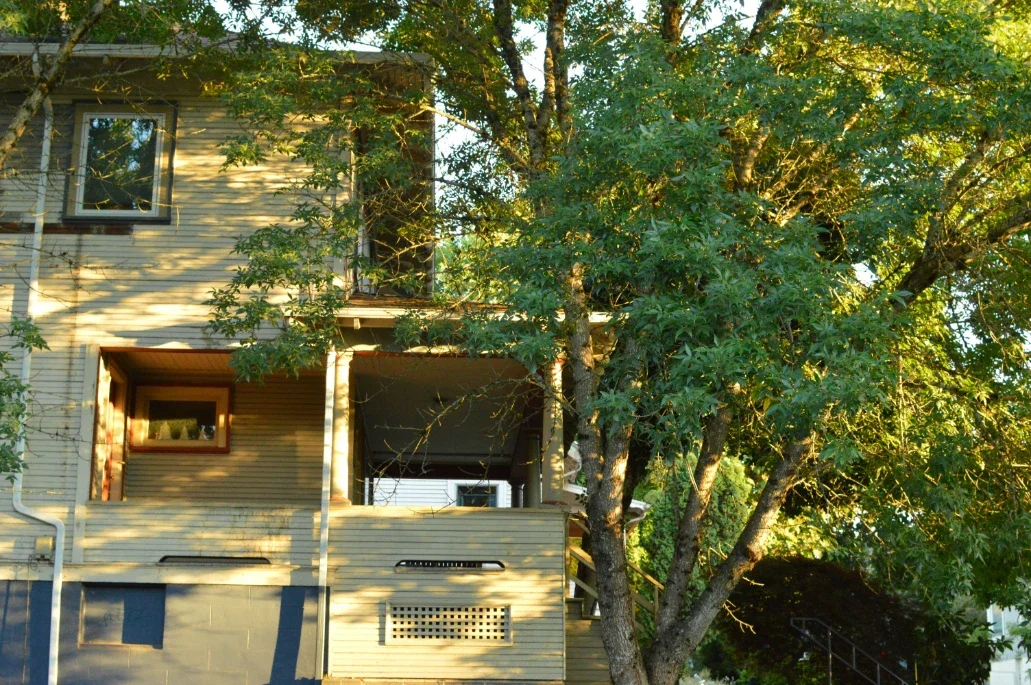
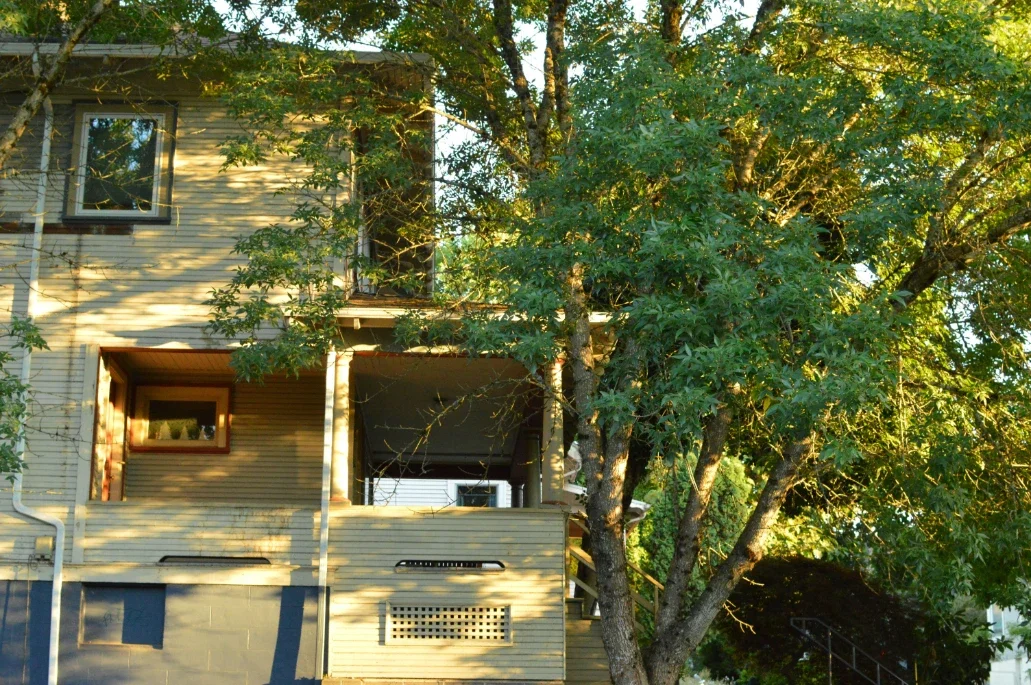
A large tree next to a house provides shade while carrying considerable weight. It may increase what buyers are willing to pay, yet it can also damage a roof in one bad night. Professional care helps keep it on the asset side.
Your tree works like part of the house
We tend to think of a home as walls and a roof. In practice, a big oak or maple out front casts shade and draws water from the soil all summer. It can cool bedrooms and influence soil moisture. Buyers may notice it in listing photos before they book a viewing. That living value is why trees deserve the same serious attention we give a roof or foundation that keeps rain out each winter.
The USDA Forest Service has cited estimates that mature, healthy trees can add up to 15% to residential property values, although the effect depends on the tree, property, and local market. We have all walked past two similar houses where one felt settled and private because of big trees while the other felt bare. That impression can affect a sale. The opposite may also be true. A dead top or a trunk with a severe lean can concern buyers and prompt questions from an insurer.
Think of professional care as risk management for that asset. You don't wait for a leak to stain a ceiling before paying attention to the roof. You clean gutters and check flashing. Trees benefit from a similar routine, with a trained eye helping the canopy work for the home rather than against it.
Hidden defects can contribute to failures
Trees can fail in wind for many reasons, including severe weather, but existing weakness is often a contributing factor. A pocket of decay may hollow a limb while the bark looks normal. A crack can run down a trunk for years without causing obvious leaf loss. Twin trunks with bark pinched between them may look strong until wind or added weight begins to pull them apart.
We can't always see girdling roots from the sidewalk because they may sit just under mulch or soil and wrap tightly around the base. That slow pressure can restrict water and nutrient movement. The crown may thin year by year while the homeowner reasonably suspects drought, poor soil, or another cause.
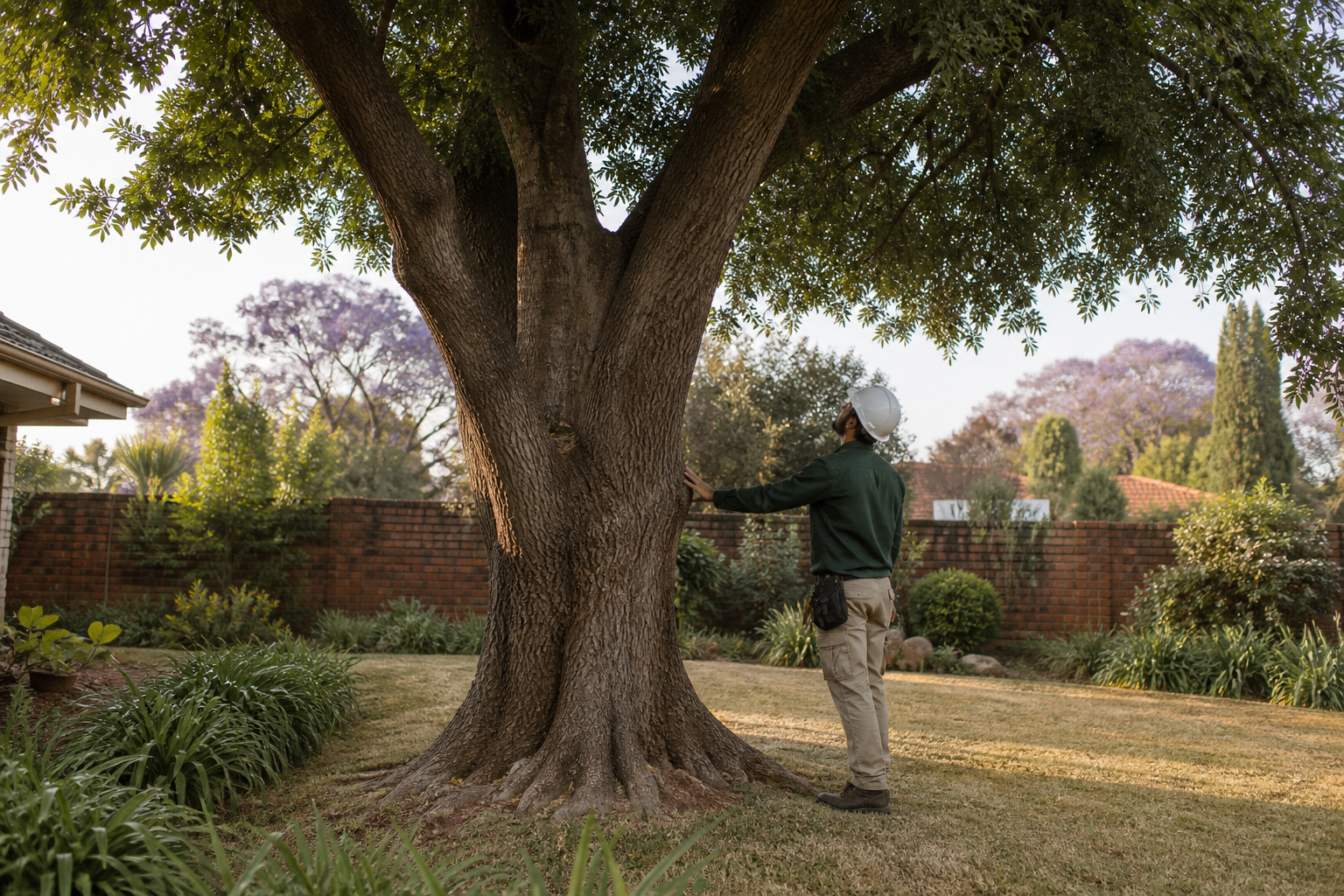
A formal tree risk assessment is designed to identify these faults and evaluate how much concern they present. A certified arborist knows where to look and which tools may be appropriate. The check starts at the root flare and trunk, moves up to unions with included bark, and continues into the upper crown. Sounding with a mallet, along with a close look at lean and soil conditions, may reveal trouble that isn't obvious from the ground. You receive a risk assessment and practical next steps rather than guesswork, although no inspection can predict every failure. In our trade, ISA certification indicates that training and continuing education meet defined standards.
Roots rarely attack a sound foundation
Homeowners often fear that roots will crack a foundation. In general, roots are more likely to follow existing gaps, moisture, and loose soil than to break through sound concrete. If a foundation is already cracked or a joint has shifted, fine roots may enter the opening and contribute to further movement over time.
The plumbing story is similar. Roots commonly enter pipes through existing leaks, cracks, or loose joints rather than breaking an intact line. Older clay or concrete lines with gaps are frequent entry points. A camera inspection, paired with a review of planting distance and soil conditions, can help determine whether roots are involved or whether age and ground movement caused the original damage.
Clay soils add another complication. During a dry spell, roots may draw moisture from clay near footings, allowing the soil to shrink. Doors might stick, and hairline cracks may appear, although those signs can have several causes. Removing the tree isn't always the right fix. A professional may suggest carefully located root pruning, revised watering zones, or, in some yards, a barrier that redirects future growth. Don't guess at this. Unseen root and soil conditions can affect whether the home remains stable.
Building work harms trees long after trucks leave
Construction can cause quiet damage that appears well after a project ends. Trucks and loaders press air out of the soil, and severe compaction can limit the oxygen and water available to roots for years. A trench cut through the structural root zone may remove roots that help anchor a large tree. The tree might look fine that fall but show decline, shed limbs, or become less stable two summers later.
The fix starts on paper before a shovel reaches the ground. Tree protection fencing should generally extend far enough to keep machinery, materials, and spoil piles away from important roots, often using the drip line as a practical starting point. Grade changes and trenches need another look so planned cuts avoid large roots where possible. Many homeowners start by asking a Local Arborist to walk the lot and identify areas that should remain undisturbed.
We see the same pattern around additions and pools. A crew may sever a large share of the roots on one side while preparing a footing. The crown still leafs out the following spring, so no one sees an immediate reason to worry.
That delay is what catches people off guard.
Bring the arborist back after work ends. Compacted ground may benefit from air tools that loosen soil while limiting root damage. Watering plans may also need to change for a season or two while the tree responds. A short annual check can show whether its condition has stabilized or whether pruning or other work should be considered.
Pruning that holds up in wind
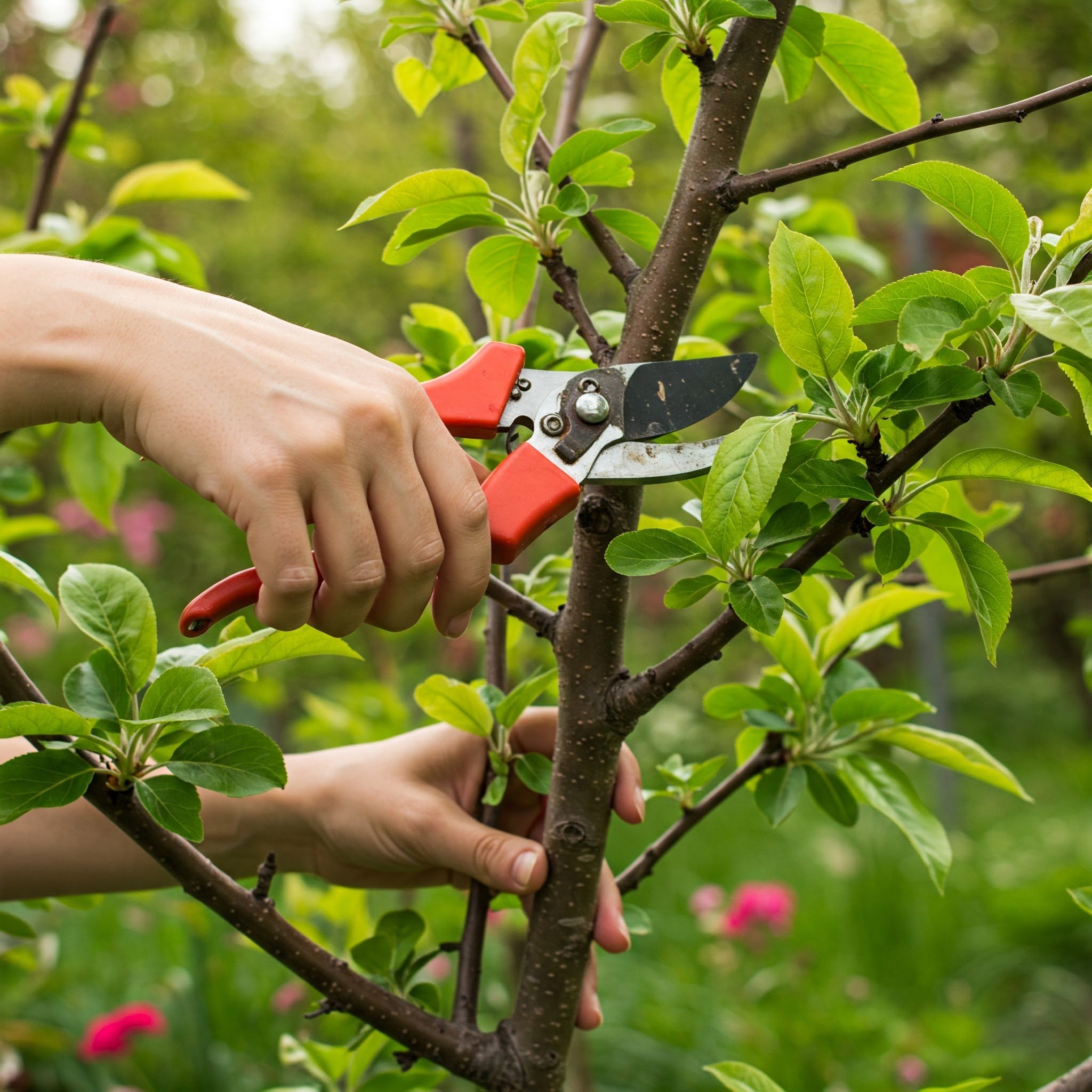
Wind acts on leaves, branches, and the overall crown. Selective pruning can reduce weight on weak or overextended limbs and address structural problems, although excessive thinning may create new stress and does not make a tree storm-proof. It's not topping or gutting the center. It is careful pruning based on species, structure, condition, and the tree's surroundings.
Deadwood removal addresses another common storm concern. Dead and broken limbs may be more likely to fall, potentially striking roofs or parked cars. A trained climber can assess likely deadwood through bark condition, buds, flex, and other signs, then cut appropriate limbs back to suitable points. You may not notice that weight until high wind shows where it could have landed.
Young trees need a different approach. Many nursery trees develop two leaders that can grow into competing trunks. Left alone, that fork may widen and trap bark inside. Ten years on, it could split under wind or load. Early structural pruning can favor one leader and shorten competing growth so the trunk develops a stronger form. An hour with hand tools now may reduce the need for more extensive work later.
Schedule appropriate work before storm season rather than waiting until a warning is posted. Crews often book quickly when a storm is named. A calm-day visit may offer more time for a careful inspection and planned work. You'll head into high winds knowing that identified weak wood has been addressed, while recognizing that no pruning can remove all storm risk.
Pests and daily care decide how long trees live
Insects and fungi can move faster than many homeowners expect. Emerald ash borer can cause extensive internal damage to ash trees while early canopy symptoms remain limited. Oak wilt can spread between nearby oaks through root grafts. A professional looks for indicators such as D-shaped exit holes, crown thinning, and patterns of wilt. Sprays are not always the first answer. Sanitation, timing, monitoring, or targeted treatment may be more appropriate depending on the diagnosis. That measured response is part of Integrated Pest Management in practical terms.
Daily care matters as much as treatment. Mulch helps hold moisture when it is kept broad and shallow. Piled against the trunk, it can trap moisture against bark and encourage decay or other problems. Deep watering during dry spells generally reaches more of the active root area than a frequent light sprinkle. Healthy, uncompacted soil also gives roots better access to air and water.
Older trees often sit in tired soil. Foot traffic and mowers can pack the upper layer hard. An arborist may use air tools to loosen that layer with less risk of cutting roots than conventional digging. A soil test can identify deficiencies rather than relying on assumptions. Small corrections like these may support the health and useful life of a mature tree, helping the canopy continue to provide shade and visual value.
A paper trail lowers your liability
Property owners may face questions if a tree injures someone or damages neighboring property. If a limb falls on a walker or a neighbor's fence, attention may turn to what you knew and what reasonable steps you took. A file containing dated visits, recommendations, and work notes can document ongoing care. It won't prevent every claim or determine legal responsibility, but it may show that you did not ignore an identified hazard. Insurers, attorneys, and neighbors may all find that record useful.
Storms generate many tree-related home claims. Adjusters may see repeated limb-on-roof reports after a major wind event. Notes showing previous inspections, pruning, and deadwood removal can provide useful context during those discussions. Records don't guarantee coverage or payment, yet they may help distinguish sudden storm damage from a condition that had been left unaddressed. Keep invoices and dated photos with your other home files.
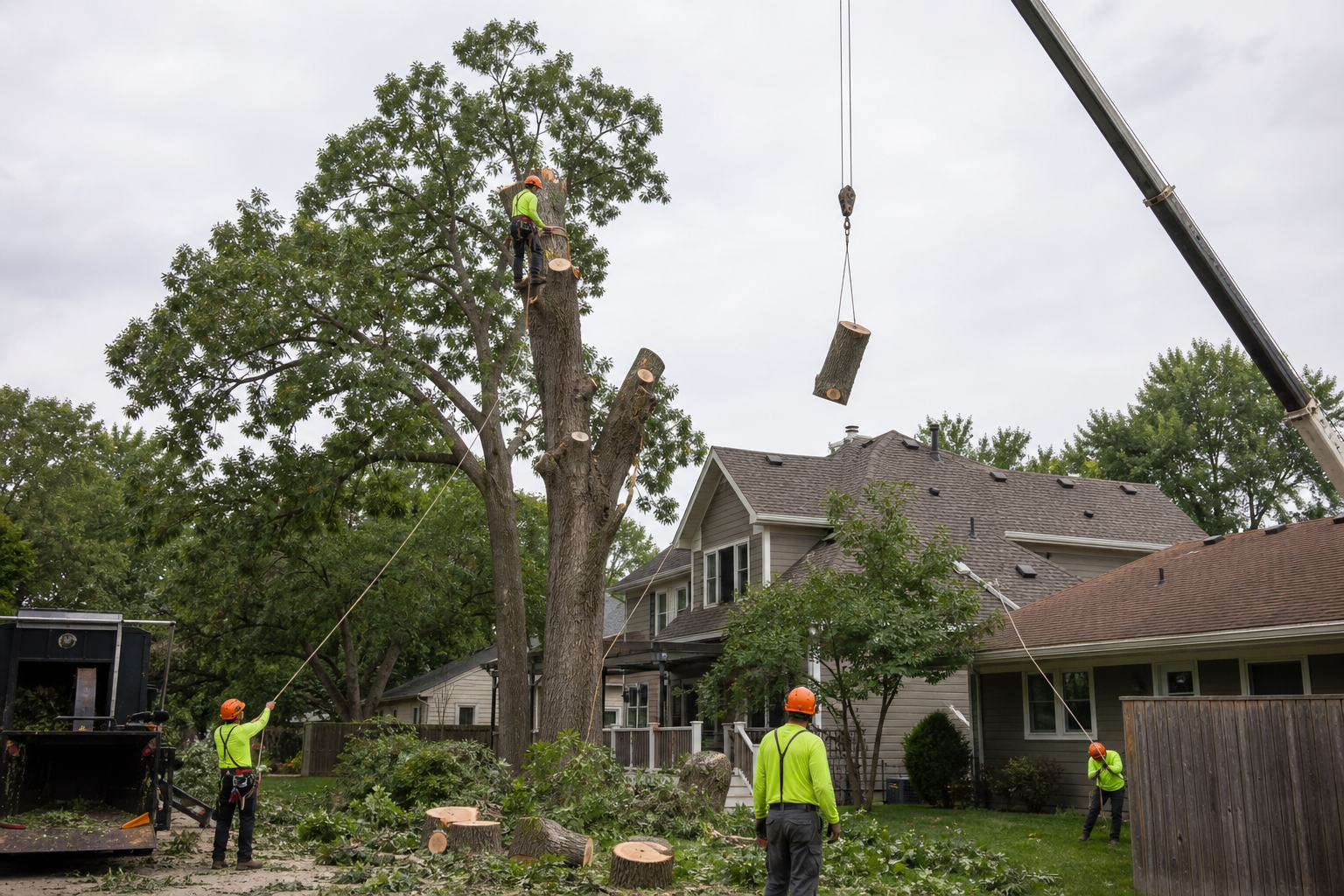
Money often points in the same direction. Routine visits may cost much less than an emergency job involving specialized equipment, difficult access, and urgent cleanup. A planned prune might require a small crew for a limited period, while a storm-damaged tree resting on a roof may need a crane and immediate attention. Actual costs vary, but planned care is usually easier to schedule and budget than emergency work.
What to ask before you hire and when to call fast
Ask who will do the work and what training supports the bid. Certification shows that the worker has met defined education and testing requirements. Insurance helps protect the parties if something goes wrong, although you should confirm current coverage. References from jobs involving large trees near houses can tell you more than price alone. It is also useful to see photos of previous cuts and ask how crews lowered limbs around roofs.
Get the plan in writing. The document should name the trees, describe the work, and explain how waste will leave the yard. It should include timing and cleanup responsibilities. It should also state who will obtain any required permit for street trees or protected size classes. Vague bids can lead to misunderstandings, poor cuts, or unexpected debris. Clear bids make it easier to compare one quote with another.
Rules vary by town and sometimes by neighborhood. Some streets require a permit to prune or remove a tree near the curb. Some properties are subject to size limits or protections for older trees. A responsible crew should check applicable requirements before cutting and pause work if approval is needed. That pause may protect you from fines, stop-work orders, and disputes with neighbors.
When a limb fails, call promptly and stay clear. Don't pull on hung limbs or climb with a saw. A storm crew will typically secure the immediate area before cutting material for removal. Photos can support your claim file when it is safe to take them. A follow-up visit can assess the remaining canopy for cracks or splits that opened in the wind but did not cause an immediate fall.
Trees can outlive roofs and paint when their site, species, and condition allow. A steady plan for inspections and appropriate work helps protect the home while preserving the yard's value. Start with one walk and build from there.