15 Tree Surround Ideas to Enhance Your Garden Design
Transform boring tree areas into garden showcases with 15 creative tree surround ideas. From living walls to zen gardens, beautify your yard!
What if those plain patches of dirt around your trees could become the crown jewels of your garden? That's exactly what smart tree surrounds deliver! These creative solutions turn forgotten spaces into design statements that'll make your neighbors wonder if you hired a professional landscaper. Think of tree surrounds as jewelry for your landscape, adding that perfect finishing touch that pulls everything together. Whether you're battling exposed roots, struggling grass, or just plain boredom, there's a tree surround solution that'll work like magic. From rustic country charm to sleek modern aesthetics, these ideas adapt to any style while solving common landscaping headaches. Ready to discover how a simple circle around your tree can completely transform your outdoor space into something extraordinary?
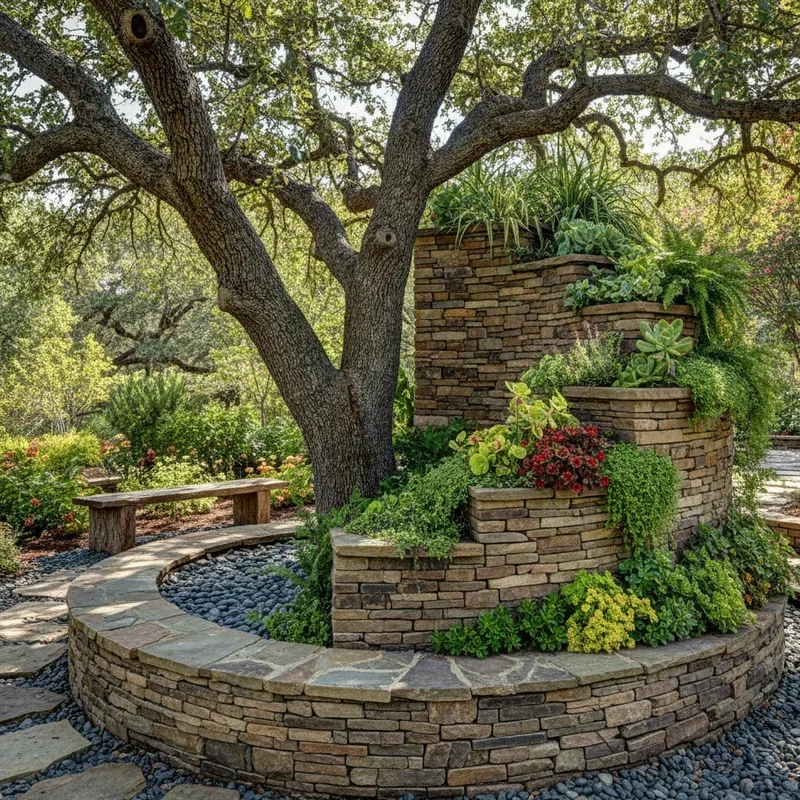
1. Design a Living Wall with Stacked Stone Planters
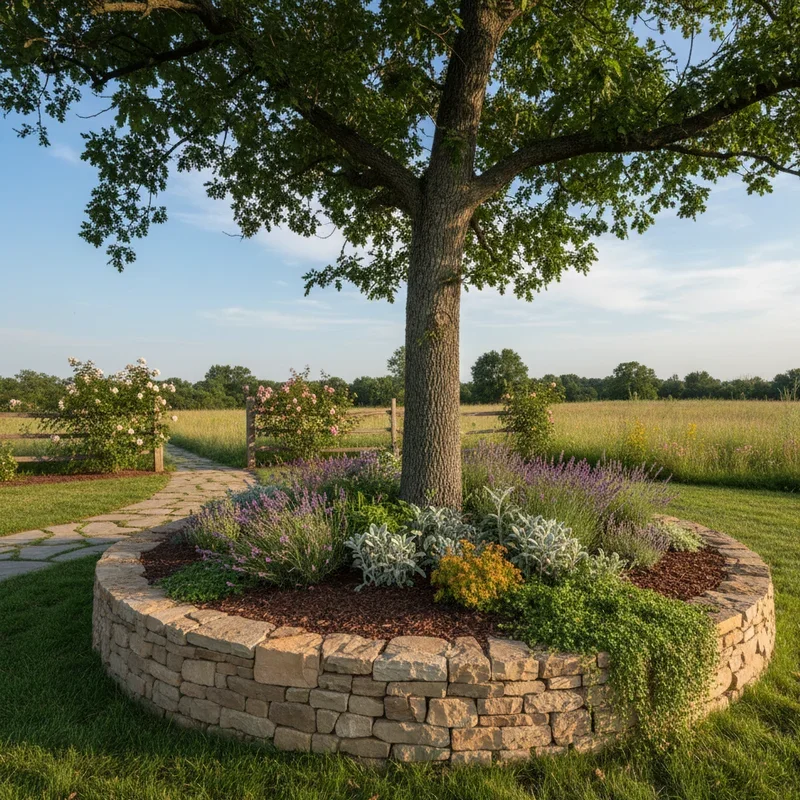
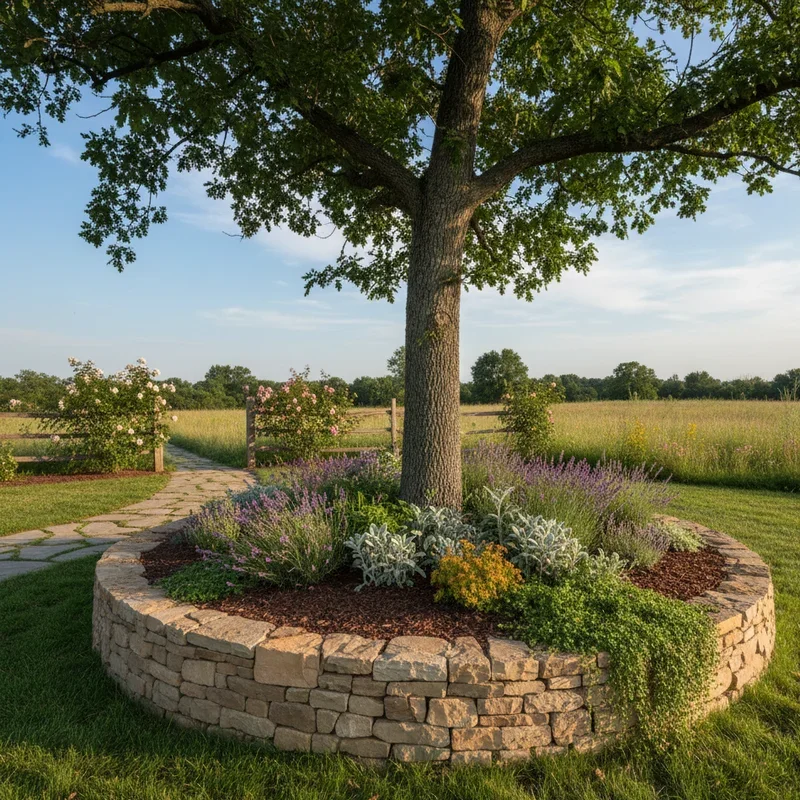
Transform your tree surround into a vertical garden masterpiece by building a circular stacked stone wall that doubles as a planter system. Stack flat stones or manufactured blocks without mortar, creating pockets and ledges where trailing plants can cascade down the sides. This technique adds instant height and drama while maximizing planting space in compact areas. Fill crevices with sedums, creeping thyme, and small ferns that'll soften the stone's hard edges over time. The wall's height should stay under 18 inches to avoid restricting airflow to the tree trunk. Choose stones that complement your home's architecture, whether that's rustic fieldstone or sleek granite. The thermal mass of stone moderates soil temperature, protecting both tree roots and planted companions. Your tree becomes the centerpiece of a living sculpture that changes with the seasons.
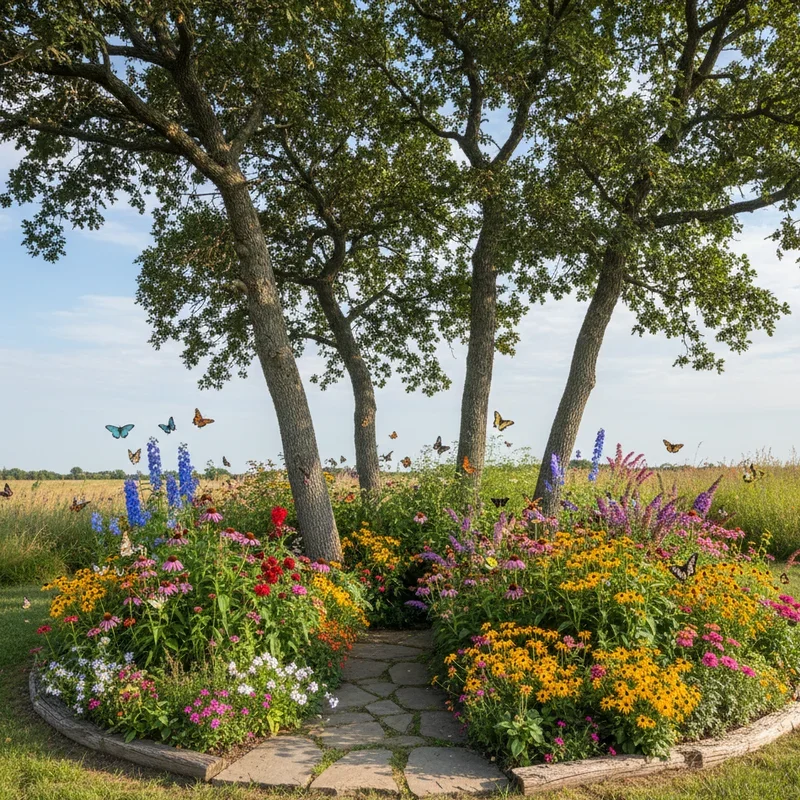
2. Create a Butterfly Garden Paradise Around Trees
Turn your tree base into a butterfly magnet by planting nectar-rich flowers that'll have these winged beauties dancing around your garden all summer long. Select shade-tolerant bloomers like impatiens, begonias, and coleus for areas under dense canopies, or sun-lovers like zinnias and marigolds for trees with sparse foliage. Include host plants where butterflies can lay eggs, such as milkweed for monarchs or parsley for swallowtails. Layer plants by height with taller varieties against the trunk and shorter ones cascading toward the lawn. Add a shallow puddling station using a terracotta saucer filled with sand and water for butterfly refreshment. Skip the pesticides entirely to maintain a safe haven for these delicate pollinators. Position a bench nearby to enjoy the aerial show. Your tree surround becomes a conservation effort disguised as gorgeous landscaping.
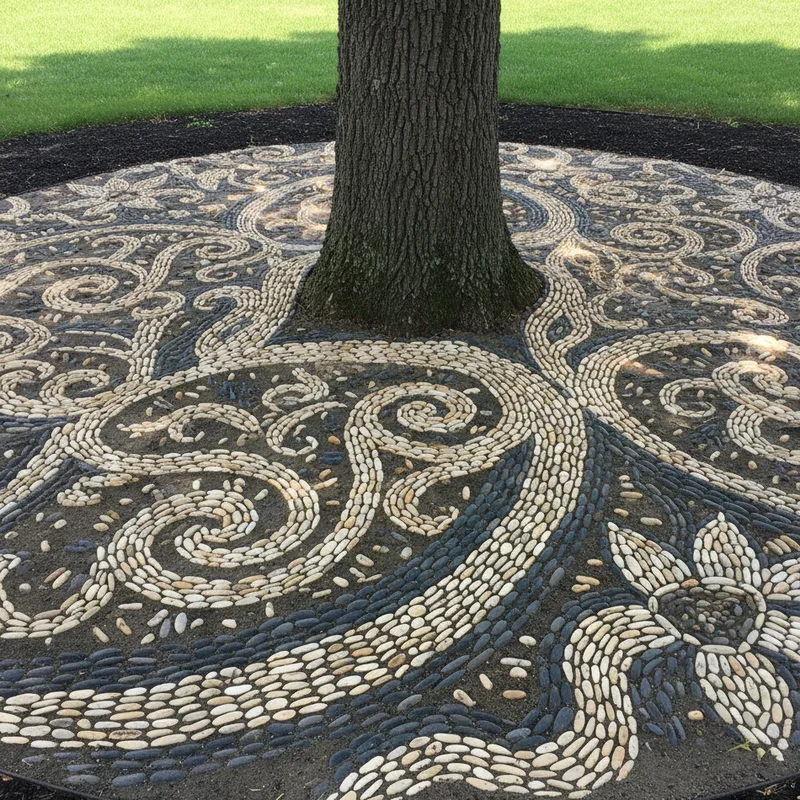
3. Install Decorative Pebble Mosaics for Artistic Flair
Express your creative side by designing intricate pebble mosaics that turn tree surrounds into outdoor art galleries. Sort pebbles by color and size, then arrange them in patterns ranging from simple spirals to elaborate mandalas. Set stones in sand or mortar depending on desired permanence and maintenance preferences. Incorporate different materials like glass marbles, shells, or ceramic pieces for added sparkle and texture. Create themes that reflect your personality, whether that's nautical waves, geometric patterns, or nature-inspired designs. The mosaic prevents weed growth while allowing water penetration to tree roots. Use glow-in-the-dark stones for magical nighttime effects that'll enchant visitors. This technique works especially well under specimen trees you want to highlight. Your tree surround becomes a conversation piece that showcases your artistic vision while solving practical landscaping challenges.
4. Build Multi-Level Terraced Gardens
Maximize planting space and create visual drama by constructing terraced levels that step down from your tree trunk like a botanical amphitheater. Each terrace ring offers different growing conditions, from dry upper levels perfect for succulents to moisture-retaining lower sections ideal for ferns. Build retaining walls using landscape timbers, stones, or decorative blocks, keeping each level 6-8 inches high for easy maintenance. Fill terraces with appropriate soil mixes tailored to your chosen plants' needs. This design naturally directs rainwater toward the tree while preventing erosion on slopes. Plant cascading varieties that'll spill from level to level, creating a waterfall effect of foliage and flowers. Include small solar lights on each terrace for stunning evening illumination. Your tree becomes the star of a theatrical garden display that adds incredible depth to flat landscapes.

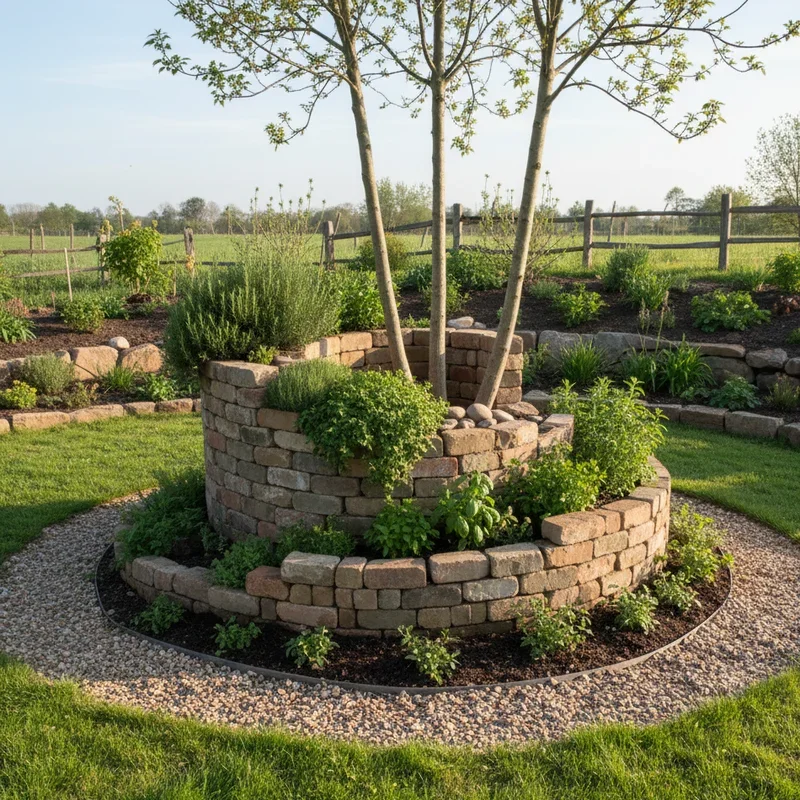
5. Establish an Herb Spiral Around Small Trees
Combine culinary function with garden beauty by spiraling an herb garden around smaller ornamental trees, creating a fragrant and useful tree surround. Build a raised spiral wall starting at ground level and gradually rising to about 2 feet, using stones or bricks for structure. The spiral design creates multiple microclimates, with Mediterranean herbs like rosemary and lavender thriving at the sunny, well-drained top while moisture-loving mint and parsley flourish at the bottom. Position your most-used herbs within easy reach from pathways. The varying heights make harvesting comfortable without bending or stretching. Include edible flowers like nasturtiums and violas for color and garnishing. Crusher fines or gravel paths between plantings keep herbs accessible and tidy. Your tree surround becomes a living spice rack that'll revolutionize your cooking while beautifying your garden.
6. Design a Rustic Log Border Surround
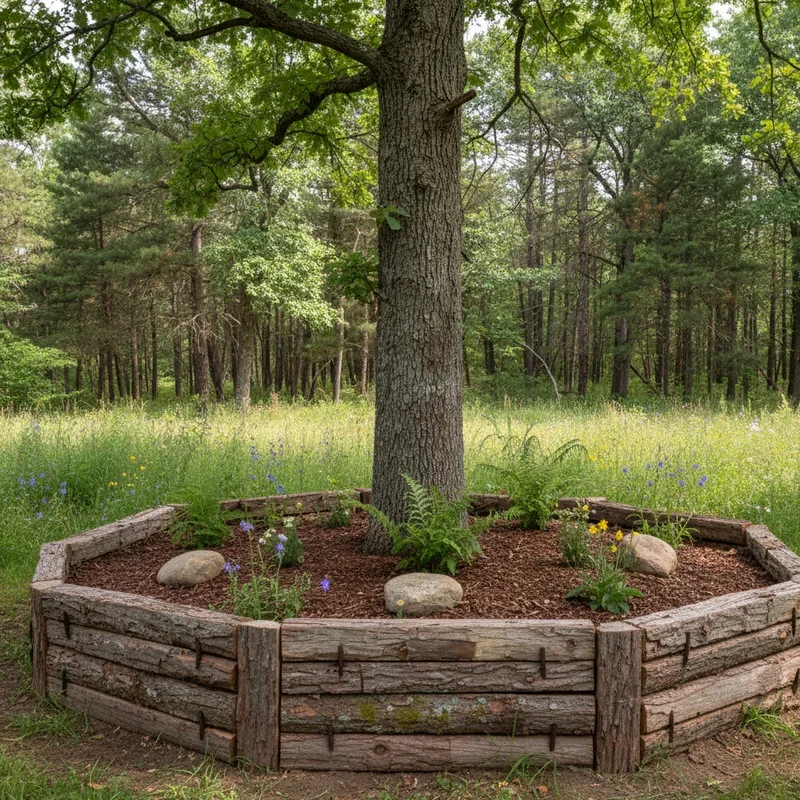
Embrace natural woodland charm by creating tree surrounds with log borders that look like they belong in an enchanted forest. Use uniform log sections standing vertically for a palisade effect, or stack horizontal logs cabin-style for a different aesthetic. Cedar or other rot-resistant woods last longest, though any hardwood works temporarily. Vary log heights for visual interest, creating an undulating border that mimics nature's randomness. Fill the interior with wood chips, pine needles, or forest-floor plants like trilliums and wild ginger. This design particularly suits native trees or woodland gardens where you want to maintain a natural appearance. The decomposing wood gradually enriches soil while providing habitat for beneficial insects. Add mushroom logs or fairy garden elements to enhance the woodland theme. Your tree surround becomes a slice of forest that brings wilderness magic to suburban settings.
7. Create a Wildflower Meadow Circle
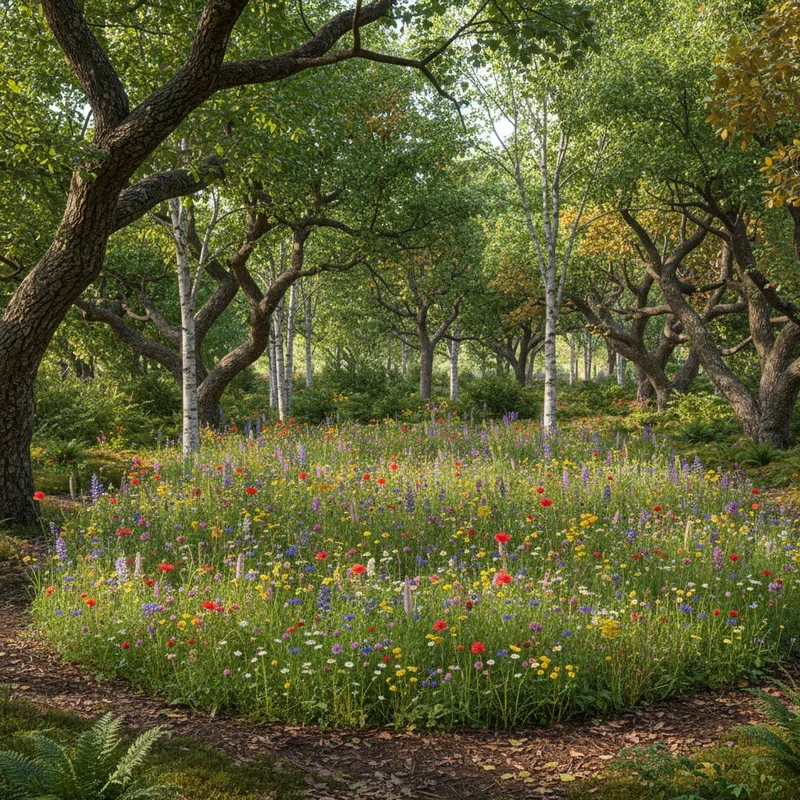
Let nature paint your tree surround by establishing a wildflower meadow that changes its masterpiece throughout the growing season. Choose native wildflower mixes appropriate for your tree's light conditions, whether full shade or partial sun. Prepare soil by removing grass and loosening compacted areas, then broadcast seeds in fall for spring germination. Include both annuals for quick color and perennials for long-term establishment. The informal meadow style requires minimal maintenance beyond annual mowing after seeds set. This approach supports local ecosystems while providing four-season interest through flowers, seed heads, and winter structure. Mix in native bunch grasses for movement and texture contrast. Your tree appears to rise from a natural prairie, creating a low-maintenance landscape that celebrates regional beauty while supporting biodiversity.
8. Install Modern Corten Steel Edging
Bring industrial chic to your garden with corten steel edging that creates clean, contemporary lines around trees while developing a gorgeous rust patina over time. This weathering steel starts silver and transforms to warm orange-brown, complementing both modern and traditional landscapes. Install 8-inch-deep edging for stability and root barrier effectiveness, creating perfect circles or organic curves as desired. The slim profile maximizes planting space while maintaining crisp definition between lawn and mulch areas. Fill surrounds with contrasting materials like white marble chips or black mulch for dramatic effect. Corten steel's durability means it'll outlast multiple plantings without replacement. Integrate LED strip lighting behind edging for a futuristic glow. Your tree surround becomes a sophisticated design element that ages beautifully, adding architectural interest that elevates your entire landscape's aesthetic.

9. Build a Tree Surround with Recycled Materials
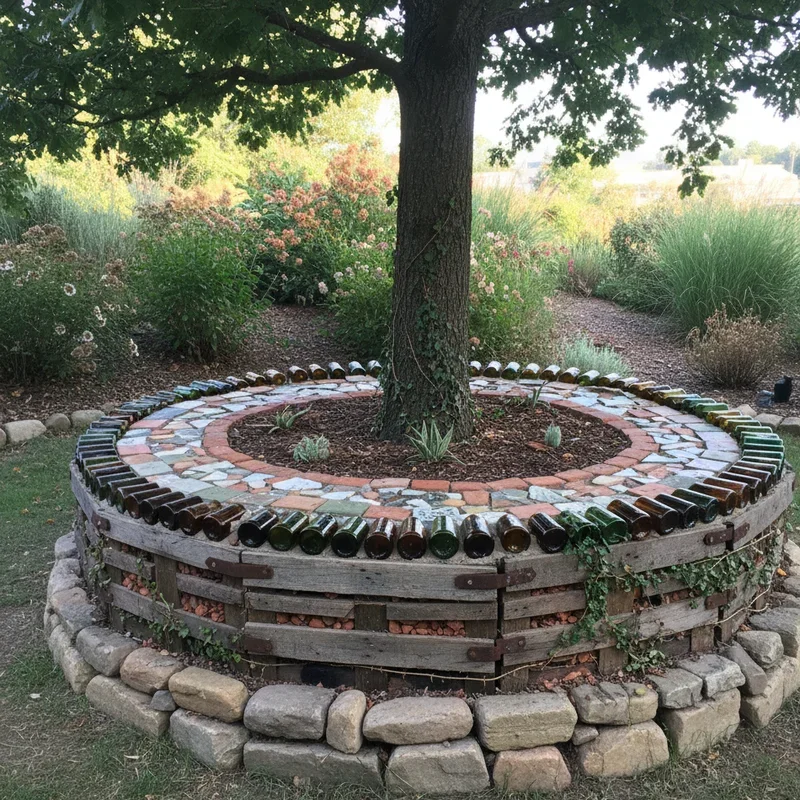
Turn trash into treasure by creating unique tree surrounds using repurposed materials that showcase environmental consciousness with style. Old wine bottles buried neck-down create colorful borders that catch sunlight beautifully. Broken ceramic tiles or dishes become mosaic masterpieces when arranged creatively. Recycled rubber mulch from old tires provides long-lasting, maintenance-free coverage in fun colors. Stack old bricks in interesting patterns for classic charm without the classic price tag. Repurpose concrete chunks from demolition projects as rustic retaining walls. Paint old tires and stack them for instant raised beds perfect for annual flowers. This approach reduces landfill waste while creating conversation-starting garden features. Each tree surround tells a story of creativity and resourcefulness. Your garden becomes a showcase of sustainable design that proves eco-friendly can be absolutely gorgeous.
10. Design a Mediterranean Gravel Garden
Transport yourself to the Greek islands by surrounding trees with Mediterranean-inspired gravel gardens that thrive on neglect. Lay landscape fabric to suppress weeds, then spread 2-3 inches of pea gravel or decomposed granite in warm, earthy tones. Plant drought-tolerant Mediterranean natives like lavender, santolina, and oregano directly through cuts in the fabric. Add larger accent rocks and perhaps a decorative urn for authentic regional flair. These plants release fragrant oils when brushed, creating an aromatherapy experience during garden strolls. The gravel mulch reflects heat, creating the warm microclimate Mediterranean plants crave. Minimal water requirements make this perfect for xeriscaping or water-conscious gardeners. Include a few ornamental grasses for movement and texture variety. Your tree surround becomes a slice of Tuscany that practically maintains itself while looking effortlessly elegant.

11. Create a Shade-Loving Perennial Border
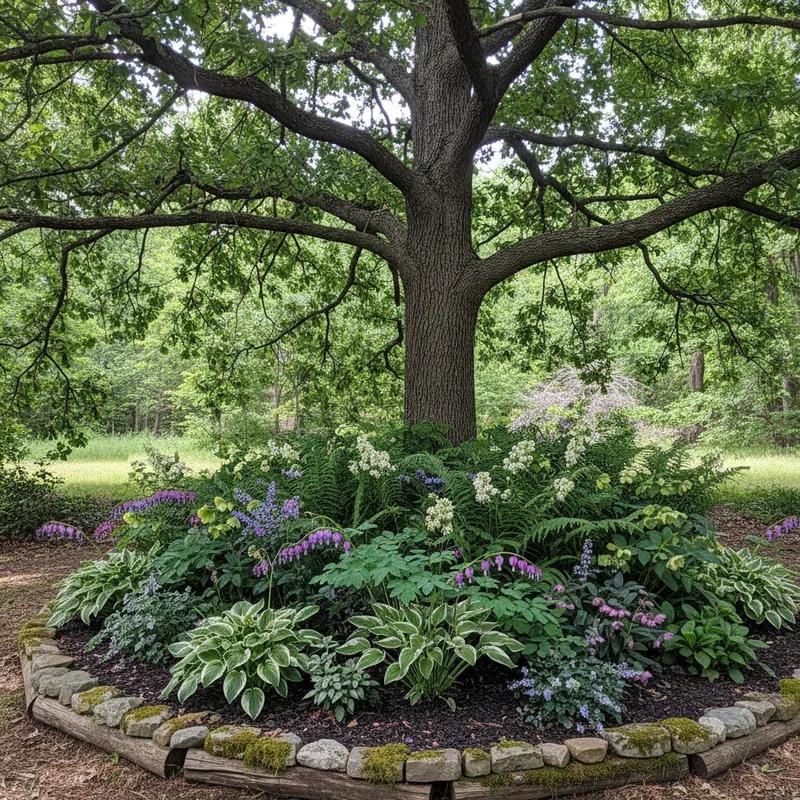
Embrace the shadows by surrounding trees with carefully chosen perennials that actually prefer the cooler, darker conditions others might see as challenging. Combine different leaf textures and shapes for interest when flowers aren't blooming, mixing broad hosta leaves with delicate fern fronds and grass-like liriope. Include flowering shade-lovers like astilbe, bleeding hearts, and hellebores for seasonal color pops. Layer plants from tallest against the trunk to shortest at the edges, creating natural-looking drifts rather than rigid rows. These perennials return stronger each year, eventually forming dense colonies that eliminate weeding. Choose varieties with different bloom times to ensure continuous interest. Many shade perennials offer stunning fall foliage as bonus features. Your tree surround evolves into a sophisticated tapestry that proves shade gardens can be just as spectacular as sunny borders.
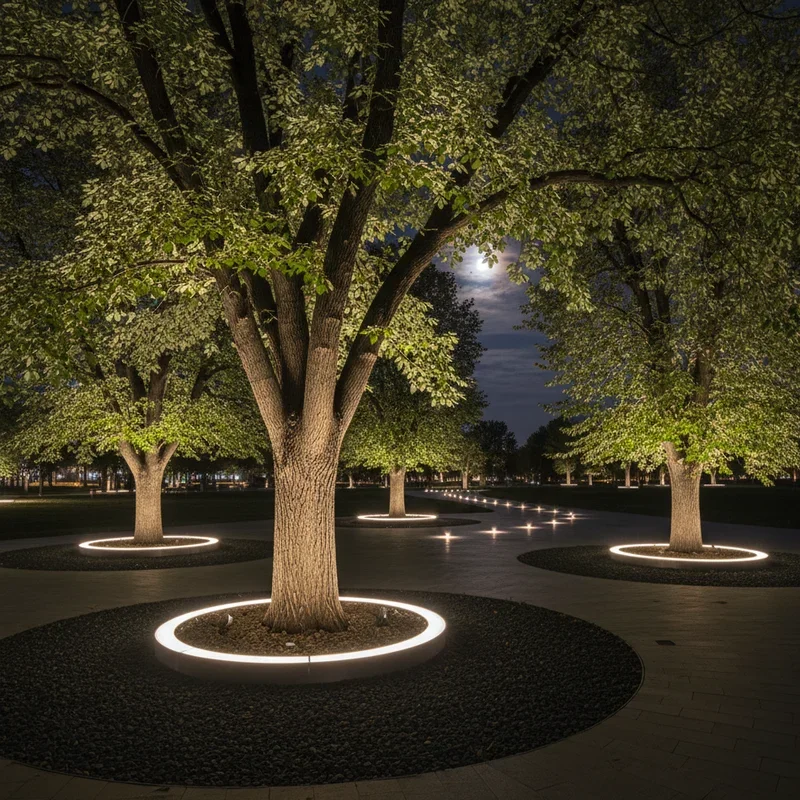
12. Install Illuminated Tree Surrounds for Night Appeal
Transform your trees into glowing garden sculptures by incorporating lighting that turns ordinary surrounds into magical nighttime destinations. Install rope lights or LED strips along edging for subtle outline illumination that defines spaces after dark. Uplight tree trunks with spotlights hidden among plantings to highlight bark texture and create dramatic shadows. Solar-powered stake lights scattered throughout planted areas charge daily for automatic evening ambiance. Color-changing LEDs let you customize moods for different occasions or seasons. Include pathway lighting around tree surrounds for safe navigation and inviting garden tours. Low-voltage systems provide bright illumination without astronomical electric bills. Timer controls automate the show so you never forget to flip switches. Your tree surrounds become enchanting focal points that extend garden enjoyment hours beyond sunset, creating an entirely different landscape personality after dark.
13. Build a Rain Garden Around Trees
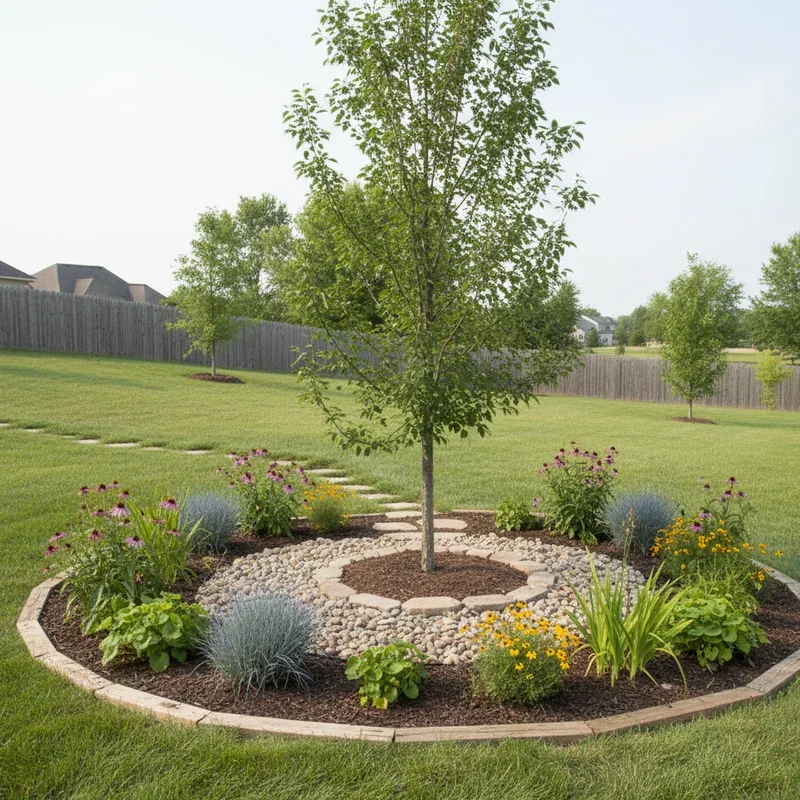
Solve drainage problems while creating beautiful tree surrounds by designing rain gardens that capture and filter stormwater runoff naturally. Excavate shallow depressions around trees, grading them to collect water from downspouts or sloped areas. Choose native plants adapted to both temporary flooding and dry periods, like cardinal flowers, blue flag iris, and switchgrass. These specialized gardens reduce erosion, recharge groundwater, and filter pollutants from runoff. Position overflow areas to direct excess water away from foundations during heavy storms. Mulch with shredded hardwood that won't float away during flooding. The varying moisture levels create diverse microhabitats supporting different wildlife species. Your tree surround becomes an ecological powerhouse that manages water sustainably while looking absolutely stunning. Plus, you'll feel great knowing your garden actively protects local waterways from pollution.
14. Design a Seasonal Color Rotation Display
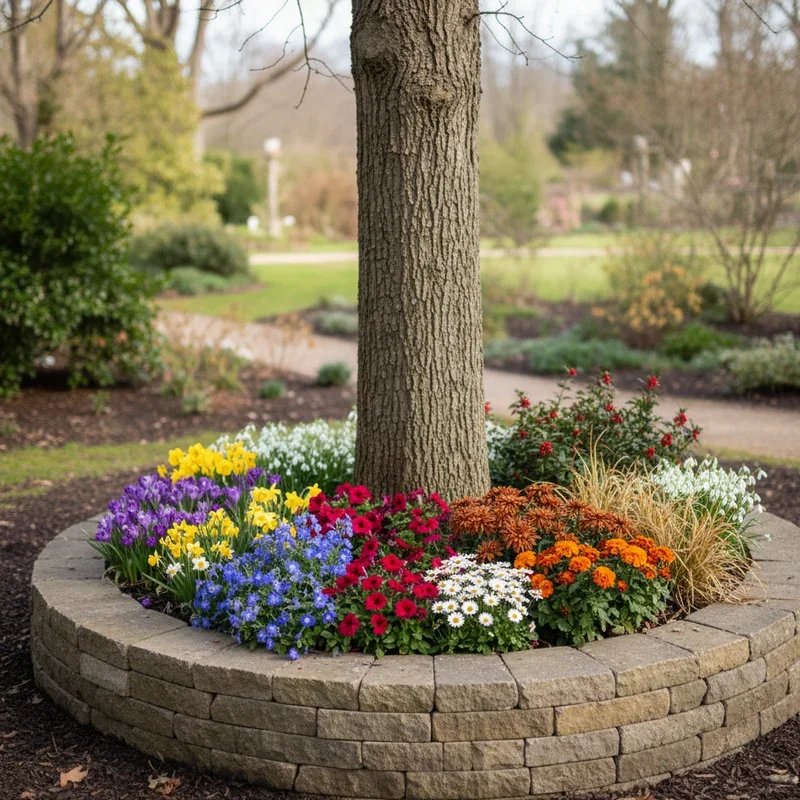
Keep your tree surrounds exciting year-round by planning displays that change dramatically with each season like nature's own slideshow. Spring bulbs emerge first, painting circles of yellow daffodils and purple crocuses. Summer annuals take over as bulb foliage fades, filling spaces with marigolds, petunias, or impatiens. Fall brings chrysanthemums, ornamental kales, and pansies in warm autumn hues. Winter features evergreen boughs, colorful stems from dogwood cuttings, and holiday decorations. Plan transitions carefully so something always looks good while other plants establish or decline. Use containers for quick seasonal swaps without disturbing permanent plantings. Include structural plants like ornamental grasses that look good year-round as your constant backdrop. Your tree surround becomes a calendar marking seasons with living color, ensuring your garden never has an off-season.
15. Create a Miniature Alpine Garden Setting
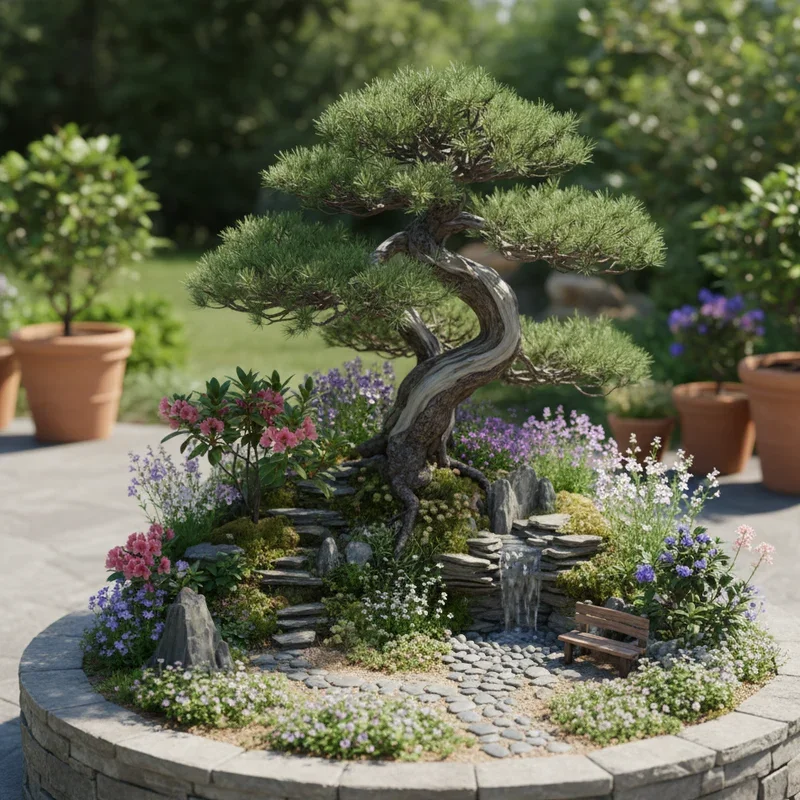
Transport your trees to mountainous heights by surrounding them with miniature alpine gardens that pack incredible diversity into compact spaces. Build raised mounds using gravelly, well-draining soil mix to replicate alpine conditions. Arrange rocks to create crevices and slopes that mimic natural mountain terrain. Plant tiny treasures like alpine phlox, saxifrage, and sempervivums that thrive in lean soil with excellent drainage. These diminutive plants form tight cushions and mats that look perfectly scaled to their miniature mountain setting. Include dwarf conifers for year-round structure and authentic alpine appearance. Top-dress with granite grit or decomposed granite for that high-altitude look. The detailed nature of alpine gardens makes them perfect conversation pieces near patios or walkways. Your tree surround becomes a fascinating miniature world that invites close inspection and never fails to charm visitors.
Conclusion
Tree surrounds offer endless opportunities to express creativity while solving common landscaping challenges around your trees. From practical rain gardens to whimsical fairy kingdoms, these 15 ideas provide inspiration for every style and situation. The perfect tree surround combines beauty with function, enhancing your garden's design while supporting tree health. Pick your favorite idea and start transforming those bare circles into stunning landscape features today!
Read next: How to Prune Trees Like a Pro? Tips and Techniques
Frequently Asked Questions
Q1: How large should a tree surround be in diameter?
A: Create surrounds extending to the tree's drip line or at least 3 feet out.
Q2: Will tree surrounds damage my tree's roots?
A: Properly installed surrounds with adequate space actually protect roots from mower damage.
Q3: What's the best mulch depth for tree surrounds?
A: Apply 2-4 inches of mulch, keeping it away from direct trunk contact always.
Q4: Can I plant grass in my tree surround?
A: Grass struggles under trees; groundcovers or mulch work better for tree health.
Q5: How do I prevent weeds in tree surrounds?
A: Use landscape fabric under mulch or plant dense groundcovers that outcompete weeds.