How to Plant an Acorn and Grow Your Own Oak Tree
Learn how to plant an acorn and grow your own oak tree with simple steps, expert tips, and troubleshooting advice for successful cultivation.
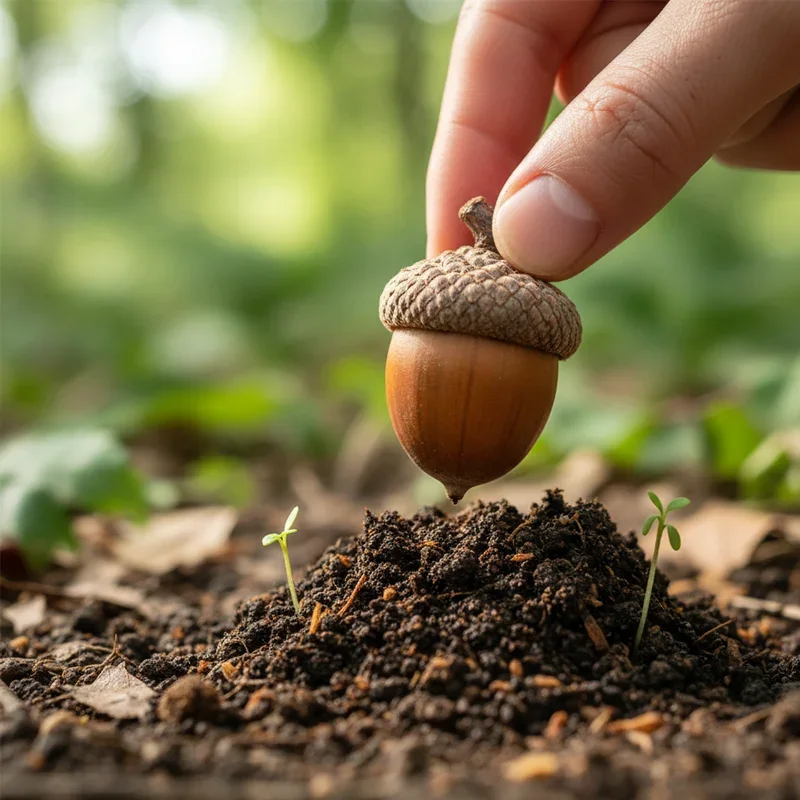
Ever looked at a magnificent oak tree and thought, "Wow, I'd love to grow one of those bad boys myself"? Well, guess what? You totally can! Starting with nothing more than a humble acorn, you've got the power to create something that'll outlive your great-great-grandchildren. Talk about leaving a legacy, right?
Growing an oak tree from an acorn isn't rocket science, but boy, does it teach you patience! While your neighbor's zipping around with instant gratification from their flower garden, you're playing the long game here. And honestly? There's something magical about nurturing a tiny acorn into a tree that might stand for centuries. Whether you're looking to add shade to your yard, create a wildlife haven, or just want the satisfaction of growing something truly spectacular, I'm gonna walk you through every single step of this incredible journey.
Understanding Oak Trees and Their Acorns
The Amazing World of Oak Species
Before diving into the nitty-gritty of planting, let's talk oak varieties! With over 600 species worldwide, you've got options galore. In North America alone, we're blessed with beauties like the white oak, red oak, pin oak, and bur oak. Each one's got its own personality, growing habits, and acorn characteristics.
White oaks, bless their hearts, produce sweet acorns that germinate in fall. Red oaks? They're the rebels, with bitter acorns that wait until spring to sprout. Knowing which type you're dealing with makes a huge difference in your planting strategy!
What Makes a Good Acorn
Not all acorns are created equal, folks! Walking through the woods collecting every acorn you see? That's not gonna cut it. You need the cream of the crop, the pick of the litter, the absolute best specimens for planting success.
Here's what you're looking for:
Heavy, plump acorns that feel substantial in your hand
No visible cracks, holes, or damage
Caps that come off easily (or have already fallen off)
A nice, uniform color without dark spots
That satisfying weight that says "I'm full of potential!"
When and Where to Collect Acorns
Timing Is Everything
Timing your acorn collection perfectly? That's half the battle won! Generally speaking, you want to collect acorns as soon as they fall from the tree. We're talking early to mid-fall for most species, though some eager beavers drop their seeds a bit earlier.
Fresh acorns have the best germination rates, hands down. Those that've been lying around for weeks? They're probably already drying out or hosting uninvited guests (read: weevils). Get out there right after a good wind storm, and you'll find the motherload!
Prime Collection Spots
Looking under healthy, mature oak trees is your best bet. Parks, nature preserves, and even your neighbor's yard (with permission, of course!) make excellent hunting grounds. Avoid trees near busy roads though; those acorns might've absorbed pollutants you don't want in your future tree.
Pro tip: Bring a bucket and some friends! Acorn hunting's actually pretty fun when you make it a social activity. Plus, many hands make light work, as they say.
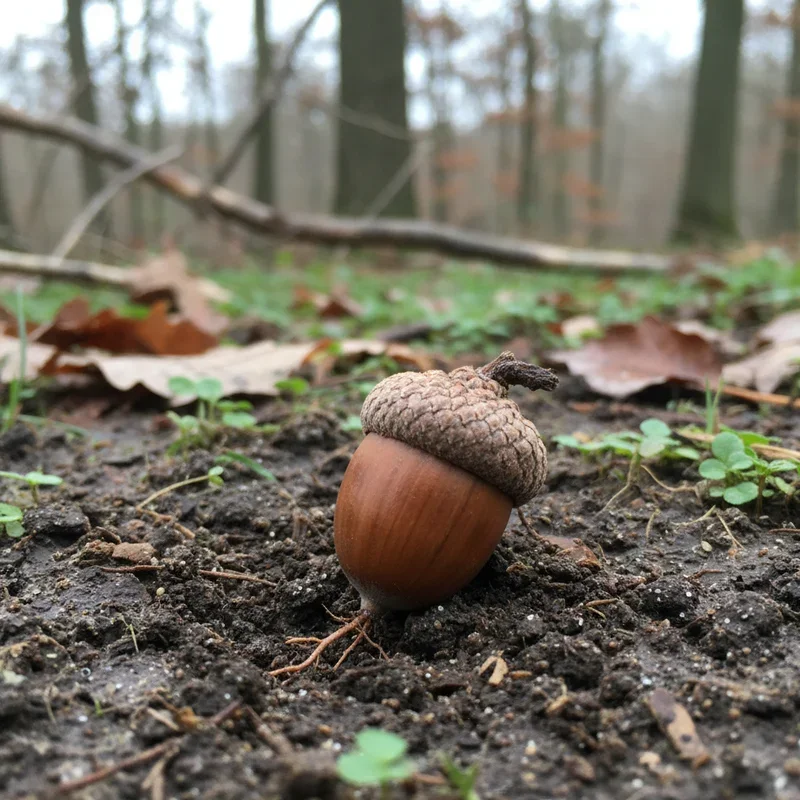
How to Plant an Acorn and Grow Your Own Oak Tree: The Preparation Phase
The Float Test Method
Alright, you've got your acorn collection. Now what? Time for the famous float test! Fill a bowl with water and dump your acorns in. The sinkers? They're keepers. The floaters? Chuck 'em. They're either damaged or dried out beyond salvation.
This simple test weeds out about 30% of collected acorns typically. Better to know now than waste time planting duds, right?
Checking for Viability
Even sinkers need a closer inspection. Gently crack one or two open (sacrifice for the greater good!). Inside, you should see creamy white or yellowish meat. Brown or black insides? That's a no-go. Also, watch for tiny holes that indicate weevil damage. These little buggers can ruin your whole batch if you're not careful!
Cold Stratification Process
Here's where things get interesting! Many oak species, especially white oaks, need a cold period to germinate properly. This process, called stratification, mimics winter conditions.
Simply put your acorns in a plastic bag with slightly moist (not soaking!) peat moss or paper towels. Pop 'em in the fridge for 30 to 60 days, checking periodically for mold or excessive moisture. Red oak acorns? They often need this treatment more than white oaks, which might sprout immediately.
Planting Methods and Techniques
Direct Planting Outdoors
Feeling brave? Plant those acorns directly where you want your oak tree to grow! This method's as natural as it gets, though success rates might be lower due to hungry squirrels and unpredictable weather.
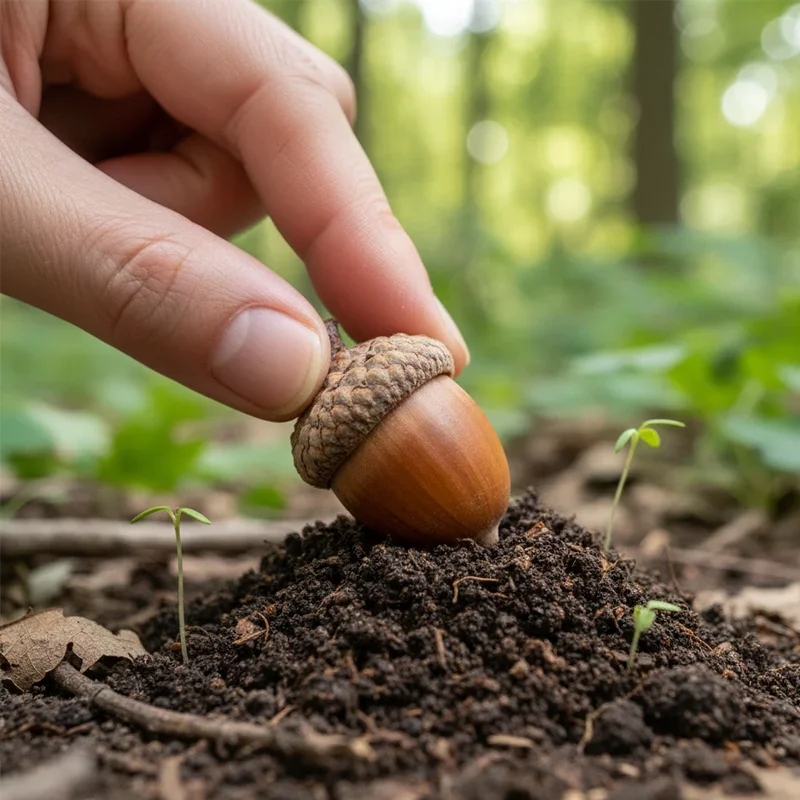
Dig a hole about 1 to 2 inches deep, plop your acorn in sideways (yeah, sideways!), and cover with soil. Mark the spot with a stake 'cause trust me, you'll forget where you planted it otherwise. Water gently and wait for spring magic!
Container Planting for Better Control
Most folks prefer starting acorns in containers, and honestly? I don't blame 'em! You've got way more control over growing conditions, and those pesky critters can't steal your future trees.
Use deep containers (at least 12 inches) with drainage holes. Oak trees develop tap roots faster than you can say "photosynthesis," so depth matters more than width initially. Fill with quality potting mix, plant your acorn 1 inch deep, and keep the soil consistently moist but not waterlogged.
Indoor vs. Outdoor Germination
Starting indoors gives you a jump on the growing season, especially in colder climates. Place containers near a sunny window or under grow lights. Once that little green shoot appears (oh, what a glorious day!), you're officially an oak parent!
Outdoor germination in containers works great too. Just protect them from extreme cold and foraging animals. A simple wire mesh cover does wonders for keeping squirrels at bay.
How to Plant an Acorn and Grow Your Own Oak Tree: Essential Care Guidelines
Watering Requirements
Young oak seedlings are thirstier than you'd think! While mature oaks are drought-tolerant champions, babies need consistent moisture. Water when the top inch of soil feels dry, usually every few days for container plants.
Overwatering's just as bad as underwatering though. Yellow leaves and soggy soil? You're drowning the poor thing! Brown, crispy leaves? Time to up your watering game. Finding that sweet spot takes practice, but you'll get the hang of it.
Sunlight and Temperature Needs
Oak seedlings crave sunlight like teenagers crave their phones! They need at least 4 to 6 hours of direct sunlight daily. Less than that? You'll get a leggy, weak seedling struggling to survive.
Temperature-wise, most oaks are pretty chill (pun intended!). They handle cold winters and hot summers like champs once established. Seedlings need a bit more protection from extremes though. Bring container plants inside if temperatures drop below 20°F or soar above 95°F.
Soil Preferences
Oaks aren't too picky about soil, but they definitely have preferences! They love:
Well-draining soil (standing water's their enemy)
Slightly acidic to neutral pH (6.0 to 7.0)
Rich organic matter for nutrients
Deep soil for their extensive root systems
Clay soil? Add some compost to improve drainage. Sandy soil? Mix in organic matter to retain moisture. It's all about creating that Goldilocks zone: not too wet, not too dry, just right!
Transplanting Your Young Oak Tree
When to Transplant
Knowing when to move your oak from container to ground is crucial! Generally, wait until your seedling's about 6 to 12 inches tall with a well-developed root system. This usually happens in their first or second year.
Spring or fall transplanting works best. The weather's mild, rainfall's typically adequate, and your tree's not stressed by extreme temperatures. Avoid summer transplanting unless you enjoy playing plant ICU nurse!
Choosing the Perfect Location
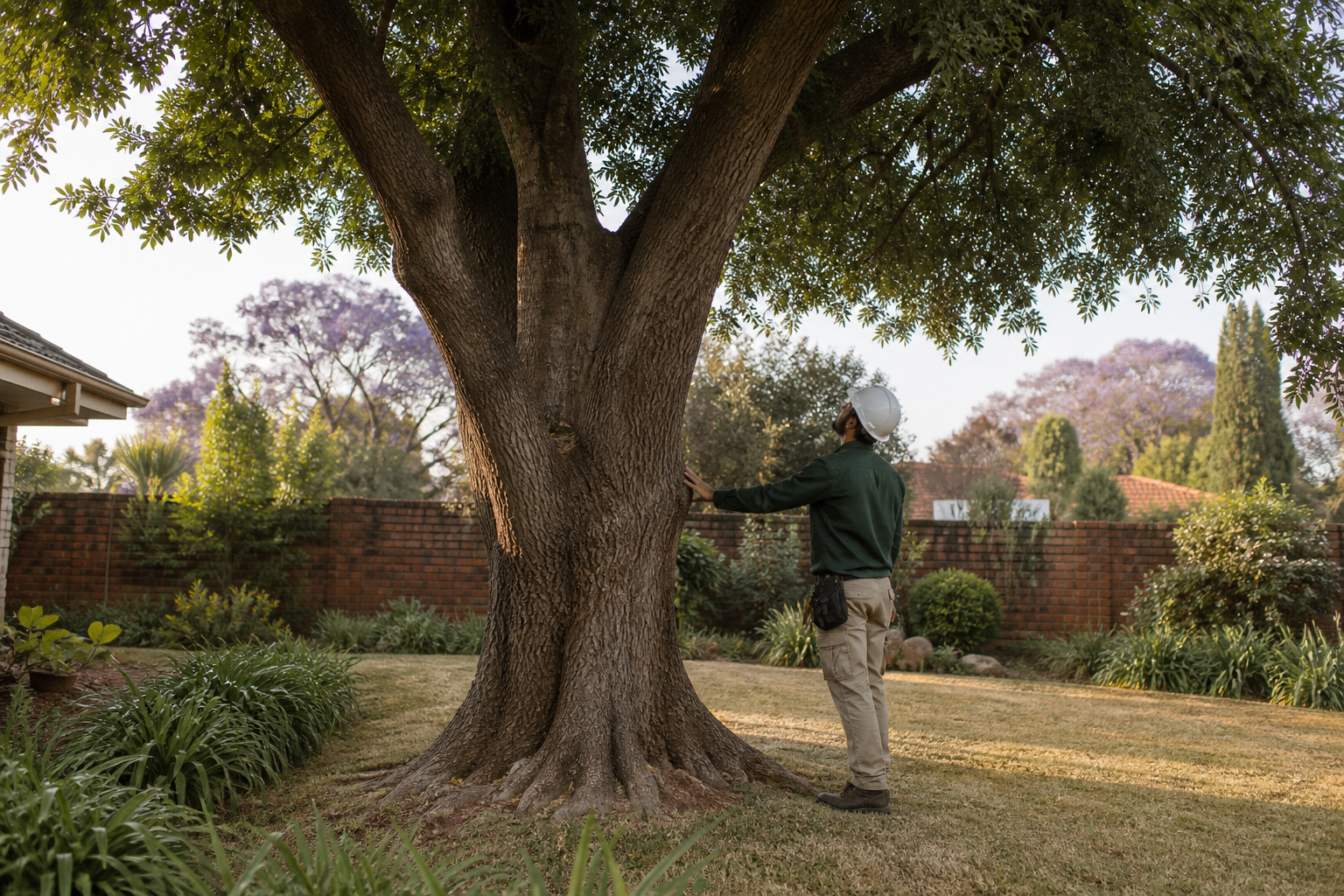
Location, location, location! Your oak tree's permanent home needs careful consideration. Think long-term here; that cute little seedling will eventually spread 50 to 80 feet wide!
Consider these factors:
Distance from structures (at least 20 feet from houses)
Power line clearance (seriously, this is important!)
Soil drainage and quality
Sun exposure throughout the day
Future shade patterns
Transplanting Step-by-Step
Ready for the big move? Here's how to do it right:
Dig a hole twice as wide as the root ball but only as deep
Carefully remove the seedling from its container
Loosen any circling roots gently
Place in hole at the same depth it was growing
Backfill with native soil (no amendments needed!)
Water thoroughly to eliminate air pockets
Mulch around the base, keeping it away from the trunk
Common Problems and Solutions
Dealing with Pests
Oh boy, pests love young oak trees! Aphids, caterpillars, and borers might show up uninvited. Regular inspection's your best defense. See something munching on leaves? A strong water spray often does the trick for aphids. Caterpillars? Hand-picking works for small infestations.
For serious pest problems, neem oil or insecticidal soap provides organic control. Chemical pesticides? Save those for absolute emergencies. You're growing a wildlife tree here; let's keep it nature-friendly!
Disease Prevention
Oak wilt, powdery mildew, and root rot can strike young trees. Prevention beats treatment every time! Proper watering, good air circulation, and avoiding trunk wounds go a long way.
See suspicious spots or wilting leaves? Act fast! Remove affected parts, improve growing conditions, and consider organic fungicides if necessary. Sometimes, despite our best efforts, trees get sick. That's nature for ya!
Environmental Stressors
Drought, floods, late frosts, surprise heatwaves... Mother Nature loves throwing curveballs! Young oaks need extra protection during extreme weather. Shade cloth during heatwaves, frost blankets during cold snaps, and consistent watering during droughts help tremendously.
Wind damage? Stake young trees loosely, allowing some movement for trunk strength development. Too tight staking creates weak, dependent trees that'll struggle later.

Long-term Care and Maintenance
First Five Years
These early years are make-or-break time! Your oak needs:
Regular watering during dry spells
Annual feeding with balanced fertilizer
Pruning of dead or damaged branches
Weed control around the base
Winter protection in harsh climates
Think of yourself as a helicopter parent for these first few years. Once established though, you can relax and let nature take over!
Pruning Guidelines
Pruning young oaks shapes their future form. Remove competing leaders, crossing branches, and dead wood. But don't go crazy with the pruning shears! Over-pruning stresses trees and invites disease.
Best pruning time? Late winter or early spring before bud break. Avoid fall pruning; it stimulates new growth that won't harden before winter.
Growth Expectations
Patience, grasshopper! Oaks aren't speed demons. Expect 1 to 2 feet of growth annually once established. Some species grow faster (pin oak), others slower (white oak). Your tree won't produce acorns for 20 to 30 years typically. Yeah, it's a long wait, but imagine the satisfaction when it finally happens!
Benefits of Growing Your Own Oak Tree
Environmental Impact
Growing an oak tree? You're basically an environmental superhero! One mature oak can:
Absorb 48 pounds of CO2 annually
Produce enough oxygen for two people
Prevent soil erosion with extensive roots
Filter air pollutants naturally
Cool surrounding areas by up to 9°F
Wildlife Support
Oak trees are like five-star hotels for wildlife! They support more life forms than any other North American tree. Birds, squirrels, insects, and even fungi depend on oaks. You're not just growing a tree; you're creating an entire ecosystem!
How to Plant an Acorn and Grow Your Own Oak Tree: Troubleshooting Guide
Even with perfect care, problems pop up. Yellowing leaves might indicate iron deficiency in alkaline soils. Slow growth could mean competition from grass or insufficient sunlight. Leaf drop in summer? Probably drought stress.
Don't panic when issues arise! Most problems have solutions, and oaks are surprisingly resilient once they get going. Online forums, local extension offices, and arborist consultations provide valuable troubleshooting help.
Conclusion
Growing an oak tree from an acorn connects you to nature in the most profound way imaginable. While it requires patience, dedication, and occasional problem-solving, the reward of watching your tiny acorn transform into a mighty oak is absolutely priceless. Years from now, sitting under your oak's shade, you'll remember that incredible journey from seed to giant and feel proud of creating something truly lasting for generations.
Read next: How to Plant Strawberries for a Sweet Harvest
Frequently Asked Questions
Q1: How long does it take an acorn to germinate?
A: Typically 4 to 6 weeks, though some species sprout within days after planting.
Q2: Can I grow an oak tree in a container permanently?
A: Not recommended; oaks need space for their extensive root systems to develop properly.
Q3: When's the best time to plant acorns?
A: Fall planting works best, mimicking natural conditions and allowing winter stratification outdoors.
Q4: Do all acorns need cold stratification?
A: No, white oak acorns often germinate immediately, while red oaks typically require it.
Q5: How deep should I plant my acorn?
A: Plant acorns 1 to 2 inches deep, or twice the acorn's diameter generally.