Planting for Wildlife Without Losing Refinement
Create a wildlife friendly garden that remains calm and refined. Learn how thoughtful structure, layered planting and restrained colour can support biodiversity without losing elegance.

Interest in wildlife friendly gardens has grown rapidly in recent years. Concerns around biodiversity loss and climate resilience have encouraged many people to rethink how their gardens function, not just how they look. Yet for some, the idea of planting for wildlife still conjures images of unruly growth, visual clutter and spaces that feel more neglected than intentional.
In reality, gardens can support wildlife while remaining calm, composed and refined. The key lies in understanding that ecology and design are not opposing forces. When planting is guided by structure, proportion and purpose, it can offer richness for wildlife without sacrificing clarity or elegance.
Structure Comes First
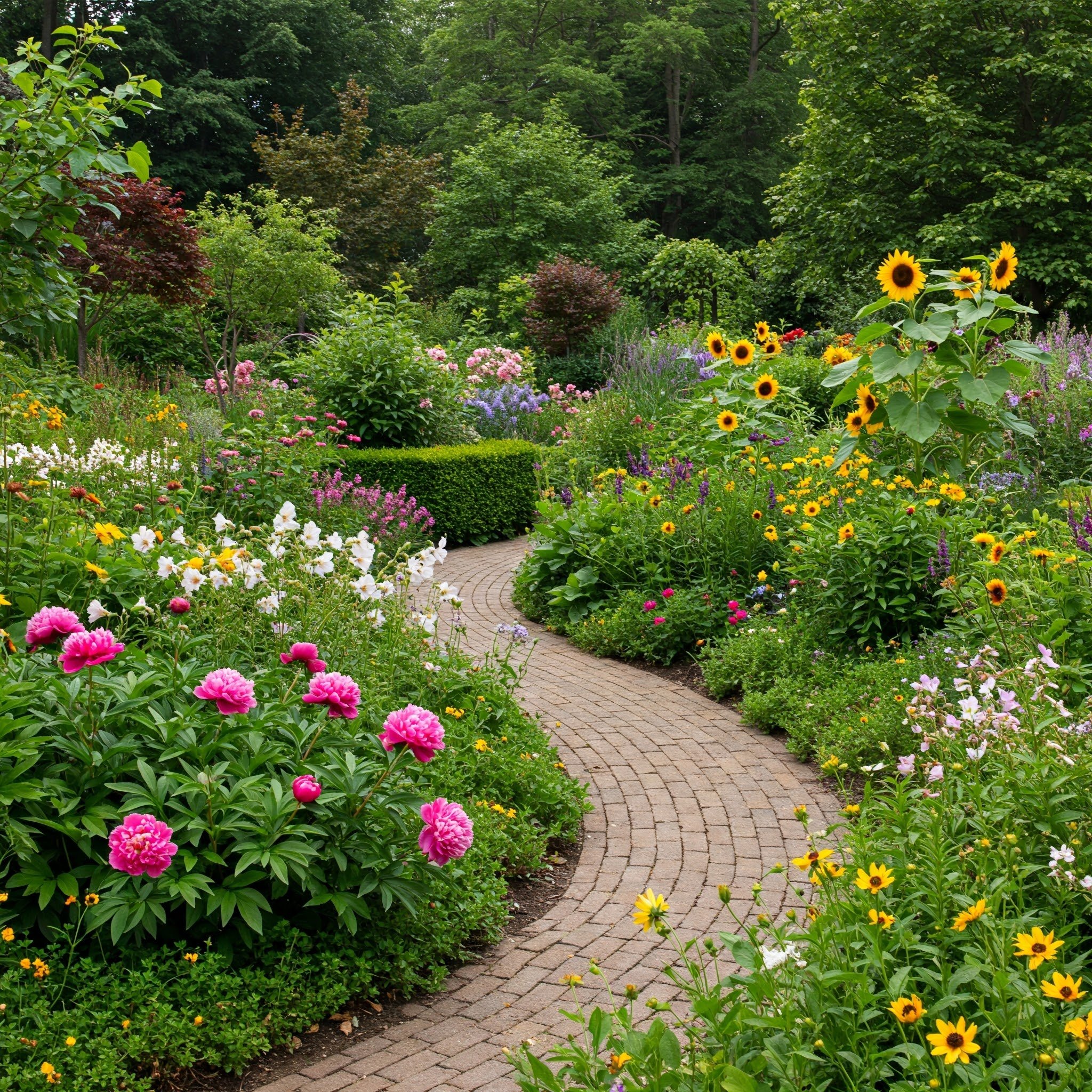
Whether you are planning a garden design in Warwickshire, Oxfordshire or Gloucestershire, refinement in a garden begins with structure. Before thinking about individual plants, it is important to establish a clear framework of paths, boundaries and spatial definition. This structure gives the eye something to settle on and creates a sense of order that allows looser planting to sit comfortably within it.
Hedges, walls, terraces and strong planting shapes act as anchors. Within these boundaries, wildlife friendly planting can thrive without overwhelming the space. A clearly defined edge makes even the most naturalistic planting feel intentional rather than accidental.
This balance between containment and freedom is fundamental. When structure is absent, wildlife planting can appear chaotic. When structure is present, it feels generous and alive.
Choosing Plants With Purpose
Planting for wildlife does not mean choosing plants at random. A refined approach considers how each plant contributes visually, ecologically and seasonally. Form, texture and longevity matter just as much as nectar or seed value.
Many plants that support insects and birds are also highly ornamental. Grasses provide shelter and movement. Perennials with open flower forms offer nectar while maintaining lightness. Shrubs with berries or hips add structure and seasonal interest long after flowering has finished.
Plant choice should also respond to soil, light and moisture. Plants that are well suited to their conditions require less intervention and are more resilient. Healthy plants are far more valuable to wildlife than those constantly struggling to survive.
Layers Create Habitat and Depth
One of the most effective ways to support wildlife without losing refinement is through layered planting. In natural landscapes, plants grow in communities, with ground cover, mid level planting and canopy working together. This layering creates habitat while also adding visual depth.
In a garden setting, this might include ground covering plants that protect soil and provide shelter, perennials and grasses that offer pollen and movement, and shrubs or small trees that give structure and nesting opportunities.
When layers are clearly defined and repeated throughout the garden, the result feels cohesive rather than busy. Repetition is particularly important. Using a limited palette of plants, arranged in generous groups, creates rhythm and calm while still offering ecological benefit.
Colour With Restraint
Colour plays a powerful role in how a garden is perceived. Wildlife planting is often associated with bold, mixed colours, but this approach is not always necessary or desirable.
Refined gardens often rely on a restrained colour palette. Greens, silvers, soft whites and muted tones create a calm backdrop that allows form and texture to take precedence. Occasional colour can then be introduced deliberately, rather than everywhere at once.
This approach benefits wildlife too. Many pollinators are drawn to simple, open flowers rather than highly bred or overly complex forms. Subtle planting can be just as effective ecologically as it is visually.
Accepting Seasonal Change
A garden planted for wildlife will look different throughout the year, and this change should be embraced rather than avoided. Seedheads, dried stems and fallen leaves provide food and shelter through autumn and winter, while also contributing texture and structure.
Refinement does not require constant tidiness. Instead, it comes from knowing what to leave and what to remove. Selective editing, rather than wholesale cutting back, allows the garden to retain its shape while continuing to support wildlife.
This seasonal rhythm brings depth and authenticity to a garden. It reflects natural cycles rather than resisting them, which is often where a sense of calm and maturity emerges.
Maintenance as Stewardship
Wildlife friendly gardens still require maintenance, but the focus shifts from control to stewardship. Tasks such as dividing perennials, thinning self seeded plants and managing growth help maintain balance without stripping away value.
Regular observation is essential. Understanding how plants interact, spread and respond to conditions allows informed decisions rather than reactive ones. Over time, this leads to a garden that becomes easier to manage, not harder.
Refinement is maintained through thoughtful intervention rather than constant correction.
A Composed Approach to Nature
Planting for wildlife does not mean surrendering design intent. When approached with care, it results in gardens that feel richer, more layered and more alive than purely ornamental schemes.
The most successful examples feel generous rather than wild, intentional rather than improvised. They offer moments of stillness alongside movement, structure alongside softness.
By prioritising structure, choosing plants with purpose and allowing space for natural processes, it is possible to create gardens that support wildlife while remaining composed and enduring. These spaces offer not only ecological value, but also a deeper, more lasting connection between people and the landscapes they inhabit.