How to Grow a Lotus Flower Indoors: Step-by-Step Guide
Master how to grow a lotus flower indoors with our step-by-step guide. Learn germination, care tips, and secrets to beautiful blooms.
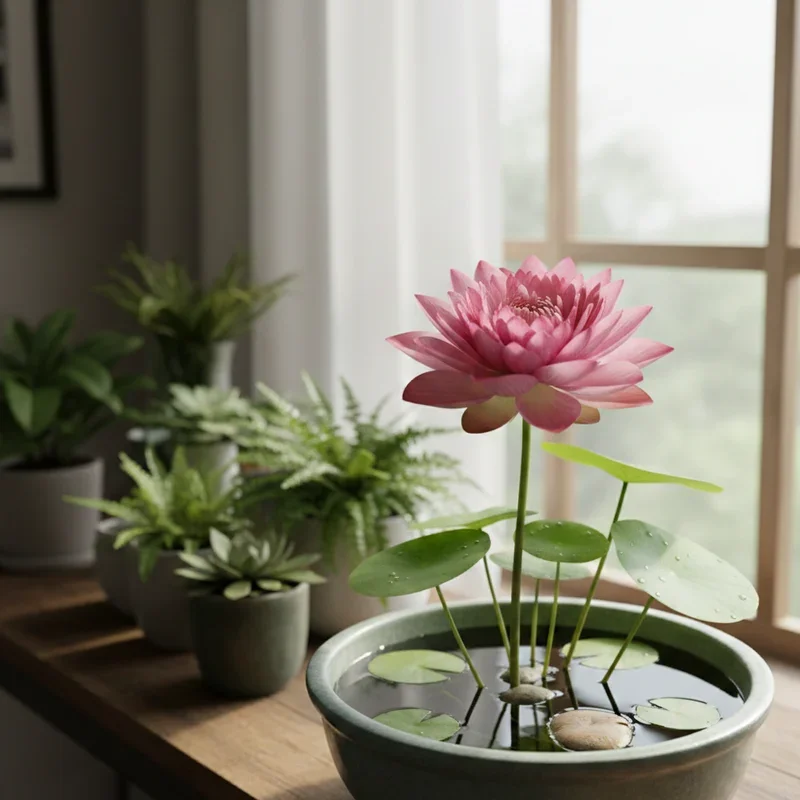
There's something almost magical about lotus flowers, isn't there? These ancient beauties have captivated humans for thousands of years, symbolizing purity, enlightenment, and rebirth across countless cultures. Rising from muddy waters to bloom in pristine perfection, the lotus has become one of the most revered plants on our planet.
Now here's the exciting part. You don't need a backyard pond or tropical climate to grow these spectacular flowers. With the right approach and a bit of patience, you can cultivate your very own lotus right in your living room, bedroom, or sunlit kitchen corner. Sounds impossible? Trust me, it's absolutely achievable.
Growing lotus indoors does come with its unique challenges, I won't pretend otherwise. These aquatic wonders have specific needs that differ dramatically from your typical houseplant. But once you understand what makes them tick, you'll find the process surprisingly rewarding and honestly not as complicated as you might imagine.
The journey from tiny seed to breathtaking bloom is one that teaches patience, nurtures mindfulness, and ultimately rewards you with flowers that few indoor gardeners ever attempt. There's real satisfaction in watching those first leaves unfurl on the water's surface, knowing you created the perfect conditions for something so extraordinary.
This comprehensive guide on how to grow a lotus flower indoors will walk you through every stage of the process. From selecting the right variety to troubleshooting common problems, we've got you covered. So let's dive in and discover how you can bring this ancient symbol of beauty into your home.
Understanding Lotus Plants Before You Begin
Before getting your hands dirty (or should I say wet?), understanding what you're working with sets the foundation for success.
The Difference Between Lotus and Water Lilies
Here's something that trips up many newcomers. Lotus and water lilies are completely different plants, despite often being confused with each other. Lotus leaves stand tall above the water on sturdy stems, while water lily pads float flat on the surface. Lotus flowers also rise above the foliage, creating that iconic elevated bloom we all recognize.
Why does this matter? Because care requirements differ significantly between these two aquatic beauties. If you're specifically after lotus, make sure you're purchasing actual lotus seeds or tubers, not water lily varieties being mislabeled by less scrupulous sellers.
Choosing the Right Variety for Indoor Growing
Not all lotus varieties play nice with indoor cultivation. Standard lotus plants can grow absolutely massive, with leaves reaching several feet tall and requiring enormous containers. These giants simply won't work in most home settings.
Bowl lotus or miniature lotus varieties are your best friends for indoor growing. These compact cultivars stay much smaller while still producing those gorgeous, characteristic blooms. Look for varieties specifically bred for container growing such as Momo Botan, Bowl of Beauty, or Perry's Super Star.
Dwarf varieties typically reach heights between twelve and twenty-four inches, making them manageable for tabletop or floor containers. They'll still need decent-sized pots, but nothing that'll take over your entire living room.
How to Grow a Lotus Flower Indoors: Step-by-Step Guide Starting with Seeds
Starting from seeds offers an incredibly satisfying experience, though it requires more patience than purchasing established tubers.
Preparing Your Lotus Seeds
Lotus seeds have incredibly hard outer shells that can remain viable for centuries. In fact, scientists have germinated lotus seeds over a thousand years old. While this durability is remarkable, it also means seeds won't sprout without some help breaking through that tough exterior.
The scarification process involves carefully filing or sanding one end of the seed until you see a lighter layer beneath the dark outer coating. Focus on the pointed end of the seed, not the dimpled end where the embryo sits. You're creating a doorway for water to enter and kickstart germination.
Use a metal file, sandpaper, or even concrete to gently wear away the shell. Stop as soon as you see the cream-colored layer underneath. Going too deep damages the embryo inside and ruins your seed.
The Germination Process
Fill a clear glass or jar with warm water, ideally around 75 to 80 degrees Fahrenheit. Drop your scarified seeds into the water and place the container somewhere warm with indirect light.
Now comes the exciting part. Within days, you'll notice the seeds beginning to swell as they absorb water. Viable seeds should show signs of sprouting within a week, sometimes even sooner. Change the water daily to prevent bacterial growth and keep things fresh for your emerging seedlings.
Those first small shoots emerging from the seeds are genuinely thrilling to watch. The initial leaves look nothing like mature lotus foliage. They're small, coin-shaped, and float on the water's surface. Don't panic if they seem underwhelming at first. The spectacular standing leaves come later.
Transplanting Seedlings
Once your seedlings have developed several floating leaves and show healthy root growth, they're ready for transplanting into their permanent containers. This typically happens about two to three weeks after germination.
Gently transfer seedlings to prepared growing containers, being extremely careful with delicate roots. Lotus roots are surprisingly fragile and don't appreciate rough handling. Damaged roots often spell doom for young plants, so take your time with this step.
Setting Up the Perfect Indoor Growing Environment
Your lotus needs specific conditions to thrive indoors. Getting the environment right makes the difference between struggling plants and stunning specimens.
Container Selection
Forget drainage holes for this project. Lotus plants live in water, so you need containers that hold water, not release it. Wide, shallow containers work better than tall, narrow ones because lotus roots spread horizontally.
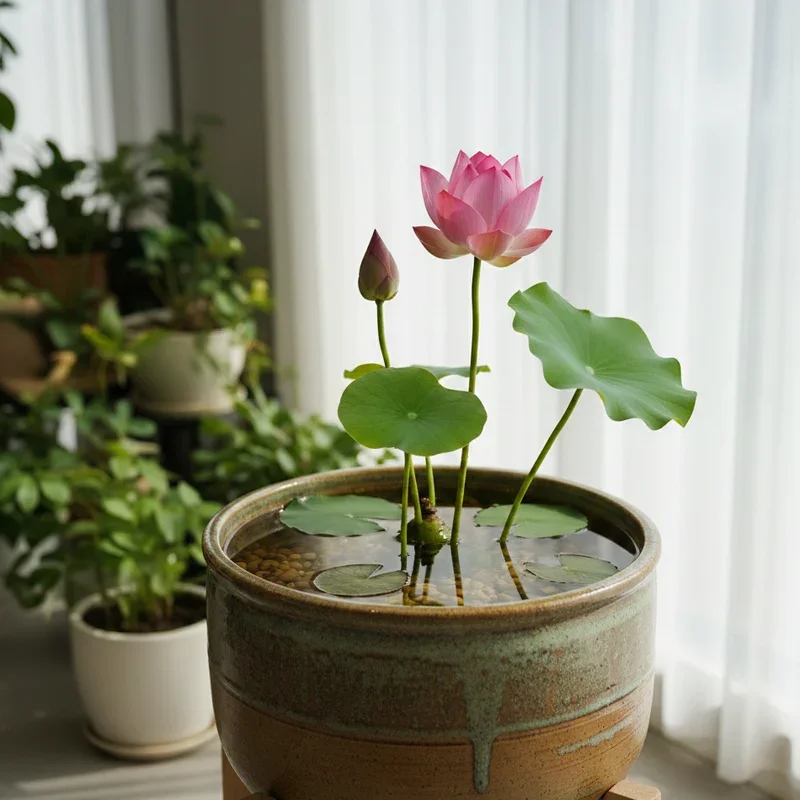
For dwarf varieties, start with containers at least twelve inches in diameter and eight inches deep at minimum. Larger is generally better, though you'll need to balance plant needs against available space. Some indoor lotus growers use decorative ceramic bowls, large plastic tubs, or even repurposed whiskey barrels.
Dark-colored containers help absorb heat, which lotus plants appreciate. They also hide algae growth better than clear or light containers, keeping things looking neat without constant cleaning.
Soil Requirements
Regular potting soil won't cut it here. Lotus plants prefer heavy, clay-based soil that stays put underwater without floating away or creating murky conditions. Look for aquatic plant soil specifically formulated for pond plants.
Alternatively, mix your own using heavy garden soil without added fertilizers, perlite, or organic matter that might decompose and foul the water. Some growers use plain clay kitty litter (unscented and without additives) mixed with regular topsoil.
Fill your container about one-third full with soil, then gently place your seedling or tuber on top. Cover the roots lightly while leaving any growing tips exposed. Never bury lotus growing points under soil, as this causes rot.
Water Depth Management
Lotus plants require specific water depths at different growth stages. Young plants prefer shallower water, just a few inches above the soil surface. As plants mature, you can gradually increase water depth.
For established indoor lotus, maintain water levels between four and eight inches above the soil. Too deep and young leaves struggle to reach the surface. Too shallow and roots may overheat or dry out between waterings.
Use room temperature water, preferably dechlorinated. Tap water that's been sitting out overnight works fine, or use filtered water if your municipal supply is heavily treated.
Light Requirements for Indoor Lotus Success
Here's where many indoor lotus attempts fail miserably. These plants absolutely crave sunlight, and meeting their light needs indoors takes serious consideration.
Natural Light Considerations
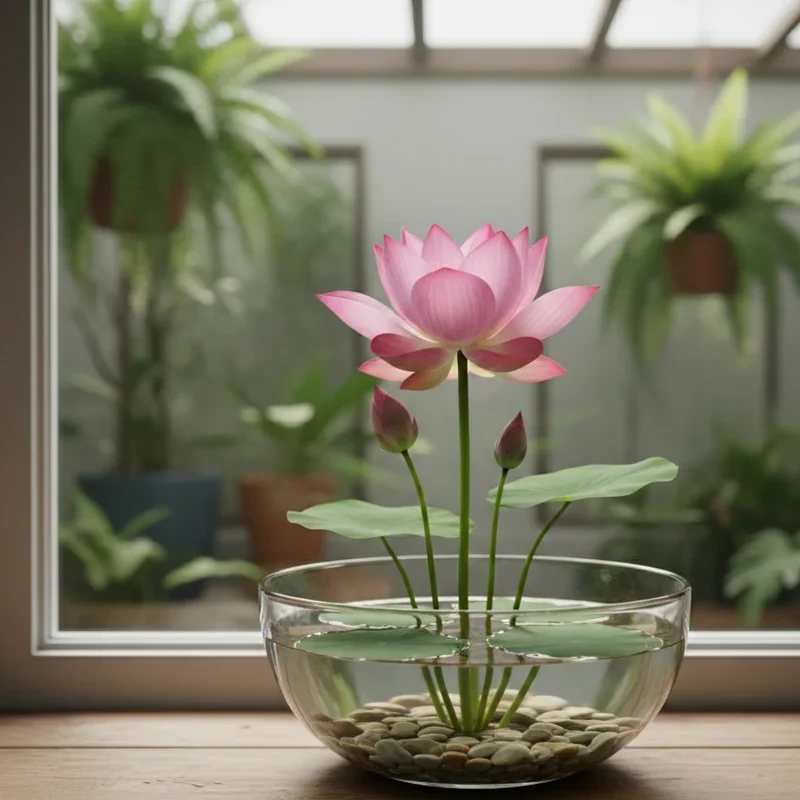
Lotus plants need a minimum of six hours of direct sunlight daily. Eight hours or more is even better, especially if you want blooms rather than just foliage. This isn't negotiable or something you can fudge with "bright indirect light."
South-facing windows offer the best natural light in the Northern Hemisphere. Place your lotus container as close to the glass as possible, rotating occasionally for even growth. East and west exposures can work but may result in fewer blooms.
During winter months, reduced daylight often triggers dormancy in lotus plants. This natural rest period isn't necessarily bad, but if you're hoping for year-round growth, supplemental lighting becomes essential.
Supplemental Grow Lights
Full-spectrum LED grow lights transform indoor lotus growing from challenging to achievable. Position lights twelve to eighteen inches above your plants and run them for ten to fourteen hours daily.
High-output lights designed for flowering plants work best. Standard household bulbs or weak grow lights simply won't provide enough intensity for healthy lotus development. Think of this as an investment in your plant's success rather than an optional accessory.
Many successful indoor lotus growers use a combination of natural window light and supplemental artificial lighting. This approach ensures consistent light exposure regardless of weather, season, or your home's orientation.
Temperature and Humidity Needs
Lotus plants hail from warm climates and appreciate conditions that reflect their tropical origins.
Maintaining Proper Temperatures
Daytime temperatures between 75 and 85 degrees Fahrenheit promote active growth and encourage blooming. Lotus plants can tolerate somewhat cooler conditions but growth slows significantly below 70 degrees.
Water temperature matters even more than air temperature for lotus cultivation. The water surrounding roots should stay consistently warm. Placing containers near sunny windows helps naturally warm the water, though some growers use small aquarium heaters during cooler months.
Avoid placing lotus containers near air conditioning vents, drafty windows, or anywhere temperatures fluctuate dramatically. Consistent warmth keeps plants happy and stress-free.
Creating Adequate Humidity
Most homes aren't humid enough for lotus plants, especially during winter when heating systems dry the air considerably. While lotus live in water, their above-surface foliage appreciates ambient humidity levels around 50 percent or higher.
Grouping plants together creates beneficial microclimates with elevated humidity. Placing containers on trays filled with pebbles and water adds moisture to the immediate area without oversaturating the growing medium.
Occasional misting helps but isn't a complete solution. Humidifiers running in your growing area make a much bigger difference for humidity-loving plants like lotus.
How to Grow a Lotus Flower Indoors: Step-by-Step Guide to Feeding and Maintenance
Once established, lotus plants need regular care to maintain their health and encourage those coveted blooms.
Fertilizing Your Indoor Lotus
Lotus plants are surprisingly heavy feeders, especially during active growing seasons. However, fertilizing aquatic plants requires different approaches than traditional container gardening.
Use fertilizer tablets designed specifically for aquatic plants. Push these tablets into the soil near roots monthly during spring and summer. Avoid liquid fertilizers that dissolve into the water, promoting algae growth while potentially burning delicate roots.
Look for fertilizers with balanced ratios or those formulated specifically for flowering aquatic plants. Too much nitrogen produces lush foliage at the expense of blooms. Phosphorus-heavy formulas encourage flower development.
Water Quality Management
Maintaining clean water keeps plants healthy and your indoor water garden looking attractive. Change about one-quarter of the water weekly, replacing with fresh, dechlorinated water at room temperature.
Algae growth is practically inevitable but manageable. Removing dead leaves promptly, avoiding overfeeding, and ensuring proper light levels all help minimize algae problems. Small aquatic snails can help control algae naturally without harming your lotus.
Watch for mosquito larvae if you're growing lotus near open windows during warmer months. A few drops of vegetable oil on the water surface suffocates larvae, or consider adding a small fish like a betta to your container if size permits.
Pruning and Leaf Care
Remove yellowing or dying leaves at the base of their stems using clean scissors. Dead vegetation decomposing in the water degrades water quality and encourages fungal problems.
Healthy leaves need no pruning, though you can thin overly dense foliage to improve air circulation and light penetration. The plant itself does most of the work maintaining proper leaf populations.
Wipe dust from leaf surfaces occasionally with a damp cloth. Dusty leaves can't photosynthesize efficiently, especially important when indoor light levels are already borderline adequate.
Troubleshooting Common Problems
Even with perfect care, issues sometimes arise. Knowing what to look for helps you address problems before they become catastrophic.
Yellowing Leaves
Some yellowing is normal as older leaves age out and get replaced. Widespread yellowing across multiple leaves suggests problems including nutrient deficiencies, inadequate light, or root rot.
Check water quality and fertilization schedules first. Then assess whether your plant is receiving enough light. Often, moving containers to brighter locations resolves yellowing within a few weeks.
Failure to Bloom
Insufficient light is the most common reason indoor lotus won't flower. These plants need intense, direct sunlight or powerful grow lights to produce blooms. Foliage-only plants are getting enough light to survive but not enough to reproduce.
Young plants may not bloom their first season regardless of conditions. Patience is required, as lotus often need a year or two to establish themselves before flowering begins.
Pest Problems
Aphids, spider mites, and other common houseplant pests occasionally target lotus plants. Check undersides of leaves regularly for early signs of infestation.
Treat pests with insecticidal soap or neem oil sprays, being careful to protect water quality. Remove heavily infested leaves entirely rather than repeatedly treating severe infections.
Enjoying Your Indoor Lotus Journey
Growing lotus indoors isn't just about the end result, though those magnificent blooms certainly make everything worthwhile. The process itself offers meditative satisfaction, connecting you with gardening traditions stretching back millennia.
Watch the daily changes as leaves emerge, unfurl, and reach toward light. Notice how plants respond to your care, communicating their needs through growth patterns and foliage condition. This attentiveness to another living thing enriches daily life in ways that transcend simple decoration.
Photograph your progress and celebrate milestones along the way. That first standing leaf rising above the water deserves recognition. The initial flower bud forming calls for genuine excitement. Share your success with fellow plant enthusiasts who'll appreciate your accomplishment.
Conclusion
Mastering how to grow a lotus flower indoors brings ancient botanical beauty into modern living spaces with stunning results. Though these aquatic treasures demand more attention than typical houseplants, the payoff of watching ethereal blooms unfold in your own home makes every effort worthwhile. Success requires adequate light, warm temperatures, proper containers, and consistent care throughout the growing season. With patience and dedication, anyone can cultivate these magnificent flowers indoors.
Read next: How to Grow and Care for Mexican Hat Flower
Frequently Asked Questions
1.How long does it take for lotus seeds to germinate?
Properly scarified lotus seeds typically germinate within four to seven days in warm water conditions.
2.Can lotus flowers survive winter indoors?
Yes, indoor lotus can remain active year-round with supplemental lighting and consistent warm temperatures.
3.Why are my lotus leaves turning brown at the edges?
Brown leaf edges usually indicate insufficient humidity, water quality issues, or fertilizer burn problems.
4.Do indoor lotus plants need dormancy periods?
Indoor lotus can skip dormancy with proper lighting, though rest periods may improve long-term health.
5.How often should I change the water in my lotus container?
Replace approximately one-quarter of the water weekly to maintain quality and prevent algae buildup.