15 Asian Garden Ideas to Create a Peaceful Outdoor Retreat
Transform your backyard into a tranquil Asian-inspired sanctuary with these 15 garden ideas featuring bamboo, water features, and Zen elements.
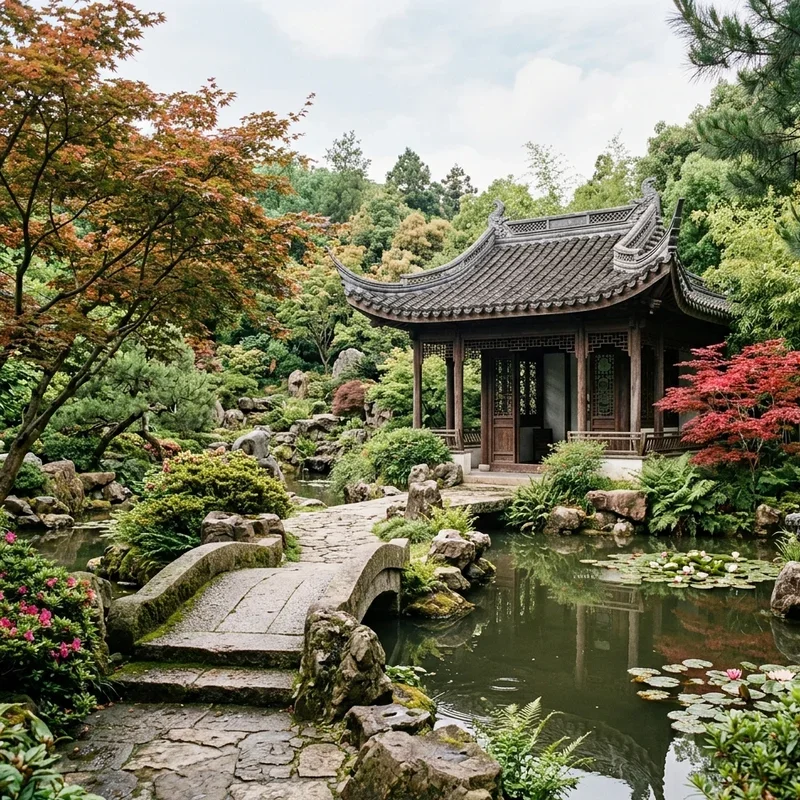
Have you ever dreamed of creating your own slice of paradise right in your backyard? Asian gardens offer more than just visual beauty—they provide a sanctuary where stress melts away and tranquility reigns supreme. These outdoor spaces blend natural elements with intentional design to create harmony between human presence and nature's rhythm. Whether you're drawn to the minimalist elegance of Japanese Zen gardens or the vibrant energy of Chinese courtyards, Asian garden design principles can transform any outdoor space into a peaceful retreat. You don't need acres of land or an unlimited budget to achieve this transformation. With thoughtful planning and the right elements, even a small patio or balcony can become your personal meditation spot.
1. Bamboo Privacy Screens and Natural Barriers
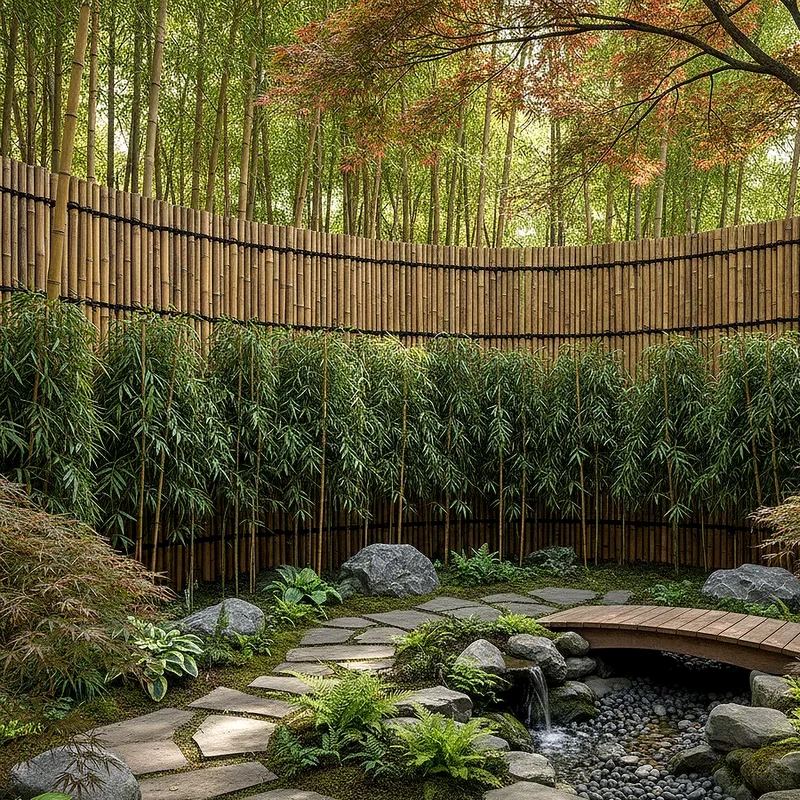
Bamboo stands tall as nature's perfect privacy solution for your Asian garden retreat. This fast-growing plant creates living walls that shield your space from neighboring eyes while producing soothing rustling sounds when breezes pass through its slender stalks. You can choose clumping varieties that stay contained or running types for larger areas needing quick coverage. The vertical lines of bamboo stalks add instant architectural interest and guide the eye upward, making small spaces feel more expansive. Plant bamboo in containers if you're worried about spreading, or install underground barriers to control growth. The emerald green foliage stays vibrant year-round in most climates, providing consistent beauty through all seasons. Bamboo also purifies air naturally and creates a microclimate that feels cooler during hot summer months.
2. Koi Ponds with Gentle Water Movement
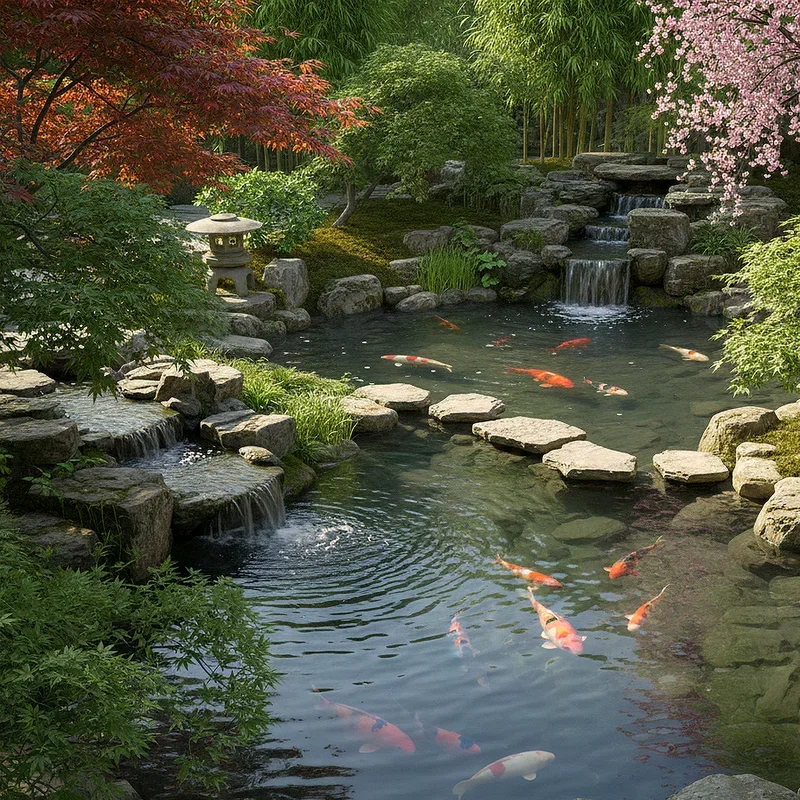
Nothing brings an Asian garden to life quite like a koi pond filled with gracefully swimming fish. These water features serve as living meditation points where you can watch colorful koi glide through clear water, their movements hypnotic and calming. Design your pond with varying depths to accommodate different fish sizes and include aquatic plants like lotus or water lilies for natural filtration and shade. The gentle sound of water trickling from a fountain or waterfall adds another sensory layer to your retreat. Koi become surprisingly friendly over time, often swimming to greet you during feeding sessions. Install proper filtration systems to maintain crystal-clear water that reflects surrounding plants and sky. Position rocks around the pond edges to create natural-looking banks that blend seamlessly with your landscape.
3. Stone Lanterns for Ambient Evening Lighting
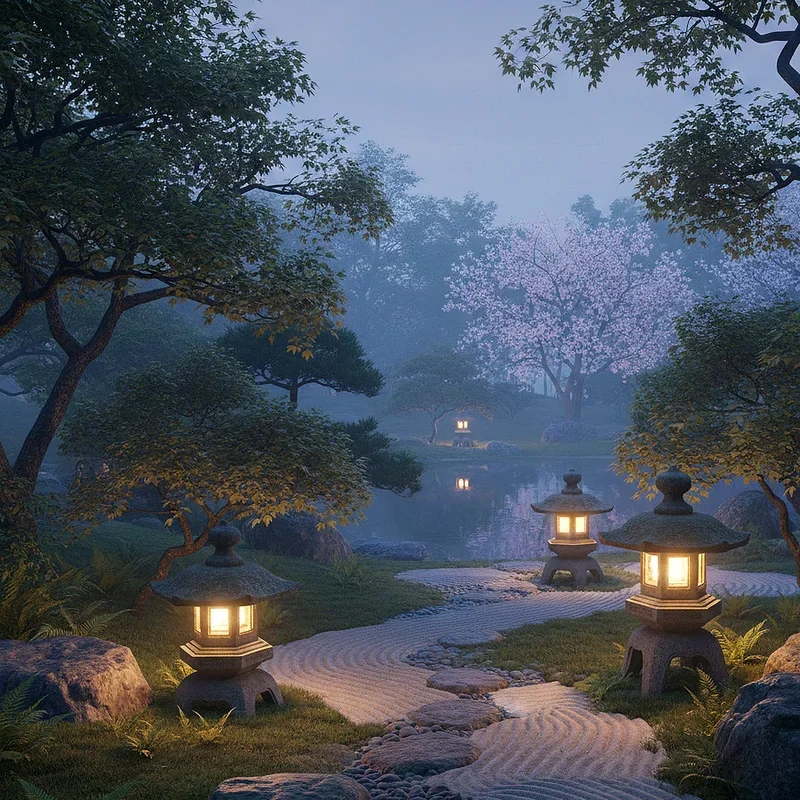
Stone lanterns transform your Asian garden into an enchanting nighttime sanctuary with their warm, diffused glow. These traditional fixtures originated in Buddhist temples and tea gardens, where they guided visitors along pathways during evening ceremonies. Place lanterns strategically near water features, along walkways, or beside focal plants to create dramatic shadows and highlights after sunset. Choose from various styles including Yukimi lanterns with broad caps that catch snow, or Oribe lanterns featuring carved designs that cast intricate light patterns. Natural stone develops beautiful patina over time, enhancing its authentic appearance as moss and weathering add character. You can use LED candles or low-voltage lighting inside to achieve safe, maintenance-free illumination that still honors traditional aesthetics.
4. Gravel Zen Gardens with Raked Patterns
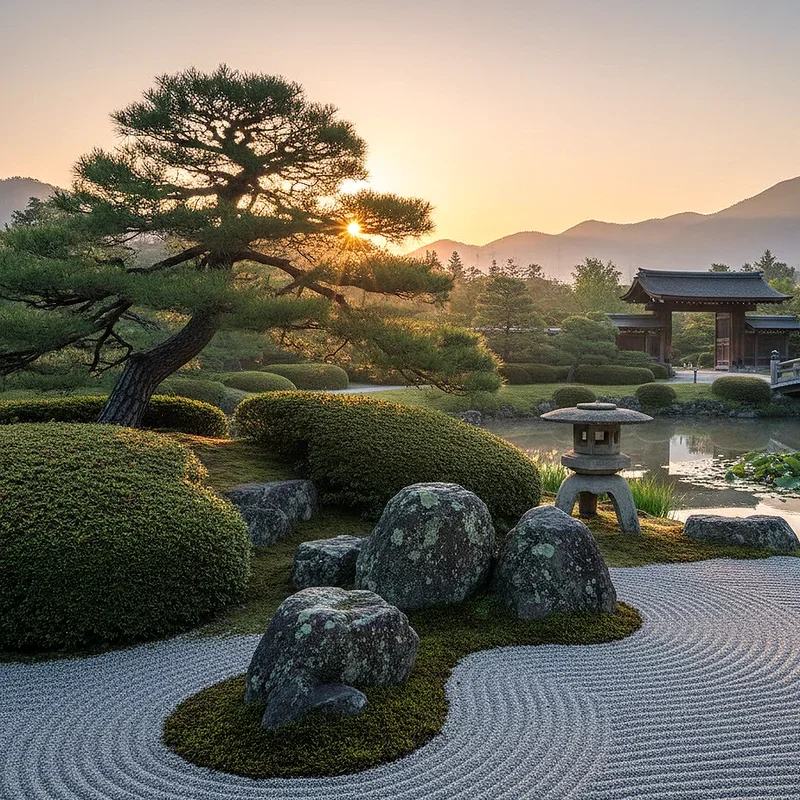
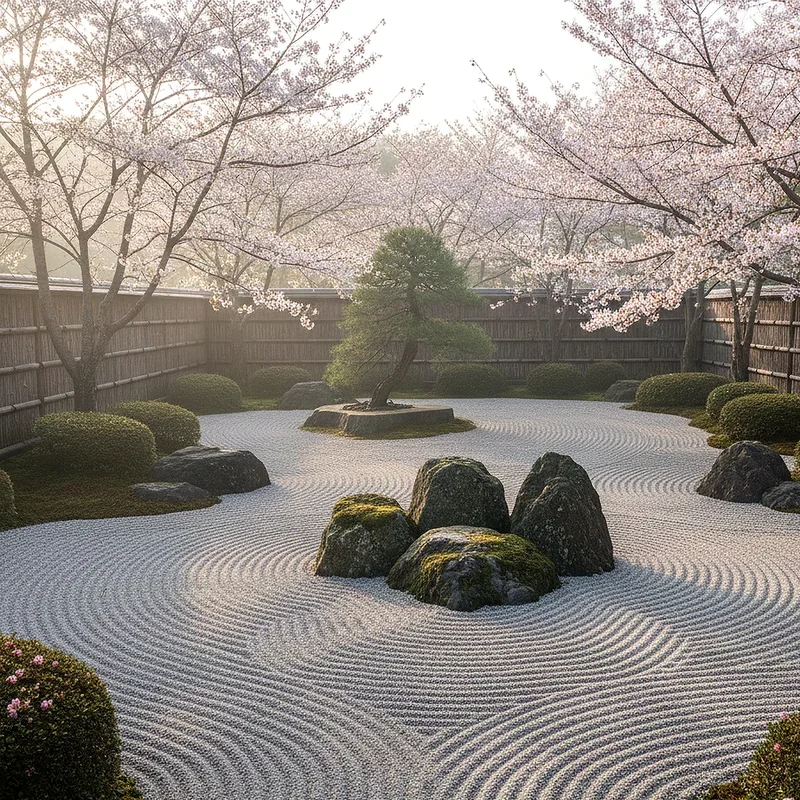
Zen gardens offer meditation through simplicity, using carefully raked gravel to represent flowing water or cosmic patterns. These dry landscapes require minimal maintenance while providing maximum visual impact and contemplative value. Rake smooth patterns into fine gravel or sand, creating waves, circles, or straight lines that you can refresh whenever stress needs releasing. Position larger rocks within the gravel to symbolize islands, mountains, or other natural formations according to Zen design principles. The act of raking itself becomes a moving meditation that clears mental clutter and centers your thoughts. Choose white or light-colored gravel that reflects moonlight beautifully during evening hours. Surround your Zen garden with low borders to contain materials and maintain clean edges that emphasize the space's intentional simplicity.
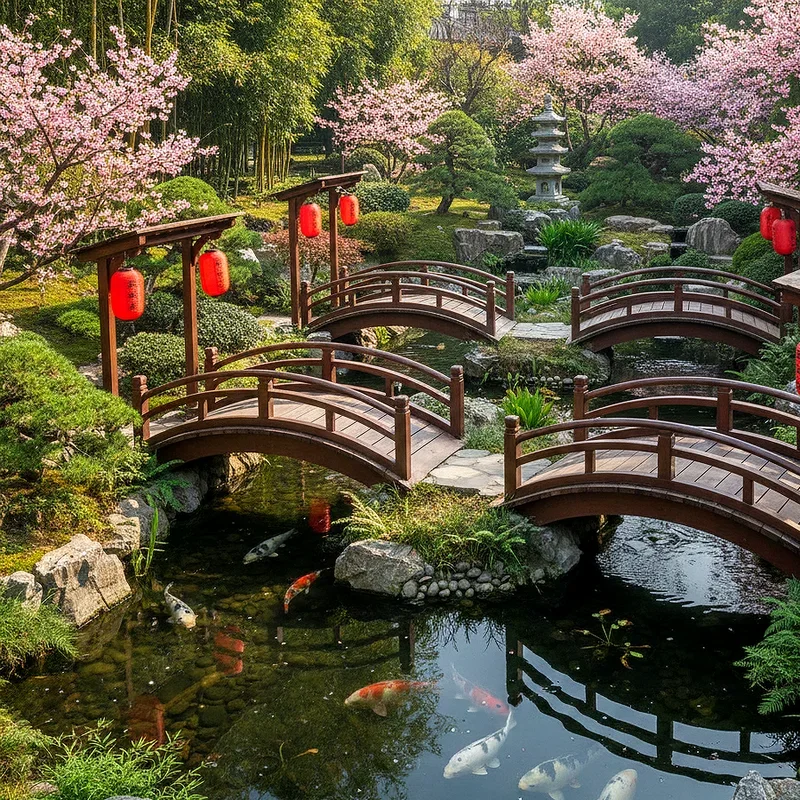
5. Wooden Bridges Over Water Features
Arched wooden bridges create irresistible focal points that invite exploration while connecting different garden areas across water features. These structures symbolize life's journey and transitions, making them deeply meaningful additions beyond their practical function. Paint bridges traditional vermillion red for authentic Japanese style, or leave wood natural to weather into silvery gray tones. Design gentle arches that reflect perfectly in still water below, doubling their visual impact through natural mirroring. Position bridges where they frame beautiful views or lead to special garden areas like tea houses or meditation spots. Add railings for safety without compromising aesthetic appeal, using simple post-and-beam construction that echoes traditional architecture. The sound of footsteps on wooden planks creates pleasant acoustics that announce your passage through the landscape.
6. Japanese Maple Trees as Focal Points
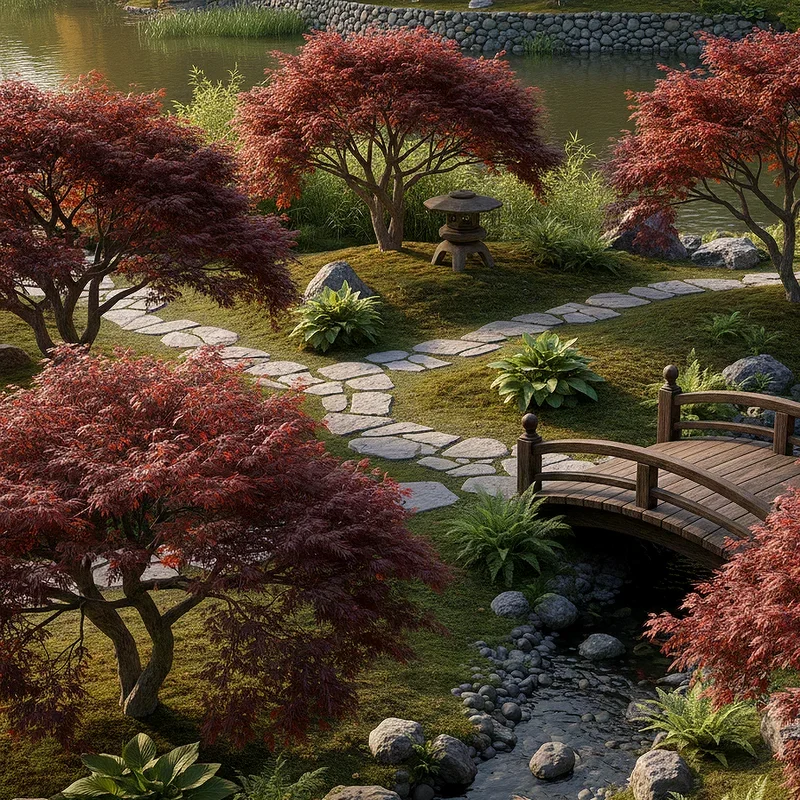
Japanese maples reign supreme as specimen trees that command attention through every season with their elegant form and stunning foliage. These trees offer incredible variety in leaf shapes, colors ranging from deep burgundy to bright chartreuse, and graceful branching patterns that look sculptural even when bare. Plant maples where morning sun illuminates their translucent leaves, creating a stained-glass effect that takes your breath away. Choose weeping varieties for dramatic cascading forms or upright types for traditional silhouettes. Fall color rivals any fireworks display as leaves transform into brilliant oranges, reds, and golds before drifting down. Japanese maples thrive in partial shade and appreciate protection from harsh afternoon sun in hot climates. Their relatively small size makes them perfect for gardens of any scale.
7. Tea Garden Spaces for Mindful Moments
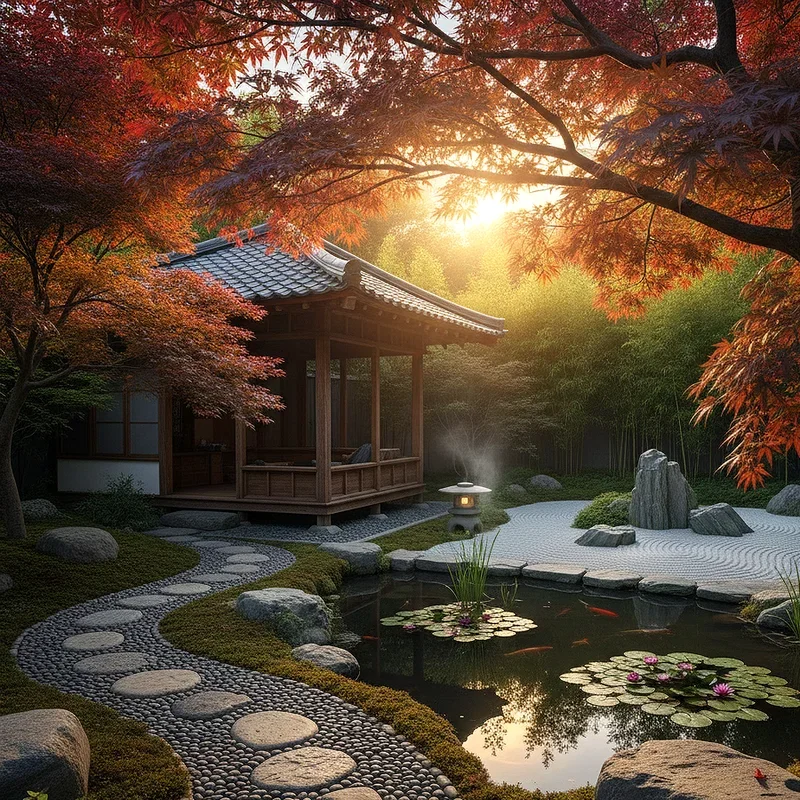
Tea gardens provide dedicated spaces for the ancient ritual of tea preparation and consumption, emphasizing mindfulness and present-moment awareness. Create a simple platform or pavilion where you can sit comfortably while observing surrounding nature and sipping carefully prepared tea. Include a water source nearby, whether a bamboo fountain or small basin, for symbolic purification before entering the tea space. Plant fragrant herbs like mint or lemongrass that you can harvest fresh for brewing, connecting the garden directly to your tea practice. Keep furnishings minimal with low tables, cushions, or traditional tatami mats that encourage grounded sitting positions. Position your tea garden away from main activity areas to preserve its contemplative atmosphere. The path leading to this space should be winding and simple, preparing your mind for the ceremony ahead.
8. Buddha Statues and Spiritual Elements
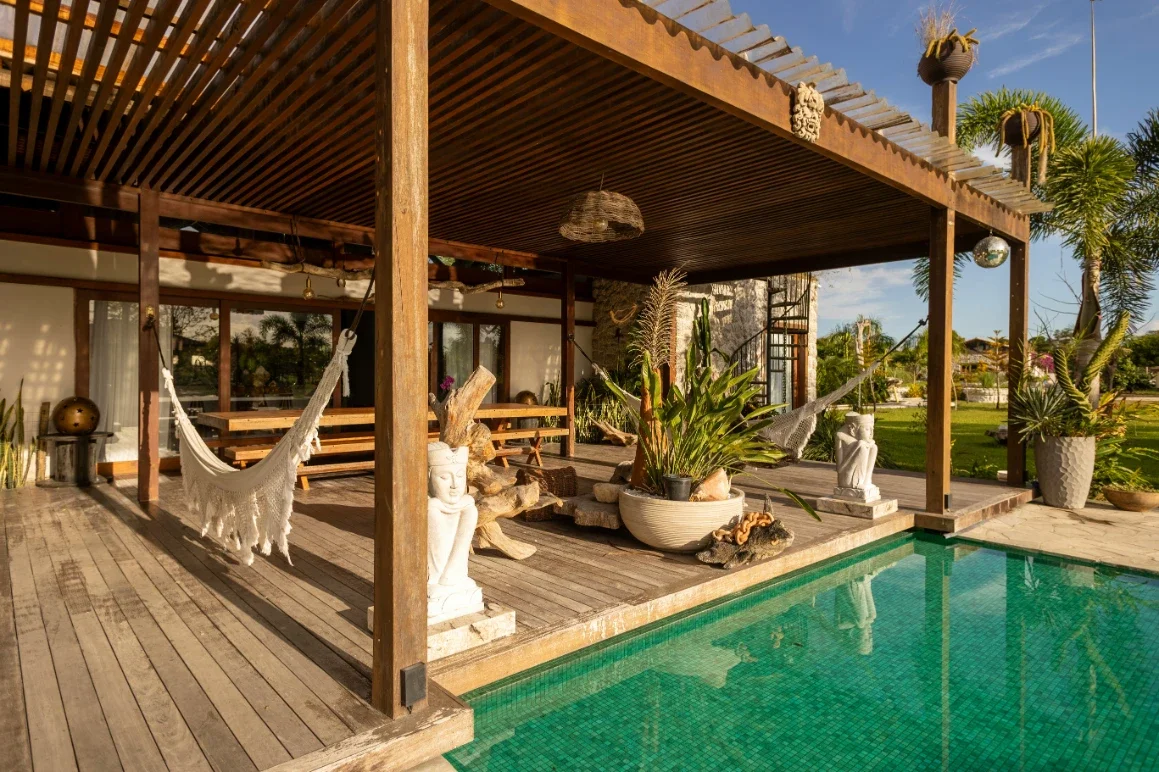
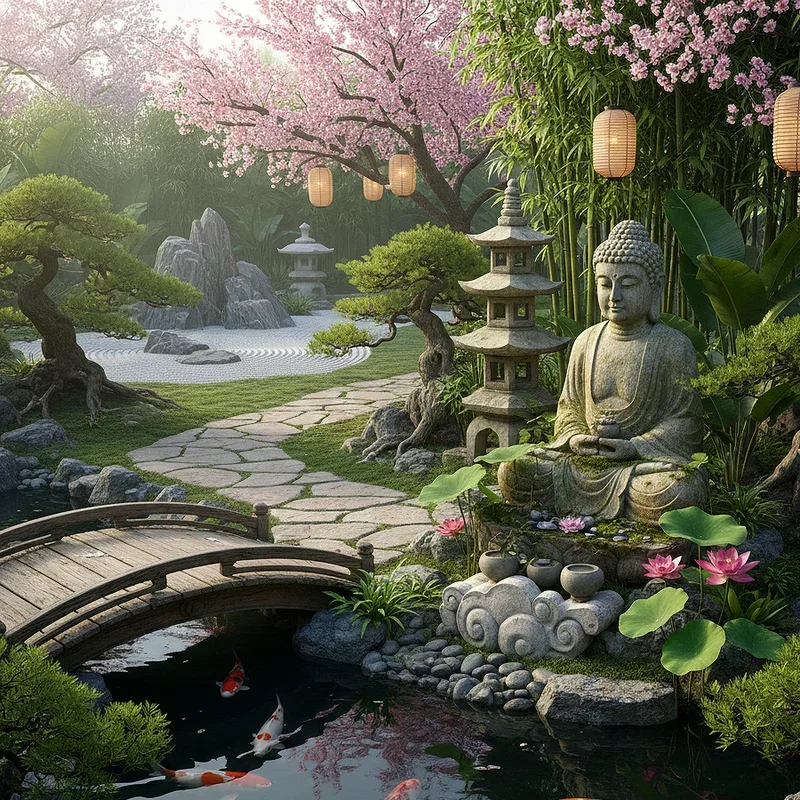
Buddha statues anchor your garden's spiritual dimension, serving as reminders to cultivate peace, compassion, and mindful awareness. Choose statues that resonate with your personal practice, whether seated meditation poses, standing blessing gestures, or reclining rest positions. Position these figures where they overlook the garden peacefully, perhaps beneath tree canopies or beside water features. Weather-resistant materials like stone, bronze, or cast resin ensure your statues withstand outdoor elements while developing natural patina over time. Surround statues with offerings of fresh flowers, incense, or simply beautiful plants that honor their presence. Scale matters—select sizes appropriate for your space so statues feel integrated rather than overwhelming. These spiritual elements don't require religious belief to appreciate; they simply remind visitors to slow down and breathe deeply.
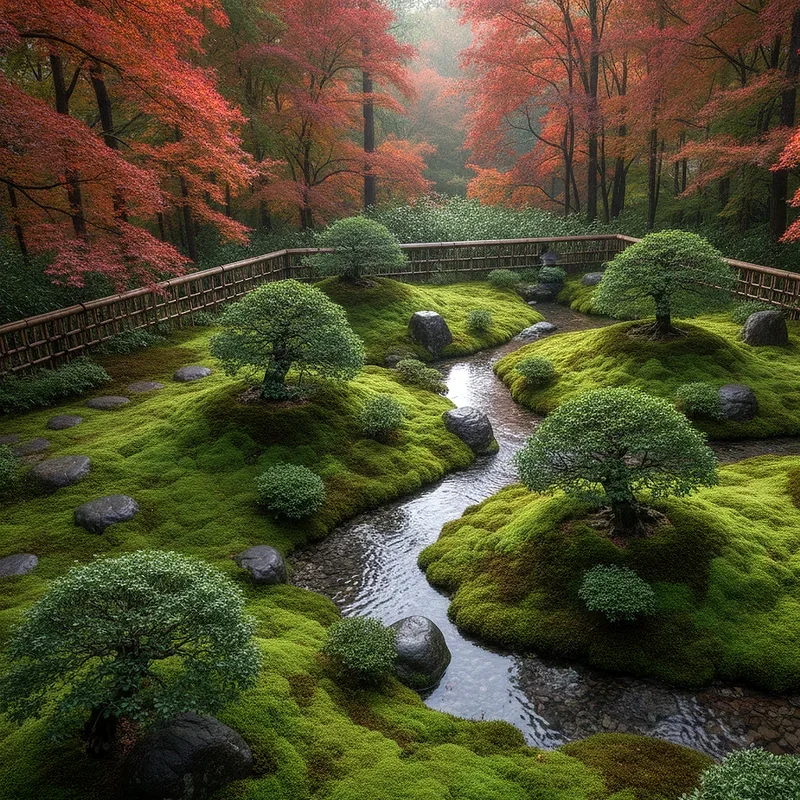
9. Moss Gardens for Lush Green Carpets
Moss creates impossibly soft green carpets that thrive in shady conditions where grass struggles to grow. These ancient plants bring forests' primeval beauty to your garden while requiring virtually no mowing, fertilizing, or excessive watering once established. Encourage moss growth by maintaining consistent moisture and slightly acidic soil conditions that moss species prefer. Combine different moss varieties to create textural tapestries in various shades of emerald, sage, and chartreuse. Moss softens hard edges around stones and pathways, making everything appear aged and established even in newly created gardens. This living ground cover feels heavenly underfoot with its cushiony texture and stays green through most winters. Japanese gardens have cultivated moss for centuries, recognizing its ability to evoke tranquility and timeless natural beauty.
10. Stepping Stone Pathways Through Landscapes
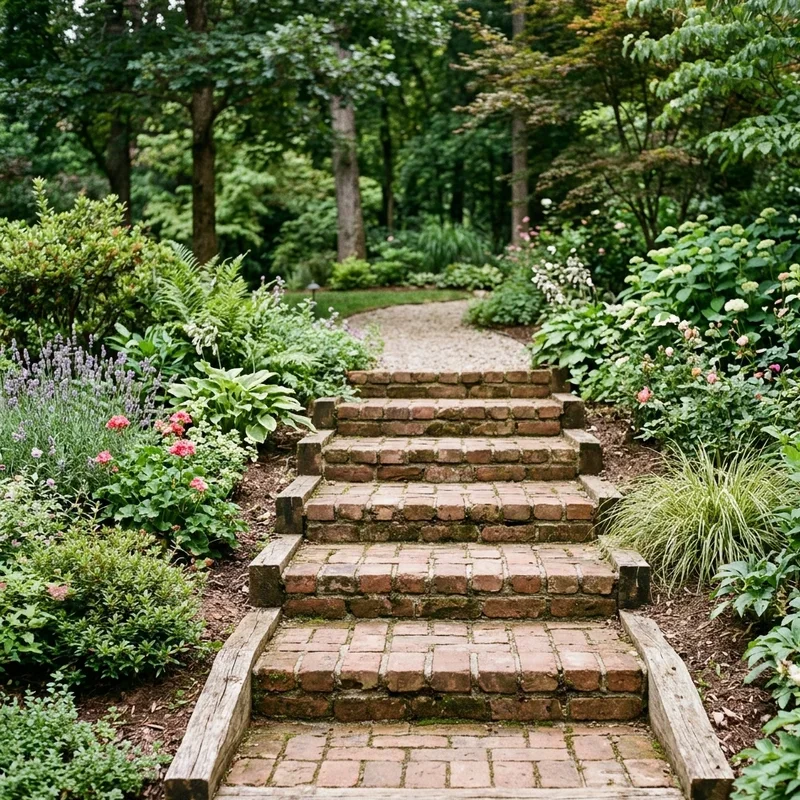
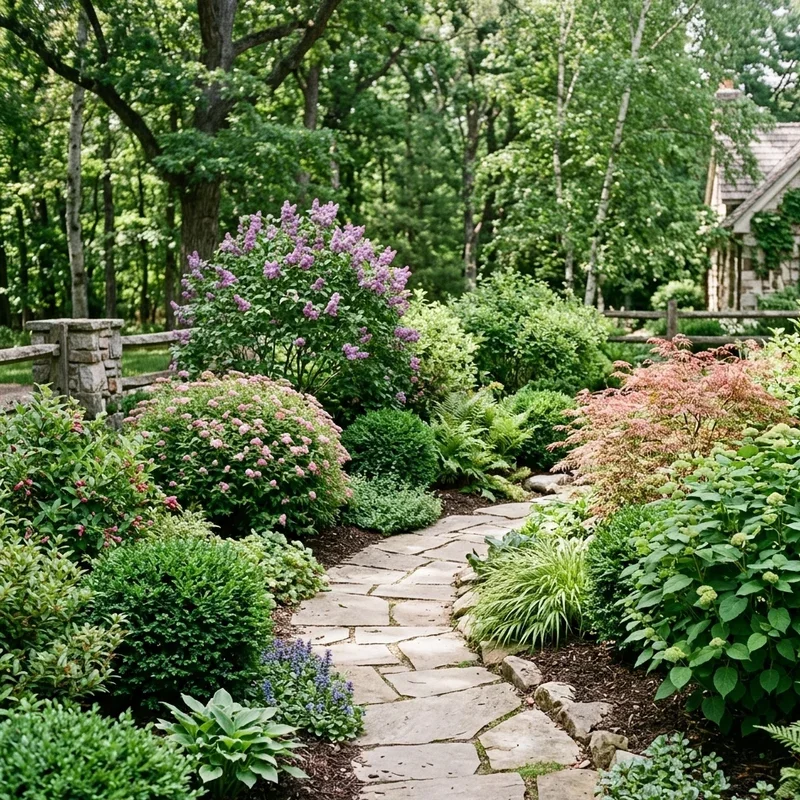
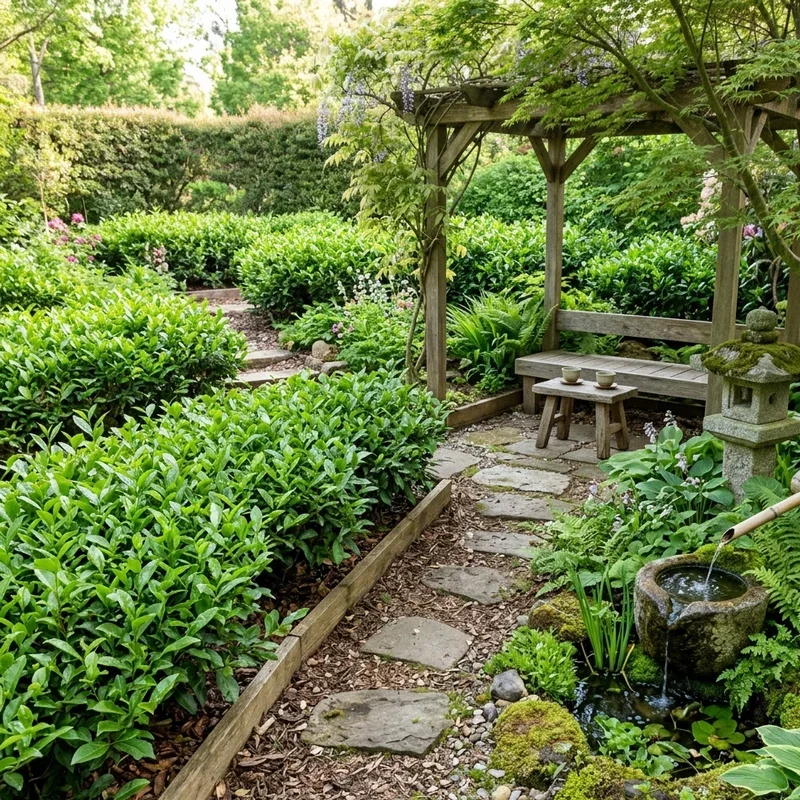
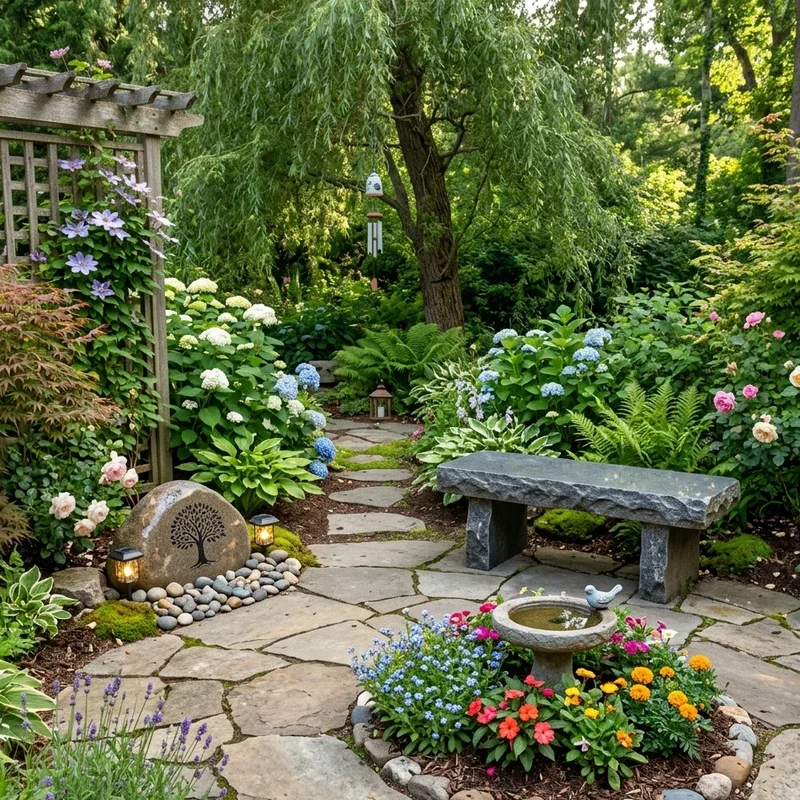
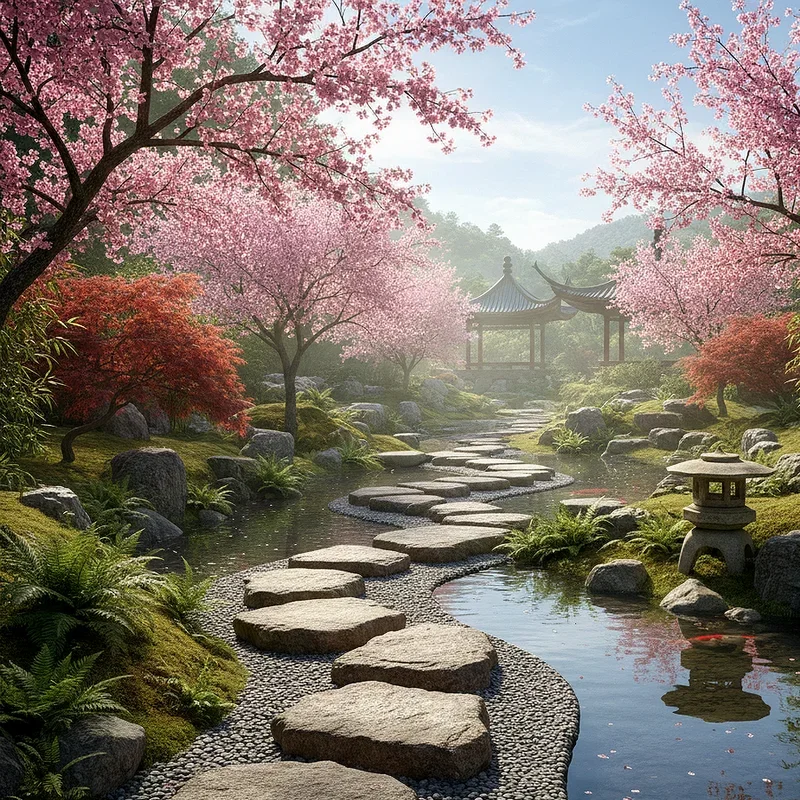
Stepping stones guide visitors on intentional journeys through your garden while protecting delicate ground covers and moss from foot traffic. Space stones naturally with irregular distances that slow your pace and require mindful placement of each step. Choose flat stones with interesting colors, textures, or shapes that add visual interest beyond their functional purpose. Larger stones accommodate comfortable strides while smaller ones create more contemplative, careful walking experiences. Set stones slightly lower than surrounding ground level to prevent tripping hazards and ensure stability under foot. Surround pathway stones with creeping plants, gravel, or moss that softens edges and integrates paths into the landscape. These routes should meander rather than rush directly to destinations, encouraging leisurely exploration and discovery.
11. Ornamental Grasses for Texture and Movement
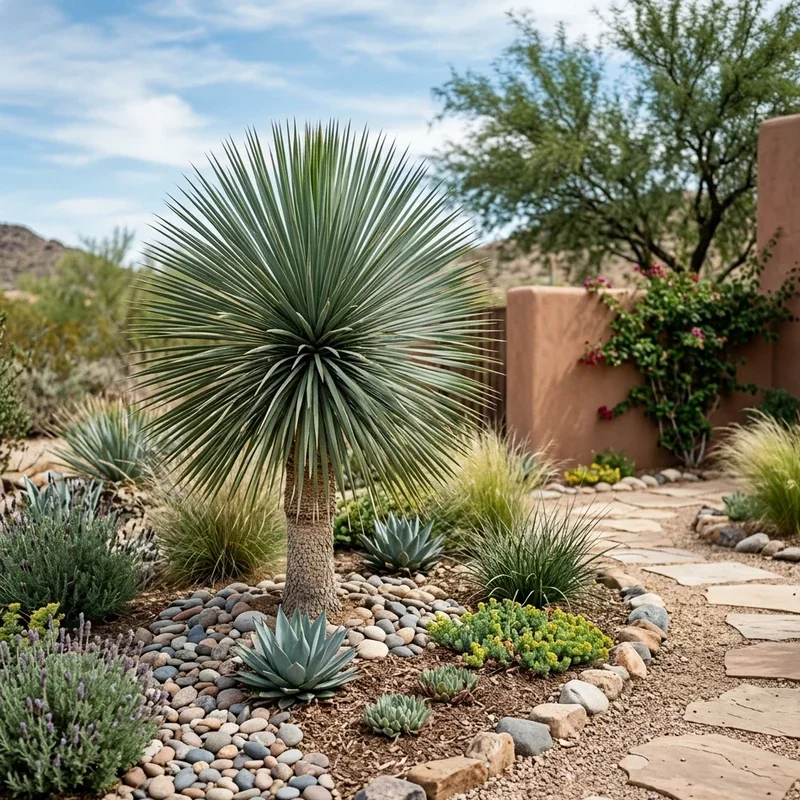
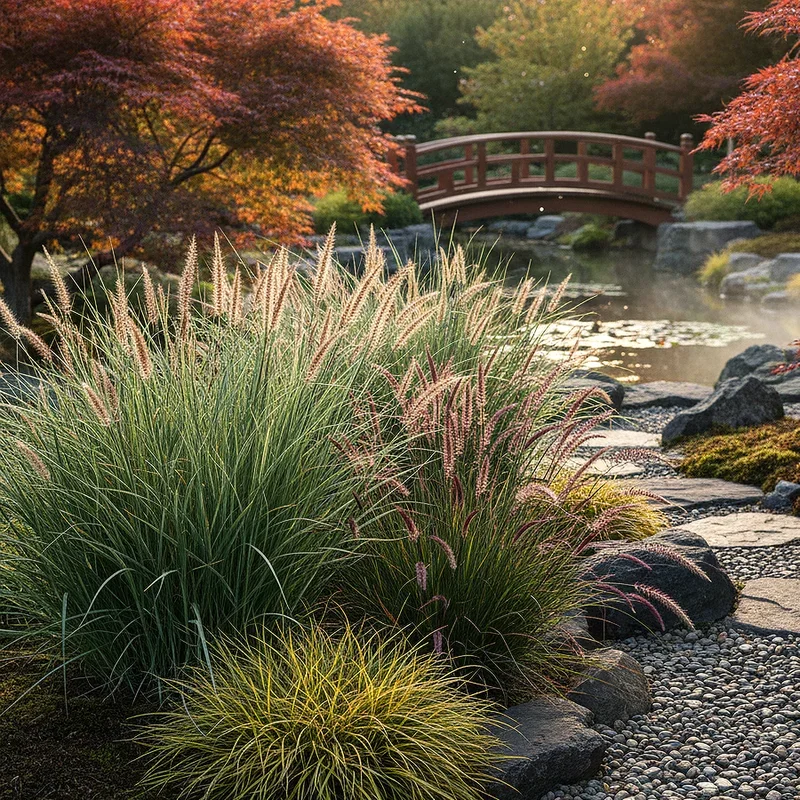
Ornamental grasses inject dynamic movement into Asian gardens as their blades and seed heads dance gracefully with every breeze. These plants provide vertical interest, soft textures, and seasonal changes that keep gardens visually engaging throughout the year. Choose varieties like Japanese forest grass for cascading mounds of golden foliage or maiden grass for tall, elegant plumes. Grasses require minimal maintenance beyond annual cutting back, making them perfect low-effort additions that deliver maximum impact. Their rustling sounds add another sensory dimension, creating whispered soundscapes that enhance peaceful atmospheres. Plant grasses in masses for bold statements or use individual specimens as accent features. Fall and winter bring beautiful transformations as grasses turn golden, bronze, and wheat-colored while retaining structural interest through cold months.
12. Pagoda Structures as Architectural Elements
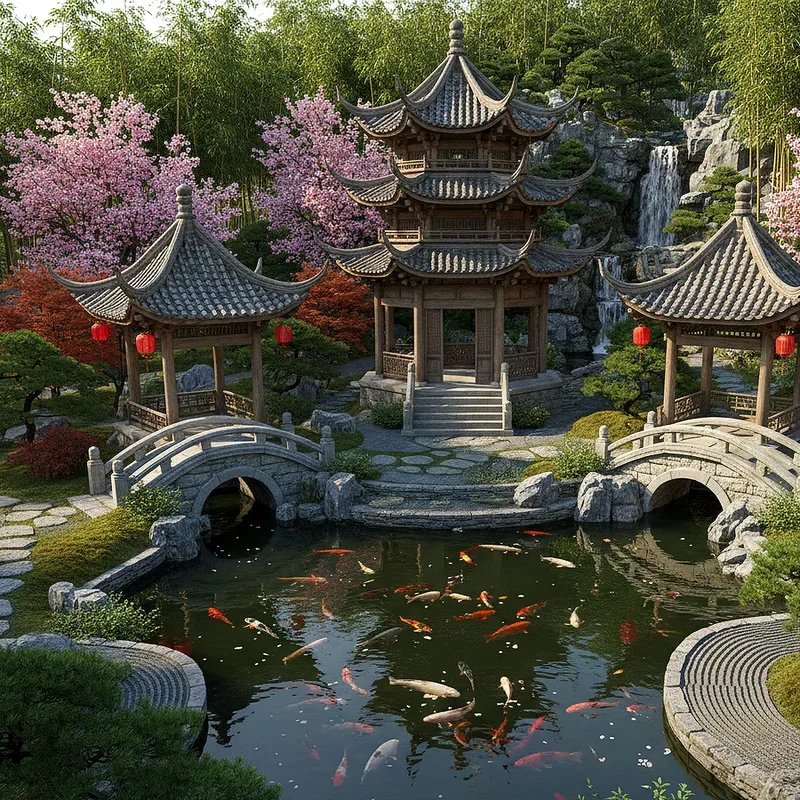
Pagoda structures introduce vertical architectural drama that draws eyes skyward while honoring traditional Asian design aesthetics. These tiered towers can function as purely decorative elements or house practical features like lighting, bells, or storage. Position pagodas as terminal focal points at pathway ends or surprise discoveries in secluded garden corners. Choose sizes scaled appropriately for your space—even small tabletop versions add authentic character to intimate gardens. Traditional materials include stone and wood, though weather-resistant alternatives work equally well for longevity. Multi-tiered roofs create pleasing repetition and rhythm that complements the horizontal layers found throughout well-designed Asian gardens. Pagodas symbolize the connection between earth and heaven, making them spiritually significant additions beyond their aesthetic contributions.
13. Rock Arrangements Following Natural Principles
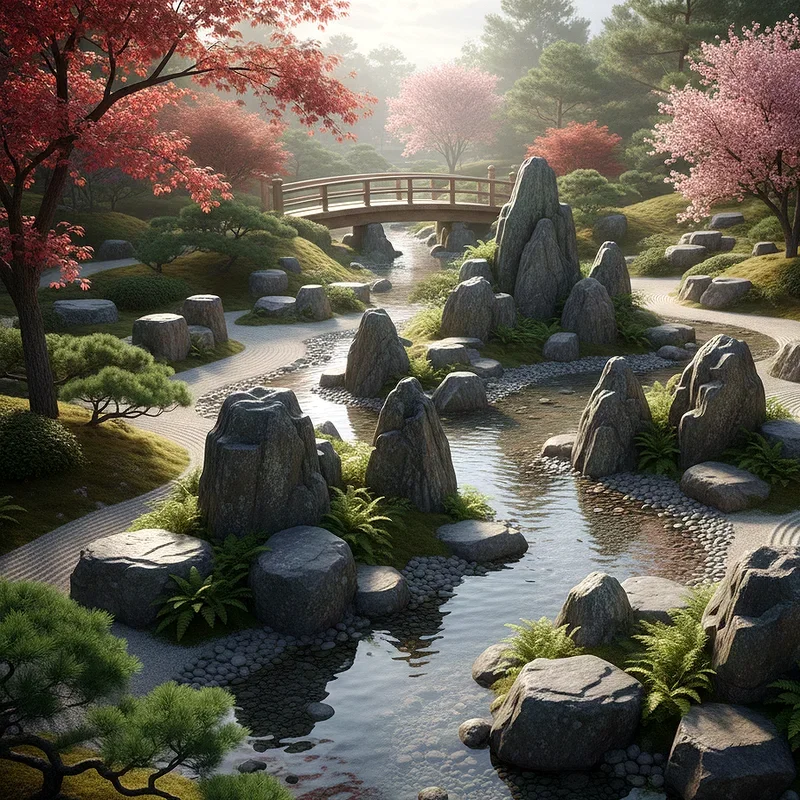
Strategic rock placement forms the bones of successful Asian gardens, following principles that mimic nature's own arrangements found in mountains and streams. Select rocks with character—interesting shapes, colors, or textures that tell geological stories. Position larger stones as dominant features with smaller supporting rocks that create natural-looking groupings rather than scattered randomness. Bury portions of rocks to make them appear as if they've always existed in that location, emerging organically from the earth. Asian design principles often use odd numbers of rocks and asymmetrical arrangements that feel balanced despite lacking perfect symmetry. Consider how rocks will look from multiple viewpoints, ensuring interesting compositions from various garden perspectives. These stone arrangements provide permanent structure that anchors seasonal plantings and changing garden moods.
14. Wisteria Pergolas for Fragrant Canopies
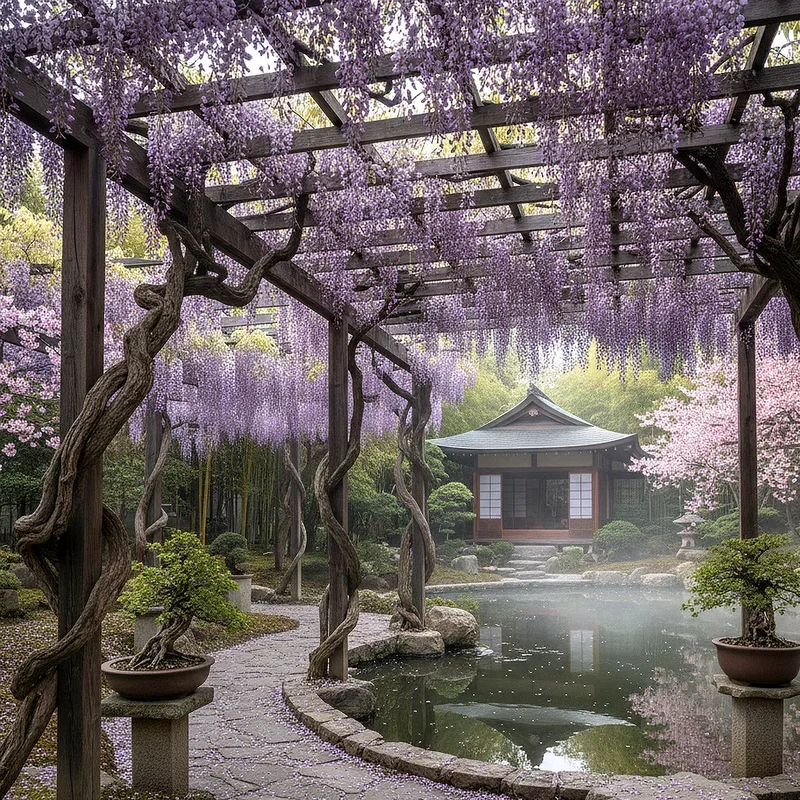
Wisteria-covered pergolas create breathtaking overhead canopies that shower your garden with cascading blooms and intoxicating fragrance each spring. Train these vigorous vines over sturdy structures built to support their substantial weight as they mature into thick, woody trunks. Position pergolas to shade seating areas, frame garden entries, or define outdoor rooms within larger landscapes. Purple, pink, or white flower clusters hang like grape bunches, creating living curtains that filter dappled sunlight. The twisted trunks and branches develop sculptural beauty that provides winter interest even after leaves drop. Wisteria requires regular pruning to maintain desired shapes and encourage abundant flowering, but the spectacular display rewards your efforts magnificently. Plant fragrant varieties near windows or outdoor living spaces where sweet scents can drift indoors.
15. Water Basins for Purification Rituals
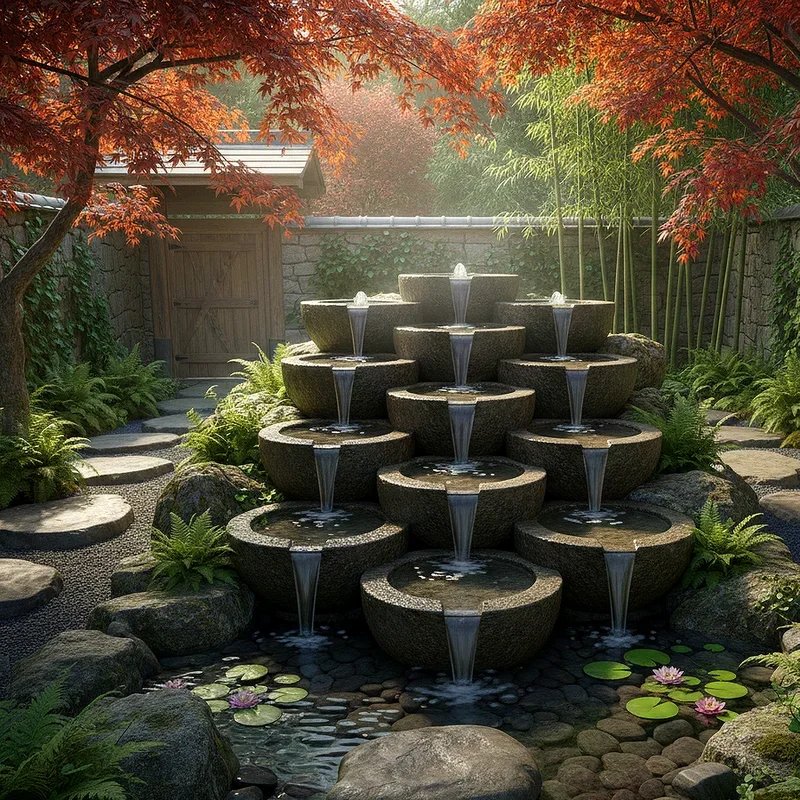
Traditional water basins called tsukubai invite symbolic cleansing before entering sacred garden spaces or tea houses. These low stone basins encourage bending in humble posture to reach water with a bamboo ladle for ritual hand-washing. Position basins near garden entries or outside meditation areas where the purification gesture marks transitions into contemplative spaces. Add a simple bamboo fountain that trickles fresh water continuously, creating soothing sounds while keeping basin water clean. Surround basins with carefully chosen rocks and low plants that frame them without overwhelming their simplicity. Even without following formal tea ceremony protocols, using these basins becomes a mindful practice that separates garden time from daily concerns. The sound and sight of water adds another sensory layer that deepens your garden's peaceful atmosphere.
Conclusion
Creating an Asian-inspired garden transforms your outdoor space into a personal sanctuary where peace and beauty intertwine seamlessly. These fifteen design elements offer flexible starting points that you can adapt to any space, budget, or climate. Remember that authentic Asian gardens evolve gradually, gaining character and depth as plants mature and natural weathering adds patina to hardscape features. Start with elements that resonate most strongly with your vision, then build your retreat layer by layer. Your garden will become more than decoration; it becomes a practice space for mindfulness and a refuge from modern life's relentless pace.
Read next: 15 Serene Japanese Garden Ideas to Try at Home
Frequently Asked Questions
Q1: How much space do I need to create an Asian-inspired garden?
A: Asian garden principles work in any space, from small balconies to large yards.
Q2: Are Asian gardens expensive to create and maintain?
A: Costs vary widely, but many elements use natural materials requiring minimal ongoing maintenance.
Q3: Can I combine different Asian garden styles in one space?
A: Yes, blending Japanese, Chinese, and other Asian elements creates personalized, eclectic garden designs.
Q4: What plants work best in Asian gardens for cold climates?
A: Japanese maples, bamboo varieties, ornamental grasses, and evergreens tolerate cold conditions beautifully.
Q5: Do I need special expertise to design an Asian garden?
A: Basic understanding of key principles helps, but experimentation and patience teach you most.