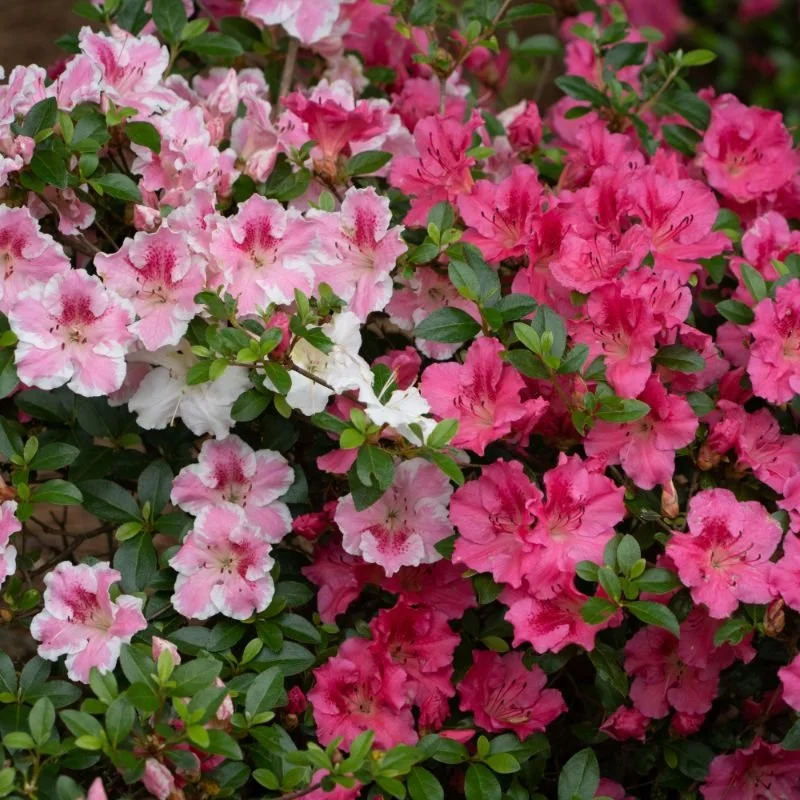
15 Azalea Garden Ideas to Add Vibrant Color to Your Yard
Transform your outdoor space with stunning azalea garden ideas featuring vibrant blooms, creative layouts, and expert design tips.
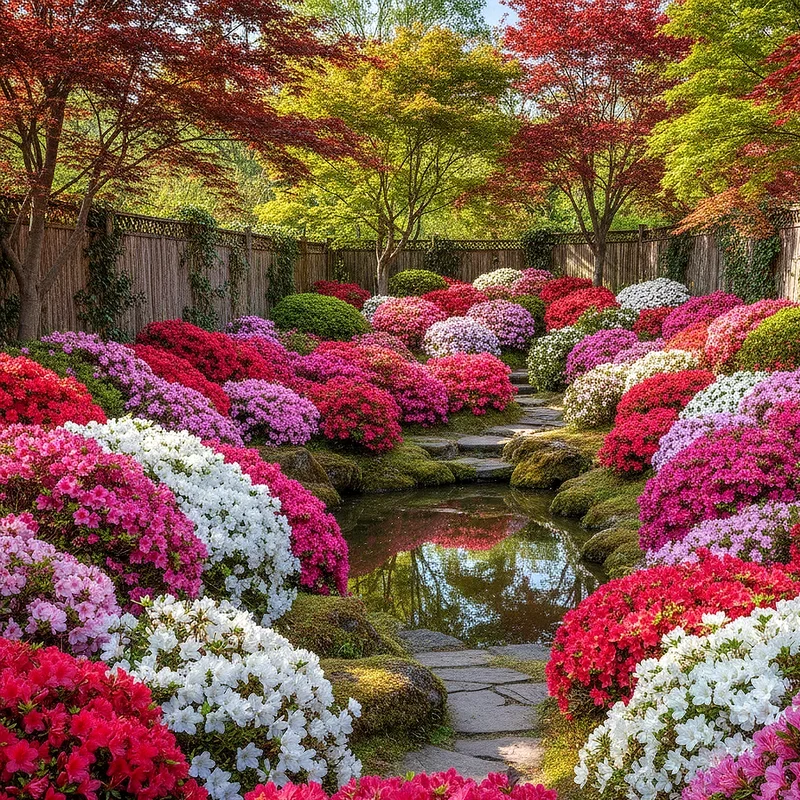
Have you ever walked past a garden bursting with pink, red, and white blooms that made you stop in your tracks? That's the magic azaleas bring to any landscape. These flowering shrubs are like nature's confetti, throwing splashes of color across your yard when everything else is just waking up from winter's nap. Whether you're a seasoned gardener or just starting to develop your green thumb, azaleas offer endless possibilities for creating a stunning outdoor sanctuary. From classic foundation plantings to whimsical woodland gardens, these versatile beauties adapt to various design styles and growing conditions. They're forgiving enough for beginners yet sophisticated enough to satisfy experienced landscapers seeking that perfect statement piece.
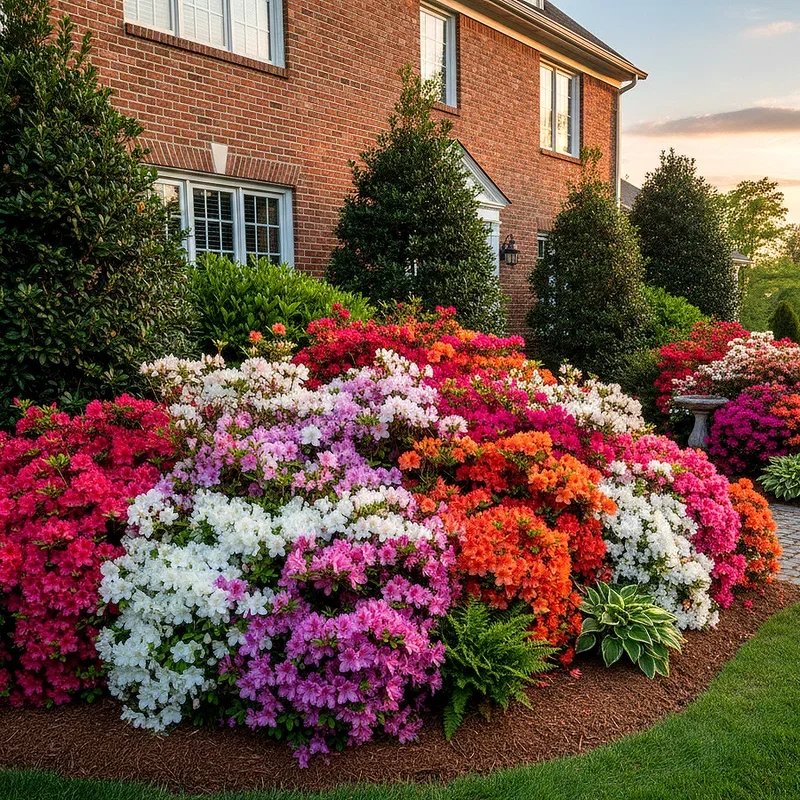
1. Create a Colorful Foundation Planting
Foundation plantings anchor your home to the landscape while providing year round visual interest. Azaleas excel in this role because they offer stunning spring blooms followed by attractive evergreen foliage that maintains structure throughout winter months. Position shorter varieties near windows and taller selections at corners to create balanced proportions that complement your home's architecture. Mix different bloom colors to craft a custom palette that coordinates with your exterior paint and trim colors. Space plants appropriately to allow air circulation while ensuring they'll fill in beautifully as they mature. This classic approach transforms plain house fronts into welcoming entrances that neighbors admire and guests remember long after visiting.
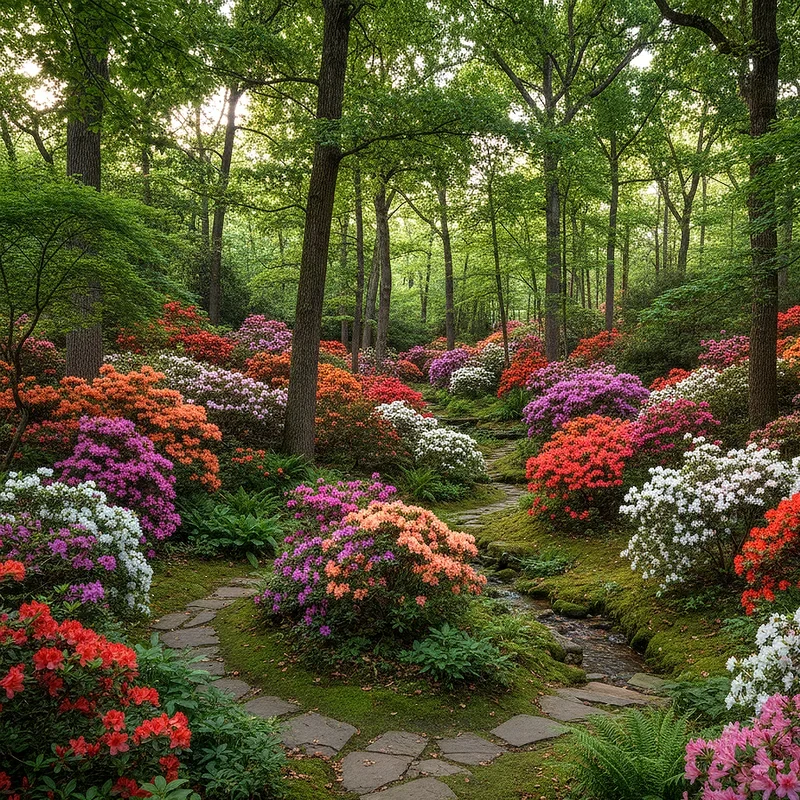
2. Design a Woodland Azalea Garden
Woodland gardens recreate nature's layered beauty by combining trees, shrubs, and groundcovers in harmonious arrangements. Azaleas thrive in the dappled shade beneath tall trees, making them perfect candidates for these naturalistic settings. Cluster multiple plants together in informal groups rather than rigid rows to mimic how they grow in their native habitats. Incorporate ferns, hostas, and spring bulbs between azalea plantings to extend seasonal interest beyond the shrubs' bloom period. Add meandering mulch paths that invite exploration through your woodland sanctuary while protecting plant roots from foot traffic. The resulting garden feels like a peaceful forest retreat where you can escape daily stresses and reconnect with nature's rhythms.
3. Build a Container Azalea Display
Container gardening expands your planting possibilities beyond traditional garden beds, especially valuable for patios, decks, and balconies with limited ground space. Azaleas adapt beautifully to pot culture when you choose appropriately sized containers with excellent drainage holes. Select acidic potting mix specifically formulated for acid loving plants to maintain the soil pH azaleas require for optimal health. Group containers of varying heights and sizes to create dynamic arrangements that draw attention to entryways or outdoor living areas. Dwarf varieties work exceptionally well in pots, delivering full sized blooms on compact plants that won't outgrow their containers quickly. Portable containers also allow you to move plants around seasonally, showcasing blooms where you'll enjoy them most.
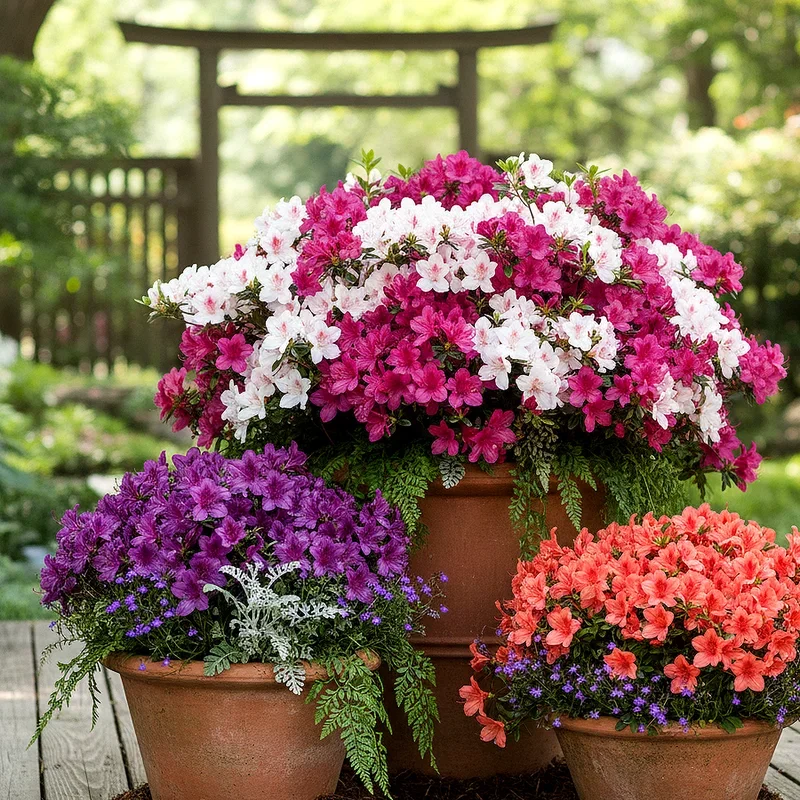
4. Establish an Azalea Hedge for Privacy
Privacy hedges create natural barriers that block unwanted views while adding beauty to your property boundaries. Azaleas form dense, attractive screens when planted closely in straight or curved lines according to your landscape needs. Choose evergreen varieties that maintain foliage year round for consistent privacy rather than deciduous types that lose leaves in winter. Maintain uniform spacing between plants based on their mature width to ensure they grow together into a solid hedge without gaps. Regular light pruning after flowering keeps hedges neat and encourages branching that fills in any thin spots over time. This living fence costs less than traditional fencing while providing environmental benefits like noise reduction and wildlife habitat.
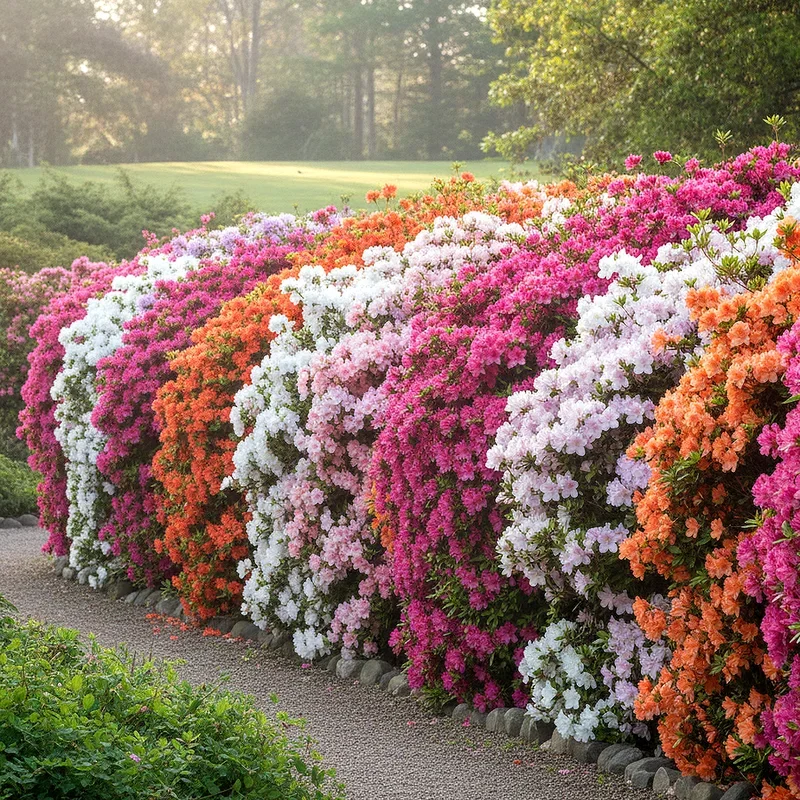
5. Mix Azaleas with Companion Plants
Companion planting creates gardens with extended seasonal interest by combining plants that bloom at different times or offer contrasting textures. Pair azaleas with spring bulbs like daffodils and tulips that flower before the shrubs fully leaf out, maximizing color in shaded areas. Add summer blooming perennials such as astilbe and bleeding heart to maintain visual appeal after azalea flowers fade into memory. Underplant with groundcovers like vinca or pachysandra that suppress weeds while complementing azalea foliage with different leaf shapes and colors. This layered approach transforms single season specimens into dynamic garden vignettes that evolve throughout the growing season, offering fresh discoveries each time you step outside.
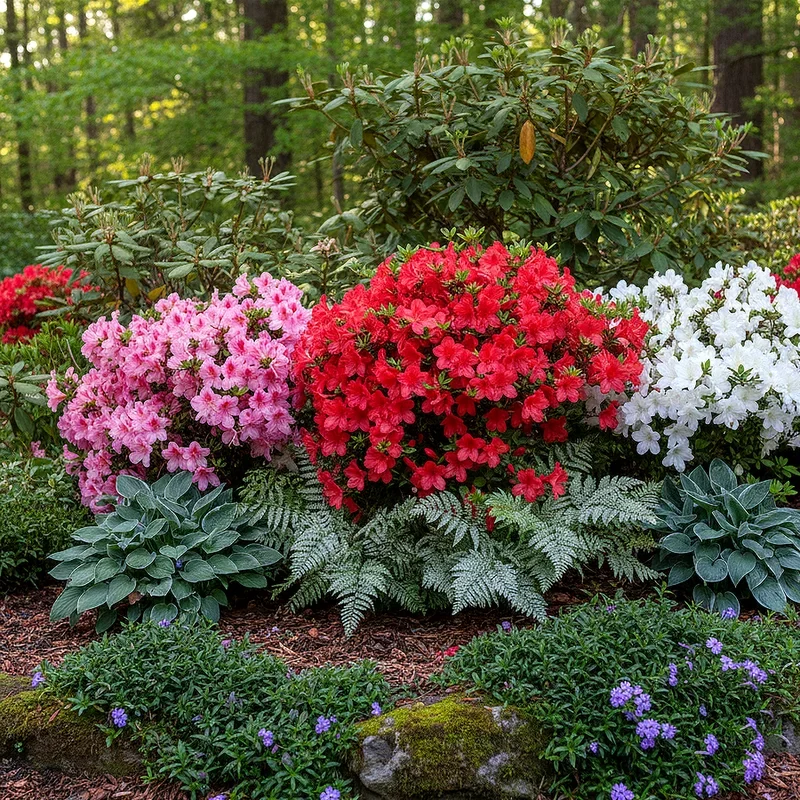
6. Plant an Azalea Border Along Pathways
Pathway borders guide visitors through your landscape while creating opportunities for close up plant appreciation that might be missed in distant beds. Azaleas lining walkways greet guests with fragrant blooms at eye level, making every approach to your home a sensory experience. Alternate different colored varieties along the path to create rhythm and visual interest that pulls the eye forward through your garden. Keep plants pruned to prevent them from encroaching on walking surfaces where overhanging branches might brush against passersby or obstruct passage. The repetition of azaleas along pathways unifies disconnected garden areas into cohesive landscapes that feel intentionally designed rather than randomly planted.
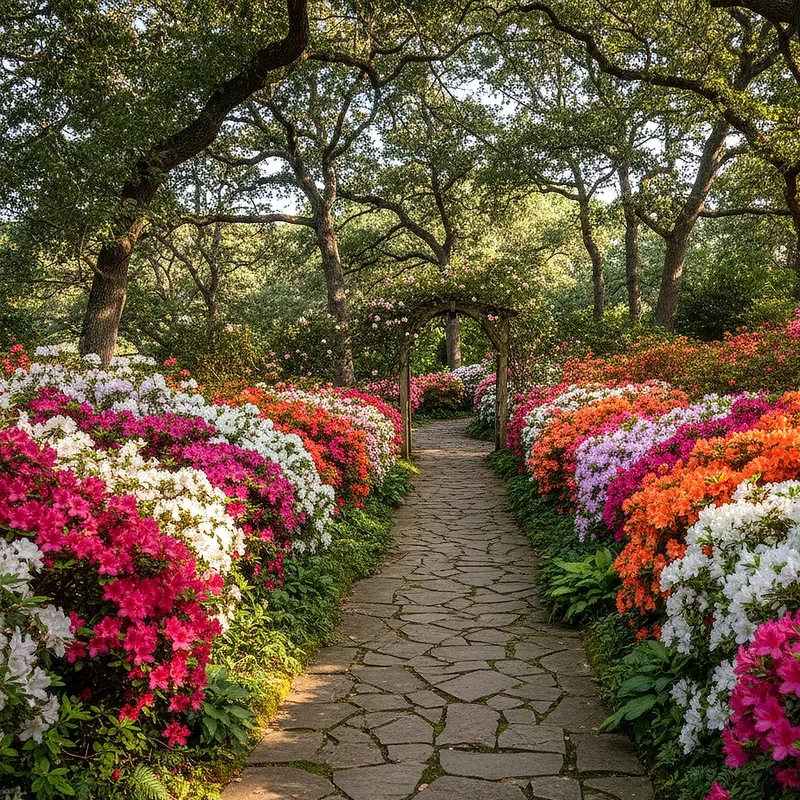
7. Develop a Shaded Azalea Corner
Every yard has that challenging shaded corner where most plants struggle to thrive, but azaleas actually prefer these protected spots over scorching sun. Transform these forgotten spaces into vibrant focal points by massing azaleas in bold color groupings that brighten dim areas. Add decorative elements like garden benches, bird baths, or sculpture to create destination points that encourage people to explore these previously overlooked zones. Layer different azalea heights to add dimension, placing taller varieties toward the back and shorter ones at the front for maximum visibility. Mulch heavily to retain moisture in these often dry areas where tree roots compete for available water, ensuring your azaleas receive adequate hydration.
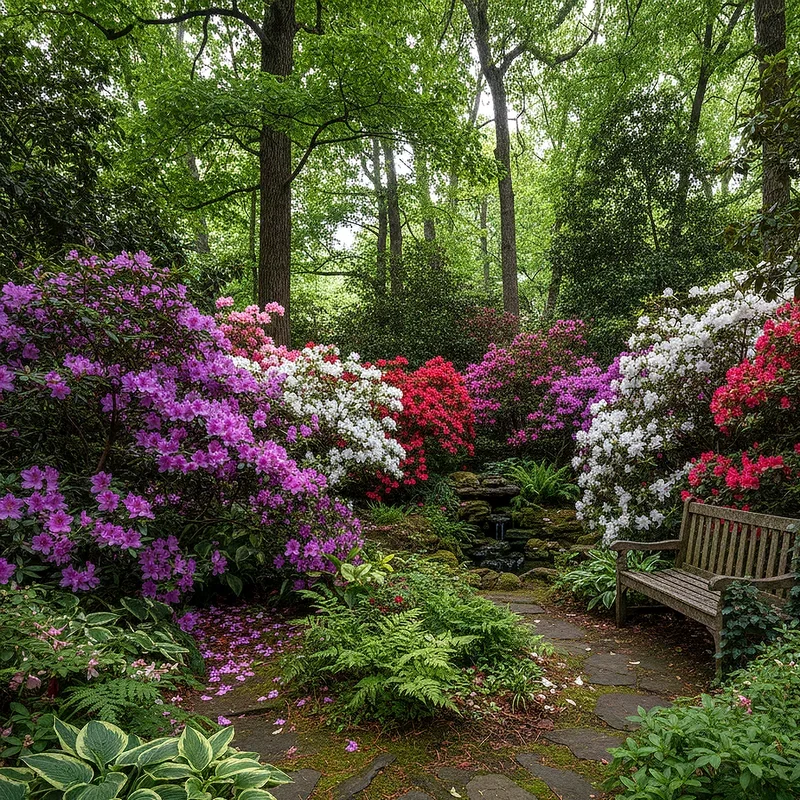
8. Arrange Azaleas Around Water Features
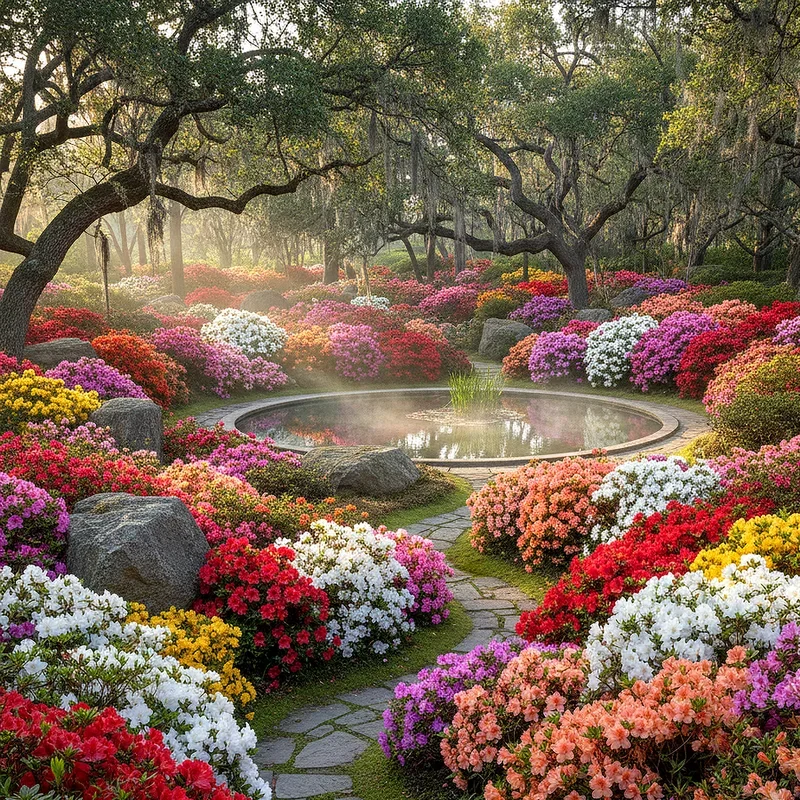
Water features become even more enchanting when surrounded by colorful azaleas that reflect in still pond surfaces or complement flowing fountains. Position plants where they'll be mirrored in the water, doubling their visual impact through natural reflection that creates stunning photographic opportunities. Choose moisture tolerant varieties for pond edges where soil stays consistently damp from water seepage or overflow during heavy rains. The combination of water movement and azalea blooms creates a tranquil atmosphere perfect for meditation or quiet contemplation away from daily chaos. This pairing also attracts butterflies, hummingbirds, and beneficial insects that appreciate both water sources and nectar rich flowers.
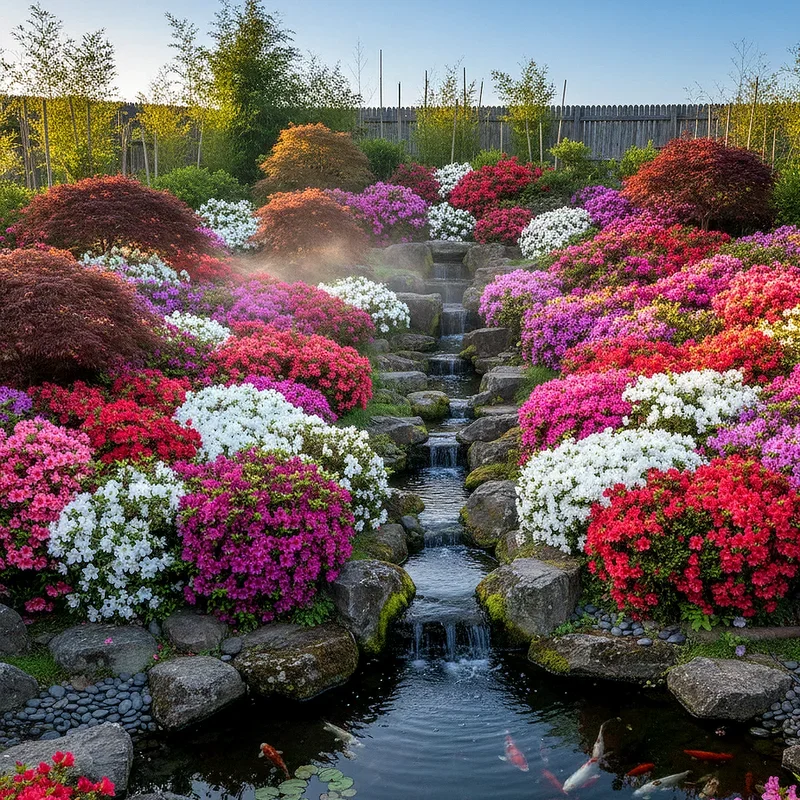
9. Create Mass Plantings for Dramatic Impact
Mass plantings make bold statements that capture attention from considerable distances, transforming ordinary yards into memorable landscapes that stop traffic. Plant large groups of the same azalea variety together rather than mixing different types to create solid color blocks with maximum visual punch. This technique works especially well on slopes or berms where the elevated planting surface displays blooms to their best advantage. Space plants closer together than usual to achieve faster coverage and more immediate gratification from your investment. The unified color mass creates a dramatic focal point that anchors your entire landscape design, giving the eye a definite resting place.
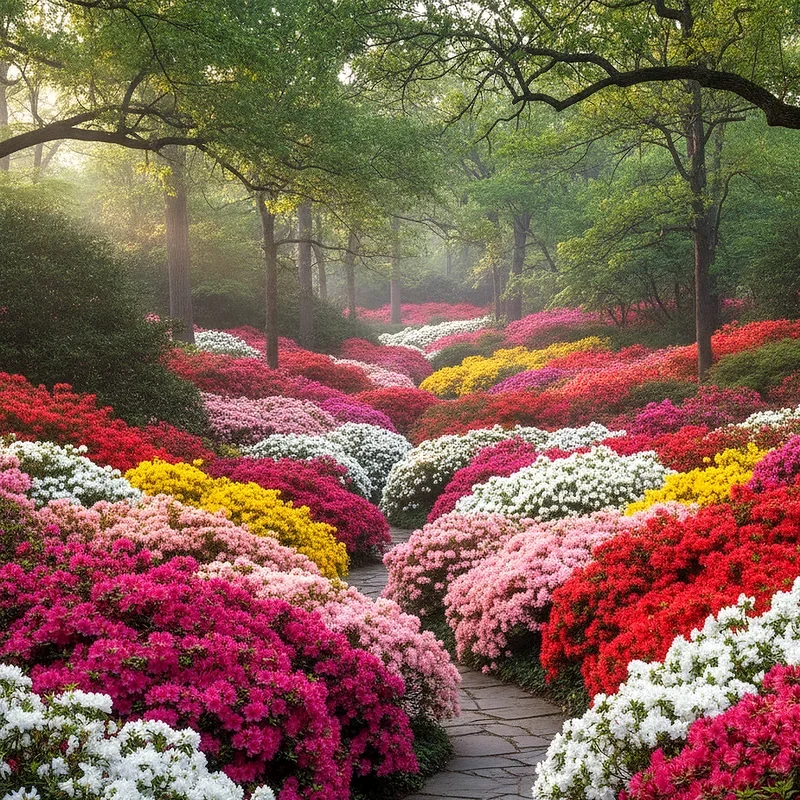
10. Design a Japanese Inspired Azalea Garden
Japanese gardens emphasize simplicity, balance, and natural beauty through carefully arranged plantings that appear effortless despite meticulous planning. Azaleas feature prominently in traditional Japanese landscapes where they're pruned into organic shapes that complement rather than dominate their surroundings. Combine azaleas with Japanese maples, bamboo, and ornamental grasses to create authentic Asian inspired aesthetics in your own backyard. Add traditional elements like stone lanterns, stepping stones, or small bridges to enhance the cultural theme and transport yourself mentally to distant gardens. This contemplative garden style encourages mindfulness and stress reduction through its peaceful, harmonious design principles.
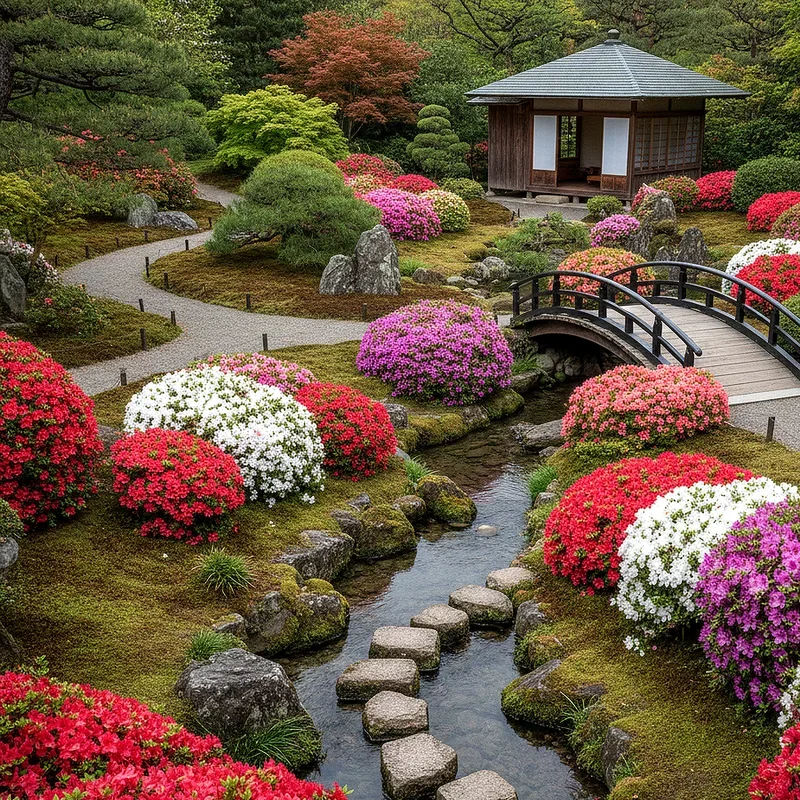
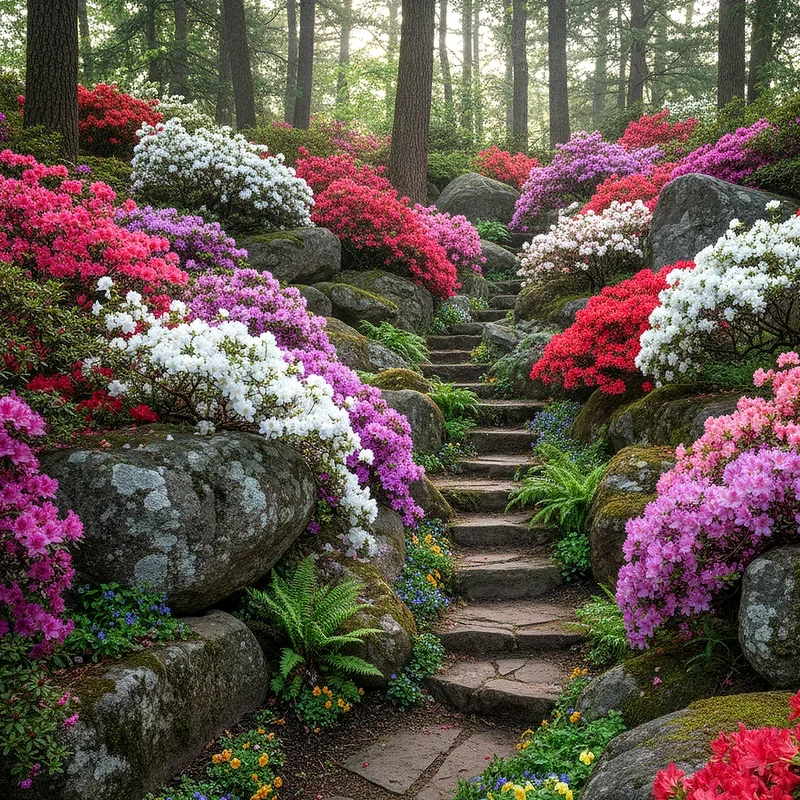
11. Incorporate Azaleas in Rock Gardens
Rock gardens combine stones with low growing plants to create miniature mountainscapes that add vertical interest to flat properties. Dwarf azalea varieties nestle perfectly between boulders where their compact size won't overwhelm the stones' sculptural qualities. The contrasting textures of rough rock and soft azalea blooms create visual tension that makes both elements more interesting than either would be alone. Excellent drainage around rocks prevents the root rot azaleas develop in waterlogged soil, creating ideal growing conditions for these acid loving shrubs. Position rocks to create planting pockets filled with acidic soil amendments that give azaleas the specialized environment they need to flourish.
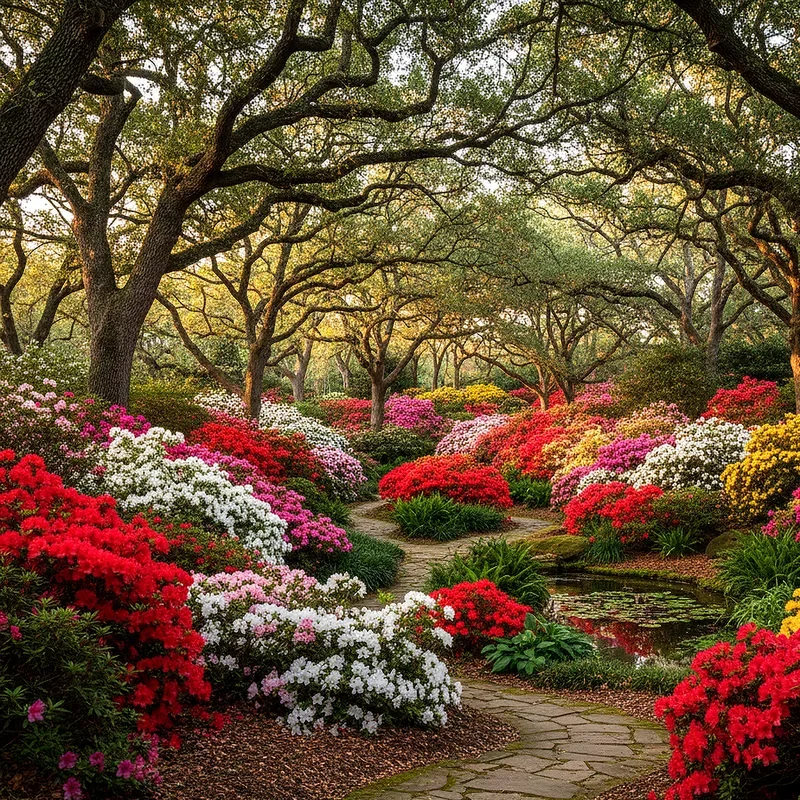
12. Plant Azaleas Under Tall Trees
Tall trees create challenging growing conditions with deep shade and root competition, but azaleas evolved to thrive in exactly these circumstances. Their shallow root systems coexist peacefully with deeper tree roots, avoiding the underground battles that doom many understory plantings. Choose shade tolerant varieties specifically bred for low light conditions rather than sun loving types that will stretch and flower poorly. Amend soil generously with organic matter to improve moisture retention in these typically dry areas where tree canopies intercept rainfall before it reaches ground level. This understory planting creates the layered effect found in natural forests, adding depth and complexity to formerly barren areas.
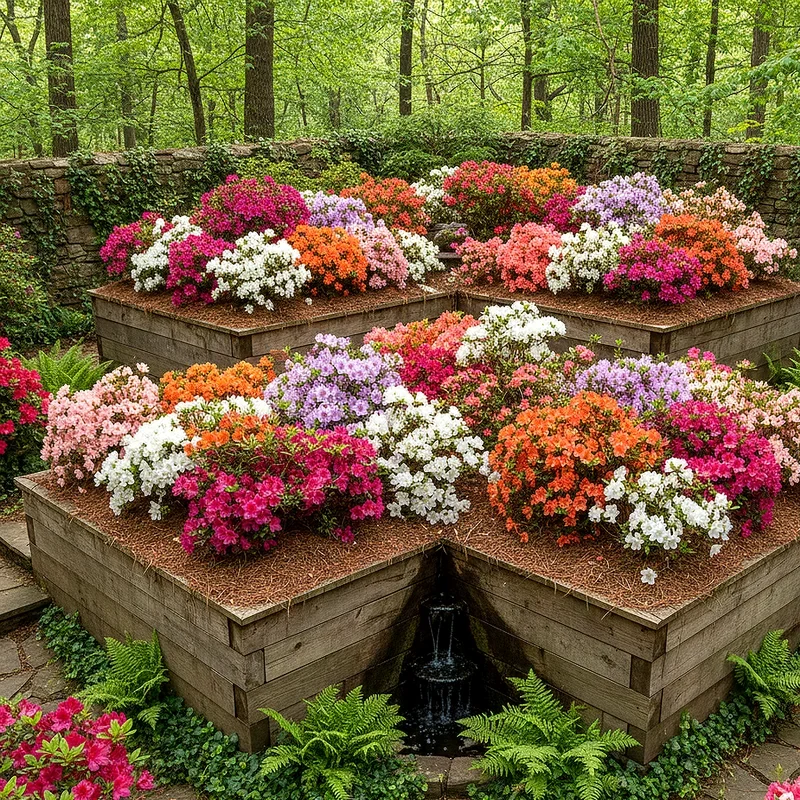
13. Build Raised Beds for Azalea Cultivation
Raised beds solve multiple gardening challenges simultaneously while creating attractive architectural features that define garden spaces. They provide the acidic, well draining soil azaleas demand without requiring you to amend your entire yard's existing earth. Elevated planting surfaces improve drainage for azaleas while making garden maintenance easier on your back and knees during planting and pruning sessions. Frame beds with attractive materials like stone, brick, or weather resistant wood that complement your home's architecture and existing landscape elements. Fill beds with customized soil blends that maintain the low pH azaleas require, ensuring long term success without constant soil amendments.
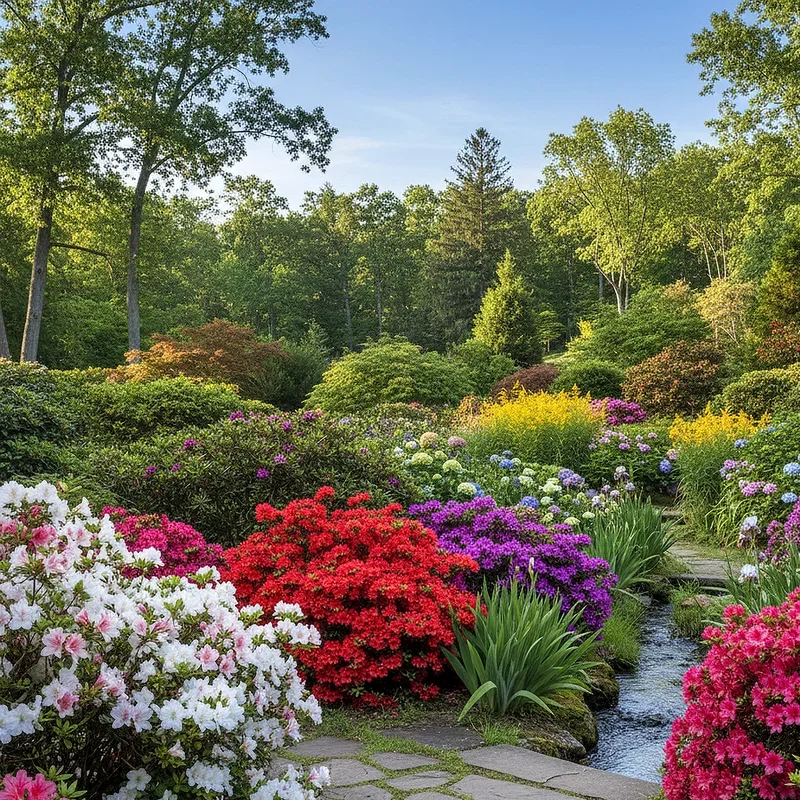
14. Create a Seasonal Color Rotation Display
Seasonal rotation displays keep your garden interesting year round by featuring plants at their peak performance throughout different months. Early blooming azaleas kick off spring displays, followed by later varieties that extend color into early summer and beyond. Underplant azaleas with spring bulbs that finish blooming before azaleas steal the spotlight, then add summer perennials that carry interest after azalea flowers fade. Include evergreen azalea varieties that provide winter structure when deciduous types lose their foliage and retreat underground. This thoughtful planning ensures your garden never looks dormant or boring, always offering something beautiful to admire regardless of season.
15. Establish an Azalea Collection Garden
Collection gardens showcase the diversity within a single plant genus, demonstrating the incredible variety available to creative gardeners willing to explore beyond basic selections. Gather different azalea species, hybrids, and cultivars that display varied bloom colors, sizes, forms, and bloom times throughout the growing season. Label specimens with plant tags that educate visitors about each variety's unique characteristics and cultural requirements for successful cultivation. This educational approach deepens your horticultural knowledge while creating a reference garden that helps you decide which varieties deserve permanent spots elsewhere in your landscape. Fellow gardeners will appreciate your collection garden as a living library where they can evaluate plants before purchasing.
Conclusion
Azaleas transform ordinary yards into extraordinary outdoor spaces that celebrate nature's vibrant color palette throughout spring and beyond. These versatile shrubs adapt to countless garden styles, from formal foundation plantings to naturalistic woodland settings that feel like peaceful forest retreats. Whether you're working with sunny borders, shaded corners, containers, or challenging slopes, there's an azalea variety perfectly suited to your specific growing conditions and design vision. Start small with just a few plants to test your soil and microclimate, then expand your collection as you gain confidence and discover which varieties thrive in your unique garden environment. Your colorful azalea garden awaits.
Read next: When to Prune Azaleas for Healthy Blooming
Frequently Asked Questions
Q1: What is the best time to plant azaleas in the garden?
A: Plant azaleas in early spring or fall when temperatures are moderate and rainfall is adequate.
Q2: Do azaleas need full sun or shade to grow properly?
A: Azaleas prefer partial shade with morning sun and afternoon protection from intense heat and light.
Q3: How often should I water newly planted azaleas?
A: Water newly planted azaleas deeply twice weekly until established, then reduce to weekly watering schedules.
Q4: What soil pH do azaleas require for optimal growth?
A: Azaleas require acidic soil with pH between 4.5 and 6.0 for optimal nutrient absorption and growth.
Q5: Can azaleas grow successfully in containers on patios?
A: Yes, dwarf azalea varieties thrive in containers with proper acidic soil and consistent moisture levels.