When to Plant Rhubarb: Best Seasons for Strong Growth
Discover the perfect timing for planting rhubarb to ensure vigorous growth. Learn seasonal tips, soil prep, and care strategies now.
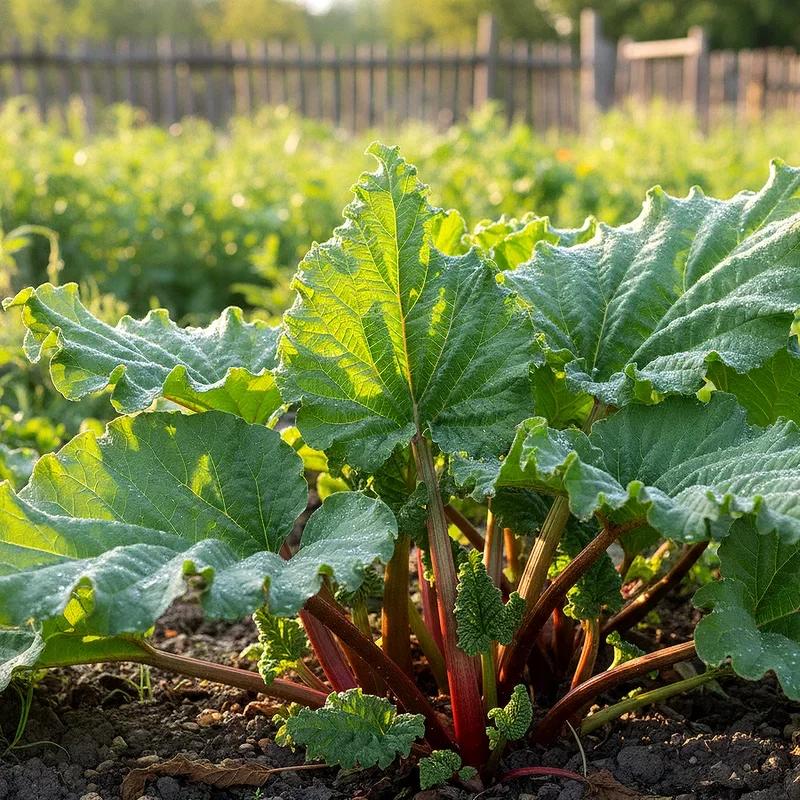
You know what? There's something truly satisfying about growing your own rhubarb. This hardy perennial has been gracing gardens for centuries, and honestly, it's one of those crops that rewards patience with years of delicious harvests. But here's the thing: timing is everything when it comes to getting those ruby-red stalks to flourish. Whether you're a seasoned gardener or just dipping your toes into the world of homegrown produce, understanding when to plant rhubarb can make all the difference between a thriving patch and a disappointing flop. The good news? Rhubarb isn't particularly fussy, but it does have its preferences. In this comprehensive guide, we'll walk you through everything you need to know about planting schedules, climate considerations, and the secrets to establishing a robust rhubarb bed that'll keep producing for decades.
Understanding Rhubarb's Growing Requirements
Before we get into the nitty-gritty of When to Plant Rhubarb: Best Seasons for Strong Growth, it's worth understanding what this perennial actually needs to thrive. Rhubarb is a cool-season crop that absolutely loves cold winters. In fact, it needs a good chill period to grow properly. Without exposure to freezing temperatures, rhubarb plants won't develop the energy they need for vigorous spring growth. This makes them perfect for northern climates but somewhat challenging in warmer regions.
The plant prefers well-drained, fertile soil with plenty of organic matter mixed in. Think rich, crumbly earth that holds moisture without becoming waterlogged. A pH level between 6.0 and 6.8 works best, though rhubarb is pretty forgiving if you're slightly outside this range. Full sun is ideal, but the plant can tolerate partial shade, especially in hotter climates where afternoon shade actually helps prevent stress.
When to Plant Rhubarb: Best Seasons for Strong Growth
Here's where things get interesting. The optimal planting time depends largely on whether you're starting from crowns or seeds, and what your local climate looks like.
Early Spring Planting
For most gardeners, early spring is the golden window for planting rhubarb crowns. We're talking about that sweet spot when the soil has thawed enough to work but before new growth has really kicked into high gear. Typically, this falls anywhere from March to May, depending on your location. The soil temperature should be at least 40 degrees Fahrenheit, though waiting until it hits 50 degrees gives your plants an even better start.
Spring planting allows the roots to establish themselves during the cool, moist conditions they adore. The plant has the entire growing season ahead to develop a strong root system before winter arrives. This foundation is crucial because rhubarb is a long-term investment in your garden. Plant it right, and you'll be harvesting from the same spot for twenty years or more.
Fall Planting Opportunities
Now, fall planting is another excellent option that many gardeners overlook. Between late September and November, before the ground freezes solid, you can successfully plant rhubarb crowns. The advantage? Cooler temperatures mean less transplant shock, and autumn rains often provide consistent moisture without you having to drag out the hose constantly.
Fall-planted rhubarb gets a head start on root development. While the top growth goes dormant, those roots keep working underground until the soil freezes. Come spring, your plants will emerge earlier and stronger than spring-planted counterparts. However, there's a catch: you shouldn't harvest any stalks the following spring. The plant needs that first season to build strength.
Regional Timing Variations
Climate zones play a massive role in determining your planting schedule. In USDA zones 3 through 5, where winters are properly cold, you've got flexibility with both spring and fall planting. Zones 6 and 7 still work well for rhubarb, though you might want to lean toward fall planting to avoid spring heat waves that stress young plants.
For those gardening in zones 8 and warmer, growing rhubarb becomes trickier. The lack of sustained cold limits the plant's vigor. If you're determined to try, plant in late fall or winter when temperatures are coolest, choose heat-tolerant varieties, and provide afternoon shade. Some folks in warm climates treat rhubarb as an annual, starting fresh plants each year.
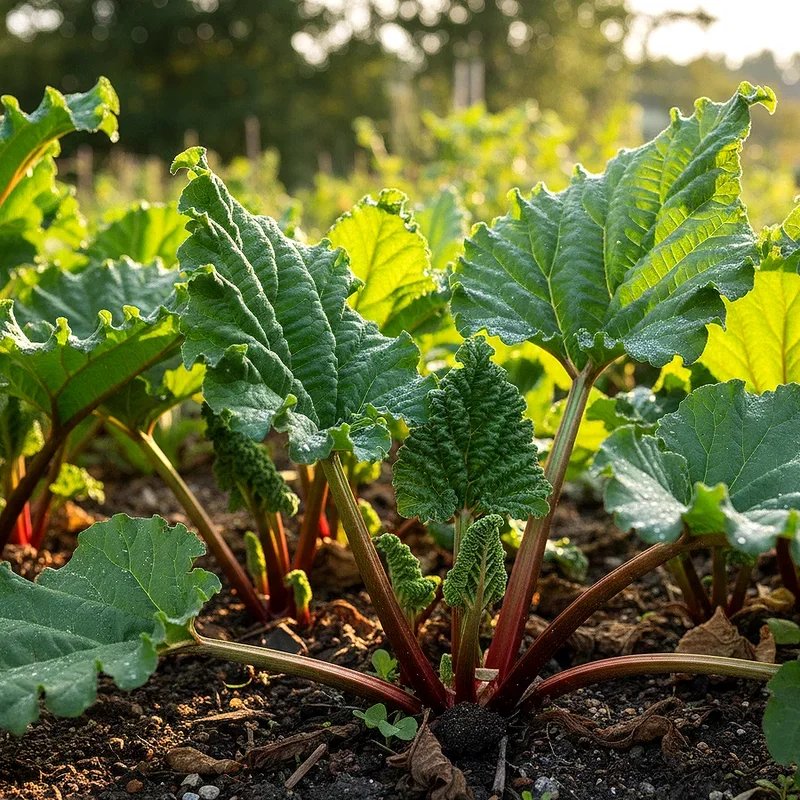
Preparing for Planting Success
Alright, so you've figured out when to plant. Now let's talk prep work, because this step is absolutely critical for long-term success.
Choosing the Right Location
Pick your spot carefully because rhubarb doesn't appreciate being moved once established. You'll want an area that gets at least six hours of direct sunlight daily. Make sure it's away from trees and shrubs that might compete for nutrients and water. Good air circulation helps prevent fungal diseases, so avoid tucked-away corners where air stagnates.
Consider the future, too. Rhubarb plants spread over time, with mature specimens reaching three to four feet across. Space them accordingly, leaving at least three feet between plants. And hey, keep them away from your vegetable beds that you rotate annually since rhubarb stays put for the long haul.
Soil Preparation Techniques
This is where you can really set your plants up for success. Start by digging deep, and I mean really deep. Rhubarb develops extensive root systems, so you'll want to work the soil to a depth of at least twelve inches, though eighteen inches is even better. Remove any rocks, weeds, or debris you encounter.
Next, enrich that soil generously. Mix in several inches of well-rotted compost or aged manure. Rhubarb is a heavy feeder, and organic matter provides both nutrients and improves soil structure. If your soil tends toward clay, add some coarse sand or perlite to improve drainage. Sandy soil benefits from extra compost to boost water retention.
A soil test never hurts, especially if you're unsure about pH levels. If your results show acidic conditions below 6.0, work in some lime. Alkaline soil above 7.0 needs sulfur amendments. Getting the pH right from the start prevents nutrient deficiencies down the road.
Planting Methods and Techniques
Whether you're working with crowns or seeds changes your approach significantly. Let's break down both methods.
Planting Rhubarb Crowns
Crowns are divisions from established plants, and they're definitely the preferred method for most gardeners. They give you a year or two head start compared to seeds. When selecting crowns, look for healthy specimens with at least one strong bud. Bigger crowns with multiple buds will establish faster and produce more abundantly.
Dig holes about twice the width of your crown and deep enough so the buds sit one to two inches below the soil surface. This depth is crucial. Too shallow, and the crown might dry out or suffer frost damage. Too deep, and it may rot or produce weak growth. Spread the roots out naturally in the hole, then backfill with your amended soil mixture.
Water thoroughly after planting to settle the soil and eliminate air pockets around the roots. A good soaking is important, but don't create a swamp. From there, maintain consistent moisture throughout the first growing season without overdoing it.
Starting from Seed
Growing rhubarb from seed requires patience, no two ways about it. You'll wait at least two years before harvesting, sometimes three. But if you're budget-conscious or want to try unusual varieties, seeds offer possibilities.
Start seeds indoors about eight to ten weeks before your last expected frost. Sow them in seed-starting mix, barely covering them with soil. Keep the medium moist and warm, around 70 degrees Fahrenheit. Germination takes one to three weeks. Once seedlings develop their second set of true leaves, transplant them into individual pots.
Harden off seedlings gradually before transplanting outdoors after all frost danger has passed. Treat them like you would crowns in terms of spacing and depth. Just remember, these babies need extra TLC their first year since they're more vulnerable than established crowns.
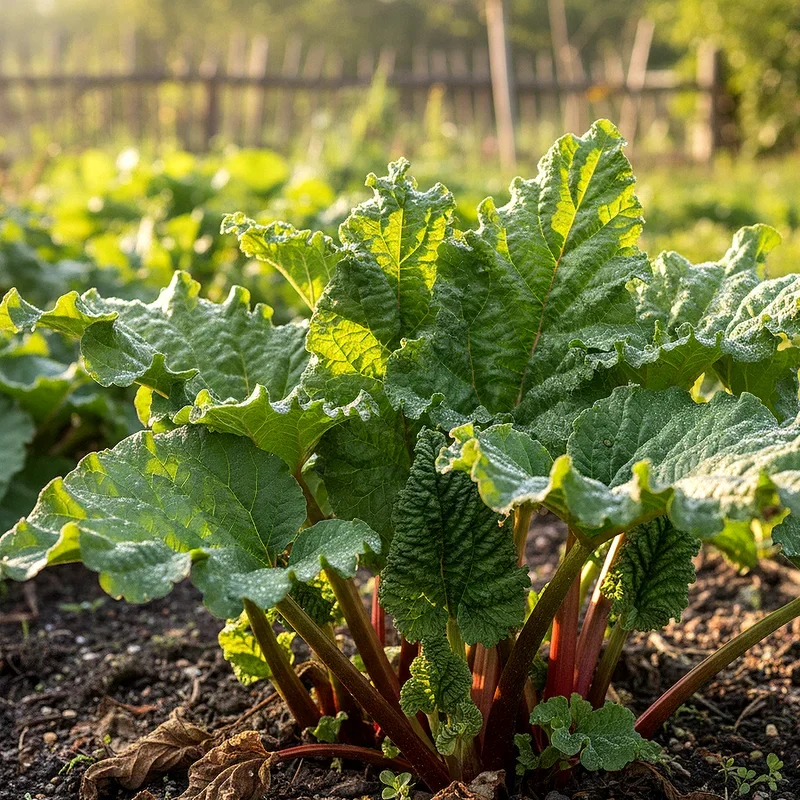
First Year Care Essentials
The inaugural growing season sets the stage for years of productivity. Getting it right matters tremendously.
Watering Requirements
Newly planted rhubarb needs consistent moisture to establish properly. During dry spells, provide about one inch of water weekly. Deep, infrequent watering encourages roots to grow downward rather than staying shallow. Mulching around plants with straw or shredded leaves helps retain moisture and regulates soil temperature.
As plants mature, they become more drought-tolerant, but consistent watering during the growing season still promotes better stalk production. Just avoid overhead watering if possible since wet leaves invite fungal problems.
Fertilization Strategy
Hold off on fertilizing for the first few weeks after planting. Let those roots settle in first. After about a month, you can apply a balanced, slow-release fertilizer or top-dress with compost. In subsequent years, feed plants in early spring as growth begins and again after harvest wraps up. This post-harvest feeding helps the plant rebuild energy reserves for next season.
Pest and Disease Management
Rhubarb faces relatively few pest problems, which is refreshing, isn't it? Occasionally, you might encounter crown rot if drainage is poor or aphids during warm spells. Good cultural practices prevent most issues. Ensure proper spacing for air circulation, avoid overwatering, and remove any damaged leaves promptly.
Seasonal Care Through the Years
Understanding When to Plant Rhubarb: Best Seasons for Strong Growth extends beyond that initial planting. Each season brings different care requirements.
Spring Management
As temperatures warm and shoots emerge, remove any mulch covering the crown so growth isn't hindered. This is also the time to divide overcrowded plants every five to seven years. Divisions reinvigorate productivity and give you new plants to expand your patch or share with friends.
Once stalks reach harvestable size (usually eight to twelve inches), you can begin picking if the plant is at least two years old. Always leave several stalks on the plant so it can continue photosynthesizing and building strength.
Summer Considerations
During summer heat, rhubarb often slows down. Stalks may become thinner and less vigorous. This is normal, and honestly, you should stop harvesting by mid-summer anyway. The plant needs time to replenish energy reserves before winter.
If flower stalks appear, remove them promptly. Flowering drains energy from the crown and reduces future productivity. Just snap them off at the base as soon as you notice them developing.
Fall and Winter Preparation
After the first hard frost, leaves will collapse and turn mushy. Cut them back to ground level and compost them if disease-free. Apply a fresh layer of mulch, about two to four inches deep, to protect the crown and maintain soil temperature. In extremely cold regions, you might add extra mulch or even leaves for additional insulation.
Common Mistakes to Avoid
Even experienced gardeners sometimes trip up with rhubarb. Let's cover the most common pitfalls.
First off, harvesting too early or too aggressively weakens plants. Resist the temptation to pick stalks the first year after planting. The second year, harvest lightly for just two or three weeks. From year three onward, you can harvest for eight to ten weeks.
Planting in poorly drained soil is another frequent error. Rhubarb absolutely despises wet feet. If your garden has heavy clay or standing water issues, consider building raised beds for better drainage.
Neglecting to divide overcrowded plants reduces productivity over time. When the center of the plant starts producing thin, weak stalks, it's time to dig and divide. This rejuvenation keeps your patch producing vigorously.
Harvesting for Maximum Productivity
Proper harvesting technique matters more than you might think. Never cut rhubarb stalks with a knife. Instead, grasp each stalk firmly near the base, twist slightly, and pull. This removes the entire stalk cleanly without leaving stubs that might rot.
Only harvest stalks thicker than your thumb for the best eating quality. Leave thinner stalks to continue feeding the plant. And here's a golden rule: never remove more than half the stalks at once. The remaining foliage needs to keep producing energy for the roots.
Stop harvesting by July or August, depending on your climate. This gives plants adequate time to rebuild strength before dormancy. Late-season harvesting might give you a few extra pies, but it compromises long-term health and productivity.
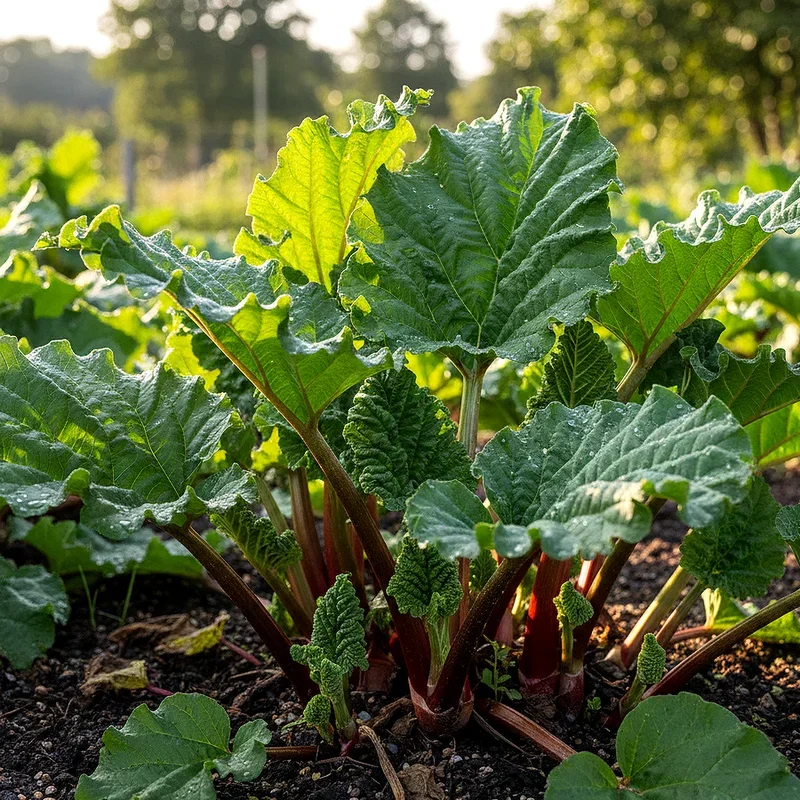
Extending Your Growing Season
While rhubarb naturally performs best in cool weather, certain techniques can extend productivity or improve performance in challenging climates.
Forcing Techniques
Forcing involves encouraging early spring growth by covering crowns with special pots or buckets. This blocks light and raises soil temperature, prompting shoots to emerge weeks earlier than normal. The resulting stalks are often more tender and sweeter, though forcing does stress plants somewhat.
Only force established plants at least three years old, and avoid forcing the same crown in consecutive years. Let it recover and rebuild strength between forcing sessions.
Container Growing
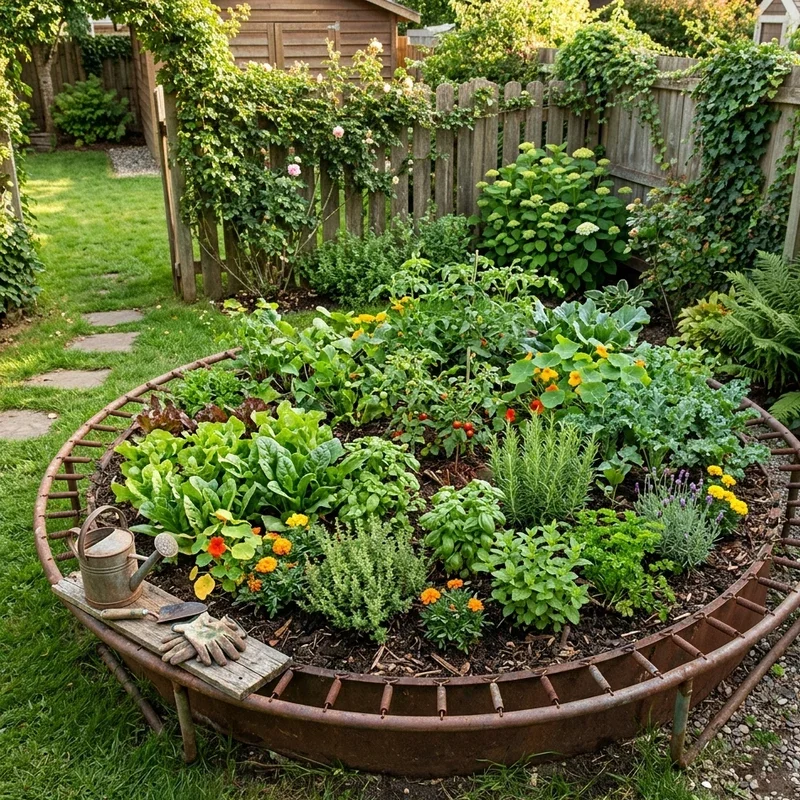
Growing rhubarb in containers works surprisingly well, especially for gardeners with limited space or challenging soil conditions. Choose large containers, at least twenty-four inches deep and equally wide. Use quality potting mix enriched with compost, and ensure excellent drainage with multiple holes in the container bottom.
Container-grown rhubarb needs more frequent watering and feeding than in-ground plants since nutrients leach out with watering. Plan to repot and divide every three to four years to maintain vigor.
Conclusion
Successfully growing rhubarb comes down to understanding its preferences and respecting its rhythm. Plant during the cool seasons of spring or fall, prepare your soil thoroughly, and provide consistent care during that crucial first year. Once established, rhubarb becomes remarkably low-maintenance, rewarding your initial effort with decades of tangy harvests. Remember that patience pays off with this perennial. Resist early harvesting, divide when needed, and your rhubarb patch will become a treasured garden feature that produces reliably year after year.
Read next: When Is the Best Time to Plant a Tree?
Frequently Asked Questions
Q1: Can I plant rhubarb in summer months?
A: Summer planting isn't recommended as heat stresses new plants and reduces establishment success significantly.
Q2: How long before I can harvest newly planted rhubarb?
A: Wait two full growing seasons before harvesting to allow proper root system development and strength.
Q3: Does rhubarb grow well in warm climates?
A: Rhubarb struggles without cold winters and performs poorly in zones warmer than zone eight typically.
Q4: Should I remove rhubarb flowers when they appear?
A: Yes, remove flower stalks immediately to redirect energy back into the crown for better production.
Q5: How deep should I plant rhubarb crowns?
A: Plant crowns with buds one to two inches below soil surface for optimal growth conditions.