How to Plant Watermelon Seeds in Your Garden
Learn how to plant watermelon seeds in your garden with expert tips on soil prep, spacing, watering, and harvesting juicy homegrown melons.
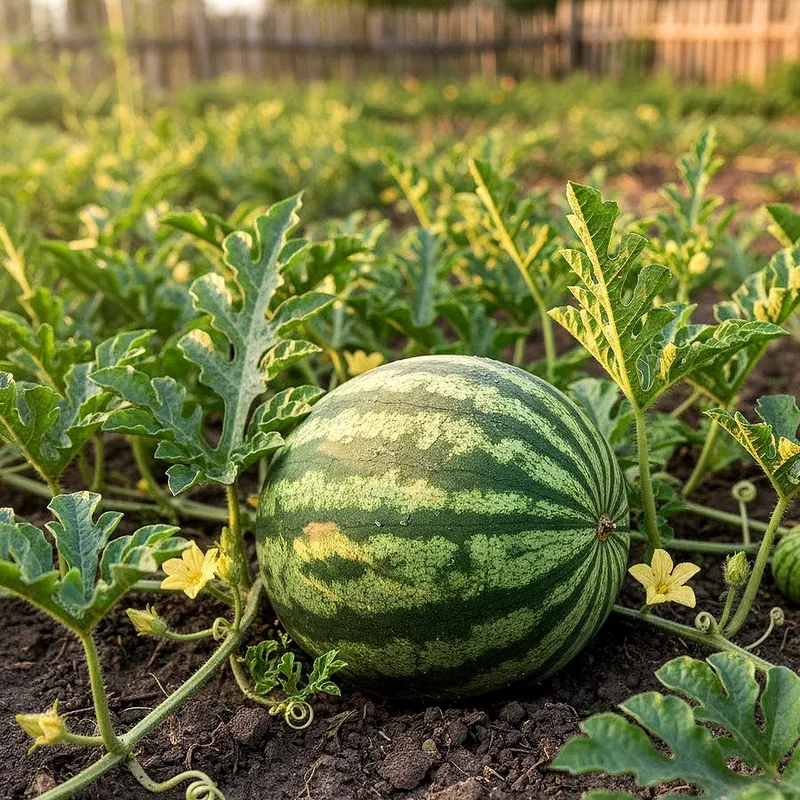
Nothing beats biting into a crispy, sweet slice of watermelon on a scorching summer day, especially when it's one you've grown yourself! If you've been wondering how to plant watermelon seeds in your garden, you're in for a real treat. Growing these massive fruits isn't rocket science, but it does take a bit of know-how and patience. Whether you're a seasoned gardener or just getting your hands dirty for the first time, cultivating watermelons can be incredibly rewarding. These thirst-quenching beauties need plenty of sunshine, water, and room to sprawl, but with the right approach, you'll be hosting backyard barbecues with homegrown watermelon before you know it.
Getting Your Timing Just Right
When it comes to planting watermelon seeds, timing's everything, folks! These heat-loving plants won't tolerate any funny business from Jack Frost. You'll want to wait until the soil temperature hits at least 70°F, which typically happens about two to three weeks after your last spring frost. In most regions, that's somewhere between late May and early June.
Starting seeds indoors? Well, that's a smart cookie move! Begin about three to four weeks before your planned transplant date. Use biodegradable pots since watermelon seedlings hate having their roots disturbed. Trust me, they're drama queens when it comes to transplanting!
Choosing the Perfect Spot in Your Garden
Location, location, location! Your watermelons are sun worshippers that need at least eight hours of direct sunlight daily. Pick a spot that gets full sun from morning till evening. These sprawling vines can take up quite a bit of real estate, so make sure you've got plenty of room. We're talking about 20 square feet per plant for traditional varieties!
Got a smaller garden? No worries! Bush varieties or vertical growing methods can save the day. Just remember, watermelons growing up trellises will need some serious support once those fruits start developing.
Preparing Your Soil Like a Pro
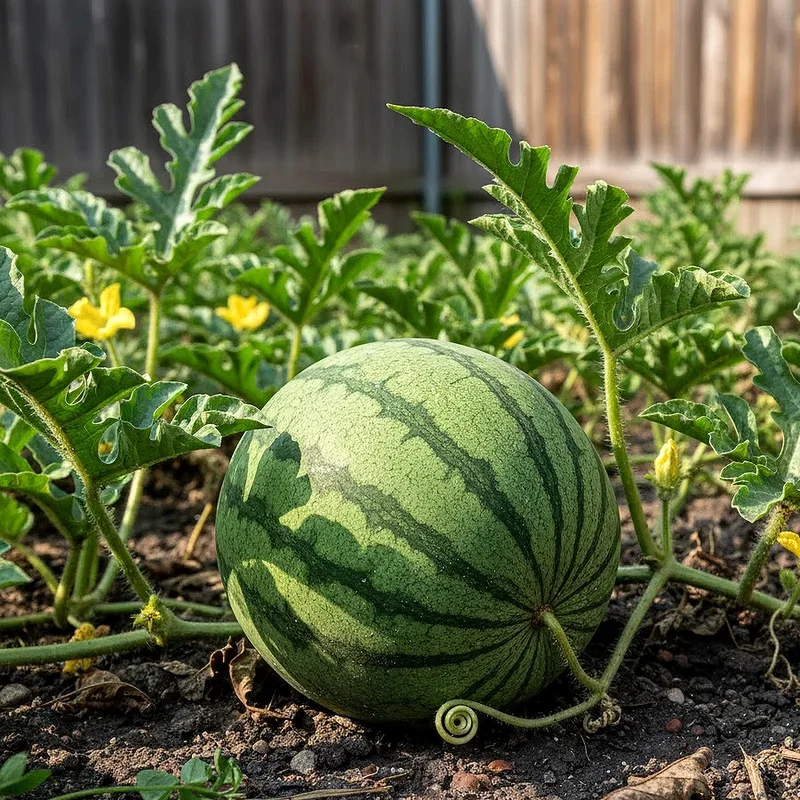
Here's where the magic happens! Watermelons are pretty picky about their soil, preferring a slightly acidic to neutral pH between 6.0 and 7.0. They absolutely love loose, well-draining soil rich in organic matter. Heavy clay soil? That's gonna be a problem unless you amend it properly.
Work in plenty of compost or well-rotted manure about two weeks before planting. Creating raised beds or mounds helps with drainage and warms the soil faster. Mix in a balanced fertilizer following package directions, and you're golden!
How to Plant Watermelon Seeds in Your Garden Step by Step
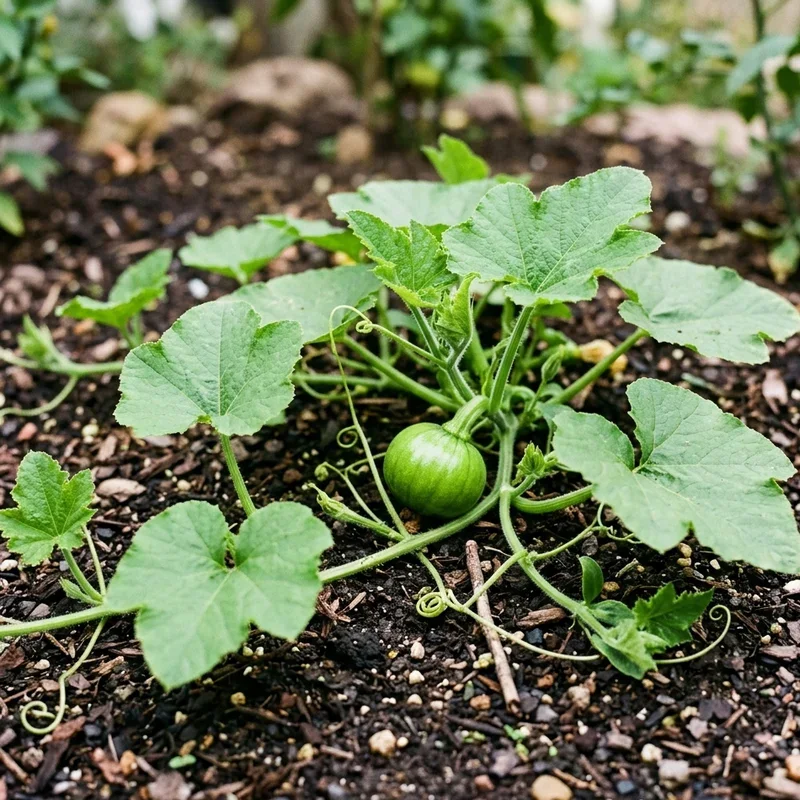
Now we're getting to the nitty-gritty! First things first, create planting hills or mounds about 3 feet apart for bush varieties and 6 feet apart for vining types. Each mound should be about 12 inches high and 18 inches wide.
Plant 4 to 6 seeds per hill, pushing them about 1 inch deep into the soil. Once seedlings emerge and develop their first true leaves, thin them down to the 2 or 3 strongest plants per hill. It might feel cruel, but trust the process!
Water gently but thoroughly after planting. The soil should be moist but not waterlogged. Overwatering at this stage can lead to seed rot, and nobody wants that disappointment!
Watering and Feeding Your Growing Giants
Boy oh boy, do watermelons love their water! They need about 1 to 2 inches per week, especially when fruits are developing. Deep, infrequent watering encourages strong root development. Soaker hoses or drip irrigation work wonders, keeping water off the leaves and reducing disease risk.
Feeding schedule matters too:
Apply a balanced fertilizer when vines start running
Switch to a low-nitrogen, high-potassium fertilizer once flowers appear
Side-dress with compost every 3 to 4 weeks
Reduce watering as fruits ripen for sweeter melons
Managing Vines and Supporting Fruits
Those vines can really go wild if you let 'em! Guide them gently in the direction you want them to grow. Some gardeners like to prune the vine tips once a few fruits set, focusing the plant's energy on developing existing melons rather than producing more.
Speaking of support, once fruits reach softball size, slip a piece of cardboard, wooden board, or straw underneath. This prevents soil contact and reduces the risk of rot. For vertically grown melons, create slings from old t-shirts or pantyhose. Yeah, it looks funny, but it works like a charm!
Dealing with Common Pests and Diseases
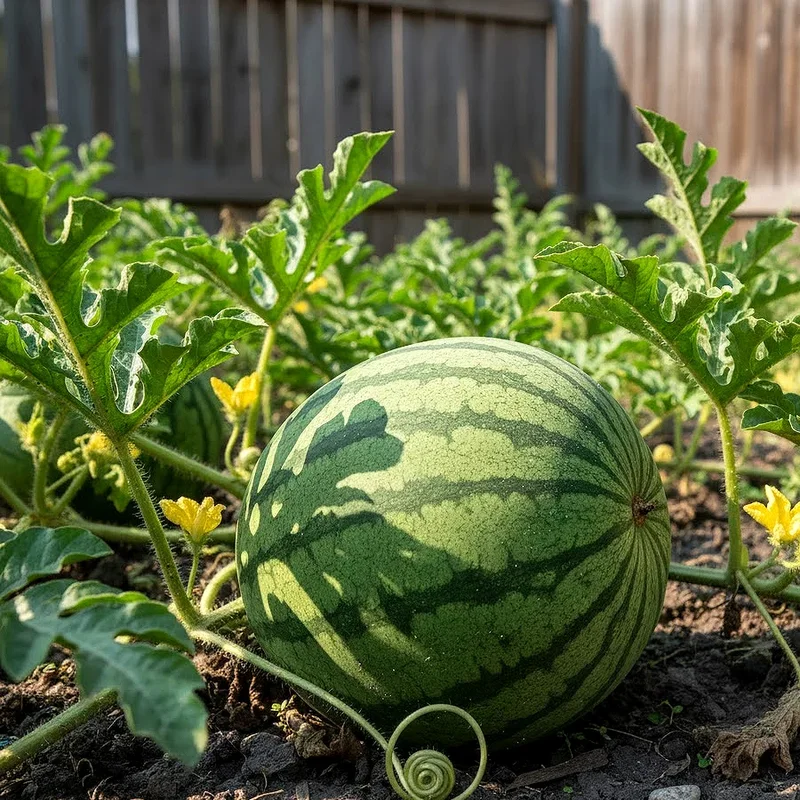
Ugh, pests! They love watermelons almost as much as we do. Cucumber beetles, aphids, and squash bugs are the usual suspects. Regular inspection's your best defense. Hand-picking works for larger pests, while insecticidal soap handles the tiny troublemakers.
Disease prevention beats treatment every time:
Avoid overhead watering
Provide adequate spacing for air circulation
Remove affected leaves promptly
Rotate crops yearly
Use disease-resistant varieties when possible
Knowing When to Harvest Your Homegrown Treasures
This is the million-dollar question! A ripe watermelon makes a deep, hollow sound when thumped. The field spot, where it sits on the ground, turns from white to creamy yellow. The tendril nearest the fruit stem dries out and turns brown. Also, the skin loses its shiny appearance and becomes dull.
Don't rush it though! Unlike some fruits, watermelons won't continue ripening after picking. When in doubt, wait a few more days. Better safe than sorry with these beauties!
Storing and Enjoying Your Harvest
Fresh off the vine, watermelons can sit at room temperature for about a week. Once cut, wrap tightly and refrigerate. They'll keep for 3 to 5 days. Got too many? Lucky you! Cube and freeze them for smoothies, or try your hand at watermelon pickles.
Troubleshooting Common Growing Problems
Sometimes things don't go according to plan, and that's okay! Flowers but no fruit? You might have a pollination issue. Hand-pollinate by transferring pollen from male to female flowers with a small brush. Fruits cracking? That's usually from irregular watering. Keep moisture levels consistent.
Misshapen melons often result from poor pollination or stress during development. Small fruits might indicate too many melons per vine or inadequate nutrients. Don't get discouraged; every garden season's a learning experience!
Advanced Tips for Seasoned Gardeners
Ready to level up? Try succession planting for extended harvest. Plant new seeds every 2 to 3 weeks until about 12 weeks before your first fall frost. Experiment with different varieties too! Sugar Baby's perfect for small spaces, while Carolina Cross can grow enormous if you're after bragging rights.
Companion planting works wonders. Radishes planted nearby help deter cucumber beetles. Nasturtiums act as trap crops for aphids. Marigolds? They're like garden bodyguards, keeping various pests at bay.

Making the Most of Small Spaces
Don't let limited space crush your watermelon dreams! Container growing's totally doable with dwarf varieties. Use at least a 5-gallon container with drainage holes. Fill with quality potting mix, not garden soil.
Vertical growing saves tons of space. Build a sturdy trellis at least 6 feet tall. Train vines upward, securing them loosely with soft ties. Remember those makeshift slings for developing fruits!
Understanding Different Watermelon Varieties
The variety you choose makes all the difference! Seedless types actually have soft, white seeds you can eat. They need a seeded pollinator variety nearby though. Icebox watermelons fit in your fridge and mature faster. Traditional varieties take longer but often taste superior.
Yellow and orange-fleshed varieties offer something different. They're often sweeter with a honey-like flavor. Mini varieties like Personal Watermelon produce single-serving fruits perfect for small families.
Conclusion
Growing watermelons in your garden brings pure summer joy right to your backyard! With proper preparation, consistent care, and a bit of patience, you'll master how to plant watermelon seeds in your garden like a seasoned pro. Remember, every gardener faces challenges, but the reward of harvesting your own sun-warmed, perfectly ripe watermelon makes every effort worthwhile. So grab those seeds and get planting!
Read next: How to Plant Lavender Seeds for Healthy Growth
Frequently Asked Questions
Q1: How long do watermelon seeds take to germinate?
A: Seeds typically germinate within 7 to 10 days in warm soil.
Q2: Can I grow watermelons in containers successfully?
A: Yes, choose dwarf varieties and use 5-gallon containers minimum.
Q3: How many watermelons does one plant typically produce?
A: Most plants produce 2 to 4 full-sized melons per vine.
Q4: Should I remove the first flowers that appear?
A: No, early flowers are usually male and needed for pollination.
Q5: What's the best mulch for watermelon plants?
A: Black plastic mulch warms soil and controls weeds effectively.