When to Plant Tiger Lily Bulbs: Growing Guide
Learn when to plant tiger lily bulbs with our growing guide, covering timing, soil, care tips, and tricks for vibrant blooms.
Picture this: a garden bursting with fiery orange blooms, freckled petals curling toward the sky like tiny flames dancing in the breeze. That's the magic of tiger lilies, and boy, do they pack a punch! But here's the rub, timing is everything when it comes to getting these beauties to flourish. Plant 'em at the wrong moment, and you'll be twiddling your thumbs waiting for blooms that never show. So, if you've been itching to add a splash of drama to your yard, you've landed in the right spot. Let's dig into when to plant tiger lily bulbs and turn your garden into a real showstopper.
When to Plant Tiger Lily Bulbs Growing Guide Basics
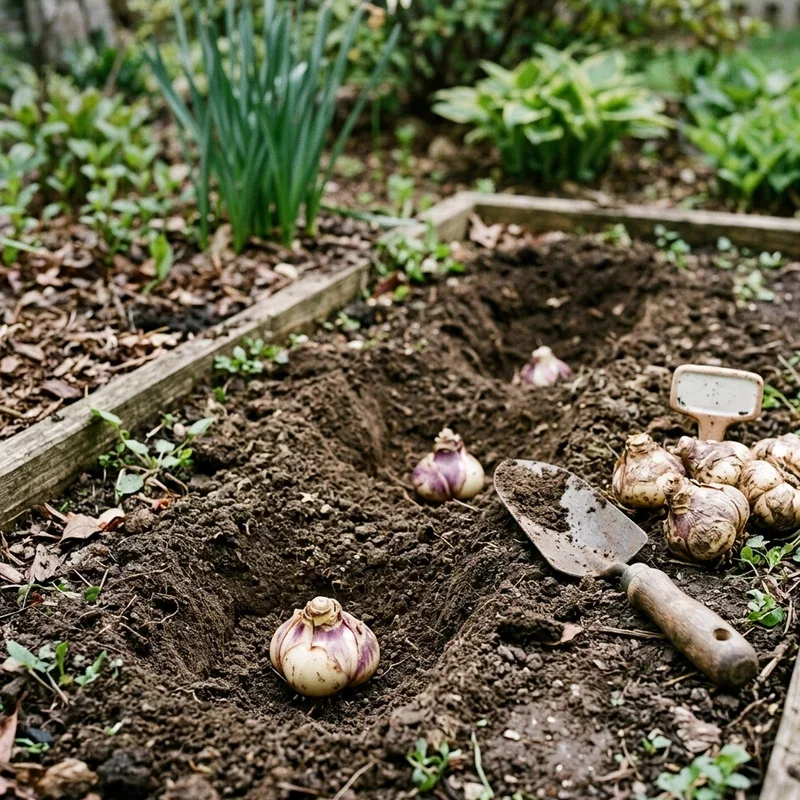
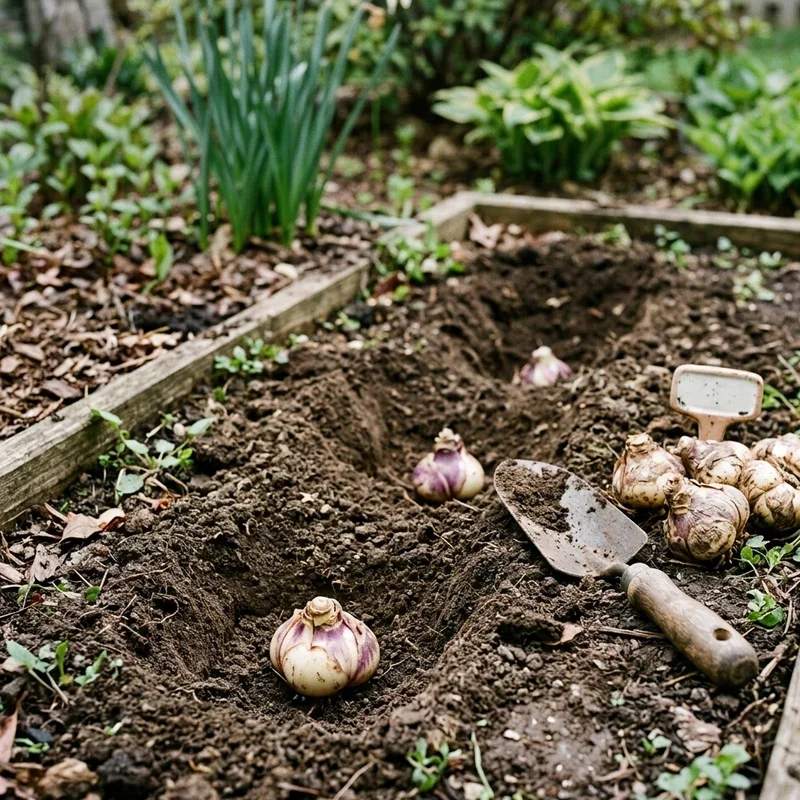
Alright, let's cut to the chase. The best times to pop those tiger lily bulbs into the ground are either fall or early spring. Why these windows? Well, fall planting gives the bulbs a head start, letting their roots settle in before winter's chill rolls around. Come spring, they'll burst forth with gusto. On the flip side, spring planting works like a charm too, especially in colder regions where harsh winters might bully tender bulbs. Honestly, both seasons have their perks. The trick is matching your planting time to your local climate. Get that right, and you're already halfway to a jaw-dropping floral display.
Why Tiger Lilies Deserve a Spot in Your Garden
Ever wondered why folks go gaga over tiger lilies? These hardy perennials are practically the workhorses of the flower world. They're tough as nails, shrugging off pests and diseases that send other plants packing. Plus, they multiply like nobody's business, rewarding you with more blooms year after year without much fuss. Their striking orange petals dotted with dark spots add a wild, exotic flair to any landscape. Pollinators adore them too, so you'll attract butterflies and bees galore. And let's not forget, they're low-maintenance darlings. For gardeners craving big impact with minimal effort, tiger lilies truly fit the bill. What's not to love about that?
Understanding the Tiger Lily Life Cycle
Before we get our hands dirty, it helps to know how these plants tick. Tiger lilies grow from bulbs, which store all the energy needed to sprout each season. After planting, the bulbs develop roots, then push up tall, sturdy stems crowned with those signature blooms. Once flowering wraps up in mid to late summer, the plant focuses on storing energy for next year. The foliage might yellow and die back, but don't yank it out too soon! That dying greenery is busy feeding the bulb. Come the following season, the cycle starts anew. Understanding this rhythm makes it easier to care for them properly throughout the year.
When to Plant Tiger Lily Bulbs Growing Guide by Climate Zone
Here's where things get interesting, because your location plays a starring role. Not all gardens are created equal, after all. Depending on where you hang your hat, your ideal planting window shifts a bit.
1. Cold climates (zones 3-5): Plant in early spring after the last frost, or in fall before the ground freezes solid. 2. Temperate climates (zones 6-7): Fall planting shines here, giving bulbs ample time to establish before winter. 3. Warm climates (zones 8-10): Fall is your friend, since these regions rarely face brutal freezes that damage bulbs.
Knowing your zone takes the guesswork out of the equation. If you're unsure, a quick peek at a hardiness zone map clears things right up. Tailoring your timing to your climate sets the stage for thriving, happy lilies.
Choosing Healthy Bulbs Before You Plant
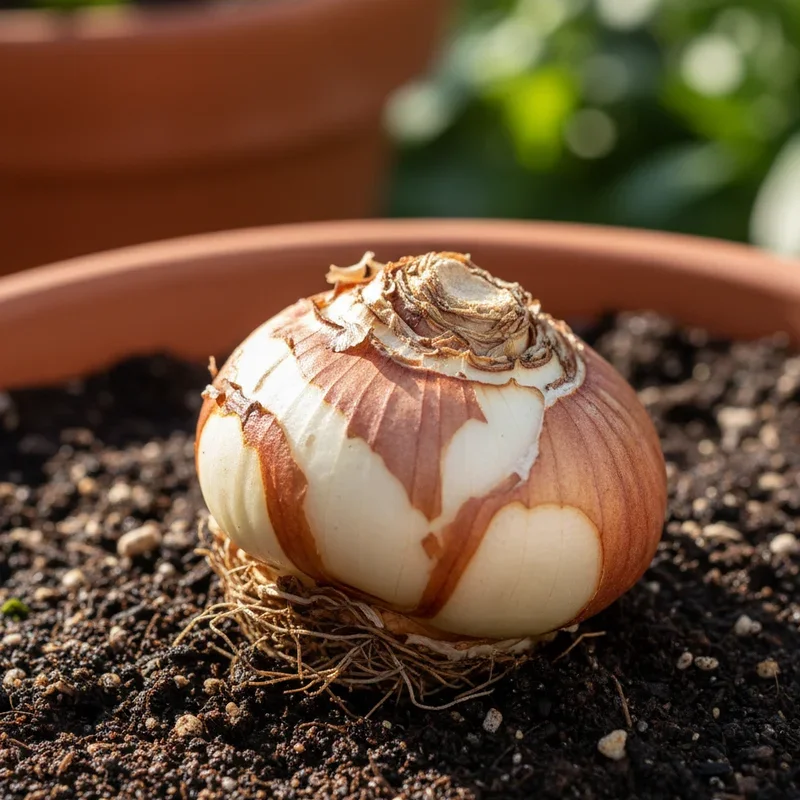
Listen up, because this step matters more than you'd think. Starting with top-notch bulbs is half the battle won. When you're shopping, give those bulbs a good once-over. You want firm, plump bulbs that feel hefty in your hand, not shriveled or squishy ones.
Keep an eye out for these telltale signs of quality:
1. Firmness: Healthy bulbs feel solid, never mushy or spongy. 2. No mold: Steer clear of bulbs with fuzzy growth or dark, rotten spots. 3. Good size: Larger bulbs typically produce stronger plants and more blooms. 4. Intact skin: A few loose papery layers are fine, but avoid deeply damaged ones.
Skimping on bulb quality is like building a house on a shaky foundation. Spend a little extra time picking winners, and your future self will thank you when those gorgeous blooms appear.
Prepping Your Soil Like a Pro
Now, let's talk dirt, literally. Tiger lilies aren't too picky, but they do have preferences. They thrive in well-draining soil that doesn't stay soggy. Waterlogged ground is a death sentence for these bulbs, leading to rot quicker than you can say "oops." Aim for slightly acidic to neutral soil, and work in some organic matter like compost to give your lilies a nutritious boost. Loosening the soil to a good depth helps roots stretch out comfortably. If your soil's heavy clay, mixing in sand or grit improves drainage wonderfully. A little prep work goes a long way, setting up a cozy home where your tiger lilies can really flourish.
When to Plant Tiger Lily Bulbs Growing Guide for Proper Depth and Spacing
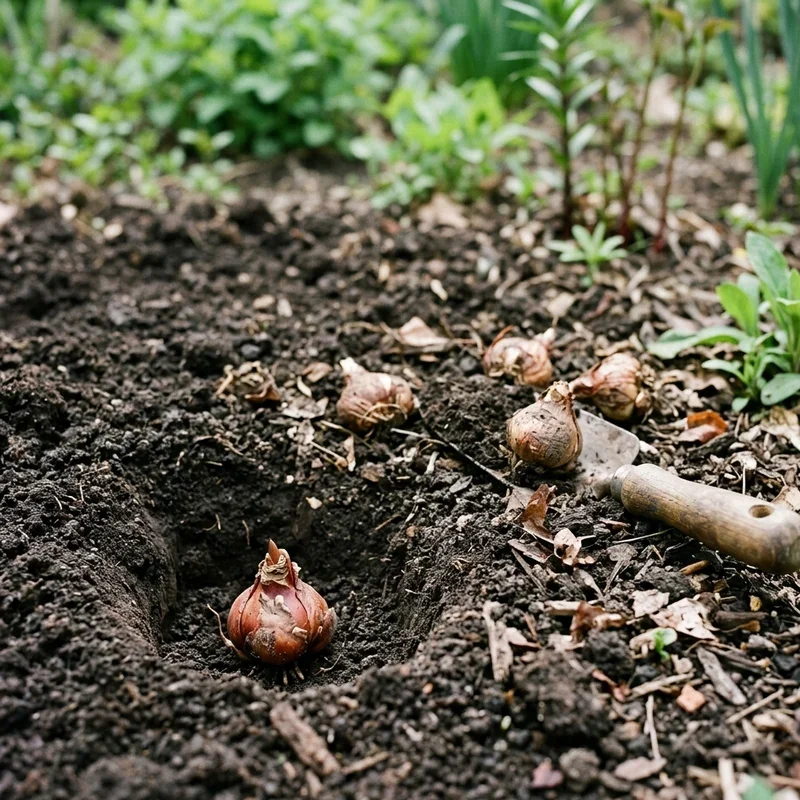
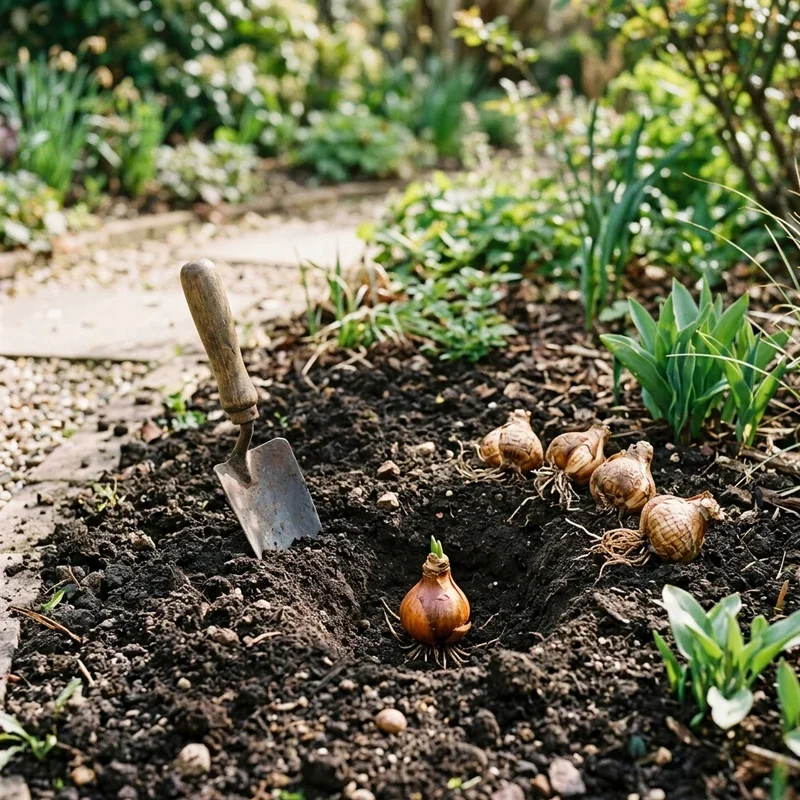
So you've got your bulbs and prepped soil, now what? Getting the planting depth and spacing right is crucial for healthy growth. As a rule of thumb, plant tiger lily bulbs about three times as deep as the bulb's height. For most bulbs, that means digging holes roughly four to six inches deep. Pop the bulb in pointy side up, then cover it gently with soil. Space your bulbs around eight to twelve inches apart to give them breathing room. Crowding them leads to competition for nutrients and poor airflow. Following these guidelines ensures each plant has the space it needs to put on a spectacular show.
Watering Your Newly Planted Bulbs
After tucking those bulbs into bed, give them a good drink. Watering helps settle the soil and kickstarts root development. That said, don't go overboard and drown the poor things. Tiger lilies like moisture, but they detest sitting in puddles. Once they're established, these tough cookies handle dry spells fairly well. During the growing season, aim to keep the soil evenly moist but never sopping wet. A deep watering once a week usually does the trick, depending on your weather. Stick your finger in the soil to check, and if it's dry an inch down, it's time to water. Simple as that.
Sunlight Requirements for Stunning Blooms
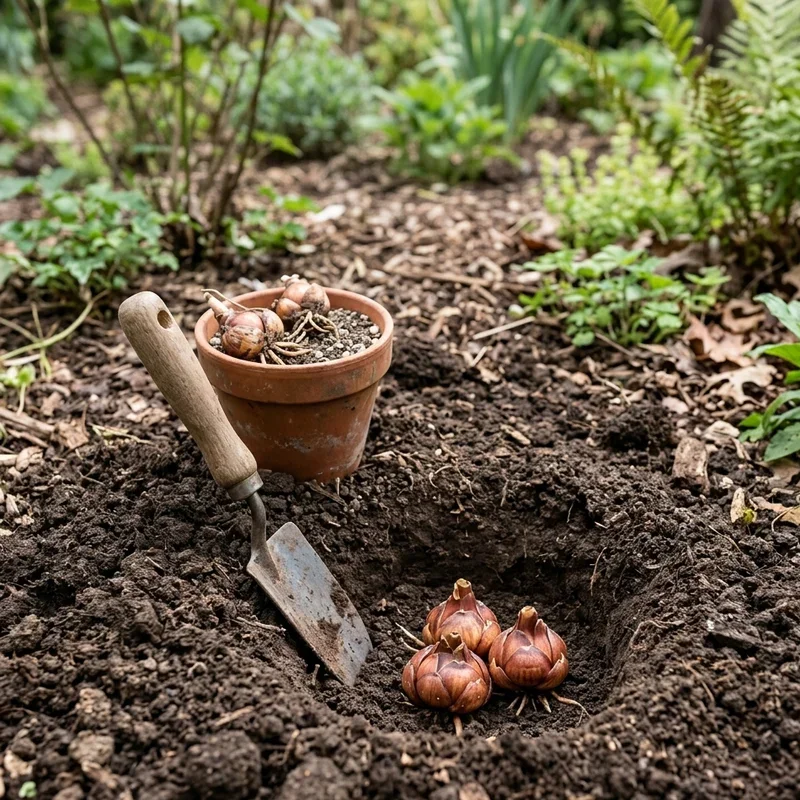
Want those tiger lilies to truly dazzle? Then give them plenty of sunshine. These sun-worshippers crave full sun to partial shade, ideally soaking up at least six hours of direct light daily. The more sun they get, the more vigorous and abundant the blooms. That said, in scorching hot climates, a bit of afternoon shade prevents the petals from frying. Position them where they'll catch the morning rays but get a little relief during the hottest part of the day. Finding that sweet spot makes all the difference. Skimp on sunlight, and you'll get leggy plants with fewer flowers. Nobody wants that disappointment, right?
Ongoing Care Throughout the Seasons
Caring for tiger lilies isn't rocket science, thank goodness. Once they're settled, they pretty much do their own thing. Still, a little TLC keeps them looking their best. Here's a quick rundown of seasonal care tasks.
1. Spring: Apply a balanced fertilizer as new growth emerges to fuel strong stems. 2. Summer: Deadhead spent blooms to keep plants tidy and encourage energy storage. 3. Fall: Cut back yellowed foliage and add a layer of mulch for winter protection. 4. Winter: Let the bulbs rest, doing nothing more than ensuring drainage stays good.
Stick to this rhythm, and your tiger lilies will reward you handsomely. They're forgiving plants, so even if you slack off occasionally, they'll likely bounce back without a hitch.
Common Problems and How to Dodge Them
Even the hardiest plants face the odd hiccup now and then. Tiger lilies can fall prey to a few troublemakers, but forewarned is forearmed. The dreaded red lily beetle is a notorious pest, chomping through leaves with reckless abandon. Pick them off by hand or use natural deterrents to keep them at bay. Bulb rot, usually caused by poor drainage, is another sneaky culprit. Ensuring your soil drains well prevents this soggy disaster. Aphids might also show up uninvited, but a blast of water or insecticidal soap sends them packing. Stay vigilant, address issues early, and your lilies will sail through the season unscathed.
Propagating Tiger Lilies for More Blooms
Here's a fun bonus: tiger lilies are incredibly easy to multiply. Why buy more bulbs when you can grow your own for free? These plants produce little black bulbils along their stems, which you can pluck and plant. They also form offsets, baby bulbs that develop around the parent. Simply dig up clumps in fall, separate the bulbs, and replant them elsewhere. Before long, you'll have tiger lilies popping up all over your garden. It's like getting something for nothing, and who doesn't love a good freebie? Sharing the extras with friends and neighbors spreads the joy too. Talk about a gift that keeps giving!
Conclusion
There you have it, the full scoop on growing these fiery beauties. When it comes down to it, nailing the timing is the secret sauce, with fall and early spring being your golden windows. Pair good timing with healthy bulbs, well-draining soil, and ample sunshine, and you're set for success. This when to plant tiger lily bulbs growing guide should give you all the confidence you need. So roll up your sleeves, get planting, and before you know it, your garden will be ablaze with those unmistakable orange blooms. Happy gardening, friend!
Read next: 15 Lily Garden Ideas to Create a Blooming Retreat
Frequently Asked Questions
1.How long do tiger lily bulbs take to bloom?
They typically bloom within the first growing season, usually mid to late summer.
2.Can I plant tiger lily bulbs in pots?
Absolutely, just ensure the container has drainage holes and enough depth for roots.
3.Do tiger lilies come back every year?
Yes, they're hardy perennials that return and multiply reliably year after year with care.
4.How deep should I plant tiger lily bulbs?
Plant them about four to six inches deep, roughly three times the bulb's height.
5.Are tiger lilies toxic to pets?
Yes, tiger lilies are highly toxic to cats, so keep curious felines well away.