15 Agave Garden Ideas for Stylish and Low-Maintenance Yards
Discover 15 stunning agave garden ideas that transform your yard into a drought-tolerant oasis with minimal upkeep and maximum visual impact.
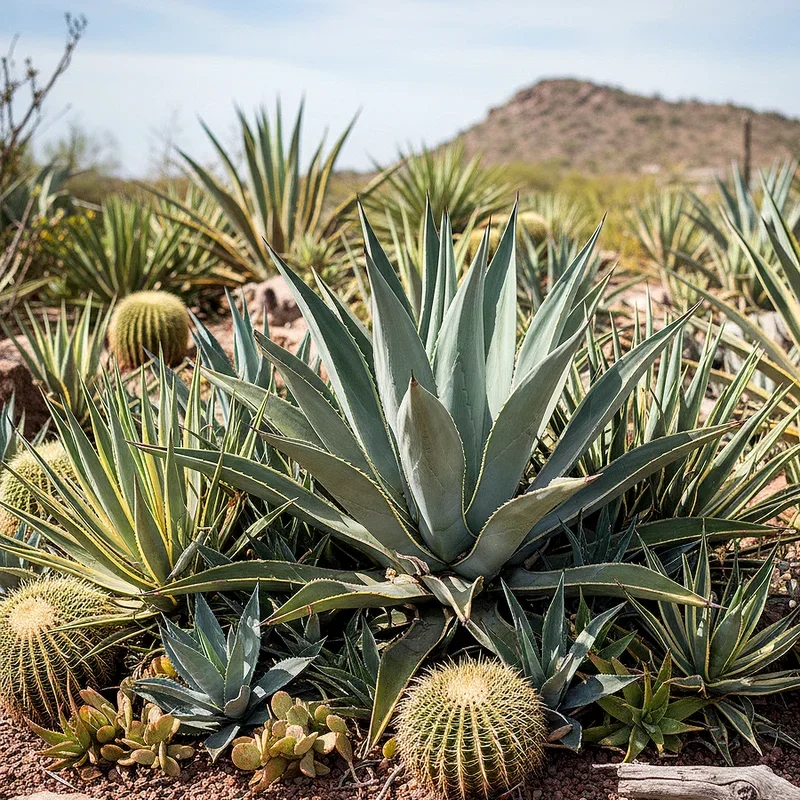
Have you ever dreamed of a garden that looks absolutely stunning yet demands almost no effort to maintain? Agave plants offer exactly that combination of beauty and practicality. These sculptural succulents bring architectural drama to any landscape while thriving on neglect, making them perfect for busy homeowners and water-conscious gardeners alike. With their bold rosettes, striking silhouettes, and incredible variety of sizes and colors, agaves transform ordinary yards into extraordinary outdoor spaces. Whether you're dealing with scorching heat, poor soil, or simply want to reduce your weekend watering routine, these desert natives deliver style without the struggle. From modern minimalist designs to rustic southwestern themes, agave gardens adapt to any aesthetic vision.
1. Create a Modern Desert Minimalist Landscape
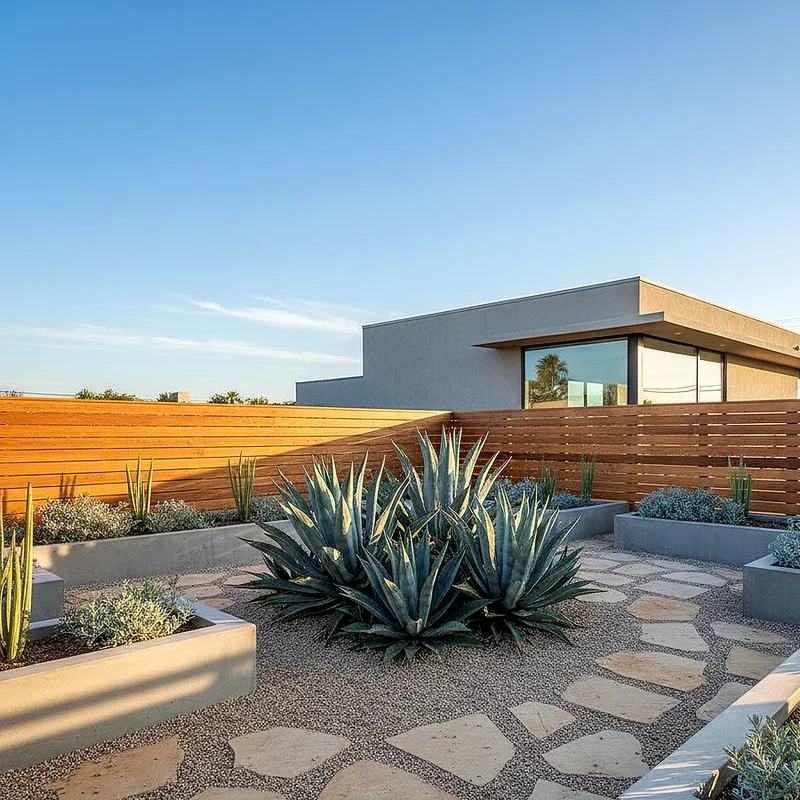
Modern minimalist landscapes embrace clean lines and restrained plant selections, making agaves absolute superstars in this design style. Picture sleek concrete pavers floating through beds of fine gravel, punctuated by perfectly placed agave specimens that serve as living sculptures. The sharp geometry of agave rosettes complements contemporary architecture beautifully, creating visual harmony between your home and garden. Choose varieties like Agave americana or Agave attenuata for their bold, symmetrical forms that make powerful statements without overcrowding the space. Keep the color palette simple with gray-blue agaves against neutral hardscaping, perhaps adding a single accent color through potted specimens. This approach transforms your yard into a serene, gallery-like space where each plant becomes a carefully curated piece of art that requires virtually no maintenance beyond occasional grooming.
2. Design a Colorful Agave Container Garden
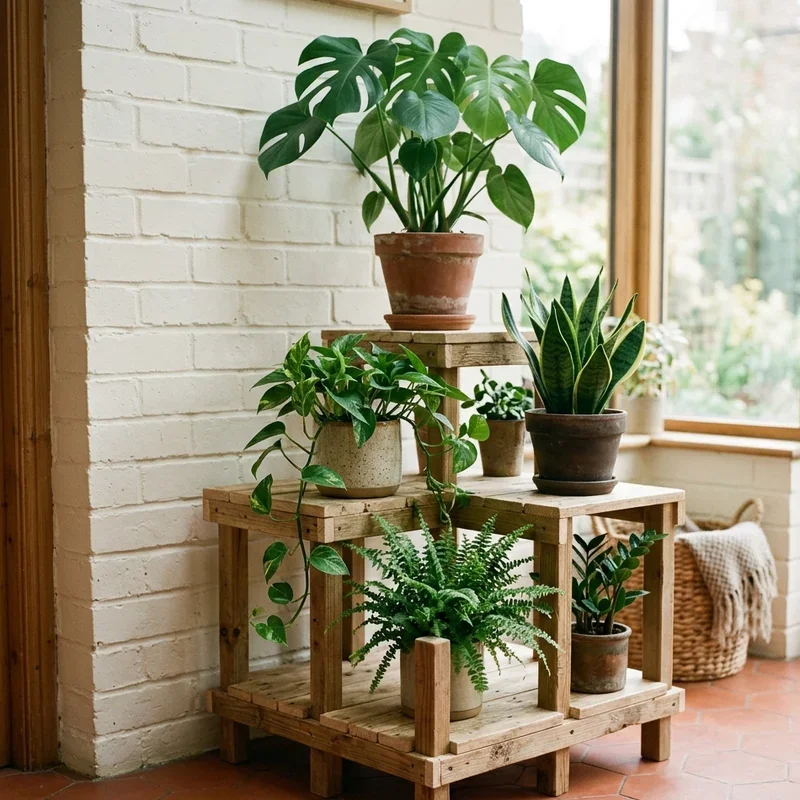
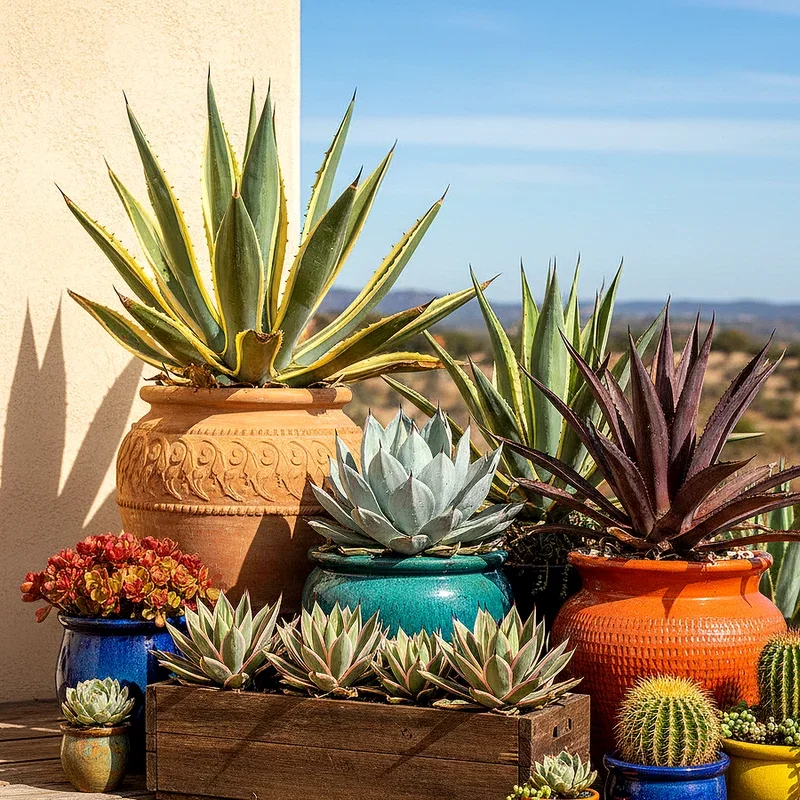
Container gardening with agaves opens up endless creative possibilities, especially for small spaces or rental properties where permanent planting isn't possible. Select pots in varying heights and widths to create dynamic arrangements that draw the eye upward and across your patio or deck. Mix agave varieties with different leaf colors including blue-gray Agave parryi, striped Agave americana 'Mediopicta', and reddish Agave colorata for a vibrant display. Terracotta pots complement the warm tones in many agave varieties, while modern concrete planters suit cooler blue specimens perfectly. Group containers in odd numbers for visual interest, placing taller specimens at the back and shorter ones in front. Remember that containerized agaves need excellent drainage, so choose pots with adequate holes and use a gritty, fast-draining soil mix to prevent root rot.
3. Build a Dramatic Focal Point with Giant Agaves
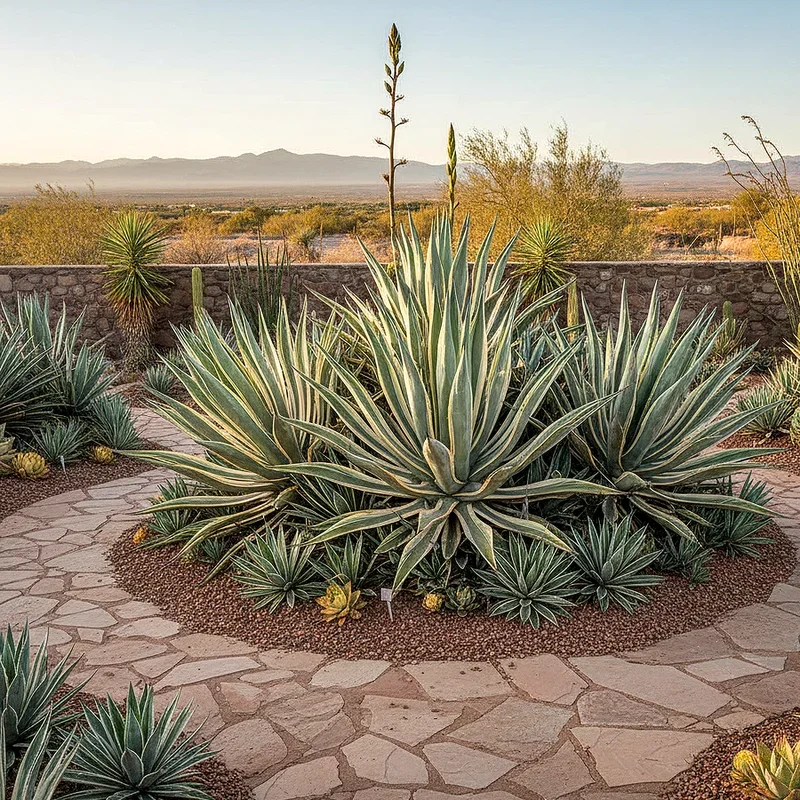
Giant agaves like Agave americana or Agave salmiana create instant drama and become the undisputed centerpiece of any garden design. These massive specimens can reach five to eight feet across, commanding attention and establishing a powerful visual anchor in your landscape. Position your giant agave where it can be appreciated from multiple viewing angles, perhaps at a garden intersection or the terminus of a pathway. Surround the base with smaller companion plants or decorative rock mulch that won't compete for attention but provides visual balance. The architectural presence of a large agave eliminates the need for excessive ornamentation, allowing you to keep surrounding areas simple and uncluttered. As these plants mature, they develop even more character, and their eventual bloom spikes can tower twenty feet high, creating a once-in-a-lifetime spectacular display.
4. Combine Agaves with Ornamental Grasses
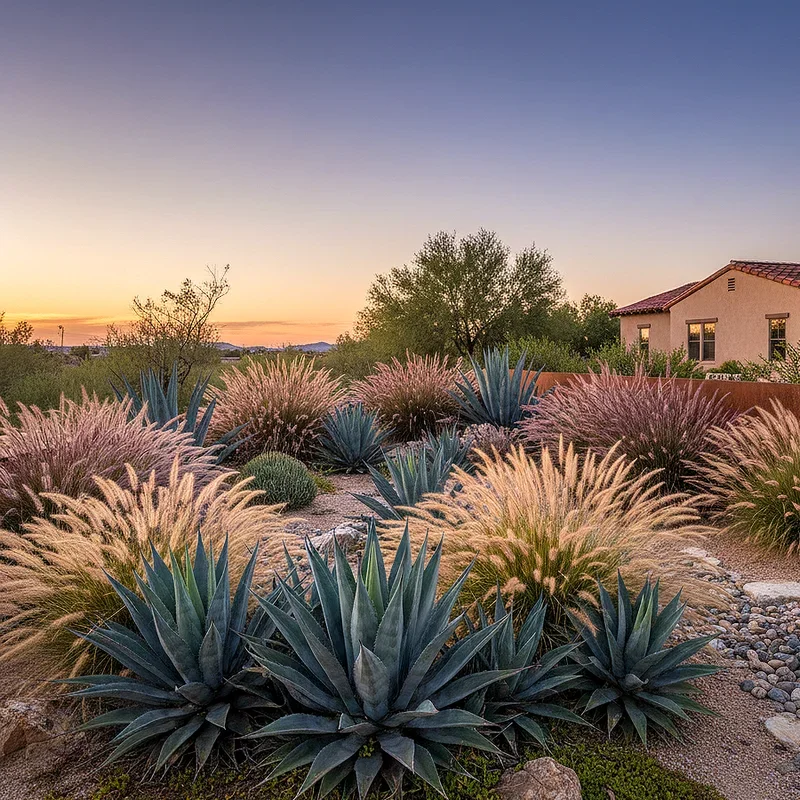
Pairing agaves with ornamental grasses creates beautiful textural contrasts that enliven your garden throughout the seasons. The rigid, geometric forms of agave rosettes juxtaposed against the soft, flowing movement of grasses produces visual tension that keeps the eye engaged. Consider planting blue grama grass, Mexican feather grass, or deer grass around your agaves for a naturalistic, meadow-like effect. The grasses add motion and sound to the garden as they sway in breezes, while agaves provide solid, unchanging structure. This combination works particularly well in transition zones between formal and informal garden areas. Choose drought-tolerant grass varieties that share the agave's water requirements, ensuring your entire planting thrives on minimal irrigation. The seasonal color changes in ornamental grasses also provide year-round interest that complements the evergreen nature of agaves.
5. Establish a Rock Garden Paradise
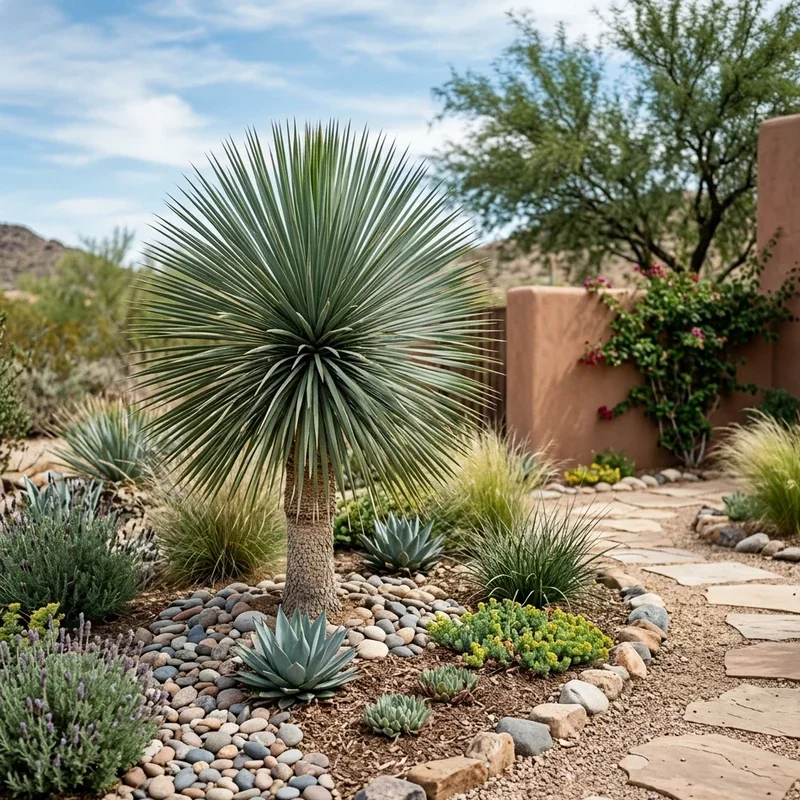
Rock gardens provide the perfect stage for showcasing agaves alongside other drought-loving plants in a naturalistic setting. Layer different sizes of rocks and boulders to create varied elevations and microclimates, then nestle agaves into the spaces between stones. This design mimics the agave's native habitat where they often grow among rocky outcrops and cliff faces. Use decomposed granite or crushed stone as pathways winding through your rock garden, making maintenance and viewing easy. Smaller agave species like Agave bracteosa or Agave victoriae-reginae work beautifully tucked into crevices, while medium varieties can anchor larger boulder groupings. The rocks serve multiple purposes: they provide excellent drainage, moderate soil temperature, suppress weeds, and create stunning visual contrasts with the plants. Add a few carefully chosen accent plants like sedums or sempervivums to complete your alpine-inspired oasis.
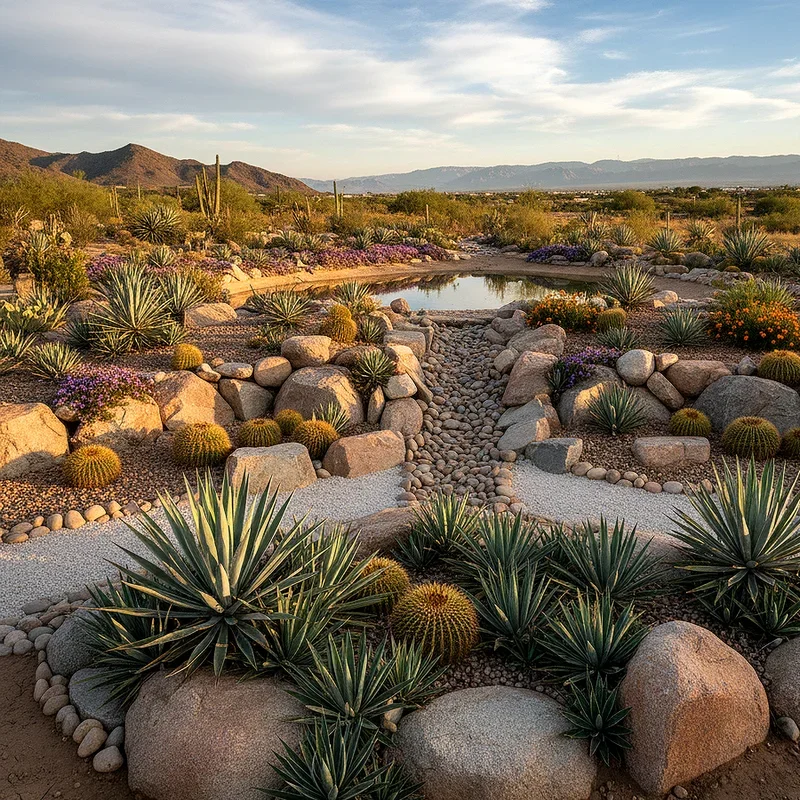
6. Layer Different Agave Varieties for Texture
Creating depth through layering transforms a simple agave planting into a sophisticated garden composition that rewards closer inspection. Start with larger background varieties like Agave americana, then layer medium-sized specimens such as Agave parryi in the middle ground. Finish with compact varieties like Agave 'Blue Glow' or Agave lophantha in the foreground. This graduated approach creates natural-looking drifts that guide the eye through the space while showcasing each variety's unique characteristics. Pay attention to leaf textures, too, mixing smooth-leaved varieties with those sporting prominent teeth or interesting terminal spines. The varying growth rates among different agaves mean this layered effect evolves over time, keeping your garden interesting for years. Consider how colors interact as well, perhaps echoing blue tones throughout all layers or creating deliberate color progressions from cool to warm hues.
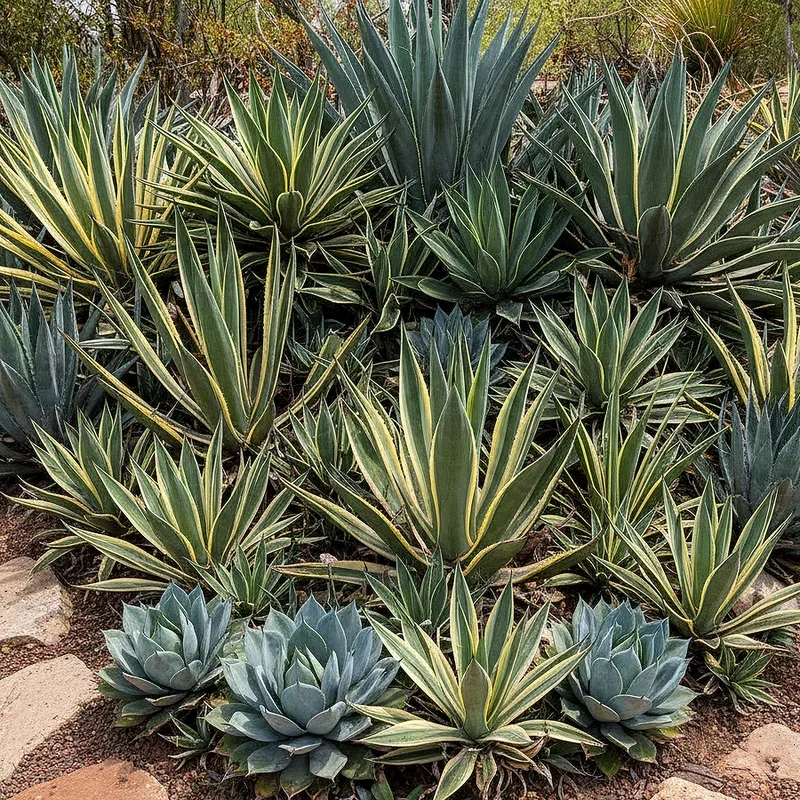
7. Frame Your Entryway with Symmetrical Plantings
Symmetrical agave plantings flanking doorways, gates, or pathways create formal, welcoming compositions that instantly elevate your home's curb appeal. Choose matching specimens of varieties like Agave attenuata or Agave geminiflora for their refined appearance and relatively spineless leaves. Plant them equidistant from your entryway's center point, ensuring they won't obstruct foot traffic as they mature. This classic design principle brings order and intentionality to your landscape while highlighting your home's architecture. The repetition created by matching plants provides visual stability and makes a clear statement about where visitors should enter. Underplant with low-growing succulents or decorative gravel to keep the focus on your agave sentinels. As these plants mature together, their synchronized growth maintains the formal symmetry while requiring absolutely minimal care beyond occasional removal of dead lower leaves.
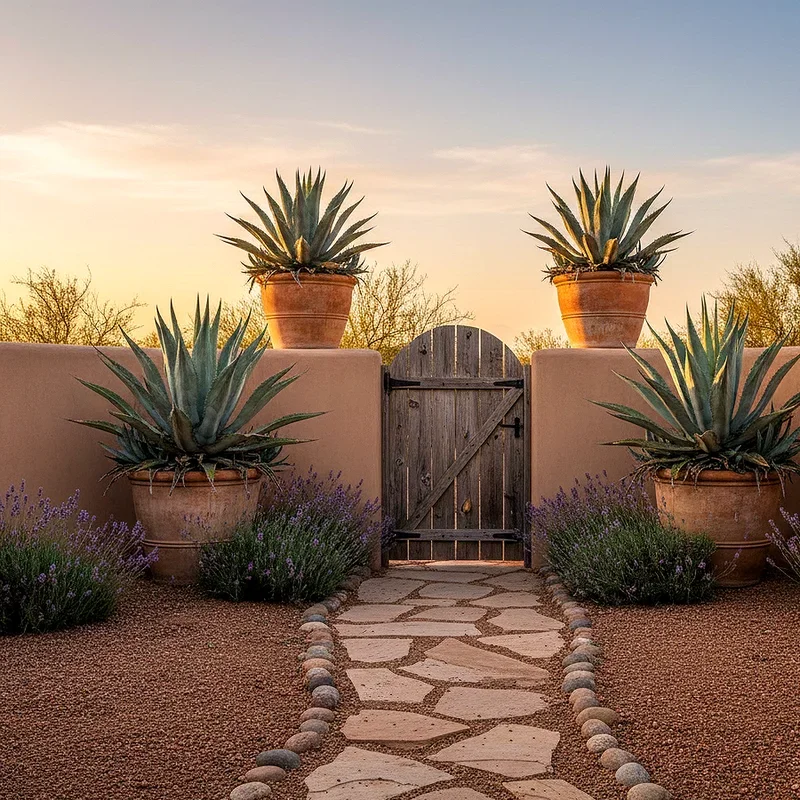
8. Mix Agaves with Native Cacti Collections
Combining agaves with native cacti creates authentic desert landscapes that celebrate regional character while supporting local ecosystems. Research which cacti naturally grow in your area alongside agaves, then recreate these plant communities in your yard. Barrel cacti, prickly pears, and chollas often make excellent companions, sharing similar water and sunlight requirements. This approach creates gardens that feel rooted in place rather than imported from elsewhere. The different growth habits—vertical cacti columns, sprawling prickly pear pads, and spreading agave rosettes—create varied silhouettes that maintain visual interest throughout the day as shadows shift. Native plantings also attract specialized pollinators and wildlife adapted to these plants, bringing your garden to life with beneficial insects and birds. Consider adding a few native wildflowers that bloom during different seasons to inject color into your permanent evergreen framework.
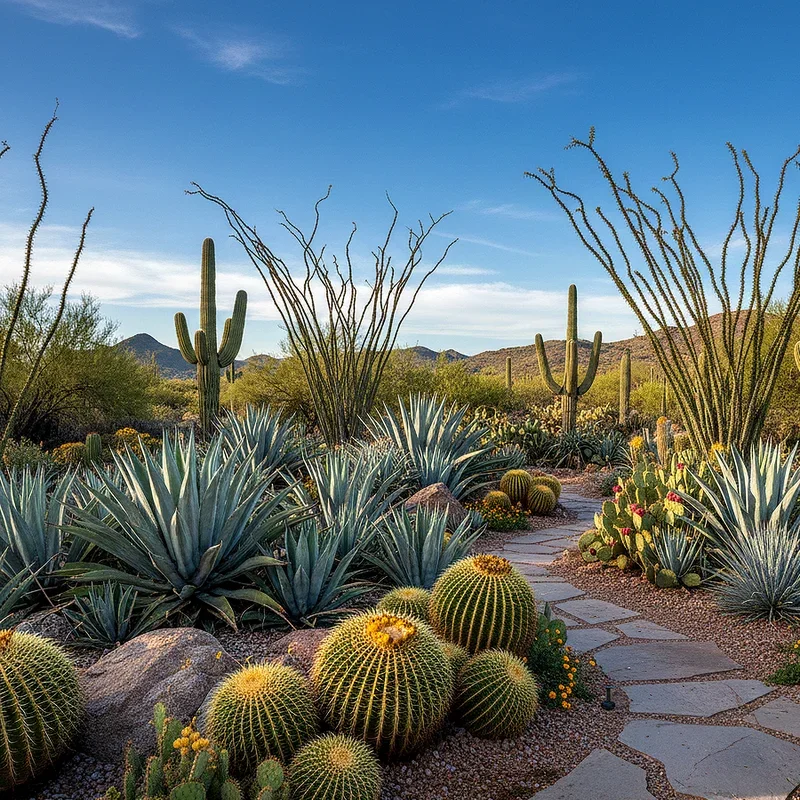
9. Design a Sloped Hillside Erosion Solution
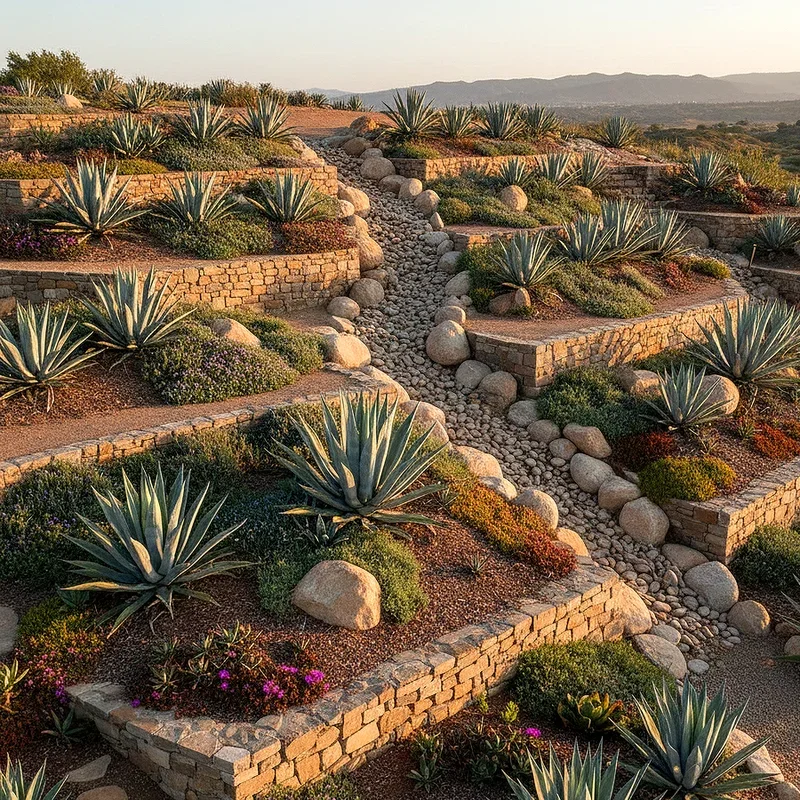
Sloped yards present unique challenges that agaves address brilliantly through their extensive root systems and low water requirements. Plant agaves across your hillside in staggered, naturalistic groupings rather than rigid rows to prevent erosion while maintaining visual appeal. Their roots stabilize soil effectively, preventing washouts during heavy rains while the plants themselves require no irrigation once established. Combine different sized agaves to cover more ground quickly—larger varieties for major anchoring, smaller ones to fill gaps. The varied heights create dimensional interest even when viewed from below, transforming a problematic slope into a striking landscape feature. Incorporate terracing or rock walls at intervals to create level planting pockets if your slope is particularly steep. This strategy turns challenging terrain into a showcase garden that practically maintains itself while solving practical problems elegantly.
10. Create a Mediterranean Inspired Courtyard
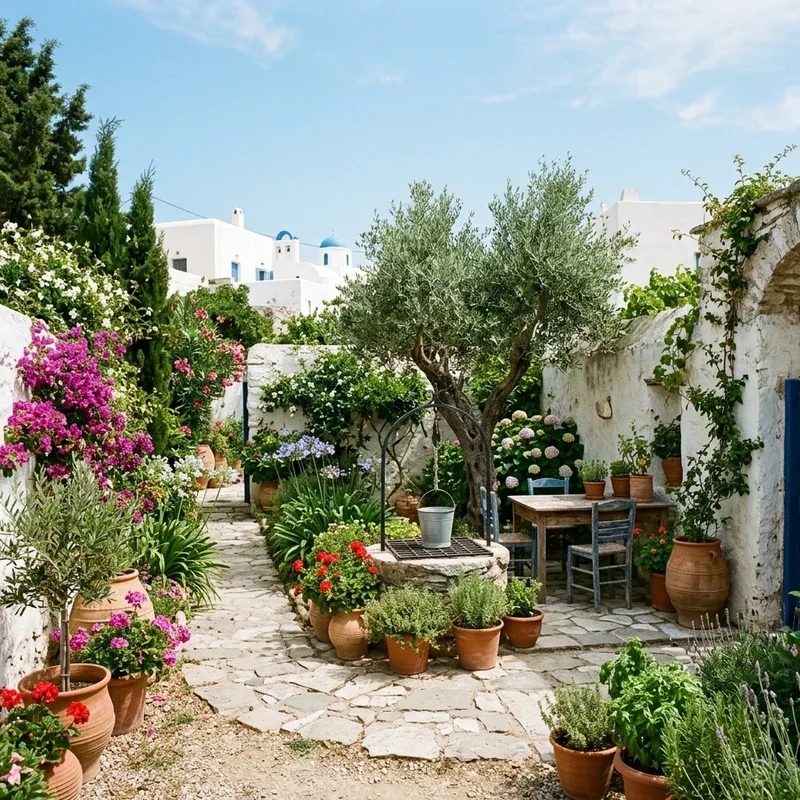
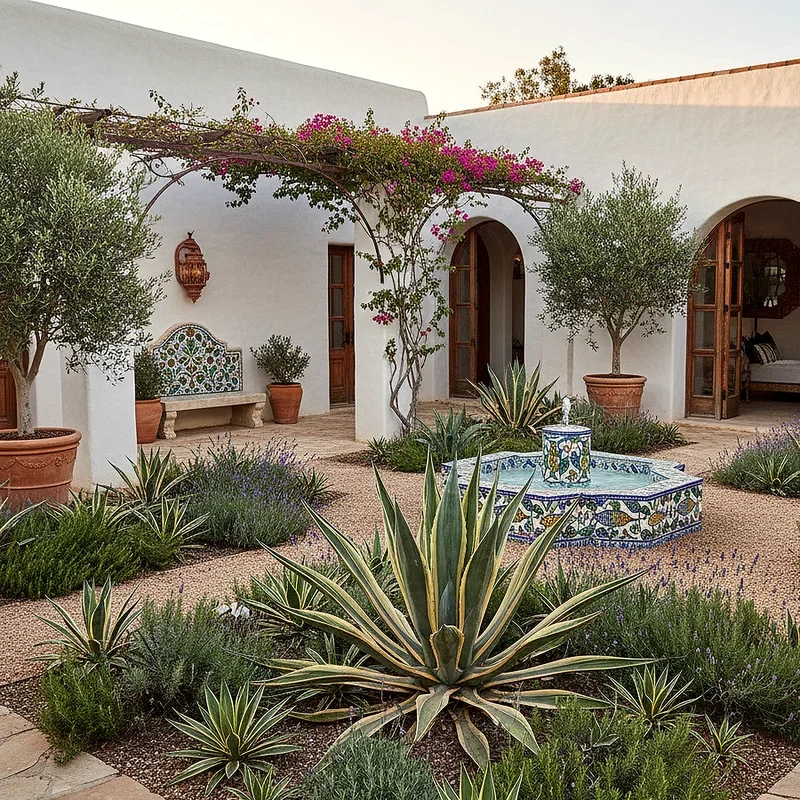
Mediterranean courtyards evoke romance and relaxation, and agaves fit beautifully into this aesthetic alongside traditional olive trees and lavender. Center your courtyard design around a focal point—perhaps a fountain or seating area—then frame it with agave plantings that echo the blue-gray tones of olive foliage. Add terracotta containers overflowing with smaller agave varieties on different levels to create vertical interest. The warm, earthy materials typical of Mediterranean design, like terra cotta pavers, stucco walls, and wrought iron accents, complement agave's sculptural forms perfectly. Incorporate fragrant herbs like rosemary and thyme between agaves for sensory appeal and culinary convenience. This style embraces the pleasure of outdoor living, creating spaces where you'll want to linger over morning coffee or evening wine while surrounded by beautiful, utterly carefree plants that thrive in your climate.
11. Incorporate Agaves into Xeriscaping Designs
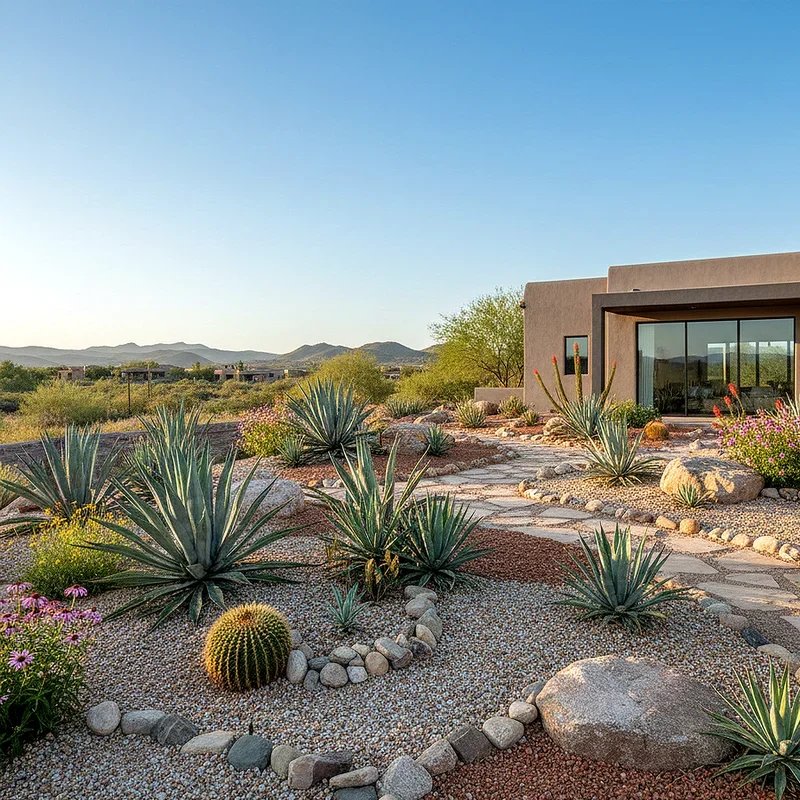
Xeriscaping principles prioritize water conservation without sacrificing beauty, making agaves essential players in these sustainable landscapes. Design your yard in hydrozones, grouping plants by water needs, and place agaves in the lowest water-use areas where they'll thrive on rainfall alone. Use their dramatic forms as specimens that draw attention to your water-wise choices, proving that conservation doesn't mean compromise. Surround agaves with permeable mulches like decomposed granite that reduce water evaporation while allowing rain to penetrate. Consider the mature size of each agave variety to minimize the need for future transplanting, which wastes water and effort. Incorporate hardscaping generously—patios, pathways, and decorative rock features—to reduce overall planted area while creating usable outdoor living spaces. This approach dramatically reduces your water bill and maintenance time while creating landscapes perfectly adapted to arid climates.
12. Build Raised Beds for Better Drainage
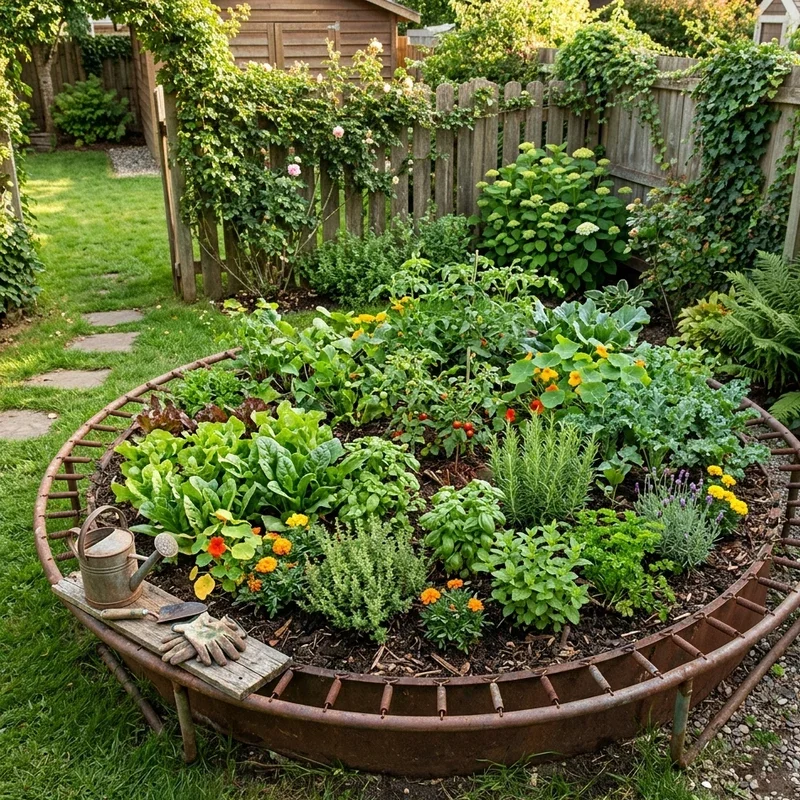
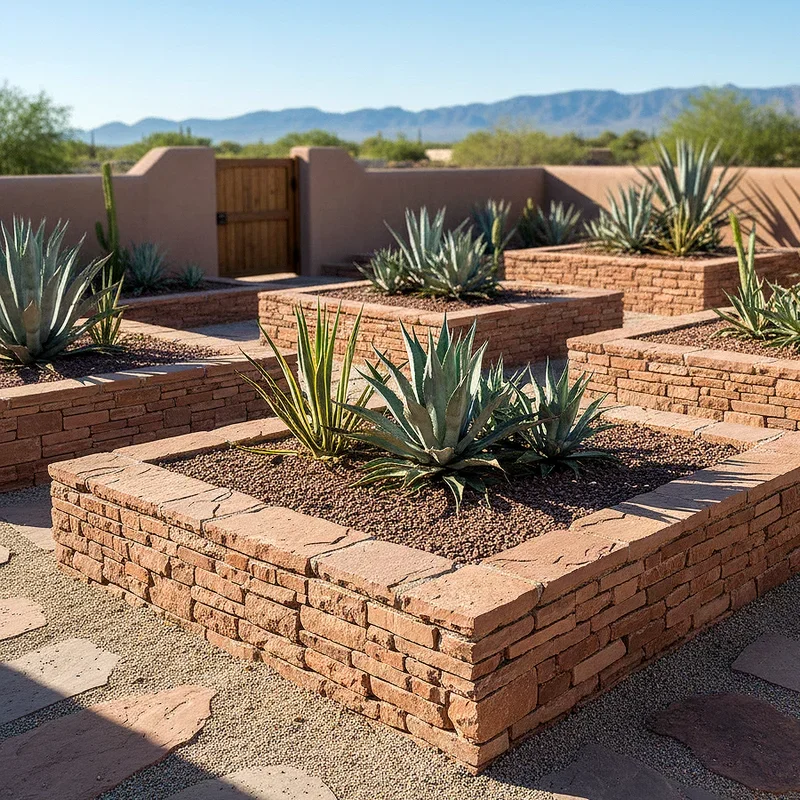
Raised beds solve drainage problems while creating defined garden spaces that showcase your agave collection at a more visible height. Construct beds from materials that complement your home's architecture, whether that's stacked stone, timber, or modern metal edging. Fill them with a custom soil mix heavy on pumice, coarse sand, and minimal organic matter to ensure water drains quickly away from agave roots. Raised beds also warm up faster in spring, giving you an extended growing season and healthier plants. The elevated viewing angle allows you to appreciate the intricate details of agave rosettes—their beautiful symmetry, leaf patterns, and marginal teeth—that might be overlooked at ground level. Group multiple raised beds at varying heights to create a terraced effect on flat yards, adding architectural interest while providing perfect growing conditions for your collection.
13. Pair Agaves with Colorful Ground Covers
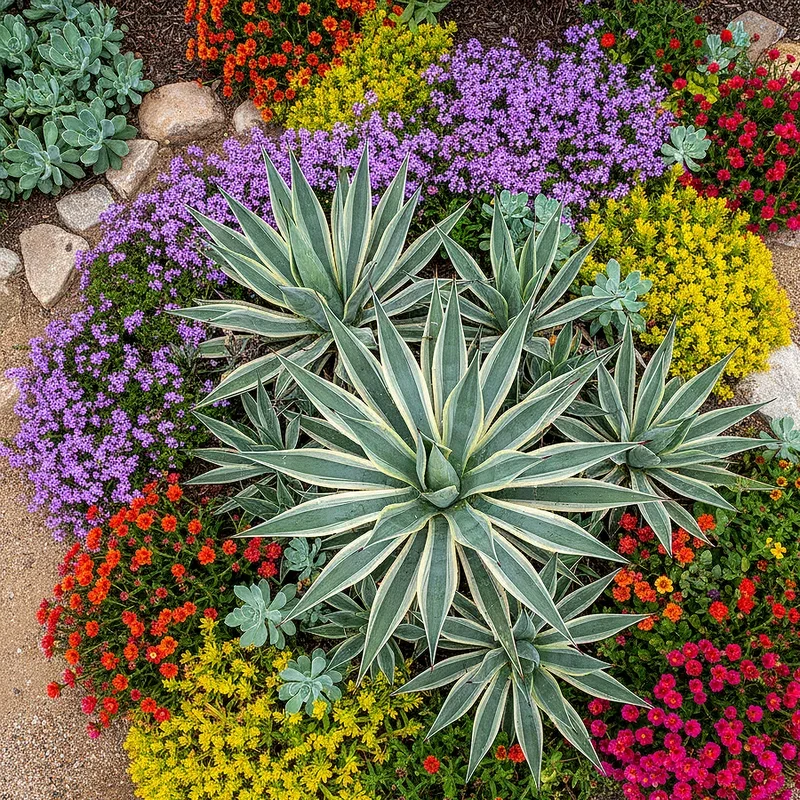
Low-growing ground covers provide living mulch around agaves while adding seasonal color and filling empty spaces between larger specimens. Choose drought-tolerant options like trailing rosemary, dymondia, or sedums that won't compete for water or nutrients. The contrast between spreading ground covers and upright agave forms creates a layered look that appears lush despite using minimal water. Flowering ground covers attract pollinators, bringing movement and life to your garden while the agaves provide permanent structure. This combination also suppresses weeds naturally, reducing maintenance while creating a finished, professional appearance. Consider the mature spread of both your agaves and ground covers when planning spacing to avoid overcrowding. As ground covers fill in, they create a tapestry effect with varied textures and colors that changes seasonally while your agaves remain constant, providing reliable year-round interest.
14. Design a Night Garden with Lighting
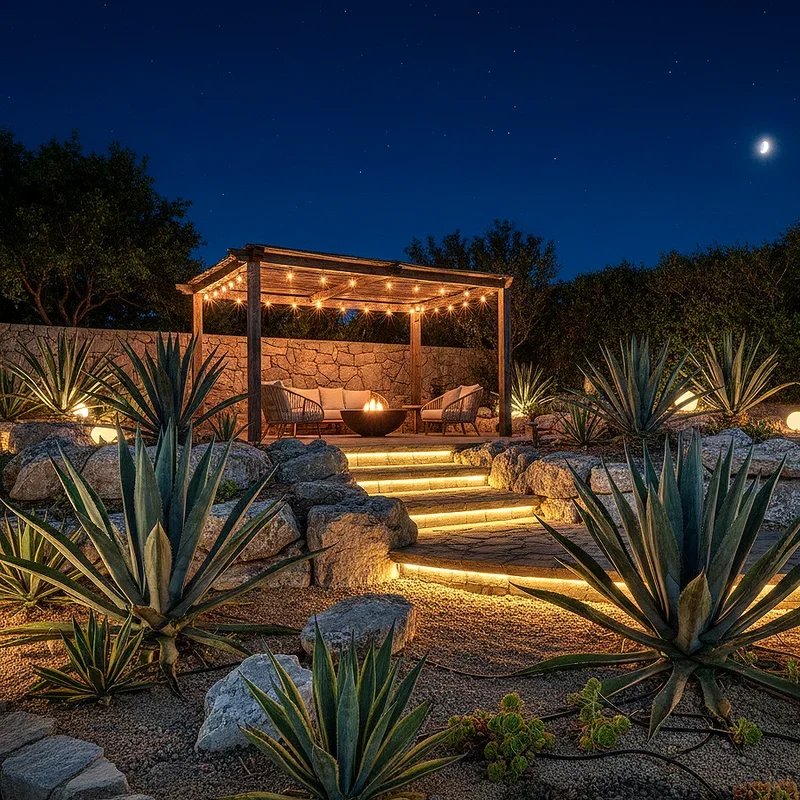
Strategic lighting transforms agave gardens into dramatic nighttime displays that extend your enjoyment of outdoor spaces after dark. Position uplights beneath large agaves to cast dramatic shadows on walls or create silhouettes against the night sky. The architectural forms of agaves respond beautifully to lighting, with their radiating leaves creating geometric shadow patterns. Use warm LED lights to enhance the natural tones in variegated or golden varieties, or cool lights to emphasize blue-gray specimens. Path lights nestled between smaller agaves provide safe navigation while creating a magical atmosphere. Moonlighting from above mimics natural light and creates subtle, romantic effects. Consider how lighting interacts with hardscaping materials too—illuminated gravel glows softly while lit pavers define spaces clearly. A well-lit agave garden becomes a destination rather than just a daytime view, multiplying your outdoor living space's usefulness.
15. Create a Wildlife Friendly Habitat
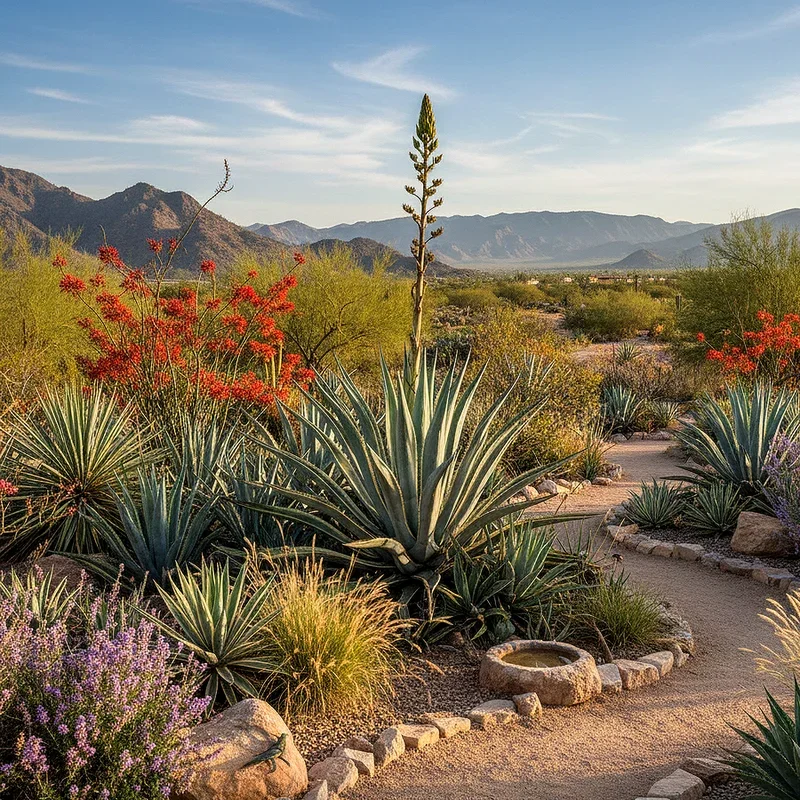
Agave gardens support surprising amounts of wildlife when designed thoughtfully, providing food and shelter for beneficial creatures. Hummingbirds adore agave blooms, which produce copious nectar during their spectacular flowering events. Desert-adapted birds use agave's sturdy leaves as perching spots and nesting platforms, while their rosettes create protective microclimates for small reptiles. Add a shallow water feature like a birdbath or small fountain to attract even more wildlife to your agave garden. Plant native companion plants that bloom at different times, ensuring continuous food sources for pollinators throughout the year. Avoid pesticides completely, allowing beneficial insects to establish naturally and control any pests organically. Rock piles and dead wood strategically placed near agaves provide additional habitat for lizards and insects that help maintain ecological balance. This approach creates a living garden that evolves and surprises you with natural discoveries.
Conclusion
Agave gardens offer the perfect solution for anyone seeking outdoor beauty without endless maintenance demands. These versatile plants adapt to countless design styles, from sleek modern minimalism to rustic desert charm, while demanding almost nothing in return. Whether you have sprawling acreage or a small patio, agaves can transform your space into something special. Their drought tolerance makes them increasingly relevant as water conservation becomes essential everywhere. The ideas we've explored demonstrate that low maintenance never means boring; agave gardens can be as dynamic and exciting as any traditional landscape. Start small if you're new to these plants, perhaps with a few containers or a single bed. You'll quickly discover why gardeners everywhere are falling in love with these remarkable succulents that give so much while asking for so little.
Read next: 15 Stunning Desert Plants for a Drought-Tolerant Garden
Frequently Asked Questions
Q1. How often do agave plants need watering in garden settings?
A: Established agaves typically need water only every two to three weeks during hot summer months.
Q2. Can agaves survive in freezing temperatures and cold climates?
A: Many agave species tolerate freezing temperatures, with some varieties hardy to 10 degrees Fahrenheit or lower.
Q3. Do all agave plants die after they flower and produce blooms?
A: Yes, most agaves are monocarpic, meaning they die after flowering, but produce offsets to replace themselves.
Q4. What type of soil works best for growing healthy agave plants?
A: Agaves require well-draining soil with sand, pumice, or gravel to prevent root rot and disease.
Q5. How much space should I leave between agave plants when planting?
A: Space agaves according to their mature size, typically three to eight feet apart depending on variety.