Creating a Patio Space You Actually Want to Use Every Day
Learn how to create a patio space you’ll actually use every day with smart layouts, comfortable furnishings, and design choices that fit your lifestyle.

Many homeowners have a patio that looks fine but rarely gets used. Chairs stay empty. Tables collect dust. The space feels like an afterthought instead of part of daily life. This often happens because comfort gets overlooked. Heat, harsh sunlight, glare, and poor layout quietly push people back indoors. In places like Houston, outdoor areas can feel especially hard to enjoy if they are not planned with real use in mind. A patio should not exist just for photos or special occasions. It should support everyday moments like morning coffee, quiet evenings, or casual meals. This article focuses on simple, practical changes that make a patio feel usable, comfortable, and worth stepping into every day.
Decide How You Will Actually Use the Patio
A patio often fails because it tries to do too much. Before choosing furniture or upgrades, it helps to decide how you plan to use the space most days. Some people want a calm spot to relax. Others want a place to eat or host friends. A family may need room for kids to play while adults sit nearby. Each use needs a different setup. A dining space needs stable seating and room to move. A lounge area needs comfort and shade. When you pick one or two main uses, the space feels more focused. This makes it easier to design and easier to enjoy. A clear purpose guides every choice that follows.
Make Shade a Functional Part of the Design
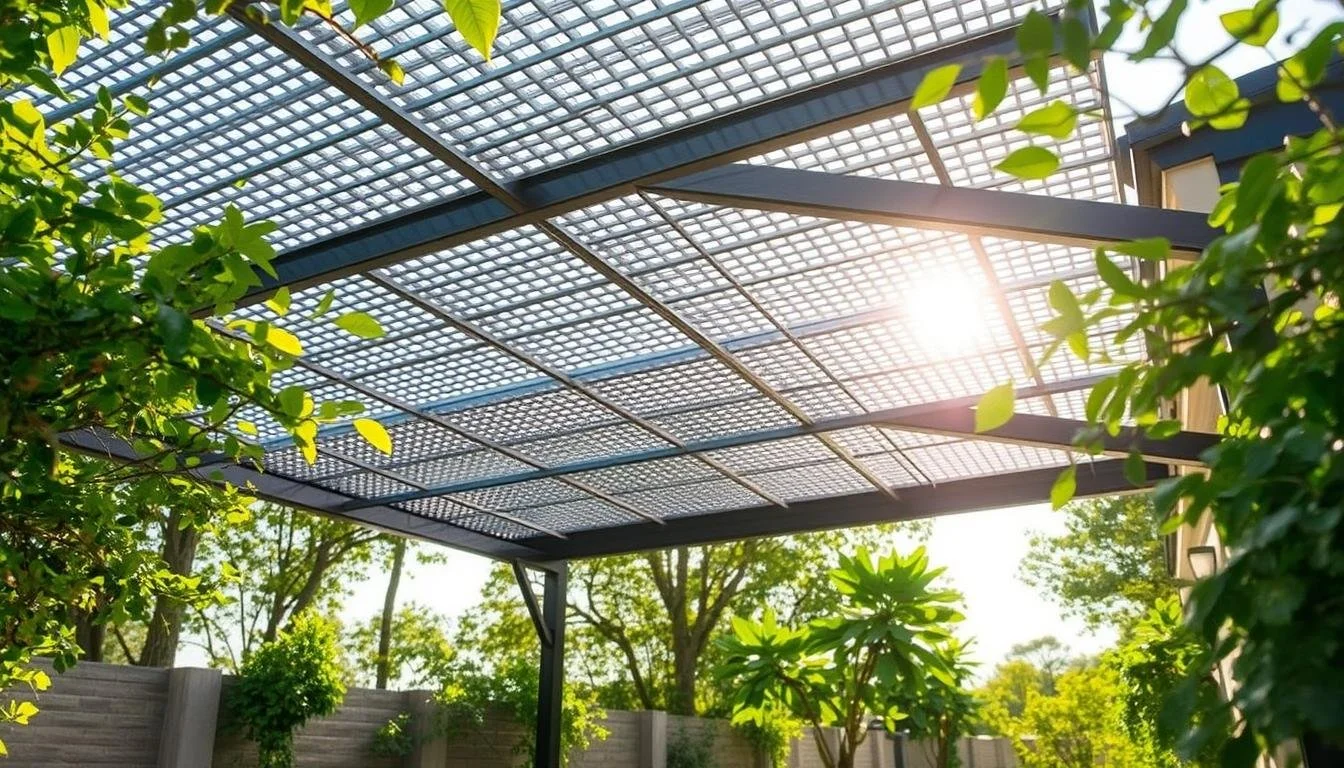
Shade should feel intentional, not added at the last minute. Without it, most patios sit unused during the hottest hours. Fixed covers, retractable systems, or screened options all serve different needs. The key is choosing a shade that fits how you use the space. For homeowners looking into outdoor shades in Houston, the focus should stay on comfort and daily use rather than looks alone. Good shade reduces glare, lowers surface heat, and makes seating usable for longer periods. When shade works well, people naturally spend more time outside without feeling worn down by the sun.
Choose Seating That Supports Daily Comfort
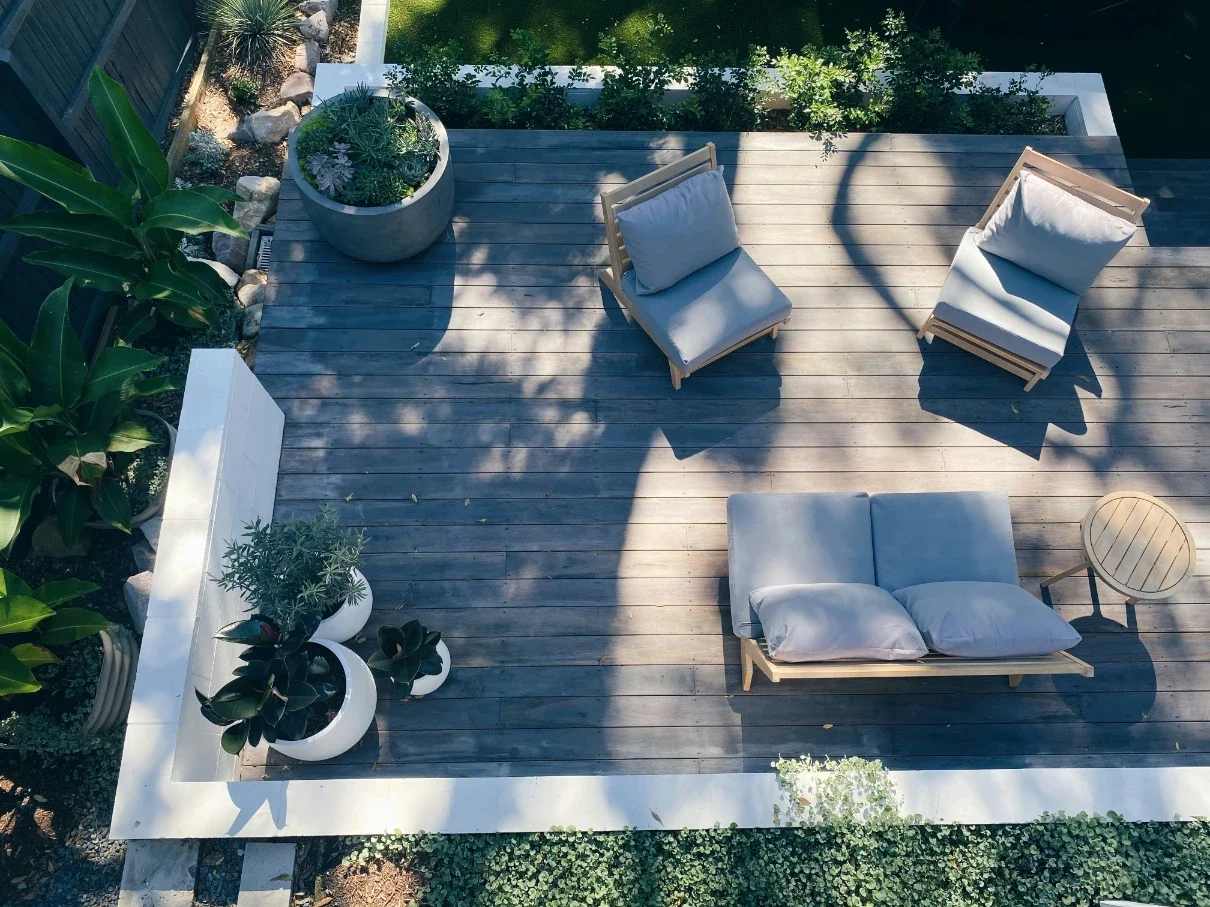
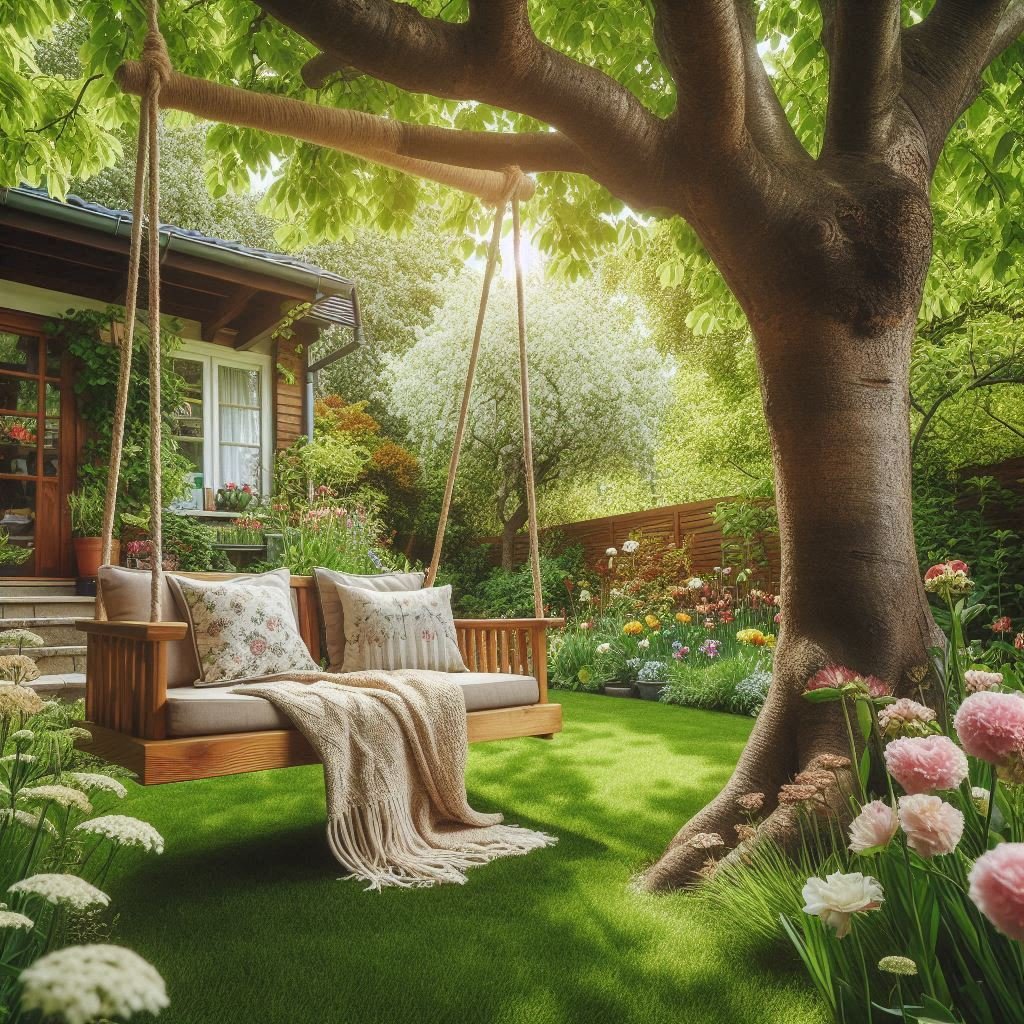
Outdoor furniture often looks better than it feels. Many sets focus on style but ignore support and comfort. If the seating feels stiff or too low, people avoid using it. Chairs should support the back and allow the feet to rest flat. Cushions should feel firm but not hard. Materials should stay comfortable in warm weather. It also helps to test how easy it is to get in and out of the seat. When seating feels good, people stay longer. Comfort encourages daily use more than any design trend.
Plan for Airflow and Bug Control Early
Even a well-designed patio can feel uncomfortable if air does not move or insects take over. Light airflow helps reduce heat and keeps the space from feeling stale. Fans or open layouts can make a noticeable difference. Bugs also affect how often people step outside. Screens or enclosures help without closing off the space. Planning for airflow and bug control early avoids frustration later. These details may seem small, but they often decide whether a patio feels inviting or ignored.
Use Lighting That Makes Evenings Usable
Many patios stop being used once the sun goes down. Poor lighting makes the space feel unsafe or uncomfortable. Good lighting does not need to be bright or harsh. It should allow people to see clearly while keeping a calm feel. Soft overhead lights help with general visibility. Focused lights near tables help with eating or reading. Path lighting improves safety when moving in and out of the space. It also helps to place switches or controls where they are easy to reach. When lighting works well, the patio becomes usable well into the evening.
Keep the Layout Open and Easy to Move Through
A crowded patio feels stressful to use. When furniture blocks walkways, people avoid the space without realizing why. A good layout leaves clear paths between seating, doors, and steps. It should feel easy to move around without shifting chairs. This matters even more when hosting guests. Flexible furniture helps here. Lightweight chairs or movable tables allow the space to change as needed. An open layout also helps air move through the area. When the patio feels open and simple, people use it more often.
Choose Materials That Are Easy to Maintain
High maintenance spaces often go unused. When cleaning feels like work, people avoid spending time there. Outdoor materials should handle heat, moisture, and dirt without constant care. Sealed concrete, tile, and treated wood clean easily with basic tools. Fabrics should resist fading and dry quickly after rain. It also helps to avoid materials that trap heat or stain easily. Choosing low-maintenance options saves time and reduces stress. This makes it easier to enjoy the patio without feeling like it needs constant attention.
Add Small Features That Improve Daily Comfort
Small details often make the biggest difference. A side table gives people a place to set a drink or a book. Storage keeps cushions and tools protected and nearby. Fans help move air on still days. Power outlets support lights, music, or device charging. These features support how people actually use the space. They do not need to be expensive or complex. When small comforts are in place, the patio feels ready for daily use instead of special planning.
Let the Space Feel Comfortable and Lived In
Many homeowners hesitate to use their patio because they want it to stay perfect. This mindset limits enjoyment. A usable patio should feel relaxed, not staged. It is okay if cushions show use or furniture shifts over time. The goal is comfort, not display. When people feel free to use the space without worry, they spend more time there. A lived-in patio supports real life. It becomes part of the home rather than a separate feature.
A patio should support daily living, not sit unused. Comfort, shade, layout, and simple features all play a role in how often people step outside. When these elements work together, the space becomes easy to enjoy. It no longer feels like an extra area that needs effort. Instead, it becomes a place for quiet moments, shared meals, and rest. With thoughtful choices and a focus on real use, a patio can become one of the most used parts of the home.