How Local Climate Affects Winter Yard Care and What to Do About It
Learn how your local climate impacts winter yard care and discover practical steps to protect plants, lawns, and outdoor spaces through the cold season.

How Local Climate Affects Winter Yard Care and What to Do About It
Winter affects every yard differently, and much of that comes down to the local climate. While some regions see heavy snowfall and frozen ground, others experience chilly rain, damp soil, or harsh winds that strip away moisture. Because winter conditions vary so widely, homeowners need to understand how climate impacts grass health, soil condition, and seasonal maintenance needs. When lawn care is adjusted based on regional weather patterns, the yard enters spring stronger, greener, and more resilient. Ignoring climate factors, on the other hand, often leads to thinning turf, disease, compaction, and delayed spring recovery.
Many people assume that grass rests during winter and therefore requires little attention. However, even in dormant periods, lawns continue to react to fluctuations in temperature, moisture, and sunlight. Soil microbes slow down, roots store nutrients, and turf becomes more vulnerable to stress. Climate awareness is the foundation of effective winter lawn care, especially for homeowners who want to protect their yard rather than repair it later.
Cold and Frost-Heavy Climates
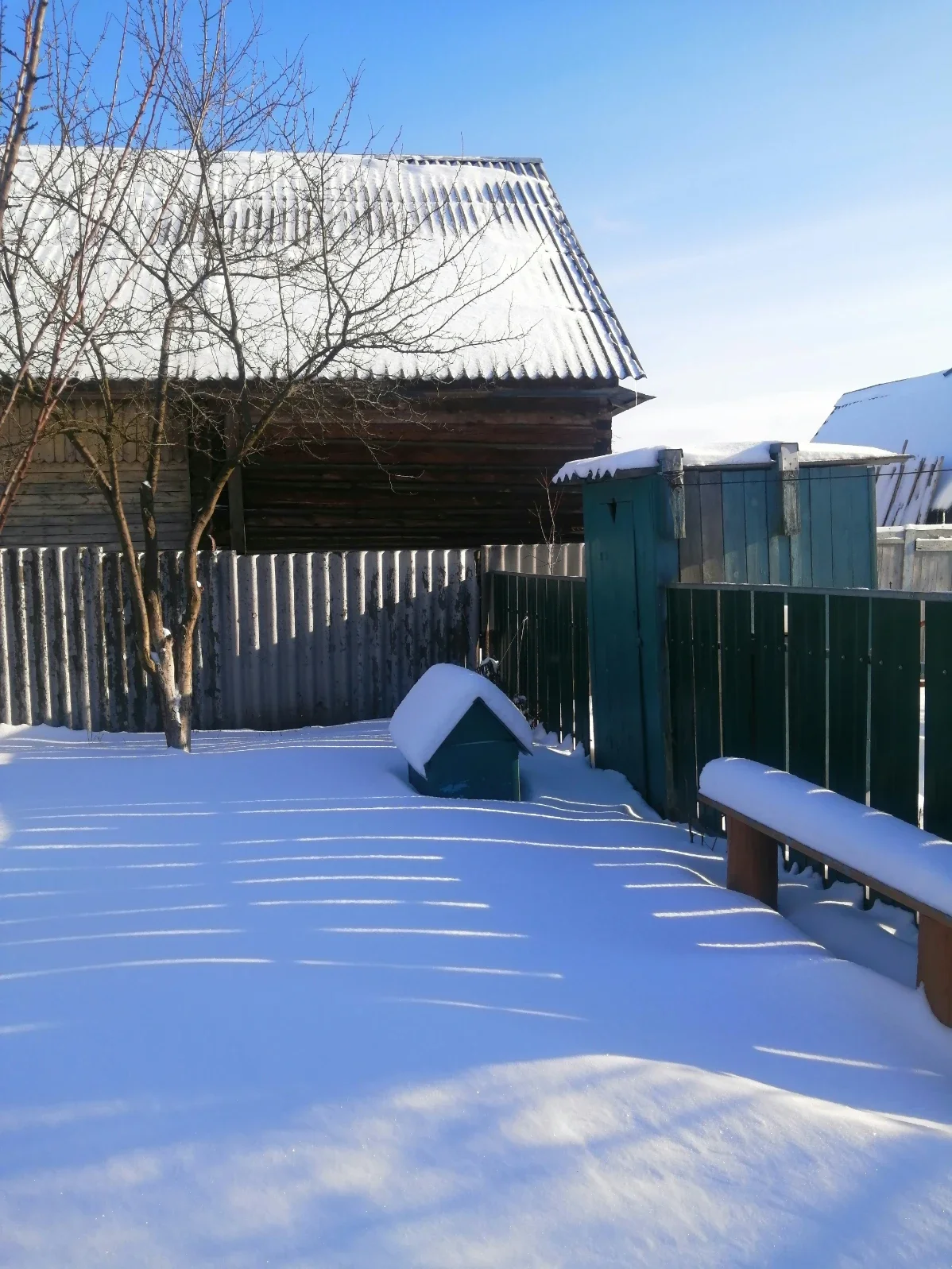
In regions where winter brings regular frost, ice buildup, and snow accumulation, lawns face a unique set of challenges. Frozen soil prevents roots from absorbing nutrients, and snow cover can compress turf. Ice sheets block airflow to grass blades, and freeze–thaw cycles can lift roots toward the surface. Even cool-season grasses benefit from pre-winter preparation. Shorter mowing heights before winter reduce fungal growth, while clearing debris prevents moisture retention. Homeowners should avoid walking on frozen grass, as brittle blades can snap and leave behind patchy areas that need weeks to recover. The key in these climates is protecting the lawn before freezing sets in, so the turf remains insulated and able to rebound when temperatures rise.
Wet and Rain-Dominant Climates
Not all winter weather is snowy—some regions experience mild temperatures paired with consistent rainfall. While this may seem less severe, saturated soil can be just as damaging. When water fills all available soil pockets, oxygen cannot reach the roots, creating the ideal environment for decay, mold, and thinning turf. Moss often spreads in shaded zones, while weeds take advantage of weakened grass. Homeowners in wet climates need to focus on preventing waterlogging, improving drainage, and keeping leaves and debris from matting down on the lawn. Reduced winter irrigation settings also help prevent unnecessary saturation. Lawns that stay soggy throughout winter tend to recover more slowly in spring, making proactive care essential rather than optional.
Windy and Coastal Climates
Wind exposure creates another winter challenge that many homeowners underestimate. Strong seasonal winds dry out soil faster than expected, even in cold temperatures. Coastal areas add salt exposure and airborne sand to the equation, which can weaken turf and cause discoloration. Lawns in these regions benefit from organic matter that protects soil and helps retain moisture. Occasional watering during unusually dry winter stretches also prevents root stress. Grass varieties suited to coastal weather handle salt better, and windbreaks can reduce erosion. In these climates, winter care focuses on moisture balance rather than protection from freezing.
Climates with Fluctuating Temperatures
Some regions experience winter conditions that change from week to week—warm spells followed by sudden freezes. These temperature swings confuse turf, trigger premature growth, and lead to root instability. When soil repeatedly freezes and thaws, it expands and contracts, sometimes lifting roots upward and exposing them to cold air. Lawns in these environments should be handled gently, avoiding early fertilization or aggressive raking until spring. Keeping soil insulated with compost or organic material helps stabilize temperature fluctuations. Foot traffic should be minimized during thawing periods to prevent root tearing and surface damage.
Why Climate-Based Lawn Care Matters
A lawn treated according to its climate remains healthier, fuller, and more resistant to disease. Cold climates require preparation before winter arrives. Wet climates need airflow and drainage attention. Coastal areas depend on moisture retention and salt protection. Fluctuating climates demand patience and minimal disturbance. Understanding these differences saves homeowners time, money, and restoration effort in spring. Climate-aware lawn care shifts the focus from fixing damage to preventing it.
When to Seek Professional Help
Even with climate knowledge, winter lawn care can be difficult to evaluate on your own. Some signs of damage don’t appear until months later. Soil condition, root health, grass species, and drainage patterns often require expert assessment. Many homeowners turn to professional guidance, especially when preparing their lawns before winter begins. If you live in the region and want seasonal support, internal resources like lawn aeration services in Massachusetts can help improve soil structure and prepare your yard for winter conditions more effectively. Aeration boosts oxygen flow, enhances drainage, and strengthens root systems—an important advantage in climates affected by compaction, saturation, or freeze–thaw movement.
Preparing Your Lawn for a Better Spring
Winter lawn care isn’t just about surviving the season—it’s about setting the stage for strong spring regrowth. Climate-specific strategies help maintain root strength, soil balance, and turf density. When homeowners understand how weather patterns shape lawn needs, they make better maintenance decisions and avoid costly seasonal damage. With the right preparation and climate-aware approach, your yard can transition from winter into spring healthier, greener, and ready for growth.