15 Hollyhock Garden Ideas for Vibrant, Colorful Yards
Transform your garden with stunning hollyhock displays. Discover 15 creative planting ideas for vertical color and cottage charm year-round.
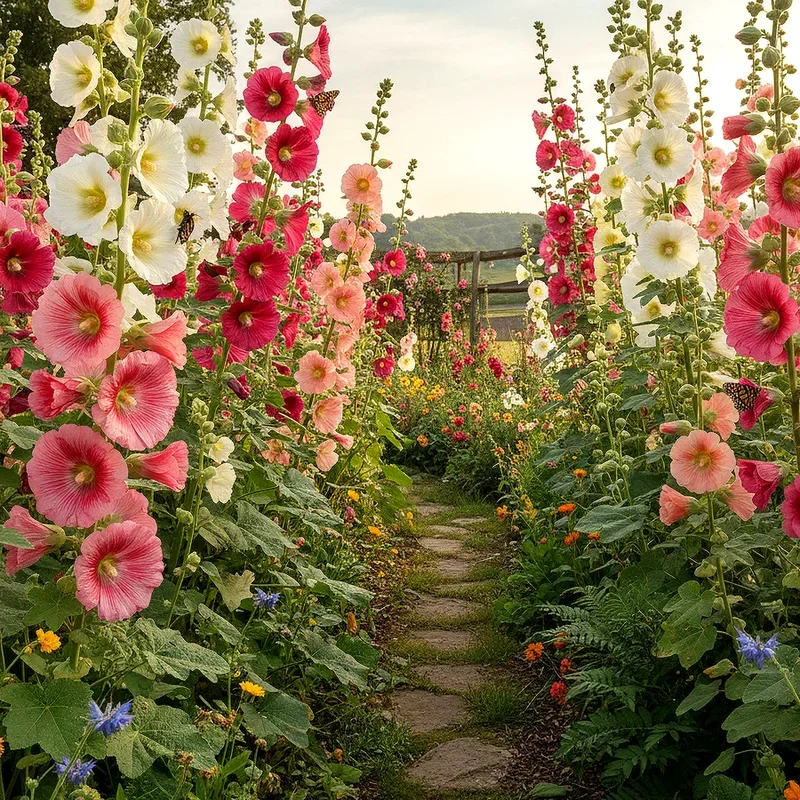
Have you ever dreamed of a garden that stops passersby in their tracks? Hollyhocks bring that magical quality to any outdoor space with their towering stalks and vibrant blooms. These timeless cottage garden favorites create vertical interest while delivering waves of color from early summer through fall. Whether you're working with a small urban plot or sprawling country landscape, hollyhocks adapt beautifully to various design styles. Their impressive height, ranging from five to eight feet, makes them natural showstoppers without requiring extensive ground space. Best of all, these beauties self-seed readily, creating sustainable displays that return year after year. From traditional cottage borders to modern interpretations, hollyhocks offer endless creative possibilities for gardeners seeking drama and romance in their outdoor sanctuaries.
1. Create a Classic Cottage Garden Border
Nothing captures the essence of English countryside charm quite like hollyhocks anchoring a cottage garden border. Position these statuesque bloomers at the back of your mixed planting beds where their height creates a stunning backdrop for mid-sized perennials like catmint and lavender. The informal, slightly wild appearance of cottage gardens complements hollyhock's natural growth habit perfectly. Mix colors liberally, allowing pinks, whites, yellows, and deep reds to intermingle freely for that authentic cottage feel. Add companion plants like foxgloves, delphiniums, and sweet peas that share similar vertical growing patterns. This layered approach creates depth while maintaining the romantic, overflowing aesthetic that defines cottage garden style. Remember to leave hollyhocks standing through winter for architectural interest and natural reseeding.
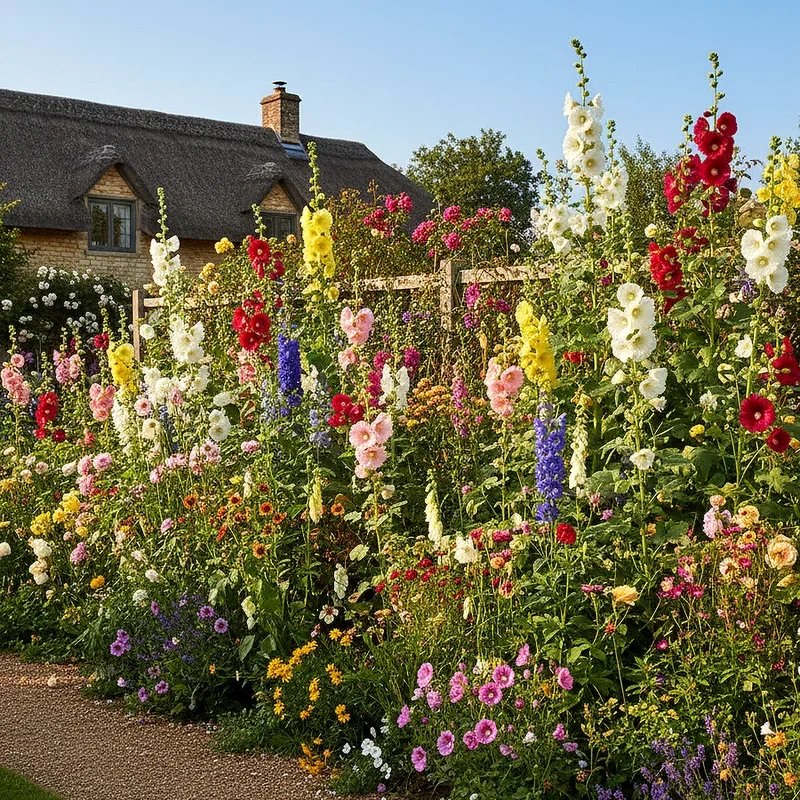
2. Design a Living Privacy Screen
Transform your hollyhocks into a functional privacy barrier that's far more attractive than traditional fencing. Plant them in staggered double rows along property lines or around patios where screening is needed during summer months. Their dense foliage and towering height effectively block unwanted views while maintaining garden aesthetics. Choose varieties that bloom at different times to extend your privacy coverage throughout the growing season. This approach works exceptionally well for screening pool areas, hot tubs, or outdoor dining spaces from neighboring properties. Unlike permanent structures, this living screen changes with seasons, offering full coverage when you're most likely using outdoor spaces. The added benefit comes from attracting butterflies and hummingbirds while creating your secluded retreat.
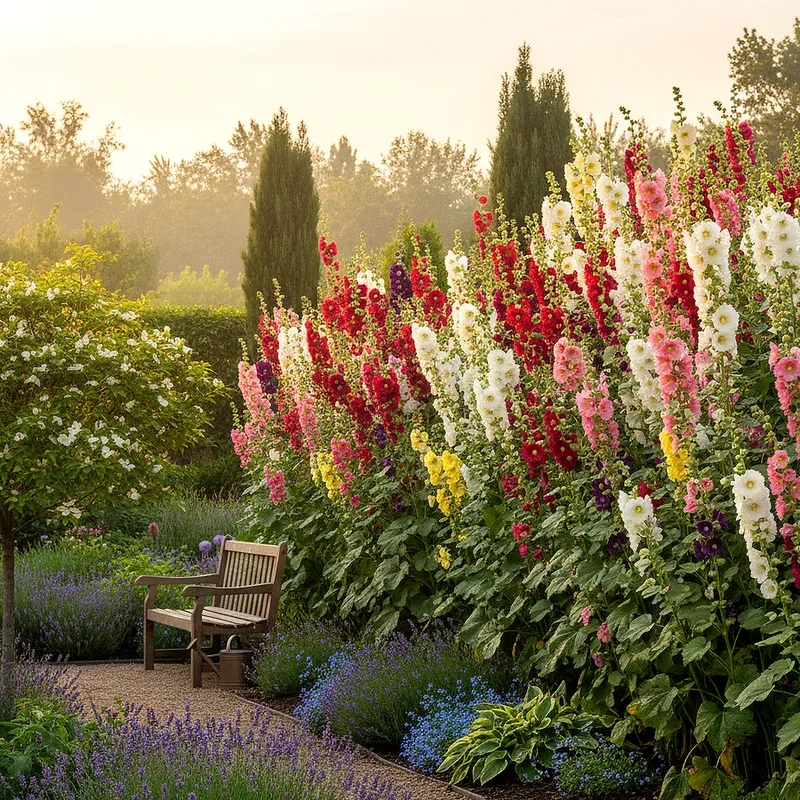
3. Plant Along Fence Lines for Maximum Impact
Fence lines provide ideal growing conditions for hollyhocks while creating spectacular visual displays that enhance your property's boundaries. The support from fencing helps protect tall stalks from wind damage while giving plants something to lean against during heavy blooms. This placement maximizes vertical space without sacrificing precious garden real estate. Paint your fence white or light colors to make hollyhock blooms pop with added contrast and visual interest. The combination of architectural fence elements with organic plant forms creates pleasing tension in garden design. Morning sun exposure along east-facing fences produces robust growth while protecting afternoon heat-sensitive varieties. This strategic placement also allows hollyhocks to self-seed along the fence base, creating naturalized colonies over time.
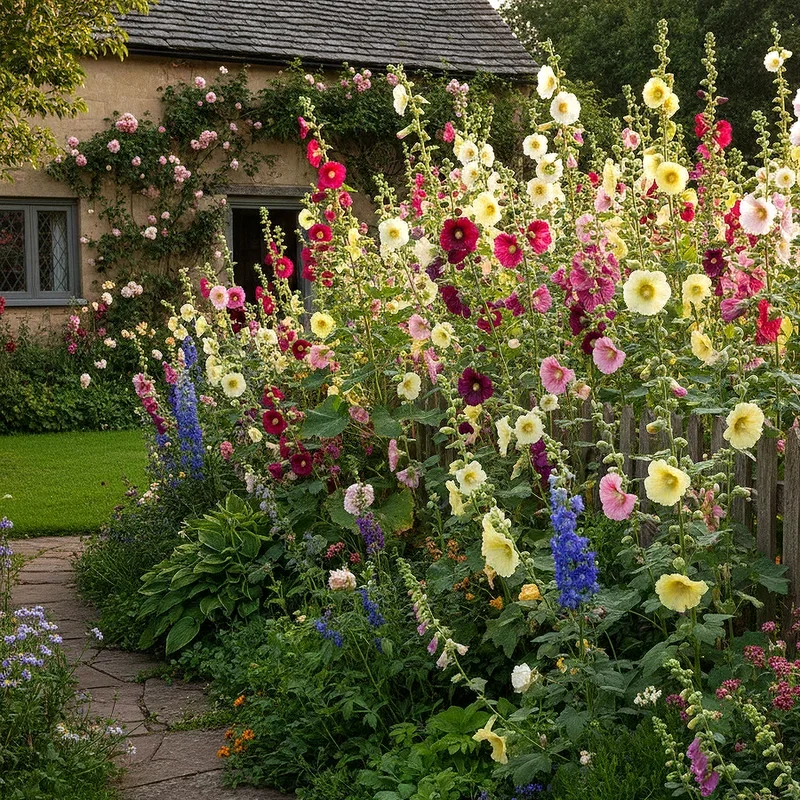
4. Establish a Pollinator Paradise Garden
Hollyhocks serve as magnet plants for beneficial insects, making them perfect anchors for pollinator-focused gardens. Their large, open-faced blooms provide easy landing platforms for bees, butterflies, and hummingbirds seeking nectar and pollen. Surround hollyhocks with other pollinator favorites like echinacea, salvia, and bee balm to create an irresistible buffet for garden helpers. This approach supports local ecosystems while ensuring excellent pollination for nearby vegetable gardens and fruit trees. Position your pollinator garden where you can observe the constant activity from comfortable seating areas or kitchen windows. The tall hollyhock stalks create vertical diversity that appeals to different pollinator species with varying flight patterns. Including native varieties alongside cultivated hollyhocks provides season-long resources for beneficial insects.
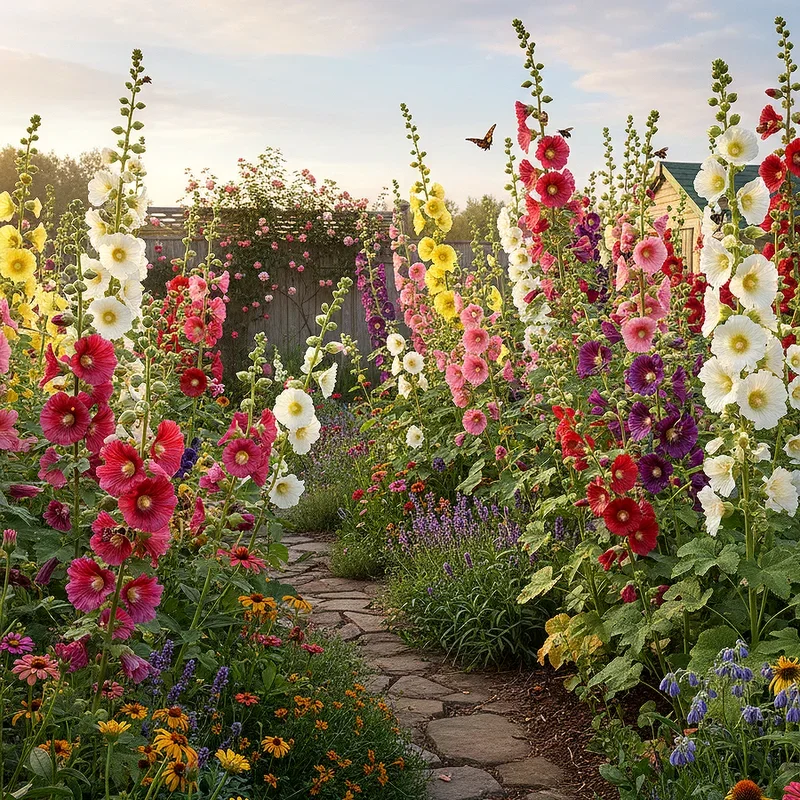
5. Mix Hollyhocks with Ornamental Grasses
Pairing hollyhocks with ornamental grasses creates dynamic textural contrasts that elevate contemporary garden designs. The soft, flowing movement of grasses provides perfect counterpoint to hollyhock's rigid vertical stems and bold blooms. Try planting Miscanthus, fountain grass, or feather reed grass around hollyhock bases for stunning combinations. This pairing works particularly well in modern landscapes where texture and form matter as much as color. The grasses fill in beautifully after hollyhocks finish blooming, maintaining visual interest through fall and winter months. Choose grass varieties that complement rather than compete with hollyhock heights for balanced compositions. This combination requires minimal maintenance while delivering maximum impact throughout multiple seasons.
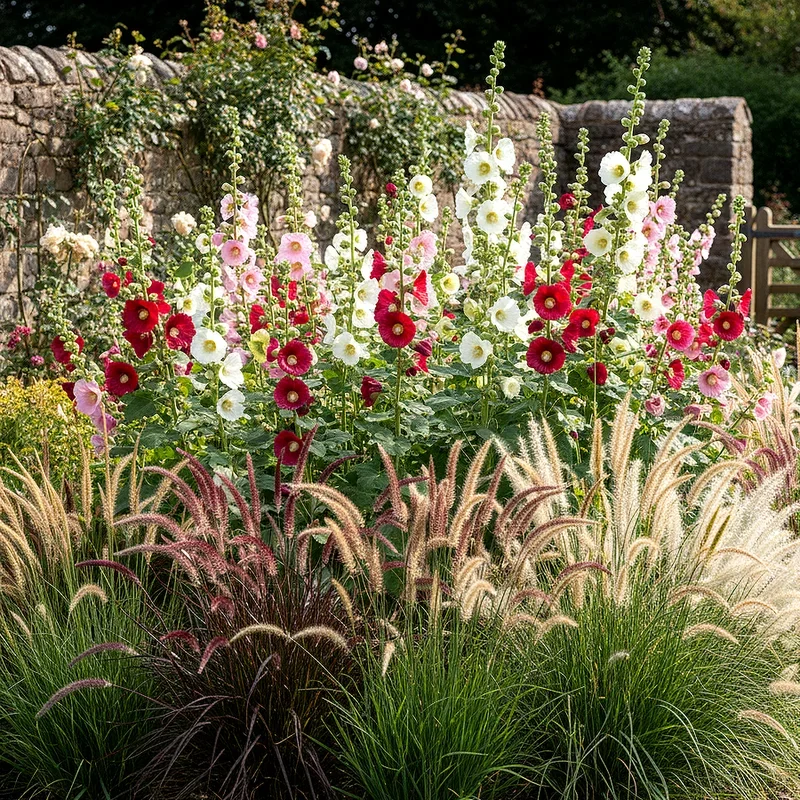
6. Build a Cutting Garden for Fresh Bouquets
Designating a section of your garden specifically for cutting ensures abundant hollyhock blooms for indoor arrangements without compromising landscape displays. Plant hollyhocks in straight rows with adequate spacing for easy access and maintenance in dedicated cutting beds. Include other cut-flower favorites like zinnias, dahlias, and snapdragons that share similar care requirements and bloom times. Harvest hollyhock stems when lowest flowers just begin opening for longest vase life, typically lasting five to seven days indoors. The impressive height of hollyhock stems makes them ideal for large floor arrangements or statement centerpieces. Regular cutting actually encourages more prolific blooming on lateral shoots, extending your harvest season significantly. Keep cutting garden areas utilitarian rather than decorative, focusing on production over aesthetics.
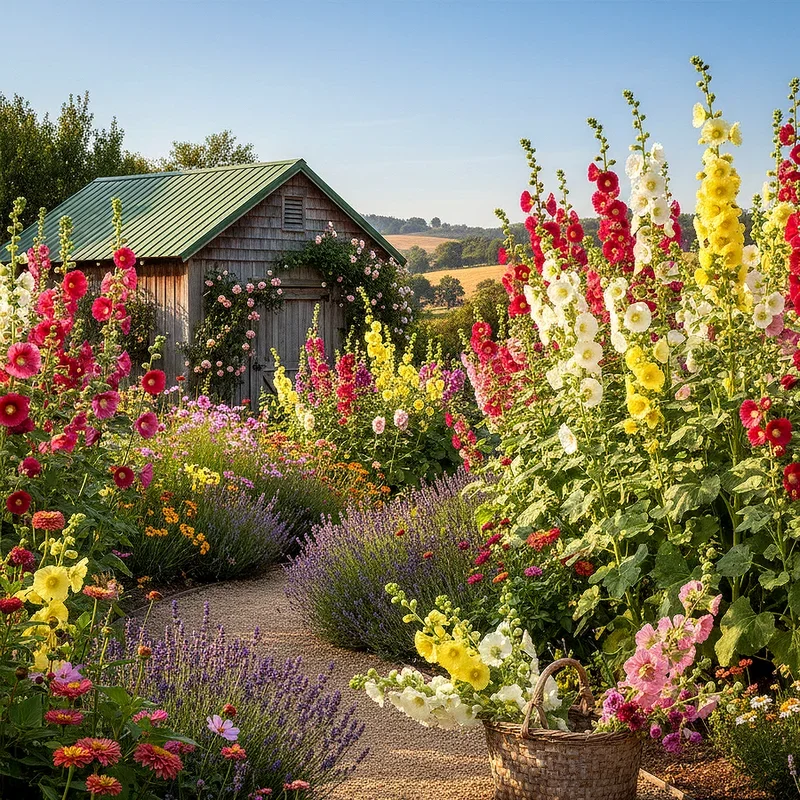
7. Layer Heights in Perennial Beds
Strategic height layering transforms ordinary perennial beds into dimensional showcases where every plant shines at its designated level. Use hollyhocks as your tallest back-row anchors, creating the foundation for your layered composition moving forward. Position mid-height perennials like daylilies and rudbeckia in the middle zone, then edge with low-growing plants such as alyssum or creeping phlox. This graduated approach ensures all plants receive adequate sunlight while creating depth that draws the eye through the entire planting. The vertical hollyhock stalks prevent the back row from appearing flat or one-dimensional in your bed design. Consider bloom times when layering to maintain color throughout the season rather than concentrated in single periods. Proper spacing prevents taller plants from shading out lower companions.
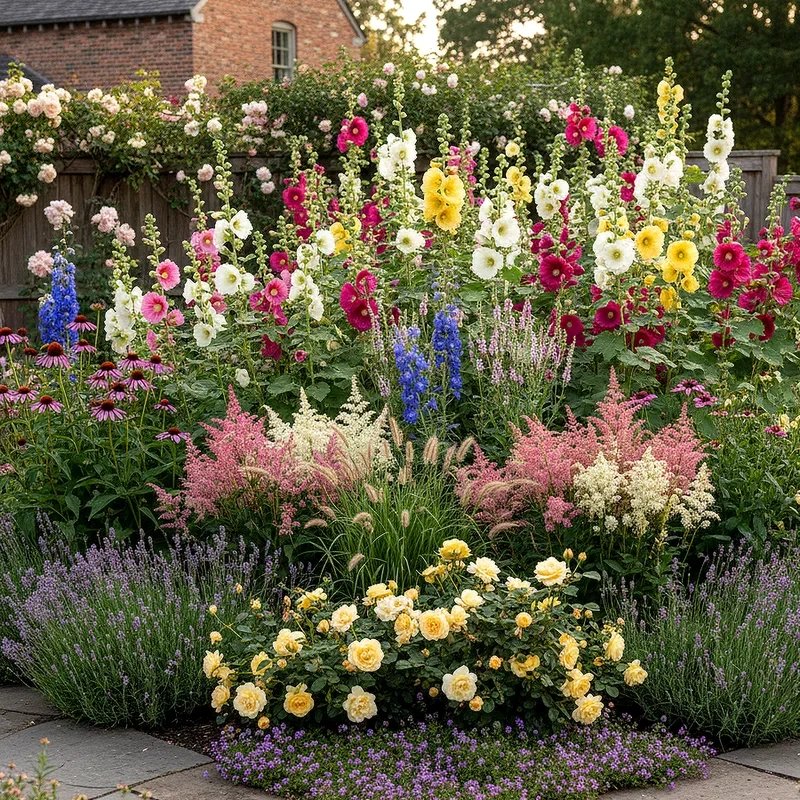
8. Frame Doorways and Entryways
Transform ordinary entrances into grand welcoming statements by flanking them with impressive hollyhock sentinels on both sides. This traditional placement technique draws visitors' eyes upward while creating a sense of arrival and importance at thresholds. Choose colors that complement your home's exterior palette for cohesive design that feels intentional rather than random. The vertical emphasis of hollyhocks makes even modest doorways appear more substantial and architecturally significant. Plant them close enough to frame the opening without overwhelming the passage or blocking sightlines for security. This works beautifully for garden gates, arbor entrances, or main house doors that benefit from softening and grandeur. Repeat this framing technique throughout your property for unified design language.
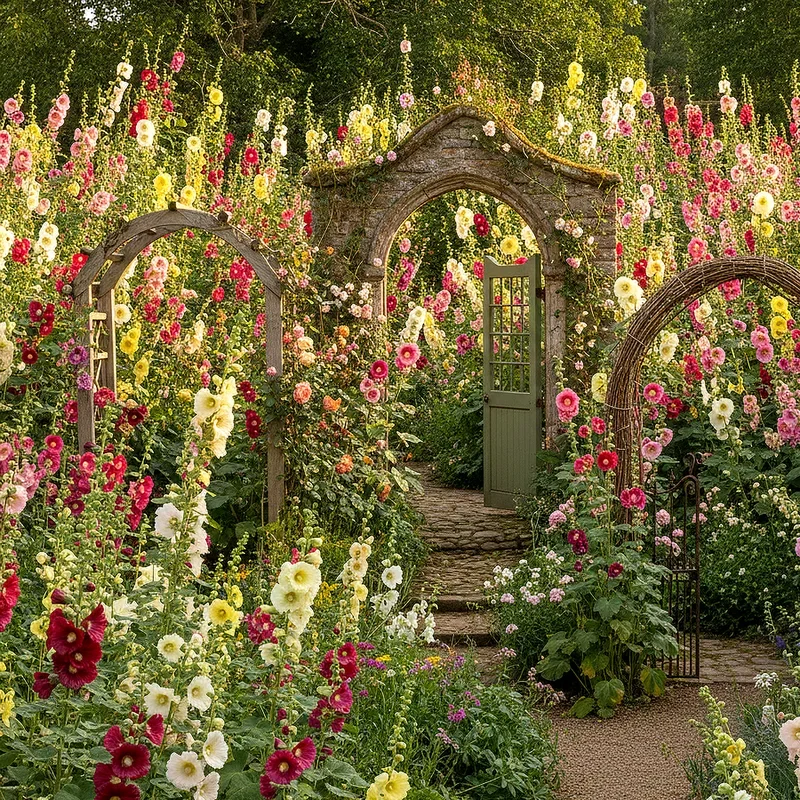
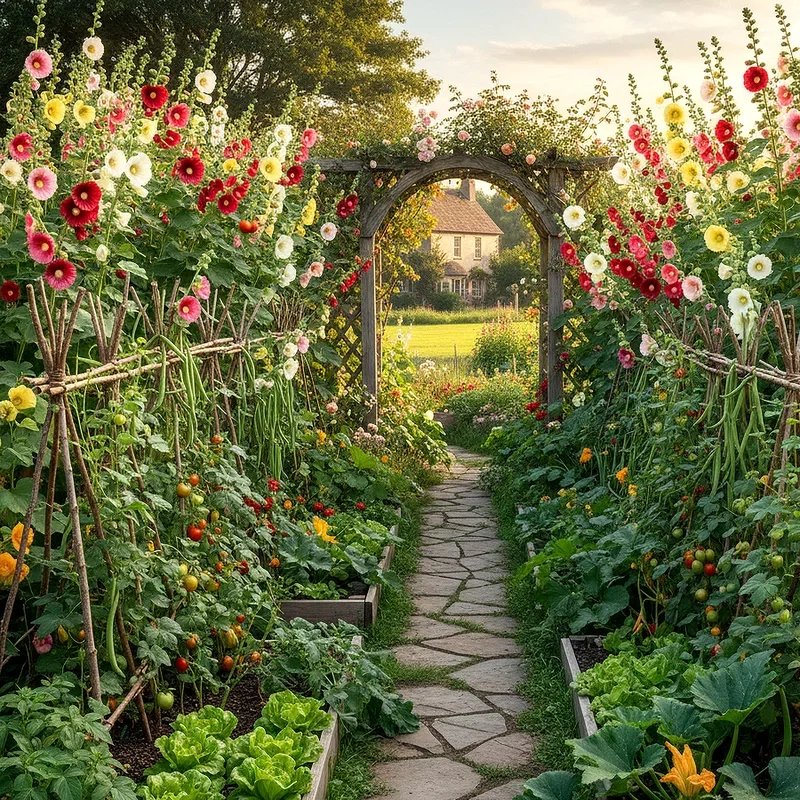
9. Add Vertical Interest to Vegetable Gardens
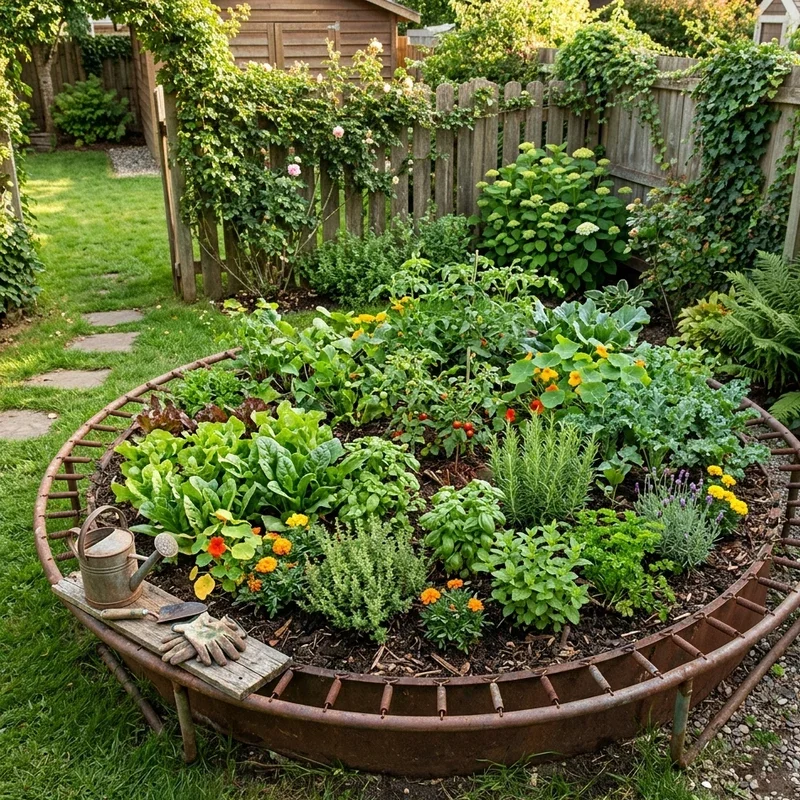
Break up the horizontal monotony of vegetable rows by incorporating hollyhocks as vertical accent plants throughout productive garden spaces. Their height provides beneficial shade for heat-sensitive crops like lettuce during intense summer months while attracting pollinators essential for vegetable production. Position hollyhocks at bed ends or corners where they won't shade sun-loving vegetables but still contribute to garden aesthetics. The cottage garden tradition of mixing ornamentals with edibles creates functional beauty that serves multiple purposes simultaneously. Hollyhocks help mark garden sections visually while their roots don't compete aggressively with nearby vegetables for nutrients. Their presence transforms utilitarian vegetable plots into attractive garden destinations worth lingering in. Consider how hollyhock colors might complement ripening vegetables for unexpected color harmonies.
10. Create a Rainbow Color Gradient
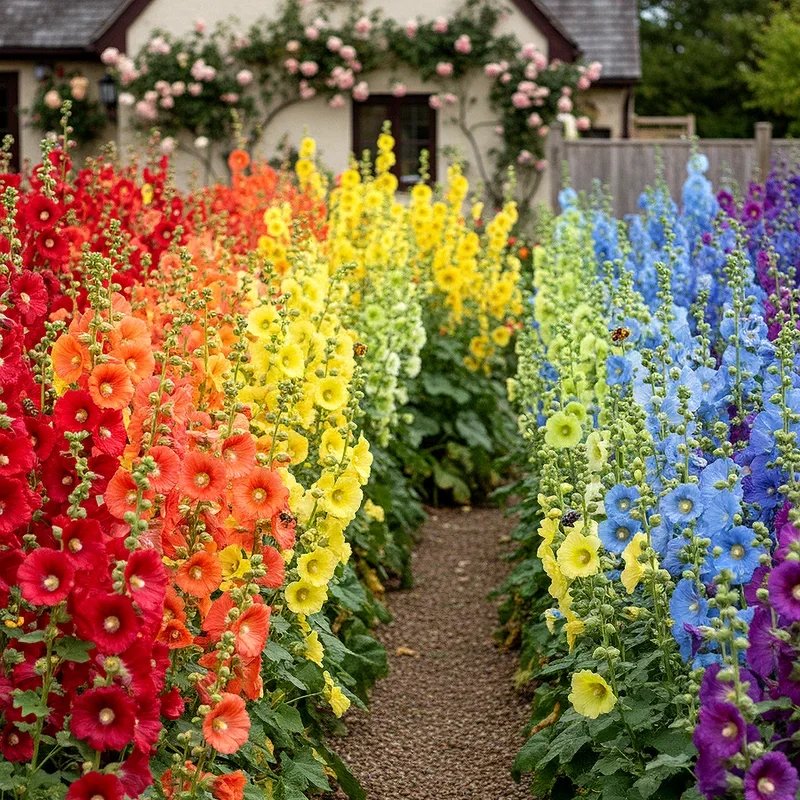
Design a spectacular color progression by planting hollyhocks in rainbow order from one end of your garden bed to the other. Start with deep burgundy or red varieties, progressing through pinks, oranges, yellows, and ending with white or pale cream selections. This intentional color arrangement creates visual flow that guides viewers through your garden space with purposeful direction. The gradient effect works particularly well in long, narrow beds where the eye naturally travels from one end to the other. Choose varieties that bloom simultaneously for the full rainbow impact rather than staggered blooming that breaks the color sequence. This technique requires planning and possibly sourcing specific colors from specialty nurseries for complete spectrum coverage. The effort rewards you with stunning photographs and a garden feature that becomes your signature design element.
11. Naturalize Hollyhocks in Meadow Settings
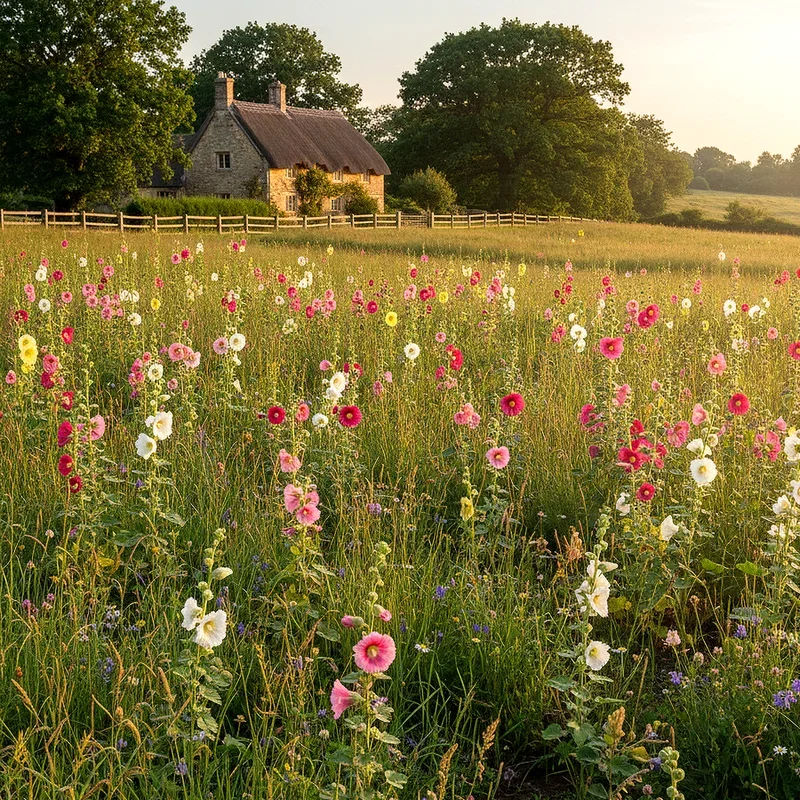
Allow hollyhocks to establish self-sustaining colonies in meadow gardens where their casual growth habit feels perfectly at home among wildflowers. Scatter seeds liberally across prepared meadow areas rather than planting in formal rows or groupings for authentic naturalized appearance. This approach works exceptionally well on slopes or areas where traditional gardening proves challenging or labor-intensive. Hollyhocks rising from meadow grasses create vertical punctuation marks that prevent large naturalized areas from appearing monotonous. Their ability to self-seed means colonies expand and shift naturally over years, creating ever-changing compositions without gardener intervention. Partner them with other self-seeding meadow flowers like bachelor's buttons, poppies, and black-eyed Susans for diverse displays. Meadow settings showcase hollyhock's wild ancestry while requiring minimal maintenance beyond annual mowing after seed dispersal.
12. Combine with Climbing Roses
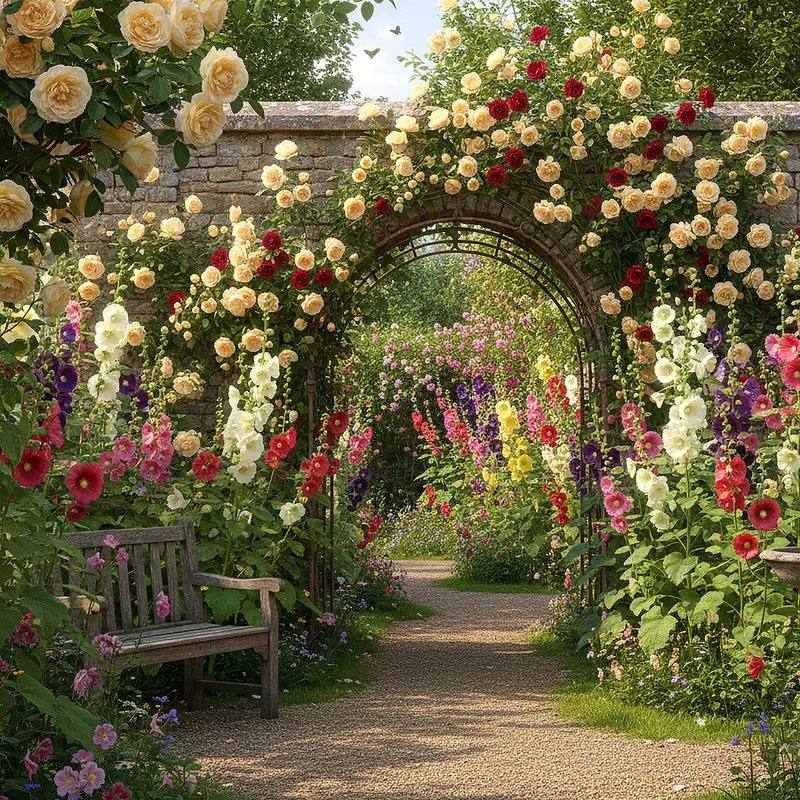
Unite two cottage garden classics by training climbing roses through established hollyhock plantings for layered blooms and extended interest. The sturdy hollyhock stalks provide informal support for lighter climbing rose varieties while creating stunning color combinations. Time your planting so roses bloom when hollyhocks finish, extending your vertical color display through multiple months. This pairing works particularly well against walls, fences, or garden structures where both plants appreciate the additional support and reflected heat. Choose rose colors that complement rather than clash with your hollyhock selections for harmonious rather than competing displays. The combination delivers double the fragrance as many rose varieties add perfume to hollyhock's mild scent. Both plants attract similar beneficial insects, creating pollinator hotspots in your garden.
13. Design a Three-Season Succession Garden
Plan your hollyhock garden to coordinate with spring bulbs and fall perennials for year-round color in the same space. Plant tulips and daffodils among emerging hollyhock roots for early season interest before the tall stalks develop fully. As spring bulbs fade, hollyhock foliage fills in, hiding declining bulb leaves while preparing for summer's spectacular show. Follow hollyhock's bloom period with late-season performers like asters and sedum that appreciate the reduced competition once hollyhocks slow down. This succession approach maximizes color output from limited garden space throughout the entire growing season. The dying hollyhock stalks provide architectural winter interest alongside ornamental grasses and persistent seed heads. Strategic planning transforms single-use beds into hardworking garden spaces that earn their keep across multiple seasons.
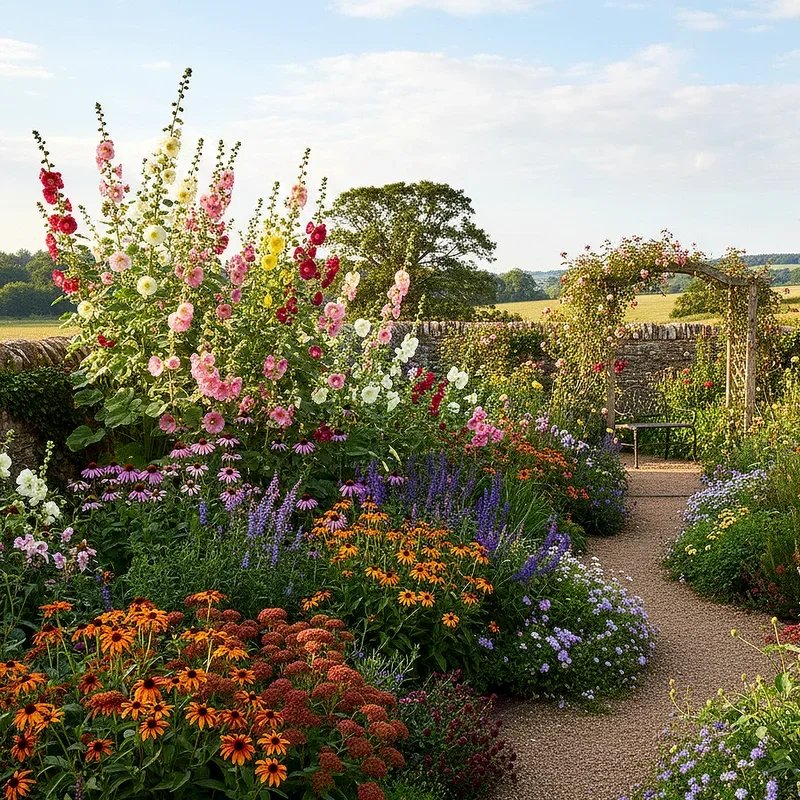
14. Plant in Large Containers for Patios
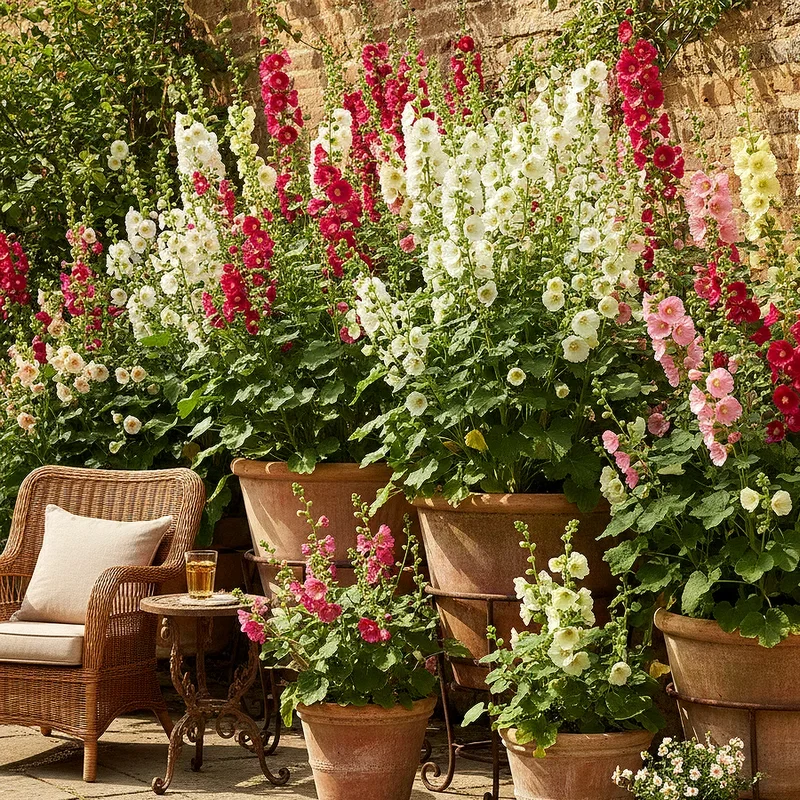
Container cultivation allows gardeners with limited ground space to enjoy hollyhock's dramatic presence on patios, balconies, or rooftop gardens. Choose substantial containers at least eighteen inches deep and wide to accommodate hollyhock's taproot and provide stability for tall growth. Use quality potting mix amended with compost rather than garden soil for optimal drainage and nutrition in confined root zones. Stake container hollyhocks early in the season before they reach heights where staking becomes difficult or damages established roots. Group multiple containers with varied hollyhock colors for impact, or mix with complementary container plants like trailing petunias. Container culture requires more consistent watering and feeding than ground plantings but offers flexibility for rearranging displays. Move containers strategically to fill gaps in garden beds or create temporary focal points for special occasions.
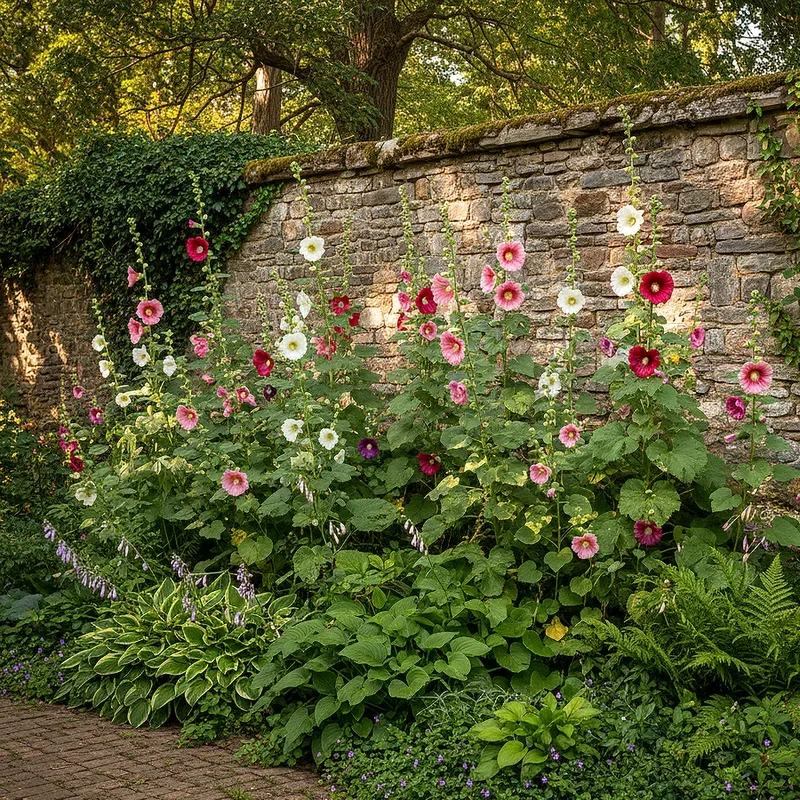
15. Establish a Foundation Planting Against Walls
Foundation plantings traditionally soften harsh building lines, and hollyhocks excel at this task when planted against walls, sheds, or garages. The vertical emphasis of hollyhocks draws eyes upward, making structures appear taller and more substantial than actual dimensions. Light-colored walls provide ideal backgrounds that make hollyhock blooms appear more vibrant through contrast while reflecting warmth that promotes robust growth. This placement protects plants from strong winds while the building foundation provides consistent moisture through reduced evaporation. Choose colors that either complement your building's exterior or create intentional contrast for bolder design statements. Foundation plantings frame architecture beautifully while creating transition zones between built structures and surrounding garden spaces. The informality of hollyhocks softens rigid architectural lines without requiring formal shearing or constant maintenance.
Conclusion
Hollyhocks offer remarkable versatility for gardeners seeking vertical drama, nostalgic charm, and reliable color in outdoor spaces. These fifteen design ideas demonstrate how adaptable these cottage garden favorites prove across various landscape styles and functional needs. Whether you're creating privacy screens, attracting pollinators, or simply adding romantic height to perennial borders, hollyhocks deliver consistent performance with minimal fuss. Their self-seeding nature ensures sustainable gardens that improve and expand over time without constant replanting efforts. The key to successful hollyhock gardens lies in choosing appropriate locations with adequate sun, well-drained soil, and enough vertical space for their impressive stature.
Read next: 15 DIY Garden Ideas for a Beautiful Outdoor Space
Frequently Asked Questions
Q1. How tall do hollyhocks typically grow in garden settings?
A: Most hollyhock varieties reach five to eight feet tall, depending on growing conditions and specific cultivar selection.
Q2. Do hollyhocks require staking to prevent wind damage?
A: Staking helps in exposed locations, though fence plantings and sheltered spots often provide adequate natural support for stability.
Q3. Can hollyhocks grow successfully in partial shade conditions?
A: Hollyhocks prefer full sun but tolerate light afternoon shade, though bloom production decreases in shadier locations significantly.
Q4. How quickly do hollyhocks self-seed in established gardens?
A: Hollyhocks self-seed readily, with new seedlings appearing the following spring from dropped seeds in favorable growing conditions.
Q5. Are hollyhocks considered deer-resistant plants for rural gardens?
A: Deer occasionally browse hollyhock foliage, though they're not preferred food sources compared to other garden plant options.