How to Plant a Rose Bush for Healthy, Beautiful Blooms
Master the art of planting rose bushes with expert tips for soil prep, timing, and care to ensure stunning, healthy blooms year-round.
There's something absolutely magical about roses, isn't there? These timeless beauties have graced gardens for centuries, captivating hearts with their stunning petals and intoxicating fragrance. But here's the thing: getting those picture-perfect blooms doesn't happen by accident. If you've ever wondered how to plant a rose bush for healthy, beautiful blooms, you're in the right place. Whether you're a complete newbie or someone who's tried and failed before, this guide will walk you through everything you need to know. Trust me, with a little know-how and some elbow grease, you'll be growing roses that'll make your neighbors green with envy. So grab your gardening gloves, and let's dig into the wonderful world of rose cultivation.
Understanding Rose Bush Basics Before You Plant
Before you rush out and start digging holes in your yard, let's pump the brakes for a second. Understanding what makes roses tick is absolutely crucial for success. These flowering shrubs come in varieties like hybrid teas, floribundas, grandifloras, climbers, and shrub roses. Each type has its own personality and requirements, so knowing what you're working with matters big time.
Most roses are sun worshippers through and through. They crave at least six hours of direct sunlight daily, though eight hours is even better. Without adequate light, your rose bush might produce leaves but skimp on the blooms. Additionally, roses are pretty particular about drainage. They hate wet feet, so soggy soil is a no-go. At the same time, they're thirsty plants that need consistent moisture. It's a delicate balance, but once you nail it, you're golden.
Choosing the Perfect Location for Your Rose Bush
Location, location, location! The spot you choose can make or break your rose-growing adventure. Scout your yard for areas that get morning sun, which helps dry dew from leaves and reduces fungal diseases. If you're in a scorching climate, some afternoon shade prevents your blooms from frying.
Air circulation is another biggie that folks often overlook. Roses need breathing room, so don't cram them against walls or fence them in with other plants. Good airflow keeps diseases at bay. However, you also want some protection from harsh winds that can damage delicate blooms. A spot that's sheltered but not stuffy hits that sweet spot. Roses prefer slightly acidic to neutral pH levels between 6.0 and 7.0. Also, think about accessibility since you'll be watering, deadheading, and pruning regularly.
Preparing the Soil for Optimal Rose Growth
Soil preparation is absolutely essential for learning how to plant a rose bush for healthy, beautiful blooms. Roses are heavy feeders, meaning they need rich, well-draining soil loaded with organic matter. Start by testing your soil's pH using an inexpensive kit from any garden center. Adding sulfur lowers pH while lime raises it.
Dig a hole about 18 inches deep and 24 inches wide. Roses develop extensive root systems and need room to spread out. Mix the excavated soil with compost, aged manure, or peat moss in roughly equal proportions. This creates a nutrient-rich environment that drains well but retains enough moisture. If you're dealing with heavy clay, add coarse sand and organic matter to improve drainage. Sandy soil benefits from generous amounts of compost to increase water retention. Some gardeners add bone meal to the planting hole for extra phosphorus, which promotes root development and blooming.
Selecting and Preparing Your Rose Bush
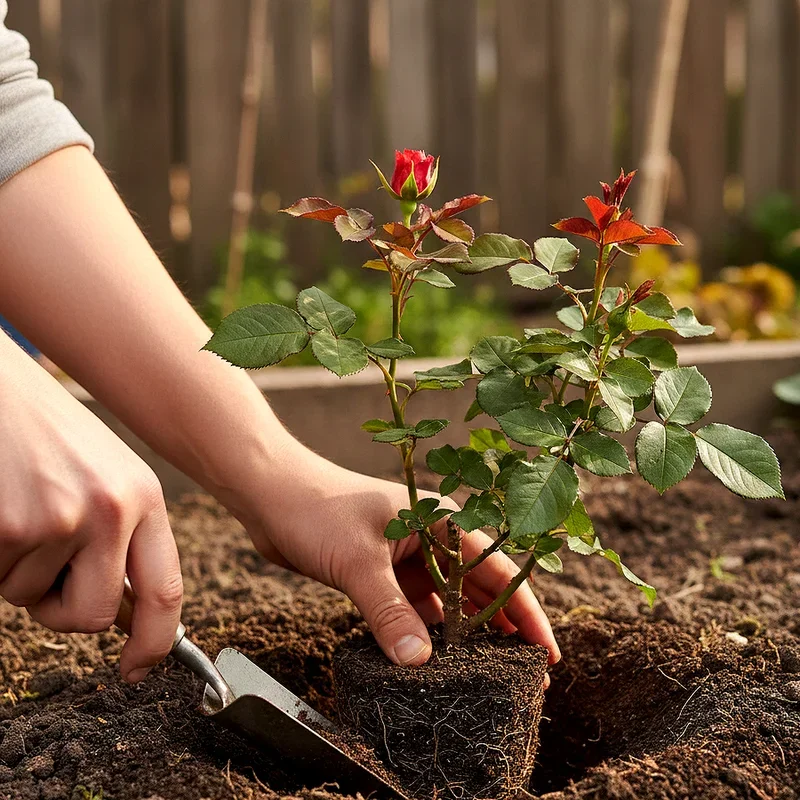
You'll typically find roses sold three ways: bare-root, container-grown, or pre-packaged. Bare-root roses are dormant plants sold without soil, usually in late winter or early spring. Container-grown roses are actively growing in pots and can be planted almost any time. When selecting your rose, inspect it carefully. Look for healthy canes that are green and firm, not shriveled or blackened. The plant should have several sturdy canes emerging from the base.
Before planting bare-root roses, soak them in water for 8 to 12 hours. This rehydrates the roots and gets them ready for action. Container-grown roses should be watered thoroughly before planting. If the roots are circling the pot, gently tease them apart with your fingers to encourage outward growth.
The Step-by-Step Planting Process
Alright, let's get down to brass tacks. The actual planting process doesn't have to be complicated, but there are some key steps you absolutely cannot skip. Timing matters too. In most regions, early spring or fall are ideal planting times. Spring planting gives roses the entire growing season to establish before winter, while fall planting works well in mild climates where the ground doesn't freeze solid.
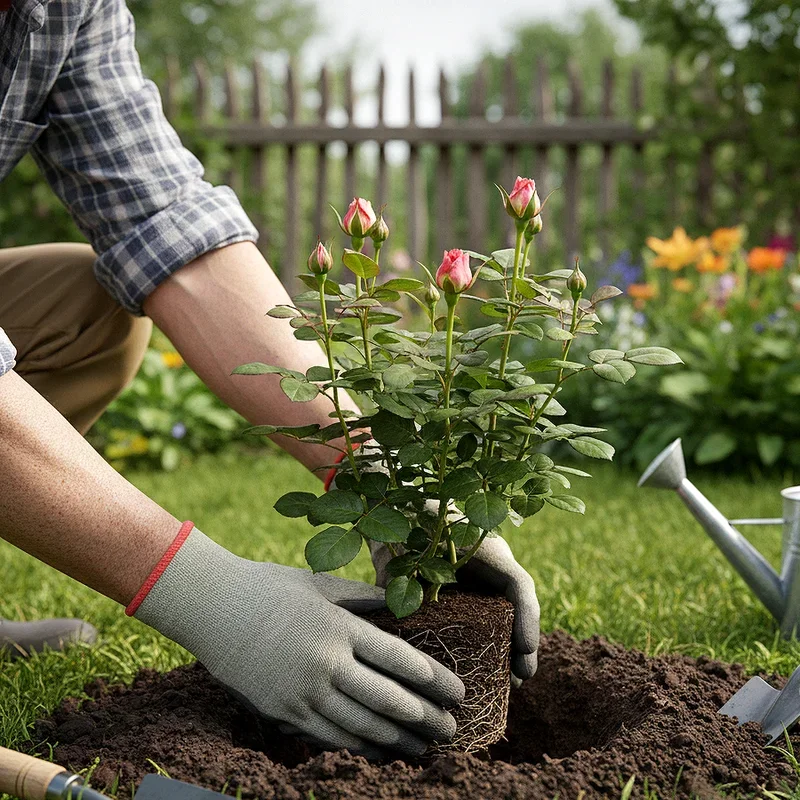
Start by creating a cone of soil in the center of your prepared hole. For bare-root roses, spread the roots over this cone so they extend naturally downward and outward. Position the bud union (that knobby part where the canes meet the roots) based on your climate. In cold regions where temperatures regularly drop below 20 degrees Fahrenheit, place it about 2 inches below soil level for winter protection. In warmer areas, you can position it right at or slightly above soil level.
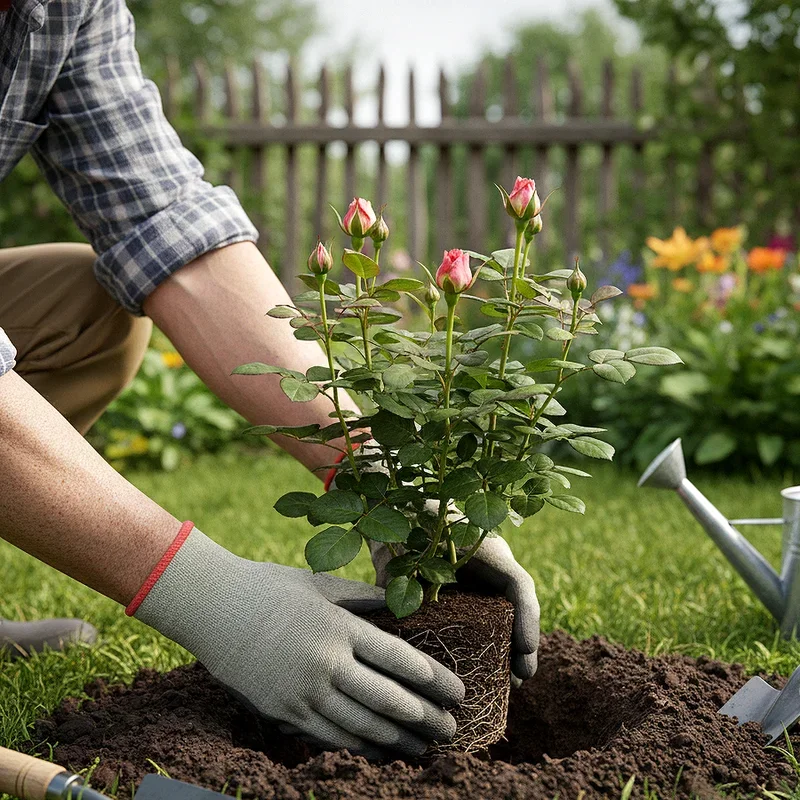
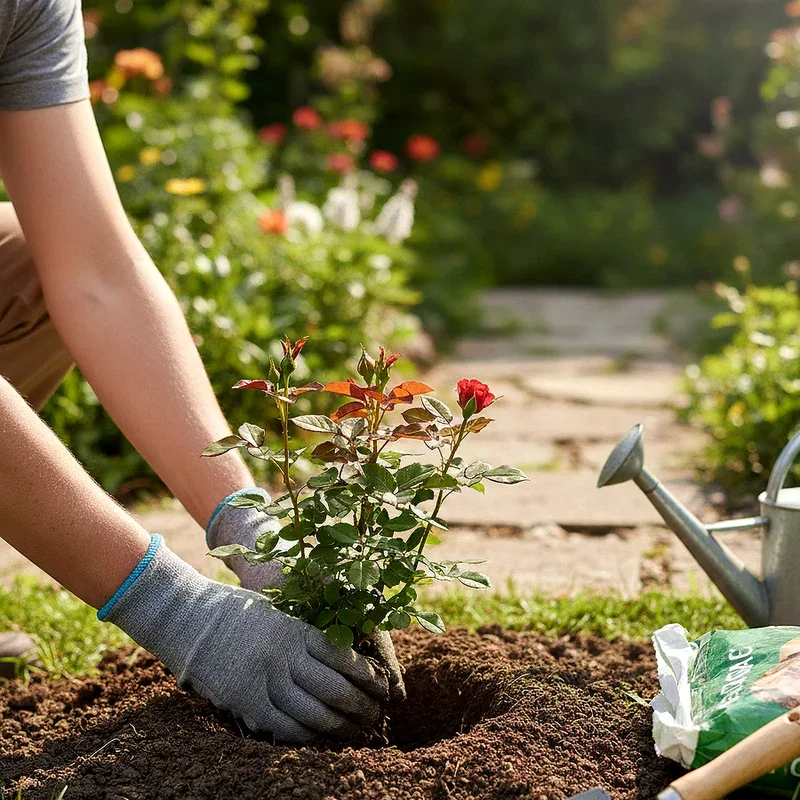
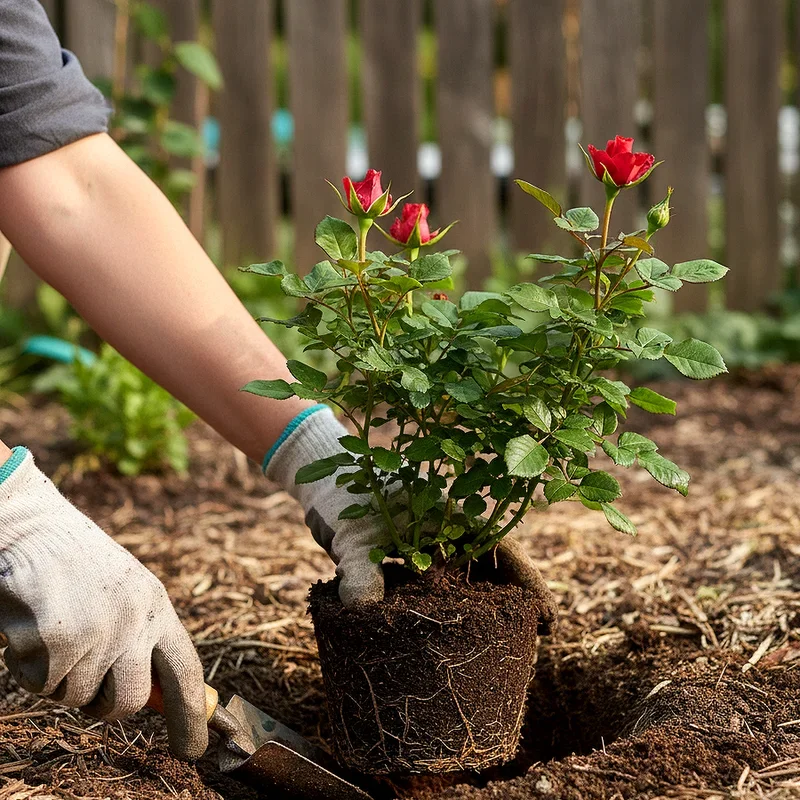
For container-grown roses, remove the plant from its pot and place it in the hole at the same depth it was growing in the container. Fill the hole halfway with your amended soil mixture, then water thoroughly to settle the soil and eliminate air pockets. Once the water drains, fill the rest of the hole and water again. Create a shallow basin around the plant to help direct water to the roots. Finally, apply a 2 to 3 inch layer of mulch around the base, keeping it a few inches away from the canes to prevent rot.
Watering Techniques for Newly Planted Roses
Water is life, especially for newly planted roses. Getting the watering right can be tricky though. The goal is keeping the soil consistently moist but not waterlogged. During the first few weeks after planting, water deeply every 2 to 3 days if there's no rain. Deep watering means really soaking the root zone, not just sprinkling the surface.
The best time to water is early morning, which allows foliage to dry before nightfall and reduces disease risk. Water at the base of the plant rather than overhead to keep leaves dry. Once your rose is established after about 6 weeks, most roses need about an inch of water per week. Stick your finger into the soil a few inches down. If it feels dry, it's time to water. Mulch helps tremendously with moisture retention.
Fertilizing Your Rose Bush for Maximum Blooms
Proper fertilization is essential when learning how to plant a rose bush for healthy, beautiful blooms. Roses bloom repeatedly throughout the season, and all that flower production requires fuel. Wait about 4 to 6 weeks after planting before applying fertilizer, or until you see new growth emerging.
Organic gardeners often prefer compost, aged manure, or fish emulsion. Chemical fertilizers work faster and provide precise nutrient ratios. A balanced rose fertilizer applied every 4 to 6 weeks during the growing season works well. Stop fertilizing about 6 weeks before your first expected frost to avoid encouraging tender new growth. In spring, start feeding again when you see about 6 inches of new growth.
Protecting Your Rose Bush from Pests and Diseases
Roses can attract pests and diseases, but with proper care and vigilance, you can keep most problems at bay. Prevention is your first line of defense. Healthy, well-cared-for roses resist pests and diseases better than stressed plants.
Common rose pests include aphids, Japanese beetles, spider mites, and thrips. Aphids cluster on new growth and buds. A strong blast of water often knocks them off. Japanese beetles skeletonize leaves and can be hand-picked for small infestations. Spider mites cause stippled, yellowing leaves and thrive in hot, dry conditions. Regular watering helps prevent them.
Black spot, powdery mildew, and rust top the list of rose diseases. Black spot causes circular black spots on leaves. Good air circulation and morning watering help prevent it. Powdery mildew creates a white coating on leaves and buds. Rust appears as orange pustules on leaf undersides. Remove infected leaves promptly and ensure good air circulation for all these issues.
Pruning and Maintenance for Long-Term Success
Pruning happens in early spring, just as buds begin to swell. Start by removing any dead, damaged, or diseased wood. Cut back to healthy white or light green pith. Next, remove any canes thinner than a pencil, as these won't produce quality blooms.
For hybrid teas, shape the plant into a vase form with 3 to 5 healthy canes. Make cuts at a 45-degree angle about a quarter inch above an outward-facing bud. This encourages outward growth and improves air circulation. Shrub roses need less aggressive pruning, just remove dead wood and shape as needed.
Throughout the growing season, deadhead spent blooms regularly by cutting just above the first set of five leaves below the spent bloom. This redirects energy into producing more flowers. Also watch for suckers emerging from below the bud union and remove them promptly.
Mulching Benefits and Best Practices
Mulch is essential for your roses. A good layer of organic mulch conserves moisture, suppresses weeds, regulates soil temperature, and slowly breaks down to add organic matter to the soil. Apply mulch in a 2 to 3 inch layer around your rose bush, extending out to the drip line. Keep mulch pulled back a few inches from the canes to prevent moisture buildup that can cause rot.
Organic options include shredded bark, wood chips, compost, or aged manure. Replenish mulch as needed throughout the season as it breaks down. In fall, add extra mulch for winter protection in cold climates.
Common Mistakes to Avoid When Planting Roses
Knowing common pitfalls helps you avoid them. One biggie is planting in shade. Roses absolutely need sun, so planting them under trees or on the north side of buildings sets them up for failure. Another mistake is overcrowding. Roses need space for air circulation, so follow spacing recommendations for your specific variety.
Neglecting soil preparation also tops the list. You simply cannot dig a hole, plop in a rose, and expect stellar results. Proper watering matters too. Overhead watering that soaks foliage invites disease, while shallow, frequent watering encourages shallow roots. Many beginners either prune too timidly or too aggressively, and both extremes hurt the plant.
Conclusion
Learning how to plant a rose bush for healthy, beautiful blooms isn't rocket science, but it does require attention to detail and consistent care. From selecting the perfect sunny spot and preparing nutrient-rich soil to proper watering, feeding, and pruning, each step contributes to your success. Remember that roses reward patience and dedication with stunning blooms that'll brighten your garden and lift your spirits season after season. Don't get discouraged by initial challenges. Every expert rose gardener started as a beginner, and with the knowledge you've gained here, you're well-equipped to grow roses that'll be the envy of the neighborhood.
Read next: 15 Front Yard Rose Garden Ideas for a Stunning Look
Frequently Asked Questions
Q1: When is the best time to plant rose bushes?
A: Early spring or fall are ideal, giving roses time to establish before extreme weather arrives.
Q2: How much sunlight do rose bushes need daily?
A: Roses require at least six hours of direct sunlight, though eight hours produces even better blooms.
Q3: How deep should I plant a rose bush?
A: Plant with bud union 2 inches below soil in cold climates or at soil level in warm regions.
Q4: How often should I water newly planted roses?
A: Water deeply every 2 to 3 days for the first few weeks, then adjust based on weather.
Q5: Can I plant roses in containers successfully?
A: Yes, choose large containers with drainage holes and use quality potting mix formulated for roses.