How to Save a Dying Corn Plant: Simple Fixes to Try
Discover proven methods to revive your struggling corn plant with easy care adjustments, watering tips, and troubleshooting advice for healthier growth.
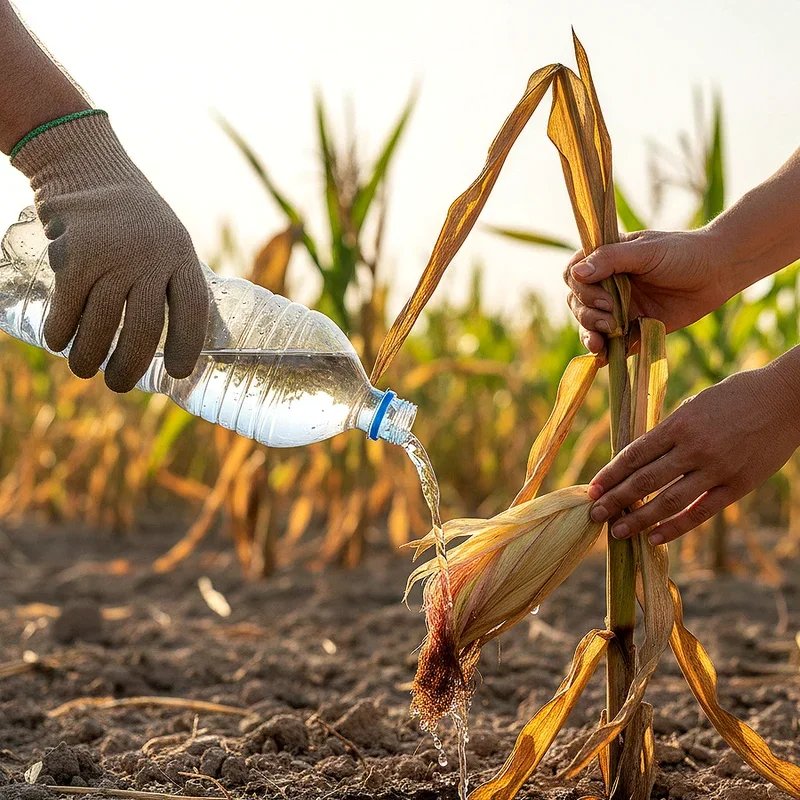
There's nothing quite as heartbreaking as watching your beloved corn plant slowly fade away, is there? You know what I mean. those once vibrant green leaves turning yellow, drooping like they've given up on life entirely. But hey, don't toss that plant in the compost bin just yet! The good news is that corn plants, also known as Dracaena fragrans, are surprisingly resilient creatures. They're actually pretty forgiving if you catch the problem early enough and take the right steps to nurse them back to health. Whether you're dealing with brown leaf tips, yellowing foliage, or a plant that looks like it's seen better days, this guide on How to Save a Dying Corn Plant: Simple Fixes to Try will walk you through everything you need to know.
Understanding Why Your Corn Plant Is Struggling
Before jumping into solutions, you've got to play detective for a minute. Corn plants don't just decide to give up without reason. Something in their environment has gone sideways, and figuring out what that is makes all the difference between success and failure.
Most corn plant problems boil down to a handful of usual suspects. Watering issues top the list, whether that's too much or too little. Lighting problems come in second, followed closely by temperature stress, humidity concerns, and the occasional pest invasion. Sometimes it's a combination of factors working together to make your plant miserable.
The trick is learning to read the signs your plant is sending. Yellow leaves might scream overwatering, while brown crispy tips could be crying out for more humidity. Drooping stems? That's often a watering issue too, but in the opposite direction. Once you crack the code, fixing the problem becomes straightforward.
Watering Woes and How to Fix Them
Let's talk about water, because honestly, this is where most people mess up. Corn plants like their soil to dry out a bit between waterings. They're not cacti, but they're definitely not water lilies either. Finding that sweet spot takes practice and attention.
Overwatering is probably the number one killer of indoor corn plants. When roots sit in soggy soil for too long, they start to rot. Root rot is nasty business. It cuts off the plant's ability to absorb nutrients and water, which seems ironic considering there's too much water in the first place. Signs of overwatering include yellowing leaves, mushy stems, and soil that stays wet for days on end.
If you suspect you've been too generous with the watering can, here's what to do. First, check the drainage holes. Is water actually escaping, or is your pot basically a swimming pool? If there's no drainage, repot immediately into a container with holes. Next, let the soil dry out completely. This might take a week or two, depending on conditions. Remove any yellow or mushy leaves, as they're not coming back. Going forward, stick your finger about two inches into the soil before watering. If it feels moist, wait a few more days.
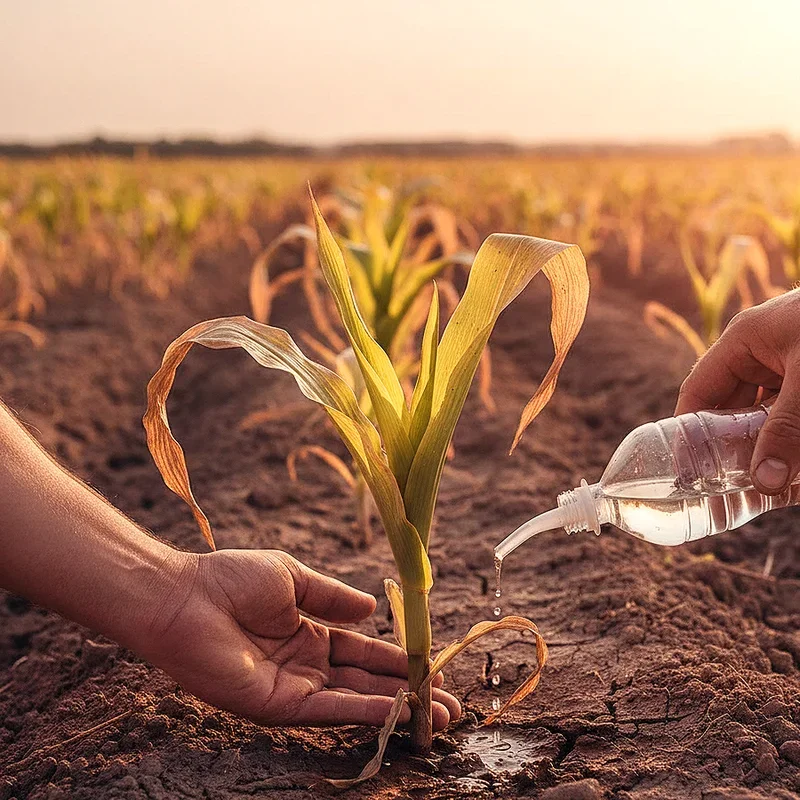
On the flip side, underwatering creates its own set of problems. Leaves might turn brown and crispy, starting at the tips and working their way down. The plant might droop dramatically, like it's begging for a drink. The soil will pull away from the edges of the pot and feel bone dry throughout.
The fix for underwatering is simpler, thankfully. Give your plant a thorough soaking until water runs out the drainage holes. Then establish a more consistent watering schedule. During growing season, that's typically every week or two. In winter, you can stretch it to every two or three weeks. The key word here is consistent.
Getting the Light Right for Your Corn Plant
Lighting is another major factor in corn plant health, and getting it wrong can send your plant into a tailspin. These plants are pretty adaptable, but they do have preferences. In their natural habitat, they grow under the canopy of taller trees, getting bright but filtered light. That tells you everything you need to know about indoor placement.
Direct sunlight is generally too harsh for corn plants. Those rays can scorch the leaves, leaving brown patches that look awful and damage the plant's ability to photosynthesize properly. If your corn plant is sitting in a south-facing window getting blasted by afternoon sun, that's likely part of your problem.
Move your plant to a spot with bright, indirect light. East-facing windows work beautifully, giving morning sun that's gentler. North-facing windows can work too, though growth might slow down a bit. If you only have bright southern exposure, pull the plant back from the window or use a sheer curtain to diffuse the light.
Too little light causes different issues. Your plant might get leggy, with long spaces between leaves as it stretches toward whatever light it can find. New growth might be pale or sparse. Older leaves could yellow and drop off as the plant sacrifices them to conserve energy.
If light is too dim, relocate to a brighter spot. You might even consider a grow light if your home is naturally dark. These have gotten really affordable and can make a world of difference for plants struggling in low-light situations.
Temperature and Humidity Considerations
Corn plants are tropical at heart, which means they appreciate warmth and humidity. When these factors are off, the plant shows its displeasure pretty quickly. The good news is that most homes fall within acceptable ranges with just minor adjustments needed.
Temperature-wise, corn plants thrive between 60 and 75 degrees Fahrenheit. They can tolerate slightly cooler or warmer conditions, but extremes cause stress. Keep your plant away from drafty windows in winter, heating vents, and air conditioning units that blast cold air directly. Sudden temperature swings are particularly rough on these plants.
Humidity deserves special attention because it's often overlooked. Central heating and air conditioning can make indoor air incredibly dry, especially in winter. When humidity drops too low, corn plant leaves develop those telltale brown tips and edges. The leaves might also curl or become crispy.
Raising humidity doesn't have to be complicated. Group plants together so they create their own little microclimate through transpiration. Place a tray of water with pebbles near your plant, making sure the pot doesn't sit directly in water. Run a humidifier in the room, which benefits both plants and people. Misting can provide temporary relief, though it's not a long-term solution.
Dealing With Fertilizer and Soil Issues
Sometimes a dying corn plant isn't getting the nutrients it needs, or conversely, it's getting too much of a good thing. Fertilizer problems manifest in various ways, from pale new growth to brown leaf tips that mimic other issues.
Corn plants are light feeders compared to some houseplants. They need fertilizer during the growing season, roughly from spring through early fall, but they don't need much. A balanced liquid fertilizer diluted to half strength once a month does the trick. More than that, and you risk fertilizer burn, which damages roots and causes those brown crispy tips everyone hates.
If you suspect overfertilizing, flush the soil thoroughly. Run water through the pot several times, letting it drain completely each time. This washes away excess salts that have built up. Then hold off on fertilizing for several months while the plant recovers.
Underfertilizing shows up as slow growth and pale leaves. The plant might look generally unhealthy without any specific dramatic symptoms. Starting a regular, light fertilizing schedule usually perks things right up within a few weeks.
Soil quality matters too. Corn plants need well-draining soil that doesn't compact over time. If your plant has been in the same pot for years, the soil might be depleted and compressed. Repotting with fresh potting mix can work wonders. Choose a mix designed for houseplants or make your own with peat moss, perlite, and compost.
Addressing Pest Problems and Diseases
Pests love stressed plants, and a dying corn plant might attract unwanted attention from spider mites, mealybugs, or scale insects. These critters suck sap from leaves, further weakening an already struggling plant. Catching them early makes treatment much easier.
Spider mites are tiny and hard to spot until you notice fine webbing on leaves or stippled, yellowing foliage. Mealybugs look like tiny white cotton balls clustered in leaf axils and along stems. Scale insects appear as small brown bumps on leaves and stems, often mistaken for part of the plant.
For light infestations, wiping leaves with a damp cloth or spraying with water knocks pests off. A solution of water and a few drops of dish soap works well for more stubborn problems. Spray thoroughly, getting the undersides of leaves where pests hide. Neem oil is another effective option that's gentler than chemical pesticides.
Fungal and bacterial diseases are less common but can occur, especially when overwatering creates conditions pathogens love. Soft, mushy stems and foul-smelling soil suggest root rot. Yellow or brown spots with a water-soaked appearance might indicate bacterial leaf spot.
For root rot, you'll need to take drastic action. Remove the plant from its pot and examine the roots. Healthy roots are firm and white or light tan. Rotted roots are mushy, brown, and smell terrible. Cut away all damaged roots with sterile scissors, then repot in fresh soil. The plant might still die, but this gives it a fighting chance.
Pruning and Maintenance for Recovery
Sometimes the best thing you can do for a dying corn plant is give it a good haircut. Pruning removes dead and dying tissue that's draining energy from the plant. It also improves air circulation and makes the plant look better while it recovers.
Use clean, sharp scissors or pruning shears for any cuts. Remove completely dead leaves first, cutting as close to the stem as possible. For leaves that are partially damaged, you can trim just the brown parts, following the natural shape of the leaf. Some people cut straight across, which looks odd, so angling your cuts helps maintain a natural appearance.
If stems are damaged or dead, cut them back to healthy tissue. You'll know you've reached healthy tissue when the interior is green and moist rather than brown and dry. Don't be afraid to cut pretty far back if necessary. Corn plants can regrow from surprisingly low on the stem.
After pruning, the plant might look sparse and sad, but be patient. As conditions improve, new growth will emerge. Those canes are capable of sprouting fresh leaves from nodes all along their length.
When to Consider Repotting
Repotting can stress a plant, so timing matters. Generally, you only want to repot a dying corn plant if the current pot is part of the problem. Signs that repotting might help include roots growing out of drainage holes, water running straight through without being absorbed, or soil that's broken down and compacted.
Choose a pot only slightly larger than the current one. Going too big can lead to overwatering since there's more soil holding more moisture. Make sure the new pot has drainage holes. This cannot be emphasized enough.
Gently remove the plant from its current pot. If roots are circling tightly around the root ball, carefully tease them apart. This encourages them to grow outward into the new soil. Trim any dead or mushy roots.
Add fresh potting mix to the new container, position the plant at the same depth it was growing before, and fill in around the roots. Water thoroughly, then place the plant back in its usual spot. Hold off on fertilizing for at least a month to let the plant settle into its new home.
Creating the Ideal Recovery Environment
Once you've addressed the immediate problems, focus on creating conditions where your corn plant can truly thrive. Consistency is key here. Plants do best when their environment remains stable rather than bouncing between extremes.
Keep temperatures steady within that comfortable range. Maintain moderate humidity through whatever method works best for your situation. Provide bright, indirect light throughout the day. Water on a schedule based on the plant's needs rather than the calendar, checking soil moisture first.
Monitor your plant closely during recovery. New growth is an excellent sign that your efforts are paying off. It might take weeks or even months for significant improvement, depending on how far gone the plant was to start with. Patience really is a virtue when nursing plants back to health.
How to Save a Dying Corn Plant: Simple Fixes to Try
Bringing together everything we've covered, saving a dying corn plant really comes down to diagnosing the problem accurately and addressing it consistently. Most issues stem from watering, lighting, or environmental conditions that are easily adjusted once you know what to look for.
Start by evaluating your current care routine honestly. Are you watering too much or too little? Is the lighting appropriate? Have you been neglecting fertilizer, or going overboard? Make adjustments based on what you discover.
Remember that plants don't recover overnight. Give your corn plant time to respond to improved conditions. Keep monitoring and making small adjustments as needed. With proper care, these resilient plants can bounce back from some pretty rough situations.
Conclusion
Saving a dying corn plant doesn't require a green thumb or fancy equipment, just observation and willingness to make changes. By addressing watering issues, optimizing light conditions, maintaining proper humidity and temperature, and dealing with any pests or diseases, you give your plant the best chance at recovery. Remember that How to Save a Dying Corn Plant: Simple Fixes to Try isn't about perfection but about creating consistent, suitable conditions. With patience and attention, that sad, drooping plant can transform back into the lush, vibrant beauty it once was, bringing life and greenery to your space for years to come.
Read next: When to Plant Corn for Healthy and Strong Harvests
Frequently Asked Questions
Q1: How often should I water my recovering corn plant?
A: Water when top two inches of soil feel dry, typically every one to two weeks.
Q2: Can a corn plant recover from severe root rot?
A: Yes, if you remove damaged roots promptly and repot in fresh, well-draining soil.
Q3: Why are my corn plant leaves turning brown at the tips?
A: Brown tips usually indicate low humidity, fluoride in water, or inconsistent watering schedules.
Q4: How much light does a corn plant need daily?
A: Corn plants need bright, indirect light for most of the day without direct sun exposure.
Q5: Should I remove yellow leaves from my corn plant?
A: Yes, remove completely yellow leaves as they won't recover and drain plant energy unnecessarily.