Protecting Your Property: Understanding the Tree Stump Termite Connection
Learn how tree stumps attract termites and put your property at risk, plus practical steps to prevent infestations and protect your home.
In recent years, the importance of property maintenance and pest prevention has steadily risen. Homeowners are becoming increasingly aware of the hidden threats lurking within their gardens and under their homes. One of the most significant threats comes from termites, notorious for their wood-devouring habits that can silently wreak havoc on structural integrity. These pests, often undetected until severe damage has already occurred, pose a serious risk to any property.
An all-too-often overlooked contributor to termite infestations is the humble tree stump. While stumps might seem harmless, they can become unsuspecting hosts to these destructive insects. This article seeks to educate property owners about the link between tree stumps and termites, providing insights on how to mitigate these risks effectively.
Understanding Termites and Their Behaviour
Termites are fascinating creatures with a highly organised social structure, resembling that of ants and bees. They are divided into casts, including workers, soldiers, and reproductive termites (queens and kings). The workers are primarily responsible for finding and consuming wood, feeding the colony in the process. This relentless quest for cellulose-rich materials makes termites a formidable pest when it comes to home and property damage.
In Australia, the most common species found around homes include subterranean termites, drywood termites, and dampwood termites. Subterranean termites are particularly notorious for causing extensive damage due to their large colony sizes and hidden nature. They build tunnels through the soil, seeking out wooden structures to invade.
Termites locate and decompose wood through a combination of chemical signals and environmental cues. They are drawn to moist, dark places where wood is in abundance. Environmental factors such as humidity, temperature, and proximity to a stable food source contribute significantly to termite colonisation and overall survival.
The Tree Stump Connection
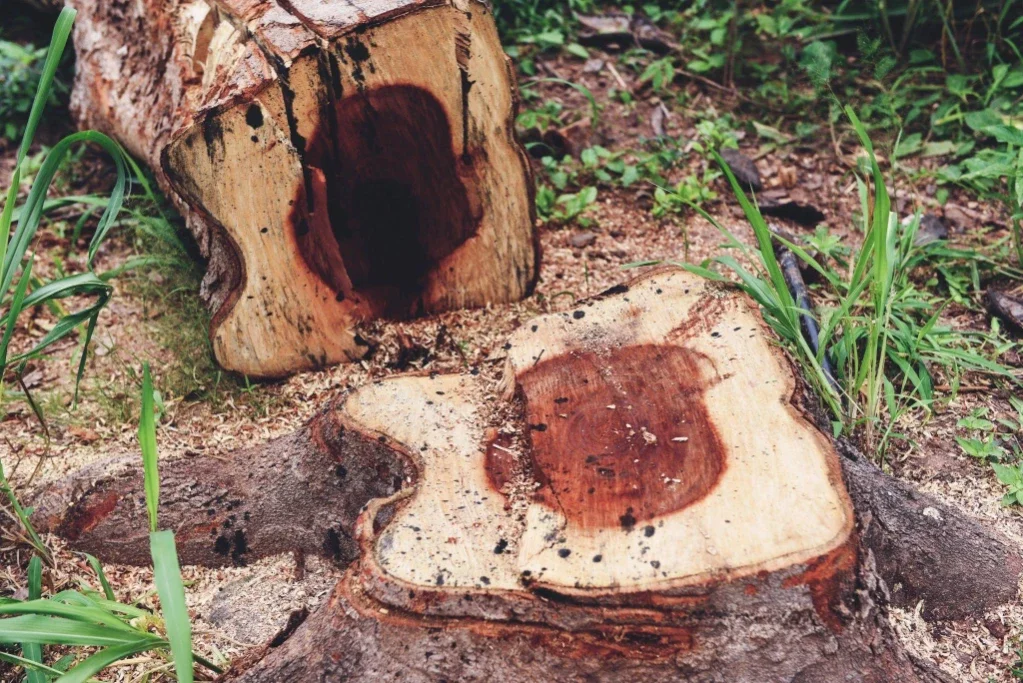
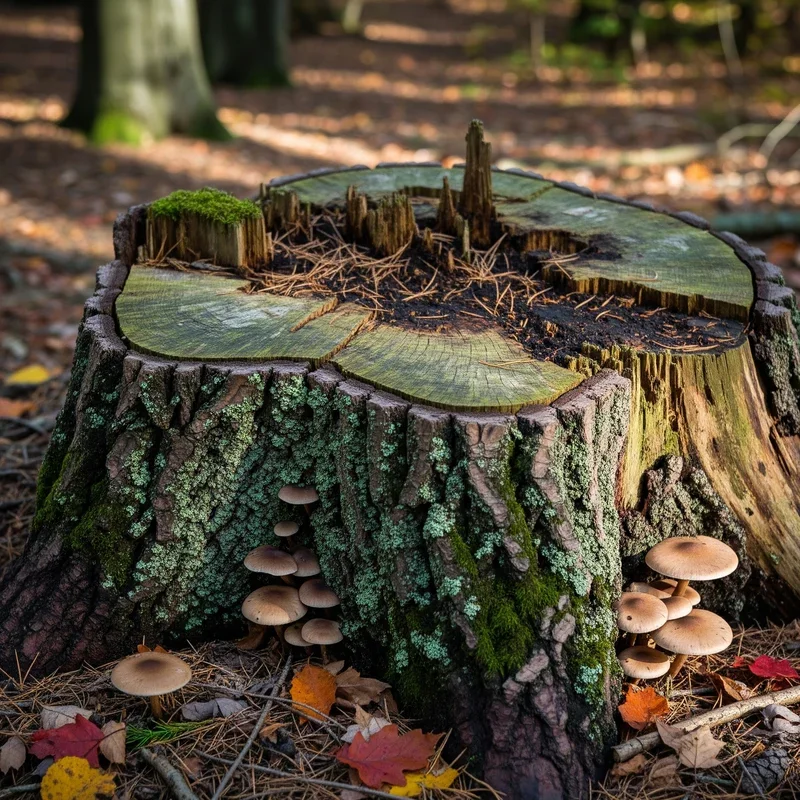
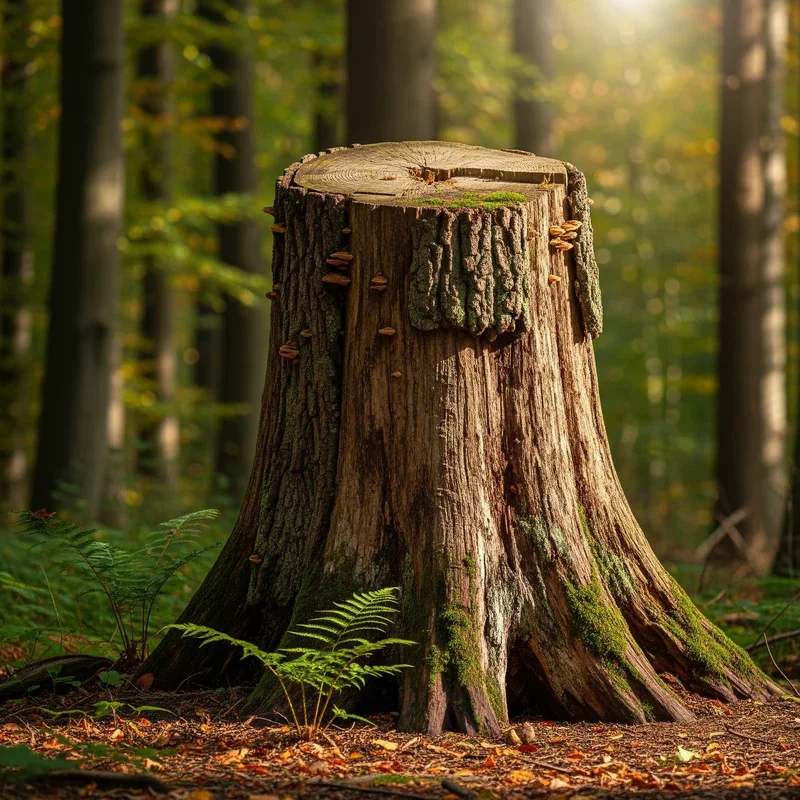
So why do tree stumps make such ideal nesting grounds for termites? Well, when a tree is cut down, the stump left behind is not only rich in cellulose but also often damp and shaded, providing the perfect conditions for termite colonisation. These insects find tree stumps particularly attractive because they are usually left undisturbed, allowing colonies to flourish unnoticed.
Signs that a tree stump might be harbouring termites include visible mud tubes, hollowing of the stump, and, in some cases, actually seeing active termites. If these signs are present, it’s crucial to take action quickly to avoid termites spreading to nearby structures. Misconceptions abound concerning the risks posed by tree stumps; many people underestimate just how easily termites can migrate from stumps to homes. It’s not simply a matter of distance but rather their ability to create intricate tunnels underground.
Risks and Damages Associated with Termite Infestations
Termite infestations can result in alarming structural damage. They consume wood from the inside out, gradually compromising the strength of beams, supports, and even floorings. Over time, this damage can lead to dangerous structural issues, including collapses.
The financial repercussions are significant as well. Repairing termite-related damage often costs homeowners thousands of dollars—a cost that amplifies if the infestation remains unchecked over time. Termite infestations can also create health and safety concerns. For instance, compromised structures might pose a risk of injury, and the presence of termites may also attract other pests to the property.
Real-life examples vividly illustrate the extent of potential damage. There have been cases where entire walls have been replaced after termite infestations were discovered, with restoration costs soaring due to extensive damage.
Preventative Measures Against Termites in Tree Stumps
To combat the risk of termites nesting in tree stumps, a proactive approach is essential. Identifying which stumps pose a risk is the first step. This can be done through regular inspections for signs of termite activity or damage.
Various chemical treatments, such as liquid termiticides, can be applied to deter termite activity. These treatments create a barrier around the stump, preventing termites from accessing it. Natural methods, like using essential oils known to repel termites, can also be employed as preventative strategies, though they may be less effective for established infestations.
When it comes to pest control services, professional assistance is typically recommended for serious infestations, whereas smaller issues might be tackled with DIY methods. Regular inspections and robust maintenance routines are crucial in stopping termites before they start, with stump grinding being a practical solution to ensure tree stumps don’t attract and house termites—yes, stump grinding reduces pest problems effectively!
Dealing with an Existing Infestation
When termites are found in a tree stump, immediate action is necessary. The first step is typically to consult with a pest control professional who can assess the situation and recommend appropriate treatment options. Treatments may include the application of termiticides or the installation of bait systems designed to eliminate the colony.
Assessing the severity of the infestation is critical in determining if professional intervention is required. If a colony is extensive or threatens nearby structures, the expertise of pest control specialists is invaluable. Following treatment, there are post-infestation strategies to adopt. This includes enhancing moisture control, removing potential food sources, and regularly checking for renewed activity to ensure that termites do not return.
Conclusion
The link between tree stumps and termite threats is clear—left unchecked, stumps can become epicentres of termite activity. Property owners need to remain vigilant, conducting regular checks, and taking preventative measures to avoid costly and potentially dangerous infestations. By embracing routine maintenance and being aware of the signs of termite activity, homeowners can protect their properties from these silent destroyers.
In the end, ensuring a termite-free and structurally sound property requires commitment and education. Spread the word about the tree stump and termite connection, encouraging neighbours and friends to be proactive in their pest prevention efforts. A well-maintained and inspected home translates to peace of mind and long-term savings.