How to Plant Marigold Seeds: Simple Step-by-Step Guide
Learn how to plant marigold seeds with our easy guide. Get expert tips on timing, soil prep, watering, and care for vibrant blooms.
There's something magical about watching tiny seeds transform into cheerful, golden flowers that brighten up any garden space. Marigolds have been garden favorites for generations, and honestly, it's not hard to see why. These hardy beauties don't just look fantastic—they're also incredibly forgiving for beginner gardeners. Whether you're dreaming of a cottage garden bursting with color or simply want to add some sunshine to your backyard, knowing how to plant marigold seeds properly can make all the difference between a decent display and an absolutely stunning one. Now, you might be thinking that growing flowers from seed sounds complicated, but here's the good news: marigolds are about as straightforward as it gets. They're tough little fighters that can handle a variety of conditions, and they grow surprisingly fast once they get going.
Understanding Marigold Varieties and Seed Selection
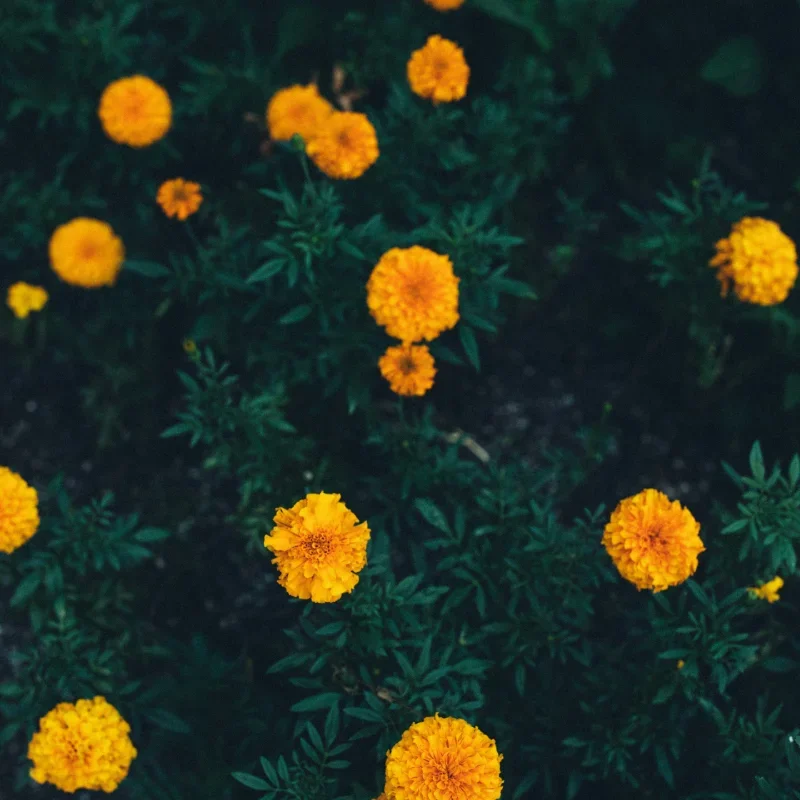
Before you rush out and grab just any packet of marigold seeds, it's worth taking a moment to understand what's actually available. French marigolds are compact and bushy, perfect for borders and containers. African marigolds, despite their name, grow tall and produce those massive pompom-like blooms that make excellent cut flowers. Then you've got signet marigolds, which are daintier with delicate, edible flowers that add a peppery kick to salads.
When you're selecting seeds, check the packet for information about height, spread, and bloom time. Some varieties mature in as little as six weeks, while others take their sweet time. Fresh seeds generally have better germination rates, so always check the date on the packet. If you're storing seeds from last year, keep them in a cool, dry place—they can remain viable for up to three years if stored properly.
Timing Your Marigold Seed Planting
Getting the timing right can really boost your success rate. Marigolds absolutely despise frost, so there's no point rushing things if you live in an area with cold springs. As a general rule of thumb, wait until the last frost date has passed before direct sowing outdoors. You can find this information online for your specific region, and trust me, it's worth looking up.
If you're itching to get started earlier, indoor seed starting is your best bet. Start seeds indoors about six to eight weeks before your last expected frost date. This gives you a head start on the growing season and means you'll have flowers blooming earlier in summer. The beauty of this approach is that you'll have sturdy seedlings ready to transplant once the weather warms up, rather than waiting for outdoor-sown seeds to catch up.
Preparing the Perfect Soil Mix
Here's where many folks trip up, but it doesn't have to be complicated. Marigolds aren't particularly fussy, but they do appreciate well-draining soil that's moderately fertile. Heavy clay that stays waterlogged will lead to root rot faster than you can say "drainage problems." On the flip side, pure sand won't hold enough moisture or nutrients.
For starting seeds indoors, use a quality seed-starting mix rather than garden soil. These mixes are sterile, which reduces disease risk, and they're specifically formulated to be light and fluffy. If you're direct sowing outdoors, work some compost into your garden bed to improve soil structure. The soil pH should ideally be between 6.0 and 7.0, though marigolds are pretty adaptable. A simple soil test kit from your local garden center can tell you what you're working with.
Starting Seeds Indoors Successfully
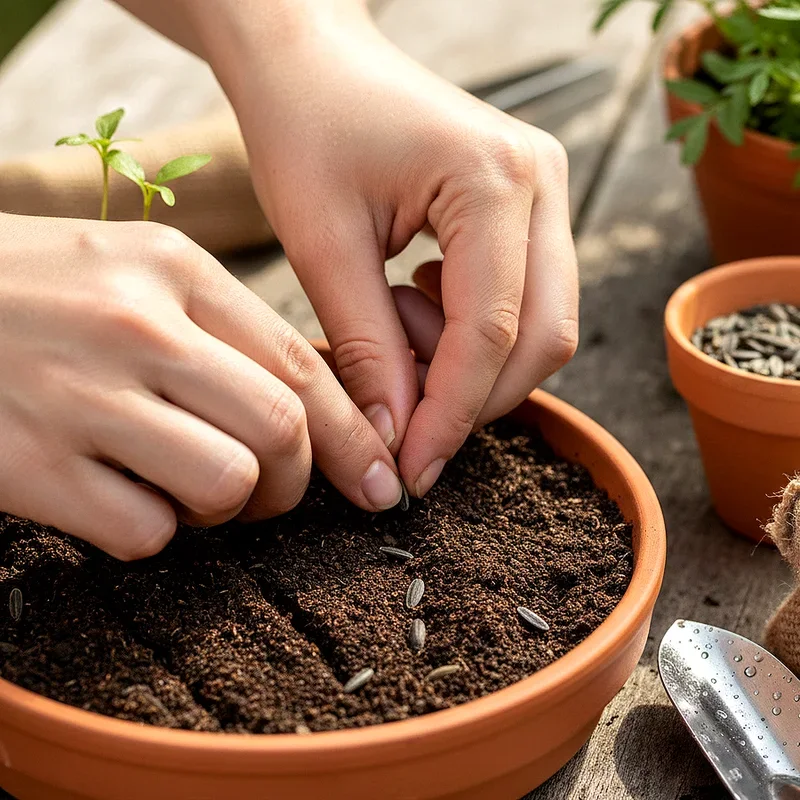
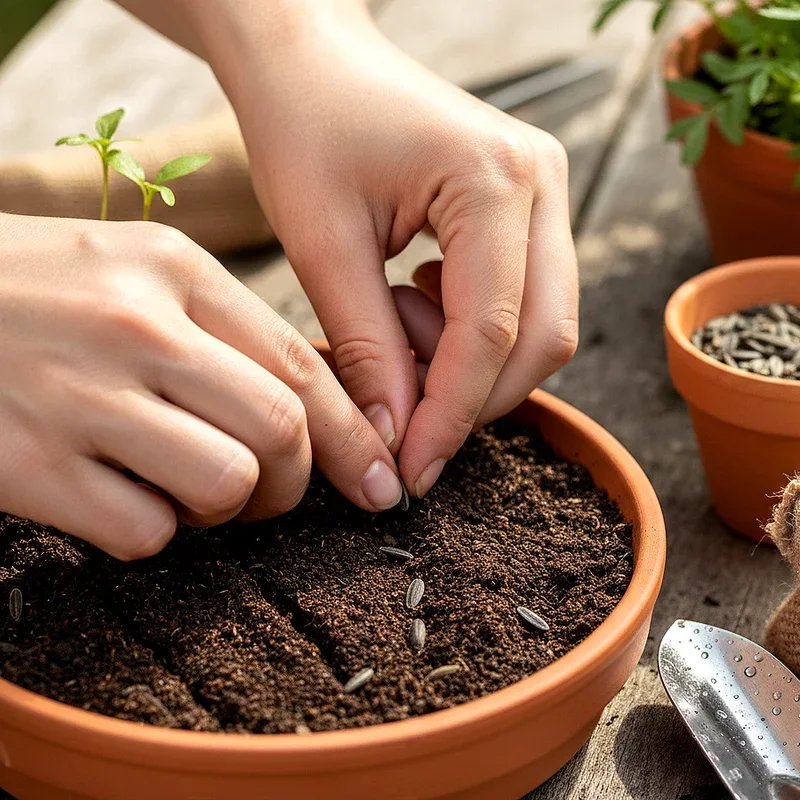
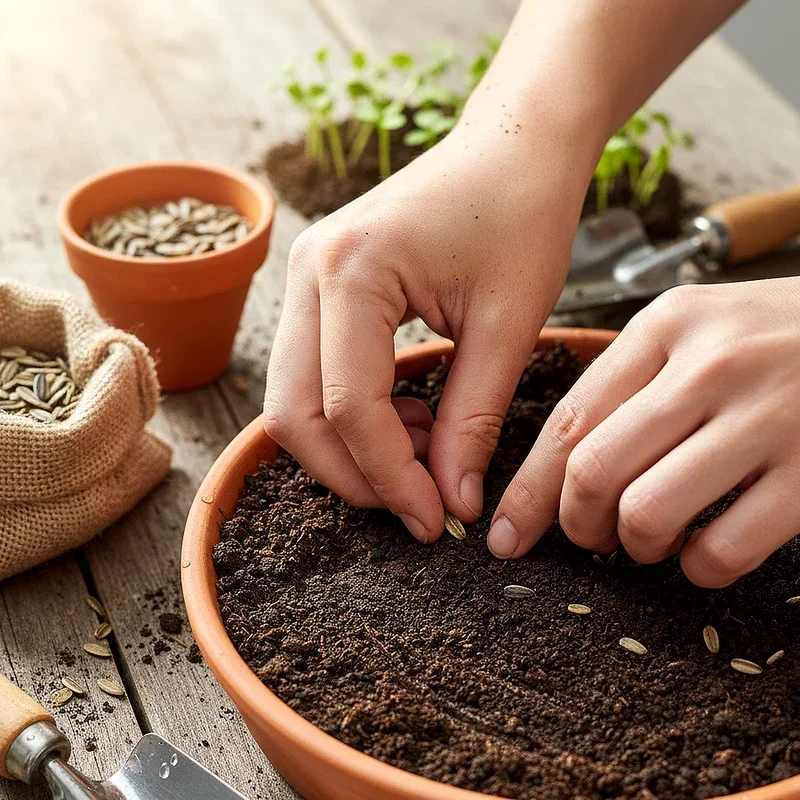
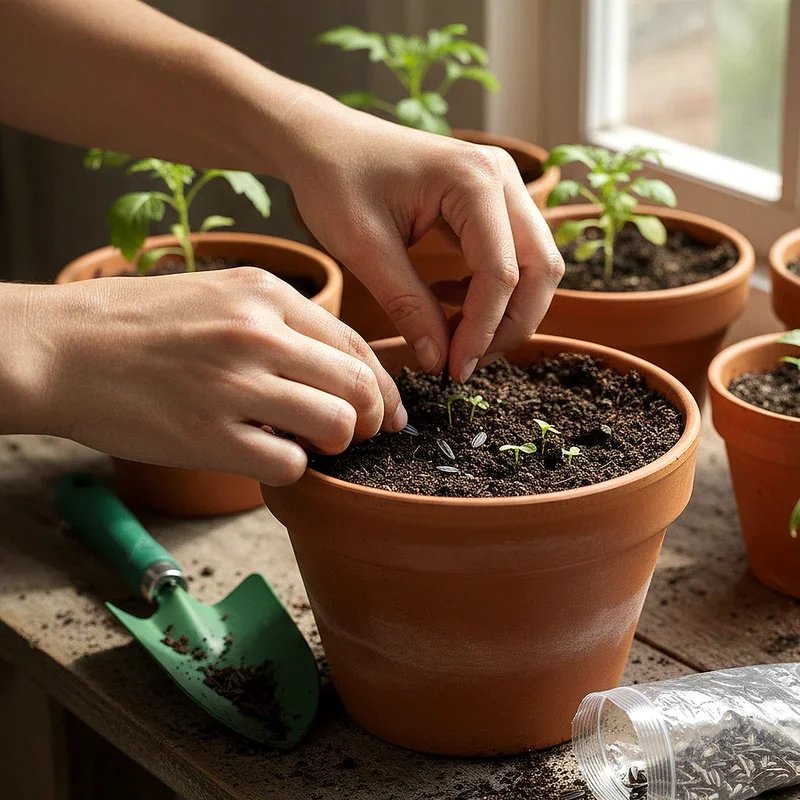
Alright, let's get those seeds started indoors. Fill seed trays or small pots with your seed-starting mix, leaving about half an inch from the top. Moisten the mix thoroughly before planting, but don't make it soggy. Marigold seeds aren't tiny, which actually makes them easier to handle than some other flowers.
Plant seeds about a quarter inch deep, spacing them roughly two inches apart if using trays. You can plant two or three seeds per cell or small pot as insurance. Cover lightly with soil and gently pat down. Here's a pro tip: covering your trays with plastic wrap or a humidity dome helps maintain moisture levels during germination. Place them in a warm spot—around 70 to 75 degrees Fahrenheit is ideal. You should see sprouts popping up within five to seven days.
Once seedlings emerge, remove any covering immediately and move them to a bright location. A sunny windowsill works, though supplemental grow lights prevent leggy, stretched seedlings. Keep the soil consistently moist but not waterlogged. When seedlings develop their first true leaves (the second set that appears), thin them out by snipping weaker ones at soil level.
Direct Sowing Marigold Seeds Outdoors
If you prefer skipping the indoor fuss, direct sowing works wonderfully with marigolds. This method is particularly great for creating informal drifts of color or filling large spaces. Wait until soil temperatures consistently reach at least 60 degrees Fahrenheit and all frost danger has passed.
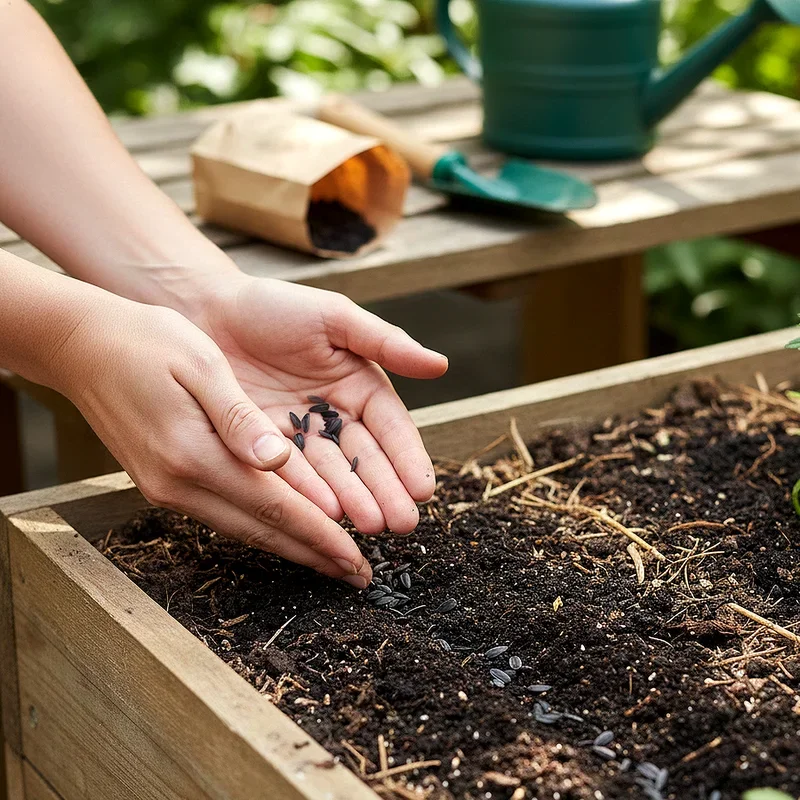
Prepare your planting area by removing weeds and loosening the soil to a depth of about six inches. Rake the surface smooth and create shallow furrows about a quarter inch deep. Scatter seeds along the furrow, aiming for spacing of about one to two inches. Cover with fine soil and water gently using a fine spray to avoid washing seeds away.
Keep the soil evenly moist until germination occurs, which typically takes seven to fourteen days outdoors. Once seedlings are about two inches tall, thin them to their final spacing. French marigolds need about eight to ten inches between plants, while African varieties prefer twelve to eighteen inches. Don't feel bad about thinning—overcrowded plants compete for resources and never reach their full potential.
Essential Watering Techniques for Germinating Seeds
Watering might seem straightforward, but it's actually where many gardeners accidentally sabotage their efforts. During germination, consistency is key. The soil should stay evenly moist, similar to a wrung-out sponge. Too dry, and seeds won't germinate. Too wet, and they'll rot before they ever sprout.
For indoor trays, bottom watering works beautifully. Place your seed trays in a shallow pan of water and let the soil absorb moisture from below. This prevents disturbing seeds and reduces the risk of fungal problems. Outdoor sowings need gentle overhead watering with a fine spray or misting nozzle. Heavy streams can displace seeds or wash them away entirely.
Once seedlings are established, you can gradually reduce watering frequency while increasing the amount given each time. This encourages deeper root growth, which creates stronger, more drought-tolerant plants. Generally, marigolds prefer soil that dries slightly between waterings rather than staying constantly damp.
Providing Adequate Light for Seedling Growth
Light is absolutely crucial for developing stocky, healthy seedlings. Insufficient light creates weak, pale, stretched plants that flop over at the slightest breeze. If you're growing seedlings on a windowsill, south-facing windows provide the most light in the northern hemisphere. Rotate trays daily so seedlings don't all lean toward the light source.
Supplemental lighting makes a world of difference, especially if your windows don't get six to eight hours of direct sun. Basic fluorescent shop lights work fine—you don't need expensive specialized equipment. Position lights about three to four inches above seedlings and raise them as plants grow. Running lights for fourteen to sixteen hours daily mimics long spring days and promotes robust growth.
Hardening Off Indoor-Started Seedlings
This step is non-negotiable if you've started seeds indoors. Hardening off gradually acclimates pampered indoor seedlings to outdoor conditions. Skip this process, and you'll likely watch your seedlings wilt, sunburn, or simply give up when transplanted.
Start about a week before your planned transplant date. On day one, place seedlings outdoors in a sheltered, shaded spot for just an hour or two. Bring them back inside afterward. Each day, gradually increase outdoor time and sun exposure. By day seven, they should be able to handle a full day outside in direct sun. This process might feel tedious, but it's genuinely worth the effort. Well-hardened seedlings transplant with minimal shock and establish much faster.
Transplanting Seedlings to Their Final Location
When seedlings have at least two sets of true leaves and outdoor conditions are favorable, it's time for transplanting. Choose a cloudy day or transplant in the evening to reduce stress. Dig holes slightly larger than your seedling pots, spacing them according to variety requirements.
Gently remove seedlings from their containers by squeezing the sides and tipping them out. If roots are circling the bottom, gently tease them apart. Set each plant at the same depth it was growing in its pot, firm soil around the base, and water thoroughly. A diluted liquid fertilizer at transplanting time helps reduce shock and encourages establishment.
Ongoing Care After Planting Marigold Seeds
Once your marigolds are growing, they're pretty low maintenance, though a little attention goes a long way. Water during dry spells, aiming for about an inch per week including rainfall. Mulching around plants helps retain moisture and suppress weeds, but keep mulch away from stems to prevent rot.
Deadheading spent blooms encourages continuous flowering throughout the season. Simply pinch or snip off faded flowers just above the next set of leaves. This prevents seed formation, which signals the plant to keep producing more blooms. Some gardeners find this therapeutic, others find it tedious—either way, it's worth doing if you want maximum flower power.
Common Mistakes to Avoid When Planting Marigold Seeds
Even though marigolds are forgiving, certain mistakes can set you back. Planting too early in cold soil leads to poor germination or rotting seeds. Overwatering is probably the number one killer of marigold seedlings—these plants really don't appreciate wet feet. Planting in deep shade results in leggy growth and few flowers since marigolds are sun lovers through and through.
Another common error is using old, tired soil or contaminated garden soil for seed starting. This introduces disease problems that young seedlings can't fight off. Finally, overcrowding plants might seem like a way to get more flowers, but it actually results in fewer blooms, increased disease problems, and stunted growth.
Troubleshooting Germination Problems
Sometimes seeds just don't cooperate, and that's frustrating. If nothing has sprouted after two weeks, check your seed packet's germination rate—older seeds have lower success rates. Temperature might be the culprit too. Soil that's too cold significantly delays germination, while excessive heat can actually prevent it.
Planting depth matters more than you'd think. Seeds buried too deeply can't push through to the surface, while those planted too shallowly dry out quickly. If you suspect depth issues with outdoor plantings, carefully investigate with your finger to see what's happening below the surface. Inconsistent moisture also causes germination failures, so maintaining that goldilocks level of dampness is crucial.
Companion Planting with Marigolds
Here's a bonus benefit of learning How to Plant Marigold Seeds: Simple Step-by-Step Guide—marigolds make excellent companion plants. Their scent deters many common garden pests, including aphids, whiteflies, and even some nematodes. Plant them near tomatoes, cucumbers, or squash for natural pest protection.
However, marigolds can inhibit growth in some plants, particularly beans. Do a bit of research before mixing them into your vegetable garden. In ornamental beds, they pair beautifully with salvias, zinnias, and petunias, creating stunning color combinations that last all summer long.
Saving Seeds for Future Planting
If you've successfully grown marigolds from seed, why not save some for next year? Allow a few flower heads to mature completely on the plant, turning brown and papery. Cut these heads and place them in a paper bag in a dry location for a week or two.
Once thoroughly dry, crush the flower heads to release seeds. Separate seeds from chaff by gently blowing on them or using a fine sieve. Store cleaned seeds in paper envelopes labeled with variety and date, keeping them in a cool, dry place. While hybrid varieties won't come true from saved seed, open-pollinated types will give you plants identical to their parents.
Conclusion
Learning how to plant marigold seeds opens up a world of gardening possibilities without requiring an advanced degree in horticulture. These cheerful flowers reward even novice gardeners with spectacular displays of color that last from early summer until frost. By following this How to Plant Marigold Seeds: Simple Step-by-Step Guide, you'll avoid common pitfalls and set yourself up for success. Remember that gardening is as much about experimentation and learning from mistakes as following instructions perfectly. So don't be afraid to get your hands dirty, try different varieties, and enjoy the process of bringing new life into your garden.
Read next: Are Marigolds Annuals or Perennials? Find Out Here
Frequently Asked Questions
Q1: How deep should I plant marigold seeds in the soil?
A: Plant marigold seeds approximately one quarter inch deep in well-draining, moist soil.
Q2: Can marigold seeds be planted directly in the garden outdoors?
A: Yes, direct sowing works well after the last frost when soil reaches 60 degrees.
Q3: How long does it take for marigold seeds to germinate?
A: Indoors, germination occurs within five to seven days under optimal warm conditions typically.
Q4: Do marigold seeds need light to germinate successfully?
A: No, marigold seeds germinate in darkness but seedlings need bright light immediately after.
Q5: What is the ideal temperature for germinating marigold seeds?
A: The optimal temperature range for germinating marigold seeds is 70 to 75 degrees Fahrenheit.