15 Garden Cover Ideas to Protect and Beautify Your Yard
Discover creative garden cover ideas that shield plants from harsh weather while enhancing your outdoor space with style and functionality.
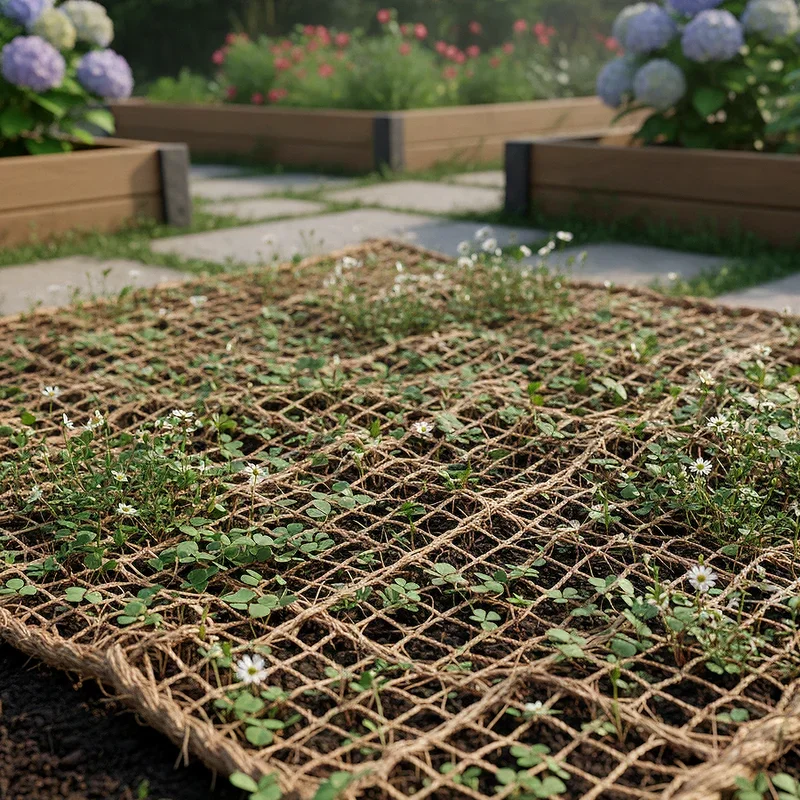
Your garden deserves more than just beautiful blooms and lush greenery. It needs protection from unpredictable weather, pesky pests, and harsh environmental conditions that can damage your hard work overnight. Garden covers serve as versatile solutions that safeguard your plants while adding aesthetic appeal to your outdoor sanctuary. Whether you're dealing with scorching summer heat, unexpected frost, or simply want to create distinct garden zones, the right cover can make all the difference. From traditional options like mulch and shade cloth to innovative solutions such as living ground covers and decorative stones, these protective layers work tirelessly to maintain soil moisture, regulate temperature, and suppress weeds. Ready to transform your yard into a thriving, protected paradise? Let's explore fifteen brilliant garden cover ideas that marry functionality with beauty, ensuring your garden looks stunning while staying healthy throughout every season.
1. Organic Mulch for Natural Protection
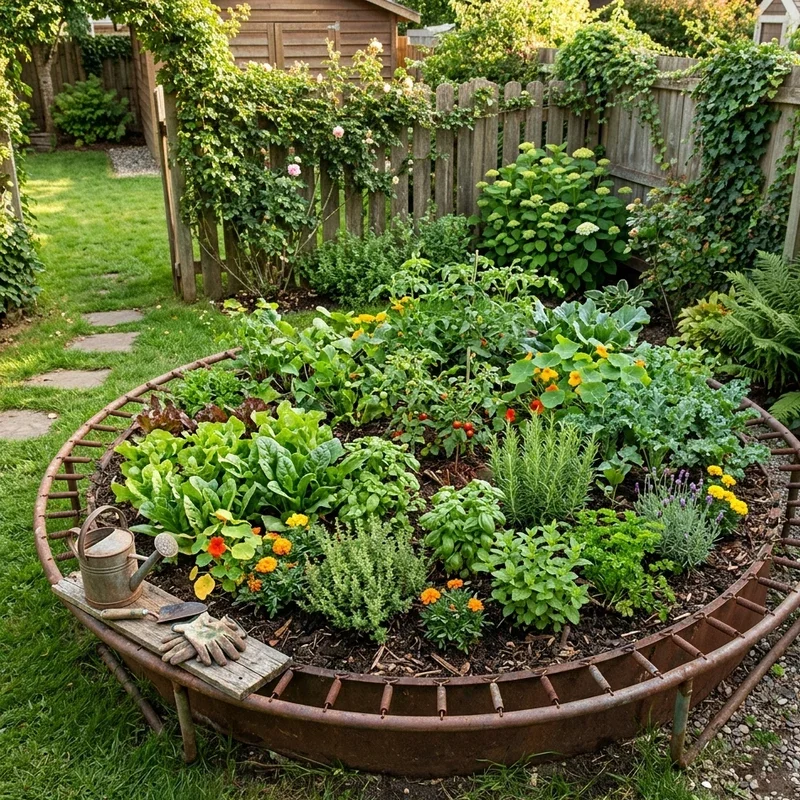
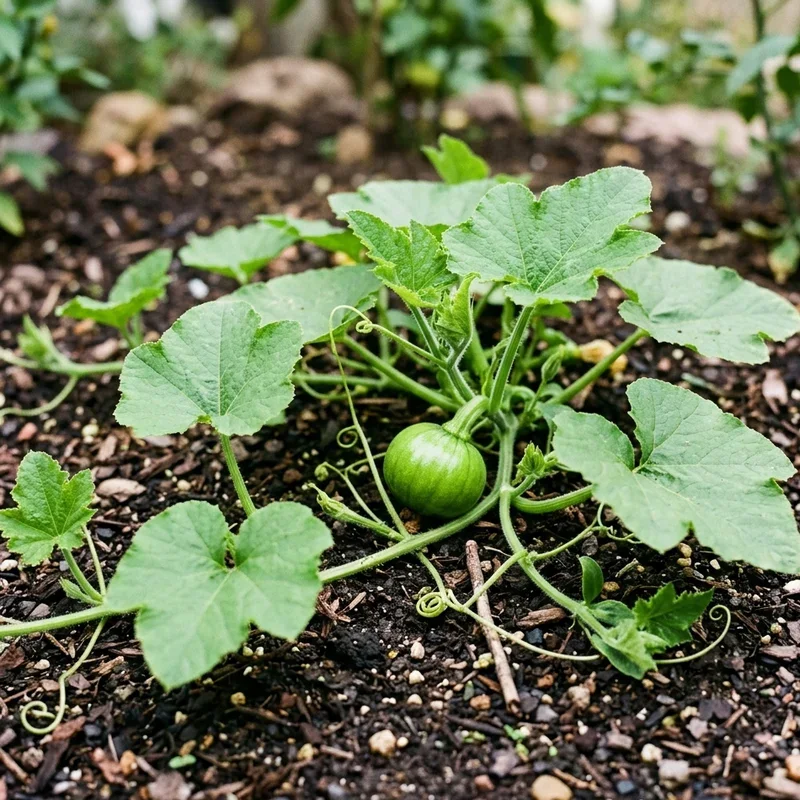
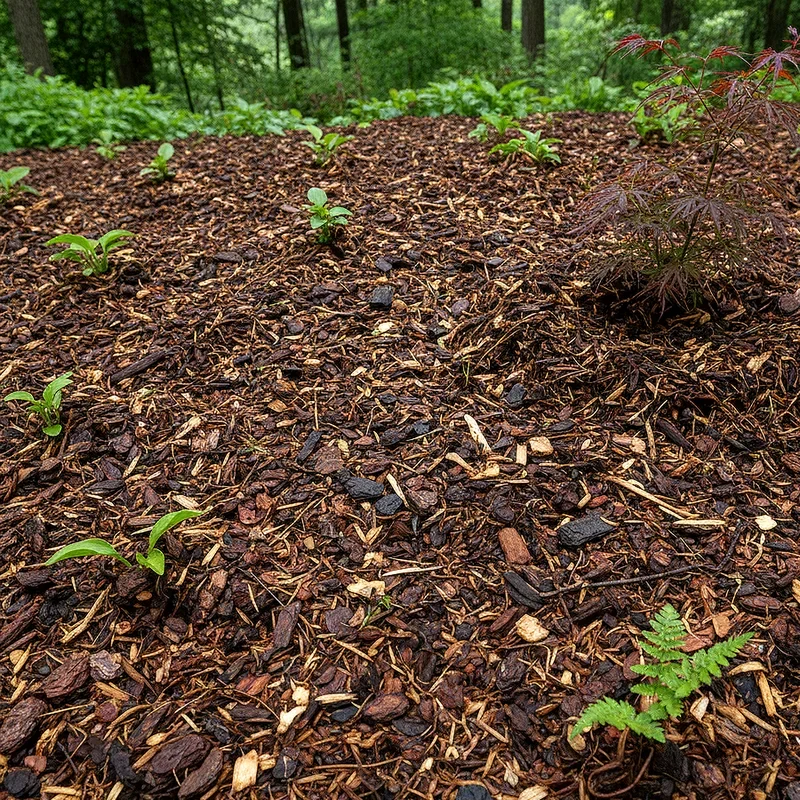
Organic mulch stands as one of nature's most versatile garden covers, offering protection that actually improves your soil over time. Made from shredded bark, wood chips, or leaves, this natural material creates a protective barrier that retains moisture and regulates soil temperature throughout changing seasons. As organic mulch slowly decomposes, it enriches the earth beneath with valuable nutrients, feeding beneficial microorganisms that keep your garden thriving. The earthy tones blend seamlessly with any landscape design while suppressing weed growth effectively. Apply a three to four inch layer around plants, keeping it away from stems to prevent rot, and watch your garden flourish with minimal maintenance required.
2. Landscape Fabric for Weed Control
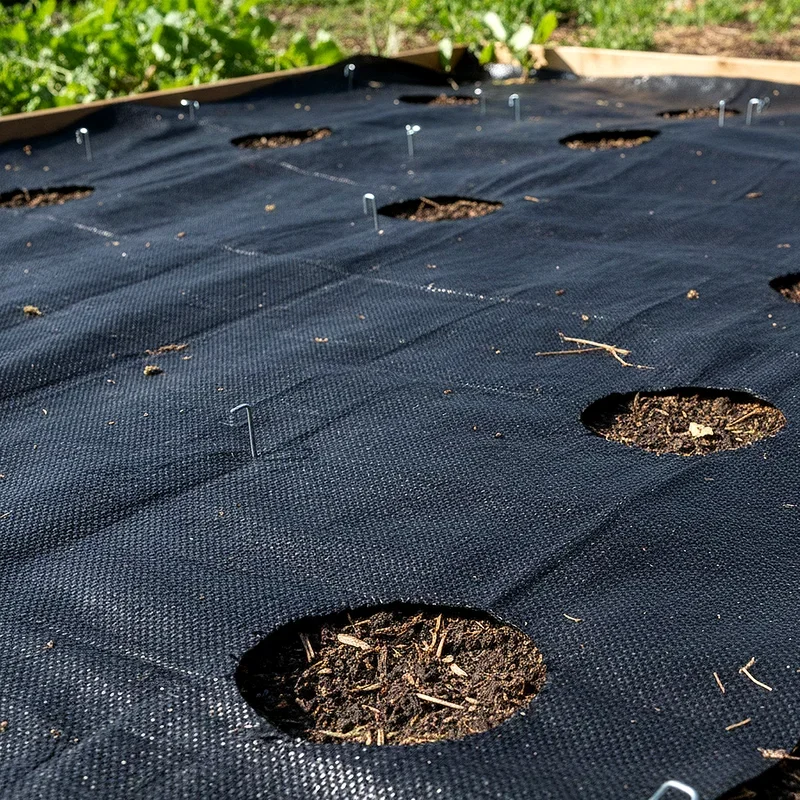
Landscape fabric revolutionizes garden maintenance by creating an impenetrable barrier against persistent weeds while allowing water and nutrients to reach plant roots. This synthetic material works brilliantly under decorative stones, mulch, or as a standalone solution in pathways and garden beds. Unlike plastic sheeting, quality landscape fabric breathes, preventing moisture buildup that could harm plants or encourage fungal growth. Installation requires careful measuring and securing with landscape staples, but the long lasting results justify the initial effort. For maximum effectiveness, overlap fabric edges by several inches and cut precise openings for your desired plants. This investment pays dividends through reduced weeding time and healthier garden ecosystems that maintain their beauty year after year.
3. Decorative Gravel and Stone
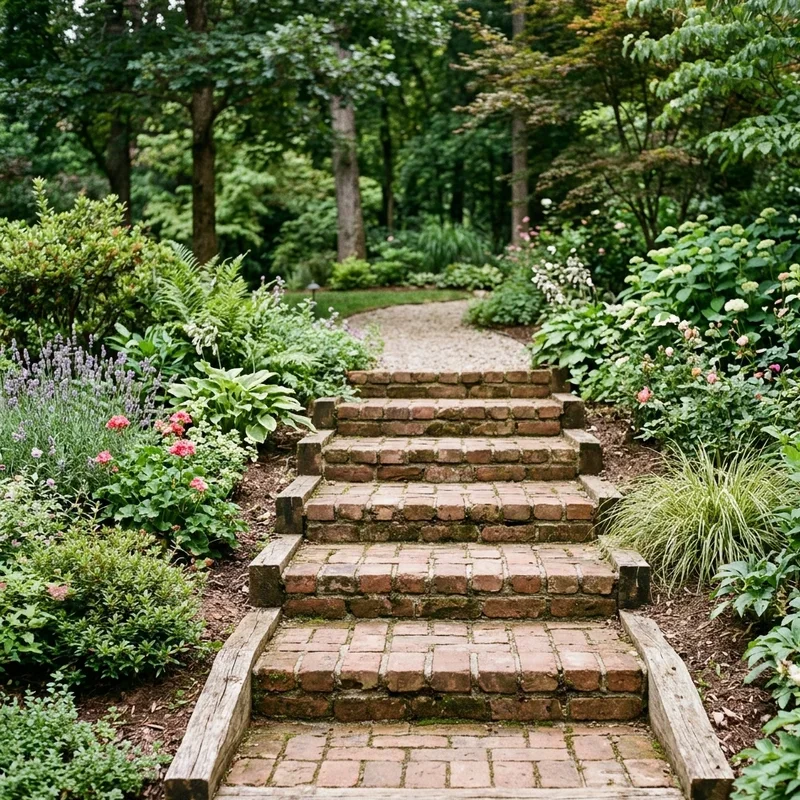
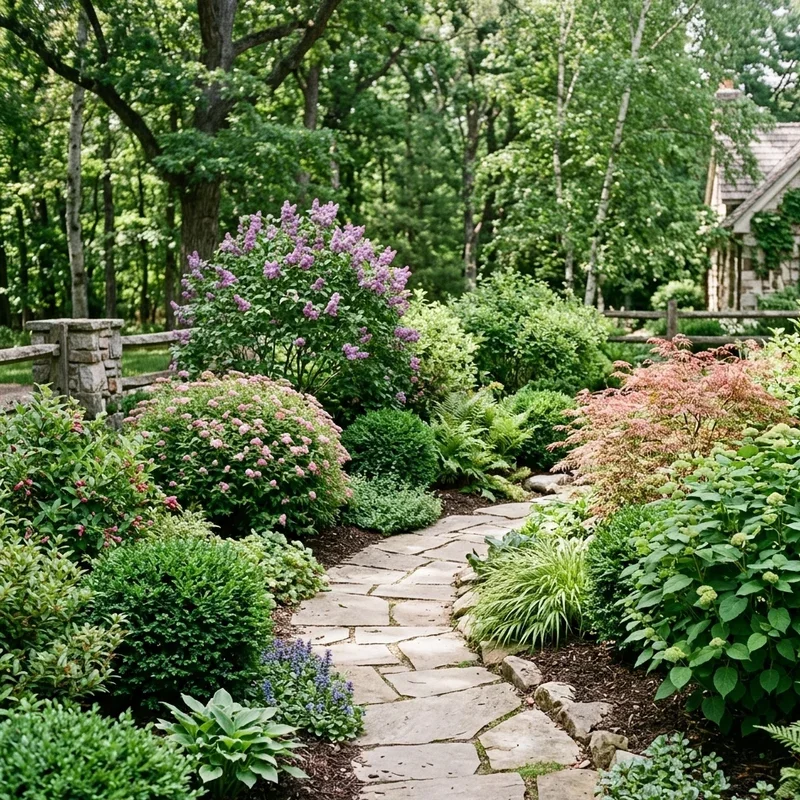
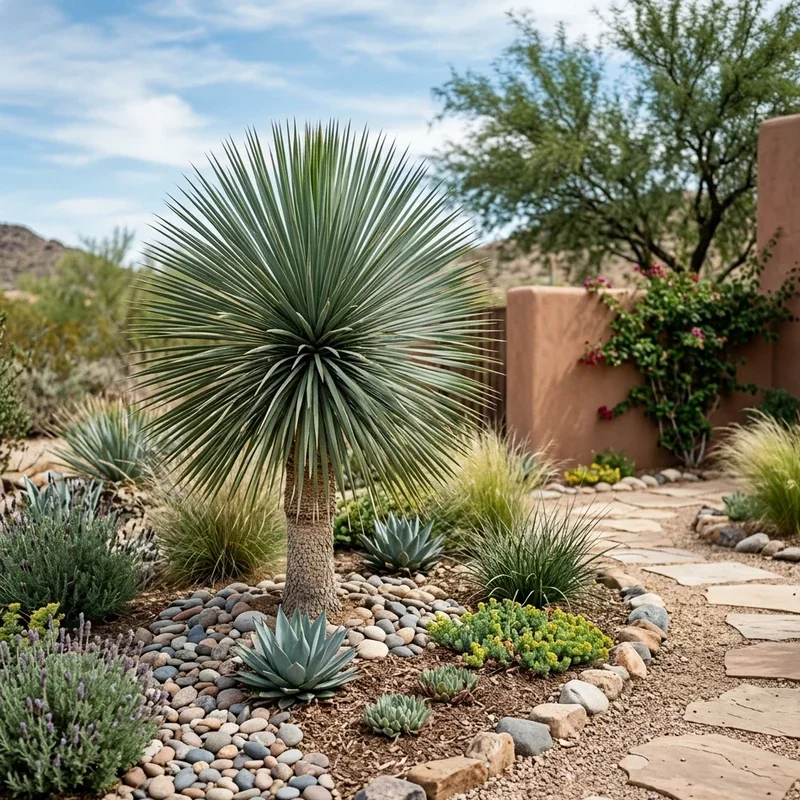
Decorative gravel transforms ordinary garden spaces into stunning visual displays while providing exceptional drainage and low maintenance protection. Available in countless colors, sizes, and textures, stone covers complement any architectural style from rustic cottage gardens to sleek contemporary landscapes. River rocks, pea gravel, and crushed granite each offer unique aesthetic qualities while preventing soil erosion and suppressing weed growth naturally. The reflective properties of lighter colored stones can even help moderate soil temperature during extreme weather conditions. Proper installation involves creating a slight grade for drainage and placing landscape fabric underneath to prevent stones from sinking into soil. These permanent solutions require occasional raking to maintain appearance but otherwise demand minimal upkeep compared to traditional mulches.
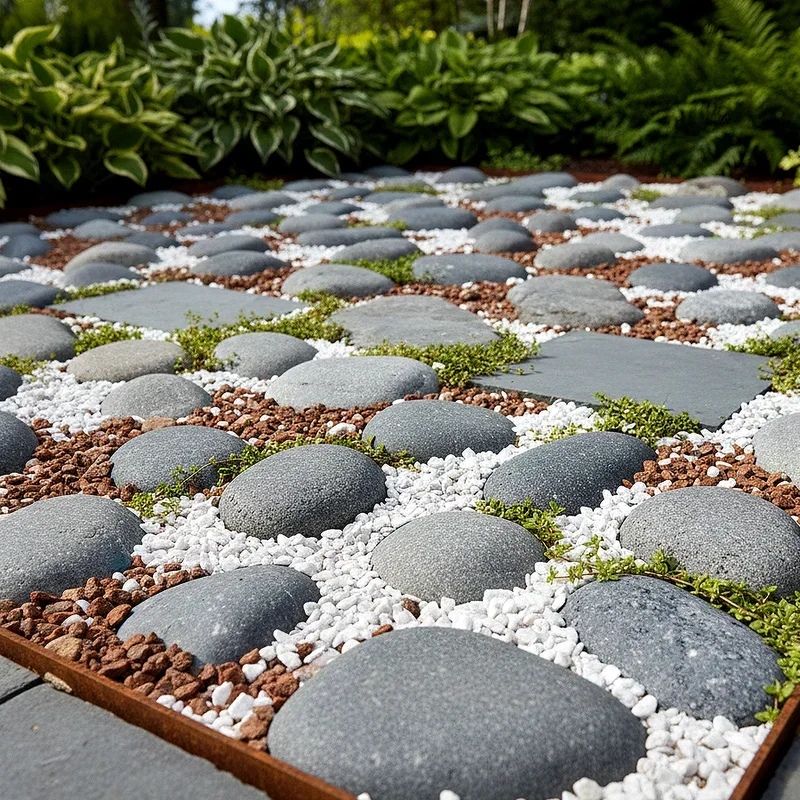
4. Living Ground Covers
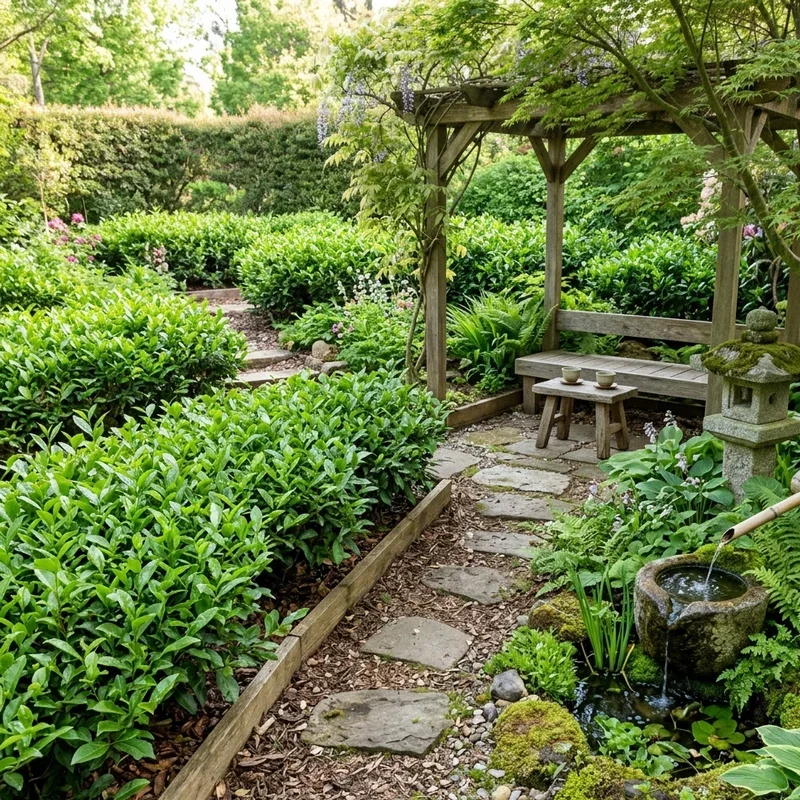
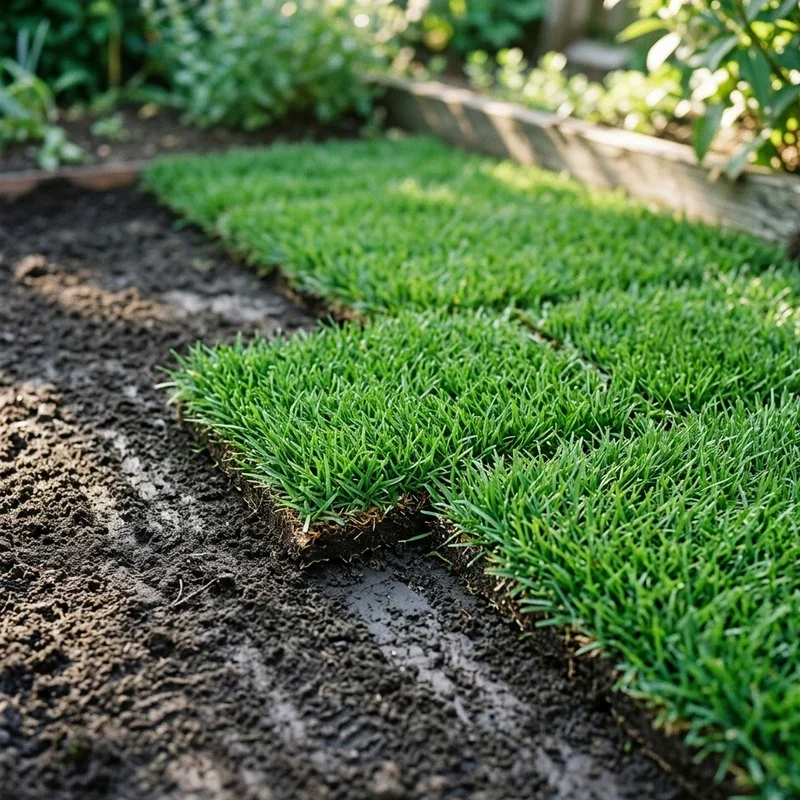
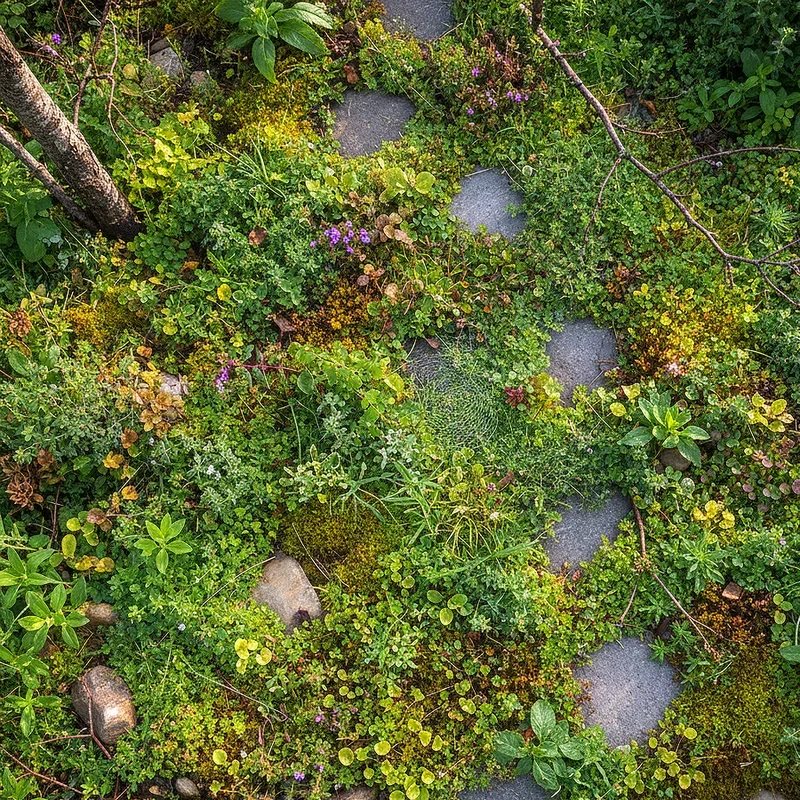
Living ground covers breathe life into your landscape while providing natural protection that actually grows more beautiful over time. Plants like creeping thyme, sedum, and vinca minor spread horizontally, forming dense mats that choke out weeds and prevent soil erosion on slopes. These botanical blankets offer seasonal interest through flowers, foliage color changes, and textures that static materials simply cannot match. Many ground cover varieties thrive in challenging conditions where grass struggles, making them perfect for shady areas or rocky terrain. Establishment requires patience as plants fill in, but mature ground covers create self sustaining ecosystems that support pollinators and beneficial insects. Choose varieties suited to your climate and sun exposure for best results and minimal maintenance requirements.
5. Row Covers for Vegetable Gardens
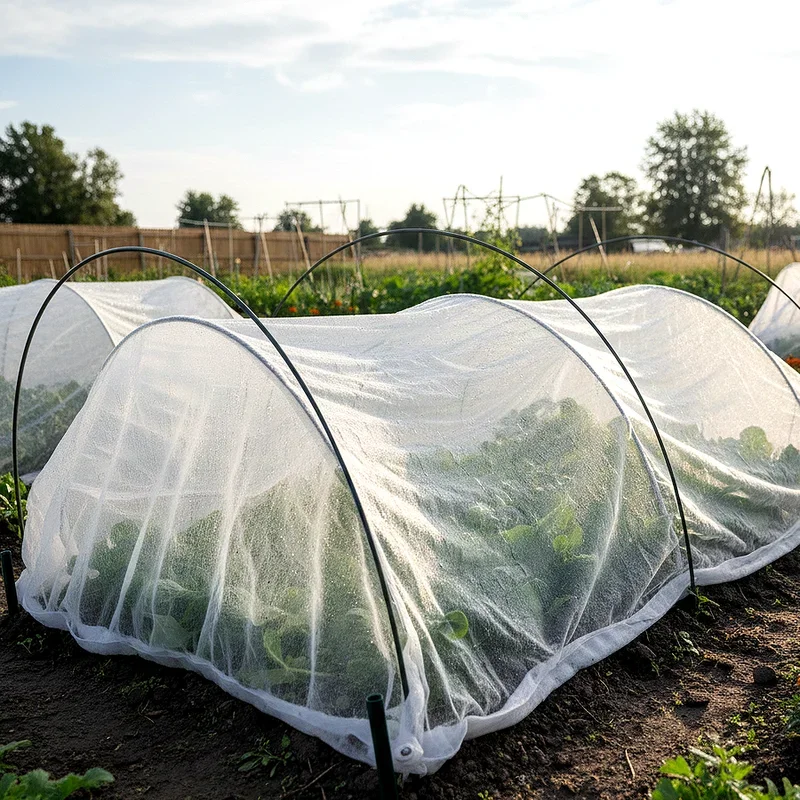
Row covers protect vegetable gardens from frost, pests, and harsh weather while creating optimal growing conditions that extend harvest seasons significantly. These lightweight fabrics allow sunlight, water, and air to penetrate while shielding tender seedlings from insects like aphids, cabbage moths, and cucumber beetles without chemical interventions. Floating row covers rest directly on plants or drape over hoops, creating miniature greenhouses that trap warmth and accelerate growth during cooler months. Different weights serve various purposes, from heavyweight fabrics offering frost protection down to ten degrees to lightweight options providing just insect barriers. Secure edges with soil, rocks, or stakes to prevent pests from sneaking underneath, and remove covers when plants flower if pollination becomes necessary for fruit production.
6. Shade Cloth for Sun Protection
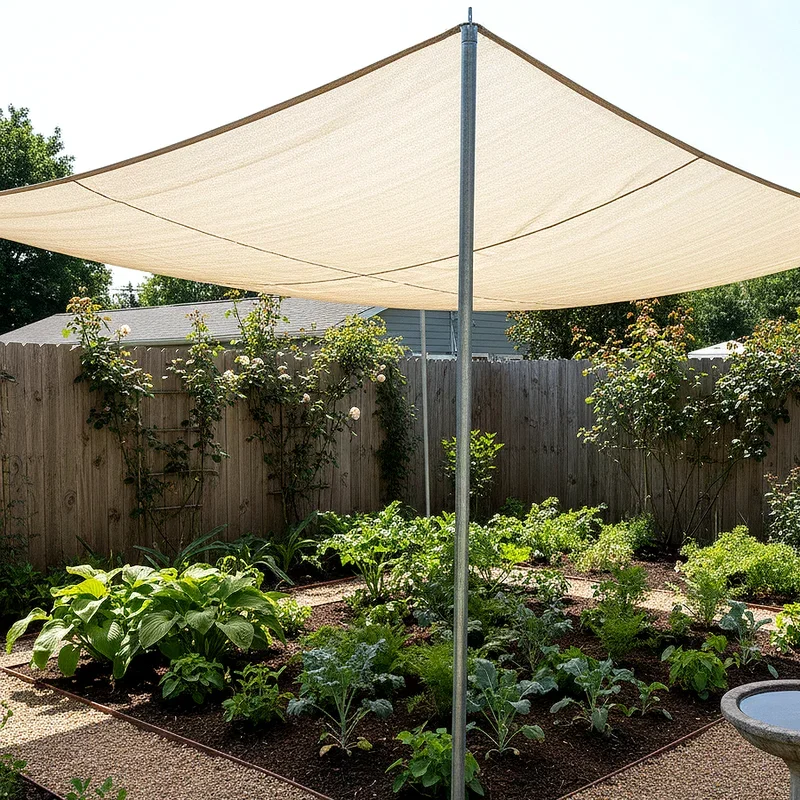
Shade cloth rescues heat sensitive plants from scorching summer sun while creating comfortable outdoor spaces for both plants and people to thrive. Available in various densities blocking thirty to ninety percent of sunlight, these mesh fabrics reduce temperature and prevent leaf scorch on delicate specimens. Greenhouse growers rely on shade cloth extensively, but home gardeners equally benefit from protecting lettuce, spinach, and other cool season crops during warm months. Installation flexibility allows temporary or permanent structures using posts, existing fences, or greenhouse frames as support systems. The breathable material prevents heat buildup while maintaining air circulation that discourages fungal diseases. Choose percentage based on plant requirements, remembering that most vegetables prefer thirty to fifty percent shade rather than complete darkness for optimal growth.
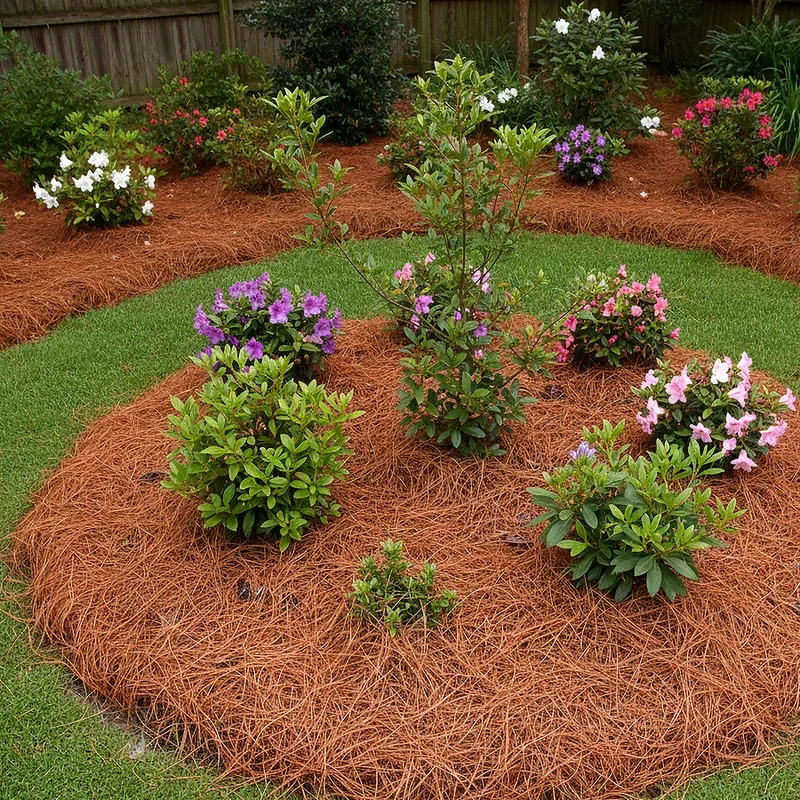
7. Pine Straw for Acid Loving Plants
Pine straw offers specialized protection particularly beneficial for acid loving plants like azaleas, blueberries, and rhododendrons that thrive in lower pH conditions. These fallen pine needles create attractive, interlocking mats that resist washing away during heavy rains while slowly acidifying soil as they decompose naturally. The reddish brown color provides warm aesthetic appeal that complements both formal and naturalistic garden designs beautifully. Pine straw insulates soil effectively, moderating temperature fluctuations that stress plant roots during seasonal transitions. Application requires less depth than wood mulch, with two to three inches providing adequate coverage and weed suppression. This renewable resource replenishes easily in areas with pine trees, making it an economical and environmentally friendly choice for appropriate garden zones.
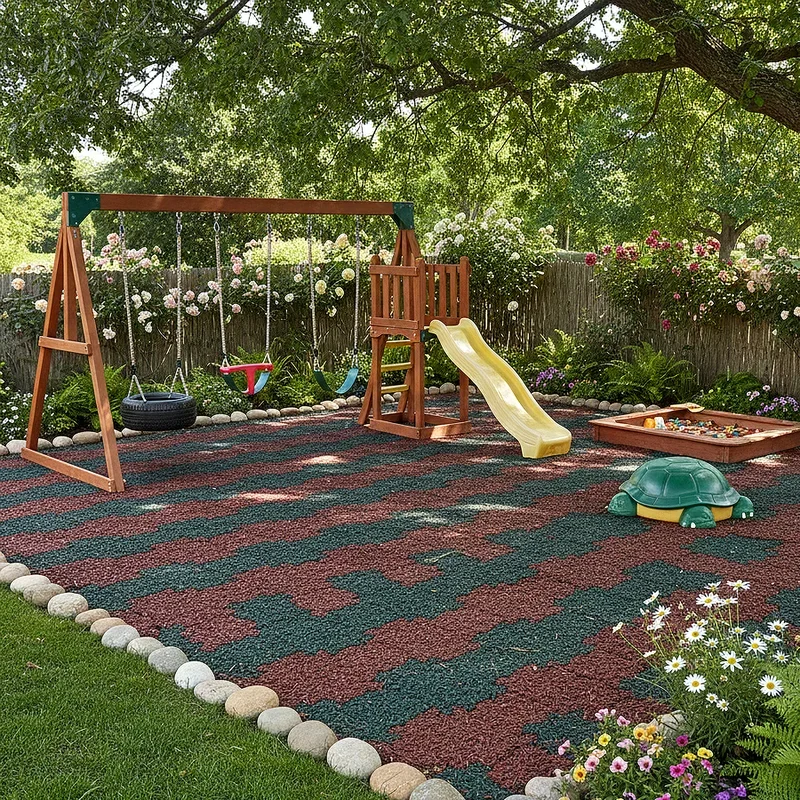
8. Rubber Mulch for Playful Spaces
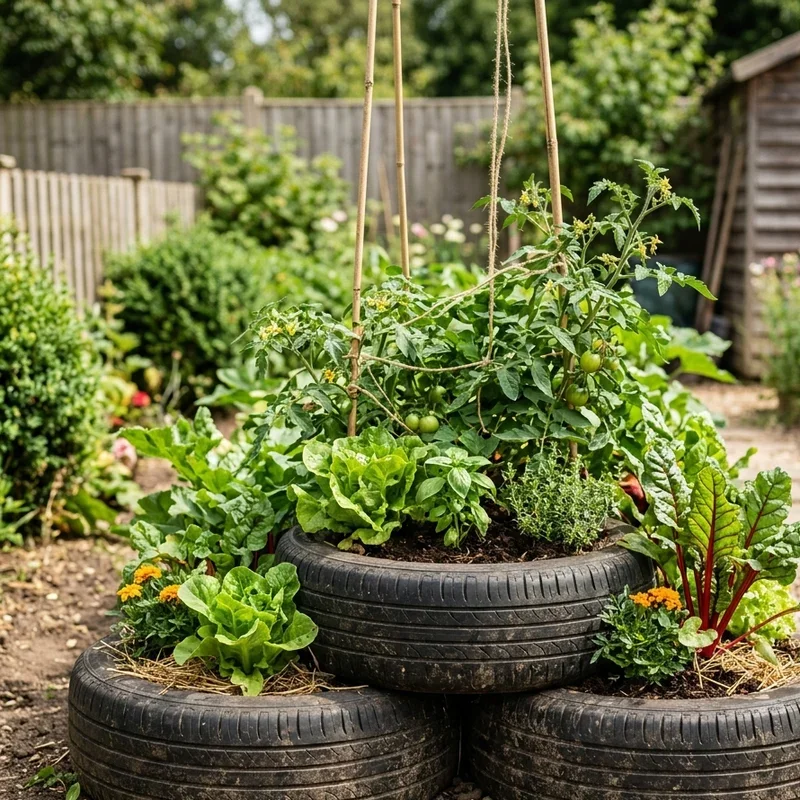
Rubber mulch transforms play areas and high traffic garden zones into safe, durable spaces that withstand heavy use while maintaining vibrant appearance. Made from recycled tires, this innovative material provides excellent cushioning that reduces injury risk from falls while never decomposing or attracting pests like traditional organic mulches. The permanent nature means no annual replacement, though initial costs run higher than wood products. Available in numerous colors, rubber mulch creates playful designs or neutral backdrops depending on landscape goals. Superior drainage prevents puddles in play zones, and the material stays cooler than bare surfaces during summer heat. Keep rubber mulch away from vegetable gardens and edible plants, reserving it instead for pathways, playground areas, and decorative borders where longevity outweighs organic benefits.
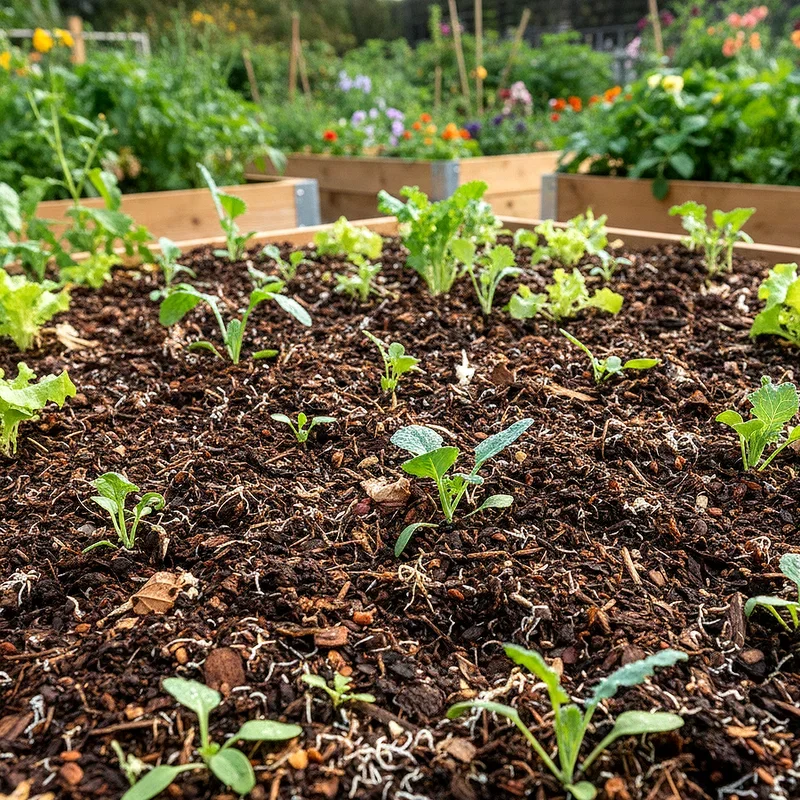
9. Compost as a Nutrient Rich Cover
Compost serves double duty as both protective garden cover and powerful soil amendment that feeds plants while improving earth structure continuously. This dark, crumbly material results from decomposed organic matter, providing slow release nutrients that chemical fertilizers cannot match. Spreading compost around established plants creates a living mulch teeming with beneficial microorganisms that suppress diseases and enhance nutrient uptake. The moisture retention properties reduce watering needs while the natural decomposition process continues enriching soil beneath. Apply two to three inch layers annually, working older compost into soil before adding fresh material on top. Homemade or purchased, quality compost transforms struggling gardens into thriving ecosystems that demonstrate nature's regenerative power when we work with natural processes rather than against them.
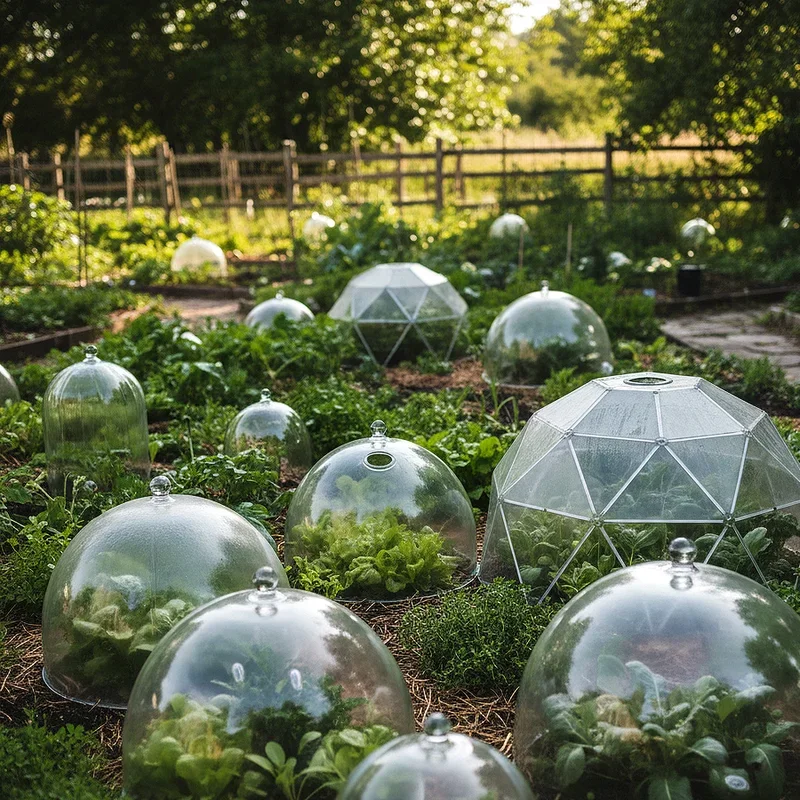
10. Cloches and Garden Domes
Cloches and garden domes provide individual plant protection that shields tender specimens from frost, wind, and hungry wildlife with charming old world aesthetic appeal. These transparent covers range from traditional glass bell jars to modern plastic versions, each creating warm microclimates that jumpstart spring growth weeks earlier. The enclosed environment traps heat and humidity, protecting seedlings during unpredictable weather while preventing pest damage without chemical interventions. Remove or vent cloches during warm days to prevent overheating, then replace them before temperatures drop at night. Decorative options add architectural interest to garden beds, transforming functional protection into beautiful focal points. Perfect for high value plants like heirloom tomatoes or expensive perennials, cloches offer targeted protection that justifies the investment through improved plant performance and earlier harvests.
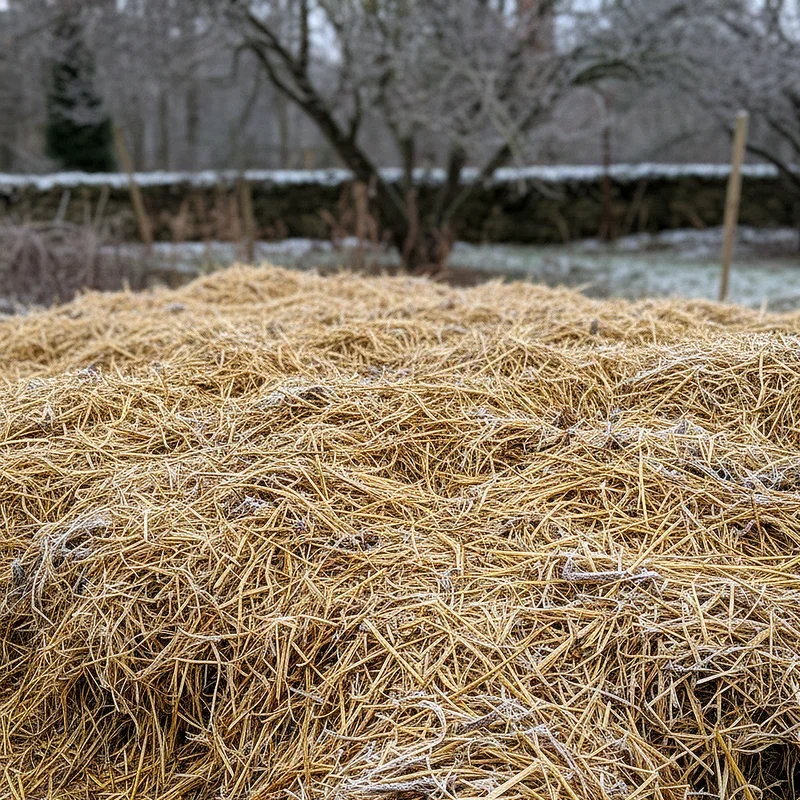
11. Straw and Hay for Winter Protection
Straw and hay create thick insulating blankets that protect dormant plants, bulbs, and root vegetables through harsh winter conditions without smothering growth. This traditional agricultural product traps air pockets that moderate soil temperature, preventing the freeze thaw cycles that heave plants from ground and damage root systems. Apply generous six to eight inch layers after ground freezes, avoiding premature application that encourages rodent nesting in cozy surroundings. The golden color brightens winter landscapes while the loose structure allows moisture penetration without waterlogging. Come spring, rake away straw gradually as temperatures warm, adding removed material to compost piles where it decomposes rapidly. This affordable solution proves especially valuable for protecting strawberry patches, garlic beds, and perennial borders in cold climate regions where winter severity threatens plant survival.
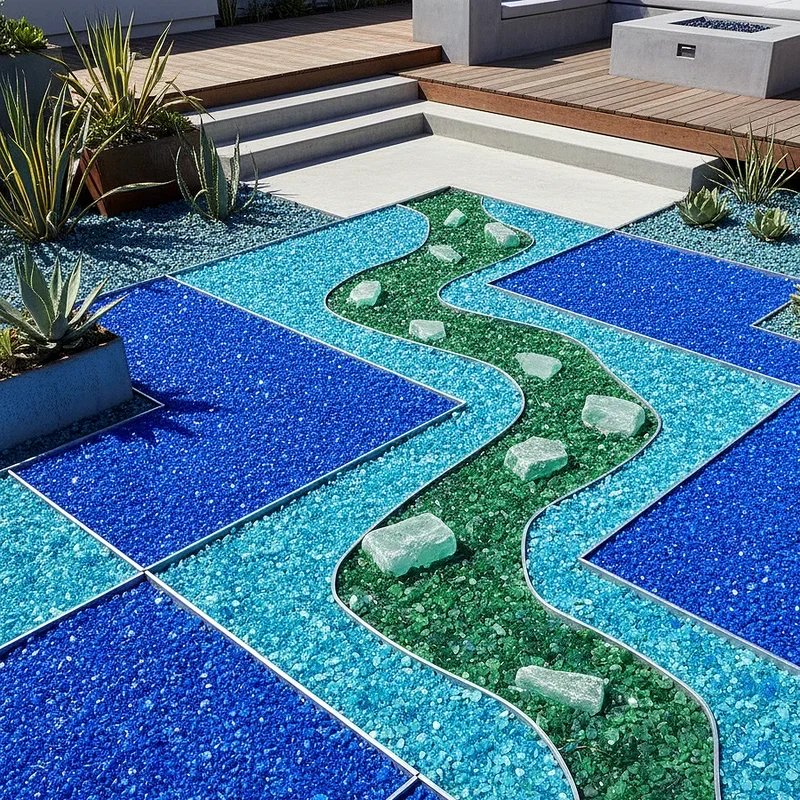
12. Landscape Glass for Modern Appeal
Landscape glass brings contemporary sophistication to garden design while providing effective weed suppression and drainage in high visibility areas. Recycled glass tumbled smooth eliminates sharp edges, creating safe surfaces in various colors that sparkle beautifully when wet or backlit. This eco friendly material never fades, decomposes, or requires replacement, making it cost effective despite higher initial investment compared to traditional mulches. The reflective properties brighten shady spaces and create dramatic contrasts when paired with dark foliage or architectural features. Proper installation over landscape fabric prevents sinking and maintains consistent appearance with minimal maintenance. Glass mulch works particularly well around succulents, modern sculptures, and water features where its jewel like quality enhances overall design impact. Choose colors thoughtfully to complement rather than compete with surrounding plantings for cohesive landscape presentation.
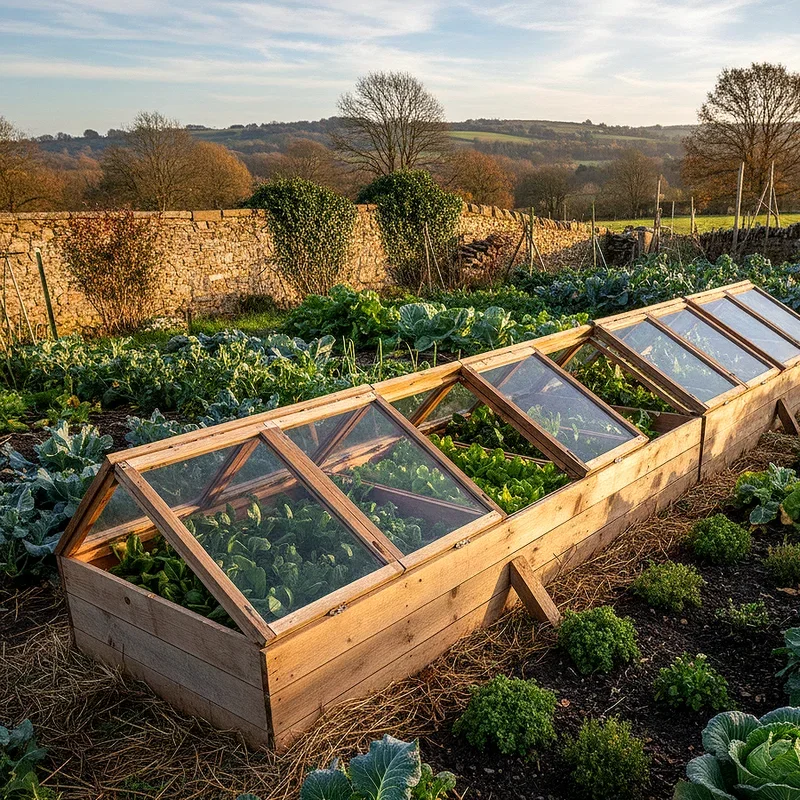
13. Cold Frames for Season Extension
Cold frames function as miniature greenhouses that protect plants from frost while capturing solar heat that extends growing seasons dramatically on both ends. These bottomless boxes with transparent lids transform garden beds into productive spaces during months when outdoor cultivation seems impossible. South facing placement maximizes sun exposure, while hinged or removable lids allow temperature regulation on unexpectedly warm days. Build permanent structures from wood and glass or improvise temporary versions using bales and old windows for budget friendly season extension. The protected environment enables winter salad green production, early spring vegetable starts, and fall crop protection that keeps harvest coming despite freezing temperatures. Ventilation remains crucial to prevent overheating and disease, requiring daily attention during transitional seasons when temperature swings prove dramatic and unpredictable.
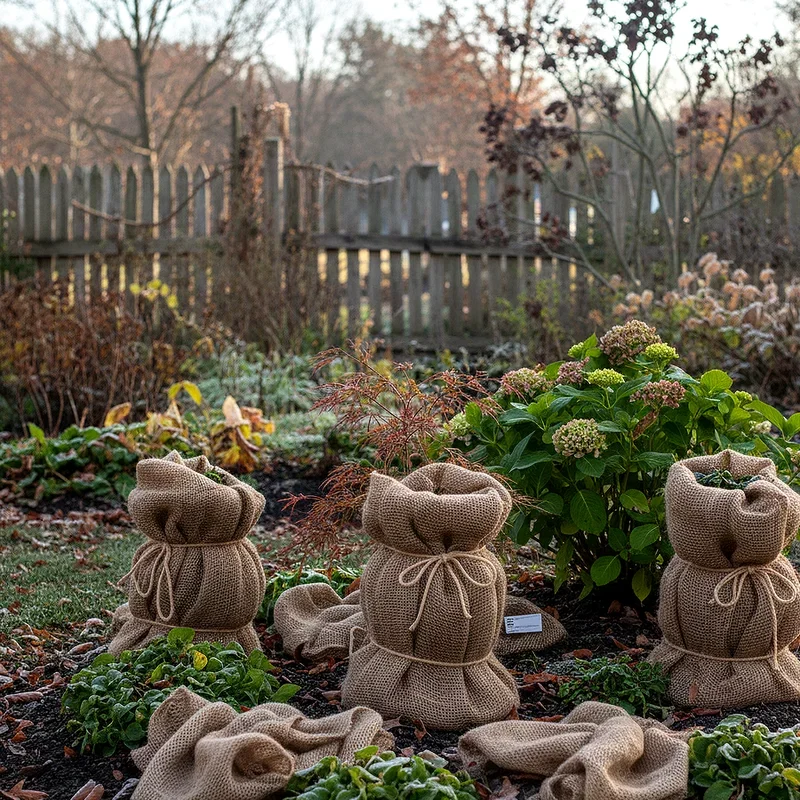
14. Burlap Wraps for Delicate Plants
Burlap wraps shield delicate evergreens and tender perennials from winter wind damage and sun scald while maintaining rustic aesthetic that complements natural landscapes. This breathable fabric protects without creating moisture traps that encourage disease, making it superior to plastic coverings for winter plant protection. The natural fiber filters harsh elements while allowing adequate air circulation that prevents the fungal issues common with impermeable materials. Wrap individual plants loosely, securing burlap with twine or staples without constricting branches that need room for slight movement. The neutral tan color blends unobtrusively into winter gardens, drawing less attention than bright synthetic alternatives. Remove wraps gradually in spring as conditions improve, avoiding premature exposure that risks damage from late season cold snaps after plants begin responding to warming temperatures.
15. Cardboard Layers for Weed Suppression
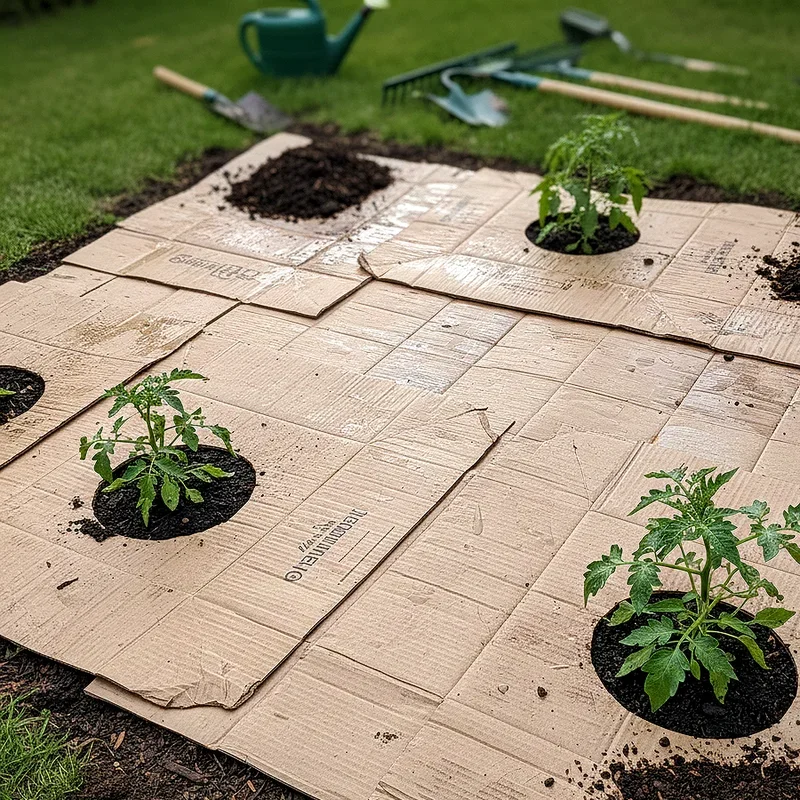
Cardboard layers create effective, biodegradable weed barriers that smother existing growth while eventually decomposing to enrich soil with valuable organic matter. This free or low cost material recycled from shipping boxes works brilliantly for establishing new garden beds or reclaiming overgrown areas without chemical herbicides. Overlap pieces generously to prevent weed penetration, then cover with attractive mulch or compost for aesthetic appeal while cardboard works its magic below. The thick barrier blocks light completely, killing even persistent weeds through simple deprivation rather than toxic interventions. As cardboard breaks down over several months, it improves soil structure and feeds earthworms that aerate and enrich earth naturally. This sustainable approach aligns with organic gardening principles while delivering professional results that prepare beds for planting without extensive labor or environmental concerns.
Conclusion
Garden covers represent smart investments that protect your landscape while reducing maintenance demands and enhancing aesthetic appeal throughout every season. From organic mulches that feed soil to modern materials offering permanent solutions, these fifteen ideas provide options for every garden style, budget, and climate challenge. The key lies in matching cover types to specific needs, whether protecting tender vegetables from frost, suppressing persistent weeds, or simply creating beautiful low maintenance spaces that thrive with minimal intervention. Experiment with combinations that serve multiple purposes, and watch your garden transform into a resilient paradise that withstands whatever nature brings while looking absolutely stunning year round.
Read next: 15 Garden Bed Edging Ideas for a Neat Yard
Frequently Asked Questions
Q1: What is the best mulch for vegetable gardens?
A: Organic mulches like straw or compost work best, providing nutrients while protecting soil.
Q2: How thick should garden mulch be applied?
A: Apply organic mulch three to four inches deep for optimal weed suppression and moisture retention.
Q3: Can landscape fabric be used under all mulch types?
A: Yes, but it works best under inorganic materials like stone rather than decomposing organic mulches.
Q4: When should row covers be removed from plants?
A: Remove when plants flower and need pollination or when temperatures consistently stay above freezing.
Q5: Is rubber mulch safe for all garden areas?
A: No, avoid using rubber mulch near edible plants and reserve it for play areas and pathways.