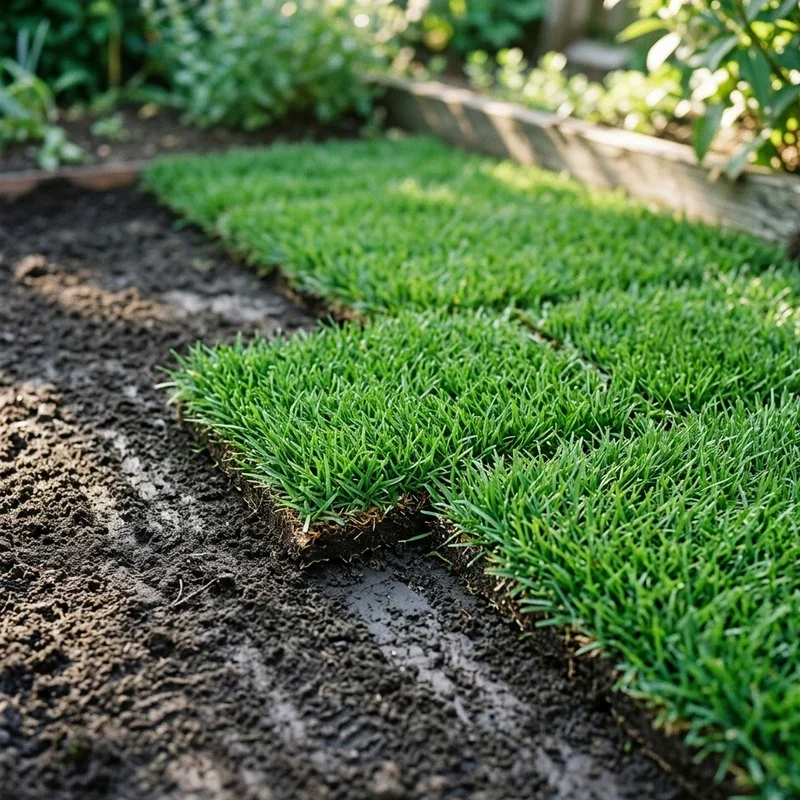
Discover 15 creative zinnia garden ideas to transform your outdoor space with vibrant colors, easy care tips, and stunning design inspiration.
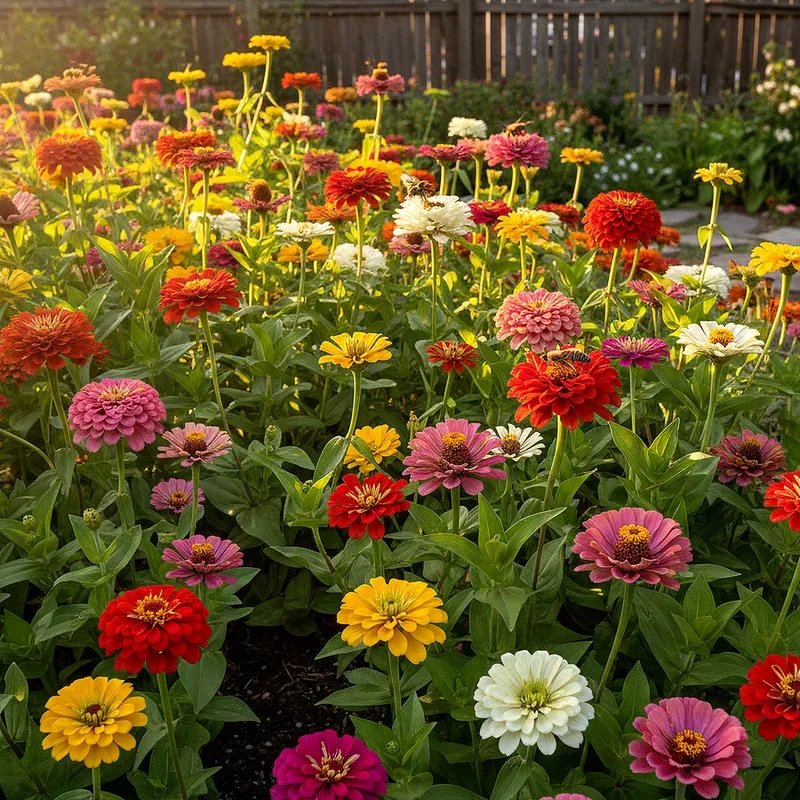
Have you ever wondered how some gardens seem to burst with color from summer through fall? Zinnias might just be your answer to creating that picture-perfect outdoor oasis. These cheerful flowers are like nature's fireworks, exploding in brilliant shades that can transform even the dullest corner into a vibrant masterpiece. Whether you're a seasoned gardener or just starting your green thumb journey, zinnias offer an incredibly forgiving and rewarding way to add stunning color to your outdoor spaces. They're tough, drought-tolerant, and come in every color except blue, making them the ultimate garden multitasker. From cottage garden charm to modern landscape designs, these versatile bloomers adapt to nearly any style you can imagine.
1. Create a Classic Cutting Garden with Mixed Zinnia Varieties
Imagine stepping into your backyard with scissors in hand, ready to create stunning bouquets whenever the mood strikes. A dedicated cutting garden filled with mixed zinnia varieties makes this dream entirely possible. Plant rows of different zinnia types including Benary's Giant, Oklahoma, and Queeny Lime for an endless supply of fresh flowers. Space your rows about eighteen inches apart to allow easy access for harvesting while maintaining good air circulation. The beauty of this approach lies in its practicality and aesthetics combined. You'll enjoy colorful blooms outdoors while having plenty to bring inside for arrangements. Consider planting successive crops every two weeks to ensure continuous blooms throughout the growing season, guaranteeing fresh flowers from early summer until frost.
2. Design a Butterfly and Pollinator Paradise
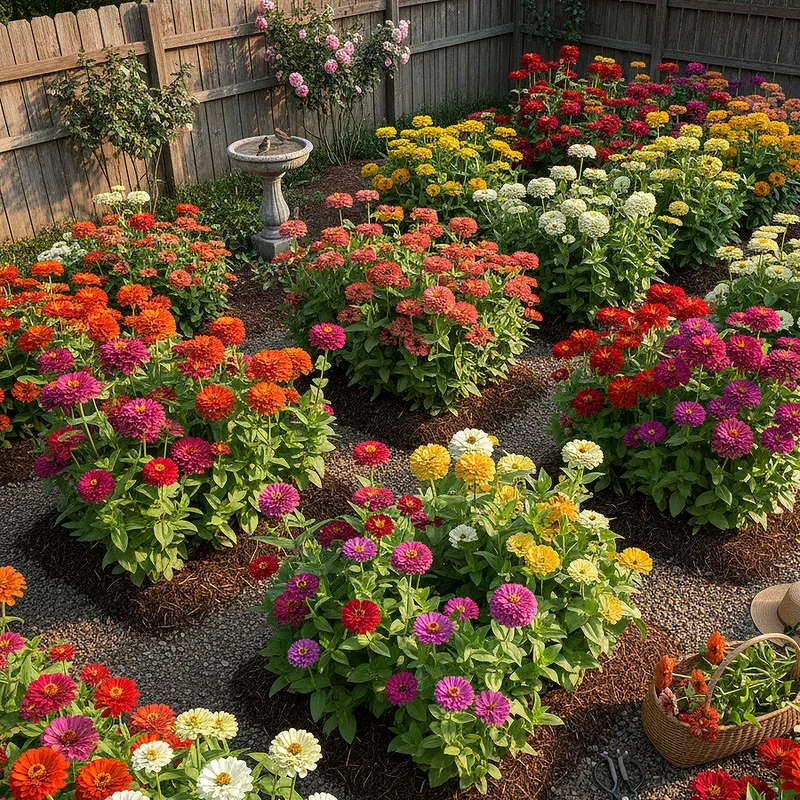
Transform your garden into a buzzing hub of activity by creating a pollinator-friendly space centered around zinnias. These nectar-rich flowers act like magnets for butterflies, bees, and beneficial insects that keep your garden ecosystem thriving. Choose single-petal zinnia varieties rather than doubles, as they provide easier access to nectar and pollen for visiting insects. Plant them in large drifts of at least five to seven plants per variety to create visual impact that also helps pollinators locate food sources more efficiently. Combine your zinnias with other pollinator favorites like coneflowers, salvia, and verbena to extend the blooming season. Watch as monarchs, swallowtails, and painted ladies dance among the colorful blooms, turning your garden into a living nature documentary.
3. Build a Rainbow Border Along Walkways
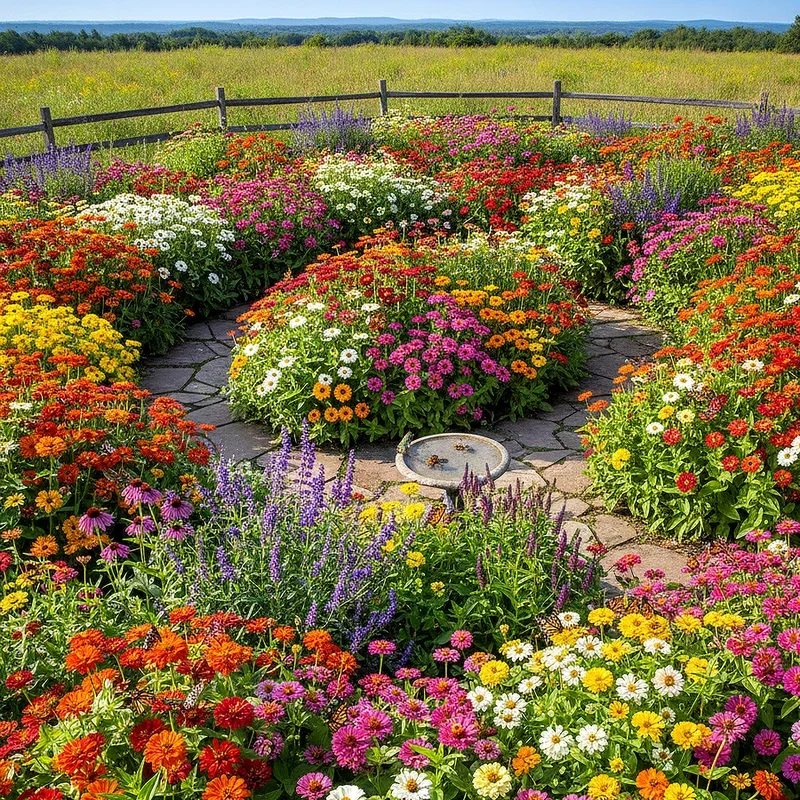
Why settle for plain green edges when you can line your pathways with a spectacular rainbow of color? Creating zinnia borders along walkways turns every stroll through your garden into a delightful experience. Select dwarf zinnia varieties like Profusion or Zahara series that stay compact at twelve to eighteen inches tall, preventing them from flopping onto your paths. Arrange colors in a gradual spectrum from warm reds and oranges through yellows to cool pinks and purples, creating a flowing visual journey. This design works beautifully along curved garden paths where the rainbow effect can meander naturally with the landscape. The repeating pattern of colors provides structure while the abundant blooms add cheerful energy that welcomes visitors and guides them through your outdoor spaces.
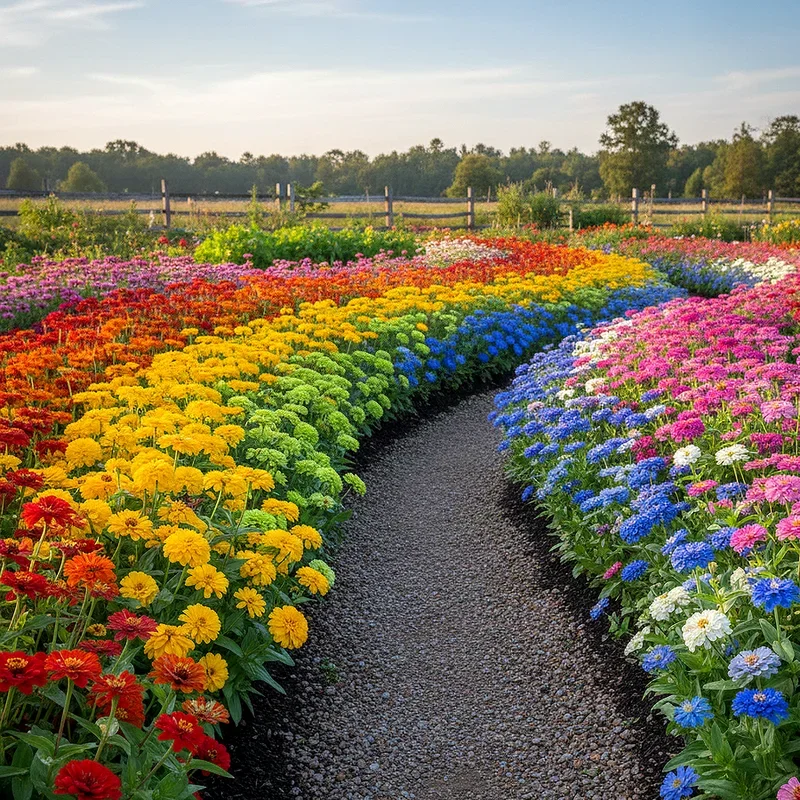
4. Establish a Container Garden for Small Spaces
Limited space shouldn't limit your zinnia dreams, and container gardening proves you can grow spectacular blooms even on tiny patios or balconies. Choose compact zinnia varieties specifically bred for container growing, ensuring they'll thrive in confined root spaces while producing abundant flowers. Use containers at least twelve inches deep with excellent drainage holes, filling them with quality potting mix enriched with slow-release fertilizer. Group containers of varying heights to create visual interest, placing taller varieties in back and cascading types in front. The portability of containers lets you rearrange your display whenever inspiration strikes or move plants to follow the sun. This approach works perfectly for apartment dwellers or anyone wanting to add movable bursts of color to decks, porches, or entryways throughout the season.
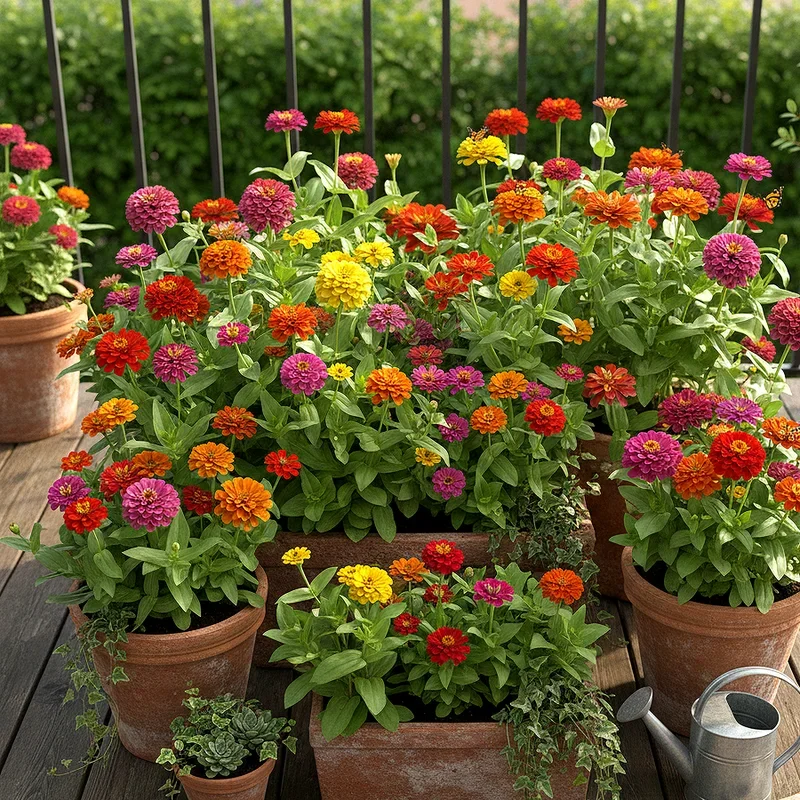
5. Plant a Children's Garden with Giant Zinnias
Spark a lifelong love of gardening in young ones by creating a special children's garden featuring towering zinnia varieties that seem almost magical. Giant zinnias like Benary's Giant or California Giant can reach heights of four feet with blooms spanning up to six inches across, creating wow-factor that captivates curious minds. Give each child their own small plot where they can plant seeds, watch them sprout, and track their incredible growth throughout summer. The fast germination and rapid growth of zinnias provide quick gratification that keeps kids engaged and excited about their gardening project. These substantial flowers also make perfect subjects for nature journaling, photography, or pressing, adding educational elements to the growing experience. Plus, children delight in cutting their own flowers to share with family and friends.
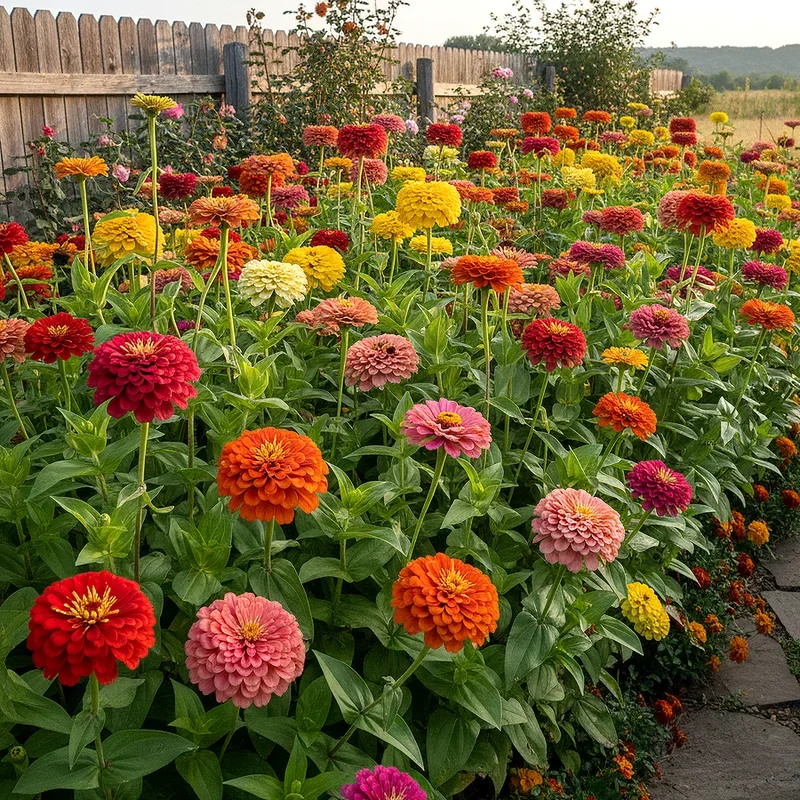
6. Develop a Cottage Garden Style Display
Embrace the romantic, slightly wild aesthetic of cottage gardens by incorporating zinnias into an informal, abundantly planted display. Mix various zinnia heights and colors throughout the bed, letting them intermingle with traditional cottage garden companions like cosmos, sweet peas, and hollyhocks. Allow plants to self-sow and pop up in unexpected places, creating that authentic cottage garden feel where nature seems to guide the design. The key to this style lies in generous planting that creates a tapestry of color and texture rather than rigid, formal arrangements. Narrow pathways winding through the blooms add charm while providing access for maintenance and flower cutting. This approach celebrates abundance over perfection, creating a garden that feels lived-in, loved, and overflowing with colorful blooms from every angle.
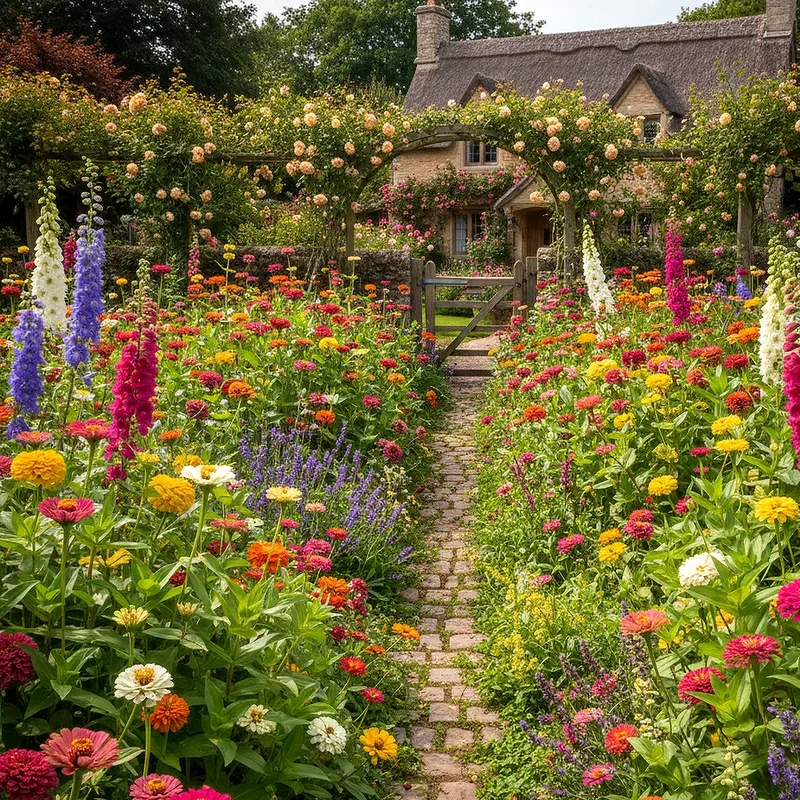
7. Arrange a Monochromatic Color Scheme
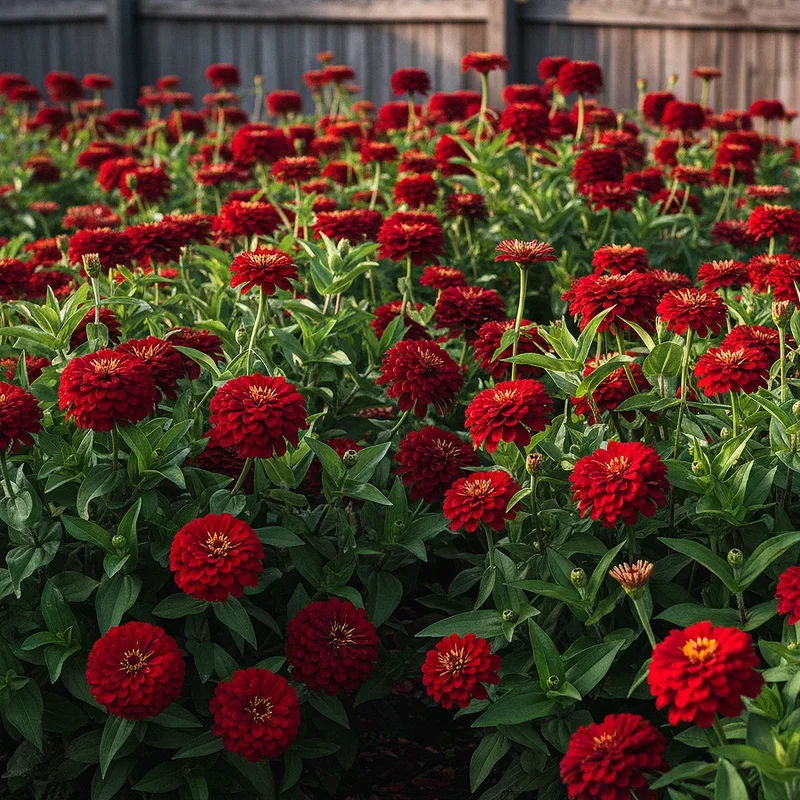
Sometimes limiting your palette creates the most powerful visual impact, and a monochromatic zinnia garden demonstrates this principle beautifully. Choose a single color family like coral, selecting zinnia varieties in different shades from pale salmon to deep orange-red for subtle variation within your theme. This sophisticated approach creates cohesion and drama that mixed colors sometimes can't achieve, making your garden bed feel intentional and artfully designed. Monochromatic schemes work exceptionally well in modern landscapes where clean lines and restrained palettes dominate the aesthetic. The varying heights and flower forms of different zinnia varieties provide interest even within a single color family. Consider white or pale yellow zinnias for elegant moon gardens, or go bold with an all-red display that commands attention from across the yard.
8. Construct a Vertical Garden Using Climbing Supports
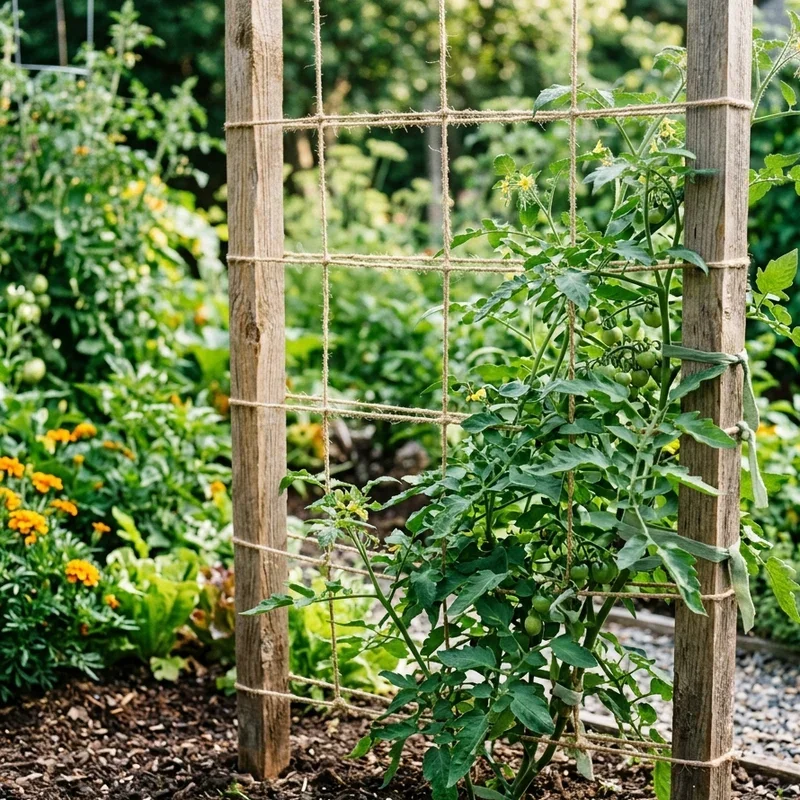
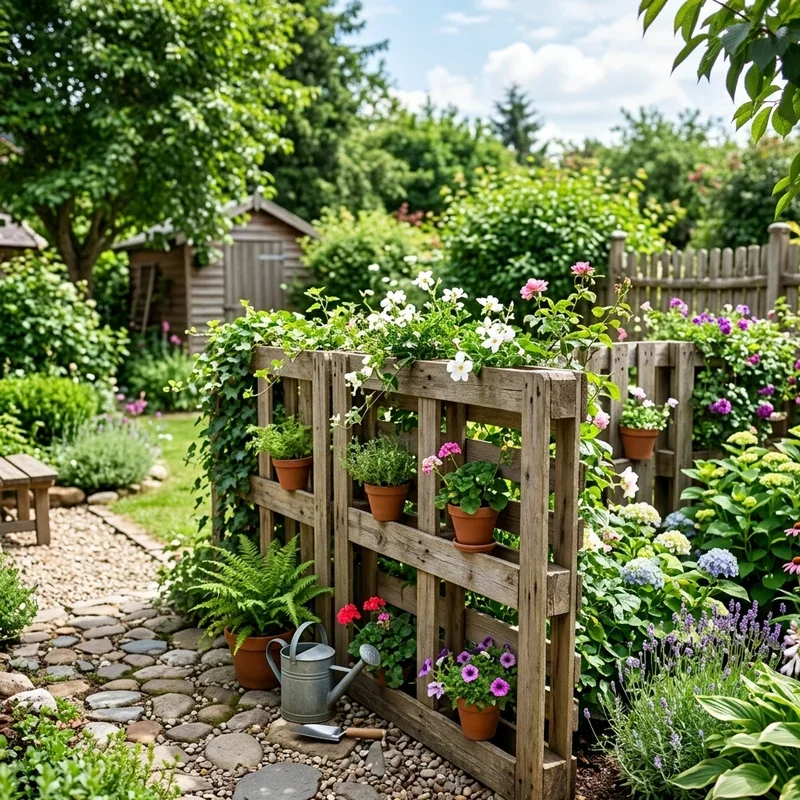
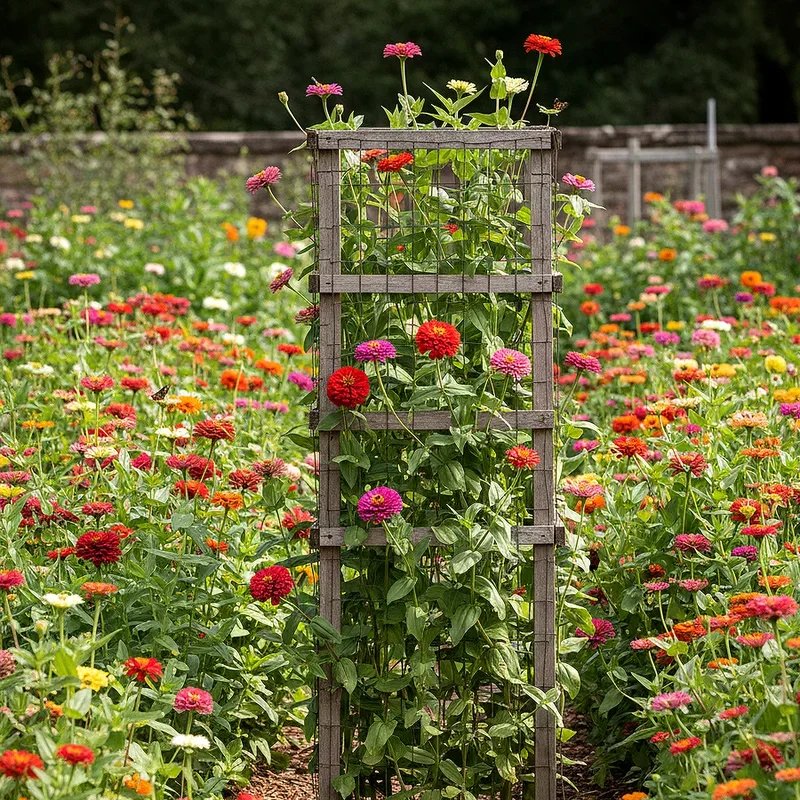
Maximize your growing space and create dramatic height in your garden by training taller zinnia varieties on supports for a vertical display. While zinnias aren't true climbers, tall varieties benefit from staking or growing through supportive structures like grid panels or tomato cages. Plant California Giants or other tall varieties around obelisks, tuteurs, or simple bamboo tripods to create living pillars of color throughout your beds. This technique works wonderfully in narrow side yards or against blank walls where vertical interest transforms otherwise unused spaces into productive garden areas. The supported plants also enjoy better air circulation, reducing disease problems while keeping flowers at eye level for maximum enjoyment. Vertical growing proves especially useful in small gardens where every square foot matters and upward is the only direction left to expand.
9. Mix Zinnias with Native Perennials
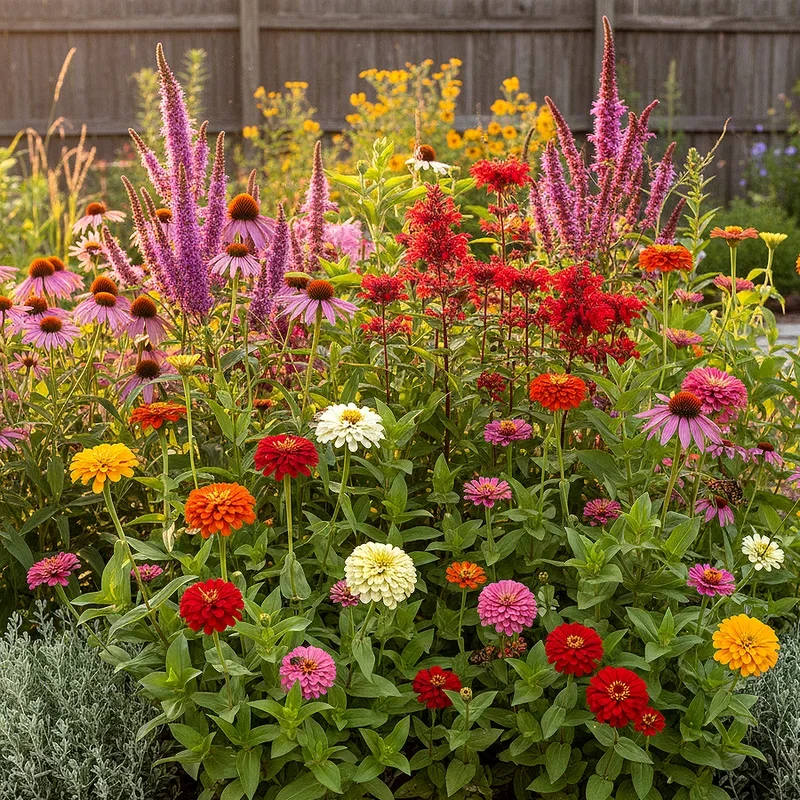
Create a sustainable, ecologically beneficial garden by thoughtfully combining annual zinnias with native perennial plants that support local ecosystems. Use zinnias to fill gaps between slower-growing perennials during their establishment years, providing instant color while permanent plants mature. The bright zinnias draw pollinators into the garden, where they'll also discover and pollinate your native plants, strengthening the entire ecosystem. Choose native companions based on your region, such as pairing zinnias with black-eyed Susans, purple coneflowers, or native grasses for a prairie-inspired look. This mixed approach offers the best of both worlds: reliable annual color from zinnias combined with the low-maintenance sustainability of native perennials. As your natives establish, you can gradually reduce zinnia plantings or continue using them to refresh tired areas each summer.
10. Create a Sunset-Themed Garden Palette
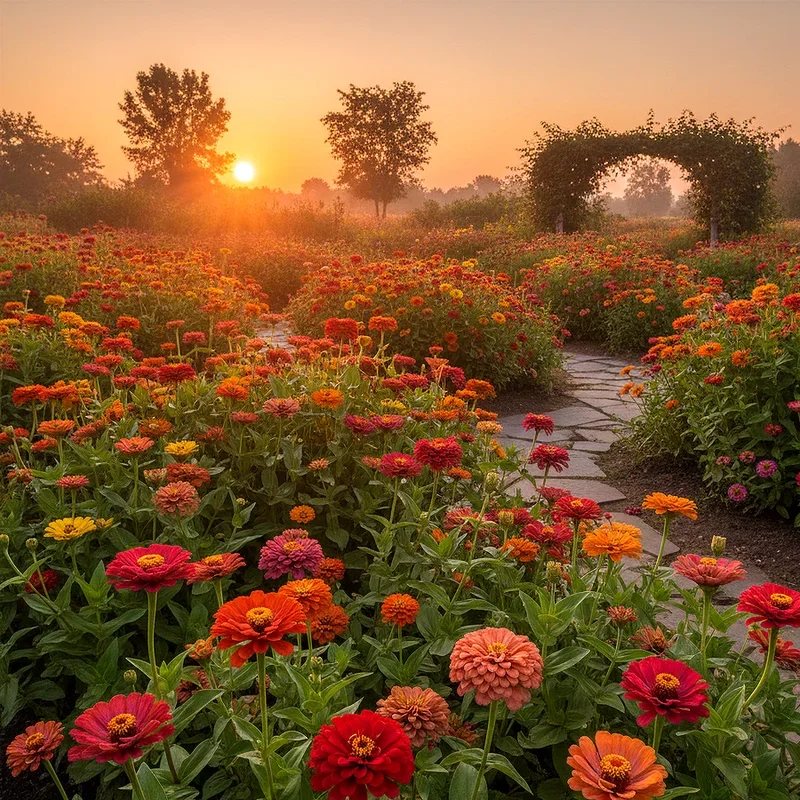
Capture the breathtaking beauty of sunset in your garden by carefully selecting zinnia varieties in warm, glowing colors that mirror evening skies. Focus on coral, peach, orange, yellow, and deep red varieties, arranging them to create a gradient effect similar to natural sunset progression. Plant the deepest reds and magentas toward one end, transitioning through oranges and corals, and finishing with soft yellows and peachy tones. This warm palette creates an energizing, optimistic atmosphere in your garden that seems to radiate heat and light even on cloudy days. The sunset theme works beautifully in western-facing beds where evening light illuminates the flowers, making colors appear almost luminous. Add ornamental grasses or bronze-leafed plants to enhance the warm tones and create additional textural interest throughout the display.
11. Design a Long-Blooming Summer Wedding Garden
Planning a summer wedding and want fresh flowers without the florist's hefty price tag? A dedicated zinnia wedding garden provides abundant blooms perfect for DIY arrangements and decorations. Plant your zinnias eight to ten weeks before your event date, choosing varieties in your wedding colors for coordinated bouquets, centerpieces, and ceremony decorations. Include a range of sizes from large dinner-plate blooms for statement arrangements to smaller pompons for boutonnieres and corsages. Succession planting ensures you'll have peak blooms exactly when needed, with backup flowers in case of unexpected weather. The cut-and-come-again nature of zinnias means harvesting actually encourages more blooms, providing plenty for pre-wedding arrangements plus backup flowers for the big day. This approach creates meaningful, personalized wedding flowers while offering significant cost savings.
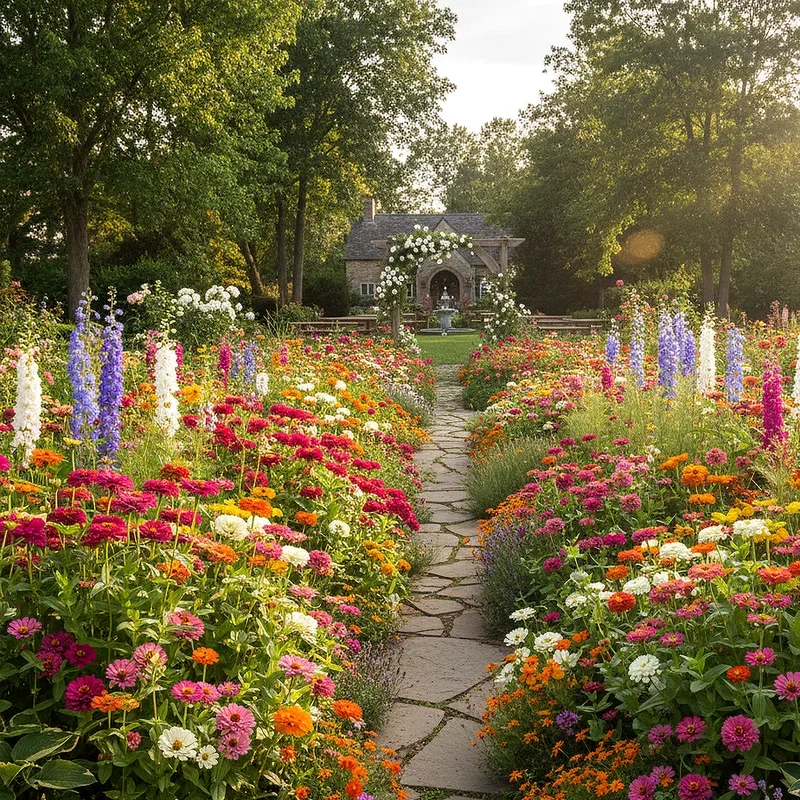
12. Plant Zinnias as Companion Plants in Vegetable Gardens
Smart vegetable gardeners know that mixing flowers among edibles creates a healthier, more productive garden ecosystem, and zinnias excel in this role. Intersperse zinnia plants throughout your vegetable beds to attract beneficial insects that prey on common garden pests, providing natural pest control without chemicals. The bright flowers draw predatory wasps, ladybugs, and lacewings that feast on aphids, caterpillars, and other vegetable-damaging insects. Plant zinnias along the edges of raised beds or at the ends of vegetable rows where they won't shade sun-loving crops. This strategic placement also creates attractive transitions between purely functional growing areas and ornamental garden spaces. The combination of productive vegetables and cheerful flowers makes your garden a more enjoyable place to work while improving overall garden health through biodiversity.
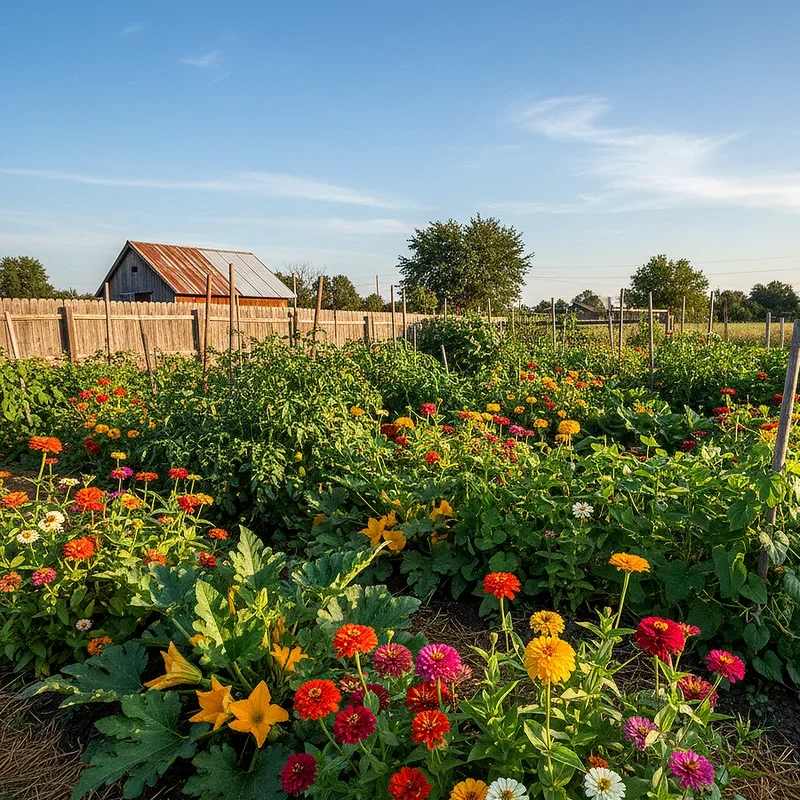
13. Establish a Low-Maintenance Drought-Tolerant Garden
Busy schedules or water restrictions don't mean sacrificing beautiful blooms when you design a drought-tolerant garden featuring resilient zinnias. Once established, these tough plants tolerate dry conditions remarkably well, continuing to bloom even when other flowers wilt in summer heat. Choose particularly heat and drought-resistant varieties like Zahara or Profusion series, which were specifically bred for superior performance in challenging conditions. Plant them in well-draining soil amended with compost to help retain some moisture without becoming waterlogged. Combine zinnias with other drought-tolerant companions like Russian sage, sedum, and ornamental grasses for a resilient, water-wise landscape. Mulch around plants to conserve soil moisture and suppress weeds, further reducing maintenance requirements while keeping your garden looking polished and colorful throughout the driest summers.
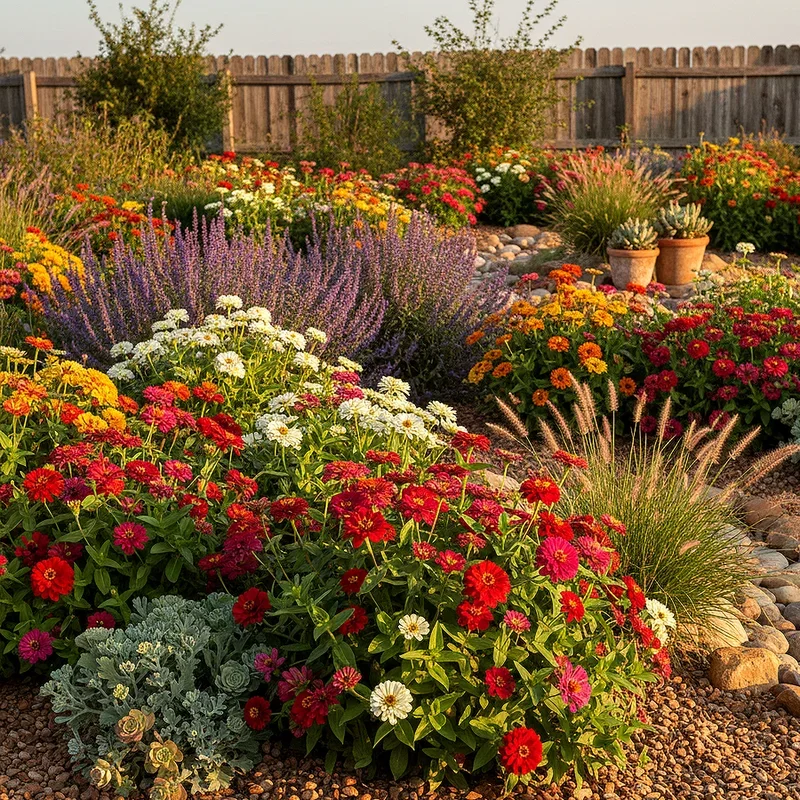
14. Build a Hummingbird Haven with Tubular Zinnia Varieties
Transform your garden into a hummingbird hotspot by selecting zinnia varieties whose flower forms particularly appeal to these jeweled visitors. While hummingbirds visit most zinnia types, they show special preference for varieties with tubular florets and bright red or orange colors. Plant generous drifts of at least seven to nine plants per variety to create the mass of color that catches hummingbird attention from great distances. Position your hummingbird garden near windows where you can enjoy watching these aerial acrobats feed while sipping your morning coffee. Include a water feature or mister nearby, as hummingbirds love bathing in fine spray. Combine zinnias with other hummingbird magnets like salvia, bee balm, and trumpet vine for continuous nectar sources that keep these delightful birds visiting throughout the season.
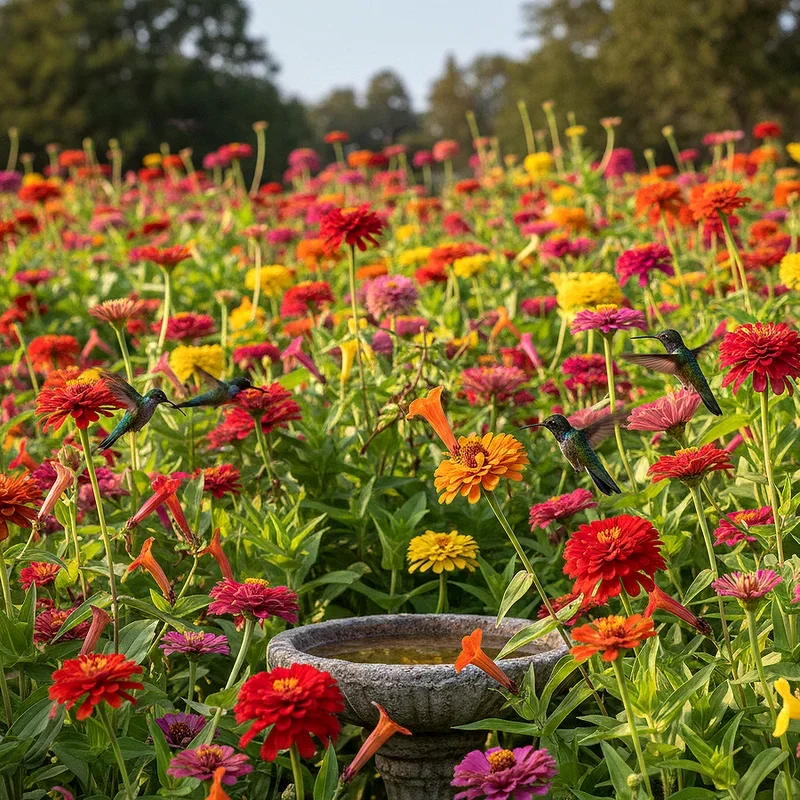
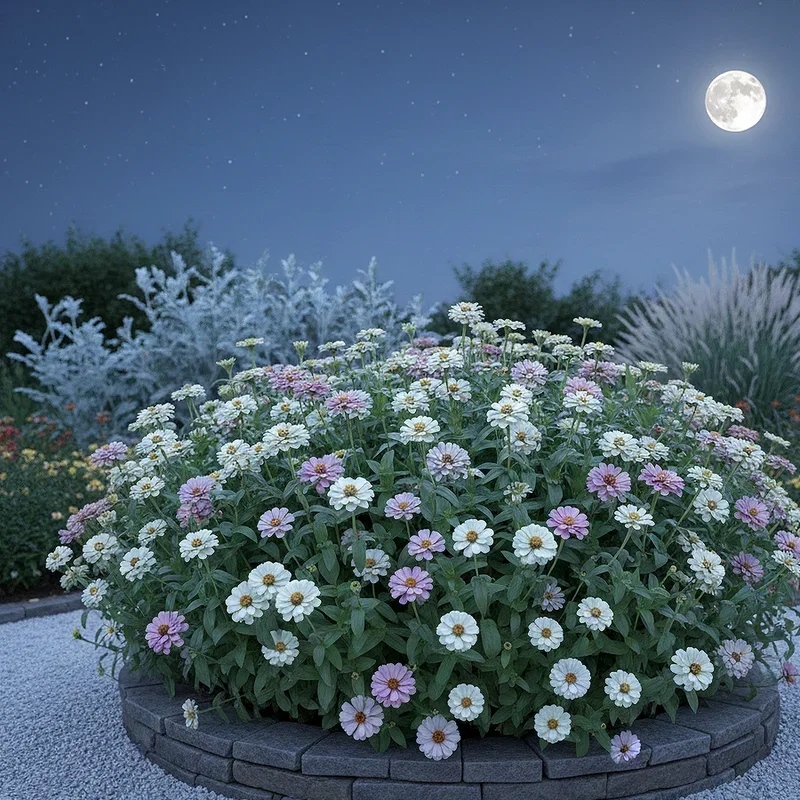
15. Create a Moon Garden with White and Pastel Zinnias
Design an enchanting evening garden that comes alive as darkness falls by featuring white and pale-colored zinnias that seem to glow in moonlight. Choose varieties in white, pale yellow, soft pink, and light lavender, avoiding bright or dark colors that disappear once the sun sets. Plant your moon garden near outdoor seating areas, patios, or bedroom windows where you'll enjoy the subtle beauty during evening relaxation. The pale flowers reflect available light from the moon, stars, and outdoor fixtures, creating a magical, luminous effect quite different from daytime garden experiences. Add fragrant evening bloomers like nicotiana or four o'clocks to enhance the sensory experience with sweet scents. This specialized garden offers a peaceful retreat for unwinding after busy days, proving that gardens can provide beauty around the clock.
Conclusion
Zinnias truly deserve their reputation as one of the garden's most versatile and rewarding flowers. From classic cutting gardens to specialized moon gardens, these adaptable bloomers fit practically any design vision you can imagine. They ask for little beyond sun and decent drainage while delivering months of continuous color that attracts beneficial wildlife and provides endless bouquets. Whether you're working with sprawling acreage or a modest balcony, there's a zinnia garden idea perfectly suited to your space and style. The fifteen approaches we've explored demonstrate just how many creative directions you can take with these cheerful flowers, each offering unique benefits and visual appeal.
Read next: 15 Annuals That Bloom All Summer Long
Frequently Asked Questions
Q1. How long do zinnias typically bloom in the garden?
A: Zinnias bloom continuously from early summer until the first hard frost in fall.
Q2. Do zinnias require a lot of water to thrive?
A: Established zinnias are drought-tolerant but bloom best with moderate, consistent watering during dry periods.
Q3. Can zinnias grow successfully in partial shade conditions?
A: Zinnias prefer full sun and produce fewer blooms in partial shade or shaded locations.
Q4. How often should I deadhead zinnias for continuous flowering?
A: Deadhead zinnias every few days or simply cut flowers for bouquets to encourage blooming.
Q5. Are zinnias susceptible to any particular diseases or pests?
A: Zinnias can develop powdery mildew in humid conditions but resist most pests effectively overall.