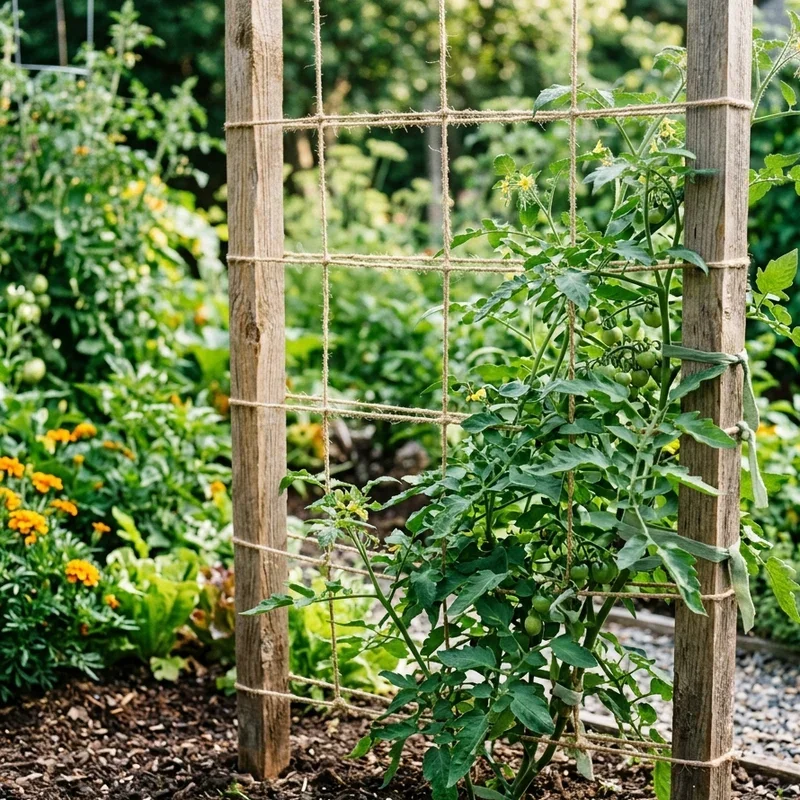
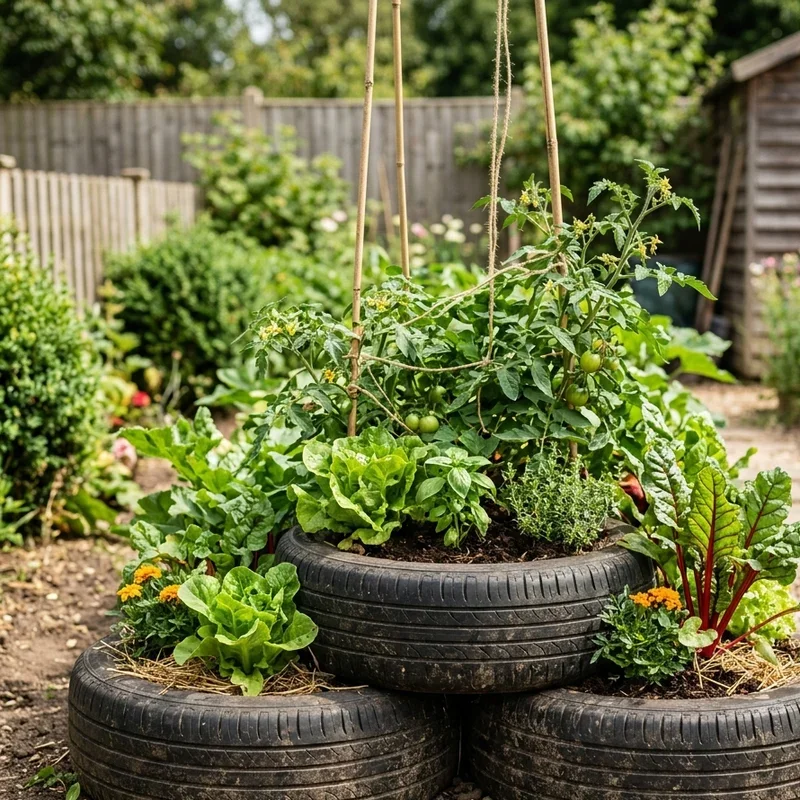
Transform your outdoor space with 15 creative peony garden design ideas that blend beauty, fragrance, and elegance for breathtaking results.
Have you ever wondered how to turn your backyard into a fragrant paradise that neighbors will envy? Peonies offer the perfect solution for creating stunning garden displays that combine lush blooms with timeless elegance. These magnificent flowers have captivated gardeners for centuries with their full, romantic petals and intoxicating scent. Whether you dream of a cottage garden bursting with color or a minimalist landscape with carefully placed focal points, peonies adapt beautifully to various design styles. Planning a peony garden requires understanding their growing habits, color combinations, and companion plants that enhance their natural beauty. This comprehensive guide walks you through fifteen inspiring design ideas that transform ordinary backyards into extraordinary outdoor retreats. From border plantings to standalone focal points, you will discover creative ways to showcase these beloved perennials while maximizing their visual impact throughout the growing season.
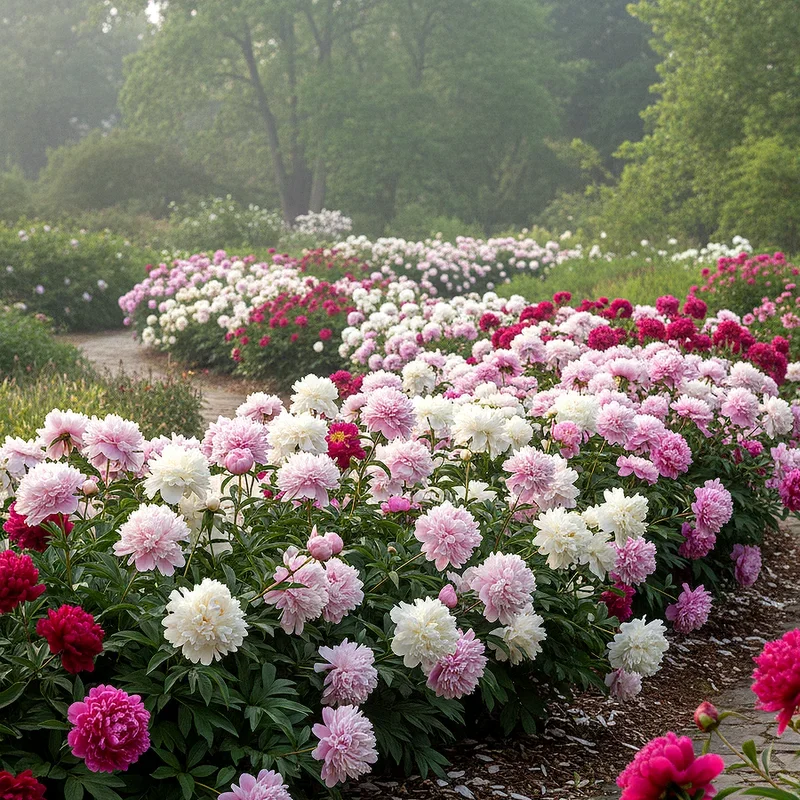
1. Classic Peony Border Garden
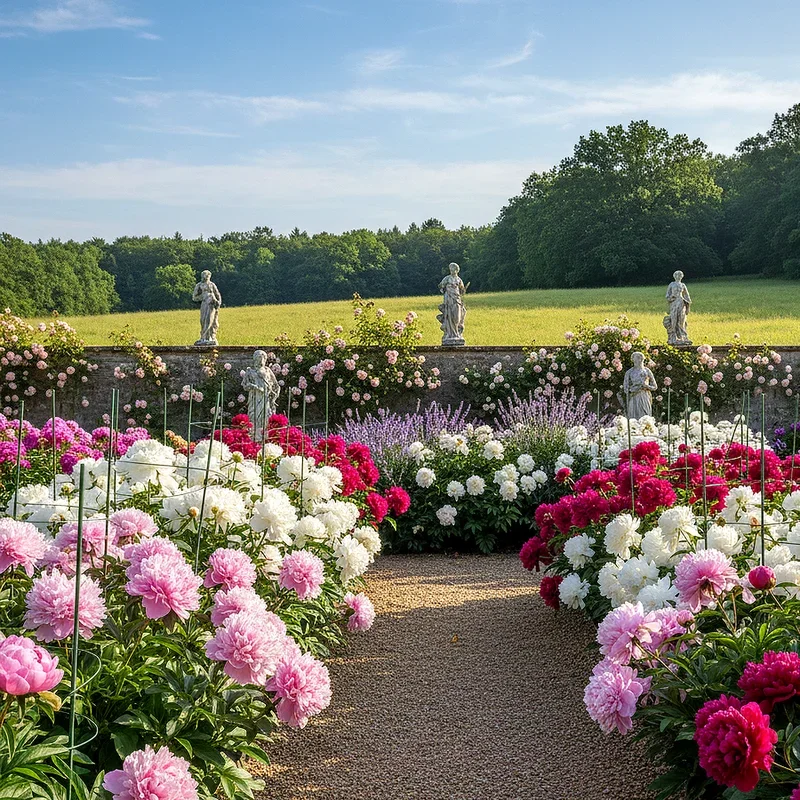
A classic peony border creates a traditional garden statement that never goes out of style. Plant peonies in long rows along fence lines, property boundaries, or walkways to establish a structured yet romantic appearance. Choose varieties with staggered bloom times to extend the flowering season from late spring through early summer. Mix herbaceous and tree peonies at different heights to add depth and dimension to your border design. The repetition of peony clumps creates rhythm while allowing enough space between plants ensures proper air circulation. This design works beautifully in both formal and informal settings, adapting to your landscape's existing character. Mulch between plants with organic matter to suppress weeds and maintain consistent soil moisture throughout the growing season.
2. Mixed Perennial Peony Bed
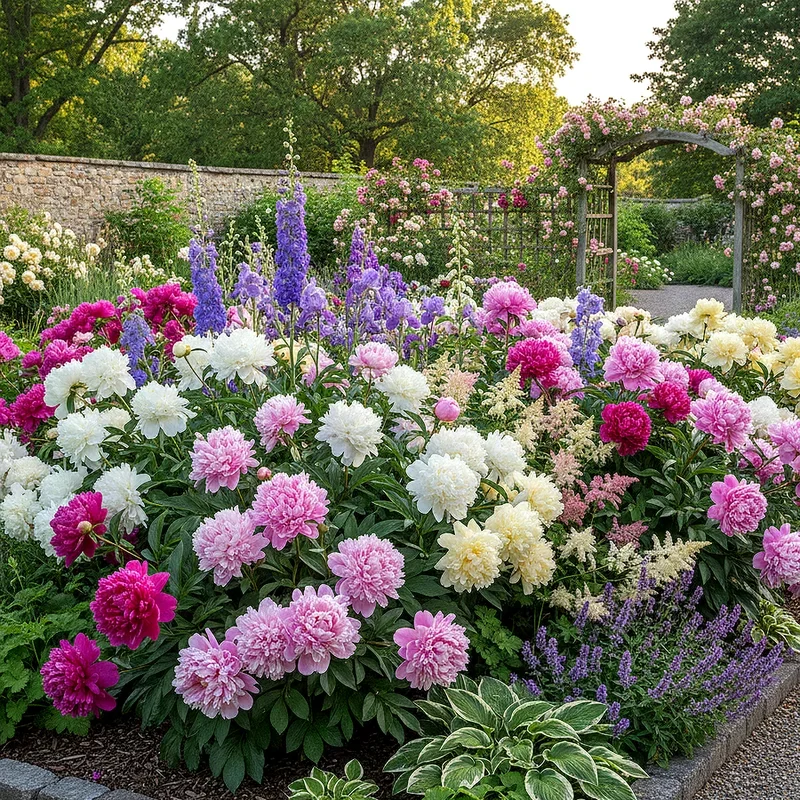
Combining peonies with complementary perennials creates a dynamic garden that offers visual interest beyond the peony blooming period. Pair peonies with catmint, salvia, and ornamental grasses that bloom before, during, and after the peony season. The supporting cast of perennials fills gaps and provides contrasting textures that highlight the peony's lush foliage and dramatic flowers. Select companion plants that share similar growing requirements regarding sunlight, soil type, and water needs for a thriving ecosystem. This layered approach ensures your garden bed remains attractive from spring through fall with changing colors and heights. Strategic placement of late bloomers disguises peony foliage as it naturally declines after flowering finishes each season.
3. Cutting Garden with Peonies
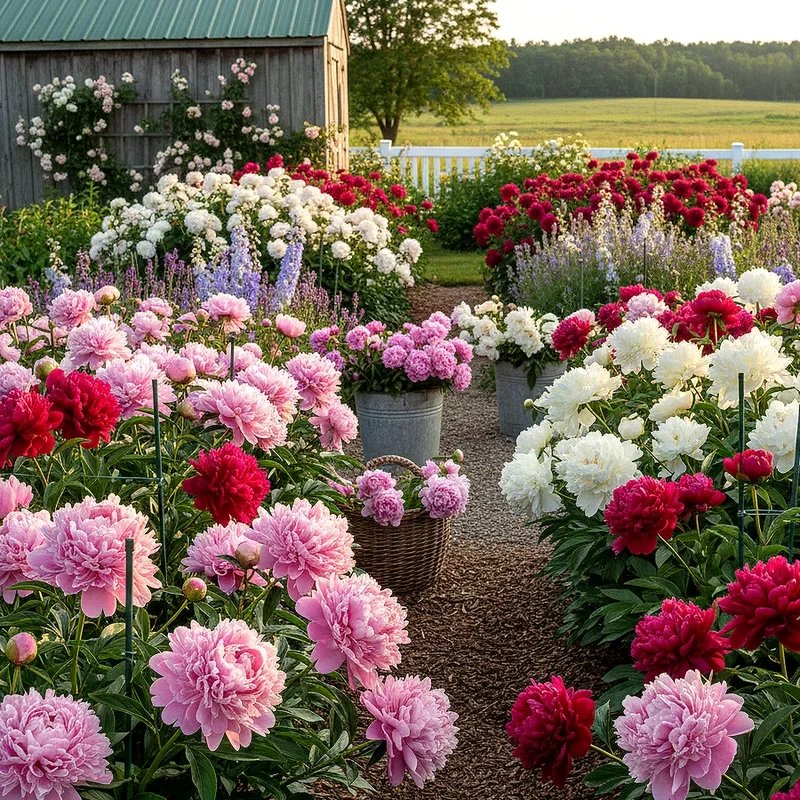
Dedicating a section of your backyard to a peony cutting garden provides endless bouquets for indoor arrangements throughout their blooming season. Arrange plants in straight rows with ample spacing to facilitate easy harvesting and maintenance without damaging neighboring plants. Include a variety of colors and bloom forms such as singles, doubles, and anemone types to create diverse floral arrangements. Establish paths between rows wide enough for comfortable access with gardening tools and harvesting baskets during peak bloom times. This functional design prioritizes flower production over ornamental display, making it ideal for enthusiastic flower arrangers and hobbyists. Regular cutting actually encourages stronger stems and healthier plants while providing you with spectacular indoor displays that perfume entire rooms.
4. Peony and Rose Combination Garden
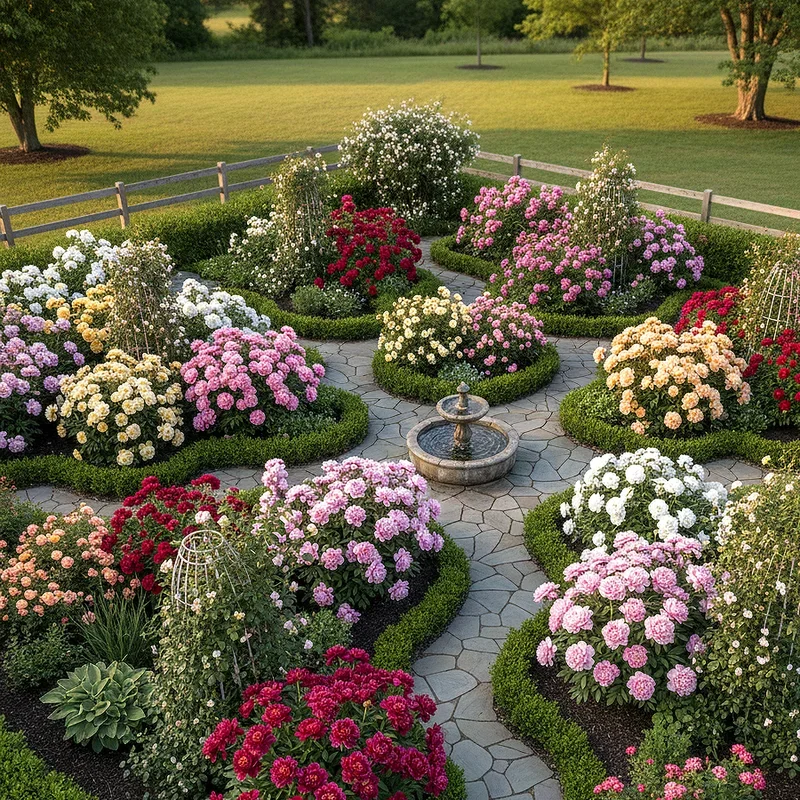
Pairing peonies with roses creates a romantic garden reminiscent of English country estates with layers of fragrance and color. These two beloved flowers share similar growing requirements and bloom in overlapping seasons, extending your garden's peak display period. Plant herbaceous peonies as a lower layer surrounding climbing or shrub roses to create vertical interest and dimensional depth. The peony's lush foliage provides an attractive backdrop that showcases rose blooms while hiding the often less attractive lower stems. Select color combinations that either harmonize with soft pastels or create bold contrasts with vibrant hues for maximum visual impact. This classic pairing requires similar care routines including regular feeding, deadheading, and monitoring for pests and diseases that affect both plants.
5. Cottage Style Peony Landscape
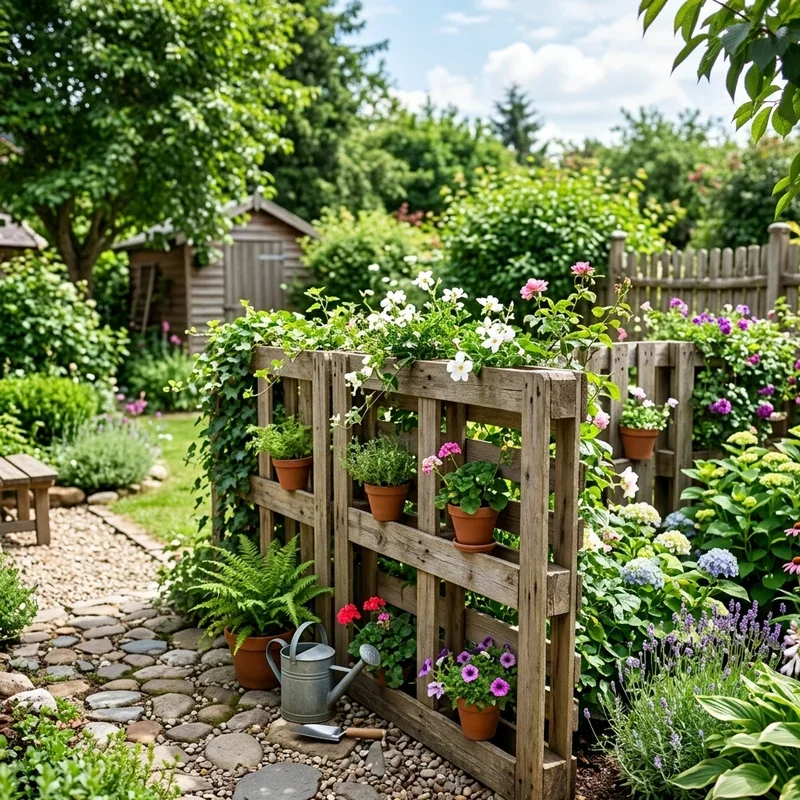
A cottage garden approach embraces the informal, abundant charm that peonies naturally provide with their overflowing blooms and relaxed growing habit. Mix peonies with traditional cottage garden favorites like foxgloves, delphiniums, hollyhocks, and sweet alyssum for a carefree, romantic atmosphere. Allow plants to self-sow and intermingle naturally while maintaining just enough structure to prevent complete chaos in your garden beds. Incorporate vintage garden accessories like weathered wooden trellises, rustic gates, and antique watering cans to enhance the nostalgic cottage aesthetic. The key lies in creating intentional disorder that appears effortless while carefully selecting plants that bloom in succession throughout seasons. This design style celebrates abundance over perfection, making it forgiving for gardeners who prefer a more relaxed maintenance approach.
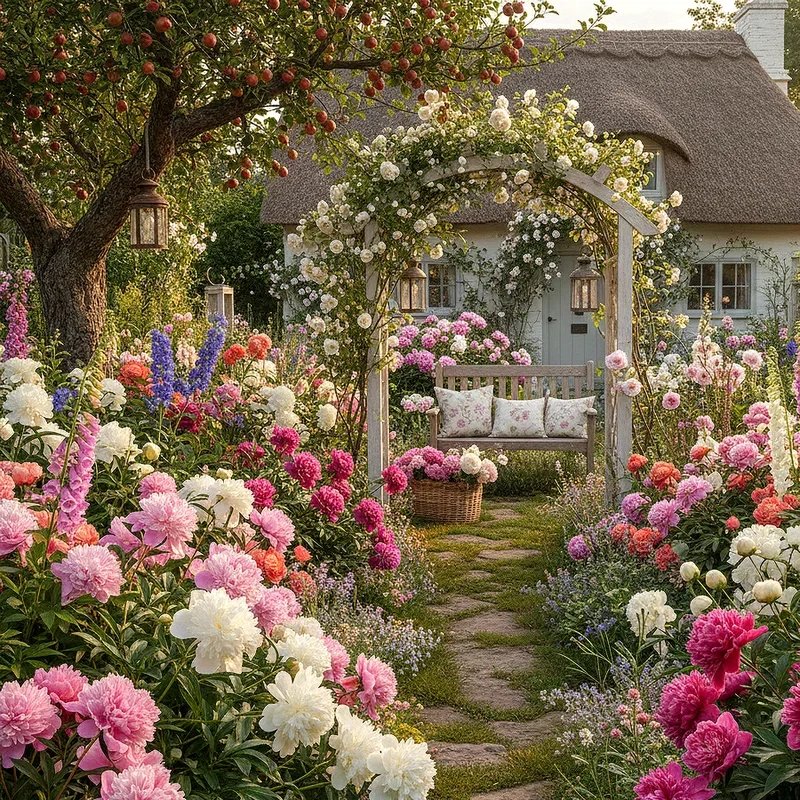
6. Formal Symmetrical Peony Design
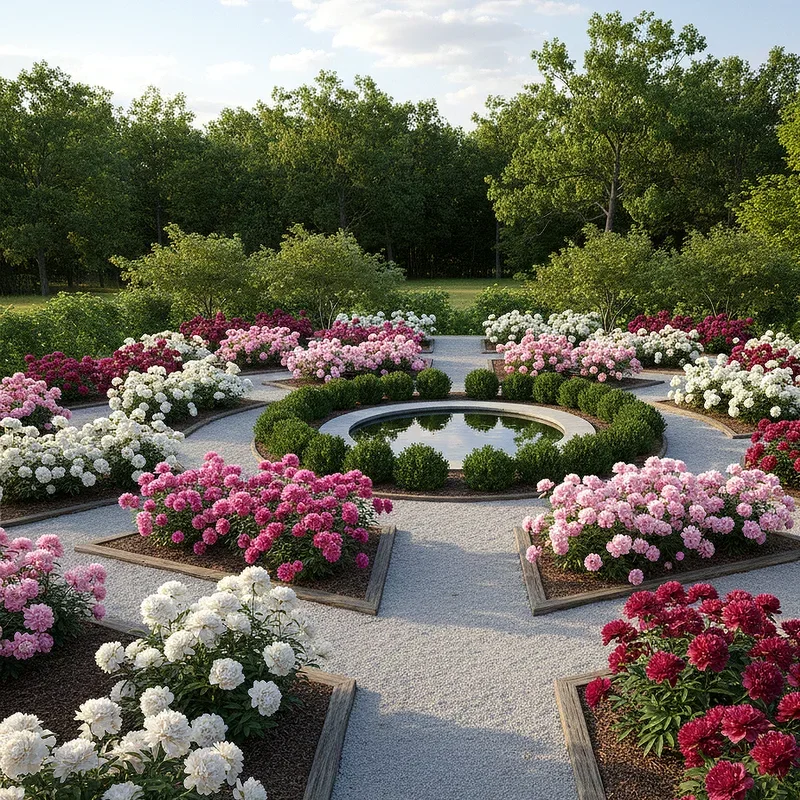
A formal peony garden emphasizes geometric patterns, symmetry, and structured plantings that create an elegant, sophisticated outdoor space. Design mirror image plantings on either side of a central axis such as a pathway, fountain, or garden sculpture. Use identical peony varieties in matching color schemes to maintain the formal aesthetic and reinforce the symmetrical design principles. Edge beds with low boxwood hedges or decorative borders that define the space and provide year round structure when peonies die back. This design works exceptionally well in front yards or areas visible from main living spaces where visual impact matters most. Regular maintenance including deadheading, staking, and precise trimming ensures the garden retains its polished appearance throughout all growing seasons.
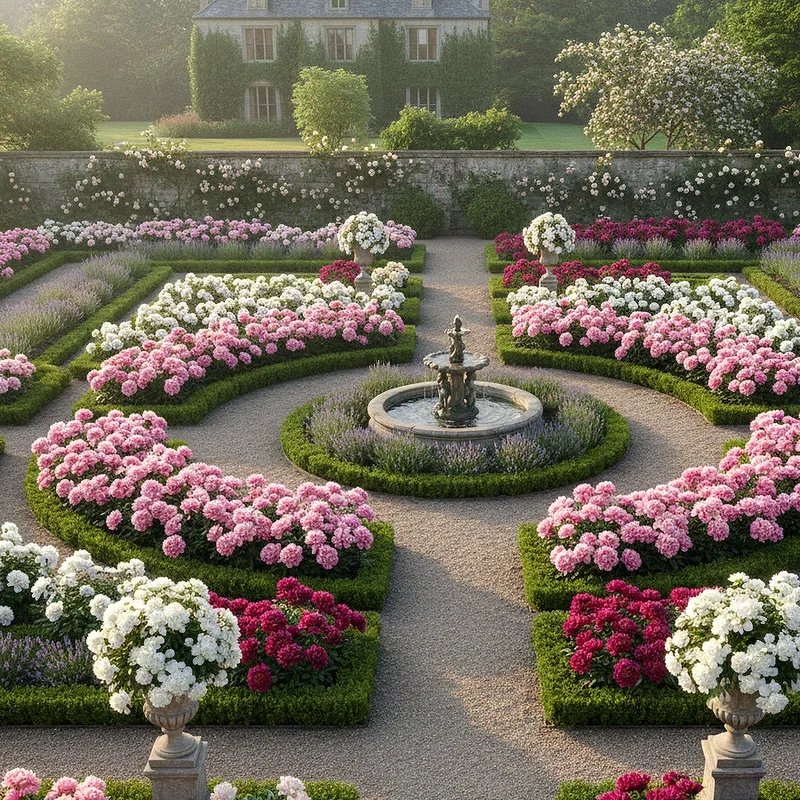
7. Peony Foundation Planting
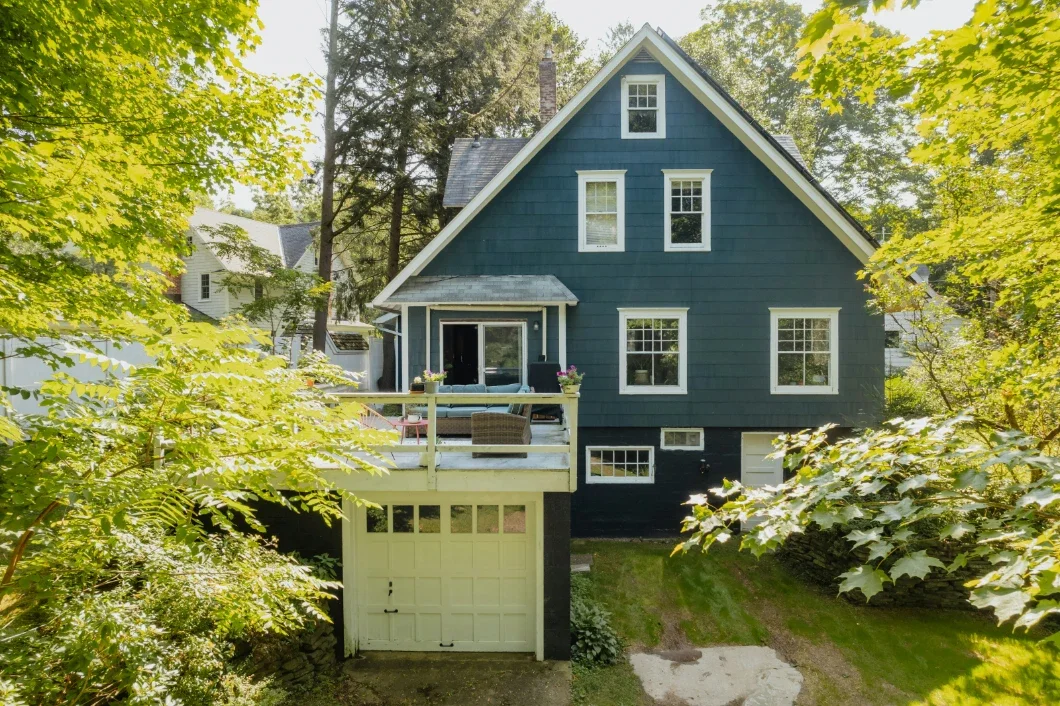
Foundation plantings with peonies soften architectural lines while adding seasonal color and interest to your home's exterior without overwhelming the structure. Select compact peony varieties that maintain appropriate scale relative to your home's size and avoid blocking windows or walkways. Plant peonies alongside evergreen shrubs that provide structure during winter months when peonies disappear completely below ground level. Space plants adequately from the foundation to ensure proper air circulation and prevent moisture related issues that affect both plants and buildings. This design approach requires less maintenance than traditional annual foundation plantings while providing spectacular spring displays that return reliably. Consider bloom colors that complement or contrast with your home's exterior paint, siding, or brick for maximum curb appeal.
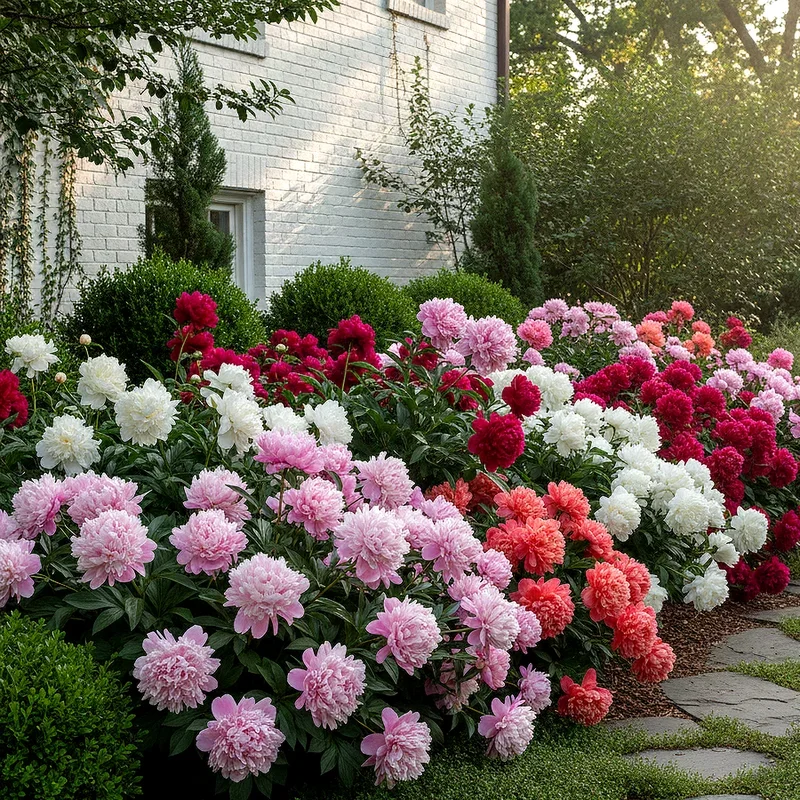
8. Island Bed Peony Display
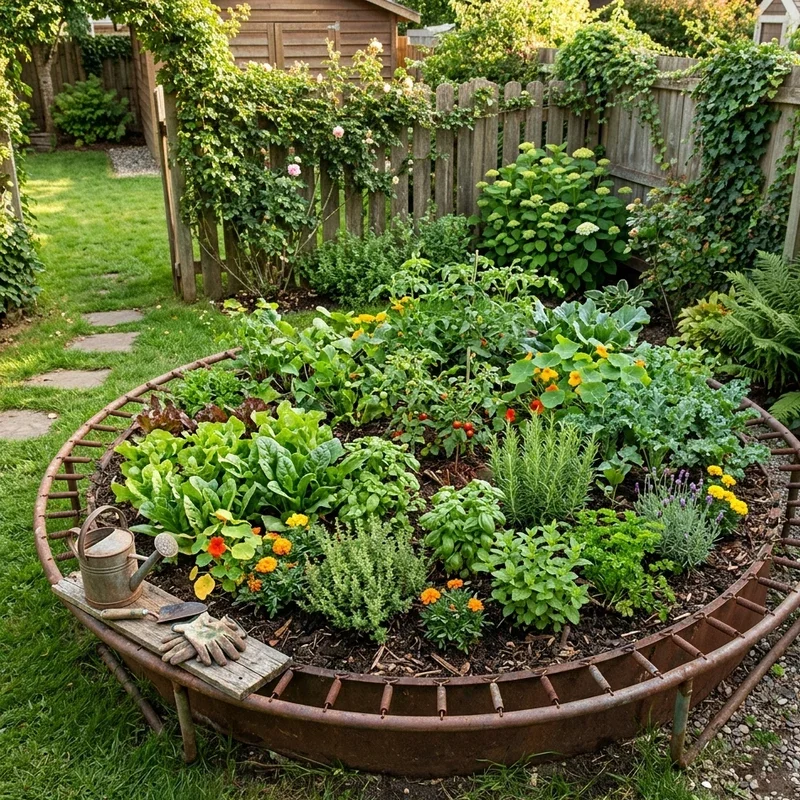
Creating an island bed allows you to showcase peonies from all angles as a stunning focal point in open lawn areas. Position taller peony varieties in the center with progressively shorter plants toward the edges to maintain visibility from every viewing angle. Incorporate companion plants with complementary bloom times and foliage textures to extend seasonal interest beyond the peony flowering period. Define the bed's perimeter with decorative edging that creates a clean separation between the planted area and surrounding lawn space. This design works beautifully when placed strategically to draw the eye through your landscape and create natural stopping points along garden pathways. Mulch generously to reduce maintenance while creating a finished appearance that highlights the plants rather than competing for attention.
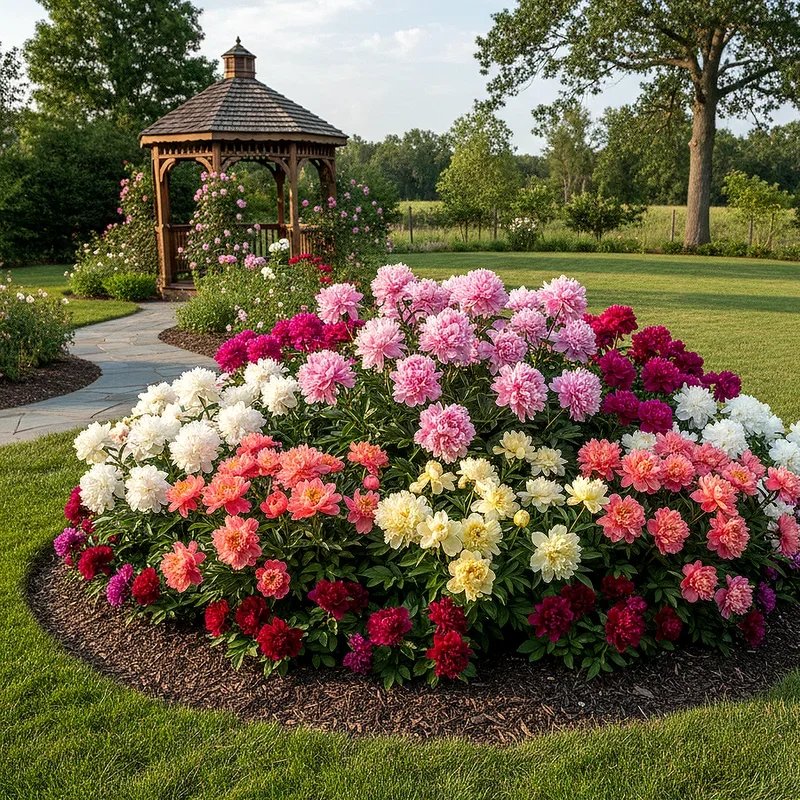
9. Peony Hedge or Screen
Planting peonies in dense rows creates a seasonal hedge or screen that provides privacy while delivering spectacular blooms each spring. Select vigorous varieties with similar growth habits and bloom times to create a uniform appearance along the entire hedge length. Space plants closer together than typical recommendations to encourage a fuller, more cohesive barrier that fills in gaps naturally. This design requires several years to reach maturity but provides a long lived alternative to traditional evergreen hedges with seasonal interest. Stake individual plants or install horizontal support wires to prevent flopping and maintain the hedge's intended shape during heavy blooms. The dense foliage provides summer screening while dying back in winter to allow light through during dormant months.
10. Container Peony Garden
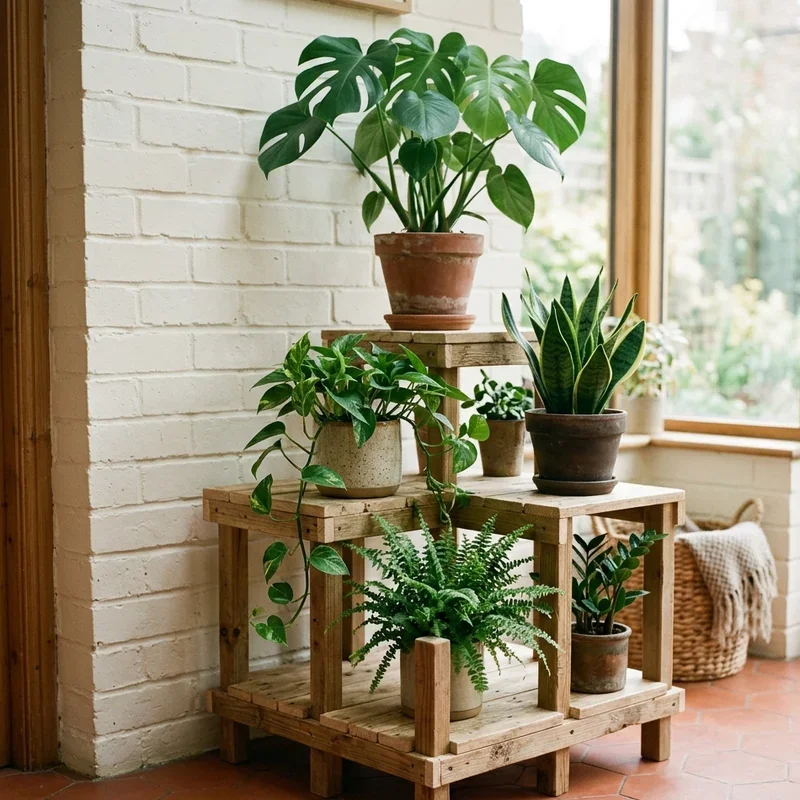
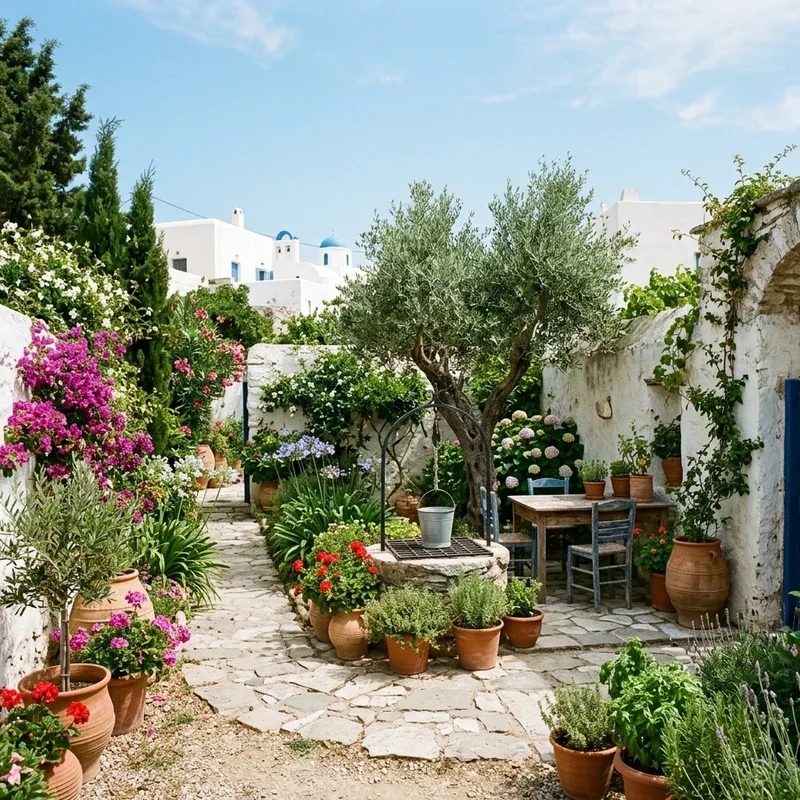
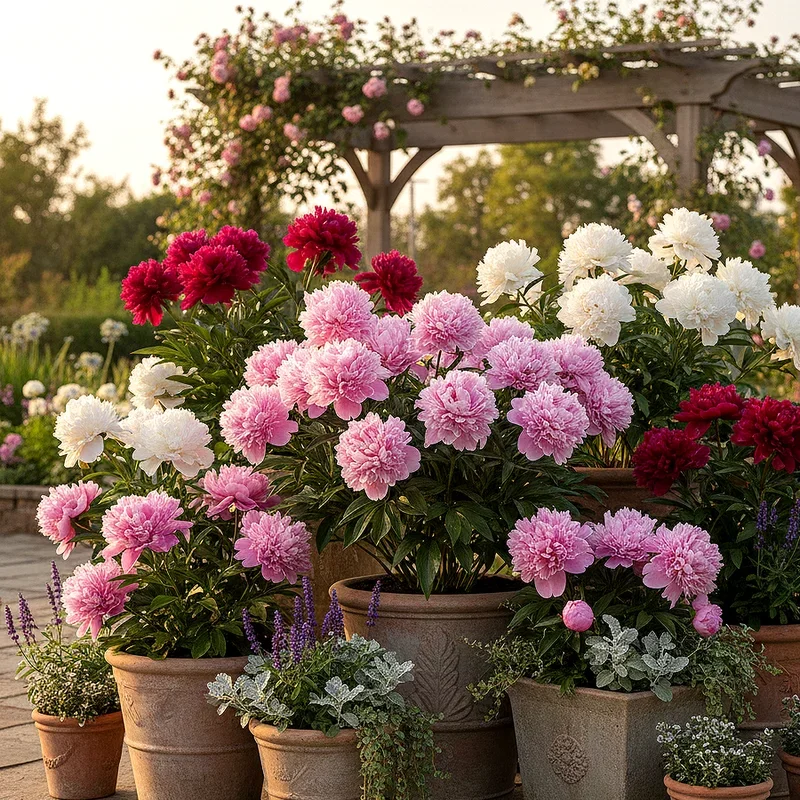
Container gardening with peonies offers flexibility for small spaces, patios, and balconies where traditional in ground planting proves impossible. Select large containers with adequate drainage holes and depth to accommodate peony root systems that develop substantial size over time. Use high quality potting mix enriched with compost rather than garden soil to ensure proper drainage and nutrient availability in containers. Position containers where they receive full sun exposure while remaining protected from extreme winds that damage tall stems and flowers. This approach allows you to move plants to optimal viewing locations during peak bloom and shelter them during harsh weather. Container peonies require more frequent watering and feeding than ground planted specimens but reward you with portable displays of spectacular blooms.
11. Woodland Peony Garden
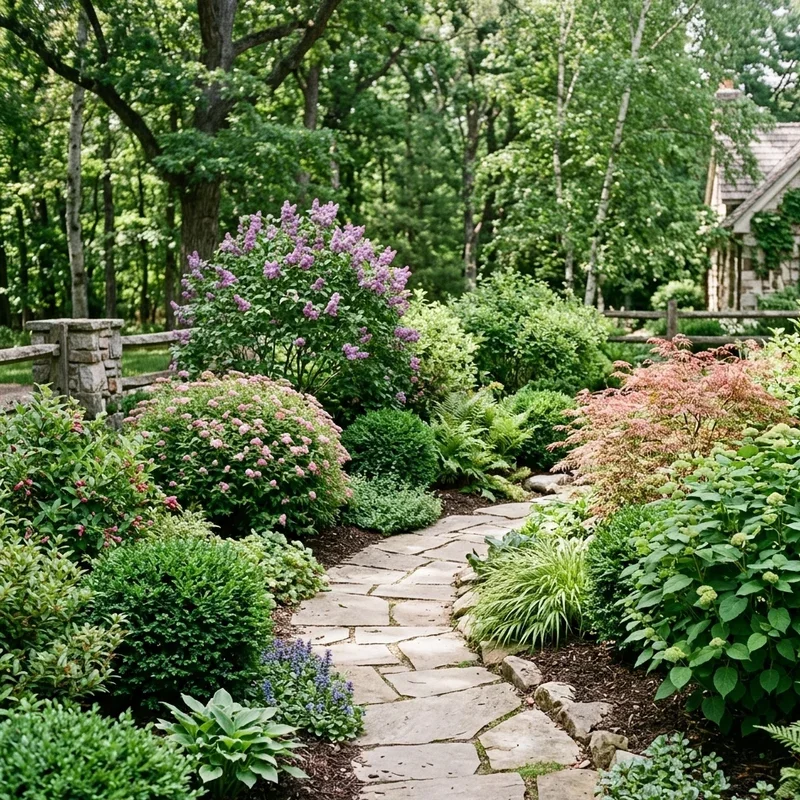
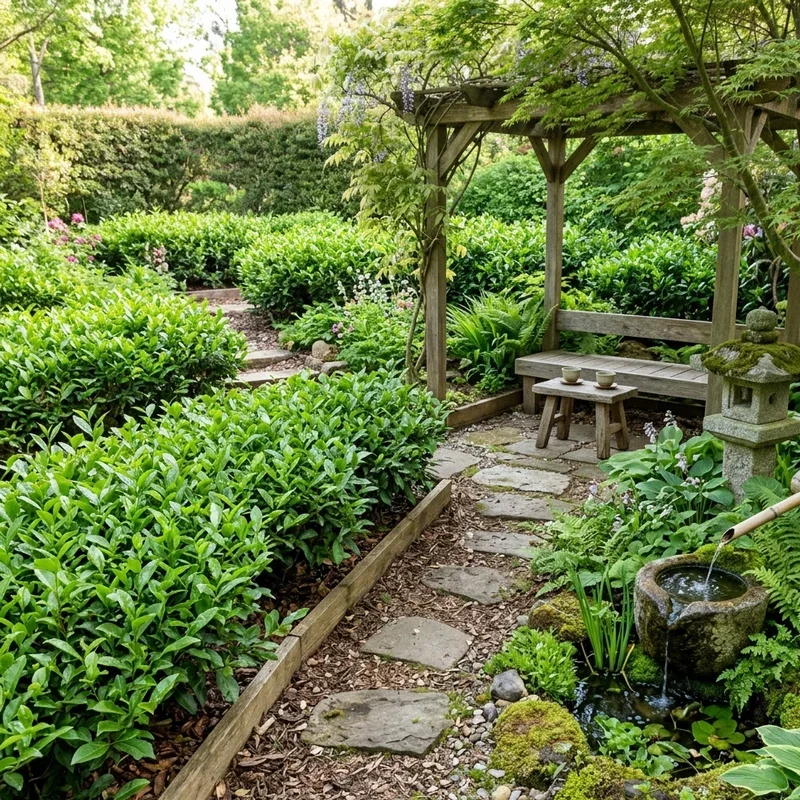
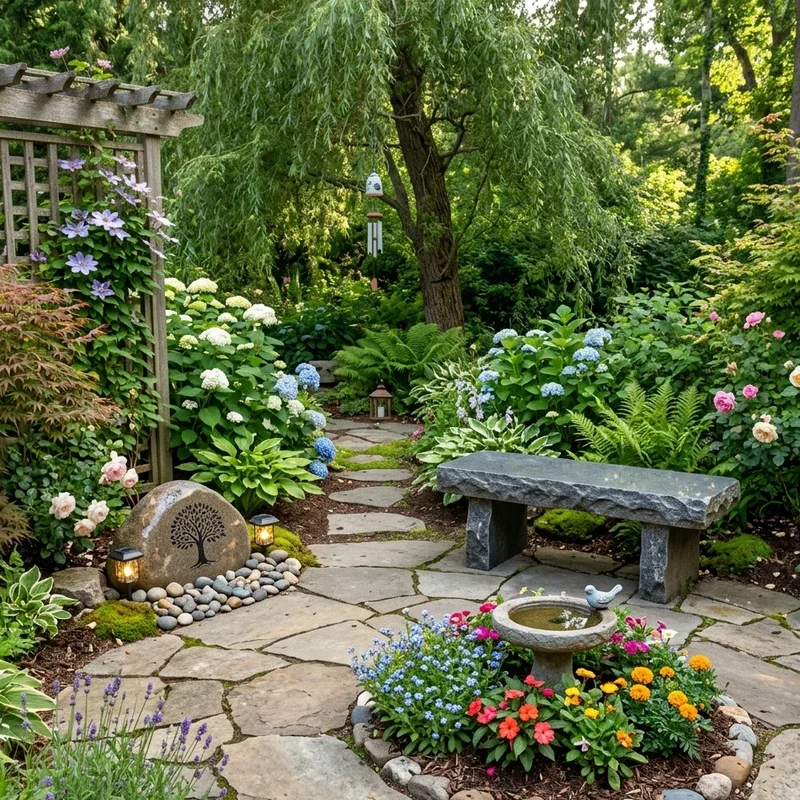
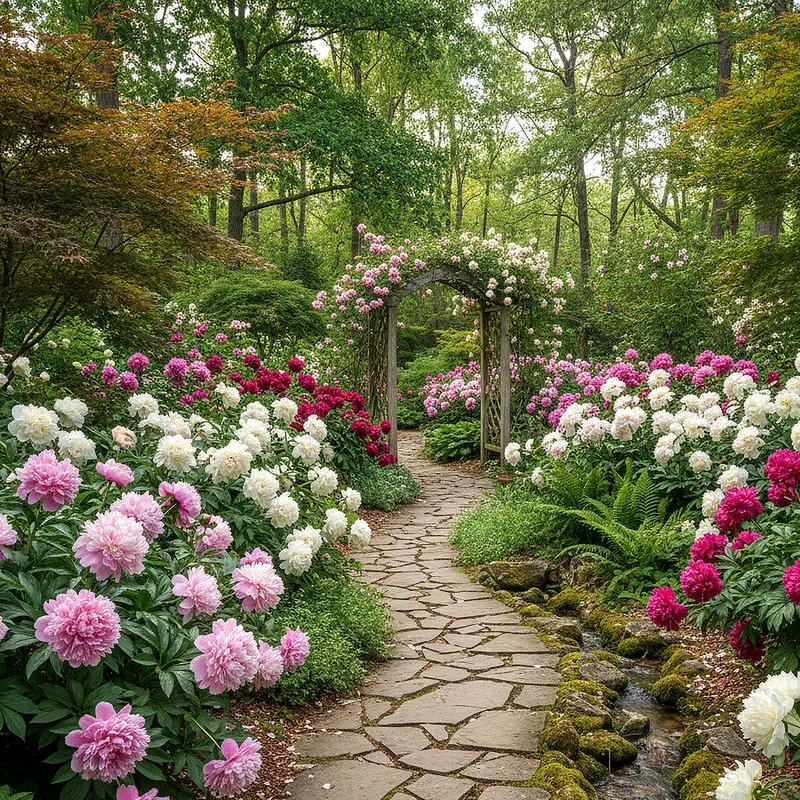
Integrating peonies into woodland edges or partially shaded areas creates a naturalistic garden that mimics their native Asian forest habitats. Select tree peony varieties that tolerate more shade than herbaceous types while still providing the light requirements necessary for blooming. Combine peonies with woodland natives like hostas, ferns, hellebores, and epimediums that thrive in similar conditions and complement each other. Amend soil with generous amounts of organic matter to replicate the rich, well drained conditions found in natural woodland environments. This design creates peaceful, secluded spaces perfect for meditation areas or quiet reading nooks surrounded by fragrant blooms and rustling foliage. Maintain a natural leaf litter mulch that decomposes gradually, enriching soil while protecting roots from temperature extremes throughout changing seasons.
12. Monochromatic Peony Scheme
A monochromatic design using peonies in a single color family creates sophisticated, cohesive displays with remarkable visual impact. Choose variations of pink, white, or red peonies in different shades and bloom forms to add interest while maintaining color unity. Layer different bloom types including singles, doubles, and semi doubles to create texture variation within your chosen color palette restrictions. This restrained approach allows viewers to appreciate the subtle differences between varieties and the intricate details of individual blooms more fully. Monochromatic gardens appear larger and more unified than multi colored plantings, making them ideal for smaller spaces seeking maximum impact. Add interest through foliage plants with complementary textures and shapes rather than competing colors that distract from the primary design.
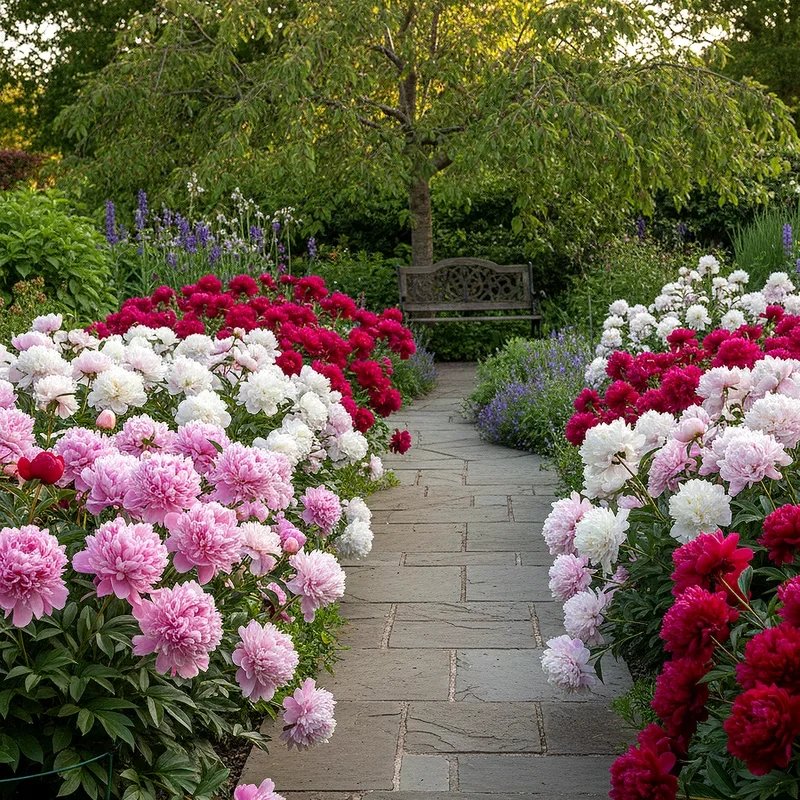
13. Peony Pathway Lining
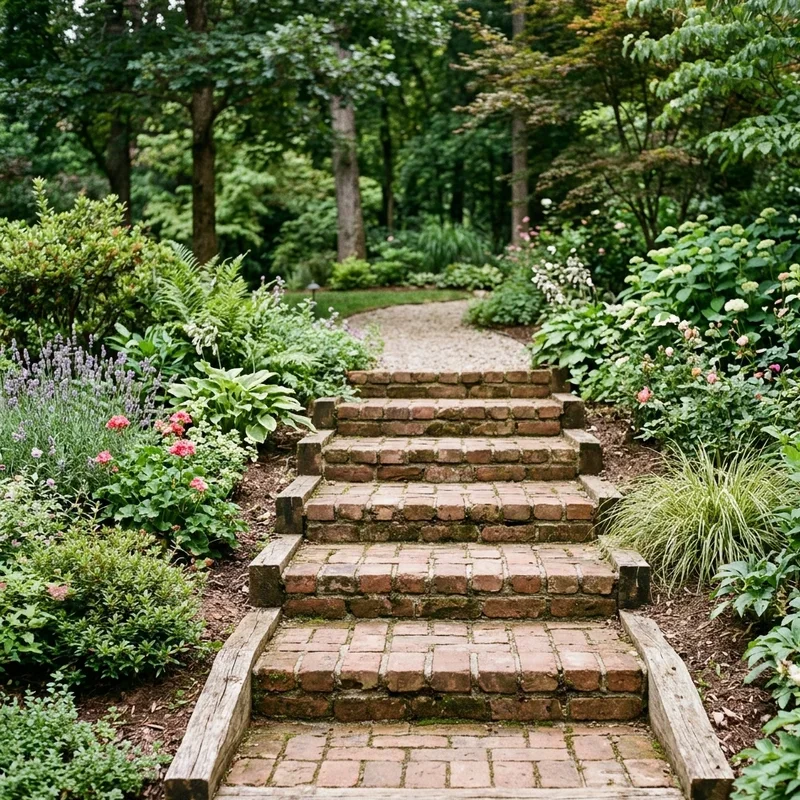
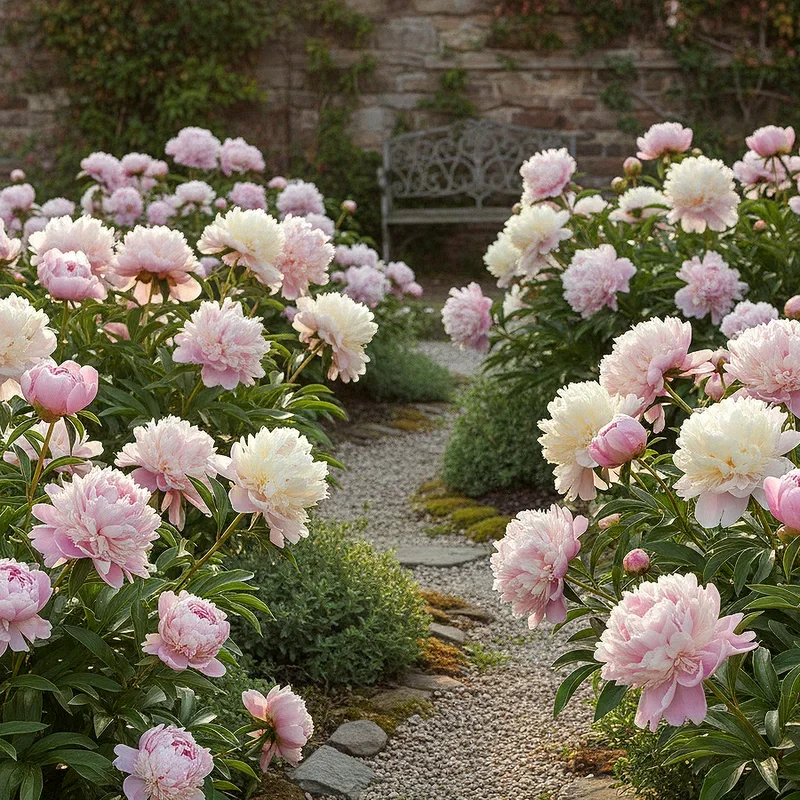
Lining garden pathways with peonies creates an enchanting walk through experience that engages visitors with fragrance, color, and seasonal anticipation. Plant symmetrical rows on both sides of walkways, spacing plants far enough back to prevent stems from obstructing passage during blooming. Select compact varieties that maintain manageable sizes without requiring extensive staking or support that interferes with the pathway's function. Alternate bloom colors along the path to create rhythm and visual interest that draws visitors forward through the garden space. This design transforms functional pathways into destination experiences that celebrate the journey as much as arrival at any particular endpoint. Pathway plantings benefit from excellent air circulation that reduces disease pressure while showcasing flowers at a perfect viewing height.
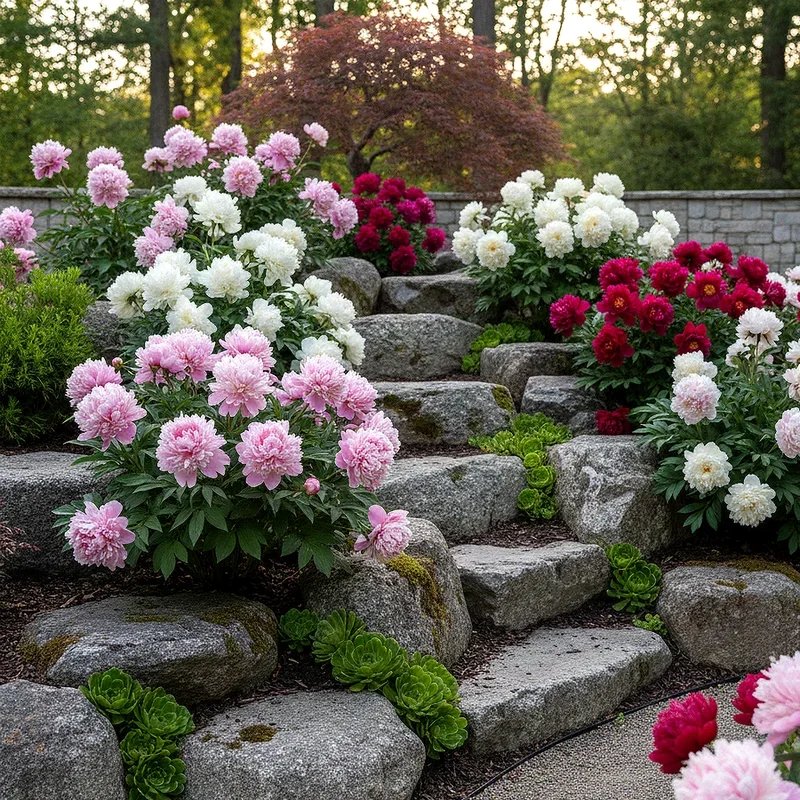
14. Peony Rock Garden Integration
Incorporating peonies into rock gardens adds unexpected softness and color to landscapes dominated by hard materials and alpine plants. Select smaller peony varieties or species peonies that maintain appropriate scale within the rock garden's overall design proportions. Position peonies in pockets of enriched soil between rocks where their roots access adequate nutrients and moisture for healthy growth. The contrast between delicate peony blooms and rugged stone creates striking visual tension that enhances both elements of the design. This approach works particularly well on sloped sites where rocks provide natural terracing and drainage for peony cultivation in challenging locations. Rock garden peonies benefit from excellent drainage while stones absorb heat during the day, moderating soil temperatures during cool spring nights.
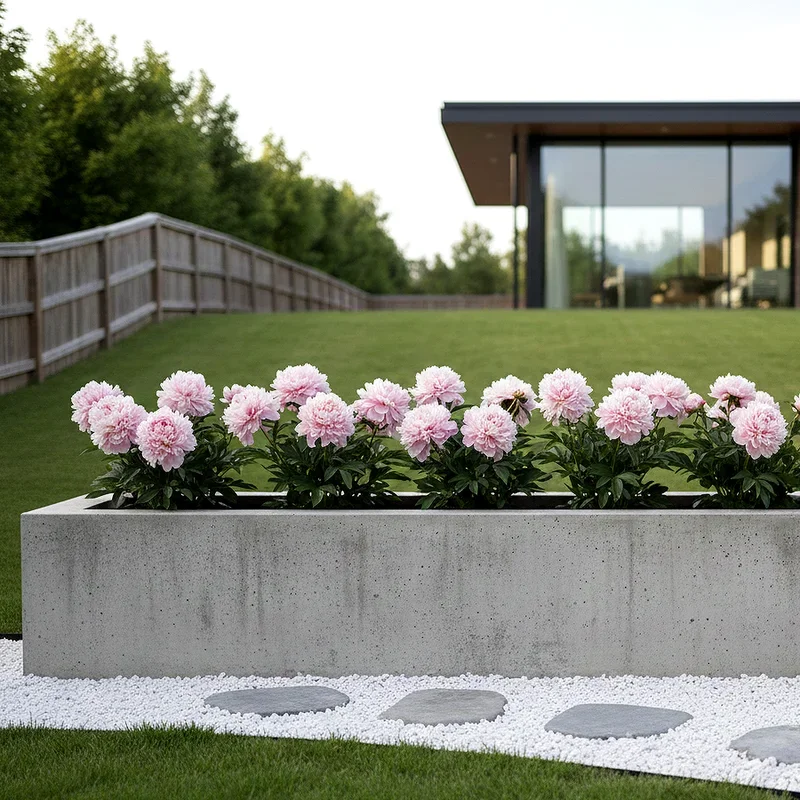
15. Modern Minimalist Peony Design
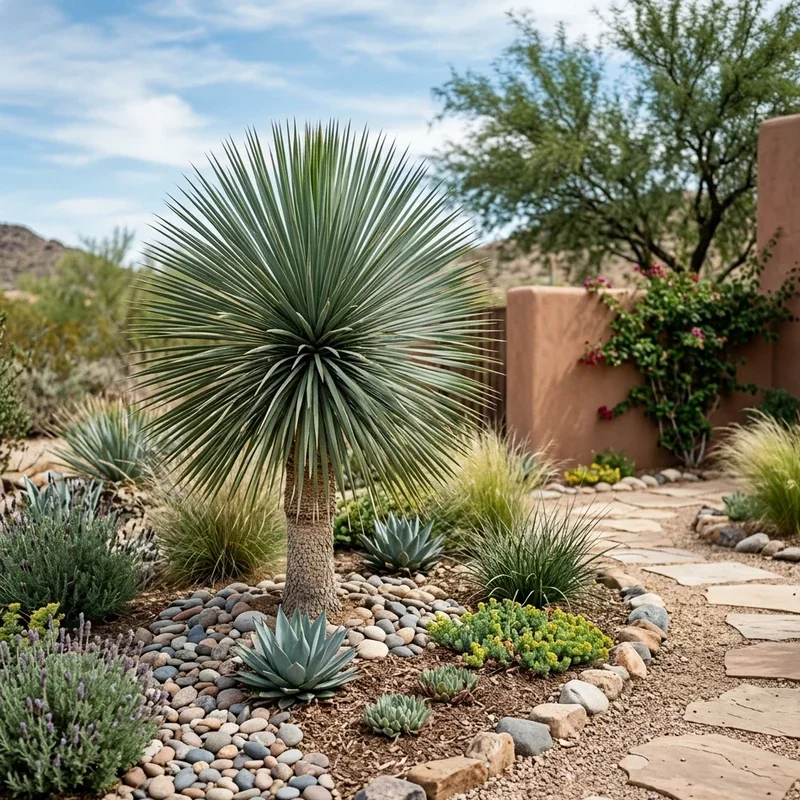
A minimalist approach focuses on carefully selected peony specimens as living sculptures within simplified, contemporary landscapes dominated by clean lines. Plant single varieties in strategic locations where they serve as focal points against neutral backgrounds of gravel, pavers, or architectural walls. Limit color palettes to one or two hues that complement modern architecture and hardscaping materials in your outdoor living spaces. Emphasize negative space around plants to highlight their natural form and allow individual specimens to command attention without competition from neighbors. This design philosophy requires restraint in plant selection but rewards you with powerful statements that showcase peony beauty in unexpected contexts. Modern minimalist gardens demand meticulous maintenance to preserve the intended clean aesthetic that defines this contemporary design approach.
Conclusion
Creating a stunning peony garden transforms your backyard into a seasonal showcase that delivers years of reliable beauty and fragrance. These fifteen design ideas demonstrate the versatility of peonies across various landscape styles from traditional borders to contemporary minimalist statements. Success with peonies requires understanding their basic needs including full sun, well drained soil, and adequate spacing for air circulation. Whether you choose a single design concept or combine multiple approaches, peonies reward patient gardeners with increasingly spectacular displays. Start planning your peony garden today and enjoy the anticipation of watching your landscape vision bloom into reality.
Read next: 15 Spring Garden Ideas to Refresh Your Outdoor Space
Frequently Asked Questions
Q1: What is the best time to plant peonies in a garden?
A: Plant peonies in fall, typically September through October, for best root establishment before winter dormancy.
Q2: How much sunlight do peonies need to bloom successfully?
A: Peonies require at least six hours of direct sunlight daily to produce abundant blooms each season.
Q3: Can peonies grow well in containers on patios or balconies?
A: Yes, peonies thrive in large containers with proper drainage, quality soil, and regular watering and feeding.
Q4: How long do peonies take to establish and bloom prolifically?
A: Peonies typically take two to three years after planting to reach full blooming potential and maturity.
Q5: Do peonies require special soil conditions to grow successfully?
A: Peonies prefer rich, well drained soil with neutral to slightly alkaline pH levels for optimal growth.