15 Fall Tree Ideas to Add Warm Color to Your Landscape
Transform your yard with stunning fall trees that deliver breathtaking autumn colors from golden yellows to deep crimson reds year after year.
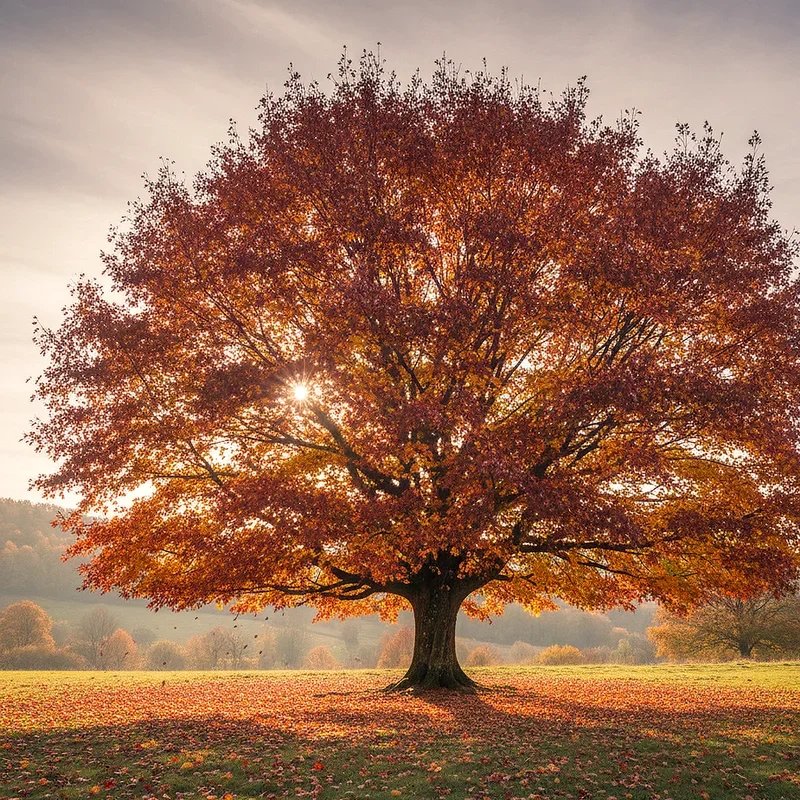
Have you ever gazed at a landscape painted in autumn's palette and wondered how you could capture that magic in your own yard? Fall trees aren't just plants; they're living masterpieces that transform ordinary spaces into extraordinary sanctuaries of warmth and color. When September rolls around and the air turns crisp, these botanical wonders begin their annual performance, displaying hues that range from butter yellow to blazing orange and deep burgundy. Whether you're a seasoned gardener or just starting your landscaping journey, choosing the right fall trees can make all the difference between a yard that merely exists and one that truly lives. The beauty of autumn trees goes beyond aesthetics too, as they provide shade in summer, structure in winter, and habitat for wildlife year-round.
1. Sugar Maple: The Classic Fall Showstopper
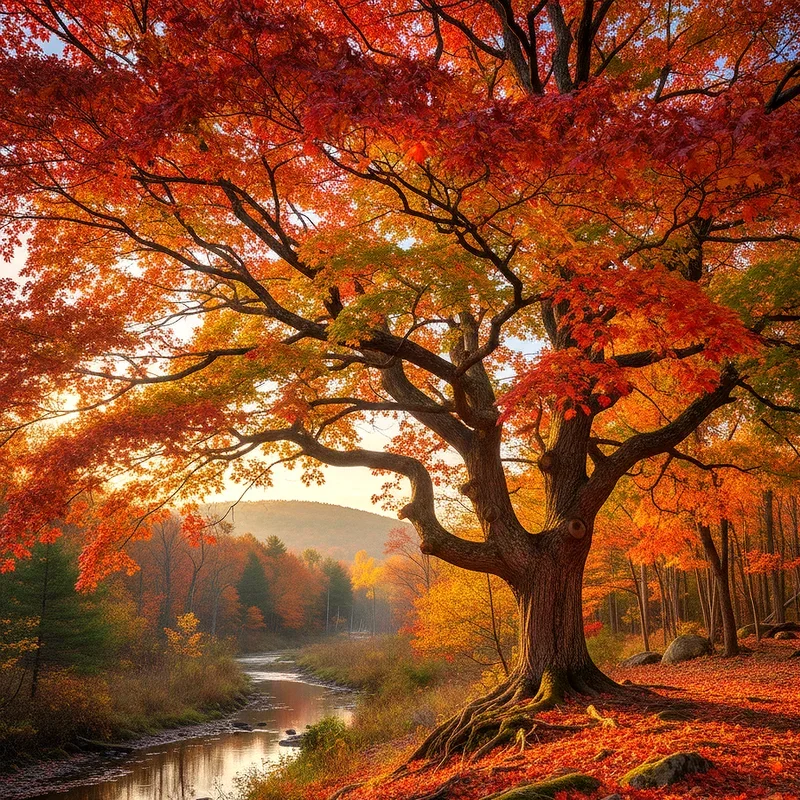
Think of autumn colors, and the sugar maple probably springs to mind first. This iconic North American native delivers exactly what you'd expect from a fall tree: brilliant oranges, fiery reds, and golden yellows that seem to glow from within. Growing between sixty and seventy-five feet tall, sugar maples make bold statements in larger landscapes while providing generous shade during warmer months. They thrive in zones three through eight and prefer well-drained, slightly acidic soil. What makes them particularly special is their reliability; year after year, they transform on schedule, creating that postcard-perfect autumn scene you've always wanted. Plus, they're the same trees that produce delicious maple syrup, adding practical value to their ornamental appeal.
2. Red Maple: Fast-Growing Autumn Beauty
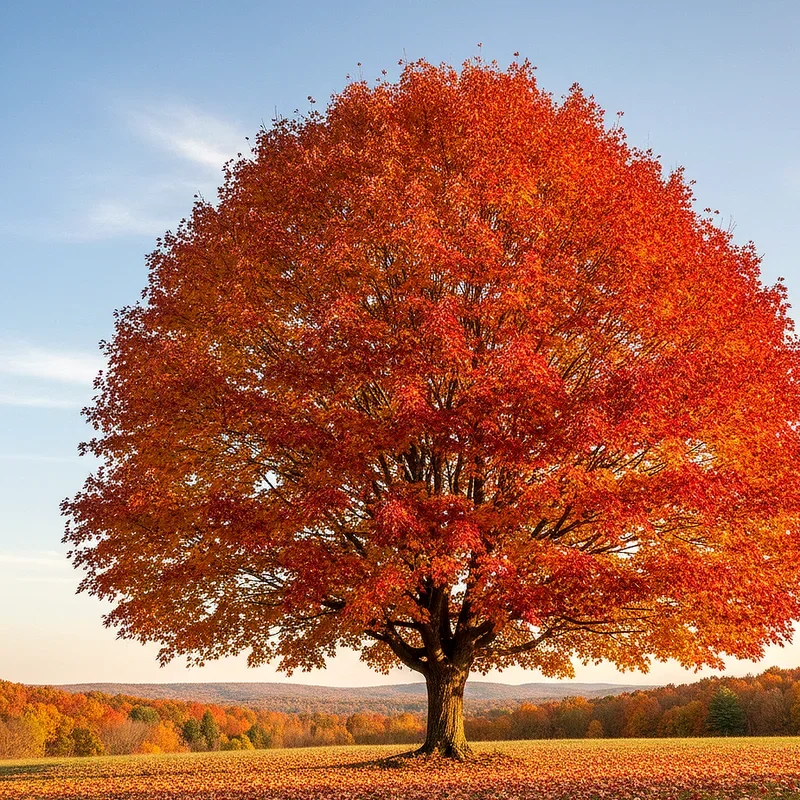
Need color sooner rather than later? Red maples grow quickly, often adding two feet or more annually, making them perfect for impatient gardeners who want results within a few years instead of decades. These adaptable trees flourish across a wide range, from zones three through nine, and they're not particularly fussy about soil conditions either. Their fall display typically ranges from bright scarlet to deep burgundy, sometimes with yellow and orange mixed in for good measure. Red maples work beautifully as specimen trees in front yards or planted in groups for dramatic impact. They reach mature heights of forty to sixty feet, providing substantial presence without overwhelming smaller properties. Their tolerance for various conditions makes them reliable performers almost anywhere.
3. Japanese Maple: Elegant Drama for Small Spaces
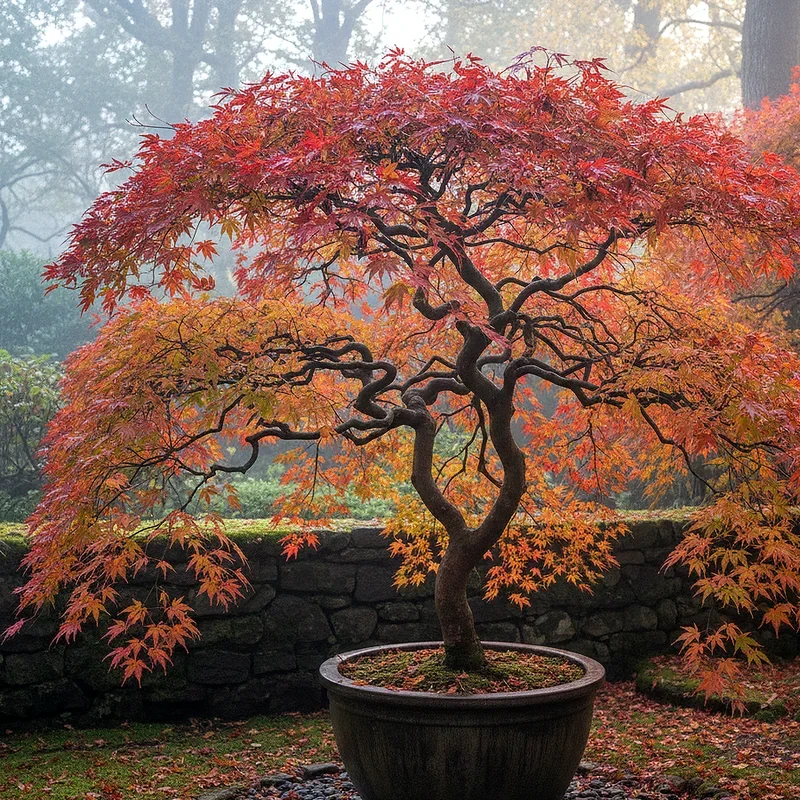
Japanese maples prove that great things truly do come in small packages. These artistic trees rarely exceed twenty-five feet, making them ideal for courtyards, smaller gardens, or anywhere you need fall color without overwhelming scale. Available in hundreds of cultivars, they offer incredible variety in leaf shape, growth habit, and autumn color ranging from crimson red to burnt orange and golden yellow. Some varieties maintain deep purple foliage all season before intensifying to brilliant red in fall. They prefer zones five through eight and appreciate afternoon shade in hotter climates. Think of them as living sculptures that provide architectural interest throughout the year while delivering knockout color when autumn arrives. Their delicate branching patterns remain beautiful even after leaves drop.
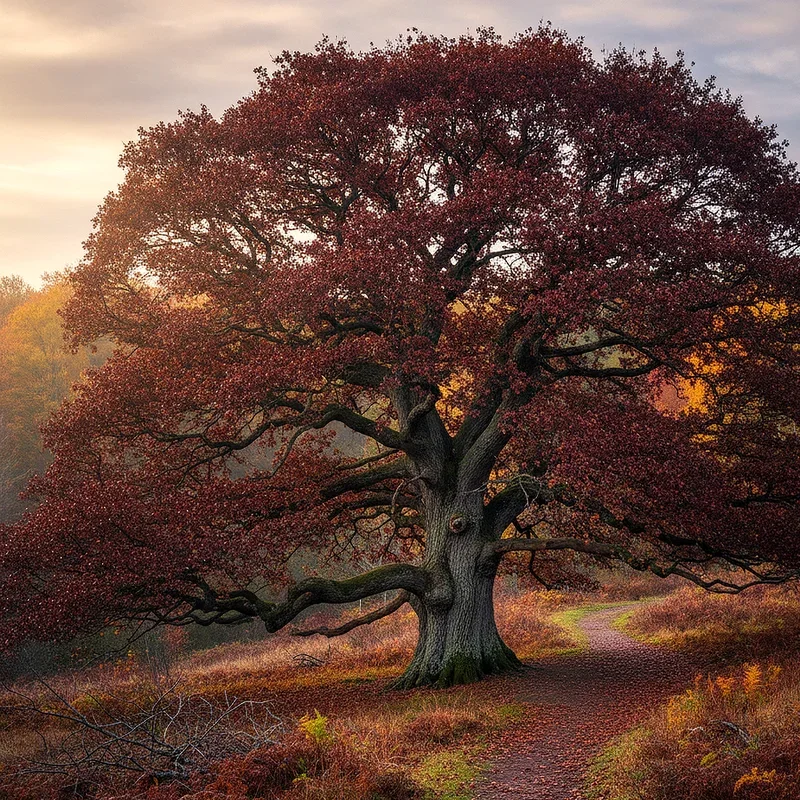
4. White Oak: Majestic Burgundy Presence
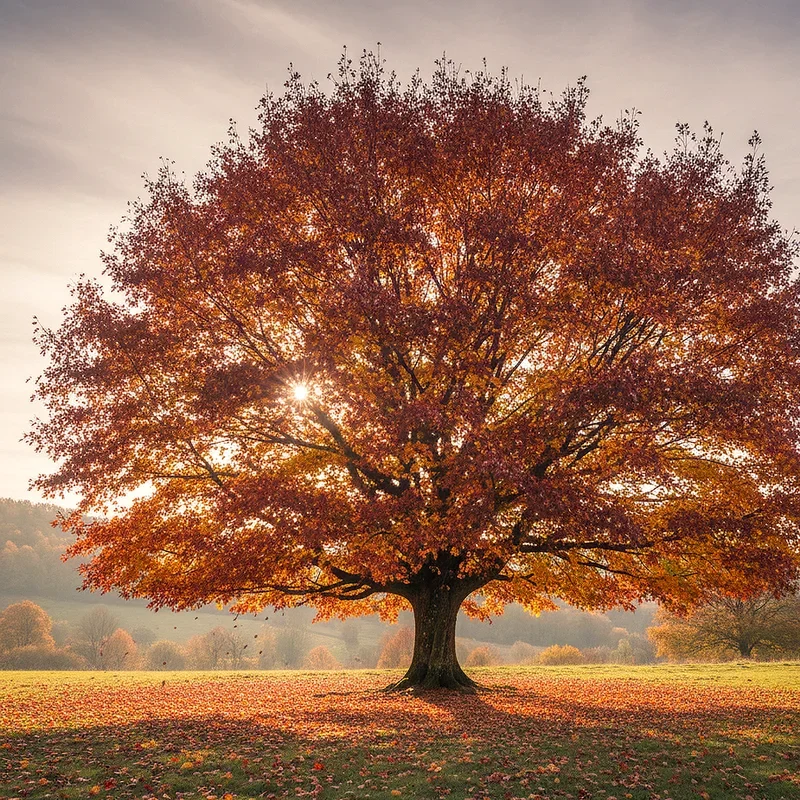
White oaks bring understated elegance to fall landscapes with their rich burgundy and russet tones that develop later in the season than many other trees. These long-lived giants can grace your property for generations, often living several hundred years while growing fifty to eighty feet tall. They're slower growing than maples, but their investment pays dividends in longevity and wildlife value. White oaks produce acorns that feed countless birds, squirrels, and deer throughout winter months. Their fall color may not scream for attention like sugar maples, but their deep wine-red hues provide sophisticated warmth that complements brighter trees beautifully. They thrive in zones three through nine and prefer deep, moist, well-drained soils where their extensive root systems can establish properly.
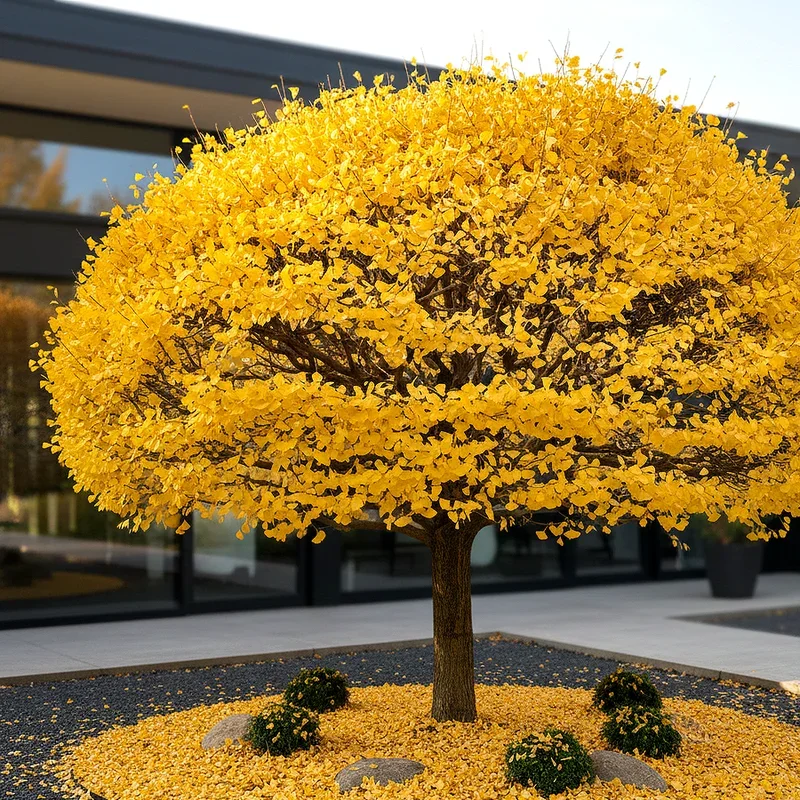
5. Ginkgo: Ancient Gold for Modern Gardens
Ginkgo trees connect your landscape to ancient history, as they're virtually unchanged from fossils dating back millions of years. Their unique fan-shaped leaves turn the most spectacular butter-yellow gold imaginable, often all at once, creating a stunning golden carpet beneath the tree when they drop. Male trees are preferred since female trees produce fruit with an unpleasant odor. Ginkgos adapt remarkably well to urban conditions, tolerating pollution, compacted soil, and restricted root space better than most trees. They grow slowly to moderate speed, eventually reaching forty to eighty feet depending on variety. Hardy in zones three through eight, they bring prehistoric charm and reliable fall color to contemporary gardens. Their distinctive leaves and upright form make them conversation starters that stand out from typical landscape choices.
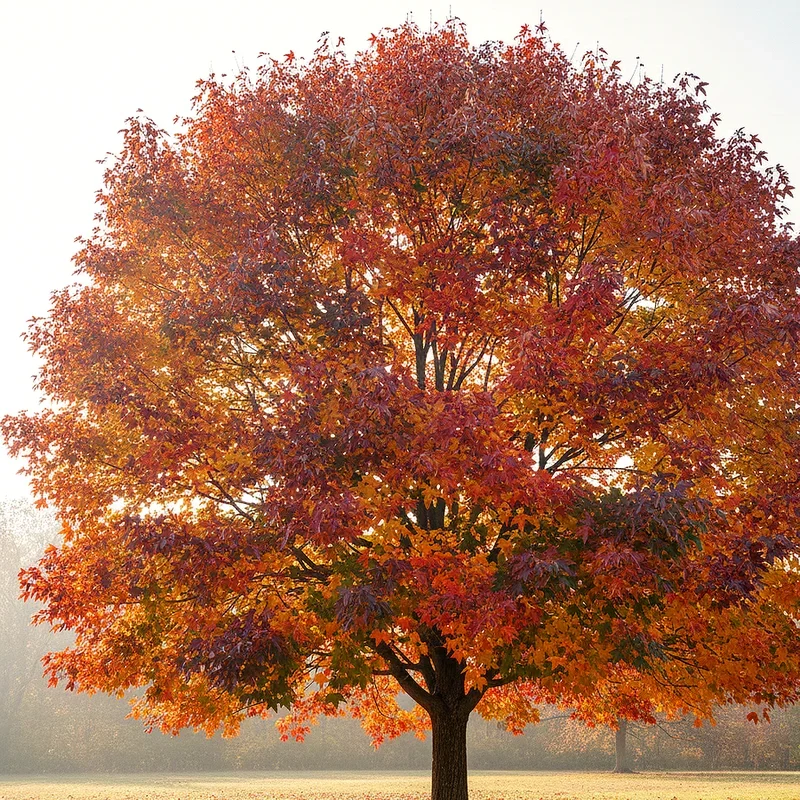
6. Sweetgum: Stunning Star-Shaped Foliage
Sweetgum trees offer incredible value with their distinctive star-shaped leaves that transform into a kaleidoscope of yellow, orange, red, and purple simultaneously. This multi-hued display sets them apart from single-color trees, creating visual interest that changes as you view the tree from different angles. They grow vigorously, reaching sixty to seventy-five feet at maturity, and thrive in zones five through nine. Sweetgums adapt to various soil types and conditions, though they prefer moist locations. One consideration is their spiky seed balls, which some homeowners find messy, though fruitless varieties eliminate this concern. Their symmetrical pyramidal shape and glossy summer foliage make them attractive all season, but autumn is when they truly shine. The color intensity rivals any tree, making sweetgums deserving of prominent placement in your landscape design.
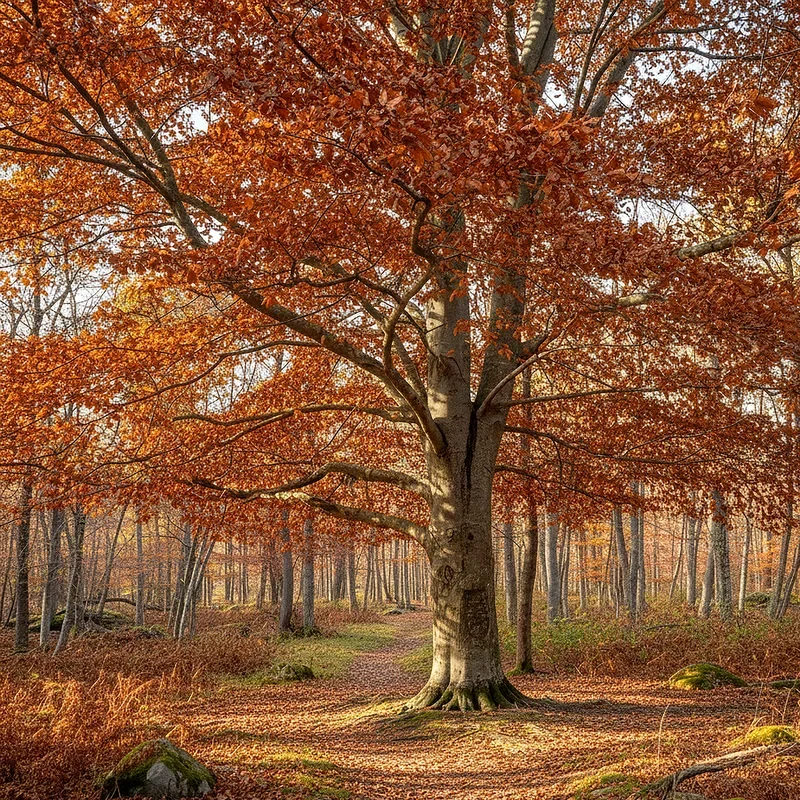
7. American Beech: Copper Elegance That Lingers
American beech trees take a different approach to autumn, developing warm copper and bronze tones that often persist well into winter, providing color when most other trees stand bare. Their smooth gray bark adds year-round interest, while their elliptical leaves rustle musically in breezes. Beech trees grow fifty to seventy feet tall and prefer zones three through nine with rich, well-drained soil. They're somewhat slow-growing but worth the patience, as mature specimens become landscape focal points with their spreading canopy and distinctive appearance. Their leaves cling stubbornly to branches through winter, especially on younger trees, extending the visual interest months beyond typical deciduous trees. Beech nuts provide valuable food for wildlife, and the dense canopy creates wonderful shade. These trees deserve consideration if you appreciate subtle beauty and extended seasonal interest.
8. Black Tupelo: Fiery Brilliance for Wildlife
Black tupelo, also called black gum, explodes into some of fall's most intense colors, with leaves turning brilliant scarlet, orange, and yellow, often on the same tree simultaneously. This native beauty thrives in zones three through nine and tolerates a range of soil conditions, including wet areas where many trees struggle. Growing thirty to fifty feet tall with a somewhat irregular, horizontal branching pattern, black tupelos bring natural character to landscapes without appearing overly formal. Their small blue-black berries appear in late summer, attracting over thirty species of birds who eagerly devour them. The combination of outstanding fall color and significant wildlife value makes black tupelo an ecological powerhouse. They're relatively low-maintenance once established and resist most pests and diseases. Consider them for rain gardens, naturalized areas, or anywhere you want dramatic color supporting local ecosystems.
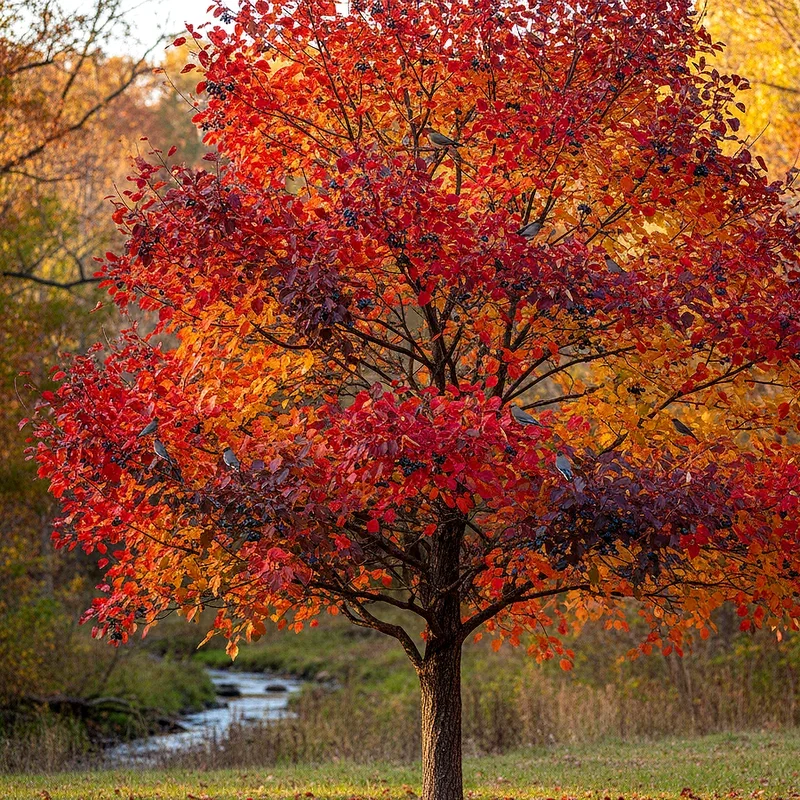
9. Serviceberry: Multi-Season Beauty in One Tree
Serviceberry trees deliver value across all four seasons, starting with white spring flowers, progressing to edible purple berries in summer, and culminating in gorgeous yellow-orange-red fall foliage. These small to medium trees typically reach fifteen to twenty-five feet, making them perfect for smaller properties or as understory trees beneath larger specimens. They thrive in zones four through nine and adapt to sun or partial shade. The berries taste delicious fresh or in pies and jams, though you'll need to beat the birds to them since wildlife loves them too. Serviceberries work beautifully planted in groups, as single specimens, or even as large shrubs depending on pruning. Their delicate appearance belies their toughness, as they handle urban conditions reasonably well. For maximum impact, plant them where you'll see them from windows so you can enjoy their beauty daily.
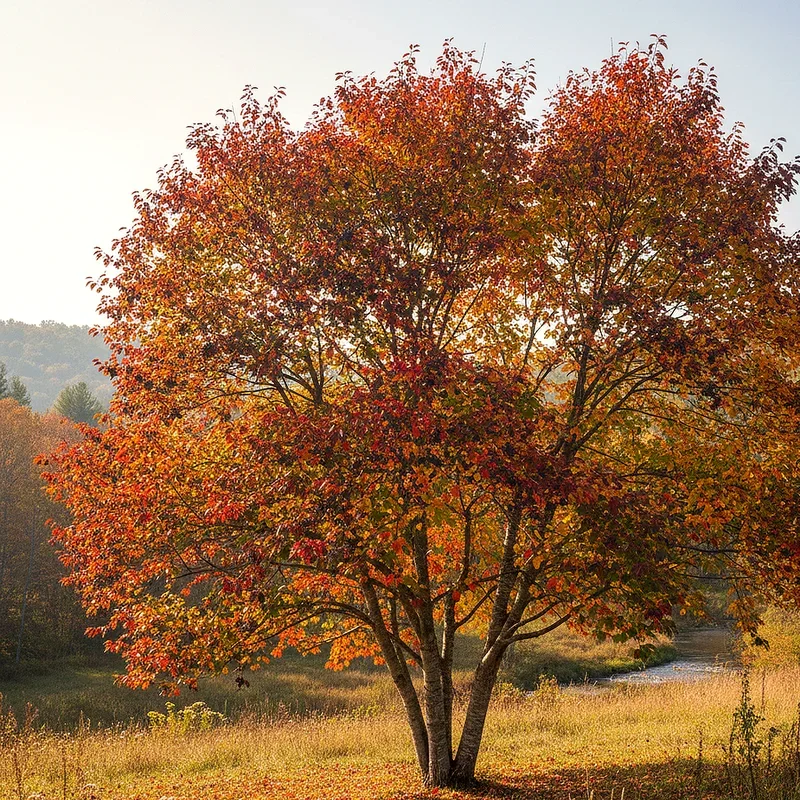
10. Sassafras: Aromatic Fall Color Variety
Sassafras trees bring something unique to autumn landscapes: leaves in three different shapes on the same tree, all turning various shades of yellow, orange, and red simultaneously. This variety creates visual texture that single-leaf-form trees cannot match. Growing thirty to sixty feet tall, sassafras thrives in zones four through nine and actually prefers somewhat poor, well-drained soil. The roots and bark emit a distinctive pleasant fragrance when scratched, and historically they were used for tea and root beer flavoring. Sassafras spreads through root suckers, potentially forming colonies if left unchecked, though this can create naturalized groves with stunning collective fall displays. Their irregular growth habit lends an informal, naturalistic appearance that works perfectly in casual landscape designs. These trees remain somewhat underutilized, making them excellent choices for gardeners wanting something different from typical selections.
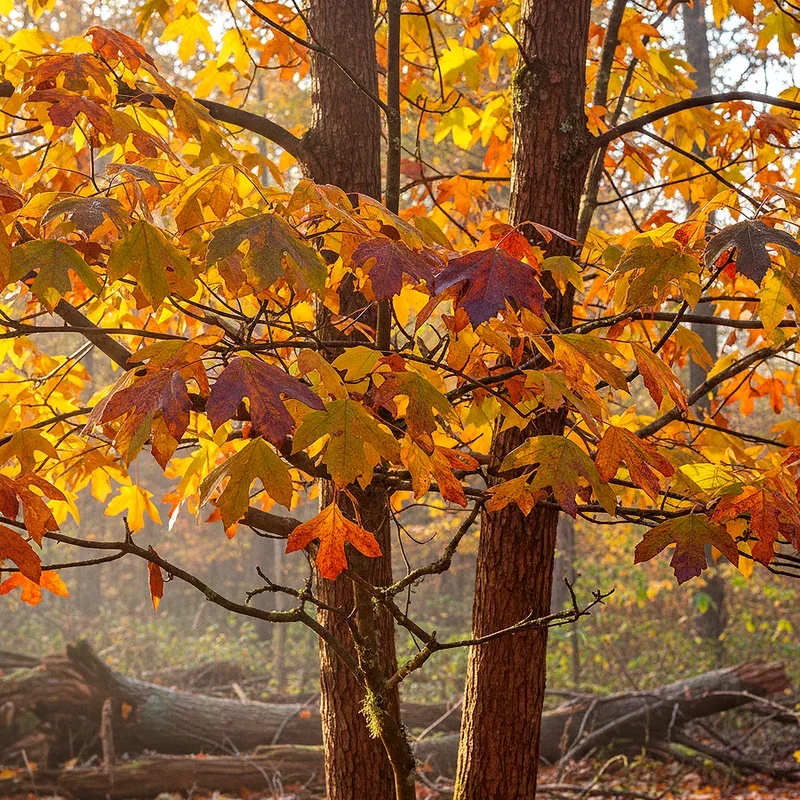
11. Dogwood: Layered Color Throughout Autumn
Dogwood trees offer elegant understory beauty with their horizontal branching pattern and spectacular fall foliage that ranges from red to reddish-purple. These smaller trees, typically reaching twenty to thirty feet, work wonderfully beneath taller shade trees or as focal points in intimate garden spaces. They thrive in zones five through nine and prefer afternoon shade in warmer climates. Spring brings their famous white or pink bracts that many mistake for flowers, while fall delivers both colorful foliage and bright red berries that persist into winter. Dogwoods require consistent moisture and well-drained, slightly acidic soil for best performance. Their layered branching creates architectural interest even in winter when bare. Plant them where their delicate beauty can be appreciated up close, perhaps near patios or along woodland paths. They represent classic elegance that never goes out of style in landscape design.
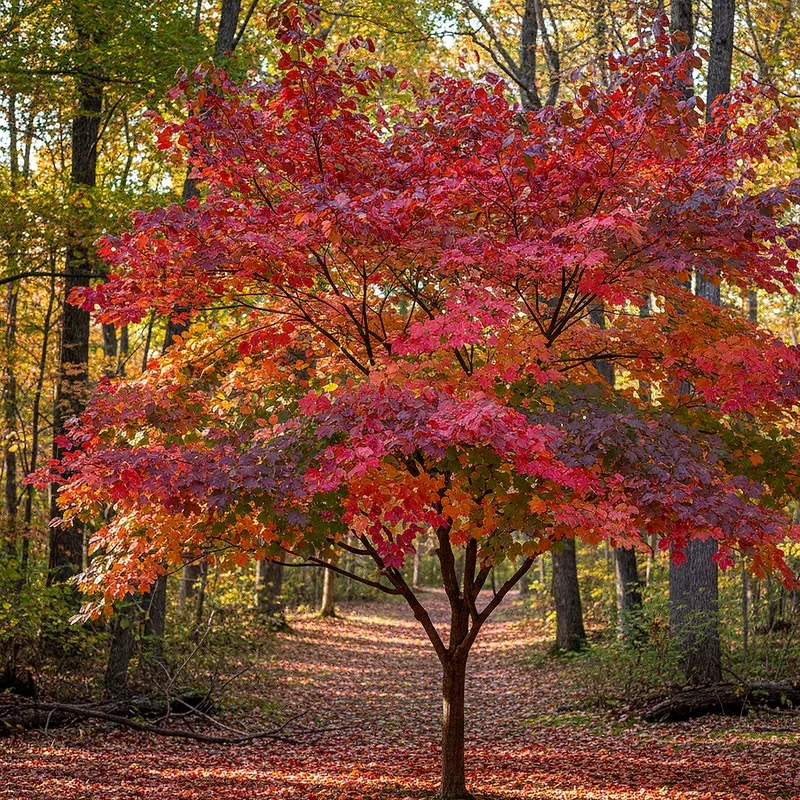
12. Sourwood: Cascading Crimson Display
Sourwood trees deserve much wider recognition for their outstanding fall color, which typically glows in shades of crimson, scarlet, and burgundy that rival any autumn tree. These native beauties grow twenty-five to thirty feet tall with a somewhat slender, upright form that fits easily into smaller landscapes. They produce fragrant white flowers in summer that yield nectar for excellent honey, followed by persistent seed capsules that add winter interest. Sourwood thrives in zones five through nine but requires acidic soil and consistent moisture to perform best. Their fall color often appears earlier than many trees, extending your autumn display season. The somewhat drooping branch tips give them graceful character, and they make excellent specimen trees where their beauty can shine. Sourwood remains relatively pest and disease-free, requiring minimal maintenance once properly established in suitable conditions.
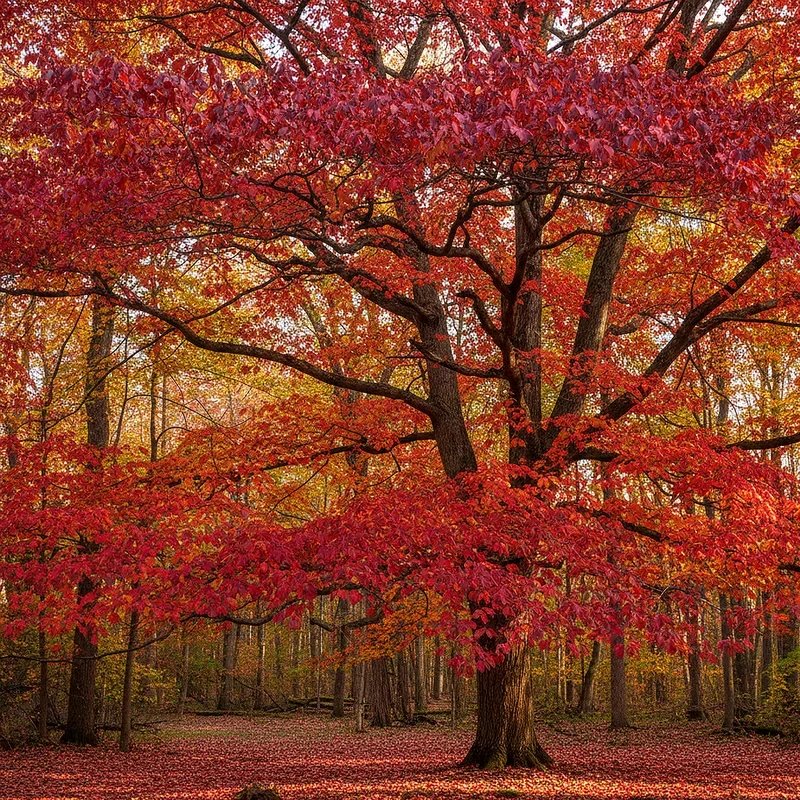
13. Ash Trees: Plum Purple Fall Drama
While emerald ash borer concerns have affected ash tree populations in some regions, in appropriate areas, these trees deliver unique plum-purple and burgundy fall colors that distinguish them from typical red and yellow autumn trees. White ash and green ash grow rapidly, reaching fifty to eighty feet, and thrive in zones three through nine. Their compound leaves create fine-textured canopies that cast dappled shade, and their fall color can be quite variable, sometimes including yellow and orange along with purple tones. Ash trees prefer moist, well-drained soils but adapt to various conditions. Before planting ash trees, check with local extension services about emerald ash borer presence in your area and consider resistant varieties or preventative treatments if recommended. Where appropriate, they offer valuable shade and distinctive autumn color that adds variety to landscapes dominated by more common color schemes.
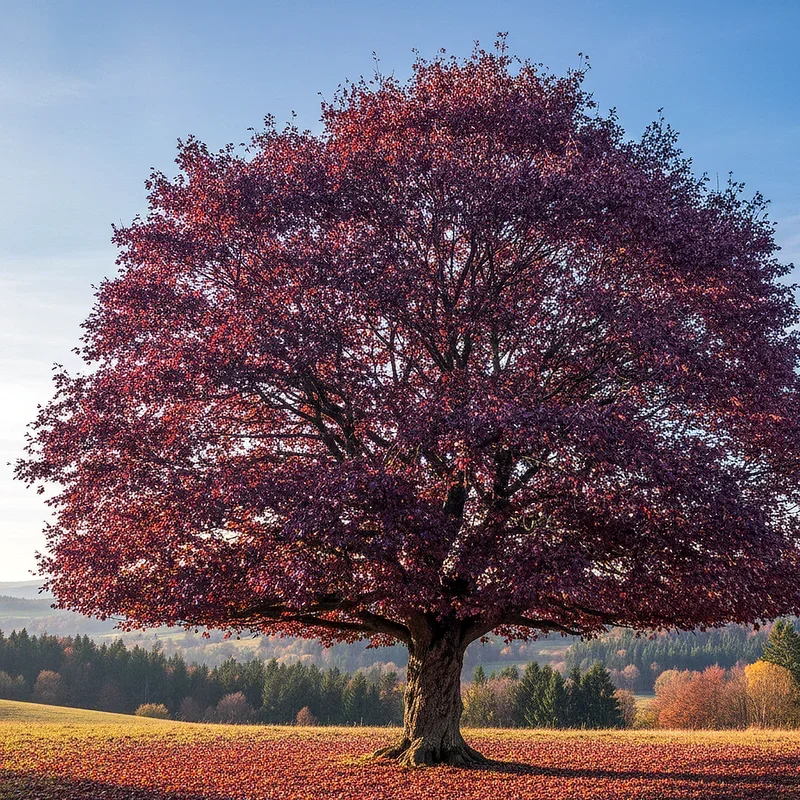
14. Aspen: Shimmering Golden Columns
Aspen trees bring movement and sound to fall landscapes with their distinctive leaves that flutter and shimmer in the slightest breeze, creating dancing patterns of golden light. Their fall color ranges from bright butter-yellow to gold, typically appearing uniform across entire groves. Aspens grow quickly, reaching forty to fifty feet, and thrive in zones one through seven, preferring cooler climates. They spread through root systems, potentially forming colonies that create dramatic golden displays when autumn arrives. Their smooth white bark with black markings provides year-round visual interest and photogenic beauty. Aspens work best in naturalized settings or larger properties where their spreading tendency becomes an asset rather than a problem. They prefer full sun and well-drained soil. Consider them if you're creating a mountain aesthetic or want the sight and sound of rustling golden leaves filling your landscape each fall.
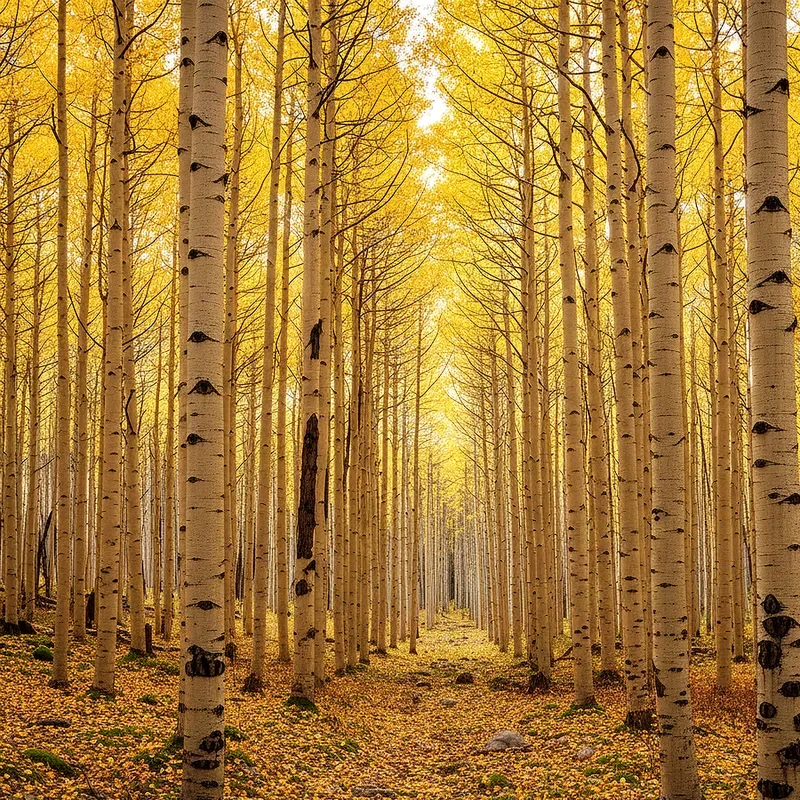
15. Persimmon: Dual-Purpose Autumn Treasure
Persimmon trees offer something most ornamental trees cannot: delicious fruit alongside beautiful fall color. Their leaves turn shades of yellow, orange, and reddish-purple in autumn, while their orange fruits ripen and persist even after leaves drop, creating striking ornamental displays. American persimmons grow thirty to sixty feet and thrive in zones four through nine, while Asian varieties stay smaller and suit zones seven through ten. The fruits taste astringent until fully ripe, when they become sweet and delicious for fresh eating, baking, or preserving. Wildlife appreciates persimmons too, with deer, foxes, and numerous birds feeding on fallen fruit. These trees prefer full sun and well-drained soil but tolerate various conditions once established. For fruit production, you typically need both male and female trees unless you select self-fertile varieties. Persimmons bring edible landscaping into autumn's colorful embrace beautifully.
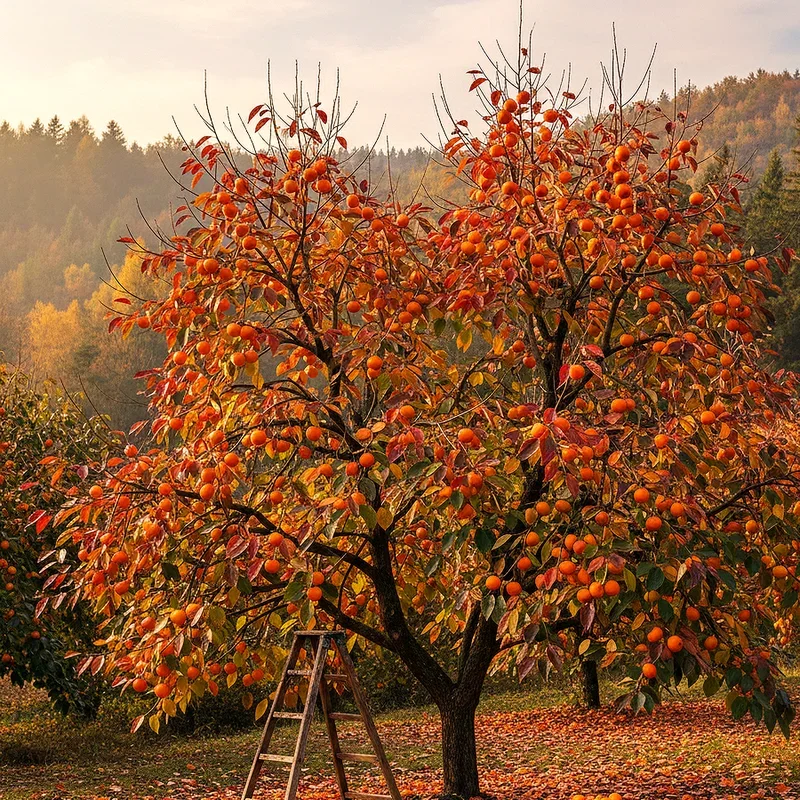
Conclusion
Creating a landscape rich with autumn color transforms your property into a seasonal masterpiece that evolves naturally year after year. These fifteen tree varieties offer diverse options for every yard size, climate zone, and design preference, from towering maples to compact Japanese maples, from golden ginkgos to crimson sourwoods. Remember that successful tree selection considers not just fall color but also growth rate, mature size, soil preferences, and maintenance requirements. Start by evaluating your space and conditions, then choose trees that will thrive naturally rather than struggle. Mixing several varieties creates extended color displays as different trees peak at different times throughout autumn. Your future self will thank you for planting these living investments today.
Read next: 15 Fall Planting Ideas to Boost Your Autumn Garden
Frequently Asked Questions
Q1. Which fall tree grows fastest for quick color results?
A: Red maple grows quickest, often adding two feet annually, delivering autumn color within several years.
Q2. What is the best small fall tree for limited spaces?
A: Japanese maple works perfectly for small spaces, staying under twenty-five feet with outstanding autumn color.
Q3. Do fall trees require special soil to develop good color?
A: Most develop best color in slightly acidic, well-drained soil, though many adapt to various conditions successfully.
Q4. When should I plant fall trees for best establishment?
A: Plant in early spring or fall when temperatures are moderate and rainfall typically provides natural moisture.
Q5. How long before new fall trees show their full color potential?
A: Most trees display good color within three to five years, with peak displays developing around ten years.