15 Sedum Garden Ideas to Create a Low-Maintenance Landscape
Transform your outdoor space with stunning sedum garden ideas that require minimal care while delivering maximum visual impact year-round.
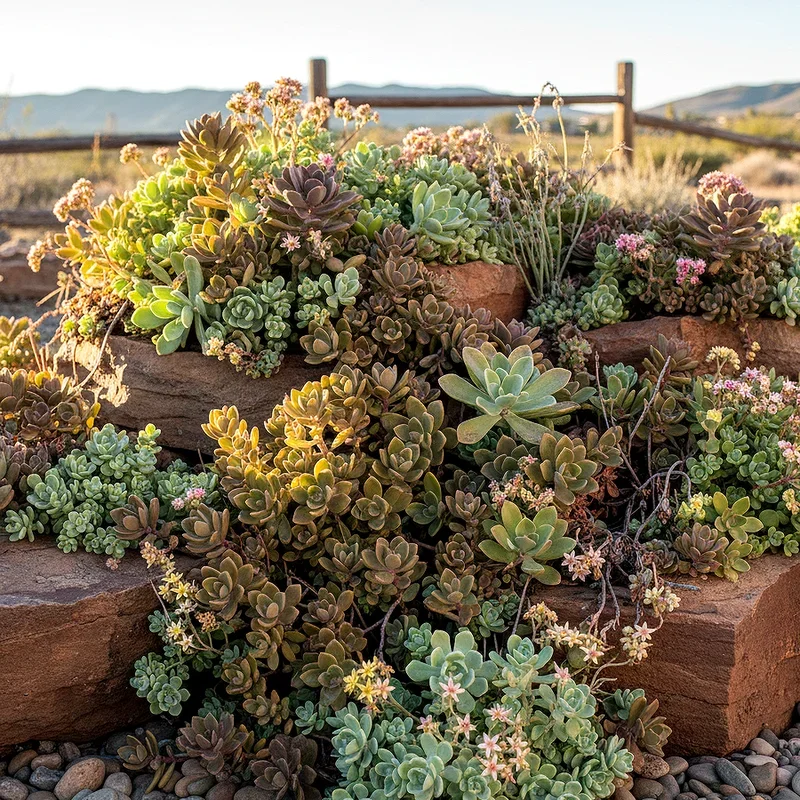
Have you ever dreamed of a garden that practically takes care of itself while still looking absolutely gorgeous? Sedum plants might just be your answer to creating that perfect low-maintenance landscape you've been longing for. These remarkable succulents are nature's gift to busy gardeners and anyone who wants beauty without the constant upkeep. Whether you're dealing with rocky soil, blazing sun, or limited time for garden maintenance, sedums adapt and thrive where other plants simply give up. From ground-hugging varieties that create living carpets to upright types that add architectural interest, sedums offer versatility that few other plants can match.
1. Create a Stunning Sedum Rock Garden
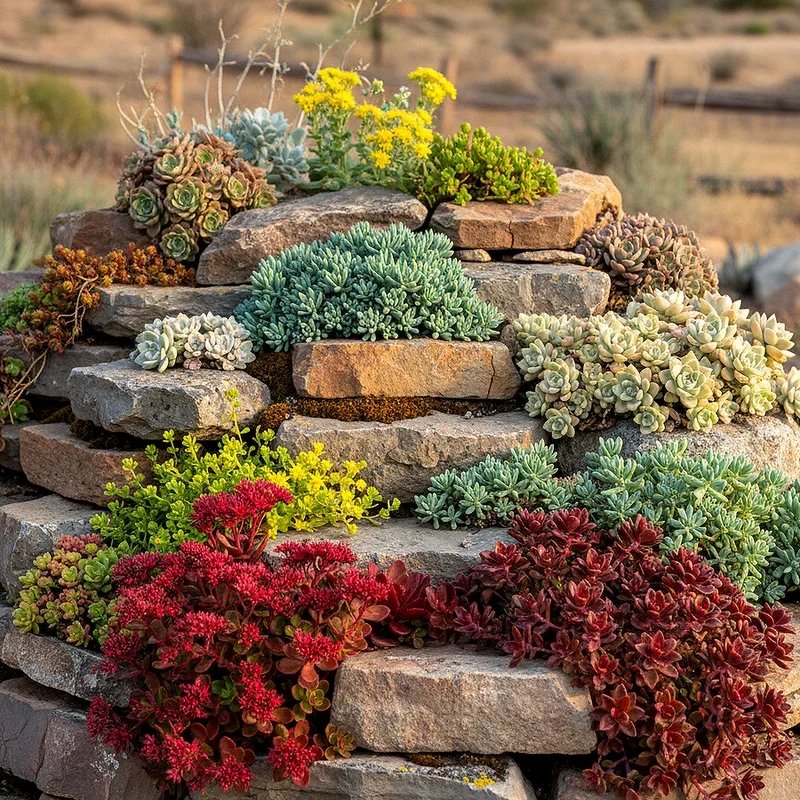
Rock gardens and sedums form a partnership made in horticultural heaven because these plants naturally thrive in mountainous conditions. You'll want to arrange rocks of varying sizes to create natural-looking outcroppings, then tuck different sedum varieties into the crevices between stones. The rocks provide excellent drainage while retaining warmth that sedums love, creating dramatic backdrops that make the plants' colors pop vibrantly. Consider mixing low-growing varieties like Sedum acre with taller types such as Sedum spectabile to add dimensional interest. Once established, your rock garden requires virtually no watering, minimal weeding, and absolutely no fertilizing. This approach delivers maximum visual impact with minimum effort, perfect for those who want stunning landscapes without constant maintenance demands.
2. Design a Colorful Sedum Ground Cover Carpet
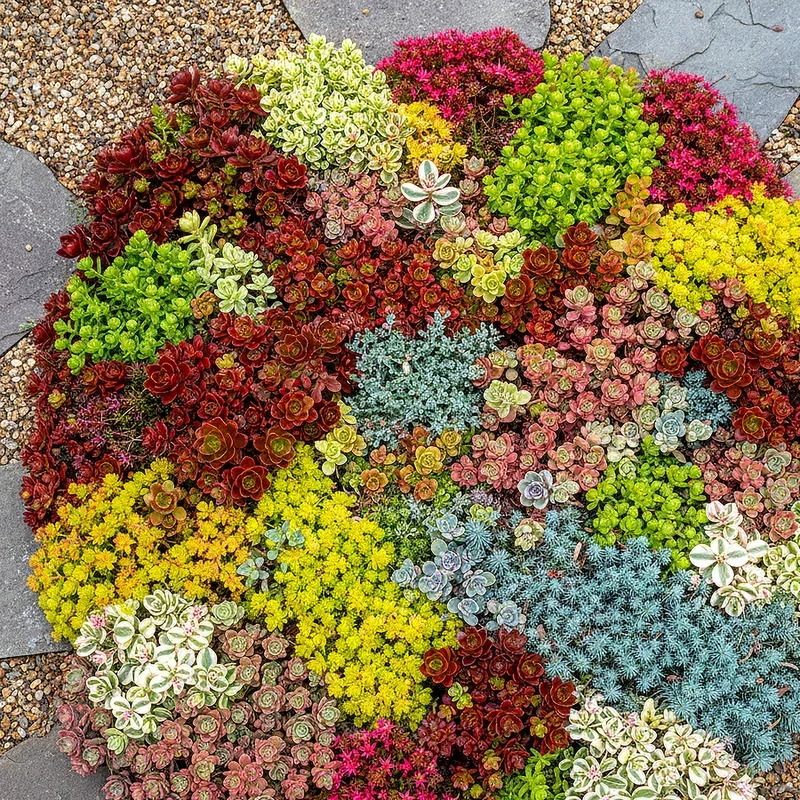
Imagine walking across a living tapestry that changes colors with the seasons while requiring almost zero maintenance beyond occasional admiring glances. Ground cover sedums create dense mats that suppress weeds naturally, eliminate the need for mulching, and provide year-round interest through their foliage and flowers. Varieties like Sedum spurium 'Dragon's Blood' offer burgundy leaves that intensify in cool weather, while Sedum kamtschaticum provides cheerful yellow blooms in summer. Plant them in drifts rather than rigid rows to achieve a more natural appearance that mimics how these plants grow in their native habitats. The ground cover will spread steadily but not aggressively, filling in gaps and creating a cohesive carpet that looks spectacular from every angle.
3. Build a Vertical Sedum Living Wall
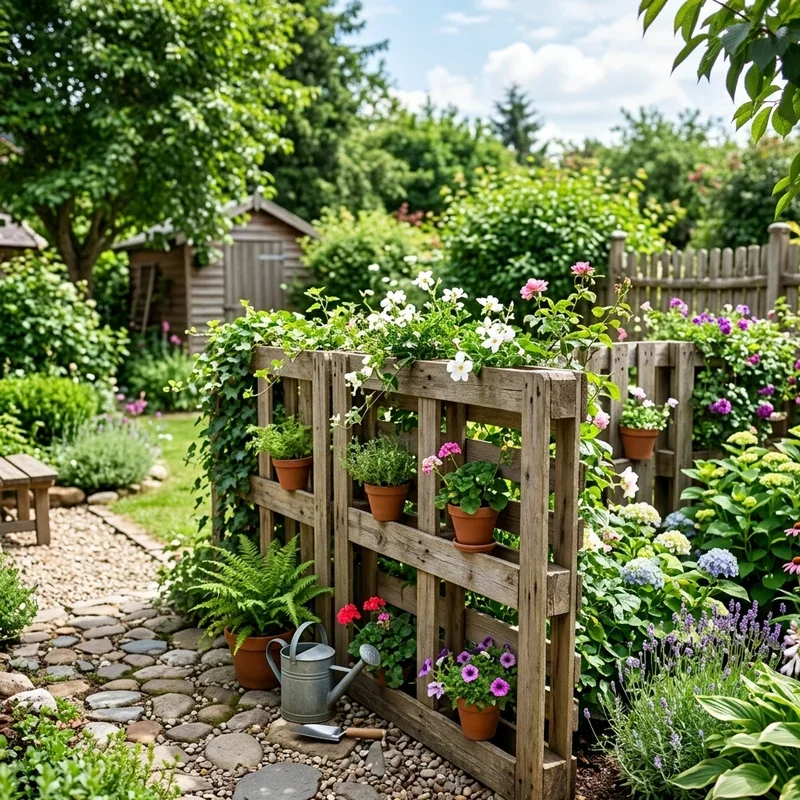
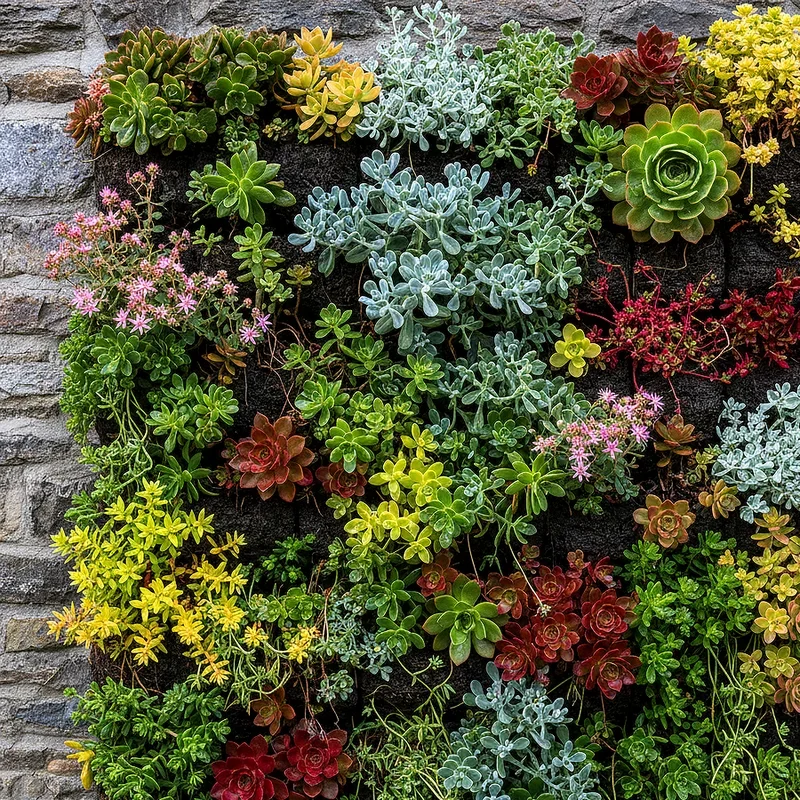
Why limit your sedum garden to horizontal spaces when you can take advantage of vertical surfaces to create breathtaking living art installations? Vertical gardens maximize growing space in small yards while adding architectural interest to blank walls, fences, or structural elements that need softening. You'll need a frame system with pockets that hold growing media, which can be as simple as repurposed pallets or as sophisticated as modular living wall systems. Sedums are ideal for vertical growing because their shallow root systems don't require deep soil, and their drought tolerance means they won't suffer if watering isn't perfectly consistent. Mix different textures and colors to create patterns or gradients that change throughout the seasons, turning your vertical surface into dynamic living sculpture.
4. Establish a Drought-Tolerant Sedum Border
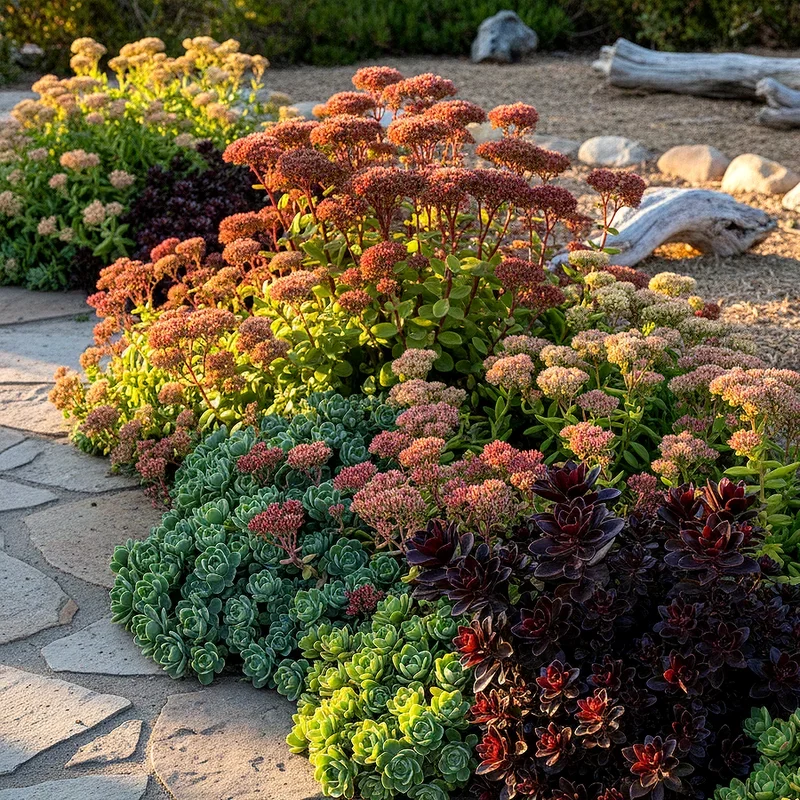
Traditional garden borders demand constant attention with their thirsty perennials and high-maintenance annuals, but sedum borders offer a refreshing alternative that looks amazing while asking almost nothing in return. Plan your border by selecting sedums with varying heights, placing taller varieties like Sedum 'Autumn Joy' toward the back and shorter types such as Sedum reflexum in front to create natural layering. The color progression throughout the growing season provides continuous interest, starting with fresh spring growth, moving through summer blooms, and finishing with stunning fall foliage that often persists attractively through winter. This approach works beautifully along driveways, property lines, or as edging for larger garden beds. Once established, your sedum border will thrive on neglect, actually performing better when you resist the urge to fuss over it.
5. Install a Sedum Green Roof System
Green roofs represent the ultimate expression of sustainable, low-maintenance landscaping, and sedums are the undisputed champions of rooftop planting because they tolerate extreme conditions found on elevated surfaces. These hardy succulents withstand intense sun, strong winds, temperature fluctuations, and periods of drought that would devastate other plants, all while providing insulation, reducing stormwater runoff, and creating habitat for beneficial insects. You'll need to ensure your roof structure can support the additional weight and that proper waterproofing and drainage systems are in place before installation. Sedum mats or plug systems make installation straightforward, and most green roofs become self-sustaining within a single growing season, requiring only occasional weeding and perhaps one or two visits per year to ensure drainage systems remain clear.
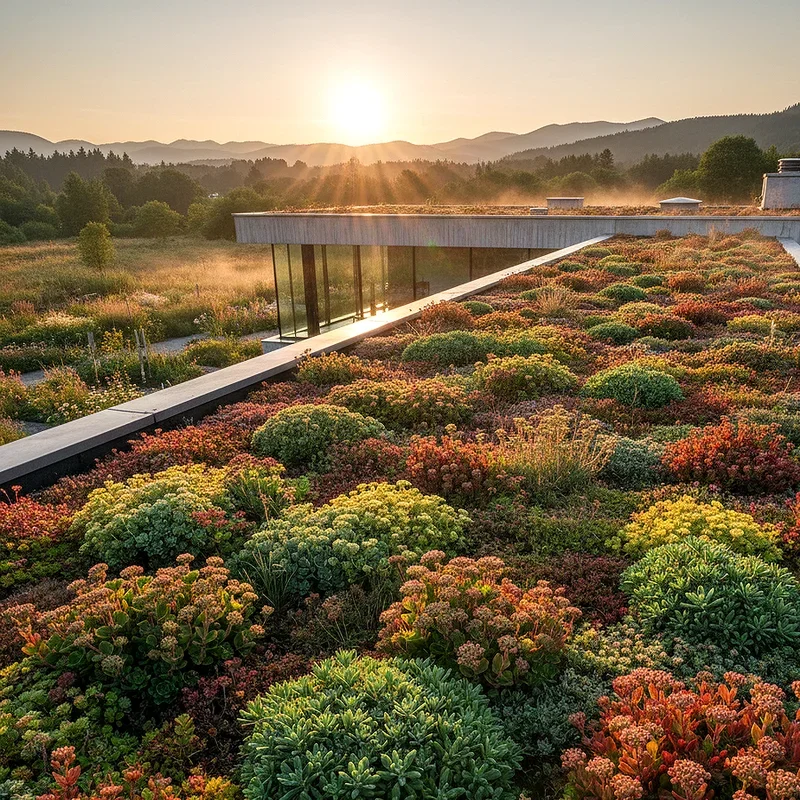
6. Craft a Container Garden with Mixed Sedums
Container gardening with sedums opens up endless creative possibilities while delivering all the low-maintenance benefits these plants are famous for in a portable, versatile format. Choose containers with adequate drainage holes and fill them with a gritty, fast-draining potting mix specifically formulated for succulents and cacti to prevent root rot. The beauty of container cultivation lies in your ability to create miniature landscapes, combining different sedum varieties with complementary textures, colors, and growth habits in a single pot. Arrange your containers in groupings on patios, balconies, or entryways where they'll create focal points that require watering only once every week or two during the growing season. This approach lets renters and those without traditional garden spaces enjoy the beauty of sedums anywhere they choose to display them.
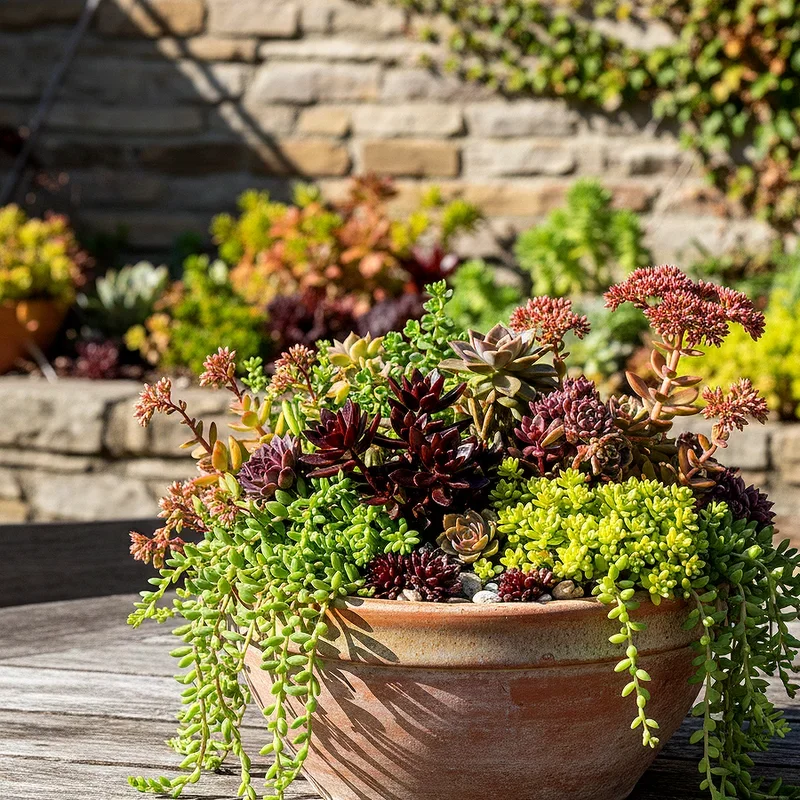
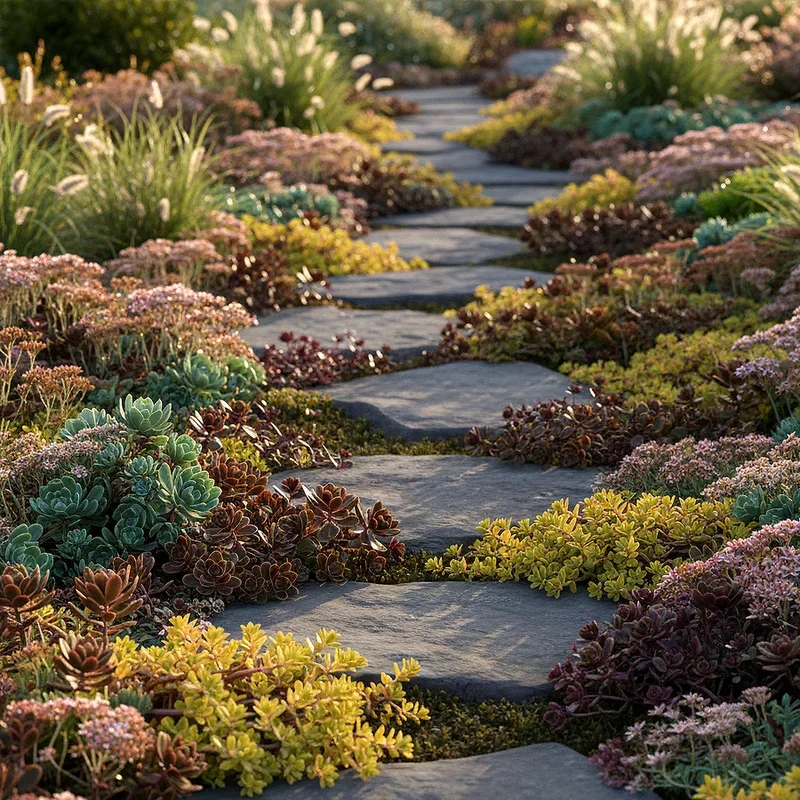
7. Develop a Sedum Pathway with Stepping Stones
Pathways don't have to be lifeless ribbons of pavement when you can create living, breathing corridors that soften hardscaping while maintaining functionality and requiring minimal upkeep. Position stepping stones with adequate spacing for comfortable walking, then plant low-growing, traffic-tolerant sedum varieties like Sedum acre or Sedum album in the gaps between pavers. These tough little plants can handle occasional foot traffic, releasing subtle fragrance when brushed against while creating a naturalistic appearance that conventional pathways simply cannot achieve. The sedums will gradually spread to fill the spaces completely, eliminating weeds and creating a cohesive look that connects your garden's various elements. Best of all, you'll never need to edge, mulch, or fuss with this pathway beyond the occasional trimming if growth becomes too exuberant for your liking.
8. Construct a Sedum-Covered Slope for Erosion Control
Slopes present notorious challenges for gardeners because soil erosion, difficult mowing, and awkward maintenance make them frustrating spaces that often become neglected eyesores rather than garden assets. Sedums transform these problem areas into stunning displays while their extensive root systems stabilize soil and prevent erosion naturally without requiring expensive retaining walls or constant intervention. Begin by preparing the slope to remove existing weeds, then plant sedums in staggered rows, working from the bottom upward to prevent soil disturbance from affecting plants below. Consider installing biodegradable erosion control fabric initially to hold soil in place until the sedums establish their root networks and begin spreading. Within a single growing season, your formerly troublesome slope becomes a carefree feature that looks beautiful from every angle while requiring absolutely no mowing or watering.
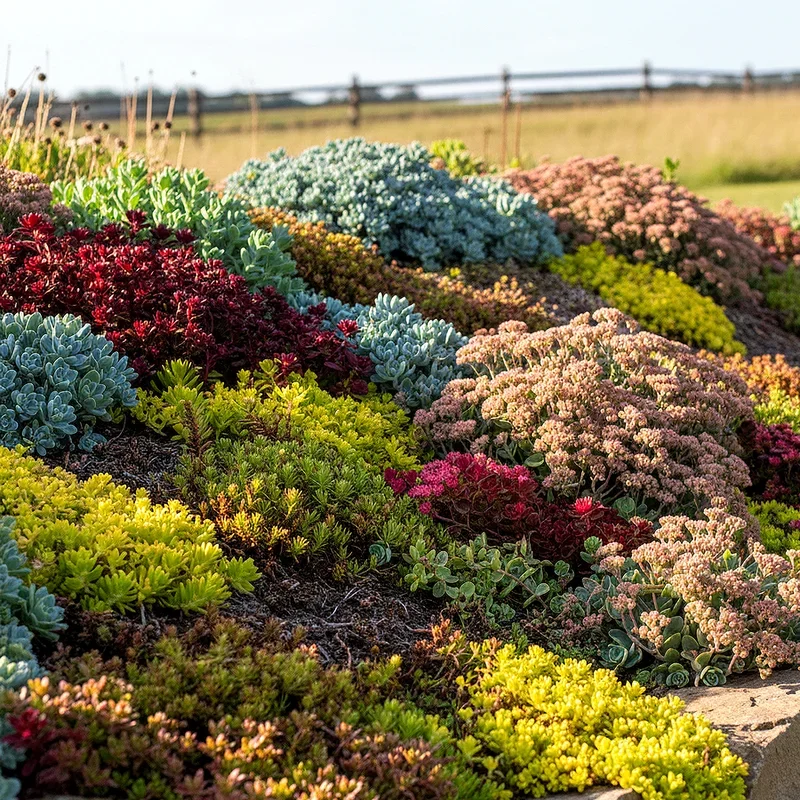
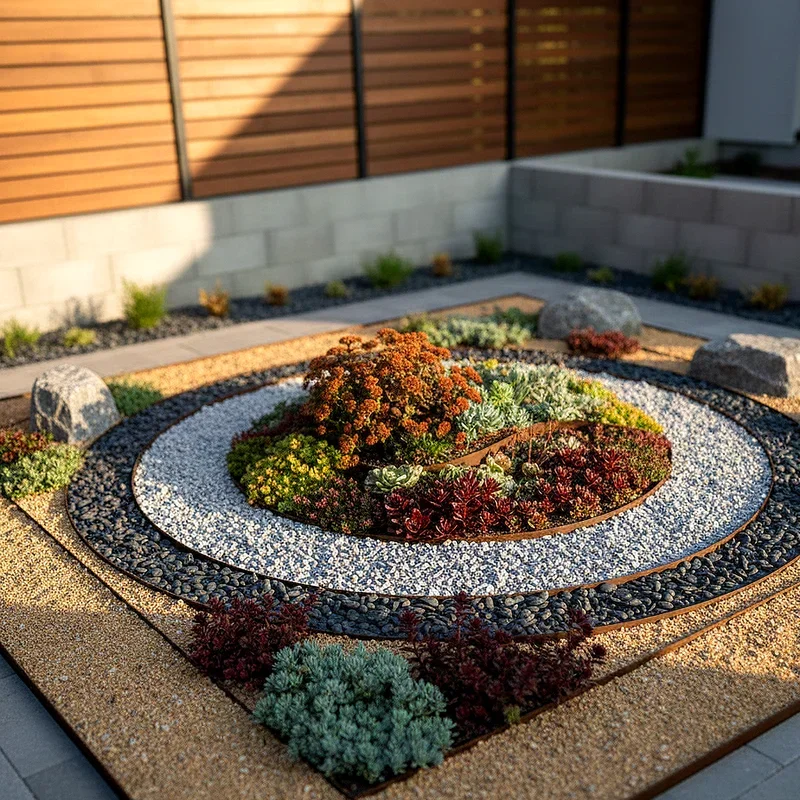
9. Design a Modern Sedum and Gravel Garden
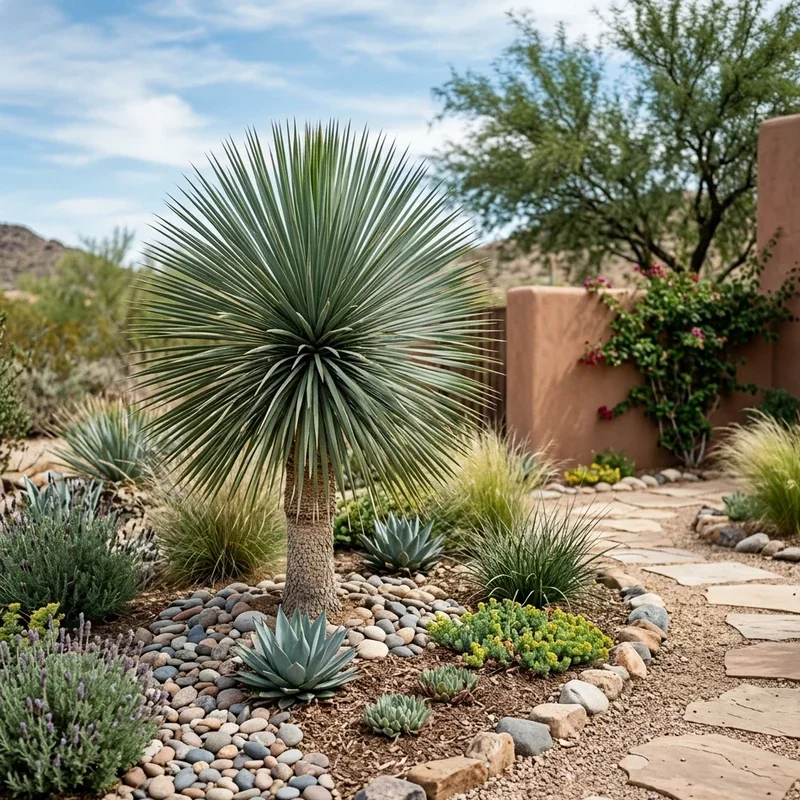
Contemporary landscape design embraces minimalism and sustainable practices, making sedum and gravel combinations perfect for creating gardens that feel fresh, modern, and utterly carefree while reflecting current design sensibilities. Start with a base of crushed stone or decorative gravel in colors that complement your home's exterior, then position sedums in strategic drifts or geometric patterns that create visual interest through repetition and negative space. The contrast between the sedums' soft, organic forms and the gravel's hard, angular texture creates dynamic tension that keeps the eye moving through the space. This style works particularly well for xeriscaping in arid regions, courtyard gardens where formal aesthetics are desired, or any space where you want a polished look without polished maintenance requirements. The gravel suppresses weeds while providing the excellent drainage sedums prefer.
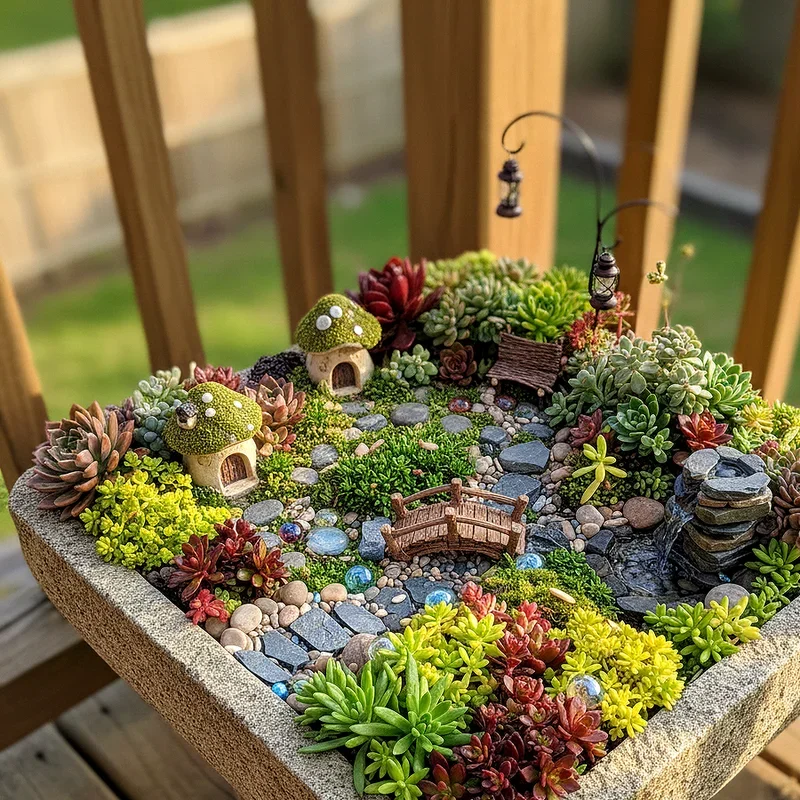
10. Create a Sedum Fairy Garden Display
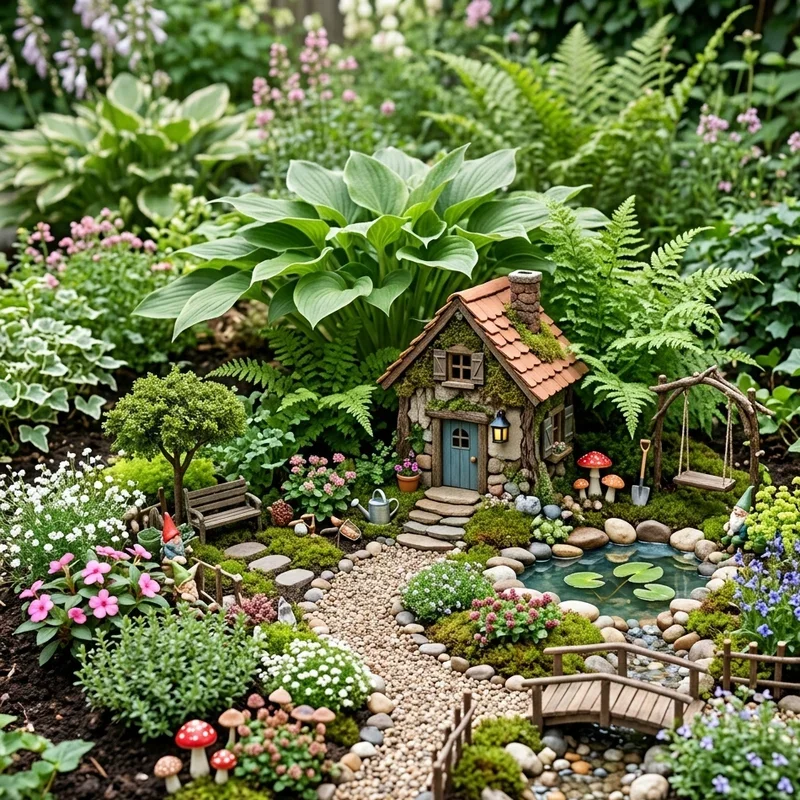
Fairy gardens capture imagination and whimsy while allowing creative expression, and sedums provide the perfect miniature landscape foundation because their small leaves and compact growth habits maintain proper scale in these tiny worlds. Select a shallow container or dedicate a small garden bed section, then choose low-growing sedum varieties that won't quickly outgrow their space or overwhelm your miniature accessories. Position tiny furniture, figurines, pathways, and structures among the sedums to create enchanting scenes that delight children and adults alike while requiring almost no maintenance beyond occasional watering and the fun of rearranging decorative elements. The sedums' changing colors through seasons keep fairy gardens interesting year-round, and their resilience means they'll forgive the inevitable disturbances that come with frequent reimagining of your miniature landscape. This approach makes gardening accessible and enjoyable for beginners.
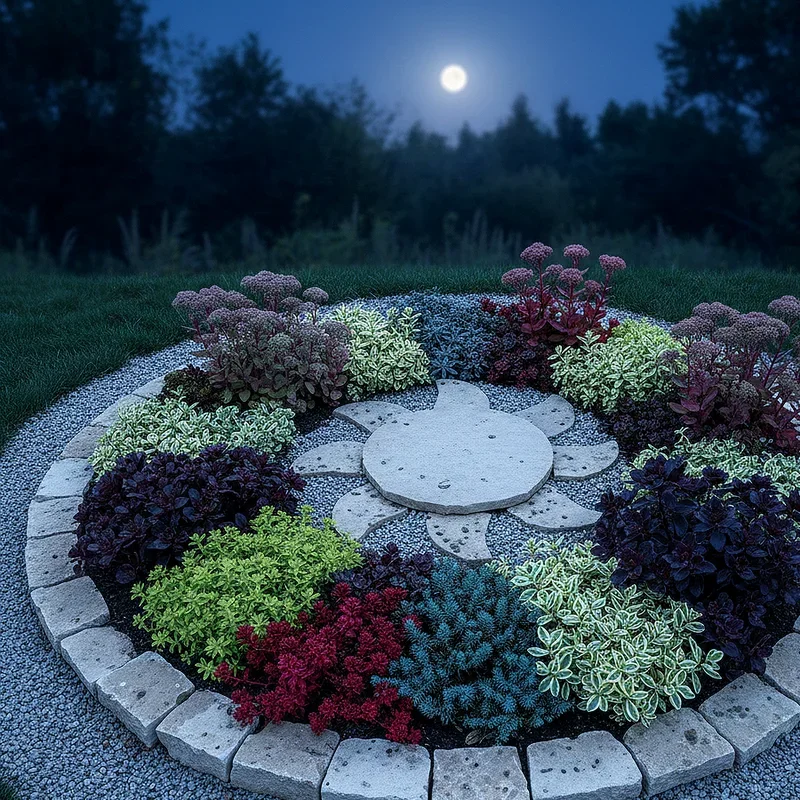
11. Plant a Sedum Moon Garden for Evening Beauty
Evening gardens designed for nighttime enjoyment take on magical qualities, and sedums contribute significantly to these spaces through their pale flowers, silvery foliage, and ability to glow almost luminously under moonlight or landscape lighting. Focus on varieties like Sedum spectabile with its white or pale pink flower clusters, or Sedum sieboldii with its blue-gray foliage edged in pink that catches available light beautifully. Position these plants near seating areas, along pathways you use after dark, or anywhere you want to create ambiance for evening relaxation and entertaining. The beauty of moon gardens extends beyond aesthetics because many sedum varieties that bloom later in the season attract moths and other nocturnal pollinators, adding movement and life to your nighttime landscape. These gardens require the same minimal maintenance as other sedum plantings while offering the bonus of extending your garden's usefulness into evening hours.
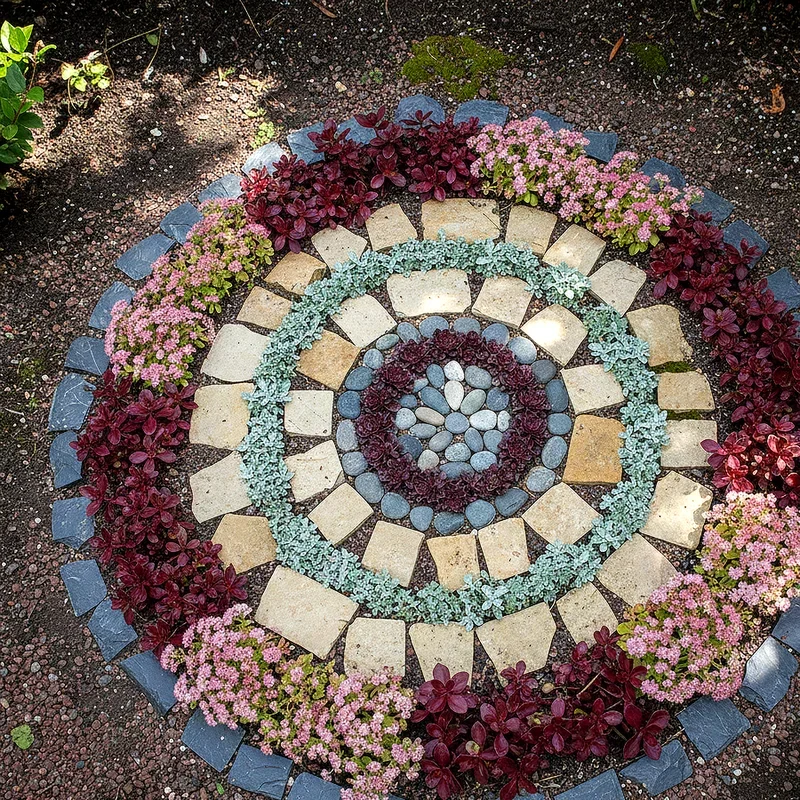
12. Arrange a Sedum and Stone Mosaic Pattern
Garden mosaics transform outdoor spaces into living art installations, and combining sedums with decorative stones allows you to create intricate patterns that remain beautiful throughout the seasons while requiring minimal care. Plan your design on graph paper first, considering how different sedum colors and textures will interact to create your desired effect, whether that's geometric patterns, flowing curves, or pictorial representations. Use stones, pavers, or metal edging to define sections and prevent sedums from spreading beyond their designated areas, maintaining the crisp lines essential for mosaic designs. This approach works beautifully in highly visible locations where you want to make a statement, such as front yard focal points or areas visible from indoor living spaces. The labor investment happens primarily during installation, after which your living mosaic maintains itself with occasional editing to keep boundaries sharp.
13. Establish a Pollinator-Friendly Sedum Meadow
Pollinators face increasing challenges from habitat loss, making gardens that support bees, butterflies, and beneficial insects more important than ever, and sedum meadows deliver exceptional pollinator value while remaining remarkably low-maintenance. Focus on flowering varieties like Sedum spectabile, Sedum telephium, and their cultivars, which produce nectar-rich blooms that attract pollinators from late summer through fall when many other flowers have finished blooming. Plant in sweeping drifts rather than isolated specimens to create the concentrated nectar sources pollinators prefer, and resist the urge to deadhead or cut back plants until spring because seed heads provide winter food for birds while dried foliage offers overwintering habitat for beneficial insects. Your sedum meadow becomes an ecosystem supporting wildlife while asking almost nothing from you beyond the initial planting and perhaps an annual spring cleanup.
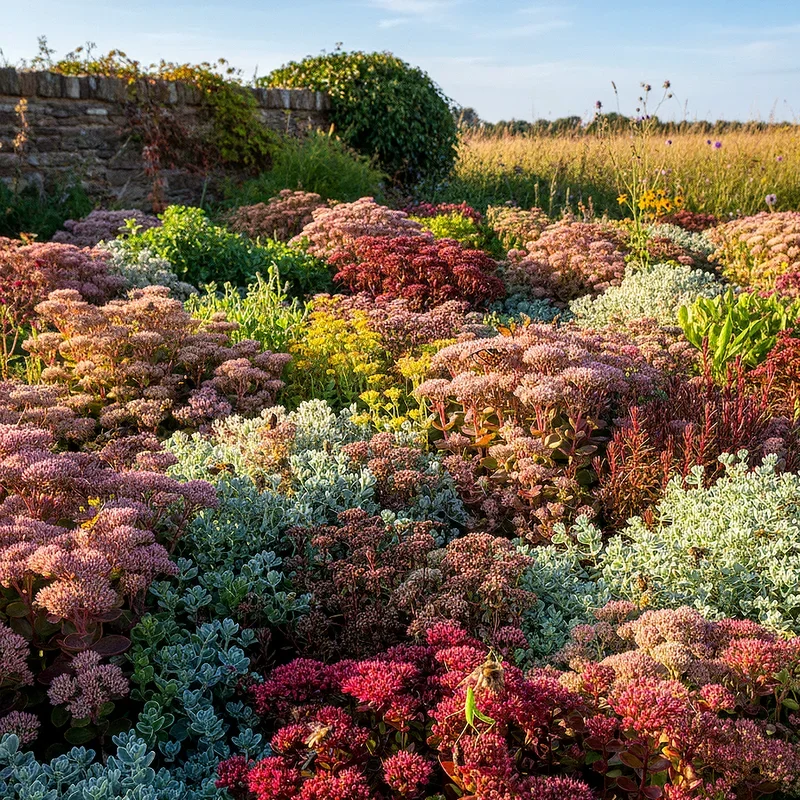
14. Build a Raised Sedum Garden Bed
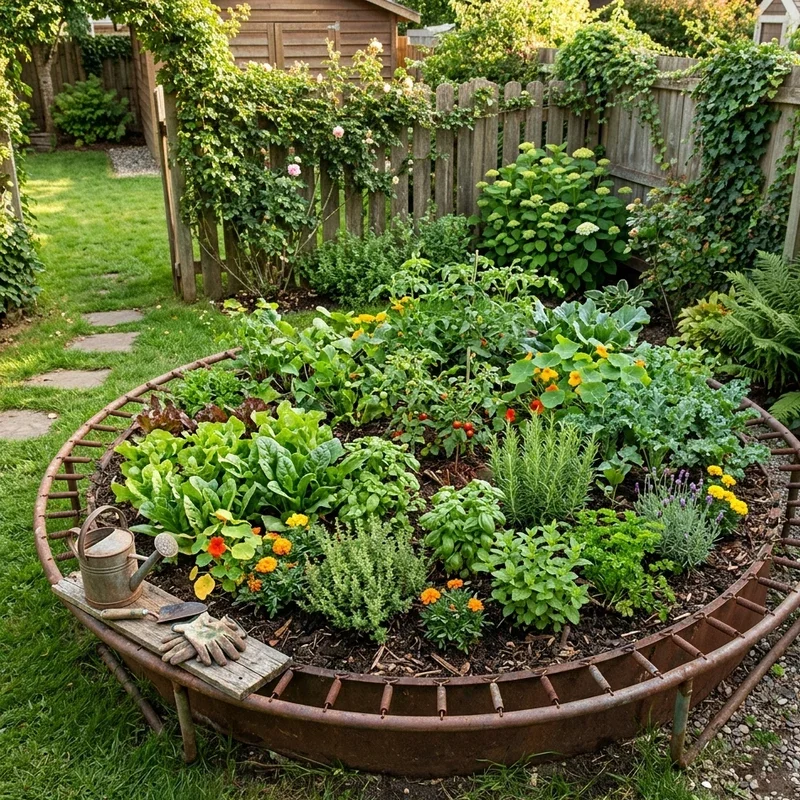
Raised beds solve numerous gardening challenges by improving drainage, warming soil earlier in spring, and bringing plants to more accessible heights, making them perfect structures for showcasing sedums while addressing practical gardening concerns. Construct your bed from wood, stone, brick, or composite materials, ensuring adequate depth for root development even though sedums have relatively shallow root systems compared to other perennials. Fill with a well-draining soil mix heavy on sand or perlite because sedums absolutely require good drainage to prevent root rot and fungal issues. The elevated nature of raised beds showcases trailing varieties beautifully as they spill over edges, creating softening effects that make structural elements feel integrated with surrounding landscape. This approach particularly benefits gardeners with physical limitations because reduced bending makes planting, maintenance, and enjoyment more comfortable and accessible.

15. Design a Year-Round Sedum Color Display
Most gardens experience peak beauty during limited seasons, but strategic sedum selection creates displays that offer visual interest throughout the entire year, ensuring your landscape never looks dormant or neglected regardless of weather conditions. Begin with early-blooming varieties like Sedum acre that flower in late spring, transition to summer bloomers such as Sedum kamtschaticum, feature fall stars like Sedum 'Autumn Joy', and include evergreen types that maintain color through winter months in mild climates. Pay attention to foliage colors beyond bloom periods because many sedums offer burgundy, blue-gray, or chartreuse leaves that provide constant interest even when flowers aren't present. Layer plants with different heights and textures to create depth that keeps the eye engaged, and position your year-round display where you'll see it frequently from windows, pathways, or outdoor living spaces to maximize enjoyment.
Conclusion
Creating a stunning landscape doesn't have to mean endless weekends spent weeding, watering, and worrying about whether your plants will survive. Sedum gardens prove that beauty and low maintenance can coexist perfectly, offering you gorgeous outdoor spaces that practically care for themselves. These remarkable plants adapt to challenging conditions, provide year-round interest, and ask almost nothing in return except a bit of sunshine and decent drainage. Whether you choose rock gardens, living walls, or colorful borders, sedums deliver consistent performance that lets you spend more time enjoying your garden and less time working in it. Transform your landscape with these versatile succulents and discover the freedom that comes with gardening smarter rather than harder.
Read next: 15 Inspiring Succulent Garden Ideas for Your Home
Frequently Asked Questions
Q1: How often should I water established sedum gardens?
A: Water only during extended droughts, typically once every two to three weeks maximum in summer.
Q2: Can sedums survive harsh winter temperatures in cold climates?
A: Most sedum varieties tolerate temperatures to minus twenty degrees Fahrenheit or colder when established properly.
Q3: Do sedum gardens require fertilization to maintain their appearance?
A: Sedums thrive without fertilizer, actually preferring lean soil conditions that promote compact, healthy growth patterns.
Q4: How quickly will sedums spread to fill in garden spaces?
A: Most varieties fill in within one to two growing seasons depending on planting density initially.
Q5: Are sedum gardens safe for households with pets and children?
A: Yes, sedums are non-toxic to pets and humans, making them excellent family-friendly landscaping choices.