15 Woodland Garden Ideas to Create a Forest Feel
Transform your backyard into an enchanting forest retreat with these 15 woodland garden ideas featuring native plants, natural pathways, and shade-loving flora.
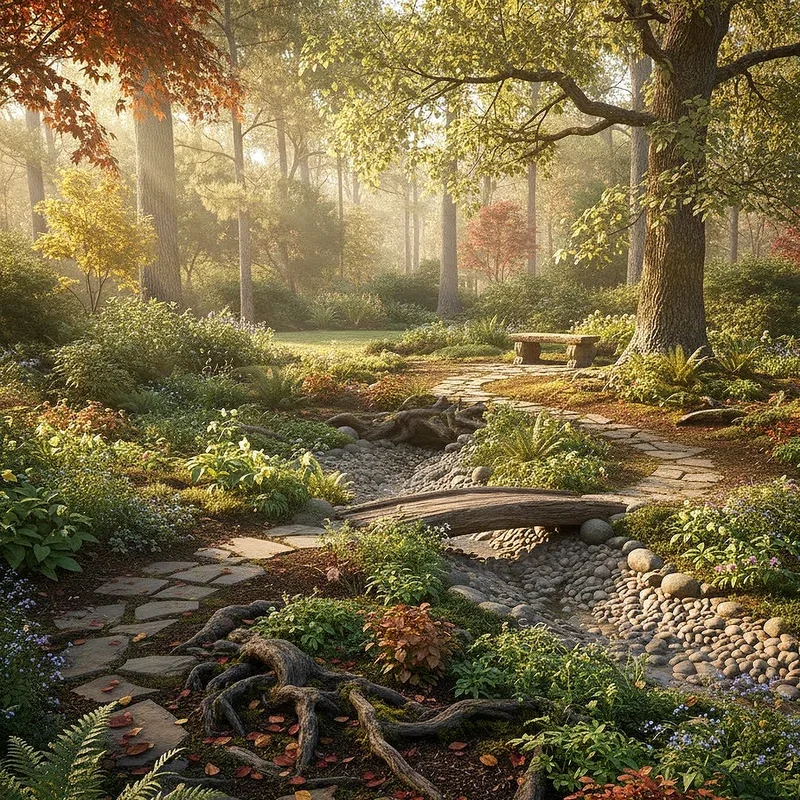
Have you ever wandered through a forest and felt that magical sense of peace wash over you? That enchanting atmosphere where dappled sunlight filters through the canopy, birds sing their morning songs, and the air feels fresh and alive? You can recreate that same captivating forest ambiance right in your own backyard. Woodland gardens bring the beauty and tranquility of natural forests to residential spaces, creating sanctuaries that feel worlds away from the hustle and bustle of daily life. These gardens work with nature rather than against it, embracing shade, celebrating native plants, and fostering biodiversity. Whether you have a small urban plot or sprawling acreage, woodland gardening principles can transform your outdoor space into a lush, layered paradise. The best part? Once established, these gardens practically maintain themselves, requiring far less intervention than traditional manicured landscapes..
1. Layer Your Planting Like Nature Does
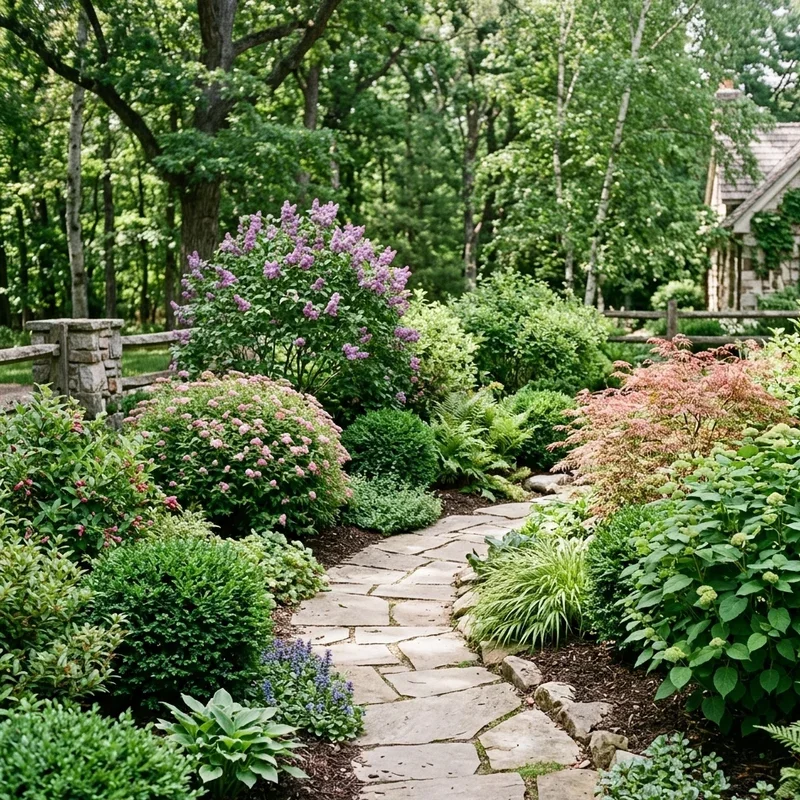
Natural forests grow in distinct layers, and mimicking this structure creates authentic woodland atmosphere in your garden. Start with tall canopy trees that provide overhead shade, then add an understory layer of smaller trees like dogwoods or redbuds. Below that, incorporate shrubs at varying heights to create visual depth and provide habitat for wildlife. The ground layer should feature herbaceous perennials, ferns, and groundcovers that thrive in dappled shade. This layered approach not only looks natural but also maximizes your growing space vertically, allowing you to pack more plant diversity into your woodland garden. Each layer supports the others, creating a self-sustaining ecosystem that requires minimal maintenance once established.
2. Create Winding Natural Pathways
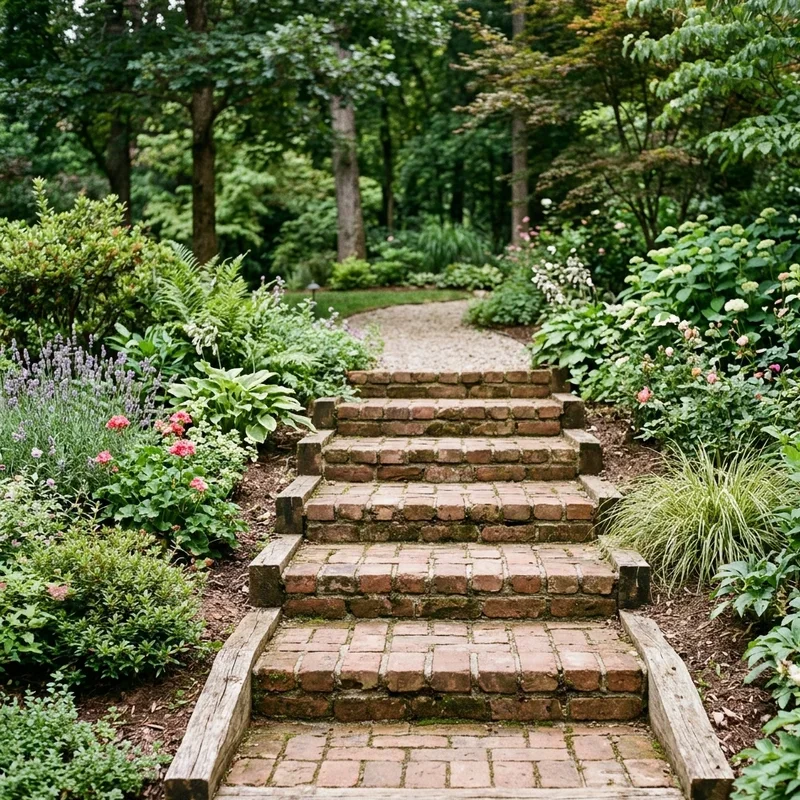
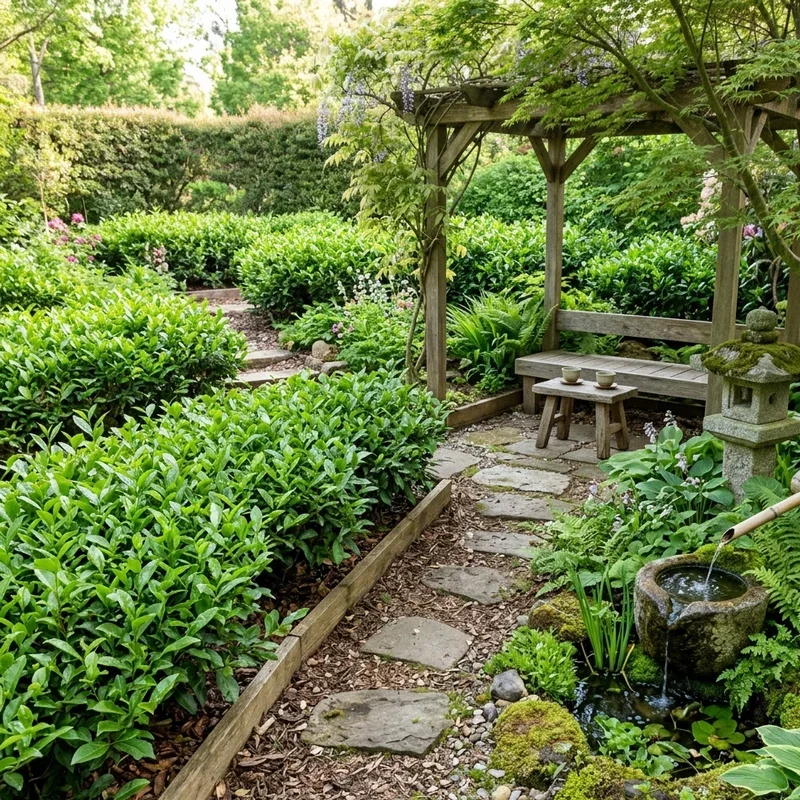
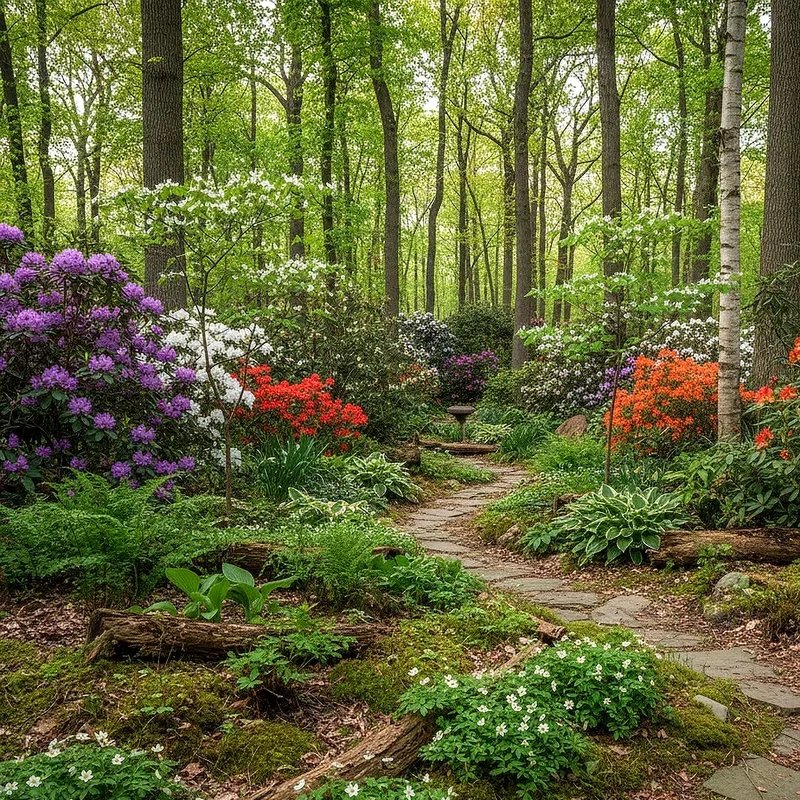
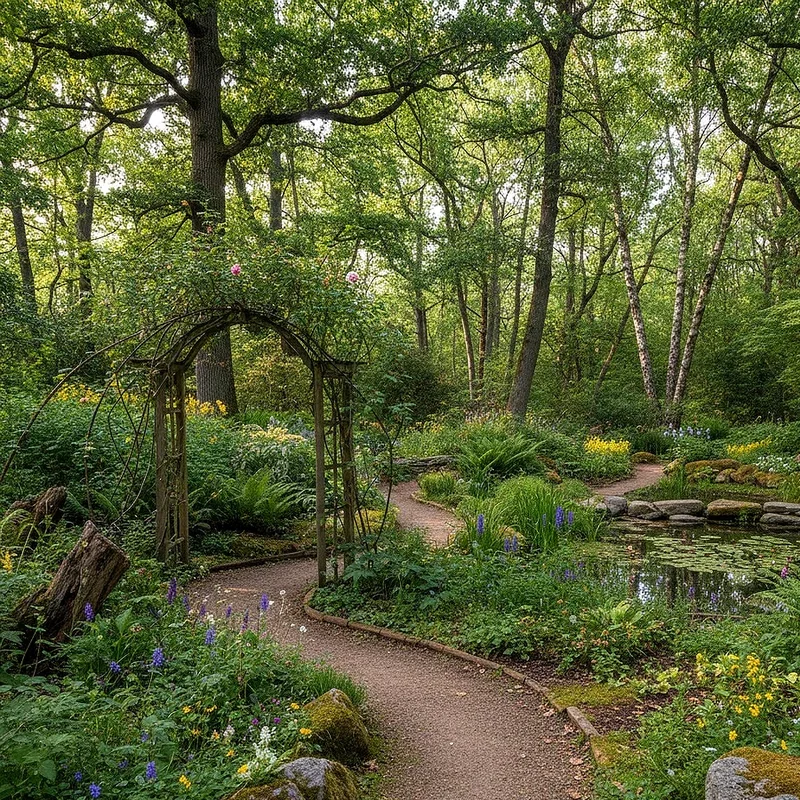
Forget straight, formal paths when designing your woodland garden. Instead, create meandering trails that curve gently through your space, inviting exploration and discovery around every bend. Use natural materials like wood chips, shredded bark, or pine needles to surface these pathways, which blend seamlessly into the forest aesthetic. The winding nature of these paths makes even small gardens feel larger by obscuring sight lines and creating a sense of mystery. Consider varying the width of your paths, with some areas just wide enough for single-file walking and others opening into small clearings. These pathways should feel organic, as if they naturally emerged from foot traffic over time rather than being deliberately constructed.
3. Embrace Native Shade-Loving Plants
Native plants are the backbone of successful woodland gardens because they have evolved alongside local wildlife and climate conditions. Research which shade-loving species naturally occur in forests near your area, then incorporate them generously throughout your garden. Native plants require less water, fewer amendments, and minimal pest control compared to exotic species, making them low-maintenance choices. They also provide crucial food and habitat for local pollinators, birds, and beneficial insects. Consider native options like wild ginger, trillium, Solomon's seal, or bloodroot depending on your region. These plants will thrive in your woodland conditions and create an authentic forest ecosystem that supports biodiversity while requiring minimal intervention from you.
4. Add a Canopy of Deciduous Trees
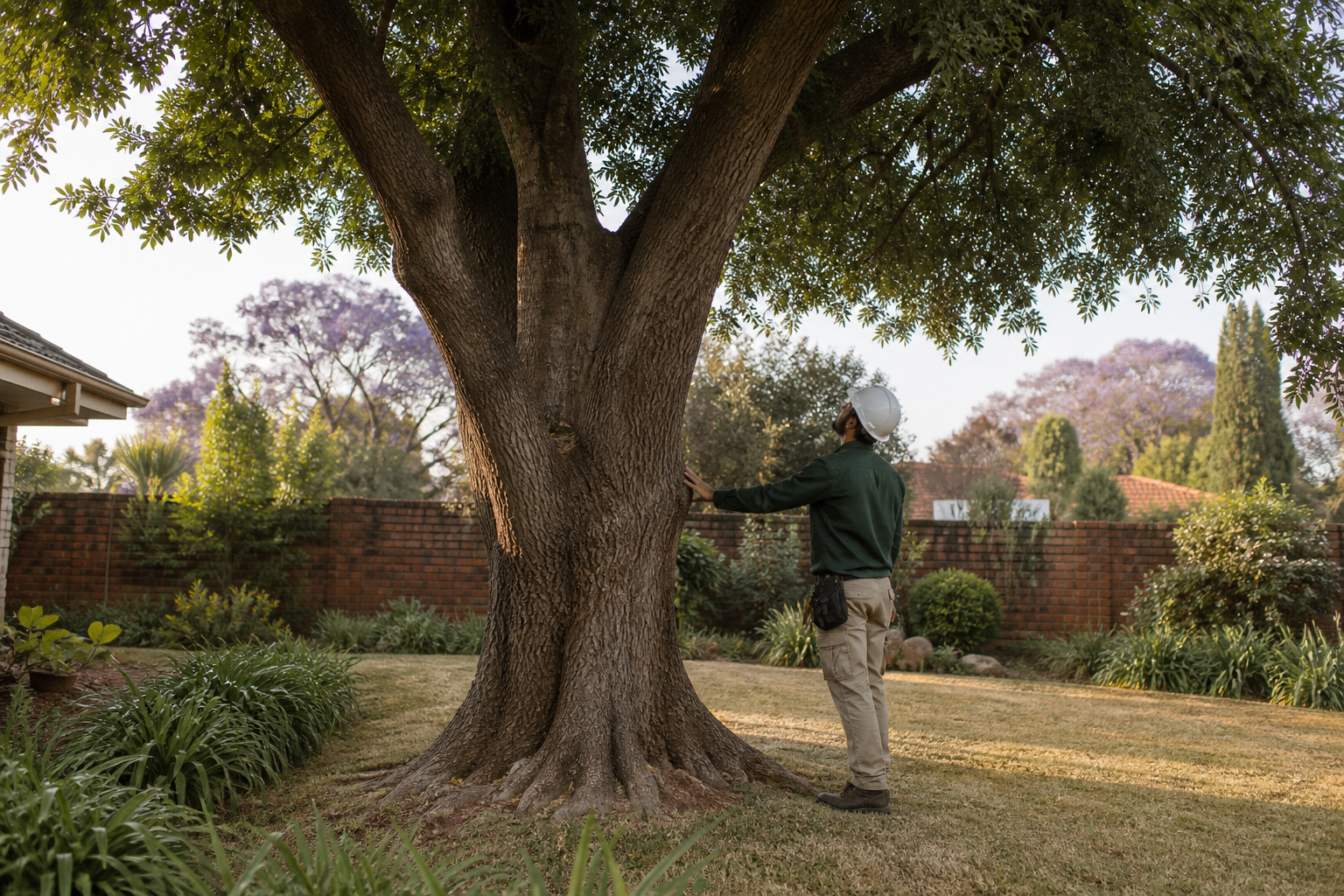
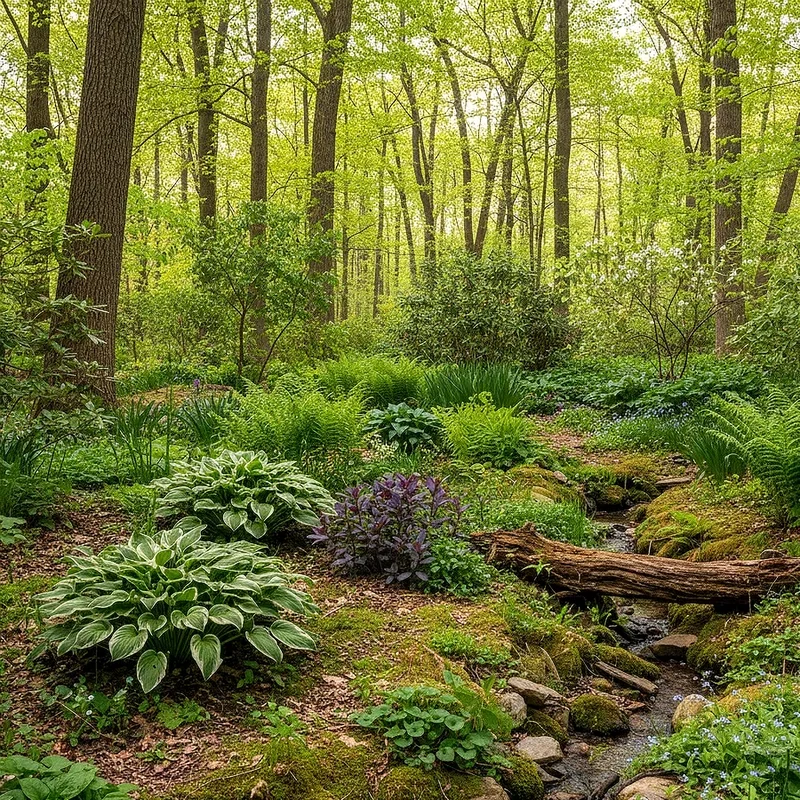
The overhead canopy creates that essential dappled shade that defines woodland gardens, so choosing the right trees is crucial for success. Deciduous trees work particularly well because they allow winter sunlight to reach the forest floor when they drop their leaves, giving spring ephemerals their moment to shine. Consider native options like oaks, maples, beeches, or hickories that provide excellent canopy coverage while supporting local wildlife. Plant trees in irregular patterns rather than neat rows to mimic natural forest spacing and create visual interest. Remember that establishing a canopy takes patience, but you can accelerate the forest feel by incorporating some larger specimen trees alongside younger saplings.
5. Incorporate Ferns for Authentic Forest Texture
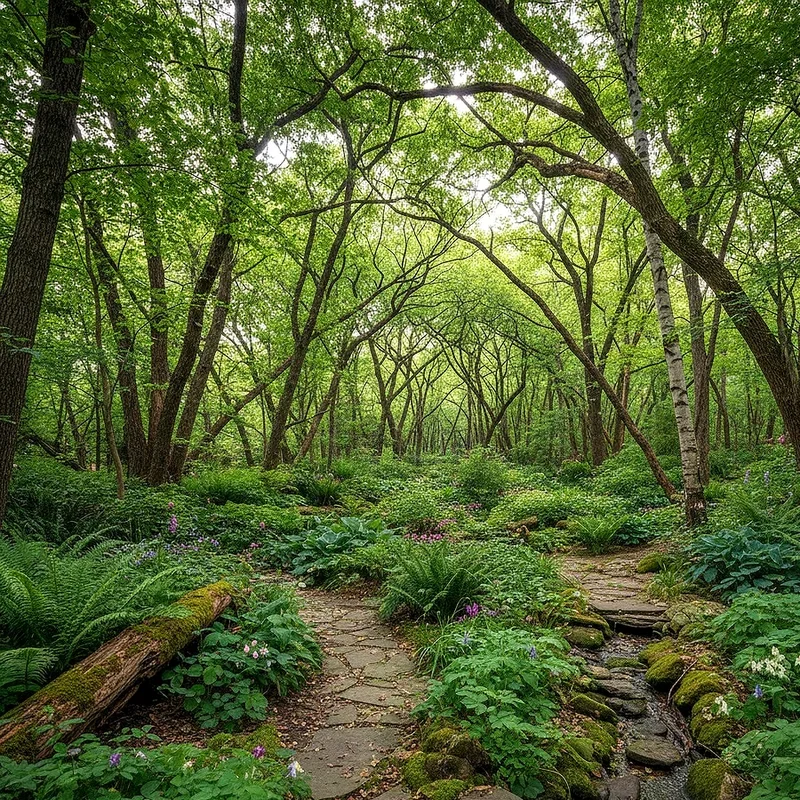
Nothing says woodland quite like the graceful fronds of ferns unfurling in shaded areas throughout your garden. These ancient plants bring authentic forest texture and lush greenery to spaces where flowering plants might struggle. Choose native fern species suited to your climate and light conditions, from delicate maidenhair ferns for dry shade to bold ostrich ferns for moist areas. Ferns provide excellent groundcover and create beautiful textural contrast against broader-leaved woodland plants. They require virtually no maintenance once established and many species spread gradually to form impressive colonies. Mass planting several types of ferns together creates stunning visual impact while providing year-round green interest in your woodland garden.
6. Use Fallen Logs as Natural Features
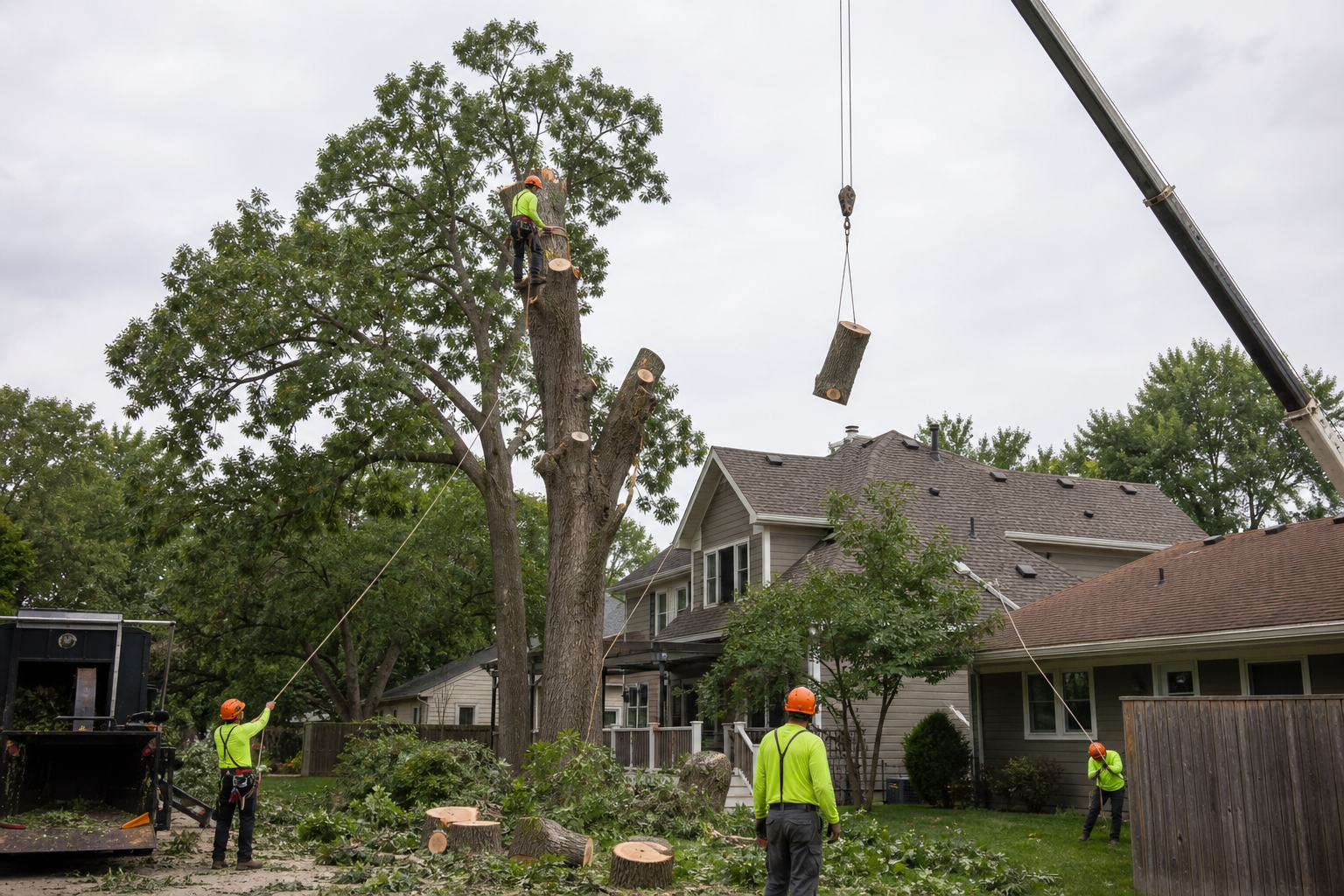
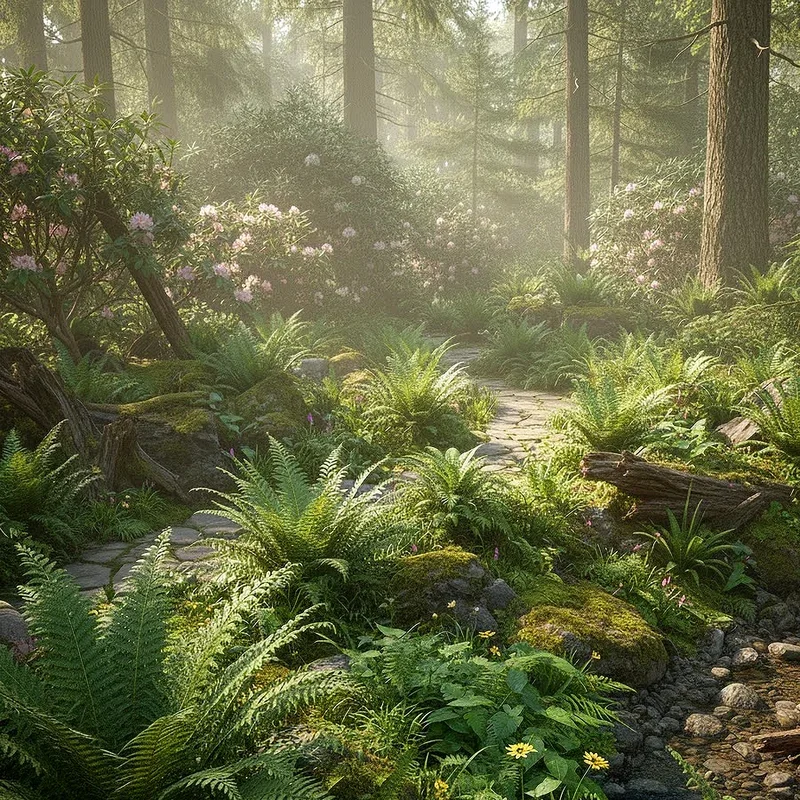
Dead wood might seem like something to remove, but in woodland gardens, fallen logs serve as valuable design elements and ecological features. These natural features provide habitat for insects, fungi, and small animals while slowly decomposing to enrich your soil. Position logs strategically throughout your garden as natural borders, informal seating, or sculptural elements that add vertical interest to the forest floor. Over time, moss and small plants will colonize these logs, integrating them beautifully into your landscape. If you lack naturally fallen logs, you can source them from tree removal services or lumber yards. Choose rot-resistant species like oak or locust for longer-lasting features that will grace your garden for years.
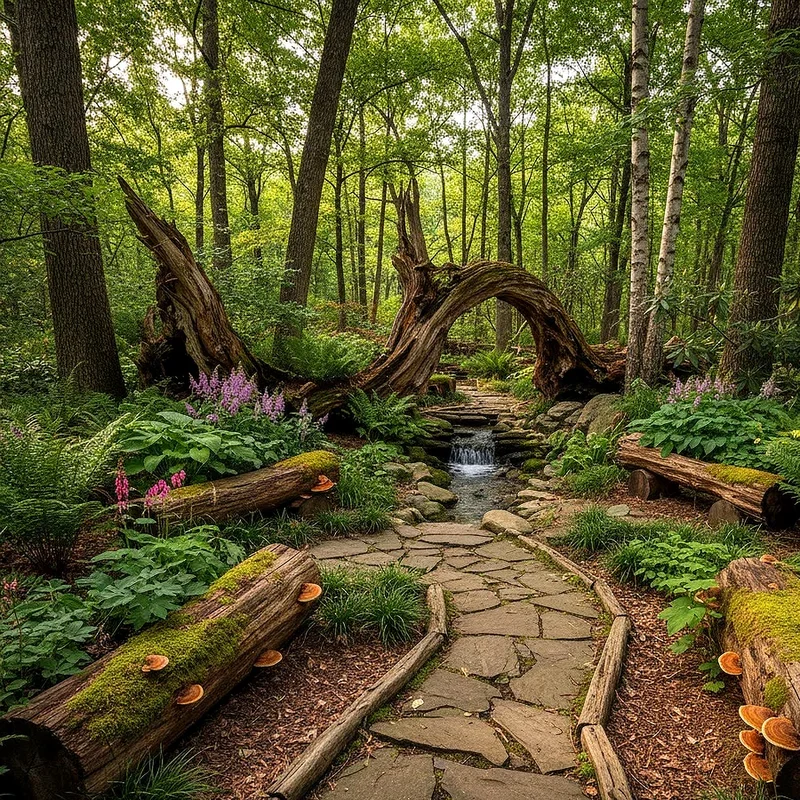
7. Plant Spring Bulbs for Early Color
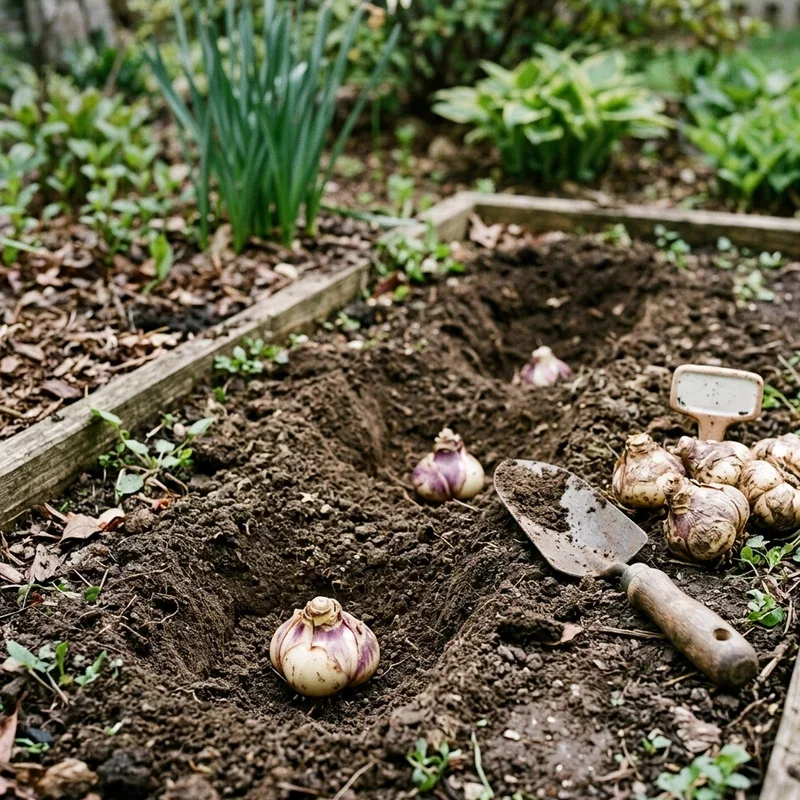
Before the canopy fully leafs out each spring, woodland floors explode with ephemeral wildflowers that take advantage of available sunlight. Recreate this magical display by naturalizing spring bulbs throughout your woodland garden for early-season color and interest. Choose woodland-appropriate bulbs like snowdrops, winter aconites, species crocus, and squills that multiply over time to create increasingly impressive displays. Plant them in drifts and clusters rather than straight lines to achieve that natural, spontaneous look found in wild forests. These early bloomers not only beautify your garden but also provide crucial early nectar for emerging pollinators when few other food sources exist.
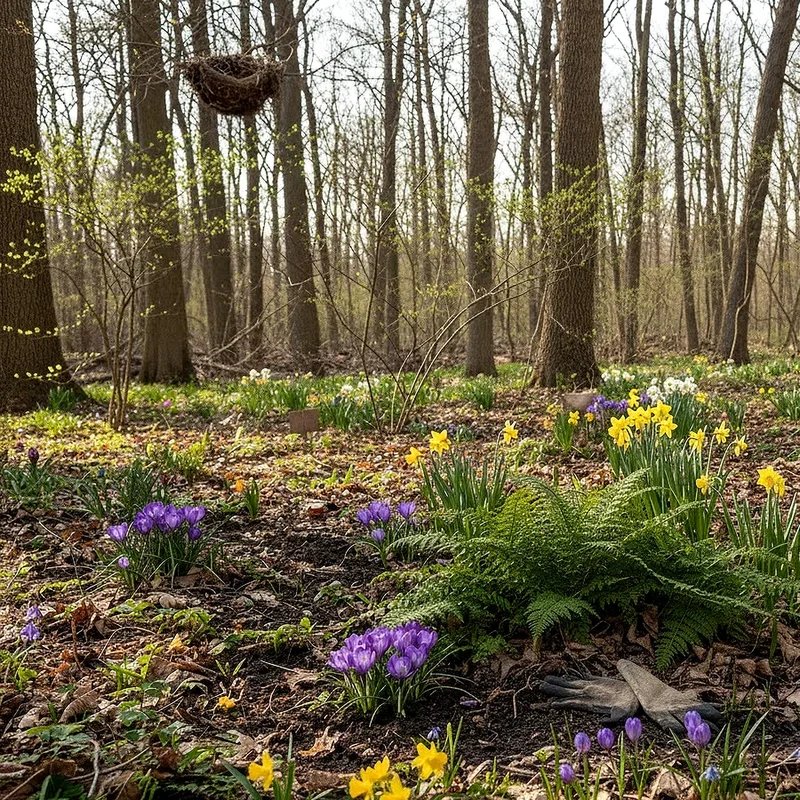
8. Design with Moss and Groundcovers
Moss creates that quintessential forest floor look, softening hard surfaces and lending an ancient, timeless quality to woodland gardens. Rather than fighting moss in shady areas, embrace it as a valuable groundcover that requires no mowing, watering, or fertilizing. You can even encourage moss growth by transplanting patches from other areas or creating conditions that favor its establishment. Complement moss with other low-growing groundcovers like wild ginger, sweet woodruff, or partridgeberry that spread to form dense carpets. These living mulches suppress weeds naturally while creating visual cohesion throughout your woodland garden. The combination of mosses and groundcovers creates a lush, green tapestry that feels unmistakably forest-like.
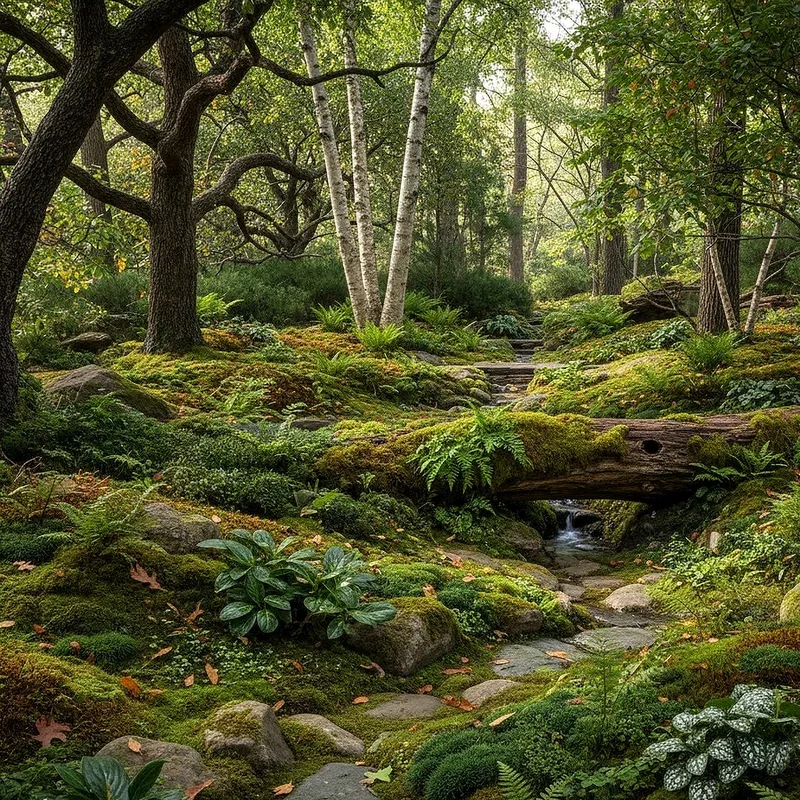
9. Install a Small Water Feature
The gentle sound of trickling water enhances the peaceful atmosphere of woodland gardens while attracting birds and beneficial wildlife. A small naturalistic water feature like a bubbling rock fountain or shallow woodland pool fits perfectly into forest-inspired landscapes without looking contrived. Position your water feature in a shaded area where it will stay cooler and require less maintenance than sun-exposed options. Use natural materials like stacked stones or hollowed logs to create the feature, and surround it with moisture-loving plants like cardinal flower or turtlehead. Even a simple birdbath can bring water into your woodland garden, providing essential drinking and bathing opportunities for feathered visitors who will reward you with their presence.
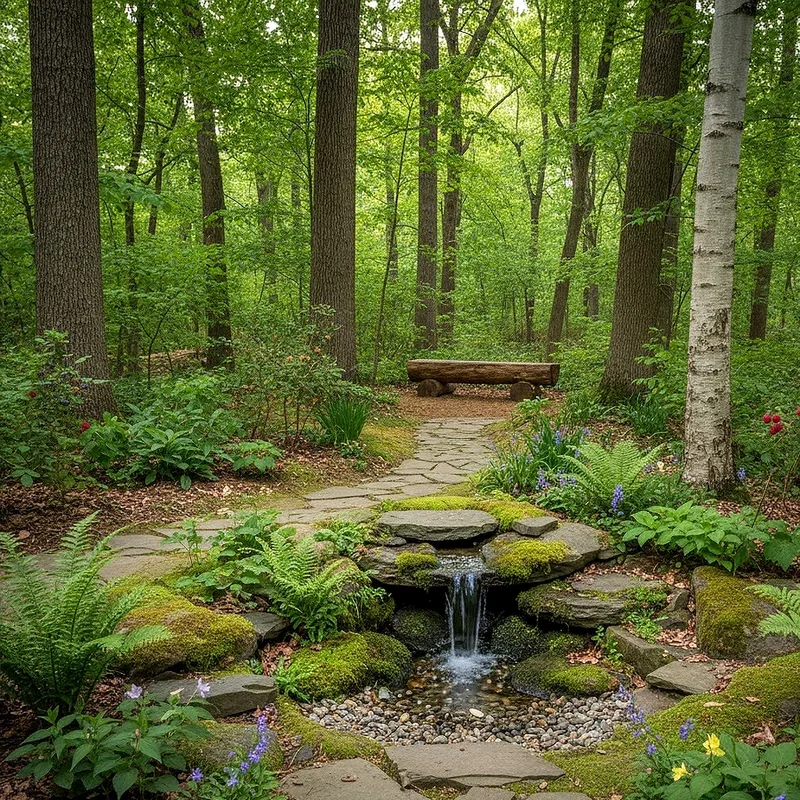
10. Create Habitat with Brush Piles
Wildlife habitat features transform woodland gardens from pretty landscapes into functioning ecosystems that support diverse creatures. Brush piles made from pruned branches and twigs provide shelter for birds, small mammals, reptiles, and beneficial insects throughout the year. Position these habitat features in less visible areas of your garden where they can serve their ecological purpose without dominating the view. Layer branches loosely to create spaces of various sizes, accommodating different wildlife species. These piles also serve as slow-composting systems, gradually breaking down to enrich your soil. Rather than viewing garden debris as waste requiring disposal, embrace it as valuable habitat material that enhances your woodland ecosystem.
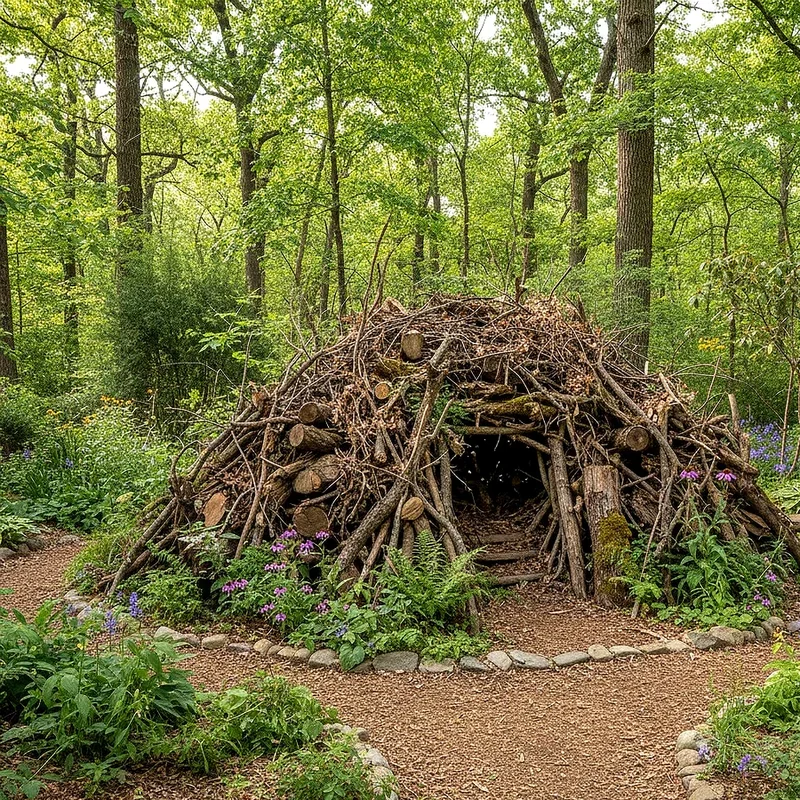
11. Use Natural Mulch and Leaf Litter
In natural forests, fallen leaves accumulate on the forest floor, creating a rich layer of organic matter that feeds the soil ecosystem. Replicate this process in your woodland garden by allowing leaves to remain where they fall rather than raking them away. This natural mulch suppresses weeds, retains moisture, moderates soil temperature, and slowly decomposes to provide nutrients and improve soil structure. If you prefer a tidier look in high-visibility areas, rake leaves into planting beds and wilder zones instead of removing them entirely. You can supplement natural leaf litter with wood chip mulch made from local tree trimming services, which provides similar benefits while giving you more control over appearance.
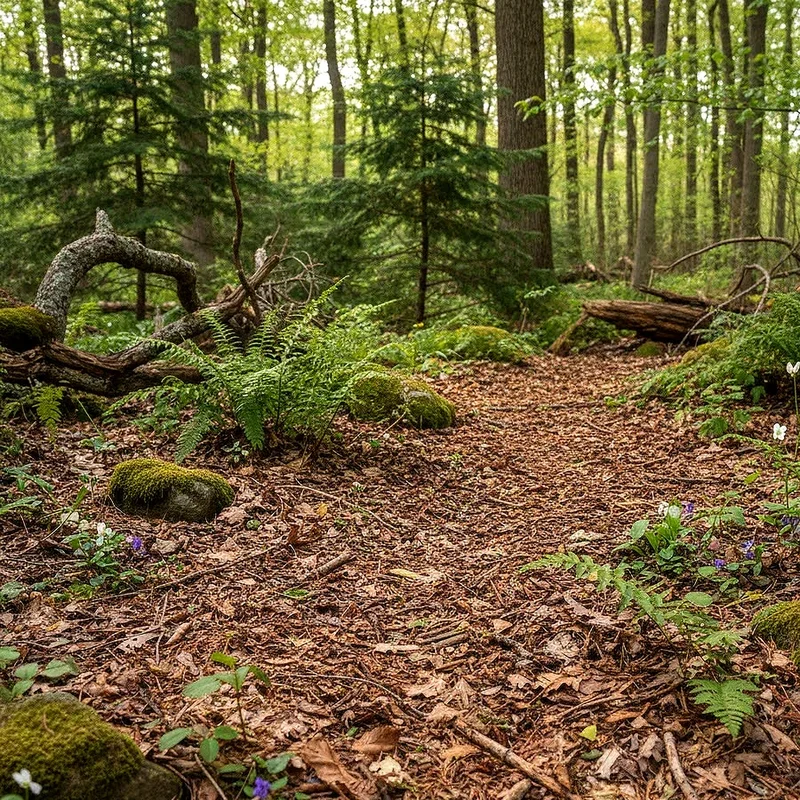
12. Add Woodland Wildflowers Throughout
Native woodland wildflowers bring seasonal color and biodiversity to forest gardens while requiring minimal care once established in appropriate conditions. Research which species naturally occur in your region's forests, then incorporate them throughout your layered planting scheme. Early bloomers like trout lily and bloodroot give way to mid-season favorites like columbine and wild geranium, followed by late-season performers like asters and goldenrod. Plant wildflowers in naturalistic drifts and allow them to self-seed and spread according to their preferences. These native beauties provide essential nectar and pollen for native bees and butterflies while creating that authentic woodland meadow aesthetic that feels both wild and carefully curated.
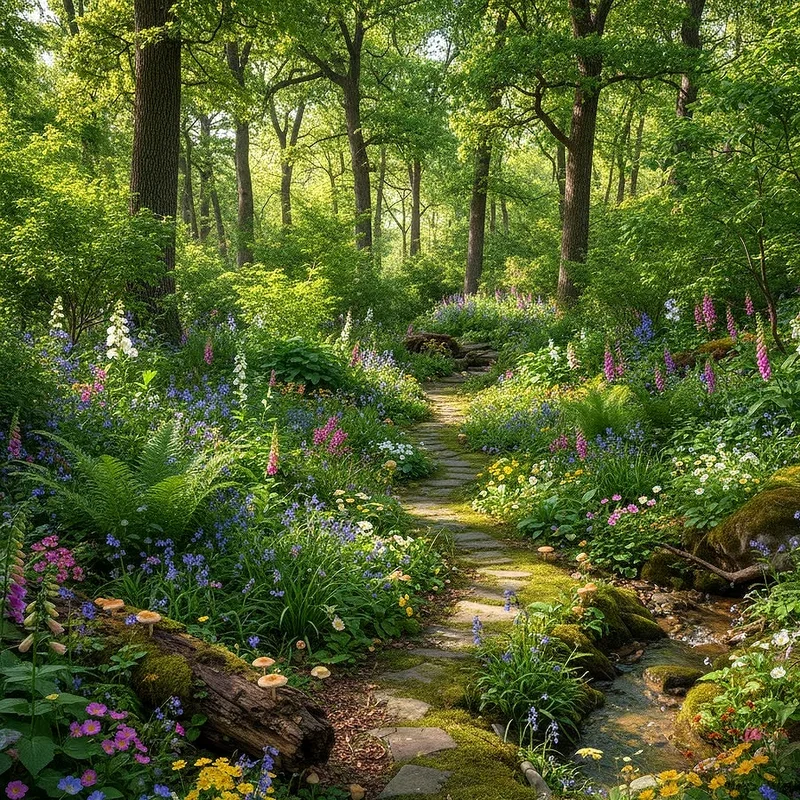
13. Incorporate Shade-Tolerant Shrubs
The middle layer of woodland gardens benefits tremendously from carefully selected shade-tolerant shrubs that provide structure, screening, and wildlife value. Choose native options like spicebush, witchhazel, or viburnum species that thrive in dappled shade and offer multi-season interest through flowers, foliage, and berries. These shrubs create the understory layer that gives woodland gardens their characteristic depth and complexity. Position larger shrubs toward the back or edges of your space, with smaller specimens filling gaps and providing transitions between the canopy and ground layers. Many shade-loving shrubs produce berries that feed birds and other wildlife, adding ecological value to their ornamental appeal and helping your garden function as true habitat.
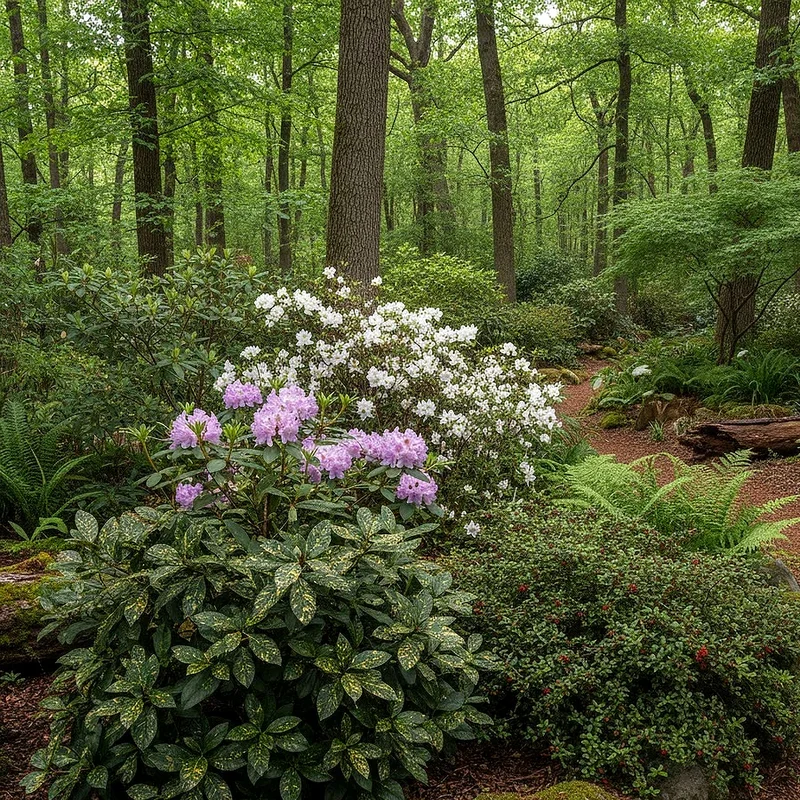
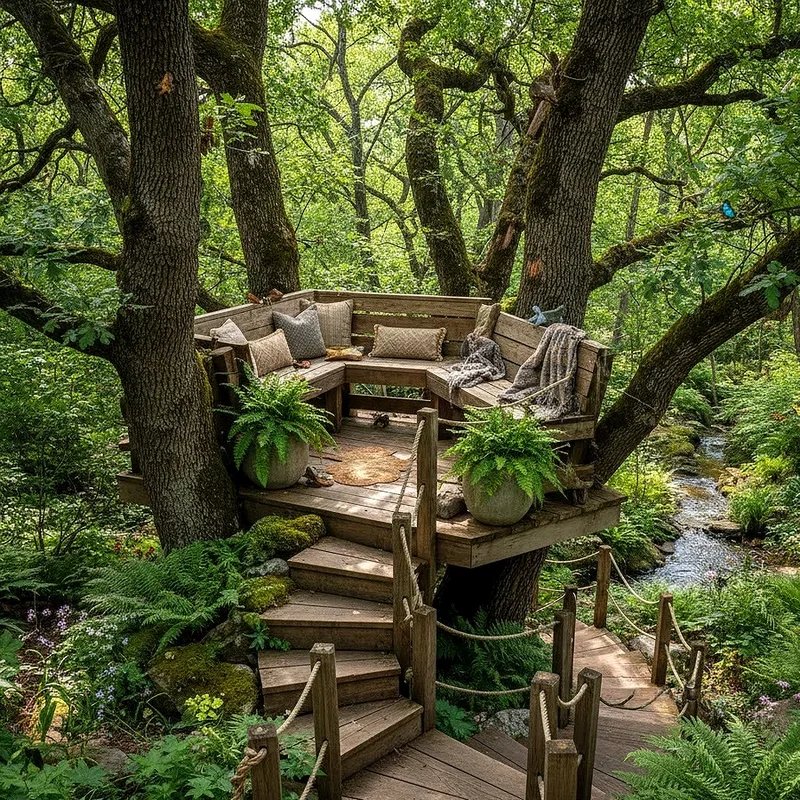
14. Create Seating Areas Within the Canopy
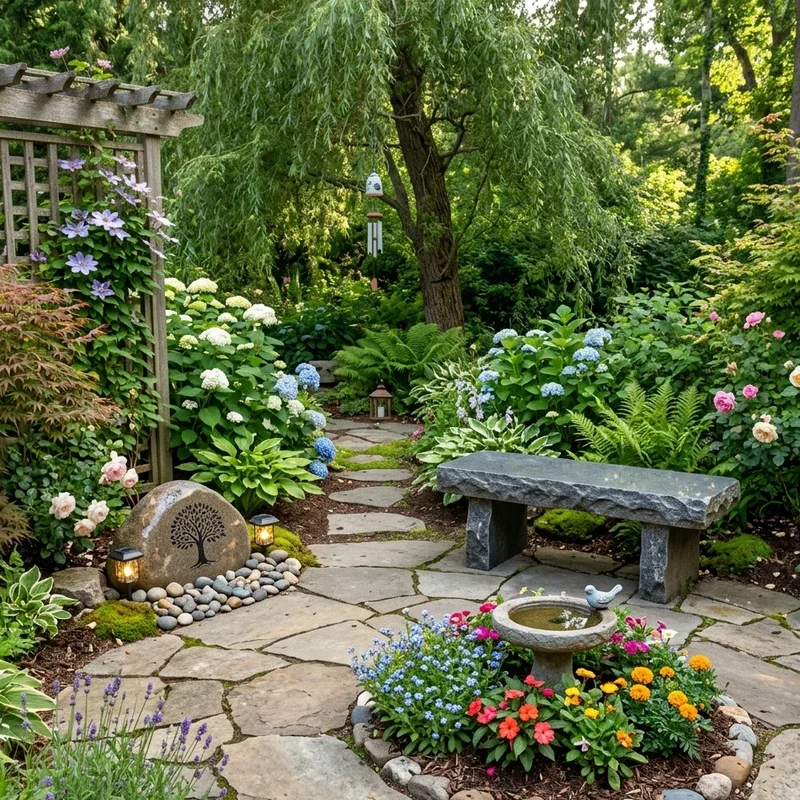
Your woodland garden should invite you to pause, sit, and immerse yourself in the forest atmosphere you have created. Design intimate seating areas nestled within the canopy where you can enjoy the sights, sounds, and scents of your personal woodland retreat. Use natural materials like rustic wooden benches, stone seats, or even simple log rounds that blend seamlessly into the forest aesthetic. Position seating to take advantage of particularly beautiful views or pleasant microclimates within your garden. These rest stops transform your woodland garden from something merely observed into an experience fully inhabited. Add a small side table for morning coffee or evening wine, creating an outdoor room that feels sheltered and peaceful.
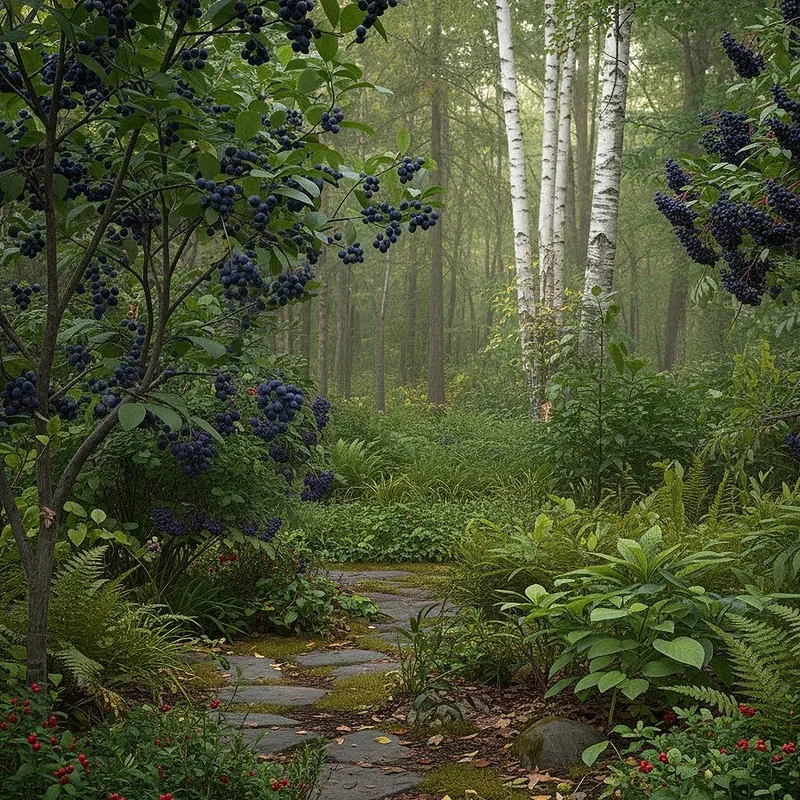
15. Attract Wildlife with Native Berries
Fruiting plants serve double duty in woodland gardens, providing ornamental interest for you while offering essential food sources for wildlife. Incorporate native berry-producing shrubs and perennials throughout your landscape to attract birds, butterflies, and beneficial insects. Consider elderberry, serviceberry, winterberry holly, or chokeberry depending on your region and growing conditions. These plants create seasonal drama through their spring flowers, summer fruits, and often stunning fall color. The wildlife activity they attract brings your garden to life, with birds flitting between branches and butterflies dancing among flowers. This ecological connection transforms your woodland garden from a static landscape into a dynamic, living ecosystem that changes throughout the seasons.
Conclusion
Creating a woodland garden allows you to bring the magic of the forest home, transforming your outdoor space into a tranquil retreat that celebrates nature's beauty. By layering plants thoughtfully, embracing native species, and incorporating natural elements like logs and leaf litter, you cultivate an authentic forest atmosphere that requires minimal maintenance once established. These gardens reward patience, developing richer character and deeper ecological connections with each passing season. Your woodland garden becomes more than just a landscape; it evolves into a living sanctuary that supports local wildlife, sequesters carbon, and provides you with a peaceful escape from modern life's demands.
Read next: 15 Wood Garden Edging Ideas to Upgrade Your Garden Design
Frequently Asked Questions
Q1. How much shade do I need to create a woodland garden?
A: Woodland gardens thrive in partial to full shade, requiring at least four hours of filtered light daily.
Q2. Can I start a woodland garden under existing trees?
A: Absolutely, existing trees provide the perfect foundation for developing your woodland garden ecosystem.
Q3. How long does it take to establish a woodland garden?
A: Basic structure appears within one to two years, with full maturity developing over five to ten years.
Q4. Are woodland gardens expensive to create and maintain?
A: Initial costs vary, but established woodland gardens require minimal maintenance, saving money long-term.
Q5. Will a woodland garden work in small urban yards?
A: Yes, woodland garden principles scale beautifully to any size space, even small urban plots.