15 Sloped Garden Ideas for Beautiful Terraced Yards
Transform your sloped yard into a stunning terraced garden with creative landscaping ideas that maximize space and enhance curb appeal.
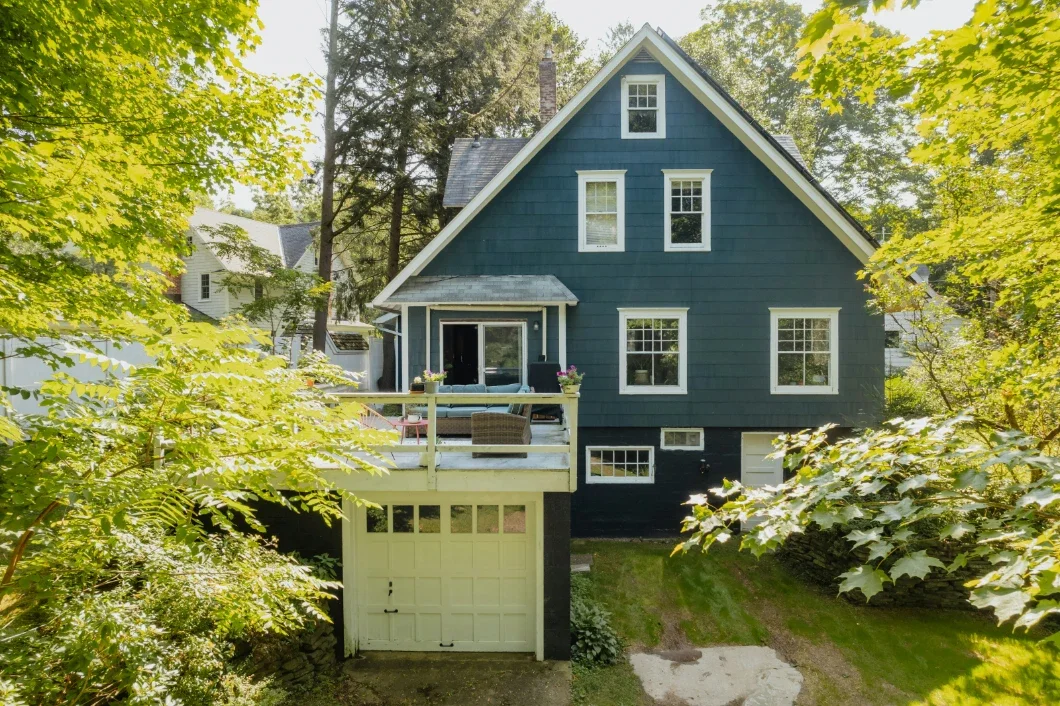
Have you ever looked at your sloped yard and felt overwhelmed by its challenging terrain? You're not alone. Many homeowners struggle with hillside properties, viewing them as landscaping nightmares rather than opportunities for creative design. But here's the exciting truth: a sloped garden can become your property's most captivating feature. Think of your hillside as a blank canvas waiting for artistic expression, where each level tells a different story. Terraced gardens have transformed landscapes for centuries, from the ancient Hanging Gardens of Babylon to modern sustainable designs. By embracing your yard's natural contours, you'll create visual interest that flat gardens simply cannot match. Whether you're dealing with a gentle slope or a dramatic incline, these fifteen innovative ideas will help you turn that troublesome terrain into a breathtaking outdoor sanctuary.
1. Classic Stone Retaining Wall Terraces
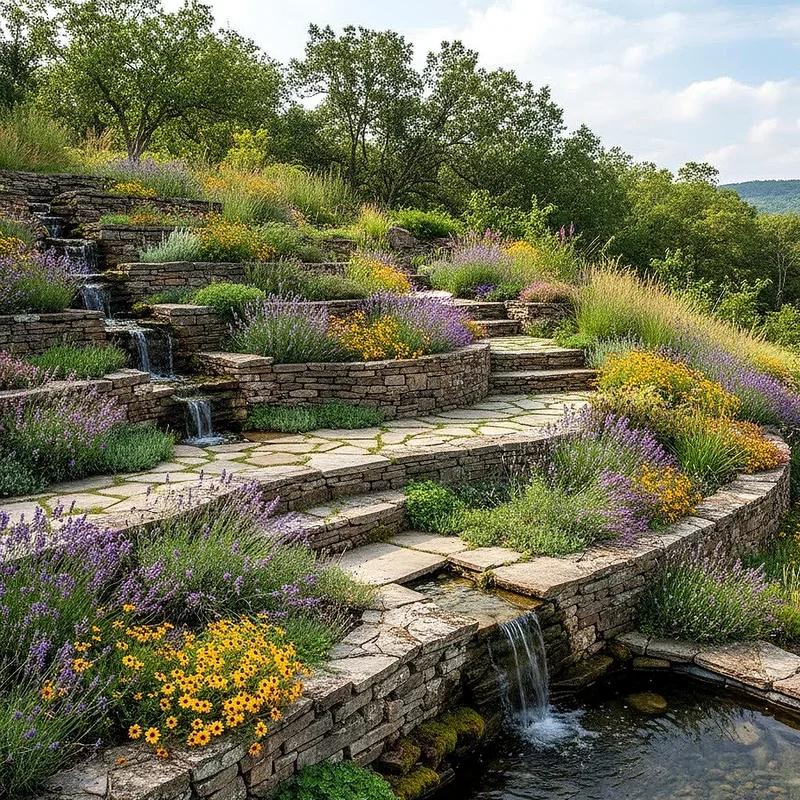
Stone retaining walls represent the timeless foundation of terraced garden design, offering both structural integrity and natural beauty. These walls create distinct planting zones while preventing soil erosion on challenging slopes. You'll find that stacked stone provides excellent drainage, allowing water to seep through naturally while maintaining stability. The beauty lies in choosing materials that complement your home's architecture, whether you prefer limestone, granite, or fieldstone. Each terrace level becomes a miniature garden ecosystem where you can experiment with different plant varieties. Professional installation ensures proper grading and drainage systems behind the walls, preventing future settling or collapse. Working with an experienced landscape design studio like The Sharp Design can help you plan terrace layouts that balance structural engineering with aesthetic appeal, ensuring your retaining walls perform reliably for decades. Consider varying wall heights between two and four feet to create dynamic visual interest across your landscape.
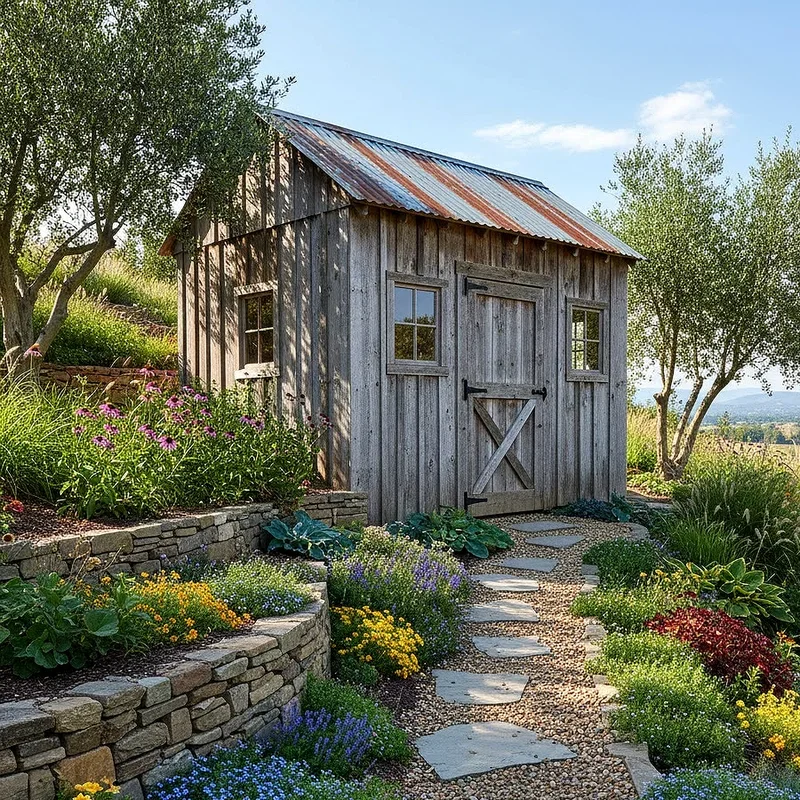
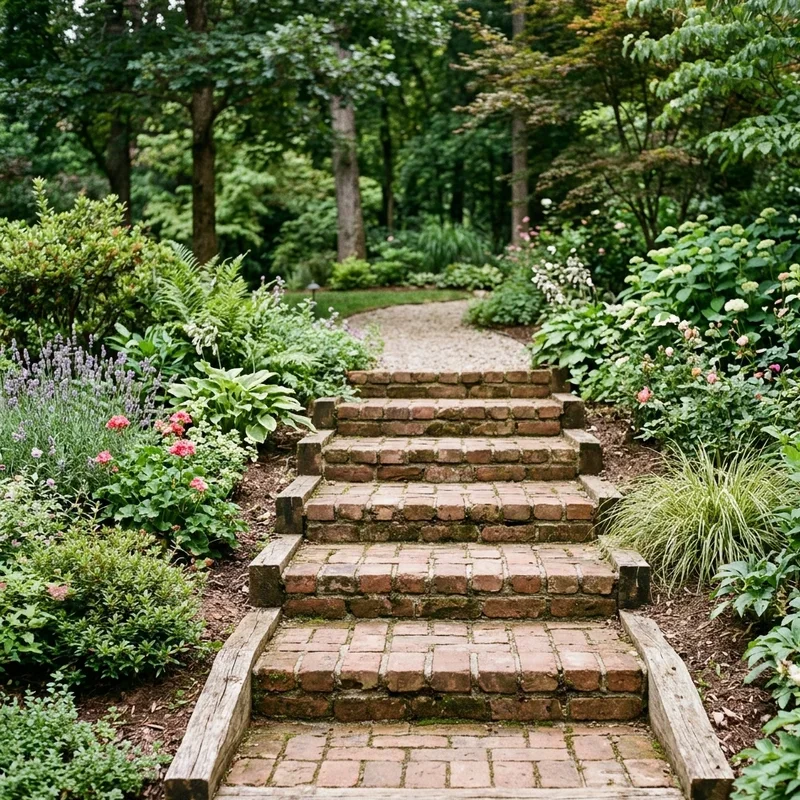
2. Wooden Sleeper Garden Steps
Wooden sleepers transform steep slopes into accessible garden spaces with warm, organic appeal that softens the hardscape elements. These horizontal timbers create both steps and small terraces, perfect for hillside navigation and planting pockets. You'll appreciate how treated railway sleepers resist rot and insect damage while maintaining their rustic character for years. The installation process involves securing each sleeper with rebar driven deep into the slope for unwavering stability. Strategic placement allows you to create landings where visitors can pause and enjoy your garden's beauty at different elevations. Fill the treads with gravel, mulch, or low-growing herbs that release fragrance when stepped upon. This approach works beautifully in cottage gardens and naturalistic landscapes where informality reigns supreme.
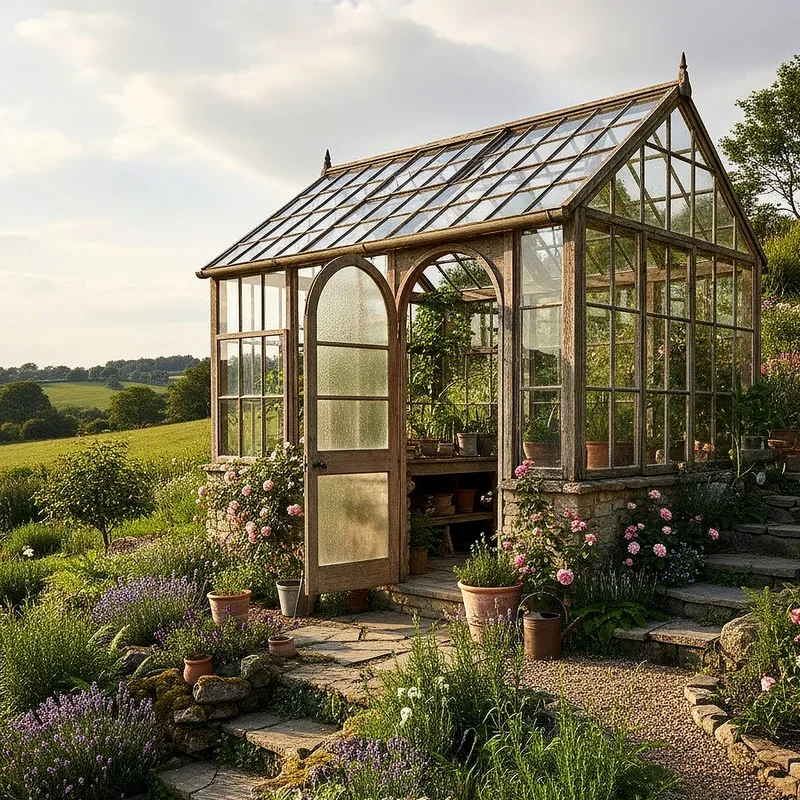
3. Cascading Water Feature Integration
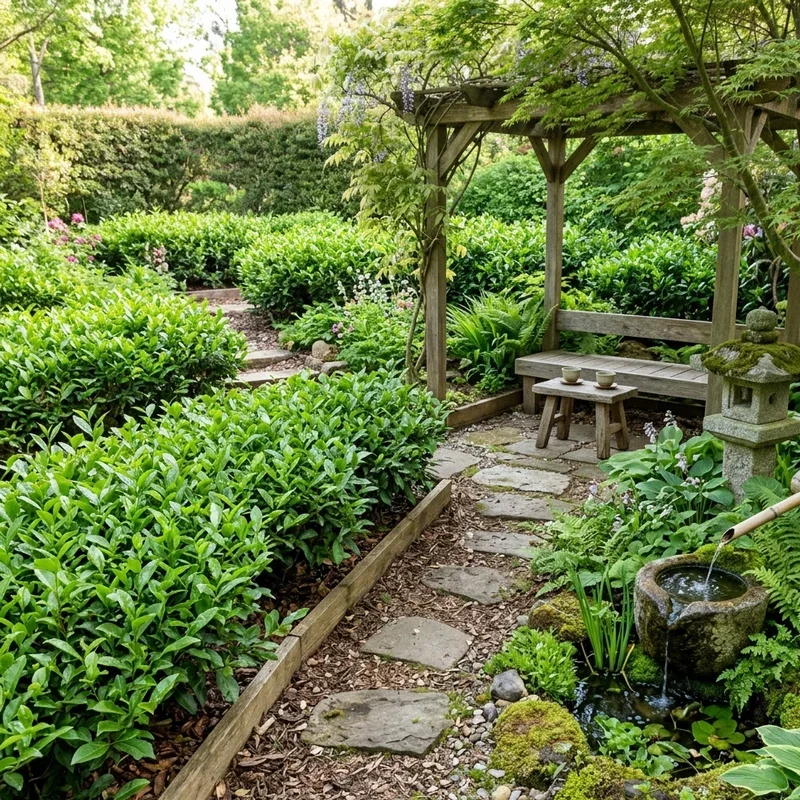
Water features add movement and sound to terraced gardens, creating a sensory experience that elevates your outdoor space exponentially. Imagine a gentle stream trickling from terrace to terrace, collecting in small pools before continuing its downward journey. The natural slope eliminates the need for excessive pumping power, making installation more economical and environmentally conscious than flat-yard fountains. You can incorporate natural stone, ceramic vessels, or modern stainless steel elements depending on your aesthetic preferences. Aquatic plants like water lilies and irises thrive in collection pools, adding botanical interest to the water element. The sound of flowing water masks neighborhood noise while attracting beneficial wildlife including birds and butterflies to your garden sanctuary.
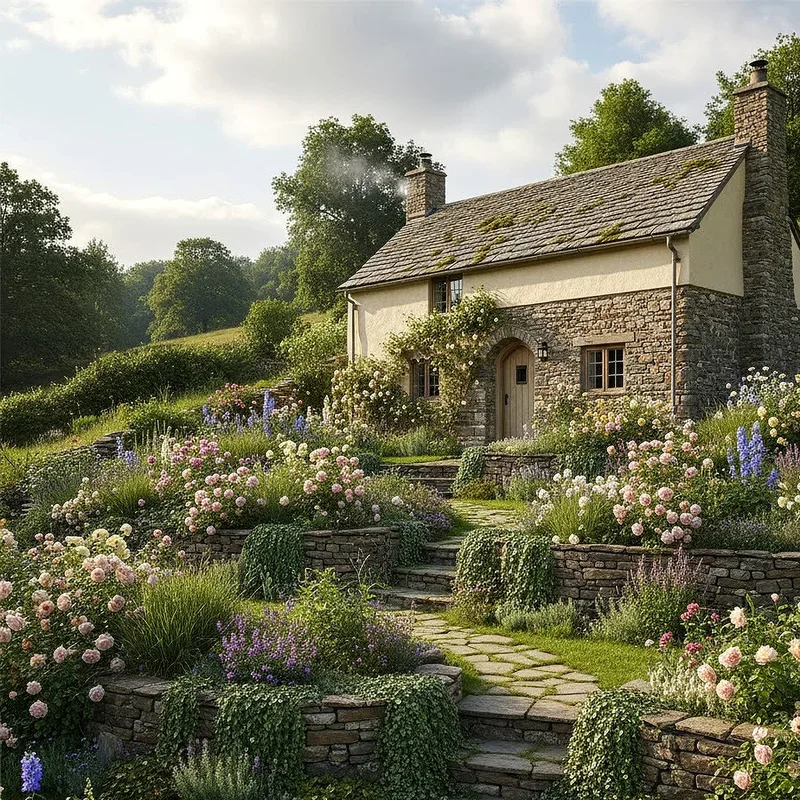
4. Rock Garden Alpine Display
Rock gardens celebrate the natural character of sloped terrain by mimicking mountain landscapes where alpine plants flourish in challenging conditions. This approach minimizes maintenance while maximizing visual impact through strategic boulder placement and drought-tolerant plant selection. You'll create microclimates between rocks where specialized plants find shelter from wind and intense sun exposure. Incorporate various rock sizes from massive anchor stones to smaller crevice fillers, ensuring a naturalistic appearance that avoids artificial arrangements. Alpine plants like sedums, sempervivums, and dwarf conifers require minimal watering once established, making them ideal for sustainable landscaping. The rocks themselves provide thermal mass, warming during the day and radiating heat at night to protect sensitive plants.
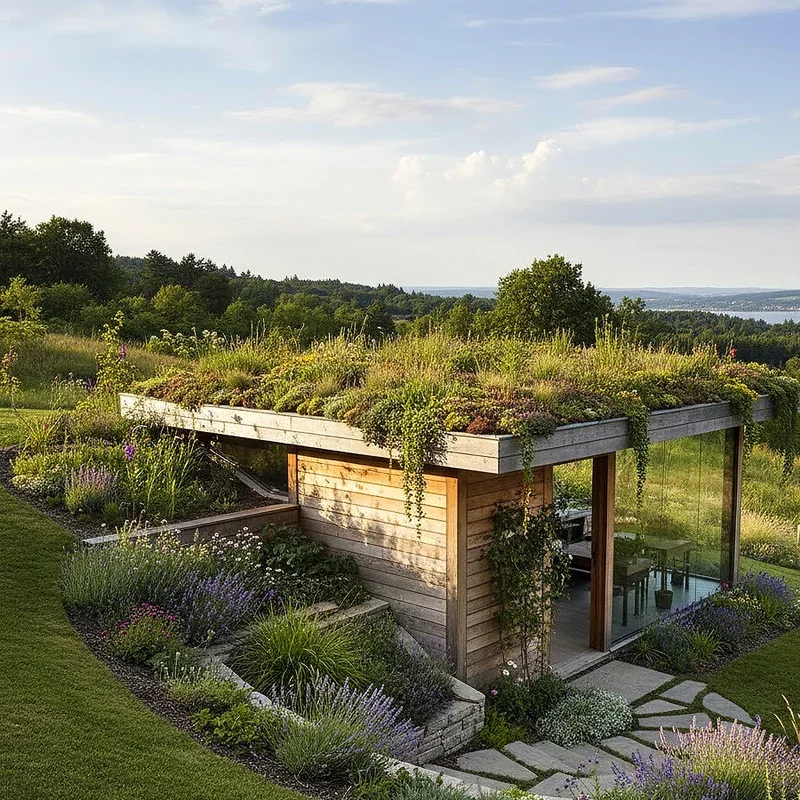
5. Tiered Vegetable Garden Beds
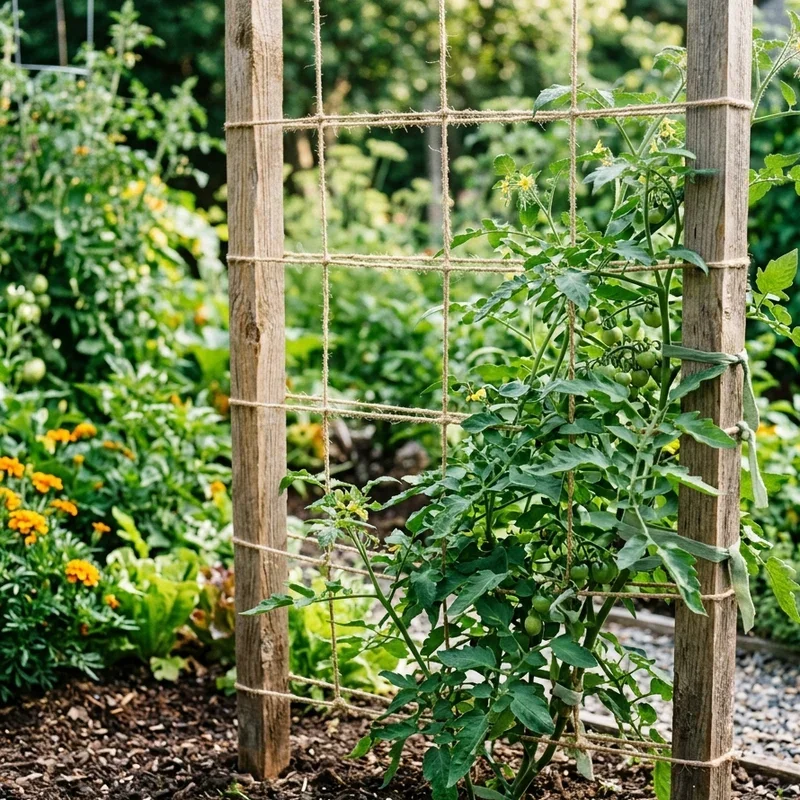
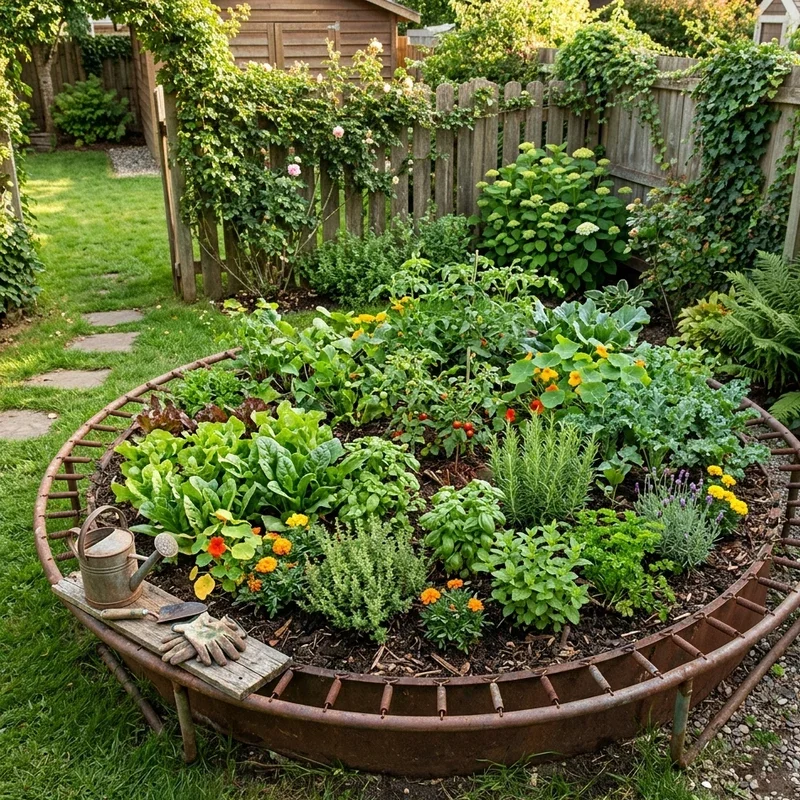
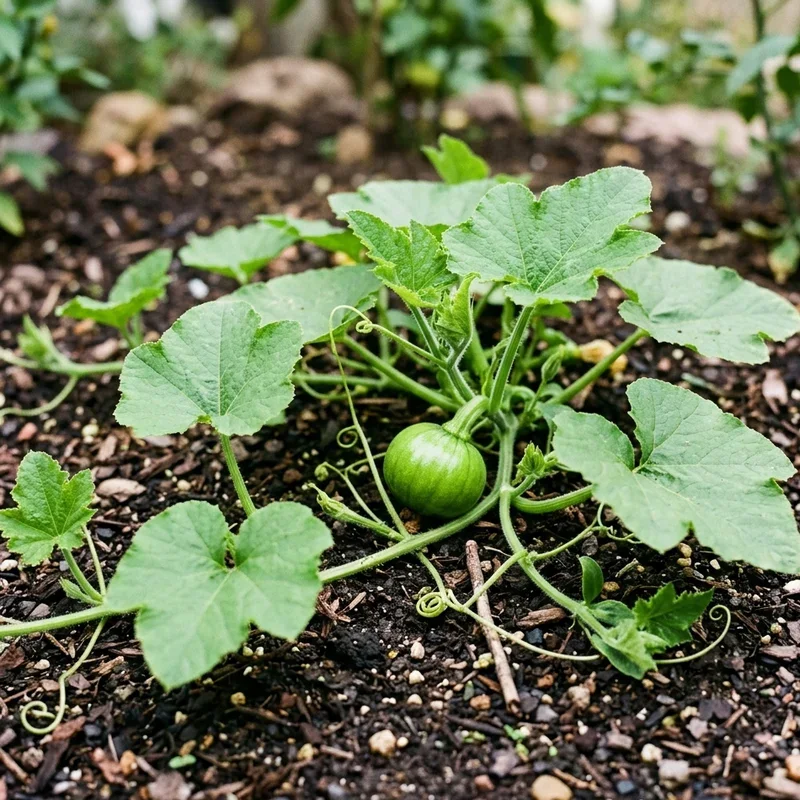
Converting sloped yards into productive vegetable terraces combines functionality with aesthetic appeal, bringing farm-to-table freshness to challenging terrain. Each level receives optimal sun exposure without shadowing lower tiers, maximizing your growing potential throughout the season. You'll find that raised beds on terraces improve drainage for vegetables that despise waterlogged soil like tomatoes and peppers. The elevated design reduces bending and kneeling, making garden maintenance easier on your back and knees during harvest time. Rotation between terraces helps manage soil nutrients and prevents pest buildup in any single location year after year. Companion planting across different levels creates a biodiverse ecosystem where beneficial insects control pests naturally without chemical interventions.
6. Curved Pathway Design
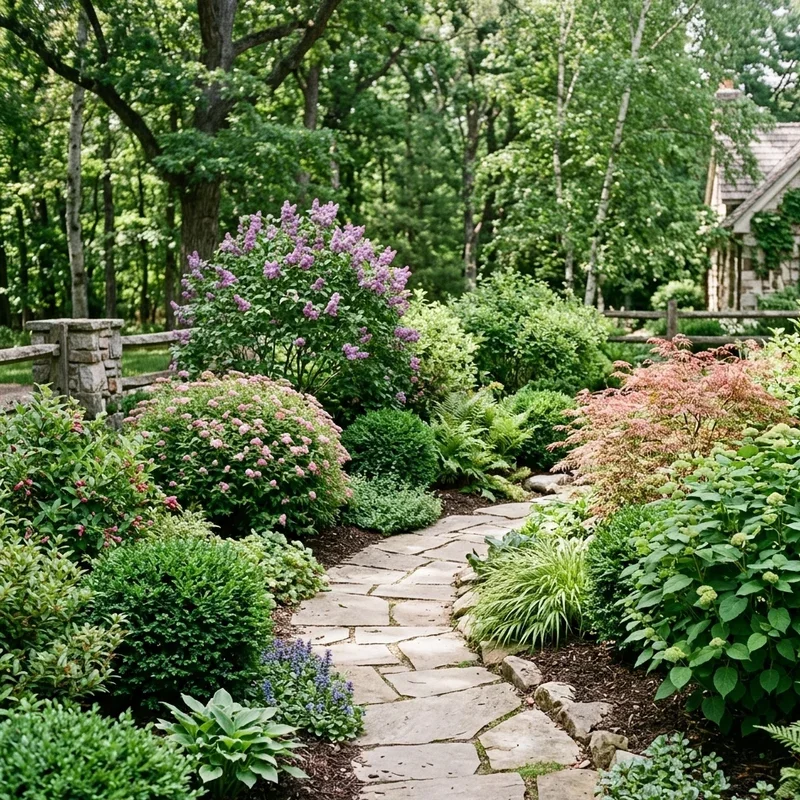
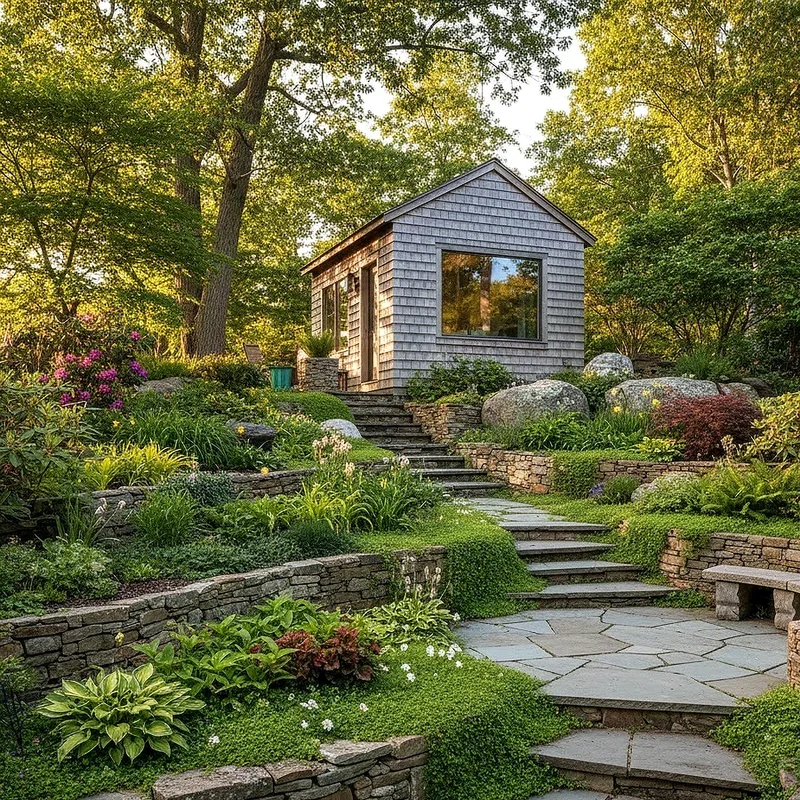
Curved pathways soften the geometry of terraced landscapes while providing practical access to every garden level with graceful movement. Unlike straight paths that emphasize slope steepness, gentle curves create an exploratory journey that invites visitors to discover hidden garden rooms. You can construct these paths from flagstone, decomposed granite, brick, or permeable pavers that manage stormwater runoff effectively. Strategic curve placement allows you to control the walking pace, slowing visitors at viewpoints where you've positioned specimen plants or seating areas. Edging with low-growing plants like creeping thyme or mondo grass blurs the boundary between path and planting beds for seamless integration. Lighting along curved paths ensures safe nighttime navigation while highlighting your garden's architectural bones after sunset.
7. Gabion Wall Modern Styling
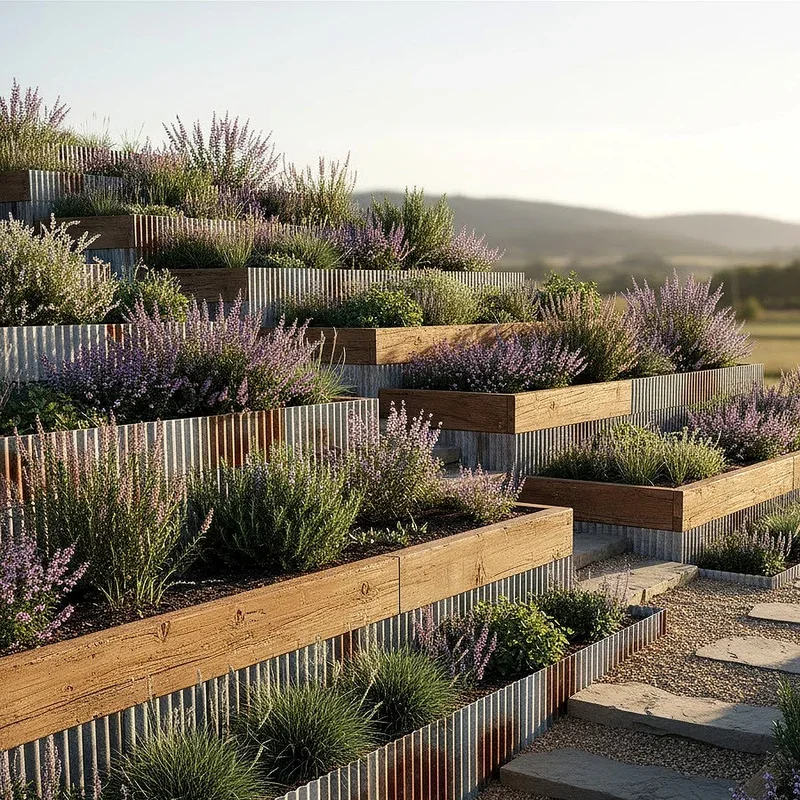
Gabion walls bring contemporary industrial aesthetics to sloped gardens through wire cages filled with rocks, creating strong retaining structures with visual transparency. These modular systems install quickly compared to traditional masonry, making them cost-effective solutions for extensive terracing projects requiring substantial materials. You'll appreciate the design flexibility gabions offer, allowing curved walls, varied heights, and even integrated seating areas within the structure itself. The gaps between rocks provide excellent drainage while creating habitat for beneficial insects and small creatures that support garden ecology. Fill cages with materials reflecting regional geology, or experiment with colored glass, recycled concrete, or driftwood for artistic expression. Vining plants can grow through gabion walls, softening their appearance and connecting hardscape to surrounding plantings over time.
8. Native Plant Slope Stabilization
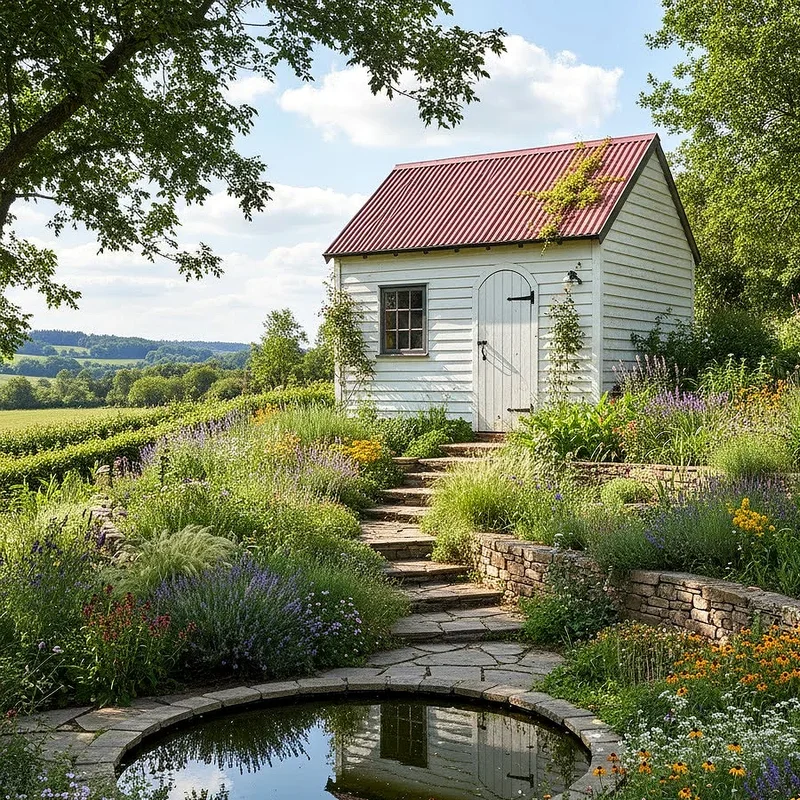
Native plants offer nature's solution to erosion control, establishing deep root systems that anchor soil while requiring minimal irrigation or fertilization. These adapted species thrive in local climate conditions, resisting pests and diseases that plague exotic ornamentals requiring constant intervention. You'll reduce maintenance dramatically by working with native grasses, shrubs, and perennials that evolved to handle your region's rainfall patterns. Strategic layering from groundcovers through mid-sized shrubs to small trees creates a living retaining system more resilient than any wall. Native plantings support local pollinators and wildlife, transforming your sloped yard into a conservation corridor benefiting the broader ecosystem. Research regional native plant societies for species recommendations suited to your slope's sun exposure, soil type, and moisture availability.
9. Outdoor Living Room Terraces
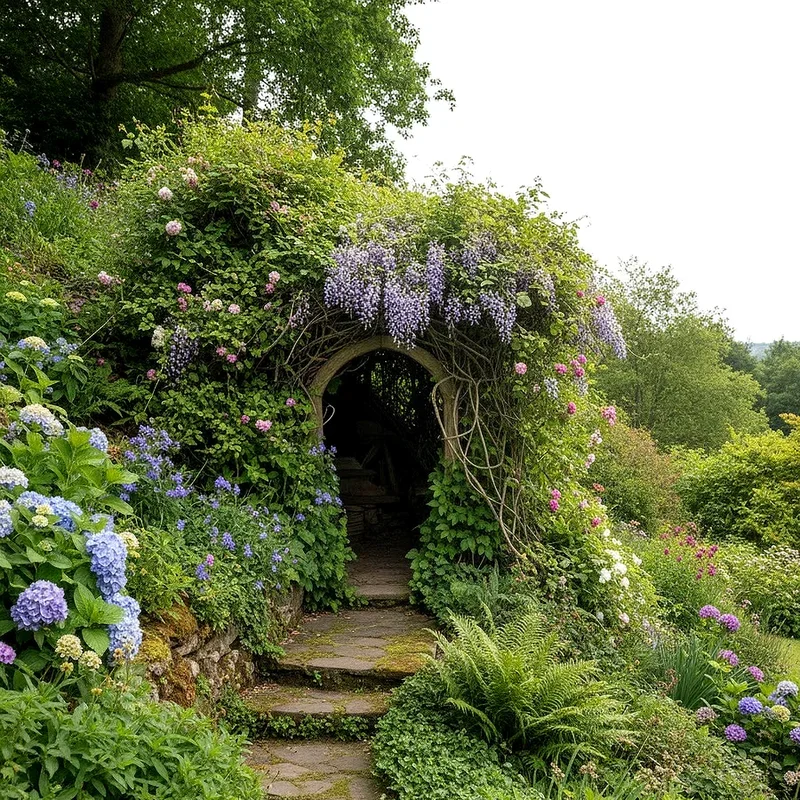
Terraced slopes provide perfect opportunities for creating multiple outdoor living spaces, each with distinct purposes and atmospheric qualities at different elevations. Imagine a sunny breakfast terrace near the house transitioning to a shaded afternoon reading nook mid-slope, finishing with an evening fire pit area below. You can furnish these spaces with weather-resistant furniture, outdoor rugs, and container gardens that define each room's character and function. Built-in seating within retaining walls maximizes space efficiency while providing permanent gathering spots for entertaining family and friends. Consider prevailing breezes when positioning dining areas, and orient seating to capture the best views across your property and beyond. Pergolas or shade sails extend usability during hot summer months, while outdoor heaters or fire features make shoulder seasons more comfortable.
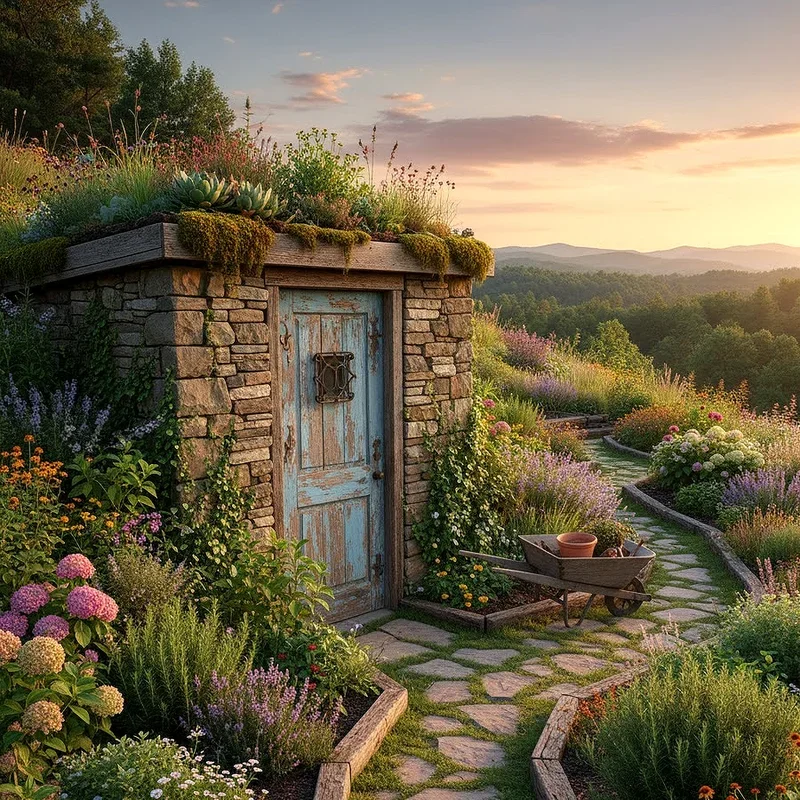
10. Wildflower Meadow Levels
Wildflower meadows transform sloped terrain into colorful tapestries that change seasonally, providing low-maintenance beauty while supporting critical pollinator populations. This naturalistic approach works especially well on steep slopes where mowing proves dangerous and traditional lawn care becomes impractical. You'll establish meadows by removing existing turf, then broadcasting native wildflower seeds mixed with complementary grasses for erosion control. Different terrace levels can feature distinct color themes or bloom times, extending visual interest from spring through fall frost. The informal character of meadows suits country properties and informal landscapes where manicured precision seems out of place. Annual mowing in late fall manages growth while distributing seeds for next year's display, requiring far less effort than weekly lawn maintenance.
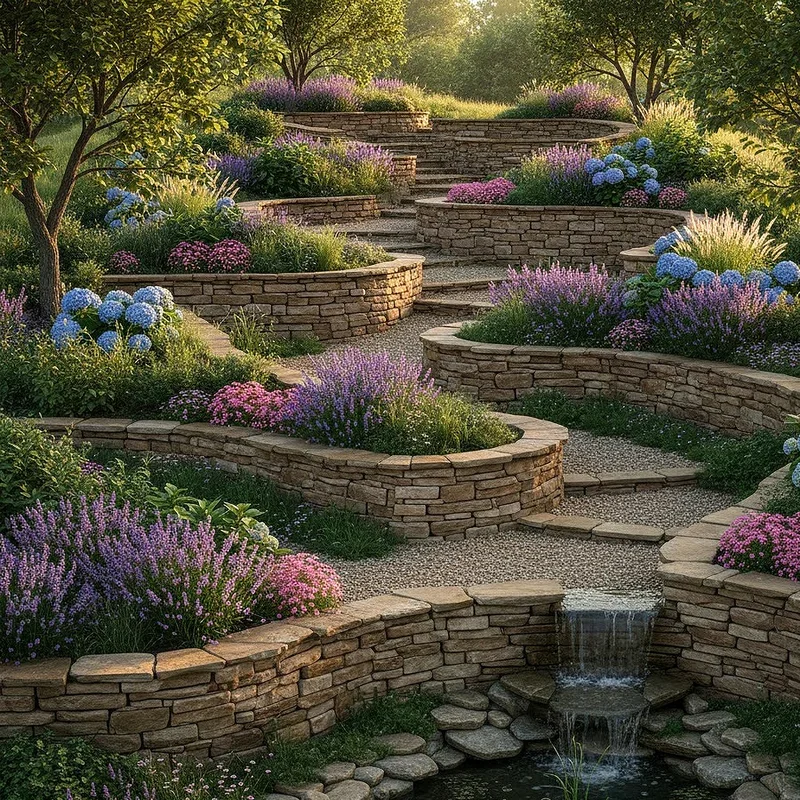
11. Railway Tie Rustic Terracing
Railway ties create substantial, rustic retaining walls perfect for informal gardens where weathered character surpasses pristine perfection in aesthetic value. These massive timbers require less complex installation than stone walls, making them accessible for confident do-it-yourself gardeners with basic carpentry skills. You'll find that railway ties hold considerable soil mass while developing attractive silver-gray patinas as they age and weather naturally. Stagger joints between courses like bricklaying for structural strength, securing ties with long spikes or rebar driven through predrilled holes. The horizontal lines created by stacked ties emphasize your garden's breadth rather than its slope, making spaces feel wider and more expansive. Consider railroad ties for vegetable gardens where their substantial presence complements productive, utilitarian plantings better than refined stone might.
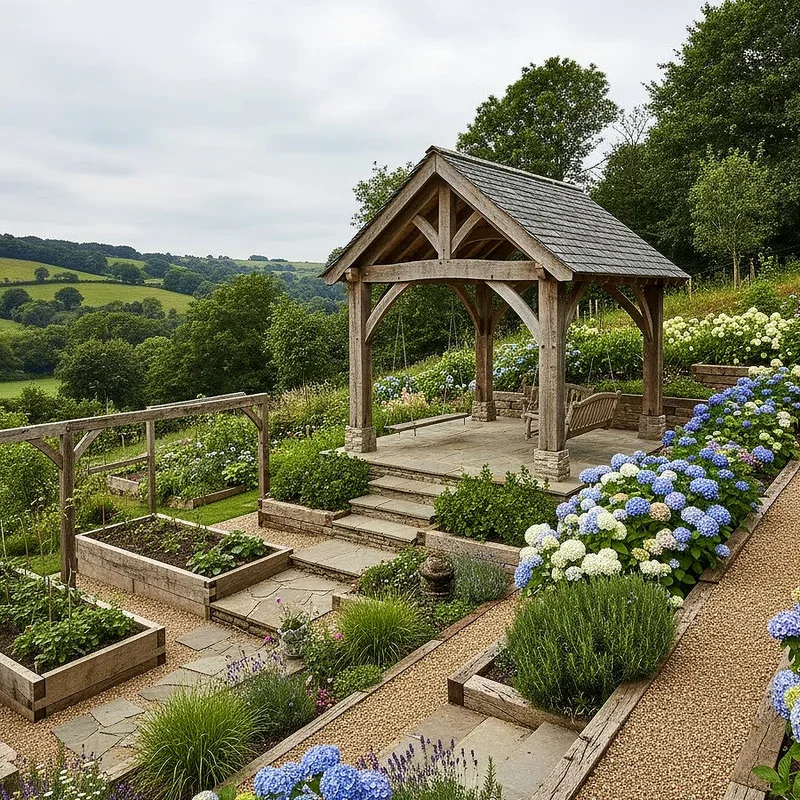
12. Succulent and Groundcover Layers
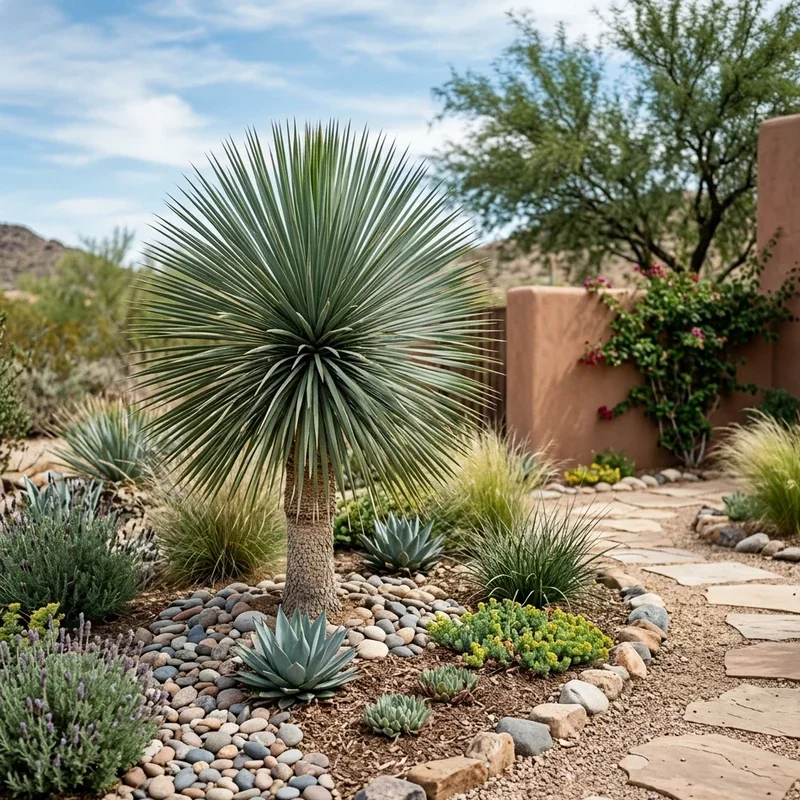
Succulent plantings and spreading groundcovers minimize erosion while creating tapestry-like patterns across terraced slopes with remarkable drought tolerance once established. These low-growing plants knit together quickly, forming living mulch that suppresses weeds and retains moisture during dry periods. You'll enjoy endless variety through combining different succulent species, each contributing unique textures, forms, and colors to your living artwork. Strategic repetition of key species throughout levels creates visual rhythm, while contrasting foliage colors define boundaries between planting zones effectively. Mediterranean climate succulents like echeveria and aeonium thrive on sunny slopes, while shade-tolerant groundcovers like ajuga suit north-facing terraces. This approach particularly suits contemporary designs where plant forms create sculptural interest equal to any artwork or water feature.
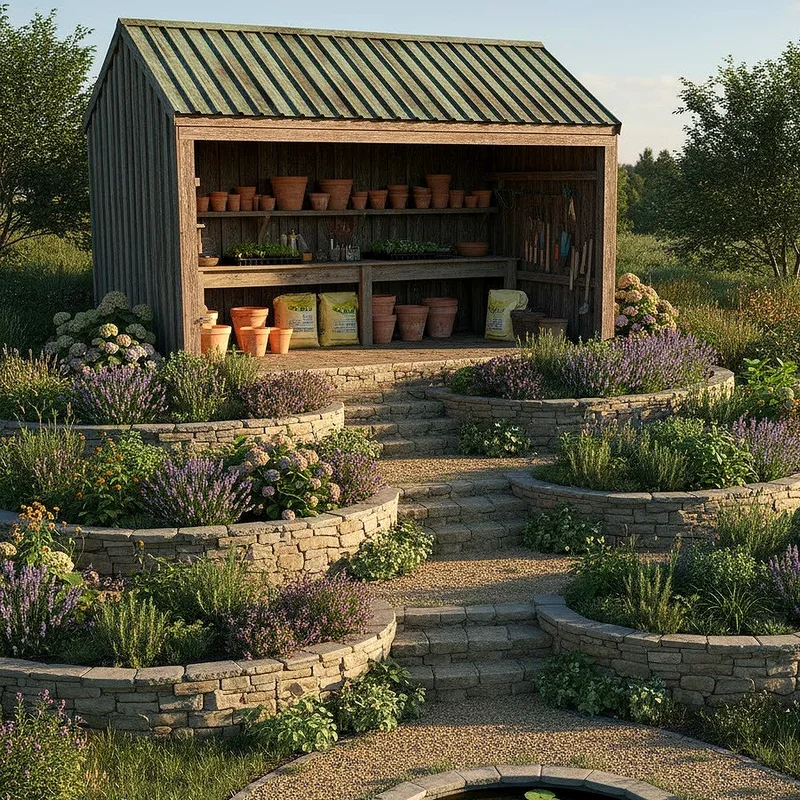
13. Decorative Brick Retaining Structures
Brick retaining walls bring traditional elegance to terraced gardens, echoing architectural details from colonial and Victorian home styles with timeless sophistication. The modular nature of brick allows intricate patterns, curves, and decorative details impossible with larger stone blocks or wooden elements. You can choose from countless brick styles including antique reclaimed materials, modern pavers, or engineered retaining wall systems designed specifically for landscaping applications. Proper installation requires concrete footings below the frost line and drainage systems behind walls to manage hydrostatic pressure from saturated soils. Brick columns at terrace entrances create formal gateways between garden rooms, while arched openings add architectural interest to otherwise utilitarian structures. This approach suits formal gardens, historic properties, and urban landscapes where refined detailing matters more than rustic naturalism.
14. Children's Play Area Terracing
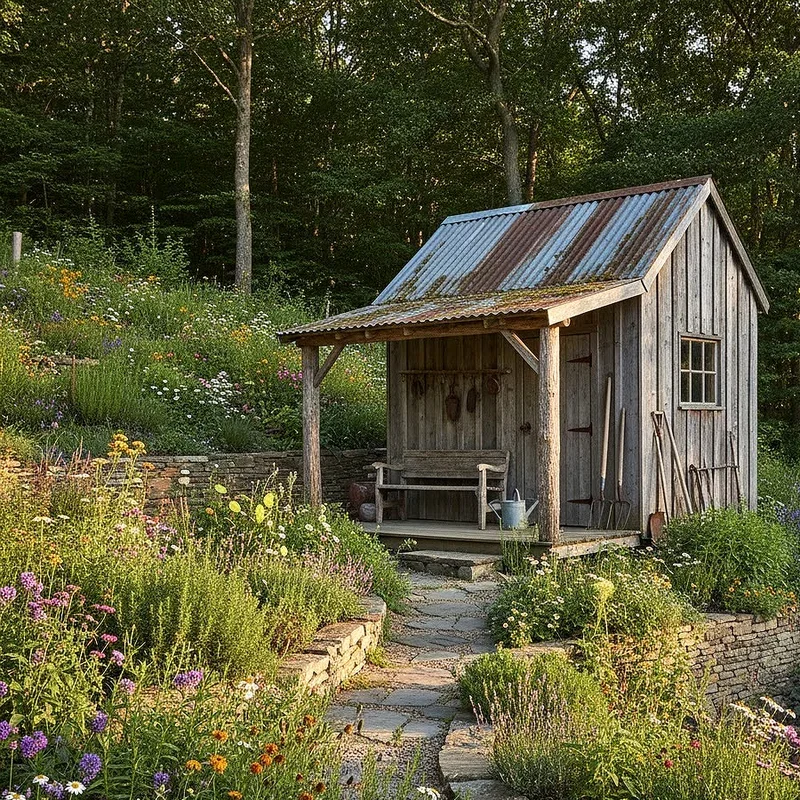
Dedicated play terraces transform slopes into magical childhood kingdoms where adventure unfolds across multiple levels with built-in exploration opportunities. Lower terraces can accommodate swing sets and climbing structures, while upper levels provide space for sandbox play or outdoor art stations. You'll create natural boundaries between active play zones and quieter garden areas where delicate plants grow without trampling risk. Soft groundcovers like clover or artificial turf cushion inevitable tumbles better than hard surfaces, while retaining walls double as balance beams for developing coordination. Incorporate hideaway spaces beneath decks or behind plantings where imaginative play flourishes away from adult supervision. As children grow, these flexible spaces adapt into teen hangouts, hobby gardens, or eventually peaceful retirement retreats through simple redesign.
15. Lighting and Nighttime Appeal
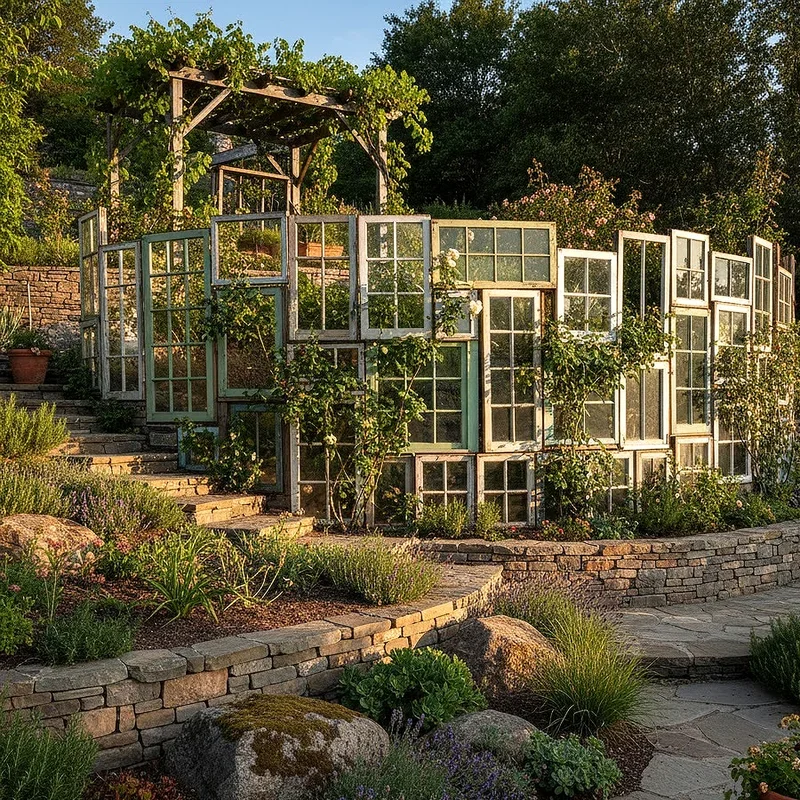
Strategic lighting extends your terraced garden's usability into evening hours while creating dramatic nighttime landscapes that showcase hardscape and plant features beautifully. Path lights ensure safe navigation between levels, while uplighting accents specimen trees, walls, and architectural features with theatrical drama. You'll find that low-voltage LED systems provide energy-efficient illumination without complicated electrical installations requiring licensed contractors and expensive permits. Moonlighting techniques, where fixtures mount high in trees shining downward, mimic natural light while casting intriguing shadows across terraces below. Consider color temperature carefully, choosing warm tones for intimate seating areas and cooler lights for dramatic focal points demanding attention. Solar options work well for accent lighting, though hardwired systems provide more reliable, powerful illumination for primary pathways and entertaining spaces.
Conclusion
Your sloped yard holds untapped potential waiting for creative vision to transform challenging terrain into your property's signature feature. These fifteen terraced garden ideas demonstrate how thoughtful design converts problems into opportunities, creating outdoor spaces more interesting than any flat lawn could offer. Whether you embrace formal brick terraces, rustic railway ties, or naturalistic native plantings, your unique solution will reflect personal style while addressing practical concerns. Start small with one terrace level, learn from the experience, then expand your vision across the entire slope as confidence grows. Remember that terraced gardens evolve over seasons and years, improving as plants mature and your design eye sharpens through observation and experimentation.
Read next: 15 Sloping Garden Ideas for Creative and Practical Yards
Frequently Asked Questions
Q1: How much does terracing a sloped yard typically cost?
A: Costs range from $1,000 for simple DIY projects to $15,000 plus for extensive professional installations.
Q2: What is the best material for retaining walls on slopes?
A: Stone, concrete blocks, and treated timber all work well depending on your budget and aesthetic preferences.
Q3: Can I terrace a slope myself or need professionals?
A: Small terraces under three feet high are DIY-friendly; taller walls require professional engineering and installation.
Q4: How do I prevent erosion on my sloped garden?
A: Deep-rooted plants, groundcovers, mulch, and properly designed retaining walls all control erosion effectively when combined.
Q5: What plants work best on terraced slopes?
A: Choose drought-tolerant species with spreading roots like ornamental grasses, sedums, junipers, and native perennials.