Discover practical ways to upgrade your home this year with smart improvements that boost comfort, efficiency, and long-term value.
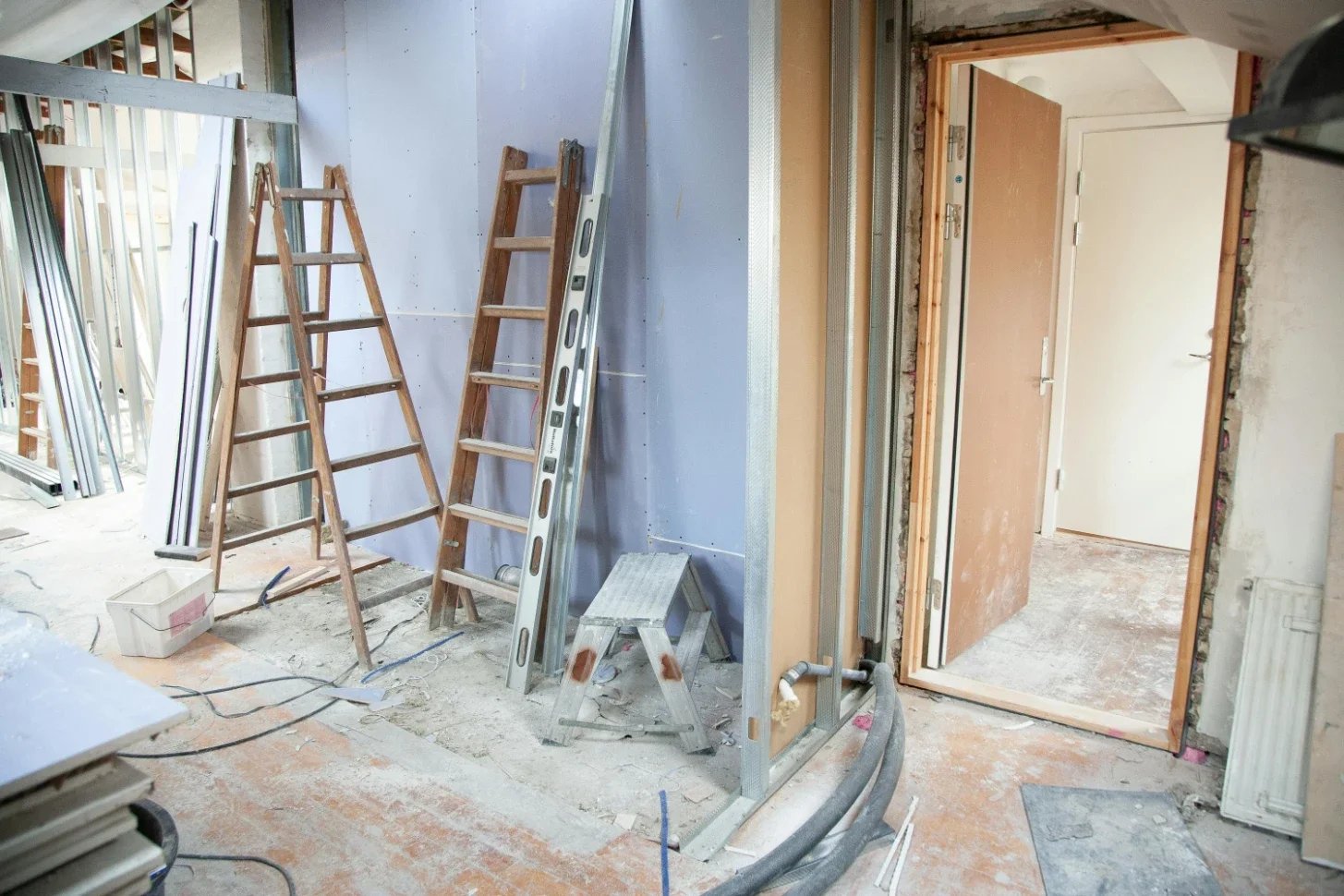
Is your house making you feel stuck? Not in the metaphorical sense, but in that everyday grind of things breaking, creaking, leaking, or just looking tired. In Longview, where people take pride in their homes and the weather swings from sweltering to soaking, taking care of your space matters. In this blog, we will share practical ways to improve your home this year—without draining your wallet or your sanity.
Start With the Bones, Not the Paint
A fresh coat of paint might feel productive, but if your crawlspace is molding or your roofline’s sagging, paint’s doing nothing but dressing up decay. The housing market in many parts of the country has cooled, but maintenance costs haven’t. Labor is up, materials aren’t coming down, and cutting corners means paying double later. Especially in towns like Longview, where sudden storms, heavy rains, and humid summers make houses work harder than they used to, the basics need attention first.
The usual suspects are moisture and wood. Rain hits hard, runoff doesn’t always drain right, and foundations shift. That’s how rot creeps into sills, how mold ends up behind drywall, and how bills stack up in spring. If you're looking for professionals who are experts at handling water damage Longview has a number of trusted companies that stay busy year-round cleaning up behind busted sump pumps, leaky roofs, and plumbing failures. This is the stuff you want to prevent—not react to.
A solid first step is a real inspection, not the free one from the roofer with the pickup and a flyer. Crawlspace, attic, exterior drainage—get it all checked by someone who doesn’t also sell what they inspect. Because the truth is, you don’t always need a new roof. Sometimes you just need gutters that don’t look like rusted spaghetti.
Smart Upgrades That Don’t Scream “Tech Bro”
When people hear “smart home,” they picture voice assistants that tell you the weather and lights that blink purple when your crypto drops. That’s not what we’re talking about. Basic home automation now includes leak detectors that text your phone, thermostats that learn your schedule, and door locks that mean never hiding a key under the mat again.
The insurance industry has caught on. Many carriers now offer discounts if you install connected smoke detectors or leak sensors, because these things catch problems early. A burst pipe isn’t a claim if you shut off the main within 30 seconds of an alert. Same goes for fires that get stopped before they rage. These aren’t luxury toys—they’re modern essentials, especially when houses are aging and homeowners are stretched.
And it doesn’t stop inside. Motion lights that scare off raccoons also discourage the guy creeping around at 3 a.m. Smart irrigation systems water your lawn only when the soil’s dry, not just because it’s 6:00 a.m. on a timer. These are practical, not performative, upgrades. They quietly save money, prevent headaches, and occasionally make you look like the one person on the block who actually has it together.
The Kitchen: Functional First, Fancy Second
Social media’s full of quartz islands and brass fixtures, but most people still make coffee next to a laminate counter from the early 2000s. If you’re thinking about kitchen upgrades, start with what’s falling apart. Wobbly cabinet doors, drawers that don’t close, faucets that leak—these signal age and wear far louder than the lack of subway tile.
Refinishing cabinets makes more sense than replacing them nine times out of ten. Swapping out hinges or repainting can change the entire feel of a room. Lighting matters too. That old fluorescent box light from the Clinton years? Swap it out for LED can lights or a simple fixture that doesn’t buzz when the AC kicks on.
Appliances are where people get irrational. There’s no reason to buy a touchscreen refrigerator that sends selfies unless the old one’s dying. Energy efficiency matters more than stainless steel. Utility rebates for high-efficiency models are everywhere right now, and they help close the price gap.
If you cook once a day, design around function. Your countertop shouldn’t be a charging station and your pantry shouldn’t be a closet with a broken door. Get a layout that flows, not one that looks good in wide-angle real estate photos.
Don’t Renovate Like You’re Flipping
Reality TV taught us to knock down walls and throw up backsplashes. But unless you’re selling soon, flipping logic doesn’t apply. Renovating for resale often means wasting money on things the next buyer won’t care about. Instead, fix for your own life.
If you’re working from home now—and a lot of people still are, at least part-time—that half-finished guest room should become a functional office. Not a Zoom background studio. Not a Pinterest board. A room with light, outlets, and a door that shuts. That’s it.
If your kids’ stuff is swallowing your living room, you don’t need a bigger house. You need storage. Built-ins, bins, or just a closet that isn’t a junk drawer in disguise. Space isn’t just square footage—it’s order.
You’ll hear advice to renovate “where it counts,” which usually means bathrooms and kitchens. But it counts where you live most. That weird step in the hallway that trips everyone, the door that never latches right, the 1990s thermostat with a cracked screen—fix those. They matter every day.
Think Like You’ll Still Be Here in Ten Years
People used to stay in homes longer. Now, job shifts, rising costs, and shifting priorities mean people move more. But if you want stability, your home needs to work long-term. That means thinking beyond what’s trendy or marketable.
Maybe your knees will hate stairs one day. Maybe your parents will need to move in. Maybe your adult kid will boomerang back after realizing Austin is expensive and freelancing isn't a career. Adaptability makes a house useful over time.
Wide doorways, first-floor bedrooms, minimal thresholds—these aren't just for aging. They’re for flexibility. You don’t need to remodel like you’re building a hospital. Just avoid boxing yourself into decisions you’ll resent later.
Even energy upgrades like better insulation, new windows, or efficient HVAC systems pay off whether you stay or go. They cut bills now and raise value later. That’s the rare kind of home improvement that works both ways.
Keeping a house functional means treating it like a living thing. It gets tired, needs upkeep, and shows signs of stress. Ignore them, and it breaks. Pay attention, and it runs better, looks better, and costs less over time. You don’t need to transform your home this year. But if you fix what’s broken, upgrade what’s outdated, and avoid chasing trends for the sake of it, you’ll end the year with a place that works better for the life you’re actually living.