15 Wood Garden Edging Ideas to Upgrade Your Garden Design
Transform your garden with 15 creative wood edging ideas. Discover rustic to modern designs that define spaces and add natural charm instantly!
Picture your garden as a masterpiece painting, but something feels unfinished. What's missing? The frame! Just as artwork needs borders to define its beauty, your garden beds crave edging that separates chaos from cultivation. Wood edging isn't just about keeping mulch in place or grass at bay; it's about creating visual rhythm that guides the eye through your outdoor sanctuary. Whether you're drawn to the weathered charm of reclaimed railway ties or the crisp lines of cedar planks, wood brings warmth that plastic and metal simply can't match. This natural material ages gracefully, developing character that enhances rather than detracts from your garden's evolving story. From budget-friendly solutions using fallen branches to sophisticated designs worthy of magazine covers, wood edging adapts to any style or wallet size. Ready to discover how these wooden boundaries can transform scattered plantings into cohesive garden rooms? Let's explore fifteen inspiring ways to frame your garden beds with nature's most versatile building material, creating definition that makes both plants and pathways sing.
1. Classic Railroad Tie Garden Borders
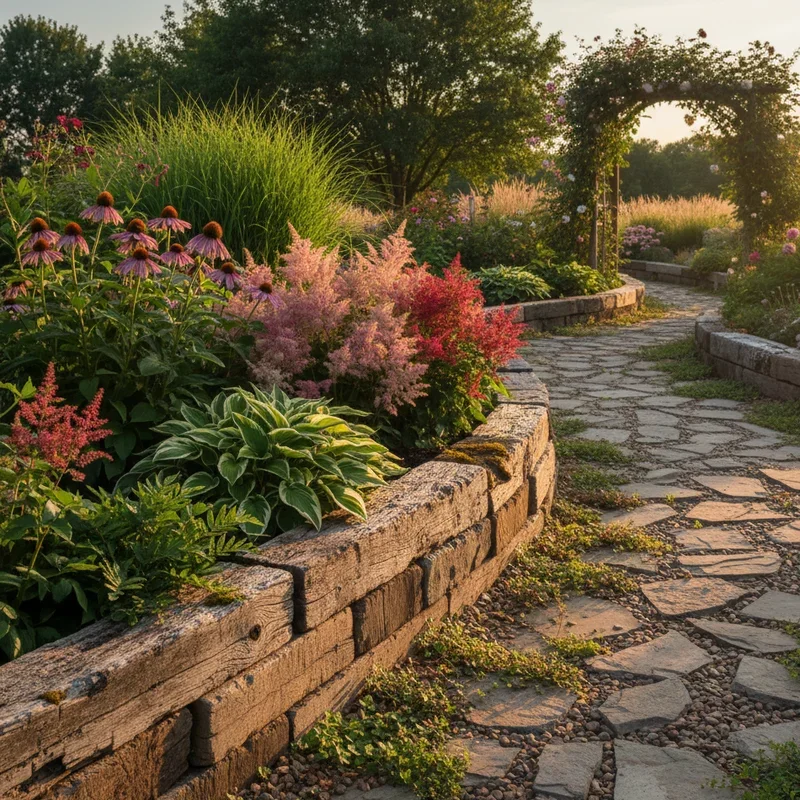
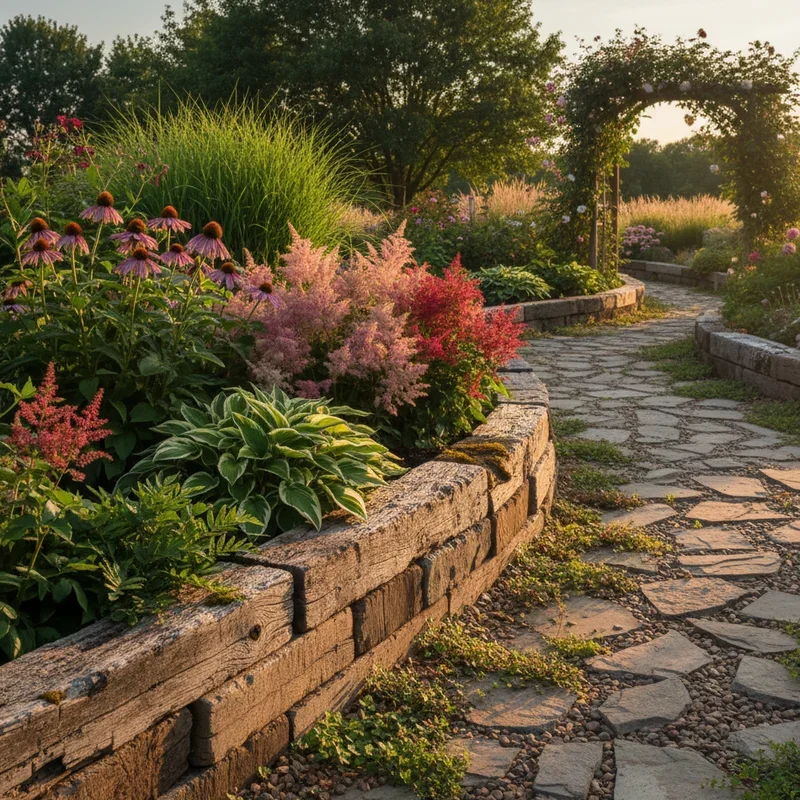
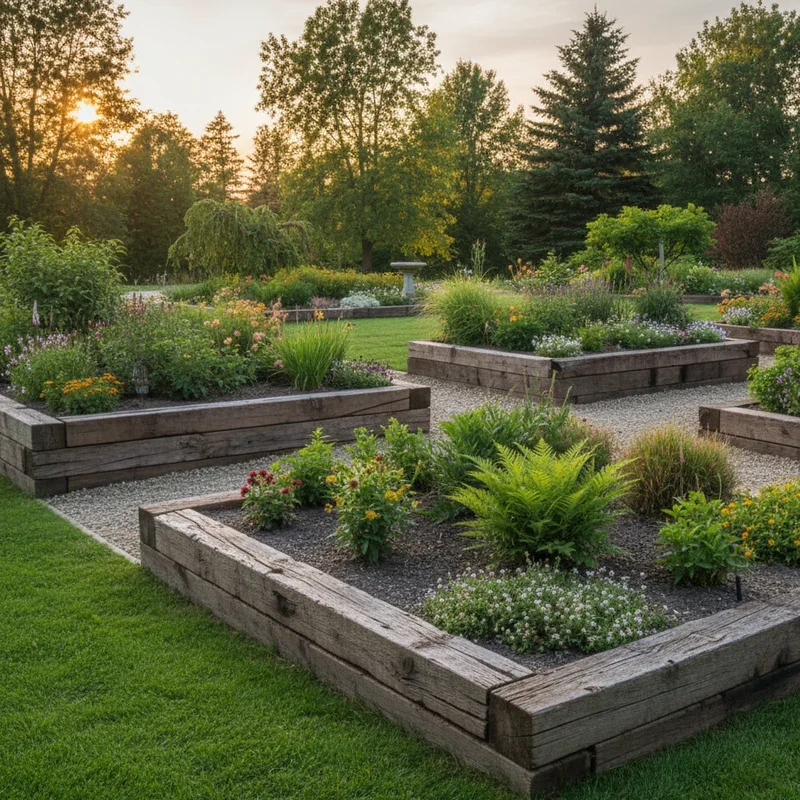
Transform your garden beds with the timeless appeal of railroad ties that bring industrial strength and rustic character to any landscape. These hefty timbers create substantial borders that won't shift or decay quickly, making them perfect for permanent installations. The dark, weathered wood provides stunning contrast against bright flowers and green foliage, like nature's own picture frame. You're getting decades of durability from materials that have already proven their longevity on actual railway lines. Stack them for raised beds or lay them flat for ground-level definition that keeps everything in its place. Modern alternatives use pressure-treated wood that mimics the look without creosote concerns. This edging particularly suits cottage gardens, vegetable plots, or anywhere you want bold, no-nonsense boundaries. The weight naturally resists frost heaving, staying put through seasonal changes that send lighter edging materials wandering.
2. Horizontal Log Edging for Rustic Charm
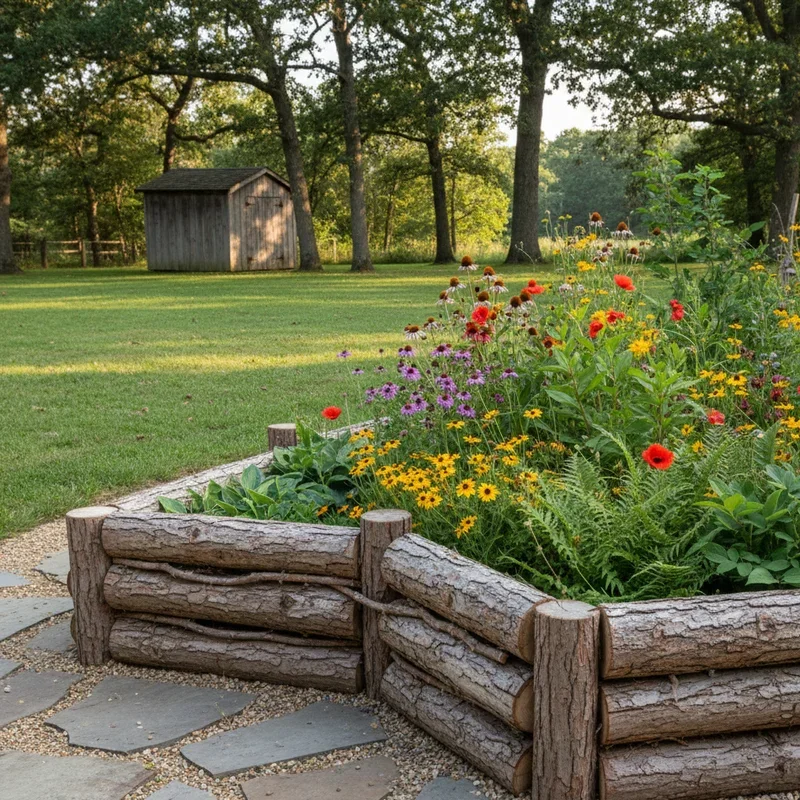
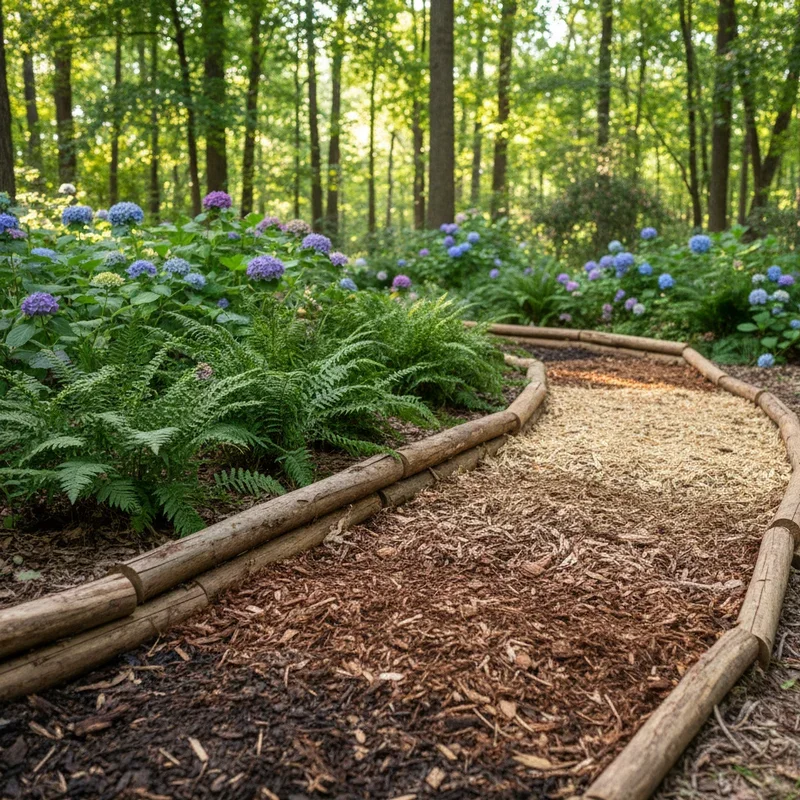
Create instant woodland appeal by laying logs horizontally along your garden beds, bringing forest floor aesthetics to cultivated spaces. This natural approach uses whole or split logs to form organic borders that look like they've always belonged there. Choose uniform diameters for formal appeal or mix sizes for a more naturalistic, collected-over-time appearance that tells a story. You're essentially bringing the cabin lifestyle to your garden, making every bed feel like a forest clearing. Cedar, pine, or hardwood logs each offer different lifespans and appearances as they weather naturally. The horizontal placement provides stable seating edges for garden work while defining spaces beautifully. This technique works especially well in shade gardens where the logs complement ferns and hostas perfectly. Secure logs with stakes to prevent rolling while maintaining that casual, just-fallen-there look everyone admires.
3. Vertical Wood Plank Edging Design
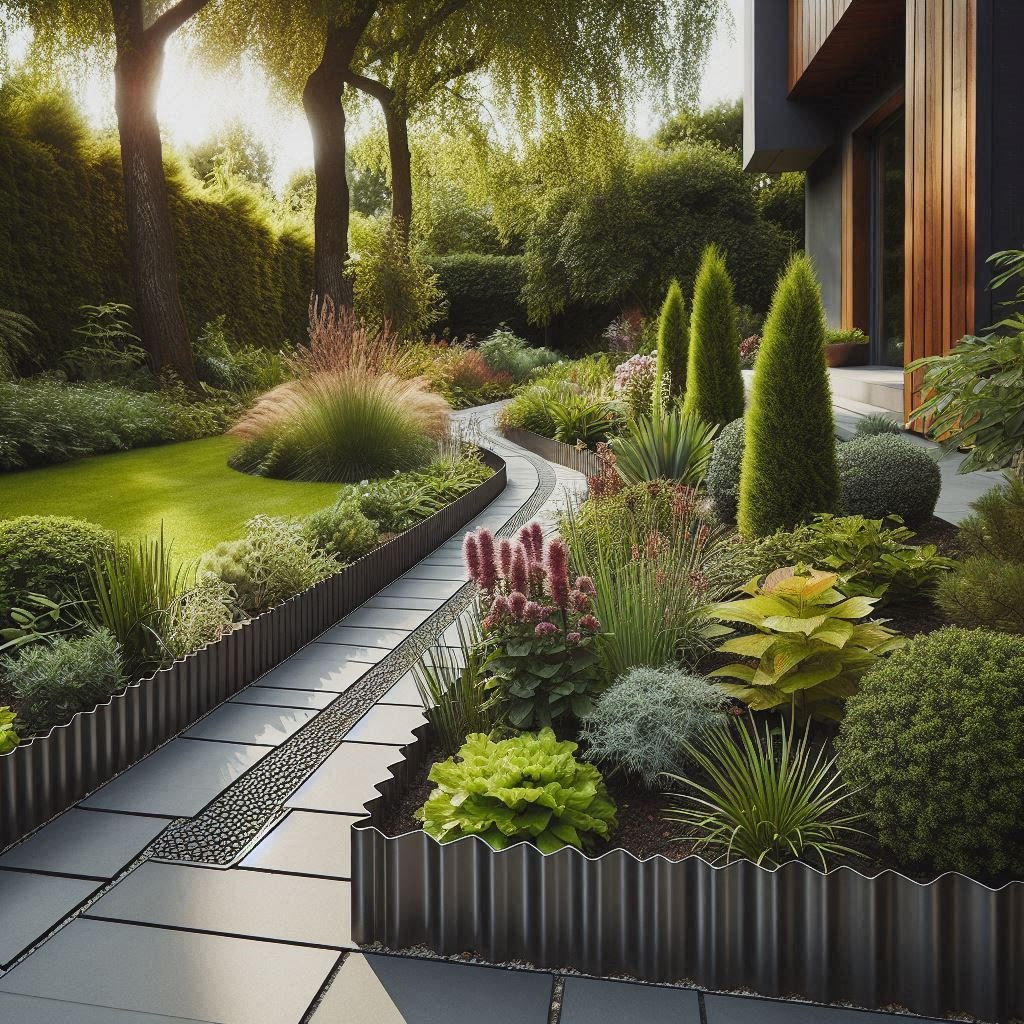
Stand planks on end to create miniature fence-like borders that add height and drama to your garden beds instantly. This vertical approach maximizes visual impact while using less ground space than horizontal edging methods require. Vary plank heights for undulating borders that mimic rolling hills or keep them uniform for crisp, modern lines. You're building rhythm into your landscape, creating a visual beat that moves the eye along pathways. Cedar or redwood planks resist rot naturally, though any wood works with proper treatment and drainage consideration. The vertical orientation sheds water quickly, extending wood life while preventing soil splash onto paths. This style particularly suits formal gardens or contemporary landscapes where clean lines dominate the design aesthetic. Paint or stain planks to match house trim, creating cohesive design that ties architecture to landscape seamlessly.
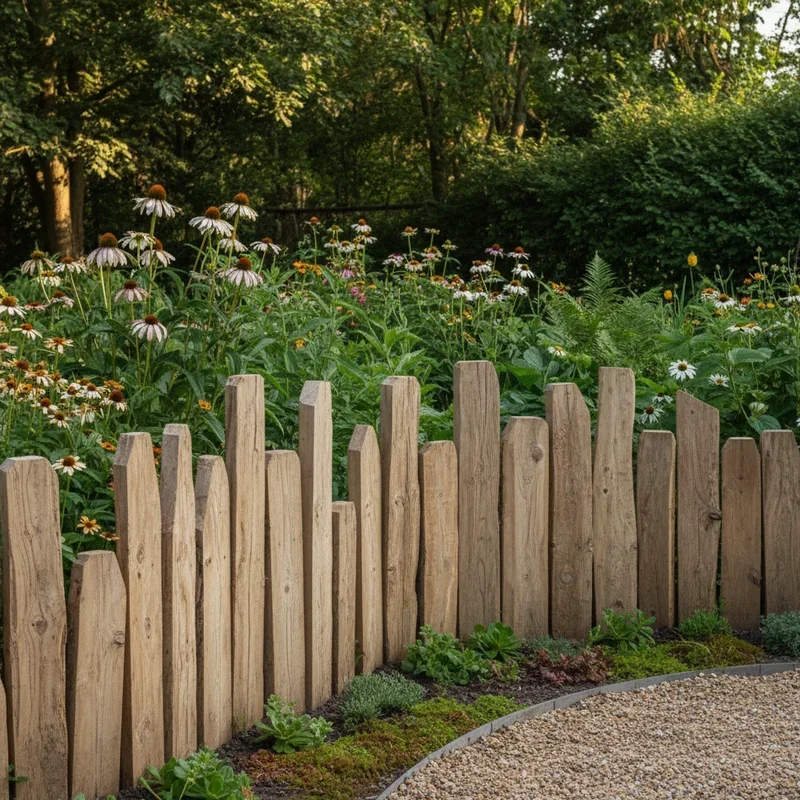
4. Woven Willow Branch Borders
Channel ancient garden traditions with woven willow borders that bring artisanal craftsmanship and Old World charm to modern gardens. This flexible edging technique creates organic curves and flowing lines impossible with rigid materials, like nature's own basketry. Fresh willow branches remain pliable for weaving, hardening as they dry into surprisingly durable structures that last years. You're creating living art that adds texture and interest even when plants are dormant in winter. The woven pattern provides excellent support for floppy perennials while maintaining an airy, see-through quality. This method particularly suits cottage gardens, herb spirals, or anywhere you want that handcrafted, sustainable aesthetic. Harvest your own willow or purchase bundles from craft suppliers for this rewarding DIY project. The natural variation in branch thickness and color ensures each section looks unique and handmade authentically.
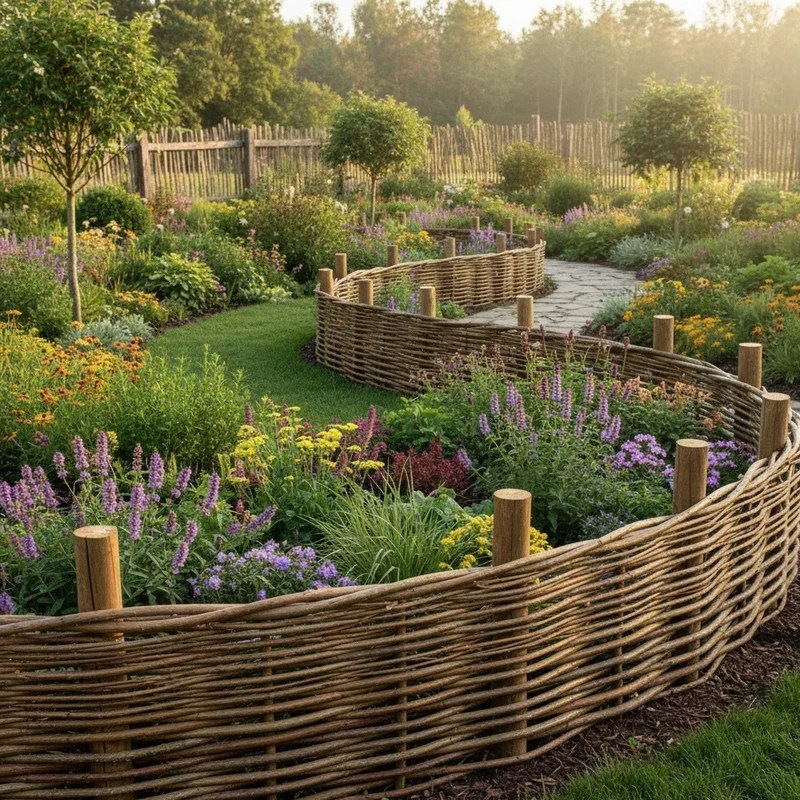
5. Cedar Shingle Garden Edging
Repurpose cedar shingles into sophisticated garden edging that brings architectural detail to your outdoor spaces effortlessly. These thin wood pieces overlap like scales, creating textured borders that catch shadows and add dimensional interest throughout the day. The natural oils in cedar resist insects and decay, ensuring your investment looks great for years without chemical treatments. You're adding roofing materials at ground level, creating unexpected connections between home and garden design elements. Arrange shingles vertically for picket-fence effects or angle them for dynamic, modern appearances that feel fresh. This technique works beautifully in formal gardens where precision matters or casual spaces needing subtle definition. The weathered gray patina cedar develops enhances any color scheme while maintaining structural integrity impressively. Install shingles at varying depths to create undulating borders that flow like wooden waves through your landscape.
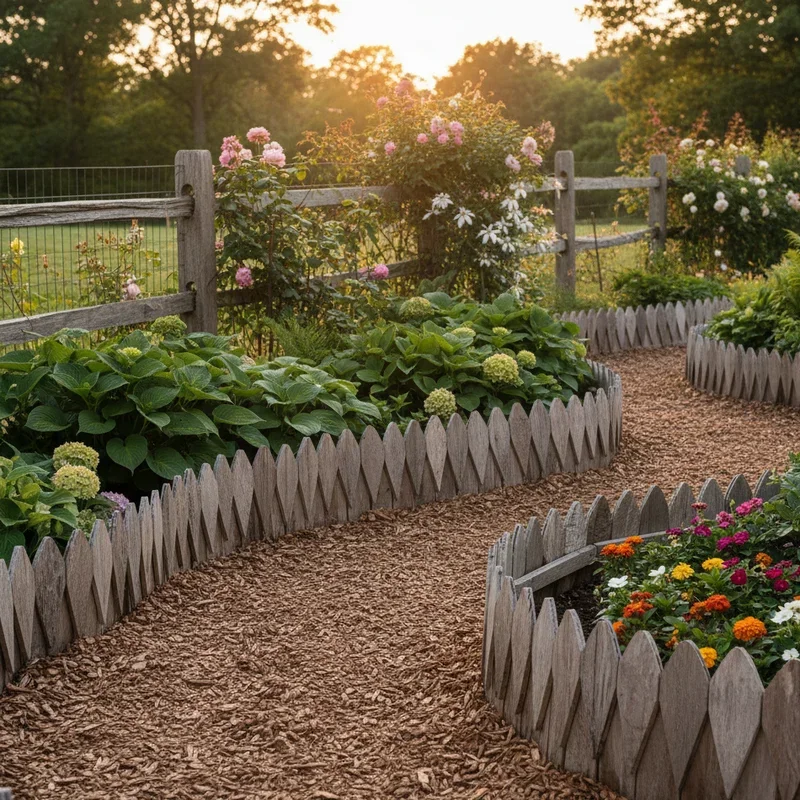
6. Bamboo Garden Border Solutions
Embrace sustainability with bamboo edging that grows faster than trees while providing equally attractive and durable garden borders. This versatile grass masquerades as wood, offering similar aesthetics with enhanced environmental benefits that eco-conscious gardeners appreciate. Choose from natural golden tones or carbonized dark browns to complement your garden's color palette perfectly. You're working with one of Earth's most renewable resources, creating borders that align with green gardening principles. Split bamboo creates fence-like barriers while whole culms make substantial, architectural statements in the landscape. The hollow structure means lighter weight for easier installation without sacrificing strength or longevity significantly. This material particularly suits Asian-inspired gardens, tropical themes, or modern sustainable landscape designs emphasizing environmental responsibility. Bamboo's natural resistance to moisture makes it ideal for humid climates where other woods quickly deteriorate.
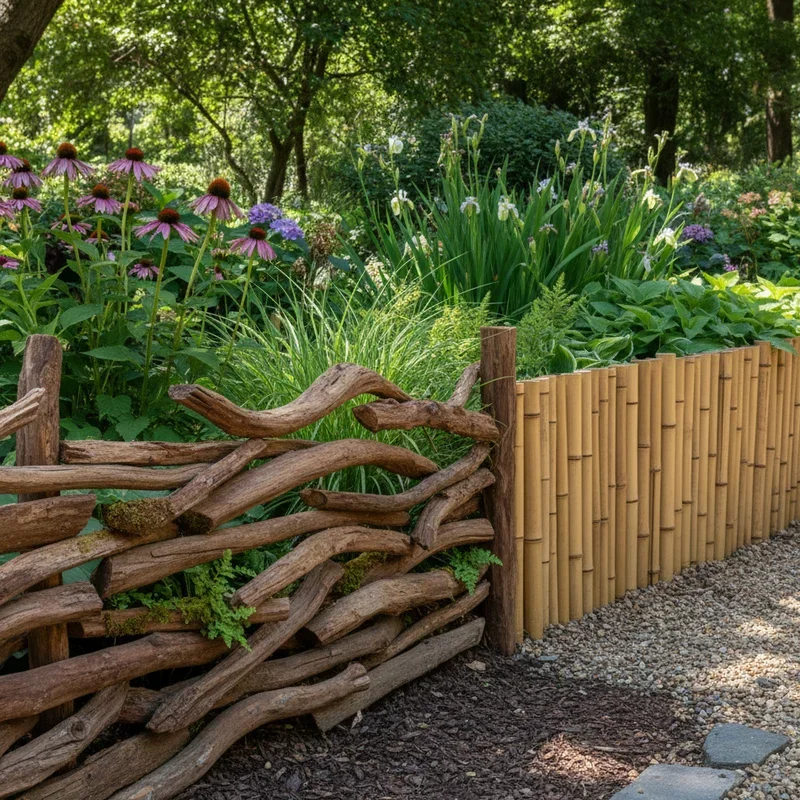
7. Reclaimed Wood Pallet Edging
Transform shipping pallets into creative garden borders that keep materials from landfills while adding industrial chic to your landscape. This upcycling approach offers free or cheap materials that bring character through weathering, stamps, and unique grain patterns. Disassemble pallets for individual boards or use sections intact for instant raised bed construction that's both practical and stylish. You're giving waste wood new purpose, creating borders with built-in sustainability stories that spark conversations. The varied wood types in pallets create patchwork effects that add visual interest without trying too hard. This edging suits urban gardens, community plots, or anywhere budget consciousness meets environmental awareness effectively. Sand rough edges for safety while maintaining that authentic, working-wood appearance people find appealing. Heat-treat or seal reclaimed wood to ensure longevity and prevent any pest issues from previous storage.
8. Half-Log Roll Border Design
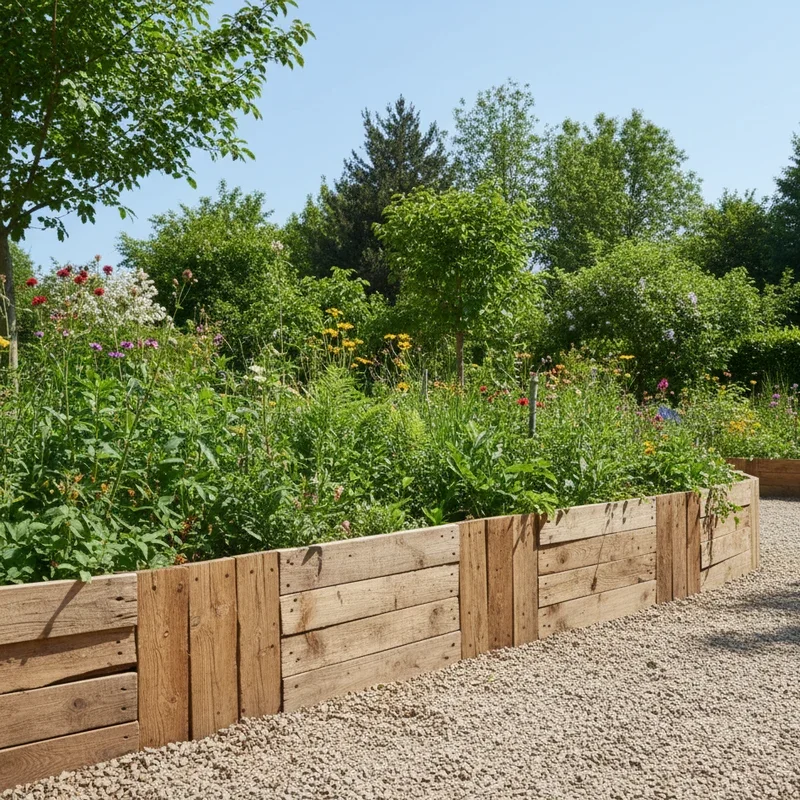
Install half-log roll borders for that classic playground aesthetic that brings nostalgia and function to residential gardens beautifully. These pre-made sections connect easily, creating continuous borders that curve gracefully around beds and pathways effortlessly. The rounded tops shed water while flat backs sit stable against soil, preventing tipping or shifting over time. You're building miniature log cabin walls at ground level, adding frontier charm to suburban landscapes instantly. Pine versions offer affordability while cedar or redwood upgrades provide enhanced durability worth the investment. This edging particularly suits informal gardens, children's play areas, or naturalistic landscapes mimicking woodland settings. The uniform appearance creates clean lines despite the rustic material, bridging casual and formal design styles. Flexible connections allow for creative shapes, from perfect circles to serpentine curves that flow naturally.
9. Driftwood Garden Edge Creation
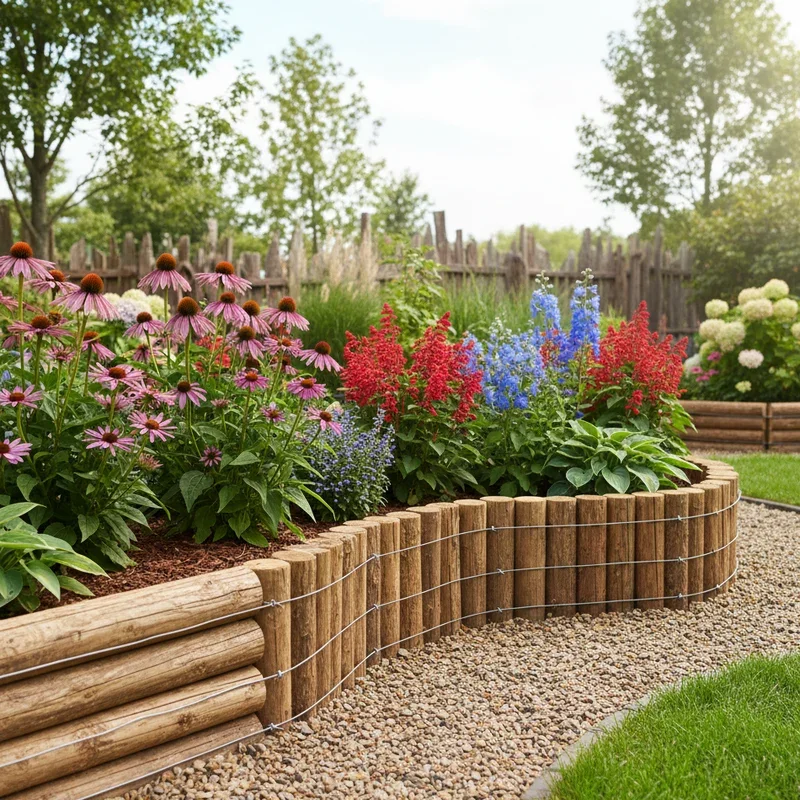
Bring beachside beauty inland with driftwood edging that adds sculptural interest and coastal character to any garden setting. Each piece tells an oceanic story through its weathered surface, smooth texture, and unique shape formed by waves and time. Collect your own during beach visits or purchase from suppliers for instant seaside ambiance without the sand. You're installing nature's artwork as functional borders, making every garden bed feel like a tidal pool discovery. The silver-gray patina complements both colorful annuals and subtle perennial palettes with equal grace. This approach works wonderfully in coastal gardens, zen spaces, or anywhere seeking that weathered, timeless appearance. Arrange pieces by size for formal looks or mix randomly for organic, storm-tossed effects that feel authentic. Anchor larger pieces with hidden stakes while allowing smaller driftwood to nestle naturally against soil.
10. Stacked Firewood Style Edging
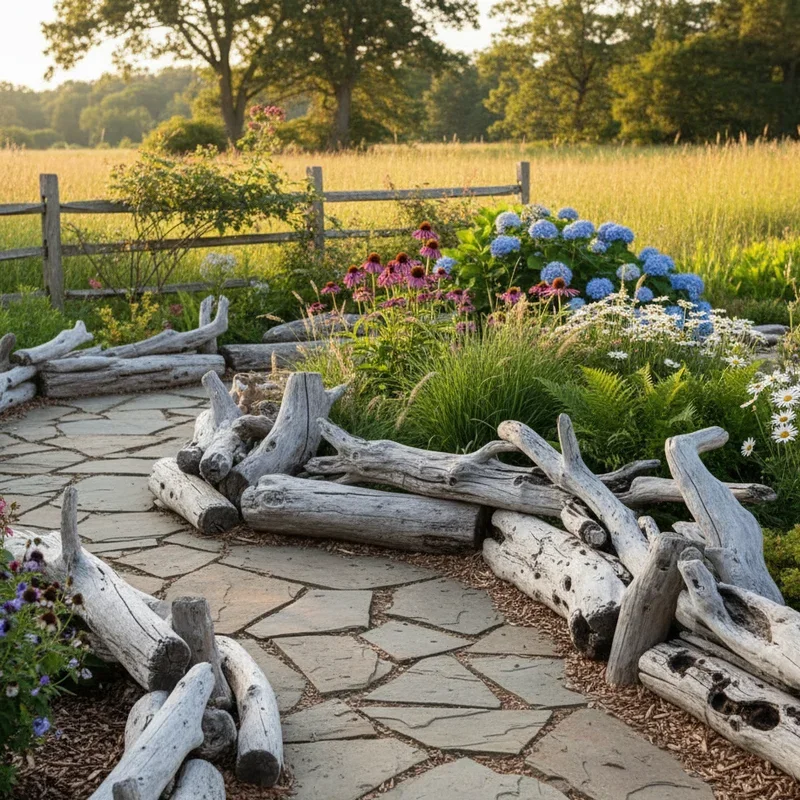
Stack split firewood along garden beds to create borders that serve double duty as decoration and fuel storage creatively. This practical approach makes productive use of necessary materials while adding rustic texture to your landscape design. The varied sizes and shapes of split wood create interesting patterns that change as you use and replenish supplies. You're turning utilitarian storage into garden art, proving that functional elements can enhance rather than detract from beauty. Use seasoned hardwood for longest lasting borders or softwood for quicker turnover and fresh appearances regularly. This technique particularly suits country properties, cabin gardens, or anywhere wood heating makes firewood storage necessary anyway. Create stable stacks using alternating directions or uniform placement depending on your aesthetic preferences and stability needs. Cover tops with board caps to shed rain while maintaining easy access for winter fuel needs.
11. Japanese-Inspired Wood Block Borders
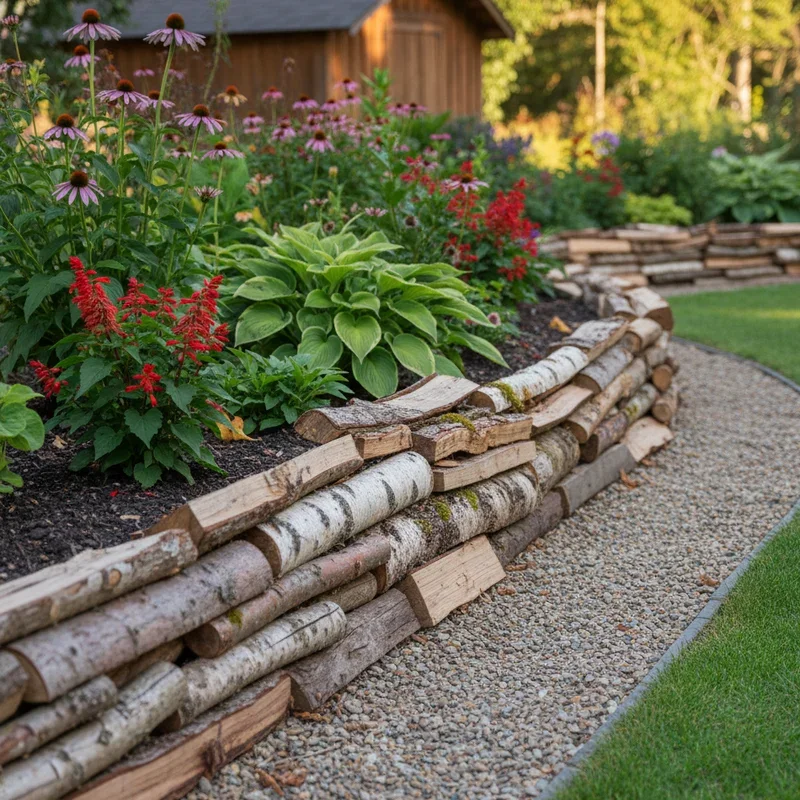
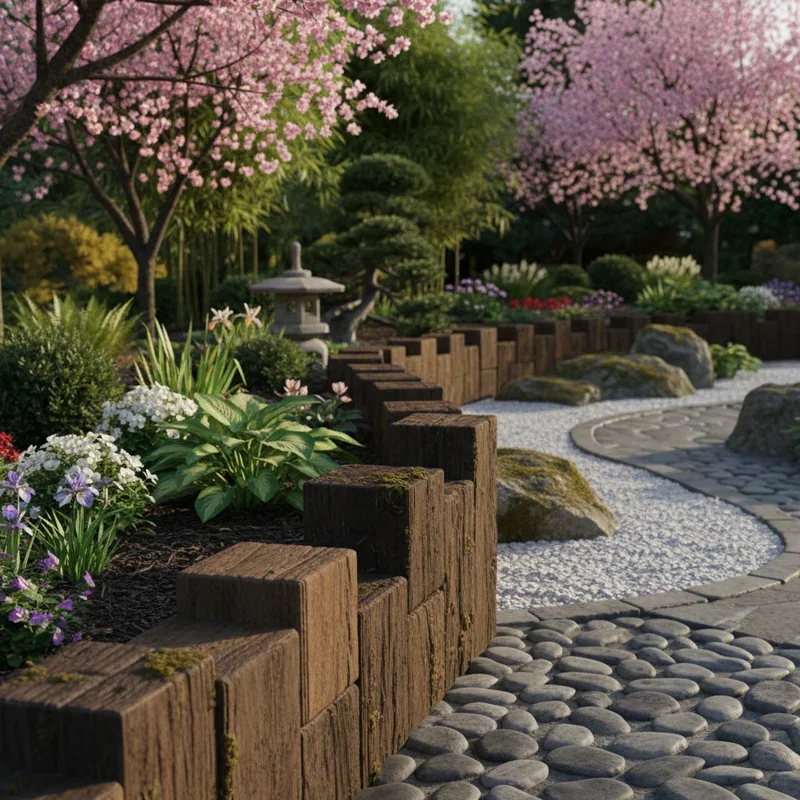
Design zen-like borders using square wood blocks placed vertically for clean, minimalist edging that embodies Japanese garden principles. This geometric approach creates order and tranquility through repetition and precision that calms both eye and mind. Space blocks evenly for formal effects or vary gaps to allow groundcovers to soften the rigid lines naturally. You're building meditation into your borders, creating peaceful transitions between cultivated and natural spaces throughout your garden. Use naturally rot-resistant woods or treat blocks for longevity while maintaining that essential weathered appearance over time. This style suits contemporary gardens, Asian-themed spaces, or anywhere seeking subtle sophistication without overwhelming ornament. The modular nature allows easy replacement of individual blocks without disturbing entire border sections significantly. Consider different heights to create stepping patterns that add movement to otherwise static edge designs.
12. Bent Wood Garden Curves
Steam or soak flexible wood strips to create curved borders that bring organic flow to geometric garden layouts gracefully. This technique allows for sinuous edges impossible with rigid materials, making gardens feel more natural and inviting. Young saplings, green wood, or specially prepared strips bend without breaking when properly prepared and installed carefully. You're sculpting with wood, creating living lines that dance through your landscape like frozen ribbons. The curved forms soften harsh angles while guiding movement through garden spaces in pleasing, intuitive ways. This method particularly suits cottage gardens, woodland settings, or anywhere rigid straight lines feel too formal. Anchor curves with stakes until wood dries and holds its shape permanently without support. Layer multiple strips for stronger borders or use single pieces for delicate definition between garden areas.
13. Wine Barrel Stave Edging
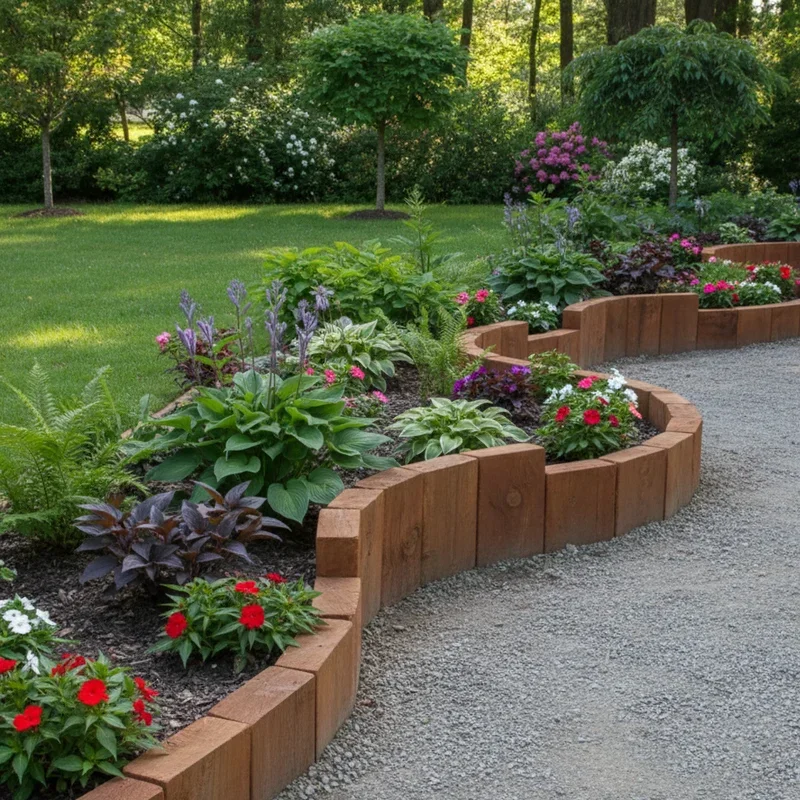
Repurpose wine barrel staves into curved garden borders that bring vineyard elegance and upcycled character to your landscape. These weathered oak pieces carry stories of vintages past while providing durable, attractive edging for years ahead. The natural curve of staves creates gentle borders that flow organically through garden beds without forcing straight lines. You're adding wine country romance to your garden, making every bed feel like a piece of Napa Valley. The char marks and wine stains add character that new wood can't replicate, creating instant patina appeal. This edging particularly suits Mediterranean gardens, herb beds, or anywhere that vineyard aesthetic enhances the overall design. Connect staves end-to-end for continuous borders or space them as individual accent pieces marking transitions. The oak's durability means these borders last decades with minimal maintenance beyond occasional cleaning.
14. Tree Branch Natural Borders
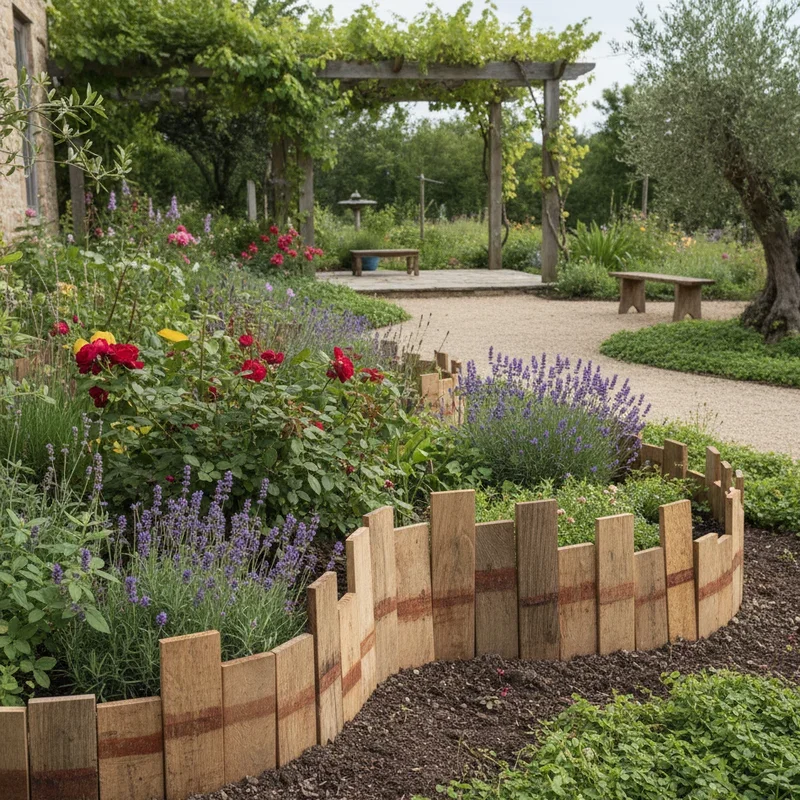
Gather fallen branches to create free, natural borders that bring woodland authenticity to cultivated garden spaces effortlessly. This zero-cost solution uses materials nature provides, creating borders that blend seamlessly with natural landscape styles. Select branches of similar diameter for uniform appearance or mix sizes for more organic, forest-floor effects throughout. You're working with nature's pruning, turning yard waste into functional garden elements that feel completely authentic. Layer branches horizontally for low borders or stand them vertically for miniature fence effects around beds. This technique suits wildlife gardens, naturalistic plantings, or anywhere that polished materials would feel out of place. Replace branches as they decompose, adding nutrients to soil while maintaining border integrity continuously over time. The irregular shapes create interesting shadows and provide habitat for beneficial insects and small creatures.
15. Layered Wood Chip Edging
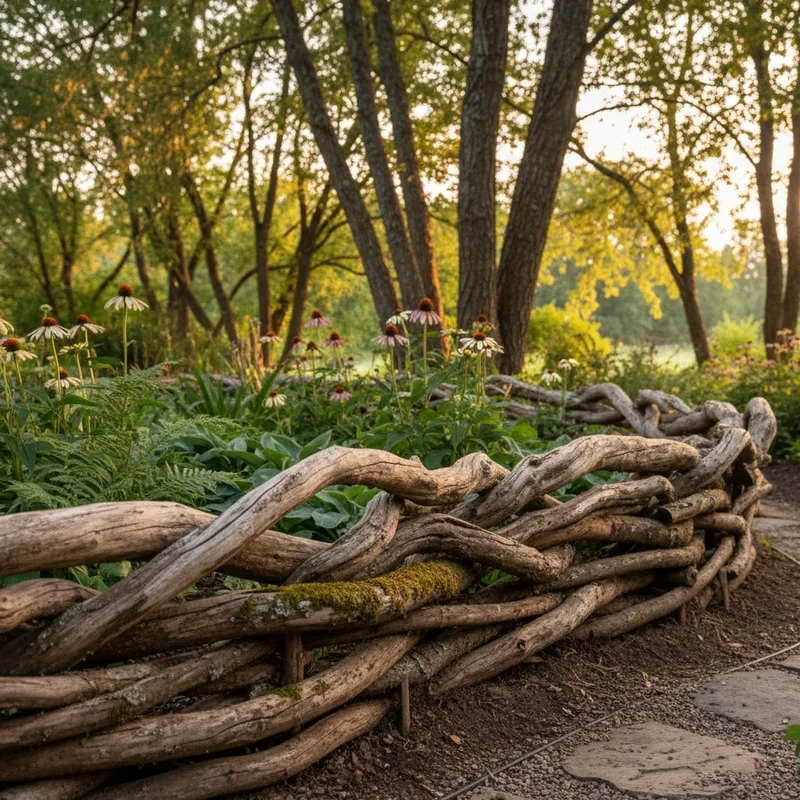
Build up wood chip borders that create soft, natural edges while suppressing weeds and retaining moisture effectively. This gradual transition between lawn and bed eliminates harsh lines while providing all the benefits of defined borders. Fresh chips offer bright color that weathers to blend naturally with surrounding mulch and soil over time. You're creating biodegradable borders that feed your soil as they decompose, adding organic matter continuously. The flexible nature allows for easy shape changes as gardens evolve and expand over the seasons. This method particularly suits informal gardens, new landscapes, or temporary borders while permanent solutions are planned. Refresh chips annually to maintain definition and prevent grass encroachment into cultivated bed areas effectively. Different wood types create various colors and textures, from red cedar to golden pine chips.
Conclusion
Wood garden edging offers endless possibilities for defining spaces while adding natural beauty that synthetic materials can't match. These fifteen ideas prove that whether you prefer rustic charm or modern sophistication, there's a wood edging solution perfect for your garden style and budget. The key lies in choosing materials that complement your landscape while providing the durability and maintenance level you're comfortable with. Start with one bed and let your bordered paradise evolve naturally.
Read next: 15 Rustic Garden Edging Ideas for a Natural Outdoor Look
Frequently Asked Questions
Q1: How long does wood garden edging typically last?
A1: Cedar and redwood last 15-20 years; pine needs replacement every 5-7 years untreated.
Q2: Should I treat wood edging to prevent rot?
A2: Yes, use eco-friendly sealers or choose naturally rot-resistant woods like cedar for longevity.
Q3: What's the most budget-friendly wood edging option?
A3: Fallen branches, reclaimed pallets, or wood chips offer free or very affordable edging solutions.
Q4: How deep should wood edging be installed?
A4: Bury one-third of the edging height for stability while preventing frost heaving effectively.
Q5: Can wood edging work in wet climates?
A5: Yes, choose rot-resistant species and ensure proper drainage to extend edging life significantly.