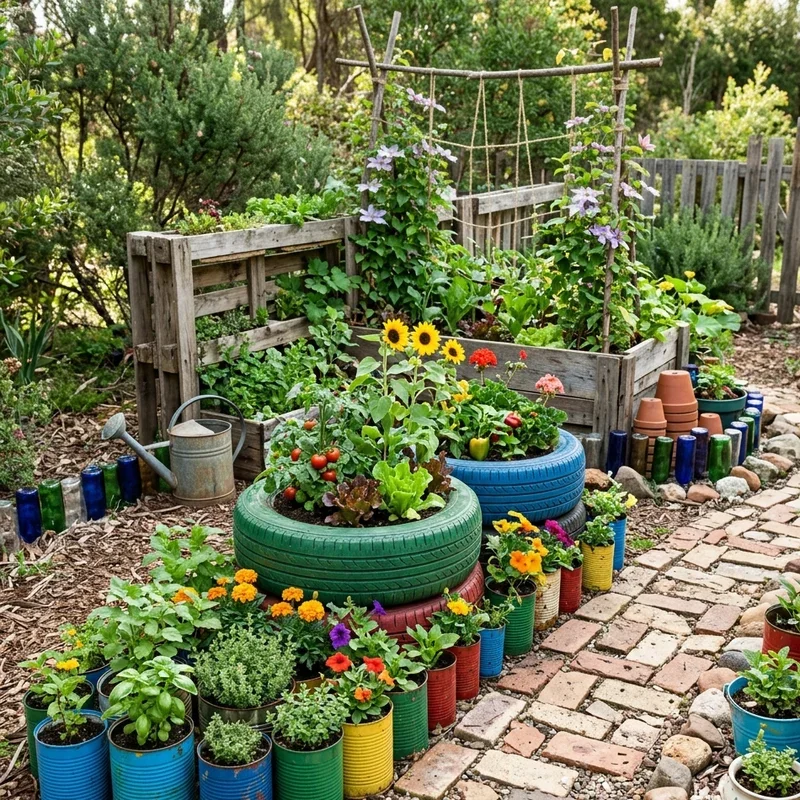
Transform your backyard with stunning garden steps. Discover 15 creative ideas from natural stone to modern concrete for beautiful pathways.
Have you ever wondered how a simple pathway could completely transform your outdoor space? Garden steps do more than just connect different levels of your yard. They create visual interest, guide movement, and add charm to your landscape design. Whether you're working with a steep hillside or a gently sloping garden, the right steps can turn a challenging terrain into a stunning feature. From rustic wooden treads to elegant stone stairs, the possibilities are endless. Think of garden steps as the jewelry of your backyard, adding sparkle and personality to your outdoor living area. Each material and style tells a different story, whether you prefer the timeless appeal of natural stone or the clean lines of modern concrete.
1. Natural Stone Steps for Timeless Elegance
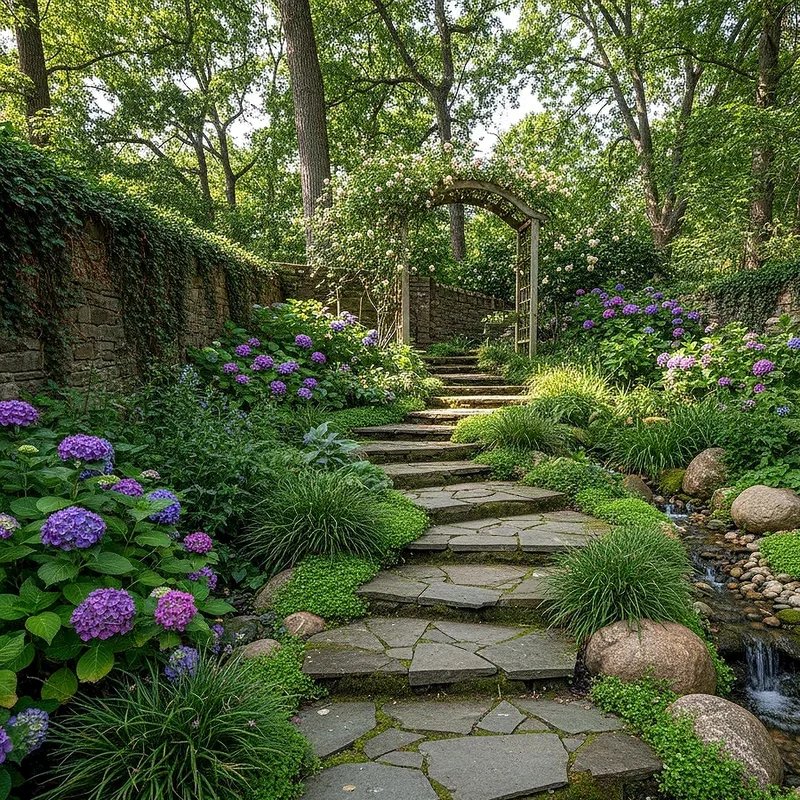
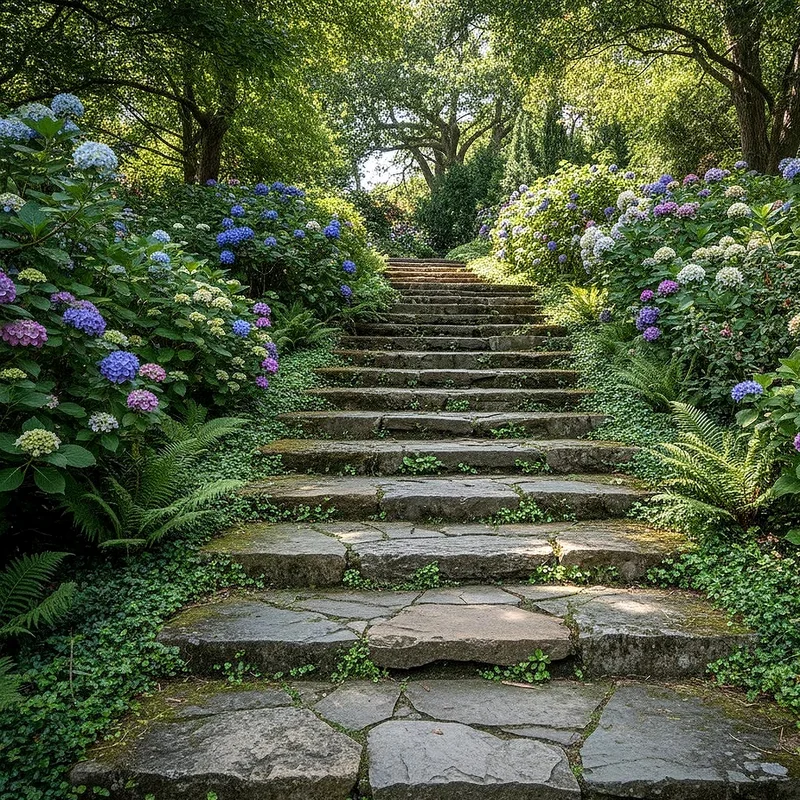
Natural stone steps bring an unmatched elegance to your backyard that never goes out of style. These steps work beautifully in any landscape, from formal gardens to casual cottage settings. You can choose from granite, slate, bluestone, or sandstone, each offering unique textures and colors. The irregular surfaces create a handcrafted look that feels organic and inviting. Installation requires proper foundation work, but the investment pays off with decades of durability. Stone naturally resists weathering and develops a beautiful patina over time. You'll find that these steps blend seamlessly with surrounding plants and rocks. The weight and stability of natural stone provide safe footing in all weather conditions. Consider adding low voltage lighting along the edges to highlight their beauty at night.
2. Wooden Timber Steps for Rustic Charm
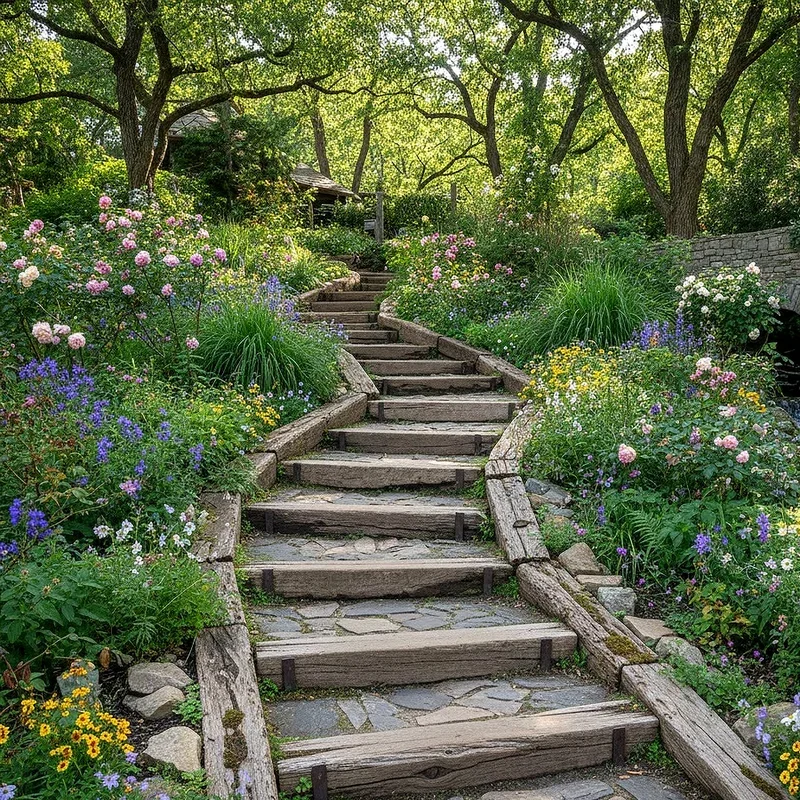
Wooden timber steps infuse your garden with warmth and rustic character that synthetic materials simply cannot replicate. Thick timber beams create substantial treads that feel solid underfoot while maintaining a natural aesthetic. Cedar and redwood offer excellent rot resistance, making them ideal choices for outdoor applications. You can stain or seal the wood to enhance its natural beauty and extend its lifespan significantly. These steps work particularly well in wooded areas or gardens with a casual, relaxed atmosphere. The horizontal lines of timber steps create a sense of calm and stability in your landscape design. You might incorporate gravel or mulch between the timbers for added texture and drainage. Regular maintenance keeps them looking fresh, but the weathered appearance also adds authentic charm over time.
3. Brick Garden Steps for Classic Appeal
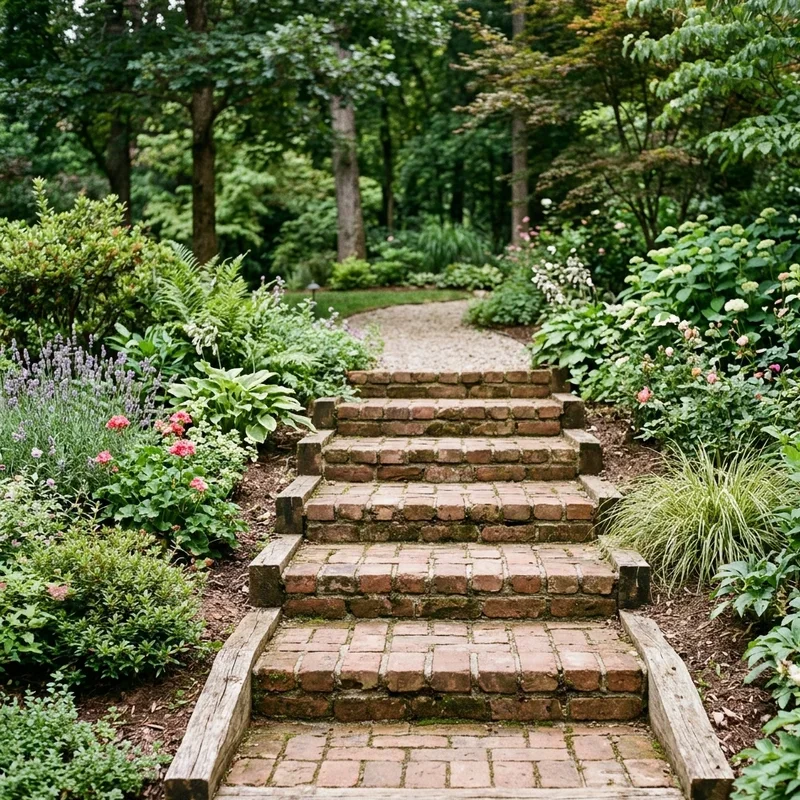
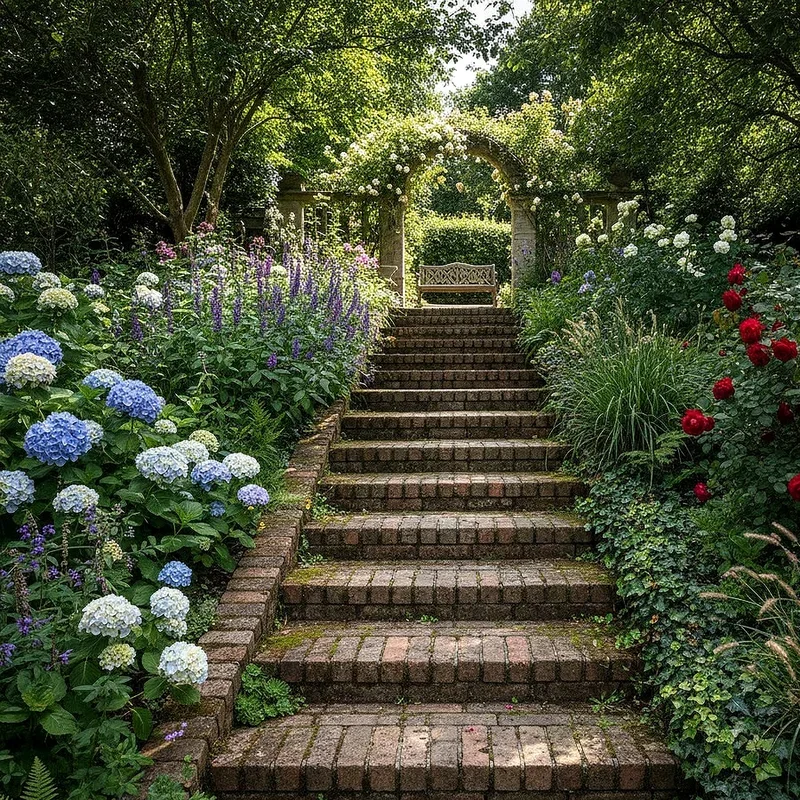
Brick steps deliver classic beauty that complements traditional and colonial style homes perfectly. The warm red tones create visual warmth while the uniform size allows for countless creative patterns. You can arrange bricks in herringbone, basket weave, or running bond patterns to add visual interest. Brick naturally provides excellent traction, making it a safe choice for frequently used pathways. The material ages gracefully, developing character as moss and weathering soften its appearance. Installation flexibility allows you to create curved or straight steps depending on your landscape needs. Brick works wonderfully with other materials like stone borders or concrete foundations for structural support. The porous nature of brick allows water to drain through, reducing slippery surfaces during rain or snow.
4. Concrete Steps with Modern Flair
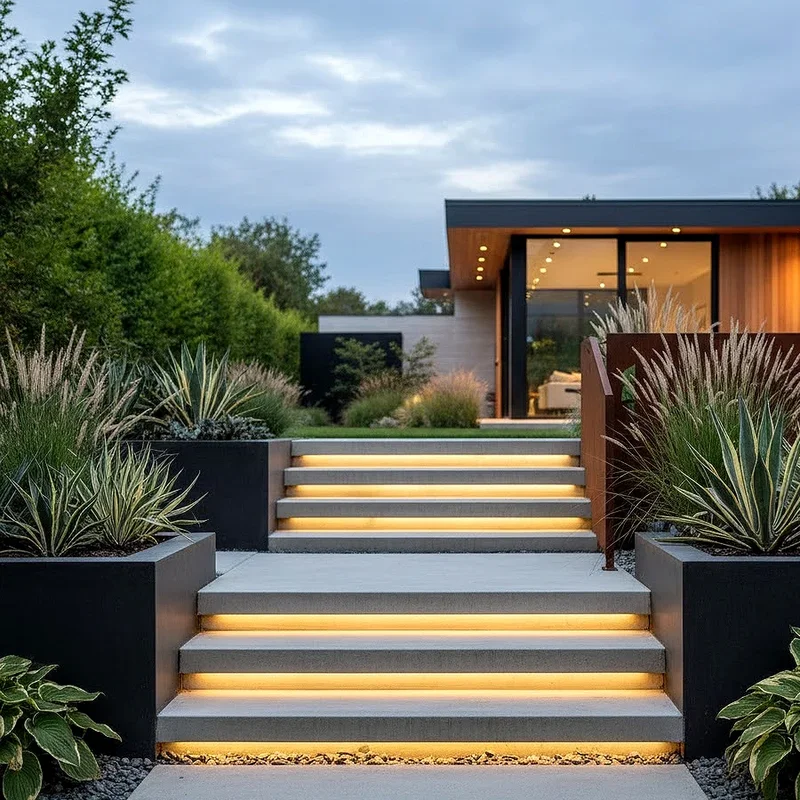
Concrete steps offer incredible versatility for creating sleek, contemporary garden pathways that make bold statements. Modern concrete goes far beyond plain gray slabs, with options for stamping, staining, and aggregate finishes. You can customize the color to complement your home's exterior or create striking contrasts with your landscape. Poured concrete steps provide smooth, uniform surfaces that are easy to maintain and wheelchair accessible. The material adapts to any shape, allowing for curved, angled, or geometric designs that showcase your creativity. Concrete proves extremely durable, withstanding freeze-thaw cycles and heavy foot traffic without deteriorating. You might add decorative elements like exposed aggregate or embedded stones for added visual texture. These steps work especially well in minimalist gardens where clean lines take center stage.
5. Gravel and Timber Combination Steps
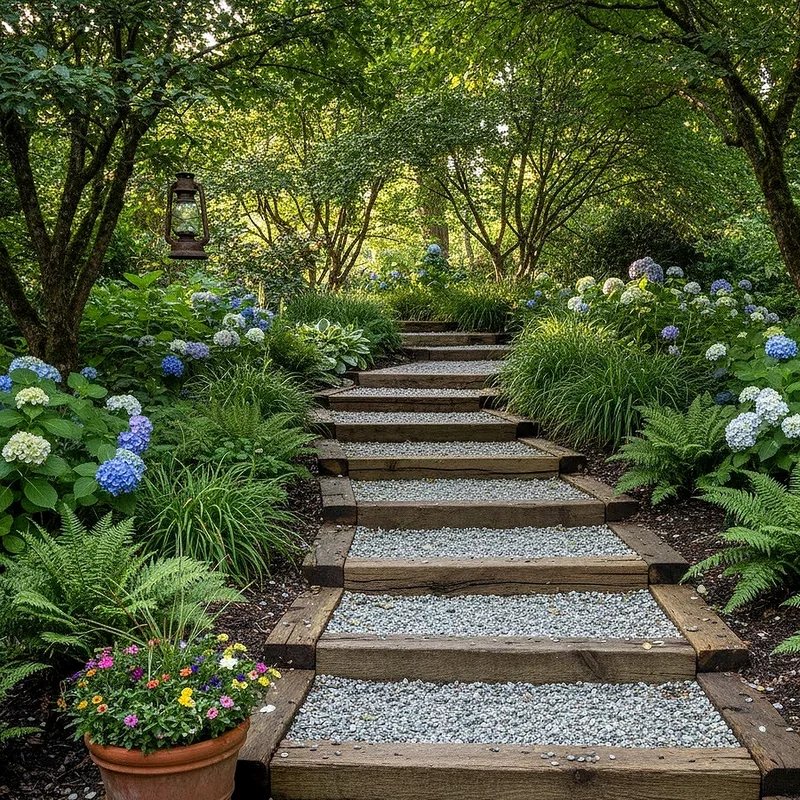
Combining gravel with timber creates dynamic steps that balance structure with natural flow beautifully. Timber risers hold the gravel treads in place while providing clear definition between each level. This combination drains exceptionally well, making it perfect for areas prone to standing water or heavy rainfall. The crunching sound of gravel underfoot adds a sensory element that enhances your garden experience. You can choose from pea gravel, crushed stone, or decomposed granite to match your aesthetic preferences. This design works wonderfully in informal gardens where a softer, less structured appearance is desired. Maintenance involves occasional gravel replenishment, but the overall upkeep remains minimal compared to other options. The contrast between smooth wood and textured stone creates visual interest at every step.
6. Flagstone Steps for Informal Beauty
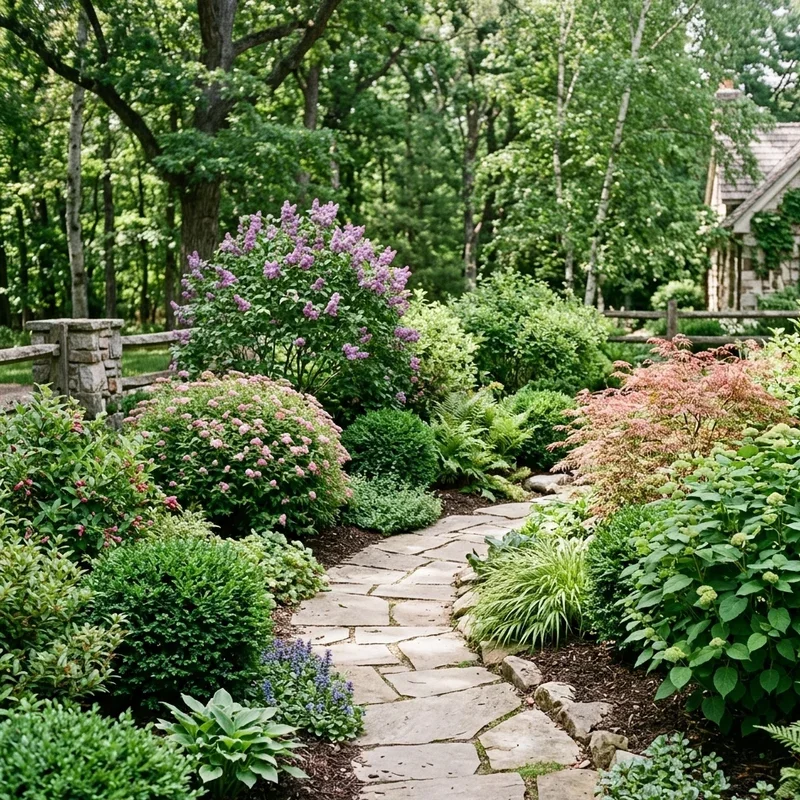
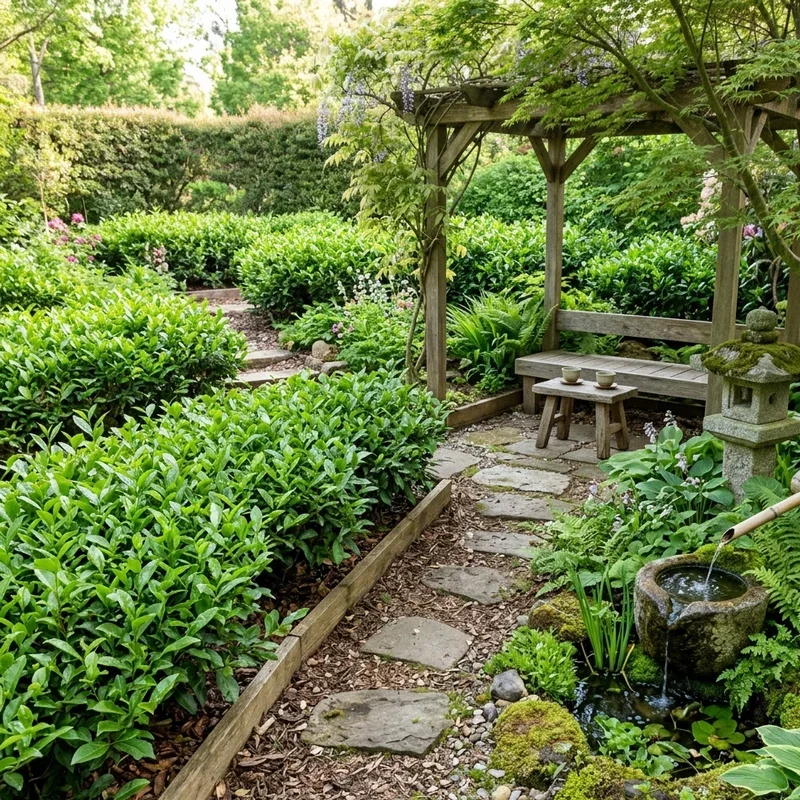
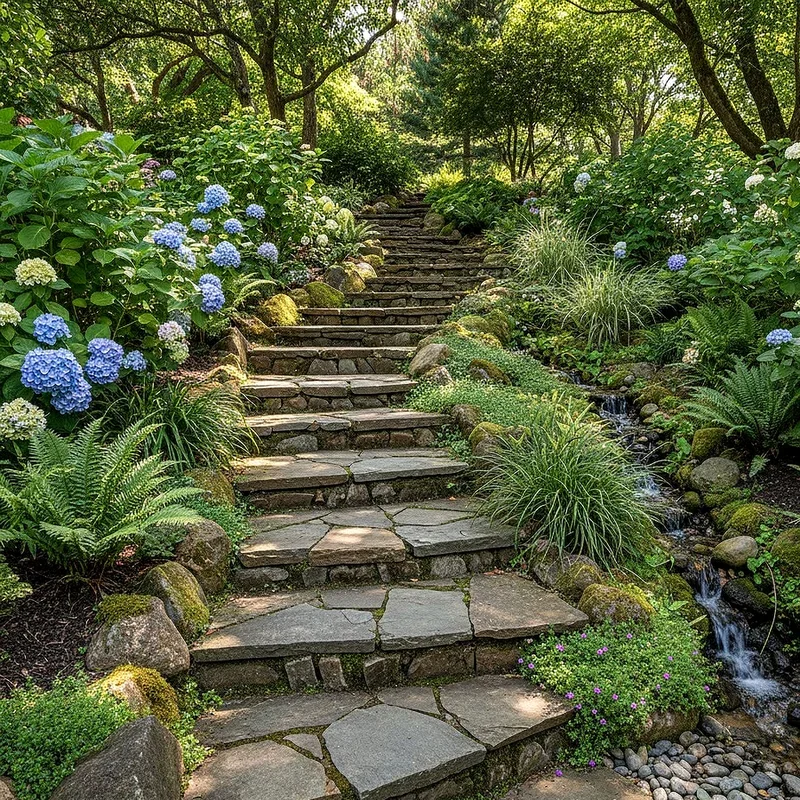
Flagstone steps bring irregular, organic shapes that create wonderfully informal pathways through your garden spaces. Each piece of flagstone is unique, with natural variations in color, thickness, and texture. You can set flagstones directly into soil, sand, or mortar depending on your desired look. The gaps between stones provide planting opportunities for ground covers like thyme or sedum. This material works exceptionally well for winding paths that follow the natural contours of your landscape. Flagstone stays relatively cool underfoot during summer months, making it comfortable for bare feet. The flat surfaces provide stable footing while the irregular edges create a relaxed, cottage garden atmosphere. You'll appreciate how flagstone blends with both formal and casual garden designs seamlessly.
7. Railroad Tie Steps for Durability
Railroad ties create incredibly robust steps that stand up to harsh weather and constant use. These massive timbers bring an industrial aesthetic that works surprisingly well in many garden settings. The dark, weathered appearance of used railroad ties adds instant character and history to your landscape. You can stack them for taller risers or use single ties for gentle grade changes. Their substantial weight means they stay firmly in place without extensive anchoring or foundation work. Railroad ties pair beautifully with gravel or crushed stone treads for a cohesive rustic look. These steps shine in larger gardens where their bold scale makes appropriate visual impact. Consider using newer, untreated timbers if you're concerned about chemical treatments from authentic railroad ties.
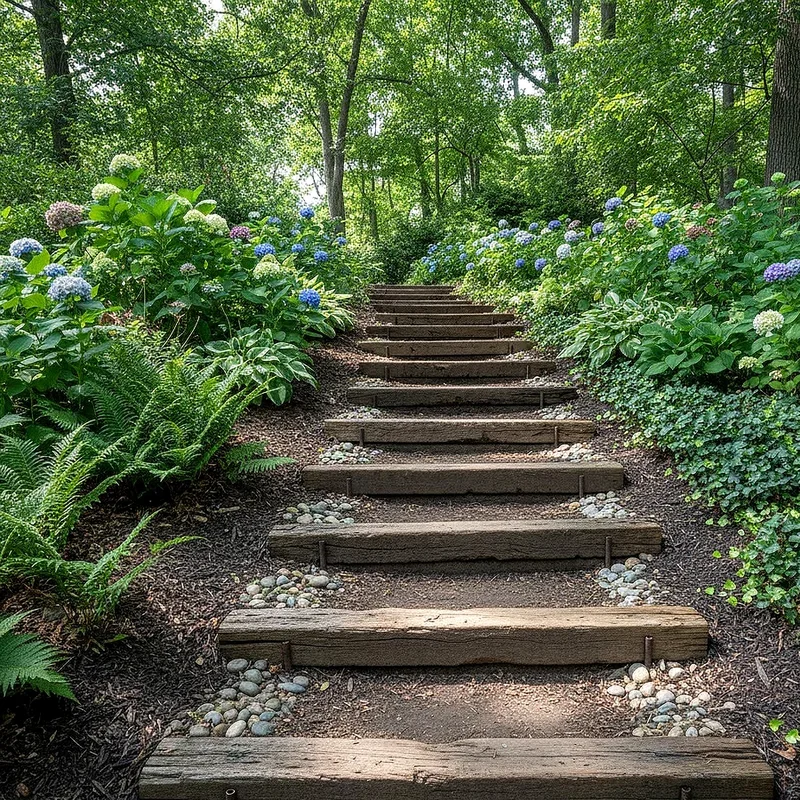
8. Moss Covered Steps for Enchanted Gardens
Moss covered steps transform ordinary pathways into magical, fairy tale inspired garden features that captivate visitors. The velvety green carpet softens hard surfaces while adding lush color throughout the year. Moss thrives in shady, moist conditions, making it perfect for woodland gardens or shaded slopes. You can encourage moss growth on stone or concrete by applying buttermilk or yogurt mixtures. These living steps create habitat for beneficial insects and contribute to your garden's ecological health. The slightly spongy texture provides unexpected comfort underfoot while maintaining adequate traction for safety. Moss naturally controls erosion and filters water, making your steps both beautiful and environmentally friendly. This option works best in areas with minimal foot traffic to preserve the delicate moss.
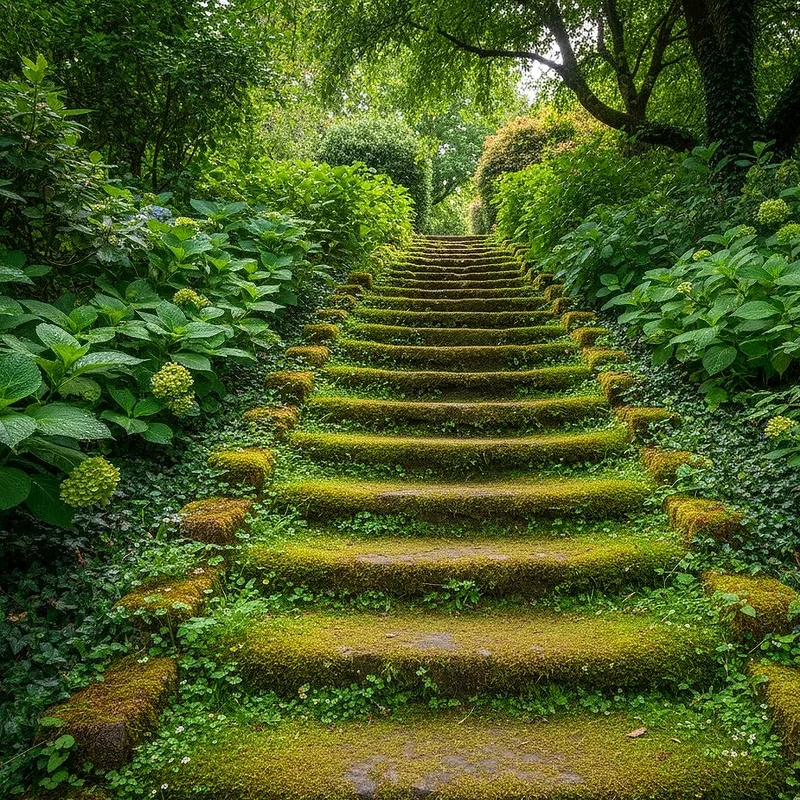
9. Limestone Steps for Sophisticated Pathways
Limestone steps deliver understated elegance with their soft, neutral tones that complement virtually any architectural style. This sedimentary stone features subtle fossil patterns and natural variations that add quiet visual interest. Limestone weathers beautifully, developing a smooth patina that becomes more attractive with age. The light color reflects sunlight, helping illuminate darker garden areas and creating a sense of spaciousness. You'll find limestone steps particularly effective in formal gardens where refined simplicity is the goal. The material cuts and shapes easily, allowing for precise installations with tight joints and clean lines. Limestone provides excellent thermal properties, staying comfortable to touch in both hot and cold weather. Sealing helps protect against staining while maintaining the stone's natural beauty and extending its lifespan significantly.
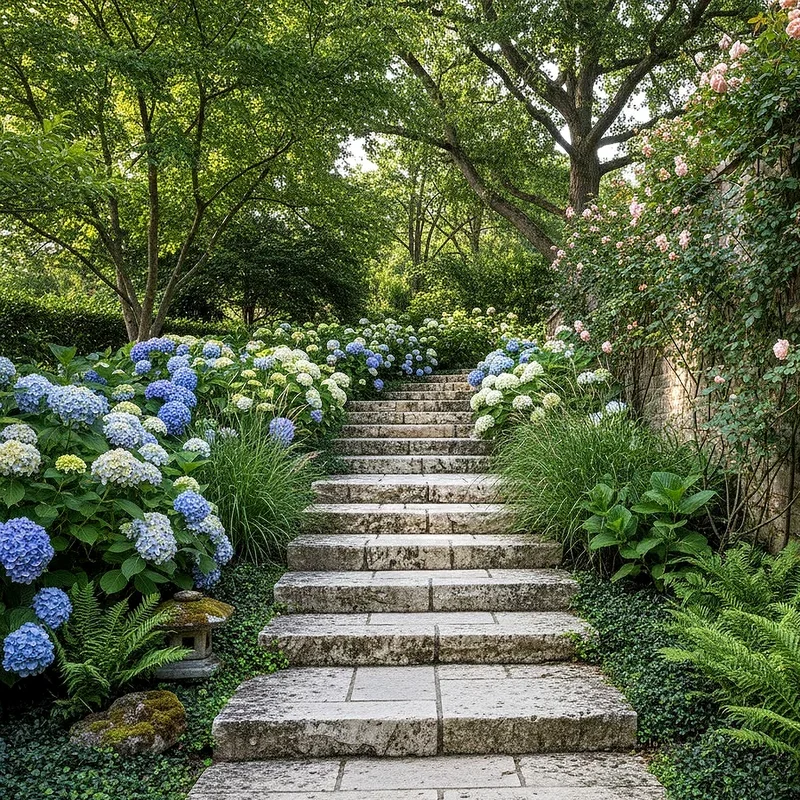
10. Stepping Stone Style Garden Steps
Stepping stone style garden steps offer a casual, playful approach to navigating slopes and creating pathways. Individual stones float within groundcover or grass, creating an informal rhythm as you move through space. This design allows plants to soften the hardscape, maintaining a strong connection between path and garden. You can space stones according to your natural stride length for comfortable, intuitive movement. Stepping stones work wonderfully in areas where full steps might feel too formal or imposing. The design flexibility lets you create curved, meandering paths that follow your garden's natural flow. Installation proves relatively simple, requiring only shallow excavation and a sand base for stability. This approach uses less material than continuous steps, making it budget friendly for longer pathways.
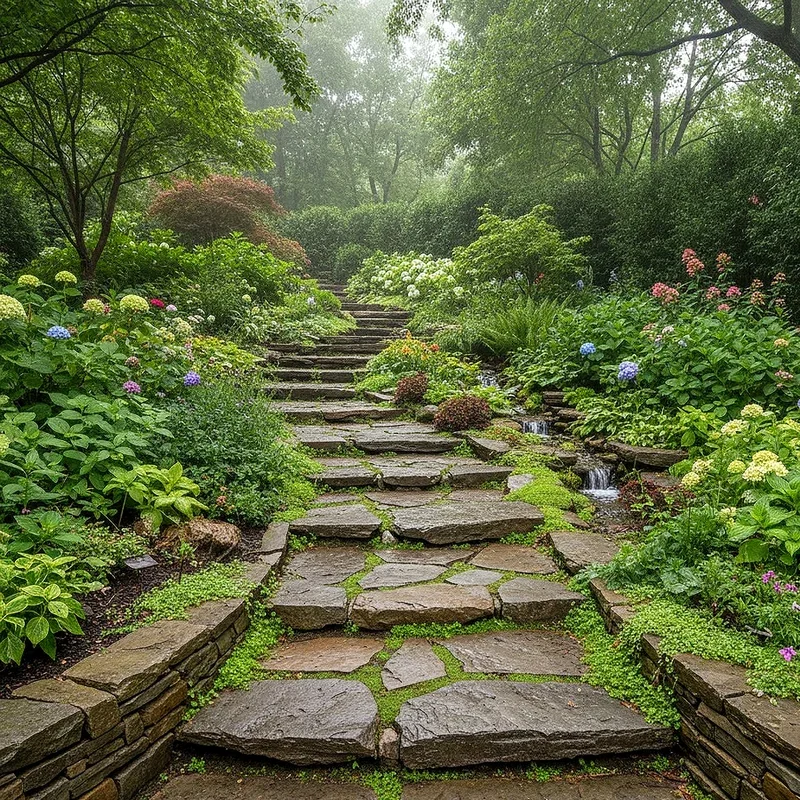
11. Reclaimed Material Steps for Eco-Friendly Design
Reclaimed material steps demonstrate your commitment to sustainability while adding unique character to your garden. Salvaged bricks, stones, or timbers bring history and story to your landscape design choices. These materials often feature beautiful weathering and patina that new products cannot replicate authentically. You'll find reclaimed options at architectural salvage yards, demolition sites, and specialty suppliers. Using recycled materials reduces environmental impact while creating one of a kind garden features. Mixed materials from different sources create eclectic, artistic steps that showcase your personal style. The varied sizes and colors tell a visual story while providing functional pathways through your space. This approach allows you to create beautiful steps on a budget while reducing waste destined for landfills.
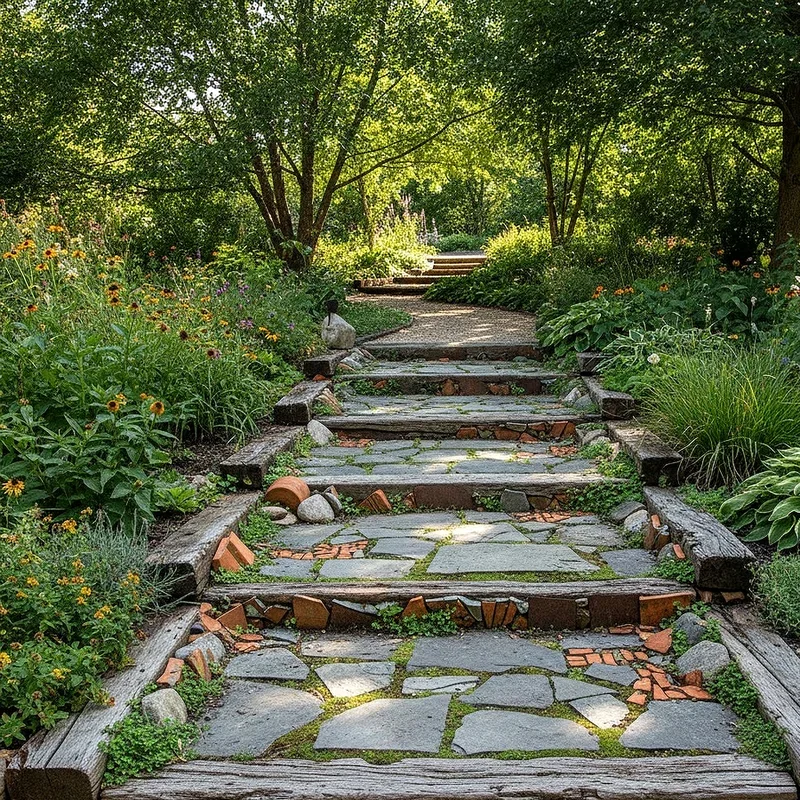
12. Metal Edged Steps for Contemporary Gardens
Metal edged steps bring crisp, modern lines to garden pathways, creating striking focal points in contemporary landscapes. Steel or aluminum edging contains gravel, soil, or concrete treads with precision and strength. The clean geometry works beautifully in minimalist gardens where every element serves both form and function. Weathering steel develops a rust colored patina that adds warmth to modern designs over time. Metal reflects light differently throughout the day, creating dynamic visual effects that change with the sun. These edges provide excellent root barriers, preventing grass and plants from encroaching on your pathways. You can powder coat metal in various colors to match or contrast with your overall design scheme. The industrial aesthetic pairs wonderfully with contemporary architecture and streamlined planting schemes.
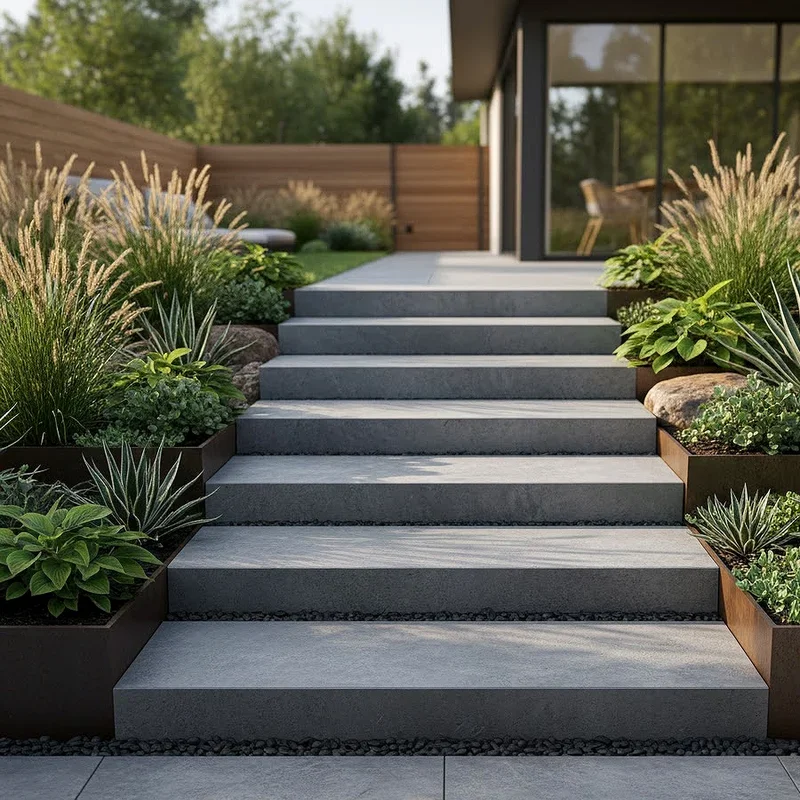
13. Paver Steps with Planted Risers
Paver steps with planted risers combine structural stability with living beauty in innovative garden designs. Concrete or stone pavers create solid treads while plants soften the vertical spaces between levels. This design allows you to incorporate flowering plants, herbs, or groundcovers directly into your pathway structure. Planted risers help control erosion while adding color, texture, and fragrance to your steps. You might choose cascading plants that spill over the edges for a romantic, overflowing effect. This approach works particularly well in cottage gardens where abundance and informality reign supreme. The combination provides excellent drainage while creating habitat for pollinators and beneficial insects. Regular watering and maintenance keep the plants healthy while the pavers require minimal care over time.
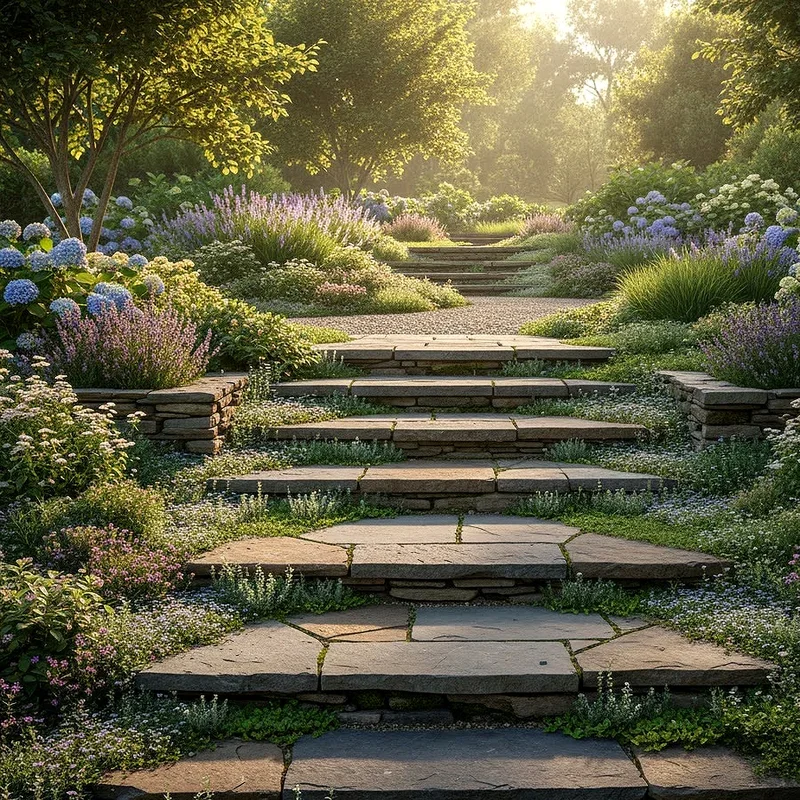
14. Log Steps for Natural Woodland Paths
Log steps create rustic pathways that feel completely at home in woodland gardens and naturalized areas. Whole logs or half rounds nestle into hillsides, following the natural contours of your landscape. This design minimizes environmental impact while working with your site's existing topography and character. The organic shapes and varied diameters create an informal, authentic appearance that blends seamlessly with surroundings. You can use logs from trees cleared during construction or source them from local suppliers. The bark adds texture and visual interest while providing natural traction for safe footing. Log steps work beautifully for connecting different garden zones in larger properties with varied terrain. As wood naturally decomposes, it enriches the soil and supports the ecosystem around your pathway.
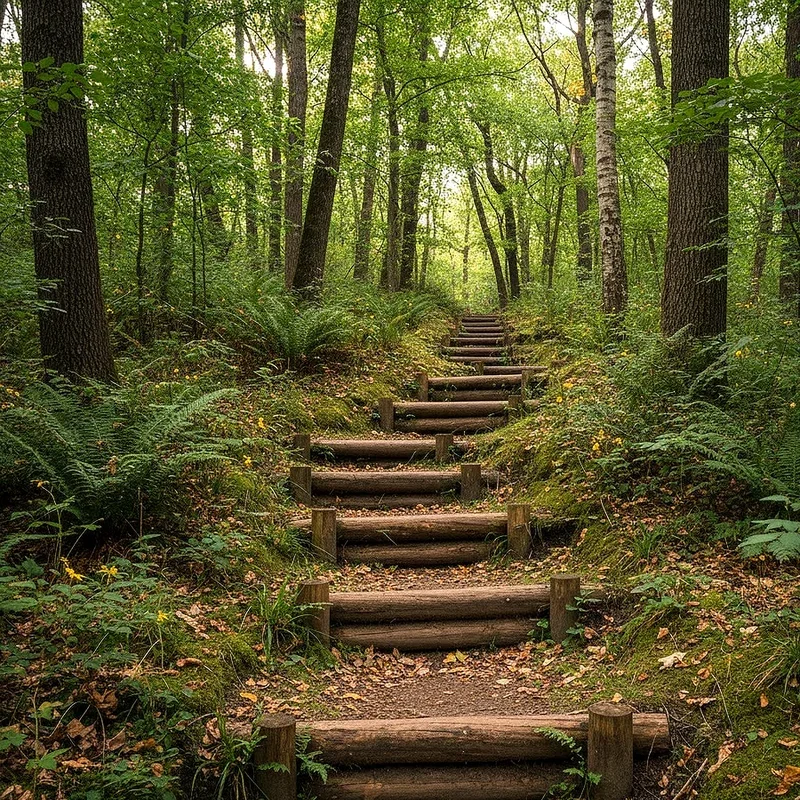
15. Decorative Tile Steps for Artistic Expression
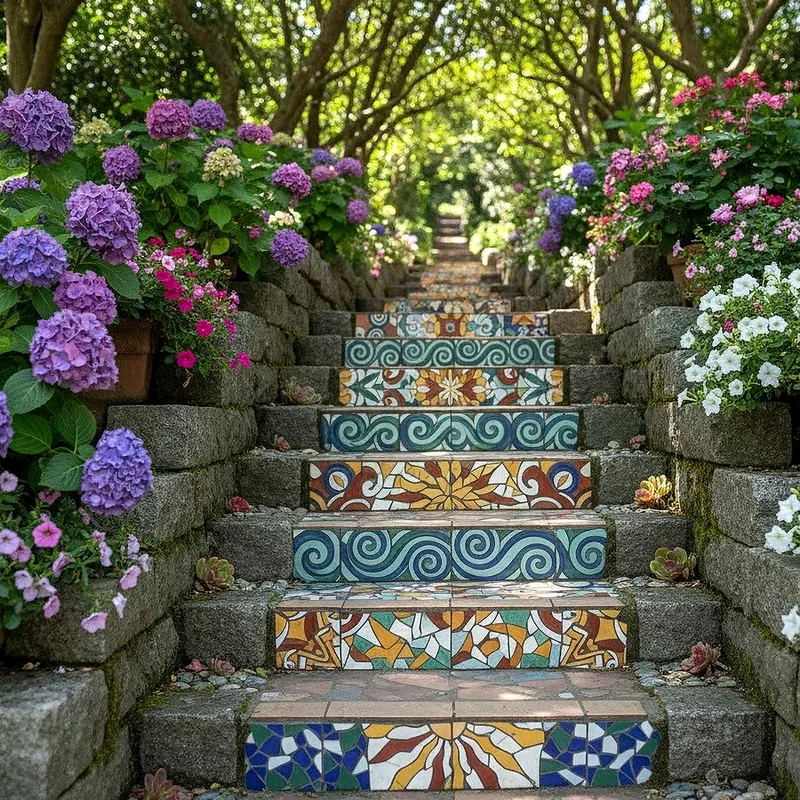
Decorative tile steps transform functional pathways into stunning works of art that showcase your personality. Colorful ceramic tiles create patterns, mosaics, or murals that tell stories or reflect cultural heritage. This approach works wonderfully in Mediterranean, Spanish, or bohemian style gardens seeking vibrant focal points. You can tile risers while using stone or concrete for treads, balancing beauty with practicality. Weather resistant outdoor tiles withstand freeze-thaw cycles and maintain their colors despite sun exposure. The smooth surface cleans easily, making maintenance simple even in high traffic areas of your garden. Decorative tiles allow endless customization possibilities, from geometric patterns to hand painted designs. These artistic steps become conversation pieces that express your creative vision while serving essential garden functions.
Conclusion
Creating beautiful garden steps involves more than just connecting different levels in your backyard. Each design choice reflects your personal style while addressing practical needs like drainage, safety, and durability. Whether you prefer the timeless elegance of natural stone or the artistic flair of decorative tiles, your steps can become defining features. Remember that the best garden steps harmonize with your home's architecture, complement your landscape style, and suit your maintenance preferences. Don't hesitate to combine materials or adapt these ideas to your unique situation. Your perfect pathway awaits, ready to guide you through a backyard transformed into something truly extraordinary.
Read next: 15 Cheap DIY Garden Path Ideas for Budget Walkways
Frequently Asked Questions
Q1: What is the most durable material for garden steps?
A: Natural stone and concrete are the most durable, lasting decades with minimal maintenance.
Q2: How do I prevent garden steps from becoming slippery?
A: Choose textured materials, add traction strips, or incorporate gravel for improved grip.
Q3: Can I install garden steps myself?
A: Simple designs like timber or stepping stones are DIY friendly with basic tools.
Q4: How much do garden steps typically cost?
A: Costs vary from budget friendly gravel options to expensive custom stone installations significantly.
Q5: What spacing should I use between garden steps?
A: Standard rise is six to eight inches with tread depth around twelve inches minimum.