Let the Light In: Skylight Installation Tips for Northeast Homeowners
Discover the benefits of skylight installation, how to choose the right design, and expert tips on improving natural light and energy efficiency in your NEPA home.

Natural light has become one of the most desirable features in modern home design. As homeowners look for ways to brighten their living spaces, reduce energy costs, and enhance overall comfort, skylights have emerged as a top choice. They’re functional, beautiful, and capable of transforming even the darkest rooms.
For residents living in Northeast Pennsylvania (NEPA), where winters are long and daylight hours can feel short, skylights offer a valuable boost of warmth and brightness. But before you cut a hole in your roof, it’s important to understand how skylight installation works, what options you have, and how to ensure long-lasting performance in a climate known for snow, ice, and temperature swings.
This guide walks you through everything you need to know.
The Top Benefits of Adding a Skylight to Your Home
1. More Natural Light—Without Sacrificing Privacy
Skylights bring sunlight into your home even in rooms where traditional windows aren’t possible, like bathrooms, hallways, and interior spaces.
2. Improved Energy Efficiency
Modern skylights are far more insulating than older designs. Many include features like:
Low-E coatings
Argon gas insulation
UV protection
Triple-pane options
This helps keep heat inside during winter and prevents overheating in summer.
3. Better Ventilation (for Venting Skylights)
Venting skylights can release hot, stale air that collects near your ceiling, improving air quality and reducing cooling costs.
4. Enhanced Aesthetics & Home Value
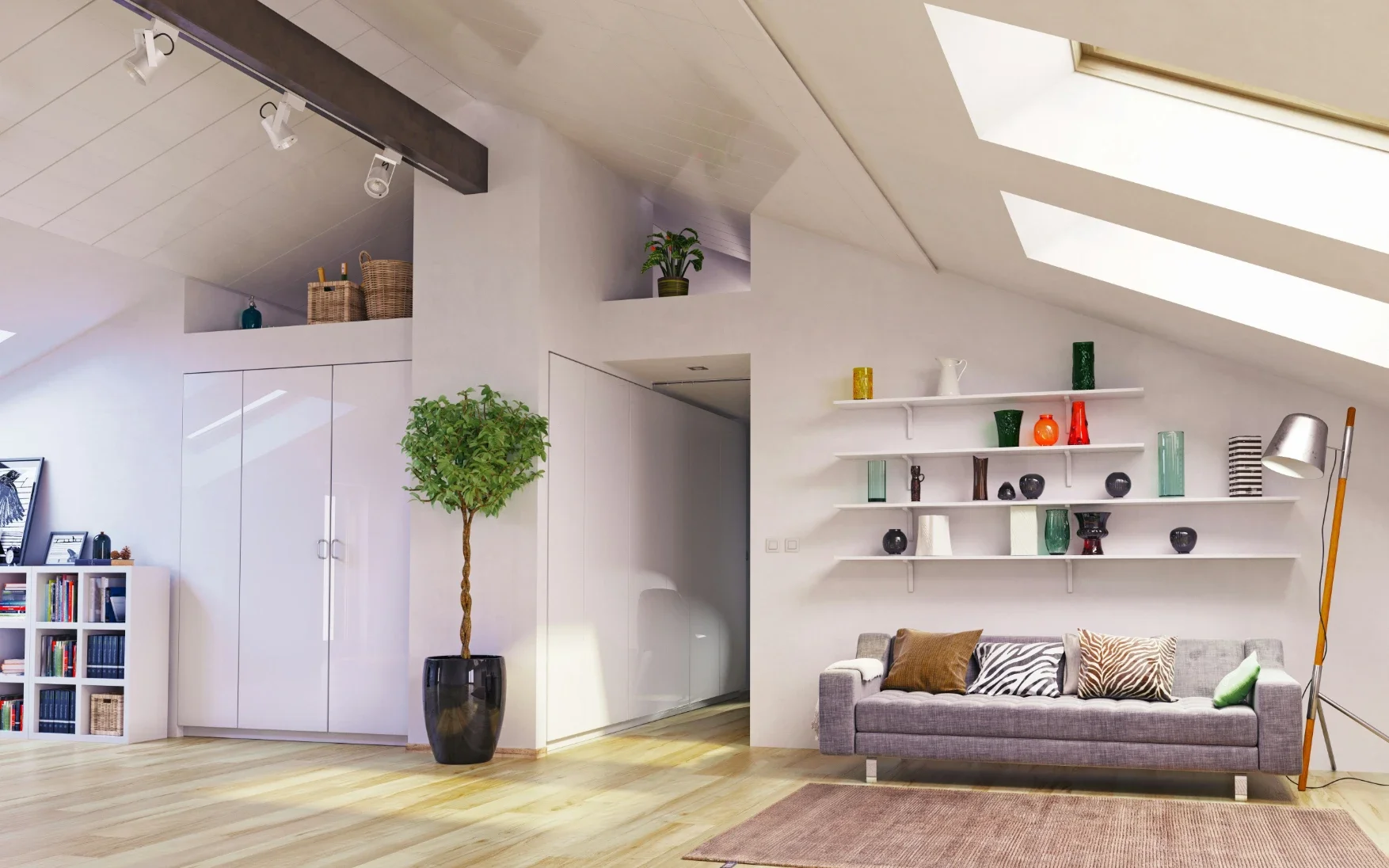
Well-placed skylights make a room look larger, more open, and more welcoming—qualities buyers notice immediately.
Types of Skylights to Consider
Fixed Skylights
Do not open
Best for rooms that only need additional light
Lowest maintenance
Vented Skylights
Open manually or electronically
Ideal for bathrooms, kitchens, or lofts
Provide airflow and humidity control
Tubular Skylights
Smaller, reflective tubes that channel sunlight
Perfect for small spaces like laundry rooms or hallways
Easy to install and very efficient
Flat Roof Skylights
Designed specifically for low-slope or flat roofing systems, these options offer watertight performance and improved drainage.
Choosing the Right Placement for Your Skylight
Location matters as much as the skylight itself. A professional skylight contractor will consider:
✔ Roof Direction (North, South, East, West)
North-facing = consistent, soft light
South-facing = bright year-round light
East-facing = warm morning sun
West-facing = afternoon brightness
✔ Roof Pitch (Slope)
Improper slope can cause leaks or condensation problems, especially in snowy climates like NEPA.
✔ Room Size & Height
A bigger room benefits from a larger skylight or multiple units.
✔ Obstructions
Chimneys, plumbing vents, and framing may influence placement.
How NEPA’s Climate Affects Skylight Installation
Skylights must be installed with regional weather in mind. NEPA homeowners face:
Snow & Ice Buildup
If the flashing is not installed correctly, snowmelt can get under shingles, causing leaks.
Freeze–Thaw Cycles
Sealants and flashing must be durable enough to handle expansion and contraction.
High Winds & Storms
Impact-resistant glass is recommended for long-term durability.
Temperature Fluctuations
Insulated glazing helps stabilize indoor temperature and reduce energy waste.
This is why skylights should never be a DIY project—proper installation determines their long-term performance.
Common Mistakes to Avoid When Installing Skylights
Using cheap materials that don't hold up to moisture
Incorrect flashing installation, leading to leaks
Improper roof slope adjustments
Failing to add insulation around the light shaft
Placing skylights too close to roof valleys
A professional installer ensures all these issues are addressed before work begins.
How to Maintain Your Skylight for Long-Term Performance
1. Clean the Glass Regularly
This keeps light transmission strong and reduces staining.
2. Inspect Flashing Twice a Year
Look for gaps, cracks, or lifting around the edges.
3. Watch for Condensation
Persistent condensation may signal poor ventilation.
4. Clear Snow Gently
Never chip ice directly on the glass.
Why Work with a Professional Skylight Contractor?
Skylights may look simple from the inside, but the installation requires roofing expertise, waterproofing knowledge, and structural awareness. A professional will:
Identify the best location
Ensure proper slope and flashing
Use high-quality energy-efficient materials
Minimize risk of leaks
Provide warranty protection
For homeowners looking for reliable, experienced help, Independent Construction provides expert skylight installation services designed specifically for NEPA’s climate.
Final Thoughts
Skylights can transform your home with brighter spaces, improved ventilation, and greater aesthetic appeal. With the right planning and professional installation, they can remain beautiful and worry-free for decades.